
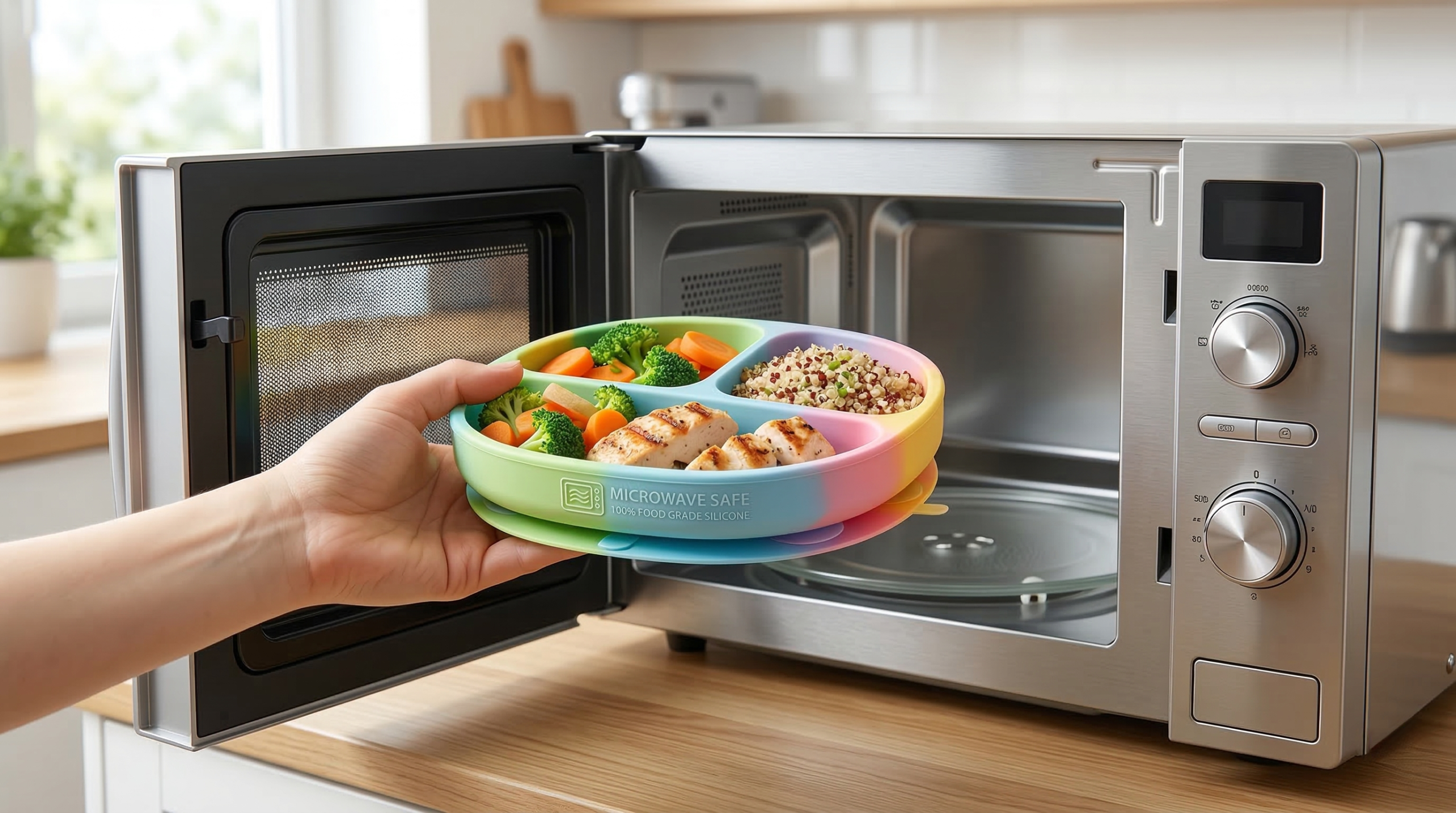
Yes, you can safely microwave silicone plates without any risk of melting or toxic chemical leaching under normal kitchen conditions. You are likely preparing a quick meal or testing food-grade samples and worry about the potential for microplastics to migrate into your food from standard plastic containers. This concern is valid, as heat-induced chemical migration can compromise food purity and long-term health standards for your customers. High-quality can you microwave silicone products provide a heat-stable, inert solution that ensures safety and durability across all kitchen environments.
Is silicone genuinely safe for microwave use?
Yes, food-grade silicone is an inherently stable material that remains inert and safe for microwave heating at standard power levels.
When you investigate whether can you microwave silicone, you are prioritizing material integrity. Most high-quality kitchenware brands rely on silicone because it does not react with electromagnetic radiation. This makes it an ideal choice for both consumer and commercial food service applications.
Material Stability and Microwave Interaction
The molecular structure of silicone is composed of silicon-oxygen backbones, which are highly resistant to heat. Unlike certain plastics that soften or release harmful odors when heated, silicone retains its shape and chemical bond strength.
Here is the deal:
- Silicone does not contain BPA or phthalates.
- It is non-reactive with acidic or alkaline foods.
- The material is non-porous, preventing bacterial growth.
- It remains flexible even after repeated microwave cycles.
Key Takeaway: You can rely on silicone for daily microwave use because its chemical structure is specifically designed to resist thermal degradation and electromagnetic stress.
| Feature | Performance in Microwave |
|---|---|
| Chemical Leaching | Zero (if 100% food-grade) |
| Structural Integrity | High / No warping |
| Odor Transfer | None |
This table demonstrates the superior reliability of silicone compared to traditional polymers during rapid heating cycles.
What temperature limits should you observe?
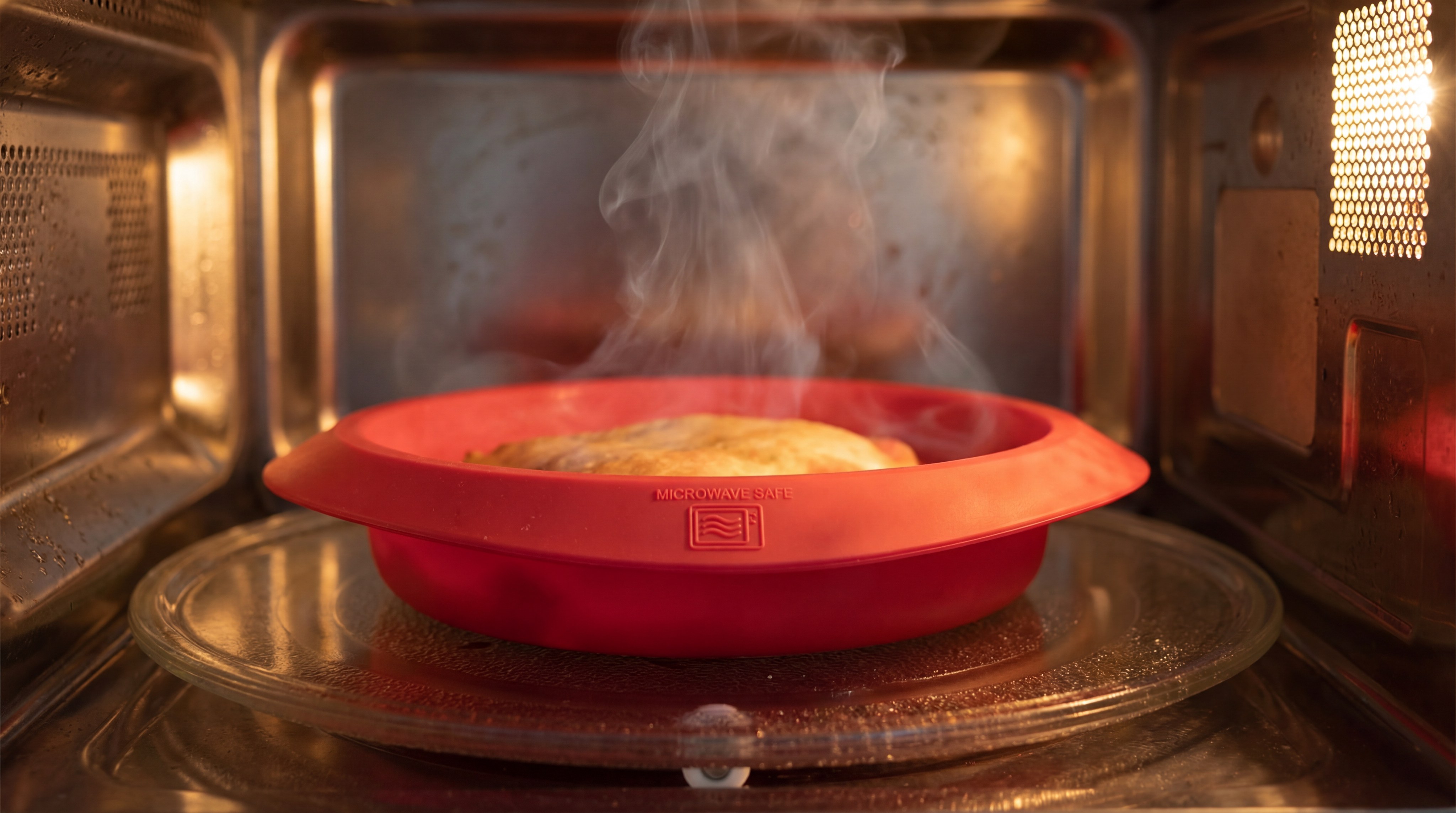
You should generally keep silicone plates within the temperature range of -40°C to 250°C (-40°F to 482°F) for maximum safety.
Understanding these thermal boundaries helps you determine if can you microwave silicone components without exceeding their physical limits. Most household microwaves rarely reach the upper limit of silicone’s heat resistance. However, staying within the recommended manufacturer guidelines ensures the longevity of your kitchenware products.
Operating Within Thermal Safety Zones
While silicone is heat-resistant, exceeding 250°C can cause the material to become brittle or lose its flexibility over time. It is important to note that the food inside the plate often reaches much higher temperatures than the plate itself.
But wait, there’s more:
- Most commercial microwaves operate well below the 250°C threshold.
- Standard food heating usually occurs between 70°C and 100°C.
- Avoid using silicone under a direct broiler or open flame.
- High-fat foods can heat up quickly, so monitor long cycles.
Key Takeaway: By staying under the 250°C limit, you ensure that your silicone products remain durable and safe for years of continuous microwave service.
| Parameter | Recommended Value |
|---|---|
| Maximum Temp | 250°C (482°F) |
| Minimum Temp | -40°C (-40°F) |
| Ideal Usage | Reheating & Steaming |
Operating within these specific thermal windows guarantees that the physical properties of your silicone plates remain unchanged.
How does silicone react to microwave radiation?
Silicone is transparent to microwave radiation, meaning the waves pass through the material and heat only the food inside.
Because silicone is non-polar, the question of can you microwave silicone is answered by its lack of electromagnetic absorption. This property ensures that the plate itself stays relatively cool while the food reaches the desired temperature. It is a significant advantage over ceramic or glass, which can sometimes become dangerously hot to the touch.
Electromagnetic Transparency Explained
In a microwave, polar molecules like water rotate rapidly, creating friction and heat. Silicone lacks these polar characteristics, so it does not “catch” the energy from the microwave oven.
Look at it this way:
- The energy is focused entirely on the moisture in your food.
- Silicone acts as a neutral vessel for the heating process.
- Energy efficiency is improved as the container isn’t wasted heat.
- Risk of thermal shock and cracking is virtually non-existent.
Key Takeaway: You will experience safer handling and more efficient heating because silicone does not absorb or waste microwave energy during the cooking process.
| Interaction Type | Result for Silicone |
|---|---|
| Absorption | Negligible |
| Reflection | None |
| Transparency | Very High |
This transparency profile explains why silicone is becoming the preferred material for high-efficiency microwave cookware and storage.
Are there specific microwave-safe certifications?
Yes, you should always look for FDA (USA) or LFGB (European) compliance markings to guarantee microwave safety.
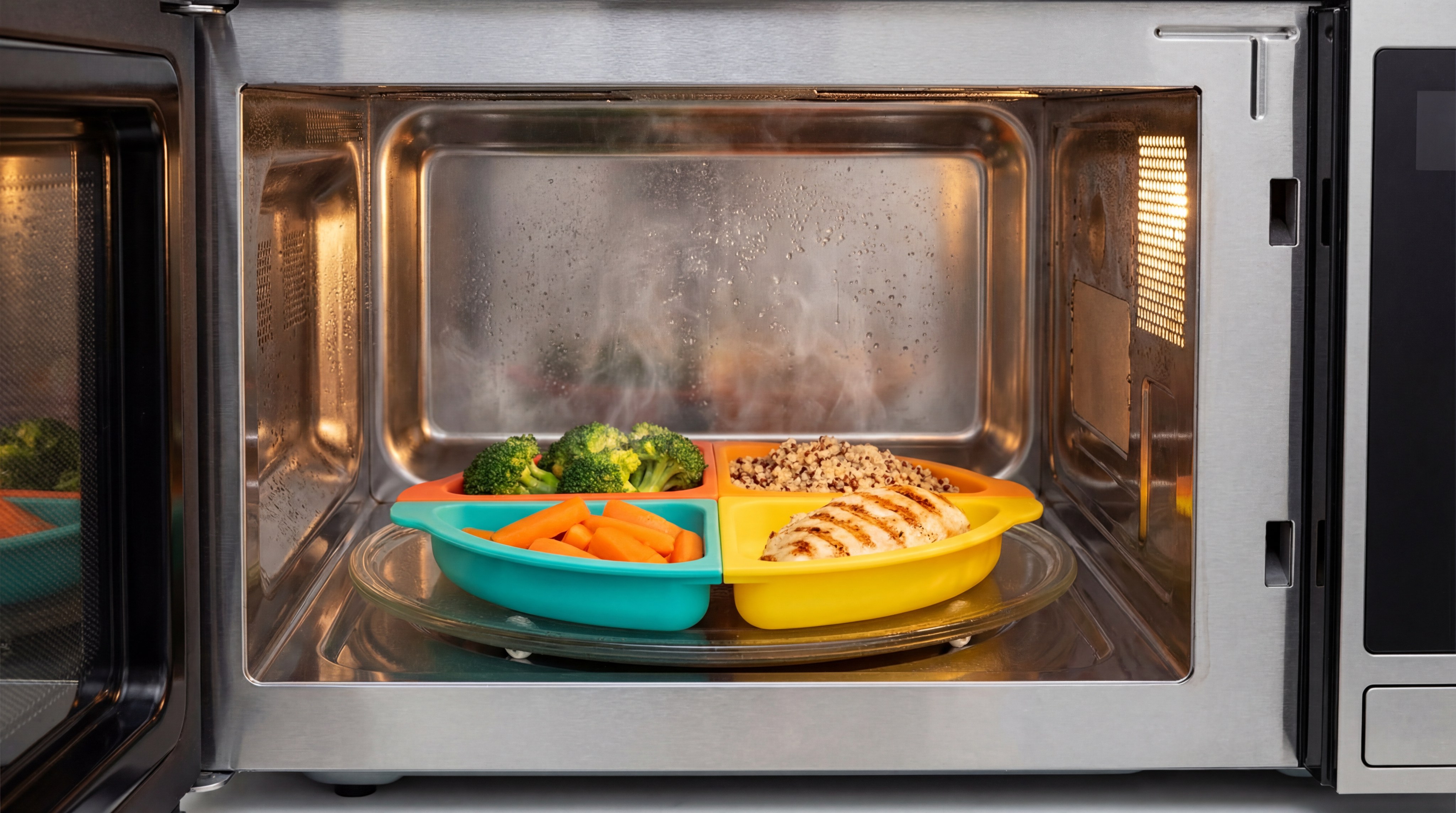
Verification is a critical step when you ask can you microwave silicone for a commercial product line. These certifications involve rigorous testing to ensure that no harmful substances migrate from the material into food at high temperatures. Manufacturers like HuaLin Silicone prioritize these standards to ensure global market access and consumer trust.
Understanding Global Compliance Standards
FDA and LFGB standards are the “gold standard” for silicone safety in the kitchenware industry. While FDA is standard for the US, LFGB often involves stricter testing for European markets, including sensory tests for odor and taste.
Here is the deal:
- FDA compliance ensures basic food contact safety.
- LFGB certification suggests a higher grade of material purity.
- Look for the “glass and fork” symbol on the product base.
- Certified silicone is free from cheap plastic fillers.
Key Takeaway: Choosing certified, food-grade silicone ensures that your microwavable plates meet the highest global safety and health requirements.
| Certification | Region | Focus |
|---|---|---|
| FDA | USA | Extraction testing |
| LFGB | Europe | Sensorial and migration tests |
| ISO 10993 | Global | Biocompatibility (Medical) |
Relying on these verified standards eliminates the guesswork and risk associated with unbranded or low-quality silicone materials.
Does microwaving silicone affect food quality?
No, high-quality silicone is chemically inert and does not transfer any tastes, odors, or chemicals into your food.
Maintaining original flavor profiles is vital when you determine can you microwave silicone for high-end kitchenware. Unlike low-quality plastics that might smell “burnt” or metallic after heating, pure silicone remains neutral. This inertness is why silicone is used extensively in professional baking and baby feeding products.
Preservation of Flavor and Aroma
Because silicone does not react with food, even at boiling temperatures, your ingredients stay exactly as you intended. This is particularly important for delicate foods or meals prepared for children with sensitive palates.
But wait, there’s more:
- No “plastic” taste is added to your meal.
- Aromas from previous meals do not linger in the material.
- Nutritional content is preserved through even heating.
- The material does not stain easily from colorful spices.
Key Takeaway: You can enjoy the true flavor of your ingredients because silicone provides a completely neutral environment for microwave heating.
| Food Impact | Pure Silicone Result |
|---|---|
| Taste Alteration | None |
| Chemical Leaching | Zero |
| Staining | Resistant |
The chemical neutrality of silicone makes it the superior choice for those who prioritize food quality and safety above all else.
Can you microwave silicone plates with lids?
Yes, you can microwave them, provided the lid is also made of food-grade silicone and is properly vented to release steam.
Product design often dictates how well you can you microwave silicone plates that come with specialized covers. If a lid is sealed airtight, the steam pressure generated during heating can cause the lid to pop off or the container to deform. Always ensure there is a small gap or a dedicated vent hole to allow pressure to equalize.
Venting Techniques for Safe Heating
Proper venting prevents the “vacuum effect” that can occur when heated air cools down inside a sealed container. It also ensures that your food heats evenly without becoming soggy from trapped moisture.
Look at it this way:
- A slightly ajar lid allows steam to escape safely.
- Silicone lids are more heat-resistant than most plastic covers.
- Vented lids help prevent messy splatters inside your microwave.
- They help maintain a consistent temperature for delicate sauces.
Key Takeaway: Microwaving with a vented silicone lid is the most effective way to reheat food while keeping your microwave clean and your food moist.
| Lid Status | Safety Recommendation |
|---|---|
| Fully Sealed | Avoid (Pressure risk) |
| Vented/Ajar | Recommended |
| No Lid | Safe (Risk of splatters) |
Following these simple venting rules ensures a mess-free and safe reheating experience for any silicone-based storage system.
What are the signs of low-quality silicone?
White streaks during a “stretch test” or strong chemical odors are the most common signs of unsafe fillers in silicone.
Detecting hidden “filler” materials is an essential step before confirming can you microwave silicone safely in your home or business. Pure silicone should not change color when twisted or stretched. If you see white appearing in the material, it likely contains cheap plastic fillers that are not heat-stable and may leach chemicals.
The Stretch Test and Sensory Checks
Performing a quick physical check can save you from using a product that isn’t actually 100% silicone. High-quality material feels smooth, has no lingering chemical smell, and remains a consistent color regardless of tension.
Here is the deal:
- Pure silicone maintains its color when pulled tight.
- White streaks indicate the presence of calcium carbonate or plastic.
- Foul odors upon heating are a major red flag for toxicity.
- Sticky surfaces after cleaning suggest poor material quality.
Key Takeaway: You should only microwave silicone that passes the stretch test and is free from strong chemical odors to ensure total food safety.
| Test Method | Pass (Pure Silicone) | Fail (With Fillers) |
|---|---|---|
| Stretch Test | Color stays uniform | White streaks appear |
| Smell Test | Neutral odor | Strong plastic/chemical scent |
| Heat Test | No warping | Softening or melting |
Regularly inspecting your silicone inventory ensures that only the highest quality, microwave-safe products remain in your kitchen.
How should you clean microwaved silicone plates?
You can easily clean microwaved silicone plates using standard dish soap and warm water or by placing them in the dishwasher.
Post-heat maintenance is crucial to ensure you can you microwave silicone repeatedly without any degradation of the material. Because silicone is non-stick, food residue usually slides off quite easily. For tough grease, a short soak in soapy water or a cycle in the top rack of the dishwasher is usually sufficient.
Routine Maintenance and Deep Cleaning
While silicone is durable, oil-based residues can sometimes leave a slight film if not cleaned thoroughly. Using a fragrance-free soap is often recommended to prevent the silicone from absorbing artificial scents over hundreds of washes.
But wait, there’s more:
- Silicone is top-rack and bottom-rack dishwasher safe.
- Use a soft sponge to avoid scratching the surface.
- Boiling the plates for a few minutes can provide deep sterilization.
- Baking soda pastes can help remove stubborn food stains.
Key Takeaway: Maintaining your silicone plates through proper cleaning extends their lifespan and ensures they remain hygienic for every microwave use.
| Cleaning Method | Effectiveness | Frequency |
|---|---|---|
| Dishwasher | High / Convenient | Daily |
| Hand Wash | Moderate / Gentle | Daily |
| Boiling | Maximum / Sterilizing | Monthly |
Effective cleaning routines prevent buildup and keep your silicone kitchenware looking and performing like new for years.
Is microwaved silicone safe for babies and pets?
Yes, silicone is hypoallergenic, non-toxic, and microplastic-free, making it the safest choice for vulnerable users.
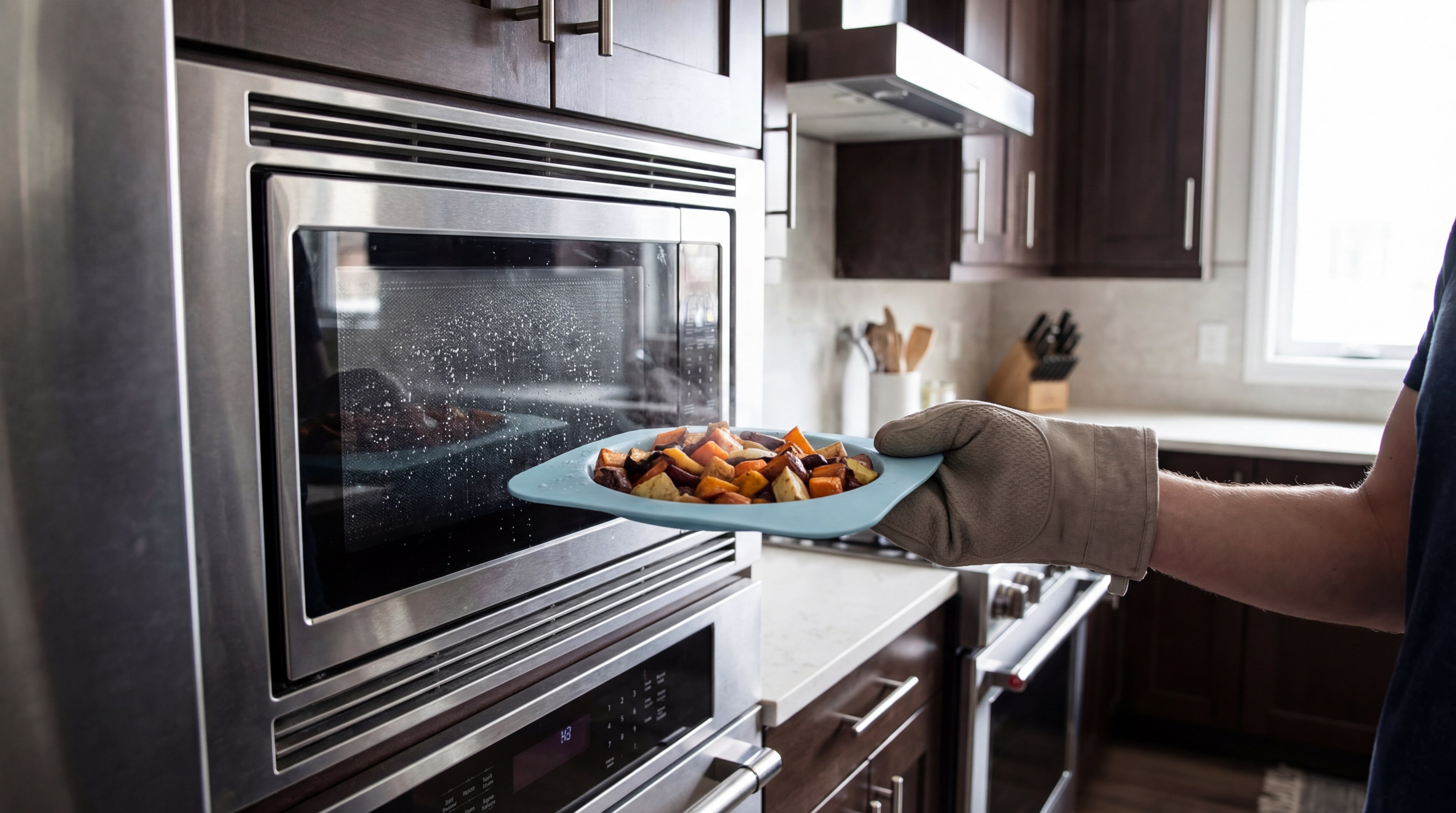
Safety for these groups is the primary reason why many parents and pet owners ask can you microwave silicone baby plates or bowls. Unlike plastic, silicone does not shed microplastics into hot food, which protects developing systems from endocrine disruptors. Its soft texture also means there are no sharp edges if a plate is dropped after being removed from the microwave.
Biocompatibility for Specialized Products
The medical-grade nature of high-quality silicone ensures that it is completely biocompatible. This means it will not cause allergic reactions or skin irritation, which is vital for products used in constant contact with infants or animals.
Look at it this way:
- Silicone is naturally resistant to mold and bacteria.
- It is unbreakable, even when thrown from a high chair.
- Suction bases on silicone plates stay put during heating.
- Temperature changes don’t make the material brittle.
Key Takeaway: You provide a healthier, safer environment for your family and pets by choosing microwavable silicone over traditional plastic alternatives.
| User Group | Safety Benefit |
|---|---|
| Infants | BPA-free / Microplastic-free |
| Pets | Durable / Chew-resistant |
| Elders | Lightweight / Unbreakable |
The health benefits of using silicone for sensitive populations make it an essential material in modern product design.
Why is silicone better than plastic for heating?
Silicone is superior because it maintains structural integrity at high heat and does not release harmful toxins like BPA.
Superior durability is the core reason why professionals choose to can you microwave silicone components instead of using plastic. Plastic containers often warp, stain, or develop “pitting” where food was heated too intensely. Silicone remains completely unchanged by these thermal stresses, offering a much longer service life and better ROI for B2B buyers.
Long-Term Value and Safety Comparison
When comparing the two materials, silicone offers a much higher melting point and better environmental resistance. While plastic may be cheaper initially, the frequent need for replacement and health risks make it a less sustainable choice.
Here is the deal:
- Silicone does not warp or melt in the microwave.
- It does not absorb food colors like tomato sauce easily.
- The material is eco-friendly and lasts for years.
- Silicone is a premium material that enhances brand value.
Key Takeaway: Investing in silicone over plastic gives you a safer, more durable, and more cost-effective solution for all microwave heating needs.
| Material | Heat Limit | Toxin Release | Durability |
|---|---|---|---|
| Silicone | 250°C | None | Excellent |
| Plastic | ~100°C | Possible BPA/PFAS | Low |
Switching to silicone for heating applications is a logical step for any brand focusing on sustainability and consumer safety.
Ready to Upgrade Your Product Line?
If you are looking for a reliable manufacturing partner to bring high-quality, microwave-safe silicone products to your brand, we are here to help. At HuaLin Silicone, we specialize in factory-direct custom Liquid Silicone Rubber (LSR) parts and food-grade kitchenware that meet the strictest international standards. We solved the common industry problems of chemical leaching, material warping, and poor durability by utilizing pharmaceutical-grade materials and precision molding.
Our facility in Dongguan is equipped with Class 100,000 cleanrooms and ISO certifications to ensure your products are safe for everything from baby feeding to medical devices. We offer full OEM/ODM support, from initial prototyping with 3D printing to high-volume mass production. Our vision is to lead the industry toward a plastic-free future with high-performance silicone solutions. Contact us today to discuss your project requirements and receive a custom quote.
Frequently Asked Questions
Can I microwave silicone plates if they have a “white” core?
No, you should avoid microwaving them because the white color usually indicates the presence of cheap plastic fillers. These fillers can melt or leach chemicals when exposed to heat, unlike 100% pure food-grade silicone.
What’s the best way to tell if my silicone is microwave-safe?
The best way is to look for the “microwave-safe” text or the standard wavy line symbol on the bottom of the plate. You can also perform a “stretch test” to ensure there are no white streaks, confirming it is pure silicone.
How do I know if the silicone plate is too hot to touch?
Generally, silicone does not absorb heat from microwaves, but it can become hot from the steam of the food inside. Always use caution and check a small corner of the plate before lifting it fully.
Can I use the microwave to sterilize my silicone baby plates?
Yes, silicone is excellent for sterilization because it can withstand the high temperatures required to kill bacteria. You can either microwave it with a small amount of water or boil it for 5 minutes.