
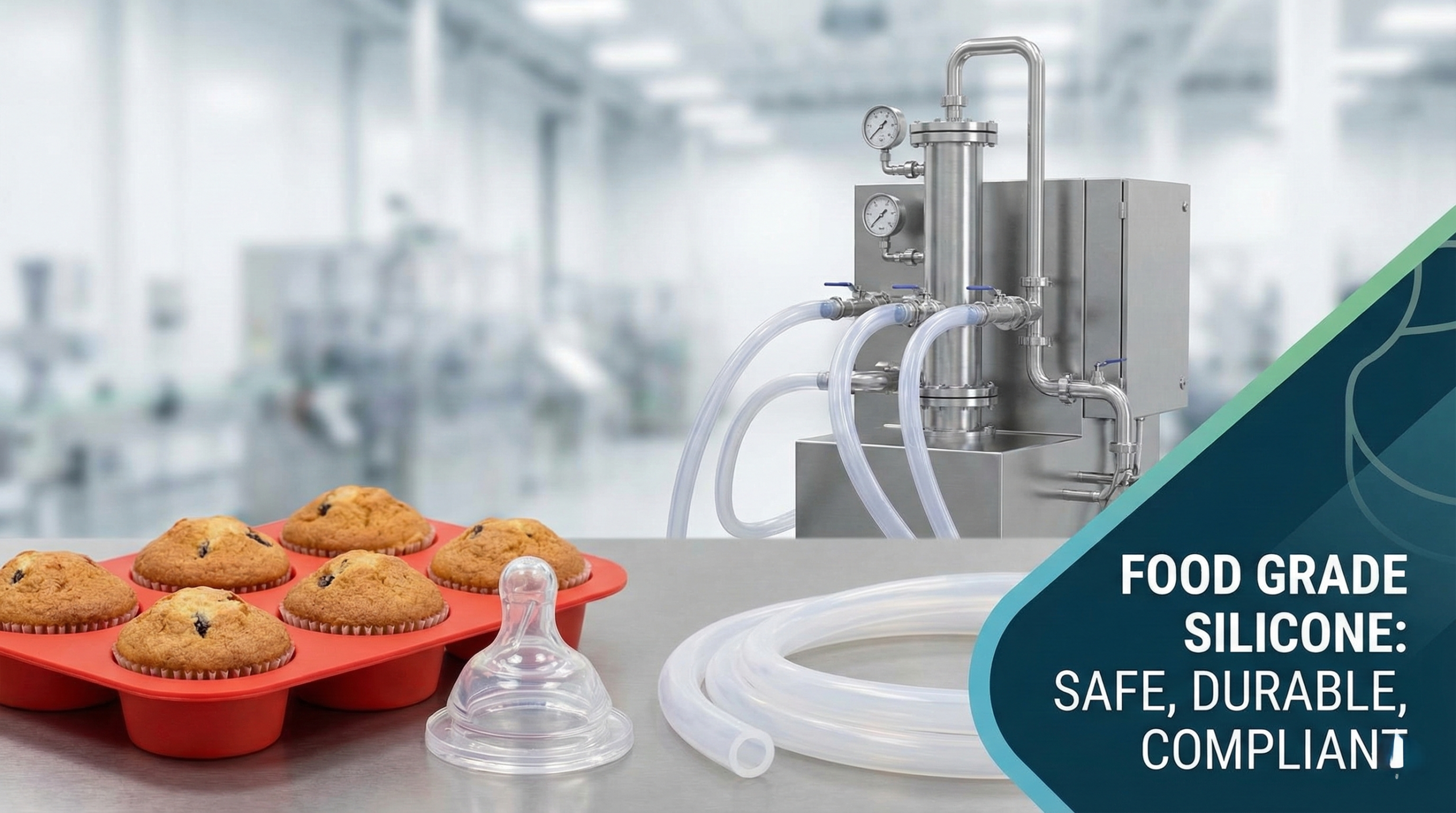
Food-grade silicone provides a safe, highly temperature-resistant, and non-toxic solution for compliant manufacturing. Picture running a high-volume bakery line where standard rubber seals constantly degrade under extreme oven heat. This frequent failure stalls production and risks severe product contamination daily. Switching to solves this exact issue by maintaining perfect integrity across massive temperature swings. We manufacture these reliable components for global B2B brands.
What is food grade silicone and how does it function?
This specific elastomer functions as a non-toxic, highly stable barrier designed safely for consumable goods. Unlike standard industrial rubbers, food grade silicone undergoes rigorous purification processes. It will never release harmful byproducts into your valuable consumer items.
What makes chemical compositions unique?
Here’s the deal: an entirely synthetic backbone guarantees absolute chemical inertness.
- A molecular structure prevents breakdown under harsh conditions.
- Manufacturers completely eliminate dangerous bisphenol A and phthalates.
- It resists harsh sanitizing agents perfectly during daily washes.
Does it naturally repel bacterial growth?
What’s the real story? A non-porous surface naturally repels harmful microbial agents. Your hygiene protocols become significantly easier when utilizing such resilient materials.
Can it survive extreme manufacturing environments?
Ready for the good part? These components laugh at freezing cold and boiling hot environments alike.
Key Takeaway: Understanding these fundamental properties helps you make smarter procurement decisions for sensitive applications.
This data clearly demonstrates why purified options vastly outperform conventional alternatives during rigorous operations.
Why use food grade silicone in your manufacturing process?
You should utilize this material because it dramatically lowers contamination risks during large-scale production runs. Implementing directly protects your brand reputation from costly product recalls. This reliable elastomer creates durable seals across all processing equipment seamlessly.
How does it improve operational efficiency?
Truth be told: replacing worn gaskets frequently destroys daily production schedules.
- Resilient parts require far fewer maintenance shutdowns over time.
- They bounce back rapidly after experiencing intense physical compression.
- Consistent performance keeps your massive assembly lines moving fast.
Will it affect consumable product flavors?
Believe it or not: this compound remains completely tasteless and odorless forever. Your delicate recipes maintain exact intended flavor profiles without any rubbery aftertaste.
Does it offer eco-friendly manufacturing advantages?
Let’s look closer: extended lifespans mean less industrial waste entering local landfills annually.
Key Takeaway: Upgrading your facility components directly increases overall output while guaranteeing absolute safety compliance.
Analyzing these operational impacts reveals massive long-term financial savings for heavy manufacturing facilities.
How does temperature resistance make a massive difference?
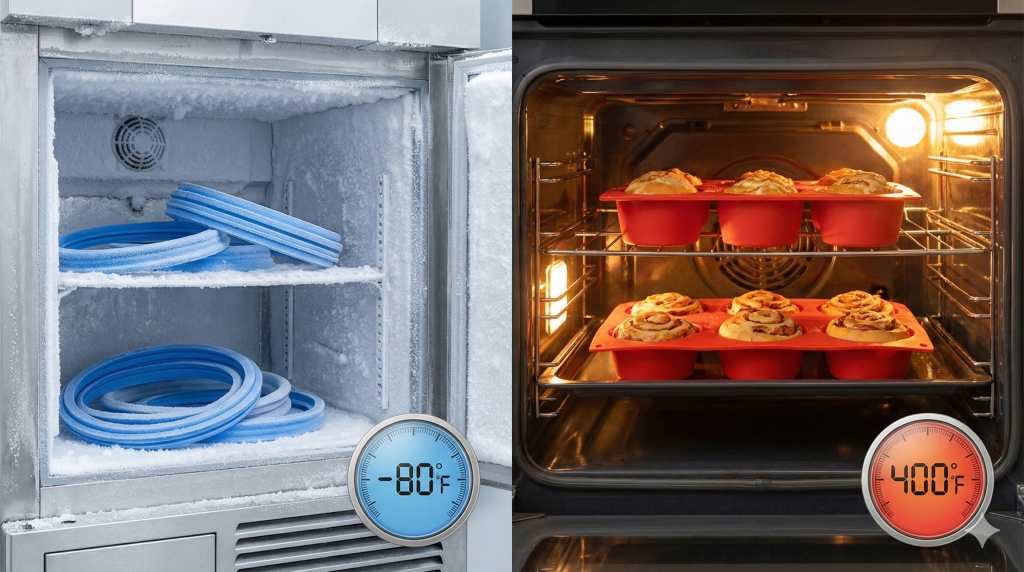
Superior thermal stability prevents critical components from melting or cracking during extreme processing phases. Any facility utilizing food grade silicone can seamlessly transition goods between commercial freezers and industrial ovens. This incredible range guarantees uninterrupted operations regardless of harsh environmental extremes.
Can it handle blast freezing safely?
Here’s the kicker: these seals remain highly flexible even at minus eighty degrees Fahrenheit.
- Brittle plastics shatter under such intense cold rapidly.
- This elastomer maintains a perfect seal inside massive commercial freezers.
- It prevents costly refrigerant fluid leaks effectively.
What happens inside hot commercial ovens?
You might be wondering: do these parts warp under intense baking heat? They comfortably survive temperatures exceeding four hundred degrees without losing original shapes.
Does thermal shock cause permanent damage?
This is where it gets interesting: rapid temperature shifts will not degrade molecular structures.
Key Takeaway: Selecting thermally stable components drastically reduces equipment failures across diverse processing environments.
These temperature comparisons prove that specialized polymers handle extreme fluctuations effortlessly.
What are the core features of compliant materials?
Compliant elastomers feature absolute chemical inertness alongside exceptional flexibility under heavy pressure. Selecting a certified guarantees your consumer products meet global health agency requirements perfectly. These distinct physical characteristics separate premium options from cheap industrial alternatives.
Why is a low compression set critical?
Listen closely: a low compression set means gaskets rebound quickly after getting squeezed tightly.
- Constant pressure normally flattens ordinary rubber seals permanently.
- Premium elastomers remember exact original molded shapes effortlessly.
- This material memory prevents hazardous fluid leaks over time.
How does tear resistance prevent contamination?
What’s the catch? Heavy machinery generates massive friction against delicate sealing rings daily. High tear strength prevents these rings from shredding into your consumable product batches.
Are these advanced materials visually transparent?
Truth be told: manufacturers can produce highly transparent tubing for easy fluid monitoring.
Key Takeaway: Prioritizing these physical traits guarantees your hardware functions flawlessly during demanding shifts.
Evaluating these core features helps engineers design much more robust processing equipment architectures.
How do FDA regulations secure ultimate safety?
These strict federal rules mandate rigorous extractable testing before any material touches consumable items. A properly tested food grade silicone compound guarantees zero harmful chemical migration into human bodies. Compliance provides absolute peace of mind for both global manufacturers and everyday consumers.
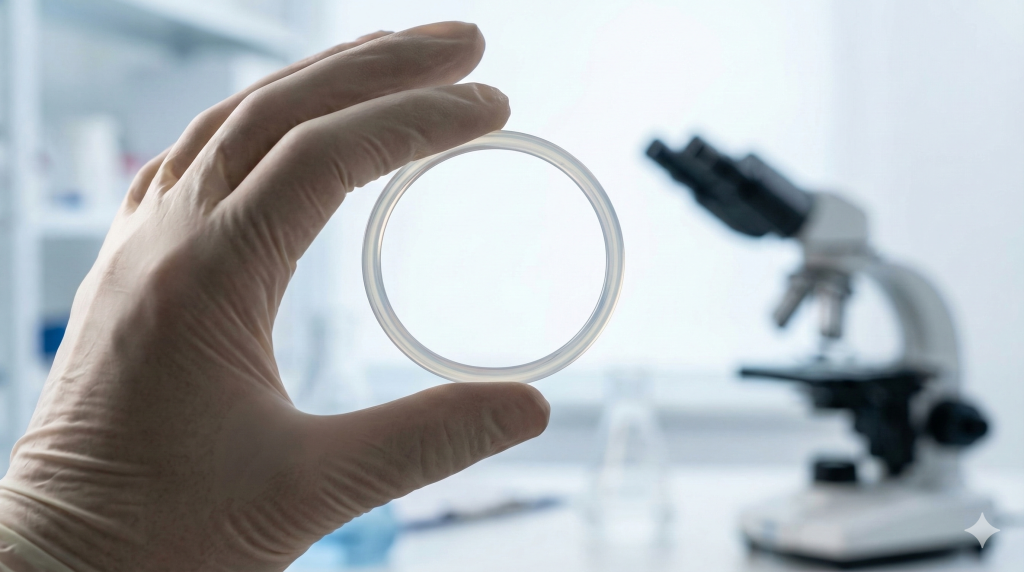
What exactly do federal inspectors test?
Here’s the deal: inspectors look for volatile organic compounds escaping under high heat conditions.
- They submerge test samples inside harsh acidic chemical solvents.
- Technicians measure any weight loss after prolonged chemical exposure.
- Only fully stable polymers pass these grueling safety assessments.
Does federal approval cover all colors?
You might be wondering: can colored spatulas still pass strict federal guidelines safely? Yes, provided suppliers utilize specially approved pigments during component production.
How often are these standards updated?
Let’s look closer: health agencies revise safety protocols frequently as new scientific data emerges globally.
Key Takeaway: Partnering with fully compliant suppliers shields your business from devastating legal repercussions.
Understanding these regulatory frameworks allows brands to market their goods with total confidence.
What are the most common applications today?
You will find these versatile components inside commercial baking molds, dairy transfer tubes, and baby pacifiers. Implementing reliable improves quality across everyday household and industrial items. Their adaptable nature makes them perfect for countless unique mechanical engineering challenges.
How does the beverage industry use them?
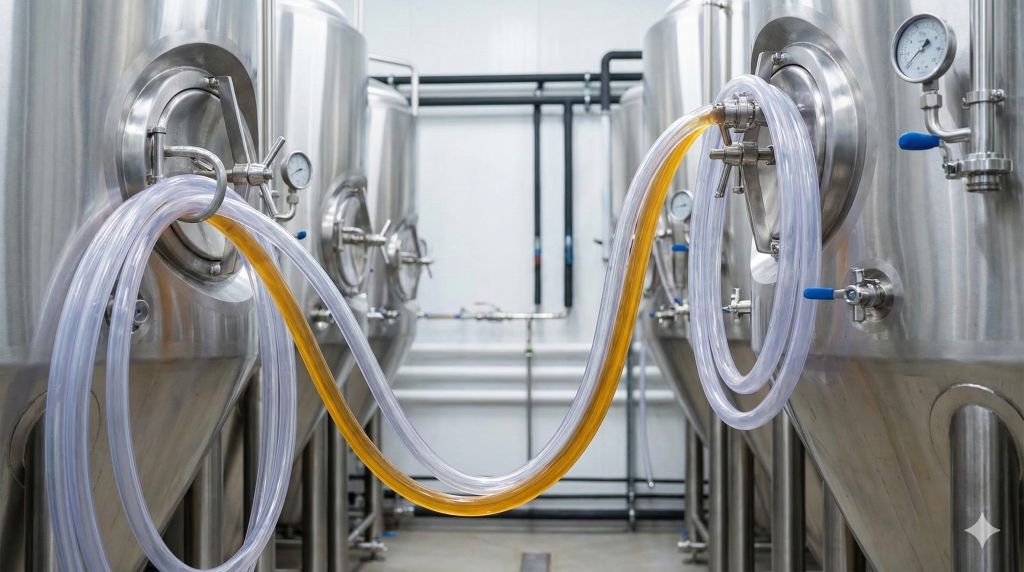
Ready for the good part? Breweries rely heavily on transparent hoses for transferring hot wort safely.
- Premium material handles boiling liquids without any melting whatsoever.
- Facility workers can easily spot blockages through clear tubing walls.
- It imparts zero strange flavors into premium craft beverage batches.
Are they utilized in infant care?
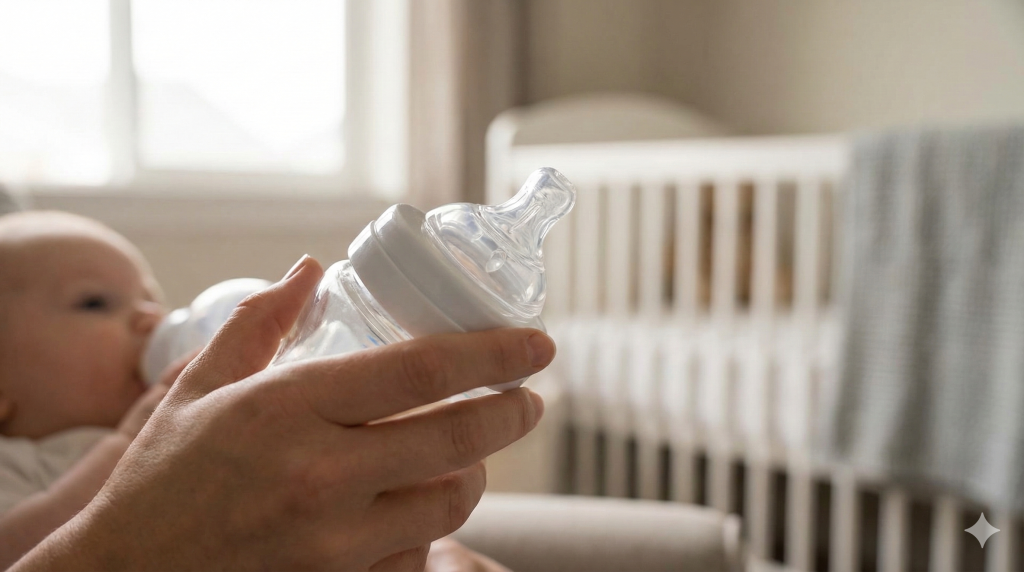
Believe it or not: bottle nipples require the softest, safest polymers available on earth. These specific components endure daily sterilization boiling while remaining perfectly gentle for babies.
What about commercial bakery equipment?
This is where it gets interesting: large bakeries use massive flexible molds for easy cake removal.
Key Takeaway: Recognizing these diverse applications might inspire innovative product designs for your own brand.
Observing cross-industry adoption rates highlights the incredible versatility of this specialized polymer.
How do flexibility and elongation improve sealing?
High elongation allows a single gasket to stretch over variously sized container openings effortlessly. Any food grade silicone seal will adapt instantly to slight manufacturing imperfections on metal flanges. This remarkable elasticity creates an impenetrable barrier against outside microscopic contaminants.
Why do rigid stiff materials fail?
What’s the real story? Rigid plastics cannot compensate for natural vibrations during heavy machinery operations.
- Constant shaking causes brittle plastics to crack suddenly.
- Intense vibrations loosen rigid connections over a short period.
- Flexible elastomers absorb these mechanical shocks without losing tight grips.
Can one seal fit multiple parts?
Listen closely: incredible stretchability means inventory managers need fewer distinct gasket sizes overall. A highly elastic ring happily accommodates slight dimensional variations between different manufactured component batches.
How does elasticity affect assembly speeds?
Truth be told: factory workers install flexible rings much faster than rigid metal clamps.
Key Takeaway: Engineering your systems with elastic seals drastically reduces assembly time and fluid leakage.
Reviewing these physical dynamics shows exactly why elastic materials dominate fluid sealing applications.
What are the health benefits for consumers?
End users avoid exposure to dangerous endocrine disruptors typically found in cheap plastic alternatives. When your brand utilizes , you actively protect families from long-term chemical harm. This strict commitment builds massive brand loyalty among health-conscious buyers globally.
Does it contain dangerous hidden microplastics?
Here’s the kicker: this synthetic compound never breaks down into harmful microscopic fragments over time.
- Traditional plastic spatulas shed tiny particles into hot homecooked meals.
- These hidden fragments accumulate inside human digestive systems eventually.
- Synthetic rubber completely eliminates this hidden dietary danger permanently.
Why should brands avoid bisphenol A?
You might be wondering: what makes BPA so dangerous for early human development? It mimics natural hormones, causing severe developmental issues in young children and vulnerable infants.
Are material allergies a genuine concern?
Let’s look closer: unlike natural latex rubber, these synthetic options remain completely hypoallergenic forever.
Key Takeaway: Marketing these distinct health advantages helps justify premium pricing for your high-quality products.
Highlighting these health metrics empowers your marketing team to educate prospective buyers effectively.
How do global certifications build buyer trust?
Independent laboratory testing provides undeniable proof that your products meet strict international safety laws. Utilizing verified food grade silicone allows you to confidently print compliance logos on retail packaging. These globally recognized symbols instantly reassure hesitant wholesale buyers and everyday retail shoppers.
What makes the LFGB standard unique?
This is where it gets interesting: German consumer regulations remain notoriously stricter than most American rules.
- Passing LFGB testing requires flawlessly pure raw material manufacturing inputs.
- European scientists test intensely for heavy metals and toxic peroxides.
- Many international buyers demand this specific certification before placing massive orders.
Why should B2B purchasing managers care?
What’s the catch? Retail chains face massive lawsuits if they accidentally sell dangerous, uncertified kitchen gadgets. Providing full documentation makes procurement managers eager to stock your demonstrably safe items.
Do these factory certifications expire eventually?
Truth be told: material suppliers must continually audit their factories to maintain these prestigious quality ratings.
Key Takeaway: Investing in certified raw materials acts as a powerful shield against expensive legal liabilities.
Tracking these international standards guarantees your exported goods never face sudden customs rejections.
How does this material increase equipment longevity?
High-quality synthetic parts resist friction and chemical wear far better than traditional organic rubbers. Installing durable food grade silicone components means your expensive processing machinery requires significantly fewer rebuilds. This physical durability translates directly into higher profit margins for your entire manufacturing operation.
Does it resist harsh cleaning chemicals?
Ready for the good part? Food facilities utilize strong caustic chemical foams to sanitize machinery nightly.
- Cheap organic rubbers disintegrate quickly under strong alkaline equipment washes.
- Premium elastomers ignore these aggressive sanitizing agents completely without degrading.
- Nightly washdowns become faster without worrying about accidental gasket damage.
How does it prevent underlying metal wear?
Believe it or not: soft gaskets act as perfect shock cushions between heavy steel pipes. They absorb micro-impacts that would otherwise cause severe metal fatigue and hairline fractures.
Are part replacement cycles genuinely longer?
Here’s the deal: factory maintenance teams report replacing these specific synthetic seals half as often.
Key Takeaway: Specifying superior materials upfront drastically reduces total ownership costs for industrial equipment fleets.
Evaluating maintenance cycles reveals the hidden financial benefits of upgrading your baseline components.
Final Thoughts
Upgrading to specialized synthetic elastomers eliminates contamination fears while significantly boosting your production efficiency. This guide solved your confusion regarding material compliance, thermal stability, and operational longevity perfectly. We can supply your facility with bespoke, fully certified sealing solutions rapidly. At HuaLin, we believe uncompromising quality components form a reliable foundation for every safe consumer product. Reach out and to upgrade your manufacturing lines seamlessly.
FAQ
Q1: Can I use these seals in a freezing environment?
Yes, absolutely. They remain entirely flexible and maintain perfect sealing properties down to minus eighty degrees Fahrenheit.
Q2: What’s the best way to verify material safety?
Always request official testing documentation. Reputable suppliers will gladly provide certificates proving their items pass strict international extraction tests.
Q3: How do I know if my gaskets are degrading?
Look for sudden discoloration or physical brittleness. High-quality synthetic parts should never turn white when stretched or become stiff over time.
Q4: Can I specify custom colors for my brand?
Yes, custom colors are easily achievable. Manufacturers simply add compliant, non-leaching pigments during the raw material mixing phase.
Q5: What’s the best cleaning method for these parts?
Utilize standard industrial sanitizers confidently. The highly stable chemical structure resists degradation from common acidic or alkaline foam washes entirely.