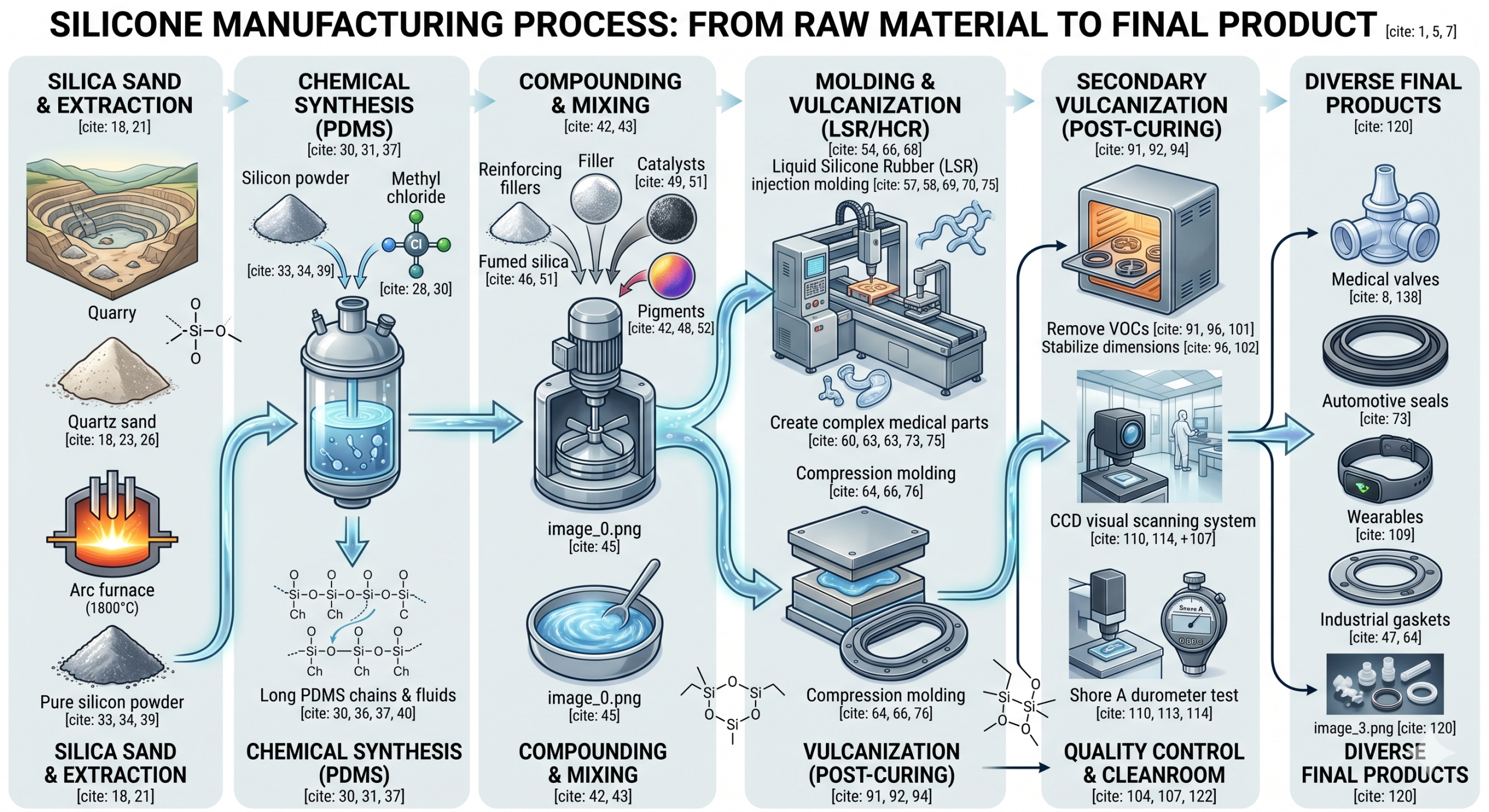
The silicone manufacturing process is a specialized chemical engineering sequence that transforms silica sand into high-performance elastomers through silicon extraction, polymerization, and specialized molding. Many procurement managers face inconsistent part dimensions and material failures that stall critical production timelines. This instability agitates your supply chain, leading to costly waste and delayed product launches. Our integrated factory solutions provide a stable, controlled workflow to ensure your silicone parts meet rigorous global standards every time. Understanding how to manufacture silicone products is essential for maintaining a competitive edge in modern industrial markets.
What defines the nature of silicone rubber?
Silicone rubber is an inorganic synthetic elastomer composed of a unique silicon-oxygen backbone that provides superior thermal and chemical stability. Mastering how to manufacture silicone products requires an appreciation for this molecular structure, which differs significantly from carbon-based organic rubbers. These properties make it indispensable for demanding applications in the automotive and medical sectors.
Why is it an ideal industrial material?
Silicone stays stable in extreme environments where other plastics fail. It offers unmatched resistance to oxygen, UV light, and extreme temperature fluctuations.
Check this out:
- Thermal Stability: Operates reliably from -100°C to over 300°C.
- Chemical Inertness: Resists oxidation and environmental degradation.
- Biocompatibility: Safe for skin contact and regulated medical use.
Here is the deal:
You need a material that won’t degrade under harsh sterilization or engine heat.
Key Takeaway: The siloxane backbone is the primary reason silicone outperforms organic alternatives in longevity and safety.
| Feature | Industrial Benefit |
|---|---|
| Temperature Range | Maintains flexibility in extreme heat and cold |
| Molecular Backbone | High resistance to chemical breakdown |
| Safety Rating | Suitable for FDA and LFGB compliance |
Choosing silicone ensures your components maintain their functional integrity regardless of environmental stress.
Where do primary raw materials originate?
The primary raw material for silicone is silica, or silicon dioxide, which is sourced from quartz sand found abundantly in the earth’s crust. Learning how to manufacture silicone products begins with the refinement of this mineral into pure silicon metal. This base element is then combined with organic groups to create the reactive polymers used in molding.
Where does silica come from?
Silica is typically extracted from high-purity sand through mining and mechanical cleaning. This raw mineral must undergo intense heat processing to isolate the silicon atoms required for polymerization.
Look:
- Source: High-purity quartz sand.
- Extraction: Thermal reduction in electric arc furnaces.
- Refinement: Conversion into fine silicon powder.
But that’s not all.
You must ensure the raw material purity to prevent defects in the final elastomer.
Key Takeaway: The quality of the final silicone product is directly tied to the purity of the initial silica source.
| Material | Role in Process |
|---|---|
| Quartz Sand | Fundamental source of silicon atoms |
| Carbon | Used to reduce silica into pure silicon |
| Methyl Chloride | Reactant used to create silane intermediates |
Refined silica is the foundation upon which all high-performance silicone characteristics are built.
How is raw silicone synthesized chemically?
Chemical synthesis involves heating silicon powder with methyl chloride to produce silanes, which are then hydrolyzed into long polydimethylsiloxane (PDMS) chains. This stage of how to manufacture silicone products is a high-temperature industrial process that converts minerals into reactive fluids. These fluids serve as the base for all subsequent compounding and molding steps.
How is silicon extracted?
Silicon is isolated by heating quartz sand with carbon in an electric arc furnace at temperatures reaching 1800°C. This chemical reaction results in 99% pure silicon, which is then ground for further processing.
Check this out:
- Heat Treatment: Requires temperatures exceeding 1800°C.
- Intermediates: Production of dimethyldichlorosilane (DMDCS).
- Hydrolysis: Linking molecules into long PDMS chains.
The best part?
The resulting PDMS fluid is the versatile liquid foundation for both solid and liquid silicone rubbers.
Key Takeaway: Synthesis is the most energy-intensive part of the process, defining the core chemical properties of the polymer.
| Synthesis Step | Output |
|---|---|
| Arc Furnace | Pure silicon metal |
| Silane Reaction | Reactive chemical intermediates |
| Polymerization | PDMS liquid base |
Understanding these chemical foundations allows engineers to better predict how a specific silicone grade will perform under stress.
What goes into the silicone compounding phase?
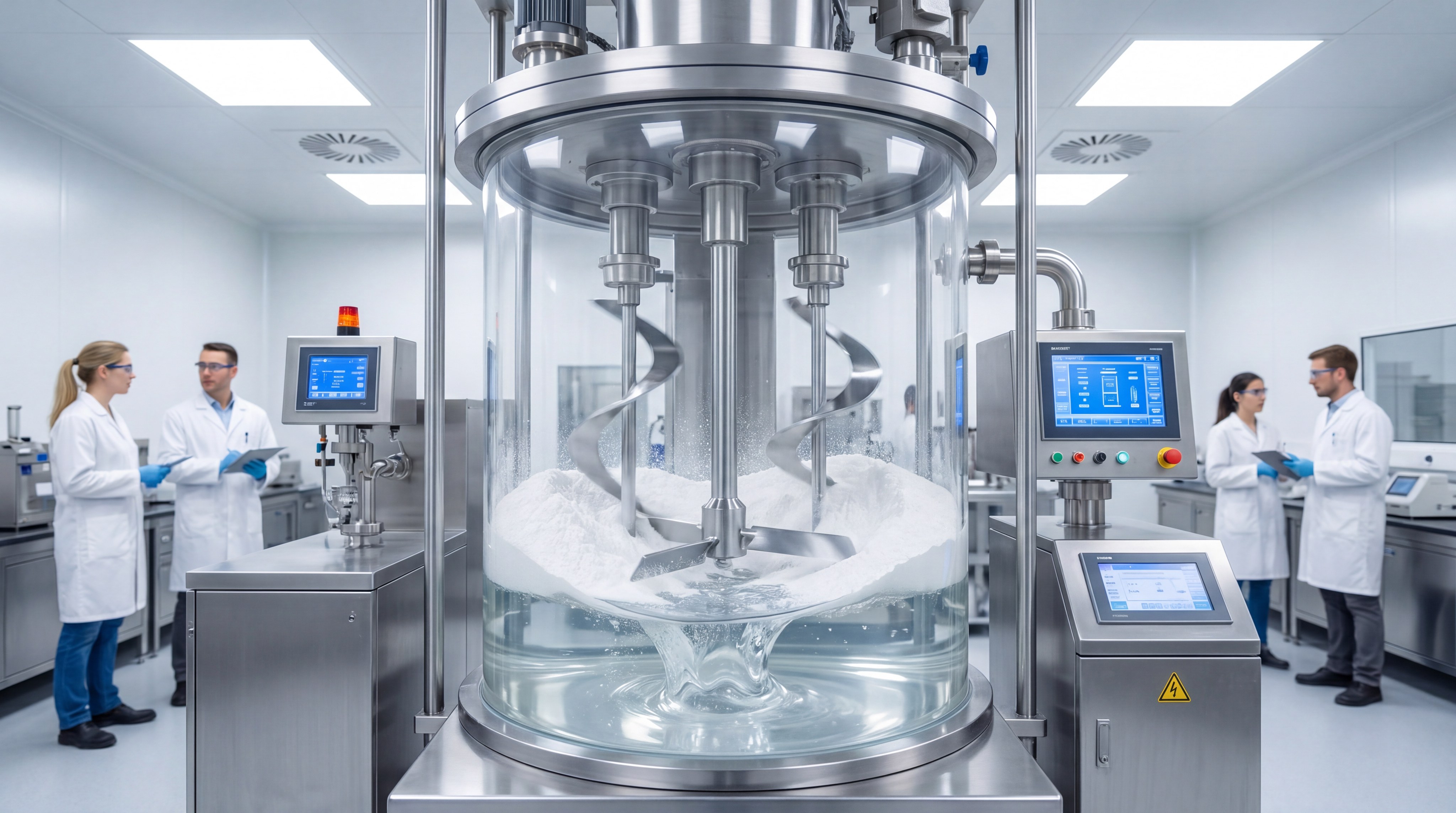
Silicone compounding is the process of mixing the base polymer with reinforcing fillers, catalysts, and pigments to achieve specific mechanical properties. Understanding how to manufacture silicone products requires a strict adherence to formulation recipes that dictate hardness, color, and tear strength. This phase ensures the material is ready for the high pressures of the molding floor.
Why are fillers added to the mix?
Pure silicone polymer is relatively weak and requires reinforcing fillers like fumed silica to increase its tensile strength. Without these additives, the material would lack the durability needed for industrial gaskets or consumer wearables.
Here is the deal:
- Reinforcement: Fumed silica increases structural integrity.
- Coloration: Heat-stable pigments provide consistent branding.
- Catalyst: Platinum or peroxide agents initiate the curing.
Look:
You can customize the material’s engineering and design capabilities by adjusting the filler-to-polymer ratio.
Key Takeaway: Compounding transforms a soft chemical fluid into a rugged, high-strength industrial elastomer.
| Additive | Primary Function |
|---|---|
| Fumed Silica | Increases tear resistance and hardness |
| Platinum Catalyst | Triggers fast, residue-free curing |
| Oxide Pigments | Provides heat-resistant coloration |
Precisely controlled compounding is the only way to ensure batch-to-batch consistency in high-volume production.
Which silicone grade fits your specific project?
Selecting the correct silicone grade involves choosing between Liquid Silicone Rubber (LSR) and High Consistency Rubber (HCR) based on your production volume and part complexity. When deciding how to manufacture silicone products, you must evaluate the viscosity and curing speed of each material. Each grade offers distinct advantages for different industry requirements.
What is liquid silicone rubber?
LSR is a two-component system that remains in a liquid state until it is mixed and injected into a heated mold. It is the preferred choice for high-precision, automated manufacturing of complex geometries.
Check this out:
- Automation: Supports flash-free, high-speed production.
- Precision: Ideal for parts with tolerances down to ±0.01mm.
- Purity: Often used for medical-grade silicone parts due to platinum curing.
The best part?
LSR reduces labor costs significantly by eliminating the need for manual material placement in the mold.
Key Takeaway: LSR is the superior choice for high-volume, precision-engineered components that require minimal post-processing.
| Silicone Grade | Best Use Case |
|---|---|
| LSR (Liquid) | Complex, high-precision medical or tech parts |
| HCR (Solid) | Large seals, gaskets, and simple consumer goods |
| RTV (Room Temp) | Adhesives, sealants, and onsite repairs |
Matching the material grade to your application’s industry-specific standards prevents over-engineering and reduces overall costs.
How are final silicone products formed?
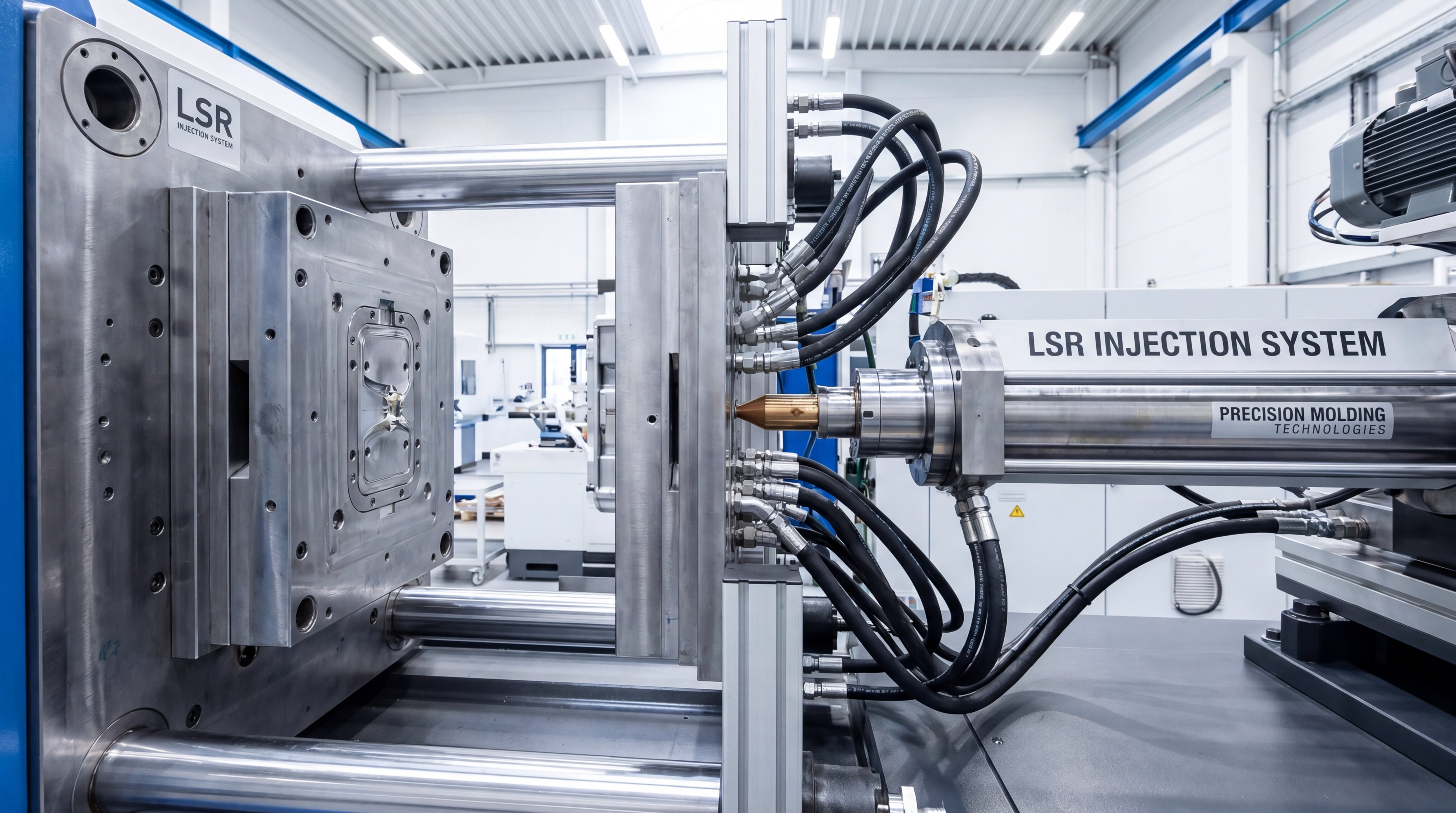
Final products are formed using specialized techniques such as injection molding, compression molding, or extrusion depending on the part’s shape and material grade. The shaping stage of how to manufacture silicone products determines the aesthetic quality and functional accuracy of the finished item. Each method involves applying heat and pressure to trigger the final vulcanization of the rubber.
How does injection molding work?
In the LSR injection process, components A and B are pumped through a static mixer and into a chilled barrel before being shot into a hot mold cavity. The heat in the mold causes the silicone to cure rapidly, often in less than a minute.
Here is the deal:
- Speed: Rapid cycle times for mass production.
- Efficiency: Low material waste compared to compression molding.
- Consistency: Highly repeatable results across millions of units.
Look:
You can explore real-world manufacturing success stories to see how injection molding handles complex IP68 seals.
Key Takeaway: Injection molding offers the most controlled and efficient path for scaling complex silicone designs.
| Molding Process | Complexity Capability | Volume Suitability |
|---|---|---|
| LSR Injection | High | High (Mass Production) |
| Compression | Low to Medium | Low to Medium |
| Overmolding | High (Multi-material) | Medium to High |
Selecting the right forming method is the most critical decision in your manufacturing strategy.
What molds are required for production?
Production molds must be precision-engineered from high-grade metals like stainless steel or aluminum to withstand high pressure and thermal cycling. Tooling is the foundation of how to manufacture silicone products with tight tolerances and smooth surface finishes. The mold’s design directly influences the cycle time and the amount of manual deflashing required after production.
Why choose stainless steel molds?
Stainless steel is the industry standard for high-volume runs because it offers superior durability and resistance to the chemical catalysts used in silicone. It maintains its dimensional accuracy over hundreds of thousands of cycles without degrading.
Check this out:
- Durability: Withstands millions of molding cycles.
- Tolerance: Maintains critical dimensions within microns.
- Finish: Provides high-gloss or specific matte textures.
But that’s not all.
Proper mold design includes optimized venting and gating to prevent air bubbles and material defects.
Key Takeaway: Investing in high-quality steel tooling reduces long-term costs by minimizing mold maintenance and part rejection rates.
| Mold Material | Advantage | Disadvantage |
|---|---|---|
| Stainless Steel | Exceptional longevity and precision | Higher initial investment cost |
| Aluminum | Faster heat transfer and lower cost | Shorter lifespan; easily damaged |
| Copper Alloys | Excellent thermal conductivity | Not suitable for high-pressure injection |
Effective tooling design ensures your diverse product solutions are delivered without functional or aesthetic flaws.
Why is secondary vulcanization necessary?
Secondary vulcanization, or post-curing, involves placing molded parts in an oven to stabilize their mechanical properties and remove volatile compounds. This final step in how to manufacture silicone products ensures that the elastomer achieves its maximum durability and safety profile. Without post-curing, some silicone grades may remain slightly tacky or emit odors during use.
Why is post-curing necessary?
Post-curing drives off residual chemical by-products and ensures the polymer network is fully cross-linked for maximum strength. This is particularly vital for products that must meet FDA or medical biocompatibility requirements.
Look:
- Stabilization: Prevents shrinkage or deformation in the field.
- Purity: Removes volatile organic compounds (VOCs).
- Hardness: Finalizes the Shore A durometer of the material.
The best part?
It ensures your parts won’t “gas out” when exposed to high temperatures in their final application.
Key Takeaway: Post-curing is a non-negotiable step for high-purity applications, ensuring the safety and stability of the material.
| Benefit of Post-Curing | Industrial Impact |
|---|---|
| Improved Compression Set | Parts return to shape faster after pressure |
| VOC Removal | Essential for medical and food-grade safety |
| Dimensional Stability | Ensures parts fit perfectly in final assemblies |
Skipping this stage can lead to premature failure or non-compliance with strict international health standards.
How is silicone quality guaranteed?
Quality is guaranteed through a multi-stage inspection process that includes incoming material verification, in-process monitoring, and final functional testing. Validation is the most critical aspect of how to manufacture silicone products that satisfy automotive or healthcare regulations. Rigorous testing prevents defective parts from reaching your assembly line and damaging your brand reputation.
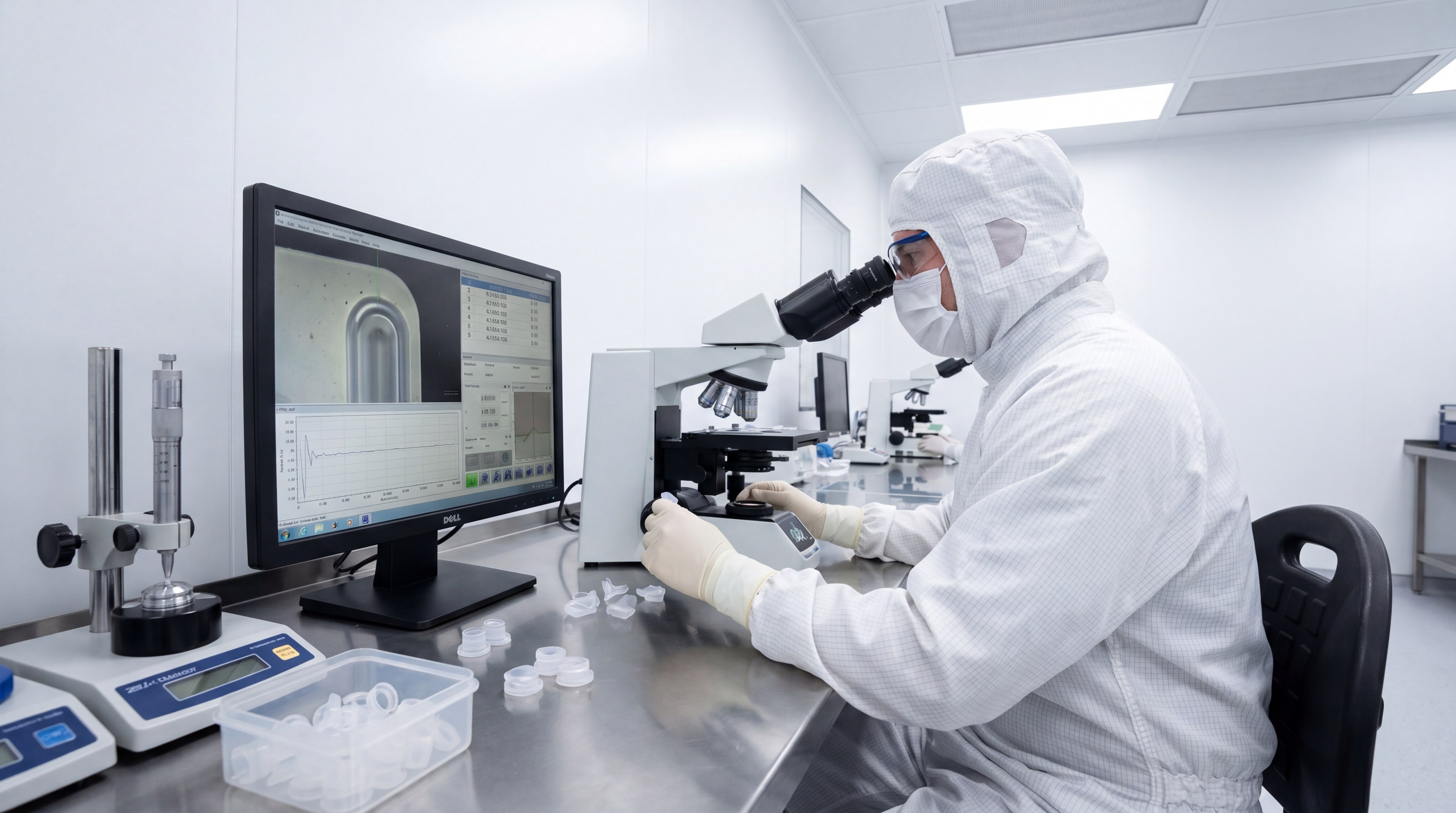
How is tensile strength measured?
Tensile testing pulls a sample of the silicone until it ruptures, measuring the force required to break the material. This ensures that items like wearable straps or industrial seals can withstand the mechanical stresses of daily use.
Here is the deal:
- Durometer: Testing hardness on the Shore A scale.
- Dimensions: Verification using CCD visual inspection systems.
- Reliability: Environmental testing for heat and moisture resistance.
Look:
You should only trust a factory that performs 100% inspection on critical-to-quality dimensions.
Key Takeaway: A robust quality control system identifies defects at the source, saving you from expensive product recalls.
| Test Type | Metric Evaluated |
|---|---|
| Durometer Test | Shore A hardness and material consistency |
| CCD Visual Scan | Surface defects and dimensional accuracy |
| Aging Test | Performance after exposure to heat and UV |
Transparent quality documentation is the only way to ensure your supply chain remains resilient and reliable.
How do you select a production partner?
Selecting a production partner requires evaluating their in-house tooling capabilities, cleanroom facilities, and history of compliance with global standards. When you are looking for how to manufacture silicone products at scale, you need a vendor who provides end-to-end support from design to export. The right partner acts as an extension of your engineering team rather than just a parts supplier.
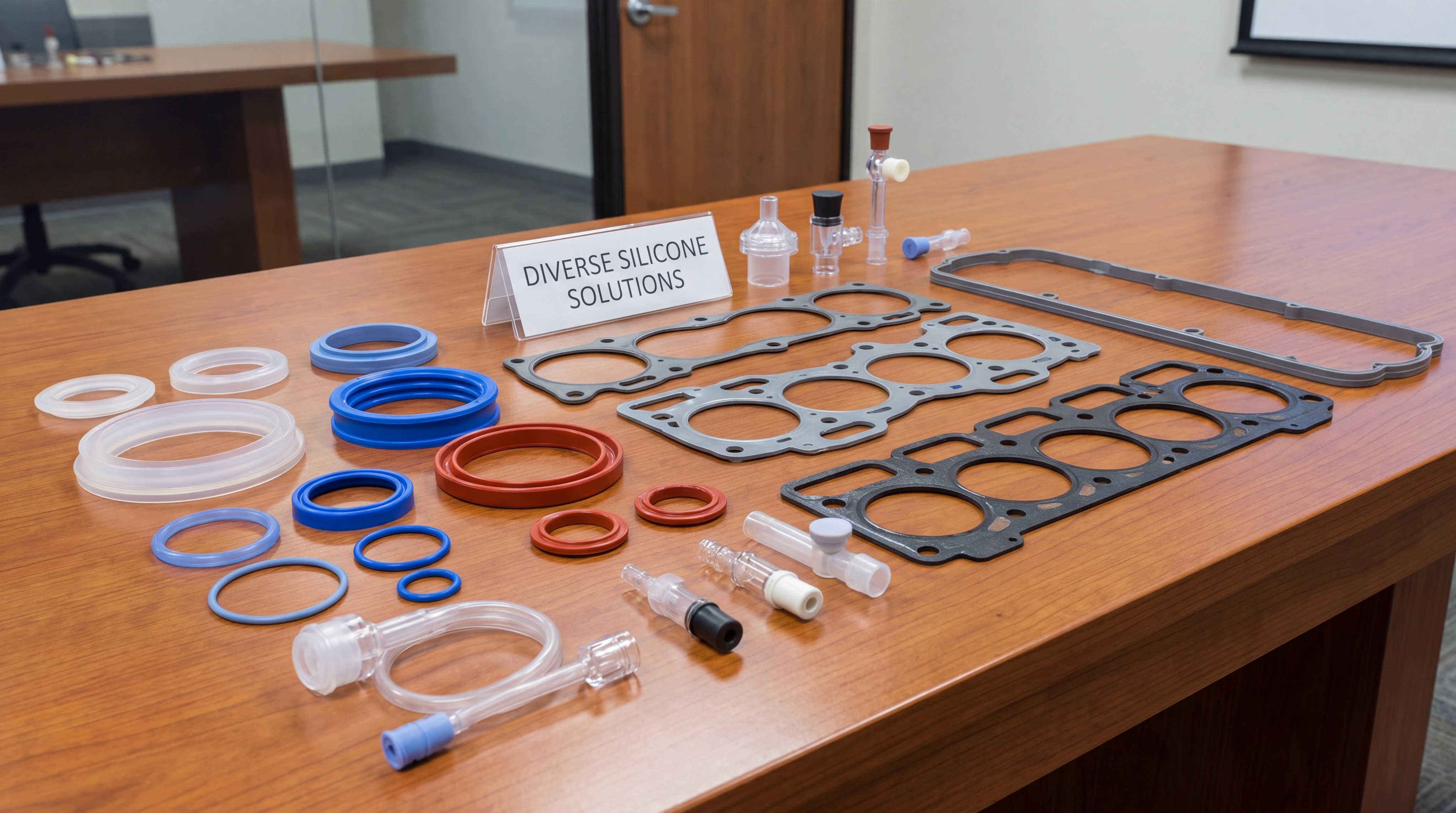
What certifications are crucial?
A reputable manufacturer should hold ISO 9001 for quality management and industry-specific certifications like IATF 16949 for automotive or ISO 13485 for medical devices. These standards prove the factory has the discipline to produce consistent, high-quality results.
Check this out:
- In-house Tooling: Faster iterations and better quality control.
- Cleanroom Molding: Essential for preventing contamination.
- DFM Support: Engineering feedback to lower your production costs.
Here is the deal:
You want a partner who understands your industry-specific standards and can provide the necessary compliance documentation.
Key Takeaway: The ideal partner combines technical expertise with a transparent, certified quality management system.
| Evaluation Criteria | Partner Advantage |
|---|---|
| In-house CNC/EDM | 50% faster T1 sample delivery |
| ISO 13485 Certified | Ready for medical device manufacturing |
| 100% Inspection | Zero-defect delivery to your warehouse |
Partnering with a factory that manages the entire lifecycle ensures your project launches without technical delays.
*
FAQ: Common Silicone Manufacturing Questions
Can I manufacture silicone products with multi-material bonding?
Yes, silicone overmolding allows you to bond silicone directly to plastic or metal inserts, creating a durable and functional hybrid part.
What is the best way to reduce production costs?
Optimizing your design for manufacturing (DFM) and choosing the right molding process, such as LSR for high volumes, significantly lowers unit costs.
How long does it take to move from design to mass production?
With in-house tooling, the process typically takes 2 to 4 weeks for prototyping and another 2 weeks to set up for mass production.
Are all silicone products food-safe?
Not necessarily; only products manufactured with FDA or LFGB compliant materials and cured properly (post-cured) are certified as food-safe.
Can I get custom colors for my silicone components?
Absolutely, manufacturers can match colors to any Pantone or RAL code using heat-stable pigments during the compounding phase.
Strategic Conclusion
Mastering the silicone manufacturing process is about more than just understanding chemistry; it is about choosing a partner with the infrastructure to deliver precision consistently. At our core, we believe that high-performance elastomers are the backbone of modern innovation, from life-saving medical valves to rugged industrial seals. By integrating in-house tooling, advanced LSR injection molding, and a 100% inspection protocol, we eliminate the risks of supply chain delays and quality drift. Our vision is to lead the industry through precision engineering and sustainable manufacturing practices that empower our clients to launch faster. Ready to start your next project? Contact us today to receive professional DFM suggestions and a comprehensive quote for your custom silicone solutions.