
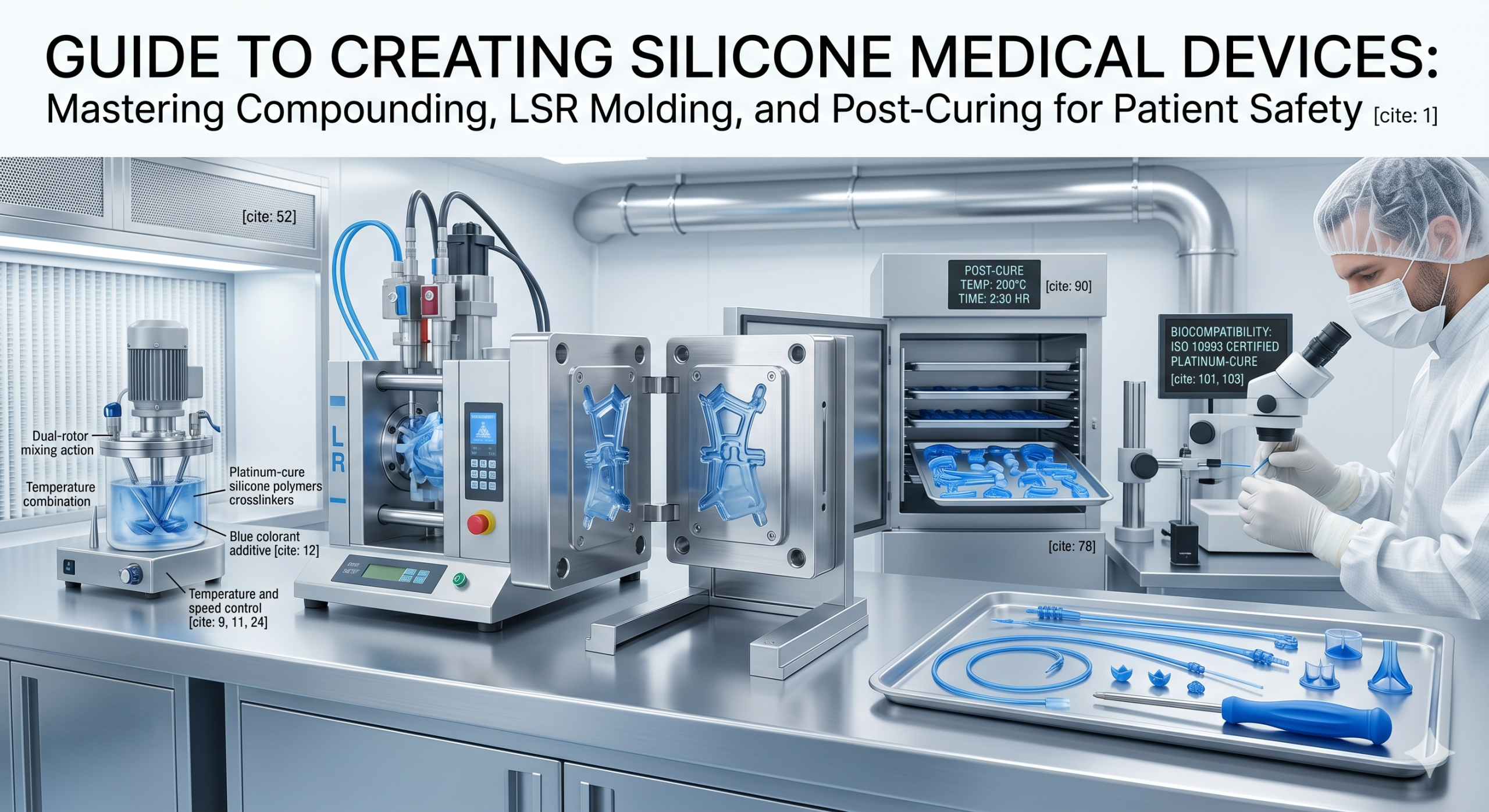
Manufacturing medical silicone devices requires a precise sequence of material compounding, high-pressure molding, and rigorous sterilization to ensure patient safety. Many healthcare startups struggle with component failures or biocompatibility issues that delay product launches and increase costs. Imagine the regulatory hurdles and safety risks associated with a device that leaches chemicals or fails under physiological stress. By mastering how to manufacture silicone products through controlled liquid injection or compression methods, you can achieve the reliability needed for life-saving applications.
What are the key steps in medical silicone manufacturing?
The primary steps to understand how to manufacture silicone products include raw material preparation, mold injection, and secondary curing. This integrated workflow ensures that every component meets strict dimensional tolerances and mechanical requirements. Manufacturers must synchronize each stage to prevent contamination and maintain structural integrity.
What happens during the initial mixing stage?
Raw silicone polymers are combined with crosslinkers and catalysts in a controlled environment to prepare the base compound. Think about it: the consistency of this mixture dictates the final product’s flexibility and strength.
- Polymer base selection
- Catalyst integration
- Colorant additive mixing
- Air bubble removal
But that’s not all, as the mixing speed and temperature must be monitored to avoid premature vulcanization.
- Temperature regulation
- Rotational speed control
- Batch consistency checks
- Viscosity measurements
Why is the curing process so critical?
Curing or vulcanization transforms the liquid or paste-like silicone into a solid, durable elastomer through chemical cross-linking. The best part? This process defines the permanent shape and chemical resistance of the medical device.
- Heat application
- Pressure stabilization
- Chemical bond formation
- Form retention
Let’s dive in deeper because without proper curing, the silicone remains tacky and loses its biocompatible properties.
- Cross-linking density
- Surface tackiness reduction
- Structural hardening
- Tear resistance enhancement
Key Takeaway
Manufacturing involves a delicate balance of chemical mixing and thermal curing to achieve medical-grade standards.
| Phase | Primary Goal | Critical Factor |
|---|---|---|
| Mixing | Homogeneity | Viscosity |
| Curing | Solidification | Temperature |
The transition from raw liquid to a stable solid is the foundation of all silicone medical device integrity.
How do we select the right medical grade raw materials?
Selecting the right material depends on the device’s intended contact time with the human body and the specific physical demands of the application. When determining how to manufacture silicone products, engineers must prioritize FDA-compliant and ISO 10993 certified long-term or limited-reach grades.
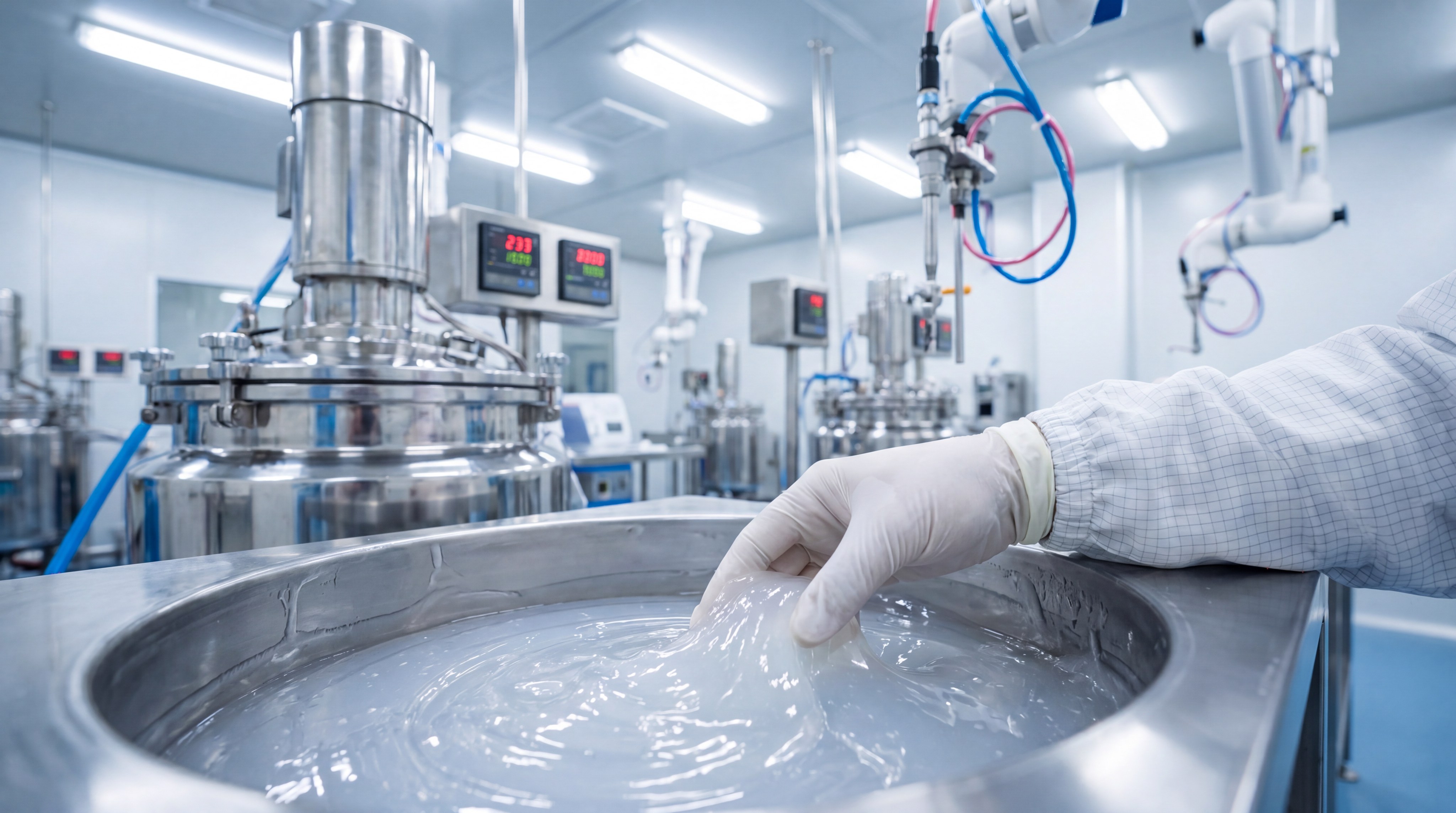
What defines medical-grade silicone quality?
Medical-grade silicone is distinguished by its high purity levels and the absence of toxic fillers or volatile byproducts. Believe it or not, the platinum-cure system is the industry gold standard for ensuring no harmful residues remain.
- Platinum-cured purity
- Absence of peroxides
- Low extractable levels
- Biocompatibility certification
Think about it: even a minor impurity can cause an adverse immune response in a patient.
- Inert chemical nature
- Sterilization compatibility
- Hypoallergenic properties
- Long-term stability
How do hardness and elasticity vary?
Durometer levels range from very soft to rigid, allowing manufacturers to tailor the device’s feel to its clinical purpose. The secret is that different Shore A ratings determine whether a part functions as a soft seal or a sturdy connector.
- Shore A scale ratings
- Elongation percentage
- Tensile strength
- Compression set
But wait, there’s more, as the elasticity must remain constant even after repeated sterilization cycles in an autoclave.
- Flex life durability
- Modulus of elasticity
- Recovery speed
- Thermal resistance
Key Takeaway
Material selection is a high-stakes decision that impacts both regulatory approval and the end-user experience.
| Property | Medical Impact | Testing Standard |
|---|---|---|
| Purity | Biocompatibility | ISO 10993 |
| Hardness | Functional Fit | Shore A Durometer |
Proper material grading ensures that the silicone remains inert and functional within the human body.
Which molding processes are used for healthcare devices?
Liquid Silicone Rubber (LSR) injection and compression molding are the most effective ways to learn how to manufacture silicone products for the medical sector. These processes offer the precision required for intricate geometries like catheters, seals, and implantable components. High-volume production typically favors LSR due to its speed and consistency.
How does LSR injection molding work?
LSR molding uses a closed-loop system where two liquid components are pumped into a cold runner and then injected into a heated mold. It gets better: this automated process minimizes human contact and reduces the risk of external contamination.
- Component A/B mixing
- Cold runner delivery
- High-pressure injection
- Rapid cycle times
Think about it: the speed of injection is critical for filling complex cavities without creating air pockets.
- Injection speed control
- Cavity pressure monitoring
- Flash reduction
- Automated de-molding
What are the benefits of compression molding?
Compression molding involves placing a pre-measured silicone “slug” into a heated cavity, which is then squeezed to fill the mold shape. The best part? This method is highly cost-effective for larger, simpler parts or low-volume prototypes.
- Low tooling costs
- Simple setup
- Material versatility
- Large part capability
But that’s not all, because compression molding allows for the use of high-consistency rubber (HCR) which offers unique mechanical strengths.
- HCR material usage
- Manual placement precision
- Waste reduction
- Prototype speed
Key Takeaway
Choosing between LSR and compression molding depends on the part complexity and the required production volume.
| Process | Best For | Tooling Cost |
|---|---|---|
| LSR | High Volume/Complex | High |
| Compression | Low Volume/Large | Low |
Matching the molding technique to the product design optimizes both manufacturing efficiency and part performance.
Why is cleanroom manufacturing vital for medical parts?
Cleanroom environments prevent microscopic particles and bio-burden from contaminating devices during the stage of how to manufacture silicone products. Maintaining an ISO Class 7 or 8 environment is often a mandatory requirement for components used in surgical or respiratory applications. Without these controls, airborne dust could become embedded in the silicone during the molding process.
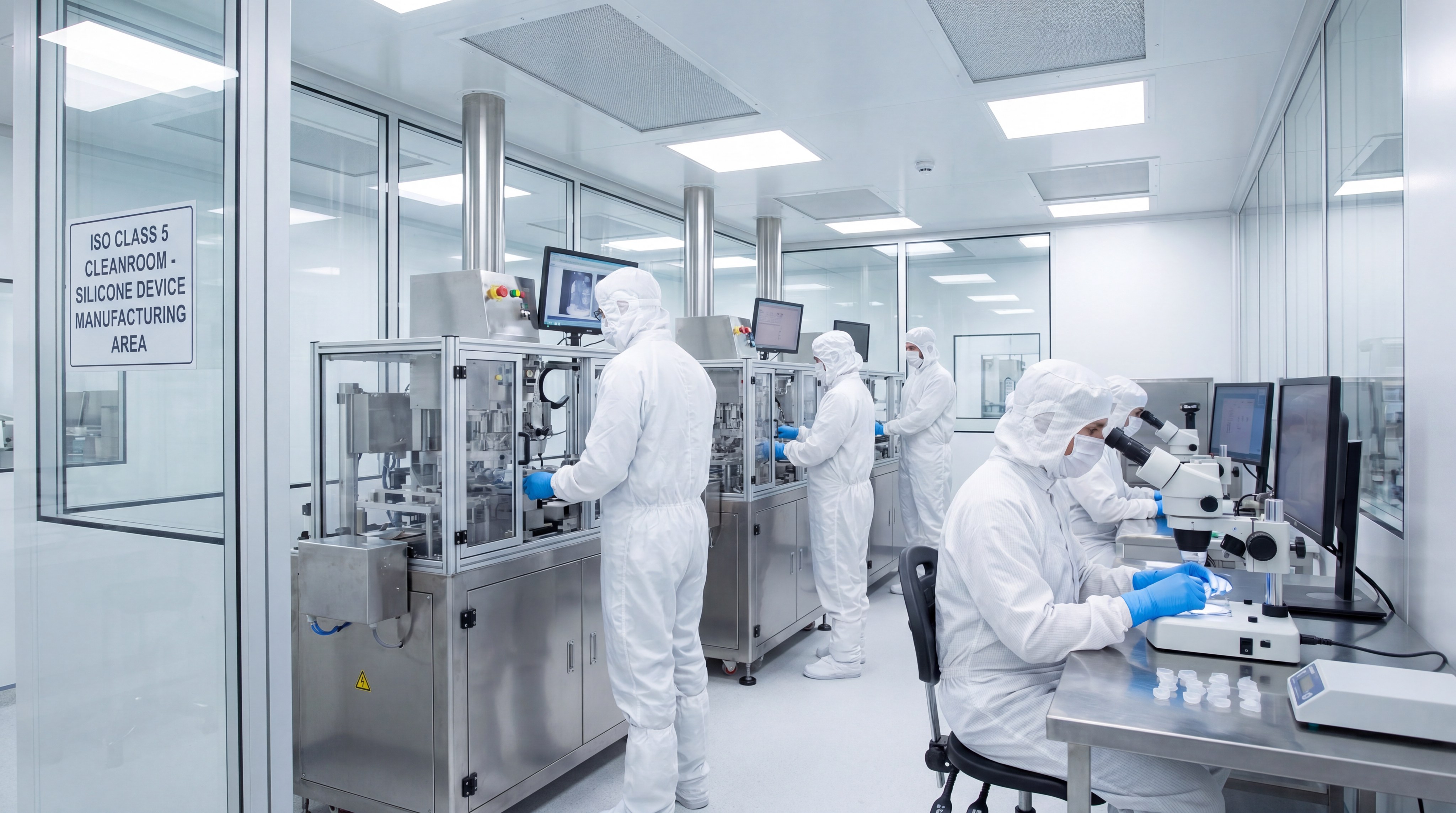
How are airborne particles controlled?
HEPA filters and positive air pressure systems continuously scrub the environment to remove contaminants before they reach the production line. Believe it or not, the air in these rooms is changed hundreds of times per hour to ensure purity.
- HEPA filtration
- Laminar airflow
- Pressure differentials
- Particle counters
The best part? These systems track environmental data in real-time to provide a complete audit trail for regulatory bodies.
- Continuous monitoring
- Data logging
- Alarm systems
- Climate control
What protocols must personnel follow?
Workers must wear specialized gowns, gloves, and masks to prevent human skin cells or hair from entering the manufacturing zone. It gets better: rigorous “gowning” procedures act as a final barrier between the operator and the medical component.
- Full-body coveralls
- Double gloving
- Hair/beard nets
- Air showers
But wait, there’s more, as every tool and piece of equipment entering the room must also undergo a strict decontamination process.
- Surface wiping
- Alcohol disinfection
- Material transfer airlocks
- Limited access control
Key Takeaway
A certified cleanroom is non-negotiable for producing medical components that require high levels of sterility and purity.
| ISO Class | Max Particles (0.5µm) | Common Use |
|---|---|---|
| Class 7 | 352,000 | Medical Assembly |
| Class 8 | 3,520,000 | General Medical Molding |
Controlled environments eliminate the risk of embedded contaminants that could compromise device biocompatibility.
What technical requirements exist for silicone tool making?
High-quality tooling is the foundation for anyone learning how to manufacture silicone products with medical-grade precision. Molds must be crafted from high-grade stainless steel to resist the abrasive nature of silicone and withstand thousands of heating cycles. Precision CNC machining ensures that the mold cavities match the original 3D designs within microns.
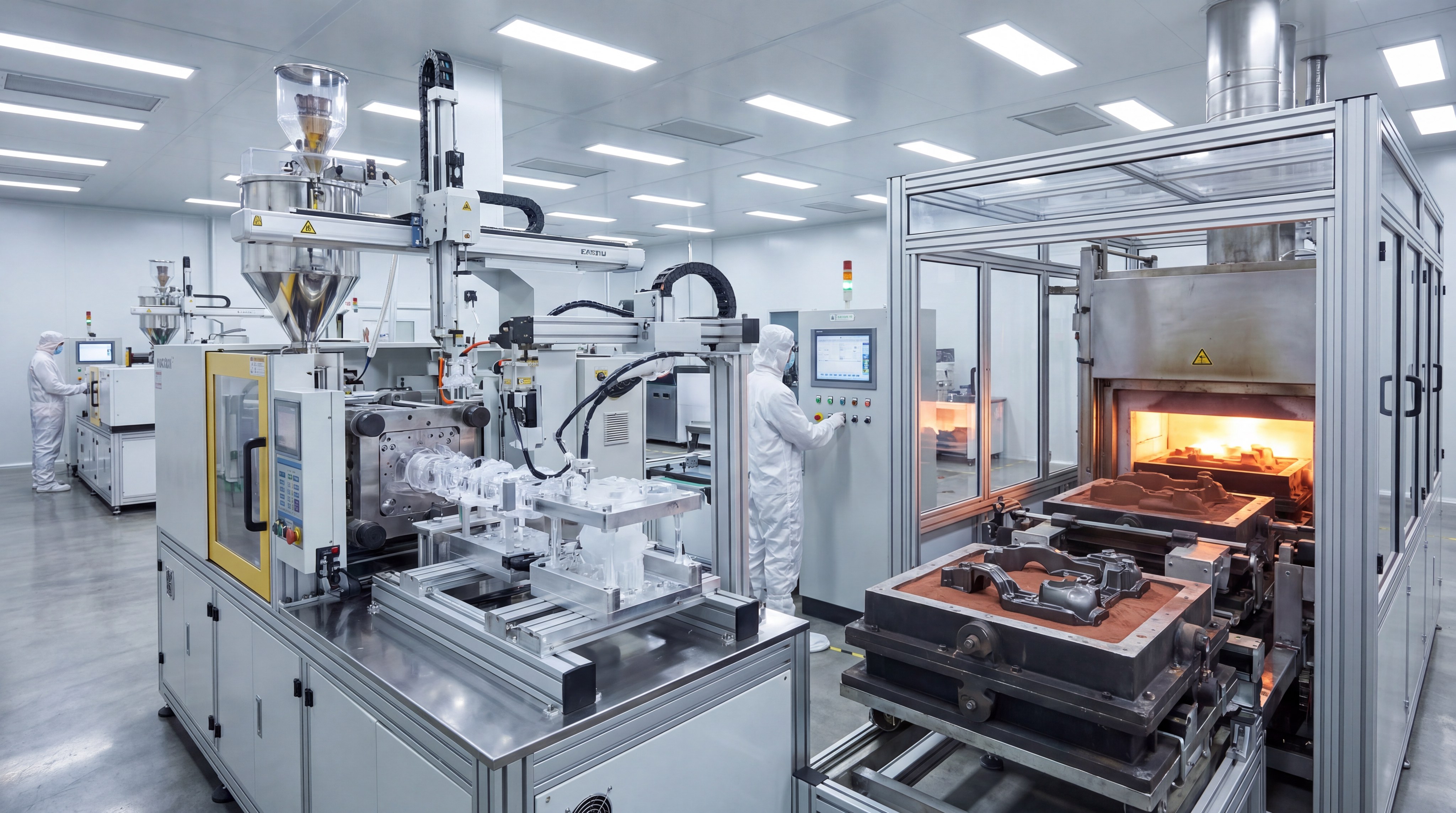
Why use stainless steel for molds?
Stainless steel provides the necessary corrosion resistance and thermal stability required for long-term medical production runs. Think about it: the mold must remain perfectly polished to ensure a smooth, defect-free surface on the silicone part.
- Corrosion resistance
- High thermal conductivity
- Polishability
- Wear durability
But that’s not all, as the steel grade affects the speed at which the mold can be heated and cooled during a cycle.
- H13 or S136 steel
- Hardness treatments
- Thermal cycling efficiency
- Dimensional stability
How is flash minimized in tooling?
Precision parting lines and tight clamping forces are engineered into the tool to prevent excess silicone from leaking out during injection. The secret? High-accuracy mold fitting reduces the need for manual trimming, which can introduce defects.
- Parting line precision
- Clamping pressure
- Venting channels
- Shut-off surfaces
Let’s dive in, because improper venting can lead to “burn marks” or incomplete filling of the mold cavity.
- Gas evacuation
- Vacuum sealing
- Overflow grooves
- Injection gate placement
Key Takeaway
The quality of the final silicone device is directly proportional to the engineering precision of the mold itself.
| Tool Feature | Benefit | Material Choice |
|---|---|---|
| Polished Cavity | Surface Clarity | S136 Steel |
| Tight Vents | Flash Control | P20/H13 Steel |
Investing in superior tooling reduces long-term costs by minimizing scrap and secondary finishing labor.
How does secondary vulcanization enhance device safety?
Secondary vulcanization, or post-curing, involves placing molded parts in an oven to remove volatile organic compounds (VOCs). This step is essential when learning how to manufacture silicone products that will have direct contact with blood or sensitive tissues. It ensures that the chemical cross-linking is 100% complete, stabilizing the material’s physical properties.
What volatiles are removed during post-cure?
Heating the silicone for several hours drives out residual catalysts and low-molecular-weight siloxanes that could otherwise leach into a patient. Believe it or not, this process can reduce the mass of the silicone by up to 1% as these impurities evaporate.
- Residual siloxanes
- Catalyst byproducts
- Cyclic volatiles
- Unreacted polymers
The best part? Removing these elements significantly improves the biocompatibility and safety profile of the finished medical device.
- Reduced leaching risk
- Enhanced toxicity safety
- Improved odor profile
- Standard compliance
How does post-curing affect dimensions?
Post-curing causes a predictable amount of shrinkage, which must be accounted for during the initial mold design phase. It gets better: once this shrinkage occurs, the part becomes dimensionally stable for the remainder of its lifecycle.
- Linear shrinkage
- Dimensional setting
- Hardness stabilization
- Compression set improvement
But wait, there’s more, as the temperature and duration of the post-cure must be precisely controlled to avoid over-hardening the material.
- Time-temperature curves
- Air circulation
- Uniform heating
- Cool-down protocols
Key Takeaway
Post-curing is a vital safety step that transitions a standard silicone part into a truly medical-grade component.
| Oven Temp | Duration | Result |
|---|---|---|
| 200°C | 2-4 Hours | Complete Degassing |
| 150°C | 8-12 Hours | Gradual Stabilization |
A rigorous post-cure protocol ensures the device meets the highest clinical standards for purity and performance.
What quality tests are essential for medical silicone?
Rigorous testing protocols ensure that every batch of devices meets the high standards required for how to manufacture silicone products in the B2B healthcare space. From tensile strength to biocompatibility assays, quality control must be integrated into every step of the production line. Without documented proof of performance, medical devices cannot achieve regulatory clearance.
How is mechanical strength verified?
Tensile testing pulls samples to their breaking point to measure the material’s ultimate strength and elongation capabilities. Think about it: a surgical tube must be able to stretch significantly without tearing during a procedure.
- Tensile strength (psi/MPa)
- Elongation at break
- Tear resistance (Die B/C)
- Modulus at 100%
Let’s dive in deeper, because compression set testing is equally important for seals that must maintain their shape under constant pressure.
- Recovery percentage
- Permanent deformation
- Load-bearing capacity
- Stress relaxation
What does biocompatibility testing involve?
Biocompatibility tests confirm that the silicone does not cause irritation, toxicity, or sensitization when in contact with biological systems. The best part? ISO 10993 provides a globally recognized framework for these critical safety evaluations.
- Cytotoxicity (Cell health)
- Sensitization (Allergy)
- Irritation (Skin/Tissue)
- Systemic toxicity
But that’s not all, as long-term implants require additional testing for carcinogenicity and chronic toxicity.
- Implantation studies
- Hemocompatibility (Blood)
- Genotoxicity
- Pyrogenicity testing
Key Takeaway
Comprehensive testing provides the empirical evidence needed to trust silicone devices in critical medical environments.
| Test Type | Metric | Regulatory Body |
|---|---|---|
| Physical | Tensile/Hardness | ASTM D412 |
| Biological | Toxicity/Irritation | ISO 10993 |
Every test result serves as a guarantee that the manufacturing process is stable and the product is safe for use.
How can overmolding improve medical device functionality?
Overmolding allows manufacturers to bond silicone directly onto plastic or metal substrates, which is a sophisticated method of how to manufacture silicone products. This technique creates a seamless, one-piece component that combines the structural rigidity of a core with the soft-touch or sealing properties of silicone. It is widely used in orthopedic handles and complex valve assemblies.
What materials bond best with silicone?
Medical-grade thermoplastics like PEEK or stainless steel inserts are common substrates that form a strong mechanical or chemical bond with silicone. It gets better: specialized primers or self-bonding silicone grades can eliminate the need for manual adhesive application.
- PEEK/Polycarbonate
- Stainless steel
- Titanium inserts
- Self-bonding grades
Think about it: the bond strength must be higher than the tear strength of the silicone to prevent delamination during use.
- Chemical cross-linking
- Mechanical interlocks
- Primer application
- Surface activation
What are the design benefits?
Overmolding eliminates the “dead space” between assembled parts where bacteria could grow, making the device much easier to sterilize. The best part? It also reduces assembly time and costs by creating a multi-functional part in a single process.
- Hygienic seamless design
- Vibration dampening
- Ergonomic soft-grips
- Integrated seals
But wait, there’s more, as overmolding allows for color-coding different parts of a device for better clinical usability.
- Visual identification
- Multi-material integration
- Leak-proof barriers
- Weight optimization
Key Takeaway
Overmolding is a powerful engineering solution for creating complex, hygienic, and user-friendly medical instruments.
| Combination | Primary Benefit | Application |
|---|---|---|
| Silicone on Steel | Ergonomic Grip | Surgical Tools |
| Silicone on PEEK | Waterproof Seal | Electronic Implants |
Integrating materials through overmolding simplifies the supply chain and enhances the end-product’s clinical value.
What are the environmental standards for silicone production?
Adhering to RoHS and REACH standards is a critical component of learning how to manufacture silicone products for the global medical market. These regulations ensure that no hazardous substances like lead, mercury, or specific phthalates are present in the final component. Maintaining environmental compliance is not just about ethics; it is a prerequisite for entering international markets like the EU.
How is REACH compliance maintained?
REACH focuses on the registration and authorization of chemical substances to protect human health and the environment from chemical risks. Believe it or not, manufacturers must track every single chemical used in their facility to ensure they stay below safe thresholds.
- Substance registration
- Chemical safety audits
- Supply chain transparency
- SVHC monitoring
The best part? Compliance provides a “passport” for your products, allowing them to be sold across all European Union member states.
- Market accessibility
- Brand reputation
- Legal protection
- Safety assurance
What does RoHS cover in silicone?
RoHS restricts the use of specific hazardous materials in electronic and electrical equipment, which often includes silicone-covered medical sensors. It gets better: modern silicone formulations are naturally free of these heavy metals, but verification is still required.
- Lead restriction
- Mercury exclusion
- Cadmium limits
- PBB/PBDE flame retardants
But that’s not all, as regular laboratory testing is needed to provide the “Certificate of Compliance” required by many B2B buyers.
- Lab analysis
- Batch certification
- Document traceability
- Supplier declarations
Key Takeaway
Environmental compliance is a fundamental requirement for any silicone manufacturer operating in the regulated medical device industry.
| Standard | Focus Area | Requirement |
|---|---|---|
| REACH | Chemical Substances | Tracking & Safety |
| RoHS | Heavy Metals | Lab Certification |
Staying ahead of environmental regulations protects your business from legal risks and ensures global product viability.
How do you choose a medical silicone manufacturing partner?
Selecting the right partner involves auditing their quality management systems and technical capabilities for how to manufacture silicone products. A reliable manufacturer should offer more than just molding; they should provide design-for-manufacturing (DFM) support to optimize your part for production. Transparency in their material sourcing and cleanroom protocols is the hallmark of a professional medical supplier.
What certifications are mandatory?
ISO 13485 is the essential quality management standard specifically for the medical device industry, ensuring consistent design and production. Think about it: this certification proves the manufacturer has the rigorous documentation and traceability systems you need.
- ISO 13485:2016
- FDA Registration
- ISO 9001:2015
- IATF 16949 (for components)
Let’s dive in deeper, because a partner with a cleanroom certification (ISO 7 or 8) is usually better equipped for medical projects.
- Certified cleanroom facilities
- Bio-burden control
- Environmental audit logs
- Cleanroom training programs
How important is DFM support?
Design for Manufacturing (DFM) support helps you refine your part design to reduce costs and improve molding success rates. The best part? An experienced partner can spot potential “sink marks” or “knit lines” before you invest in expensive steel tooling.
- Wall thickness optimization
- Draft angle adjustment
- Gate location analysis
- Tooling life projection
But wait, there’s more, as a good partner will also suggest the most efficient material and molding process for your specific volume.
- Material cost-benefit analysis
- Process selection (LSR vs Comp)
- Cycle time optimization
- Prototyping pathways
Key Takeaway
The right manufacturing partner acts as a technical extension of your own engineering team, ensuring project success from day one.
| Partner Trait | Importance | Value Added |
|---|---|---|
| ISO 13485 | Essential | Regulatory Confidence |
| DFM Review | High | Cost Savings/Quality |
Carefully vetting your supplier ensures a stable production lifecycle and a safer final product for patients.
Frequently Asked Questions
Can I manufacture medical silicone parts without a cleanroom?
It is not recommended for devices that have direct patient contact or require high purity. While industrial parts can be made in standard facilities, medical-grade components usually require a certified cleanroom to prevent contamination during the vulcanization process.
What’s the best way to ensure biocompatibility?
The best approach is to use platinum-cured silicone grades and perform secondary vulcanization (post-curing). These steps remove volatile residues and ensure the material meets ISO 10993 standards for cytotoxicity and irritation.
How do I know if I need LSR or compression molding?
The decision is usually based on part complexity and production volume. LSR is ideal for high-volume, intricate parts requiring automation, while compression molding is often more cost-effective for large, simple parts or small prototype batches.
Can I overmold silicone onto any plastic?
No, silicone only bonds well with specific high-temperature thermoplastics like Polycarbonate or PEEK. For other materials, specialized primers or mechanical interlocks must be engineered into the design to ensure a permanent bond.
What is the typical lead time for a medical silicone mold?
The standard lead time for a high-precision medical-grade steel mold is typically between 4 to 8 weeks. This timeline includes the design phase, CNC machining, heat treatment, and initial sample testing (T1 samples).
Conclusion
Creating high-performance silicone medical devices is a complex journey that demands technical precision at every turn. By understanding the nuances of material selection, cleanroom protocols, and advanced molding techniques, you can overcome the common pitfalls of healthcare manufacturing. Our facility specializes in turning these complex engineering challenges into stable, mass-produced realities through a rigorous, ISO-certified workflow. We are committed to advancing global healthcare by delivering components that exceed clinical expectations and redefine patient safety. If you are ready to move from concept to reality, contact us today to start your project.