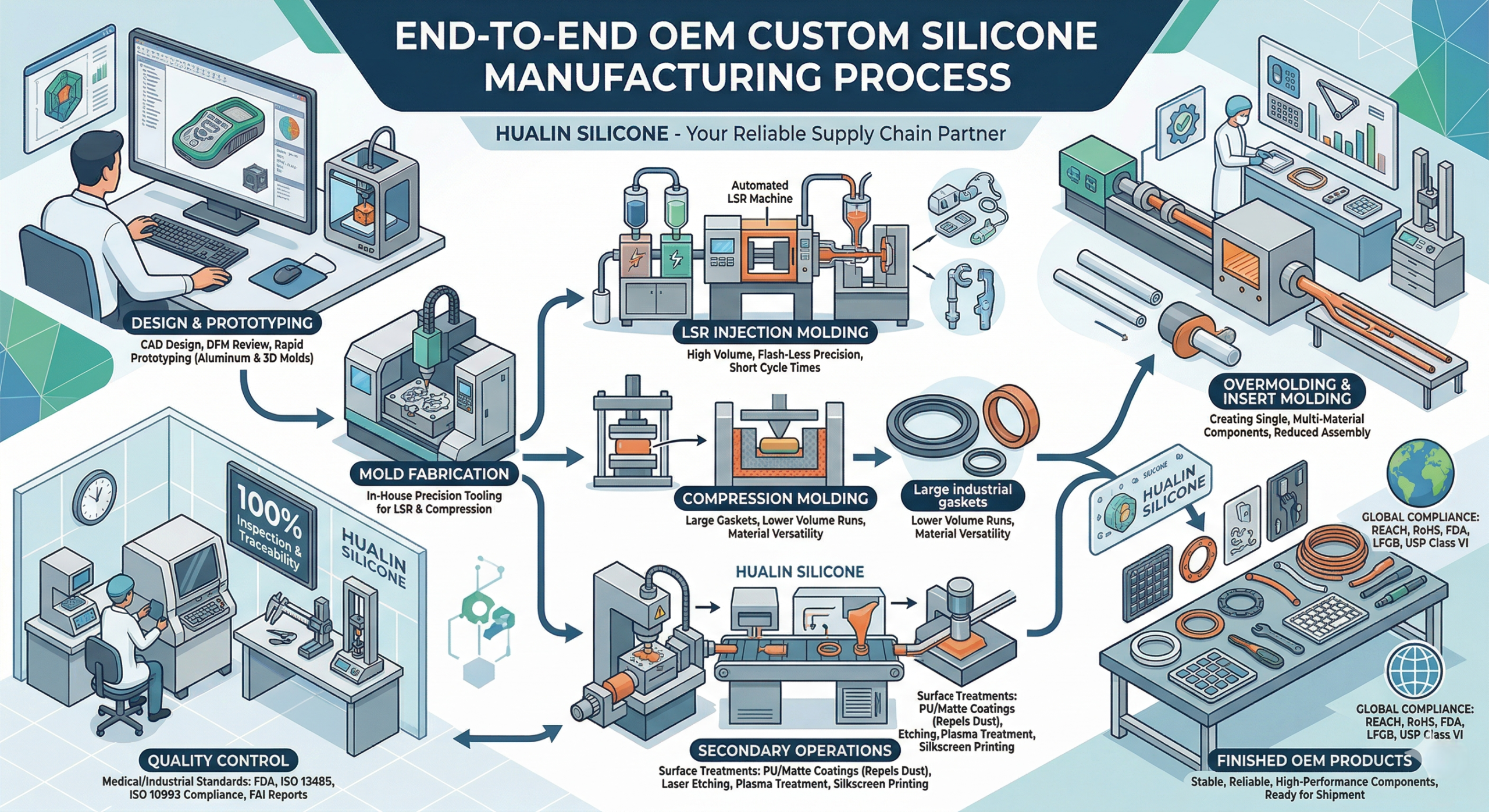
Silicone Products are manufactured through a strategic sequence of material compounding, precision molding processes—such as LSR or compression—and specialized surface treatments designed to meet unique OEM specifications. You likely face the recurring nightmare of receiving a batch of parts that don’t quite fit, leading to assembly line stoppages and mounting costs. This inconsistency often stems from a fragmented supply chain where the mold maker and the production factory are not in sync, agitating your project timelines and inflating your budget. HuaLin Silicone provides a seamless solution by integrating in-house mold design with advanced manufacturing, ensuring your high-performance components are stable and reliable from the first prototype to full-scale mass production.
What are the primary silicone manufacturing methods?
Silicone Products are primarily produced using three distinct routes: Liquid Silicone Rubber (LSR) injection molding, high-consistency rubber (HCR) compression molding, and continuous extrusion. Selecting the right method depends on your part’s geometric complexity, required tolerances, and projected annual volume.
Which process fits your design?
The complexity of your part usually dictates the machinery required for production. For instance, intricate parts with thin walls are best suited for injection systems, while large, flat seals are often more economical via compression.
Here is the kicker:
Not all methods are created equal when it comes to scrap rates and cycle times.
- LSR Molding: Best for high-volume, flash-less precision parts.
- Compression Molding: Ideal for large gaskets and lower-volume runs.
- Extrusion: Used specifically for tubing and continuous profiles.
Key Takeaway: Mapping your product’s geometry to the correct manufacturing process is the first step in optimizing both performance and unit cost.
| Method | Precision Level | Tooling Cost | Best Use Case |
|---|---|---|---|
| LSR Injection | Very High | High | Complex medical/electronic parts |
| Compression | Moderate | Low | Industrial gaskets and thick seals |
| Extrusion | High (Linear) | Medium | Tubing and sealing strips |
Analytical Guidance: Evaluate your long-term volume forecasts before committing to a tooling style, as the initial investment in LSR often yields lower per-unit costs over time.
How does LSR injection molding provide high precision?
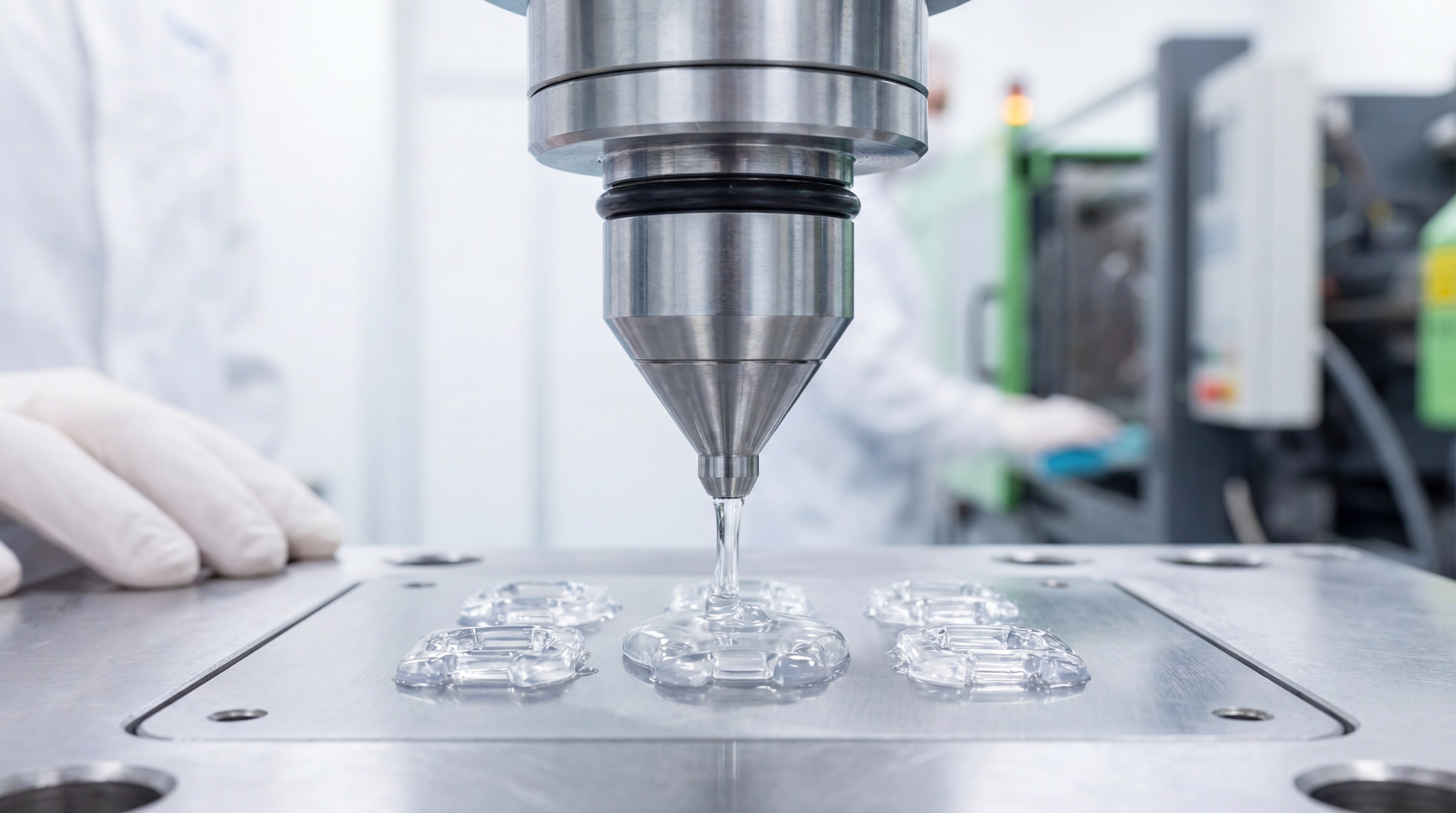
Silicone Products manufactured through LSR injection molding achieve exceptional accuracy by utilizing a two-part liquid system that is mixed and injected into a closed, heated mold. This automated process ensures that the material fills every micro-detail of the cavity before curing rapidly.
Why is automation critical for precision?
Automated LSR systems remove the variability of human intervention, which is often the primary cause of dimensional drift in rubber manufacturing. The closed-loop control of temperature and pressure ensures that every cycle produces an identical part.
But it gets better:
High-end LSR nozzles allow for “cold runner” systems that virtually eliminate material waste.
- Precise Metering: Parts A and B are mixed in exact 1:1 ratios.
- Short Cycle Times: Rapid curing allows for high-output production.
- Zero Flash: High-clamping force molds prevent excess material leak.
Key Takeaway: LSR molding is the premier choice for OEMs requiring tight tolerances and 100% repeatability for technical components.
| Feature | OEM Benefit |
|---|---|
| Cold Runner System | Significant reduction in material waste |
| Automated Ejection | Faster cycle times and lower labor costs |
| Micro-Molding | Capability to produce extremely small parts |
Analytical Guidance: For projects with tolerances tighter than +/- 0.05mm, LSR is often the only viable manufacturing route to ensure assembly compatibility.
Why choose compression molding for your OEM project?
Silicone Products are often more cost-effectively produced via compression molding when you are dealing with simpler shapes or require a faster transition from design to production. This method involves placing a pre-measured “slug” of solid silicone into a heated mold cavity which is then compressed under high pressure.
How does compression save on initial costs?
The tooling for compression molding is significantly less complex than injection molds because it lacks intricate runner systems and injection ports. This simplicity translates to lower upfront capital expenditure for your project.
You might be wondering:
Is compression molding still relevant for high-quality industrial parts?
- Low Tooling Cost: Ideal for testing market demand with lower risk.
- Material Versatility: Easily handles high-durometer materials that are difficult to inject.
- Faster Setup: Shorter lead times for mold fabrication compared to LSR.
Key Takeaway: Compression molding remains a powerhouse for industrial applications where part thickness and cost-per-mold are the primary drivers.
| Parameter | Compression Molding Impact |
|---|---|
| Tooling Lead Time | Typically 2–3 weeks |
| Maximum Part Size | Limited only by the press plate size |
| Labor Intensity | Higher due to manual loading/unloading |
Analytical Guidance: Choose compression molding for parts with wall thicknesses exceeding 5mm, as it avoids the “sink marks” often found in injection molding for thick sections.
How are custom silicone profiles made through extrusion?
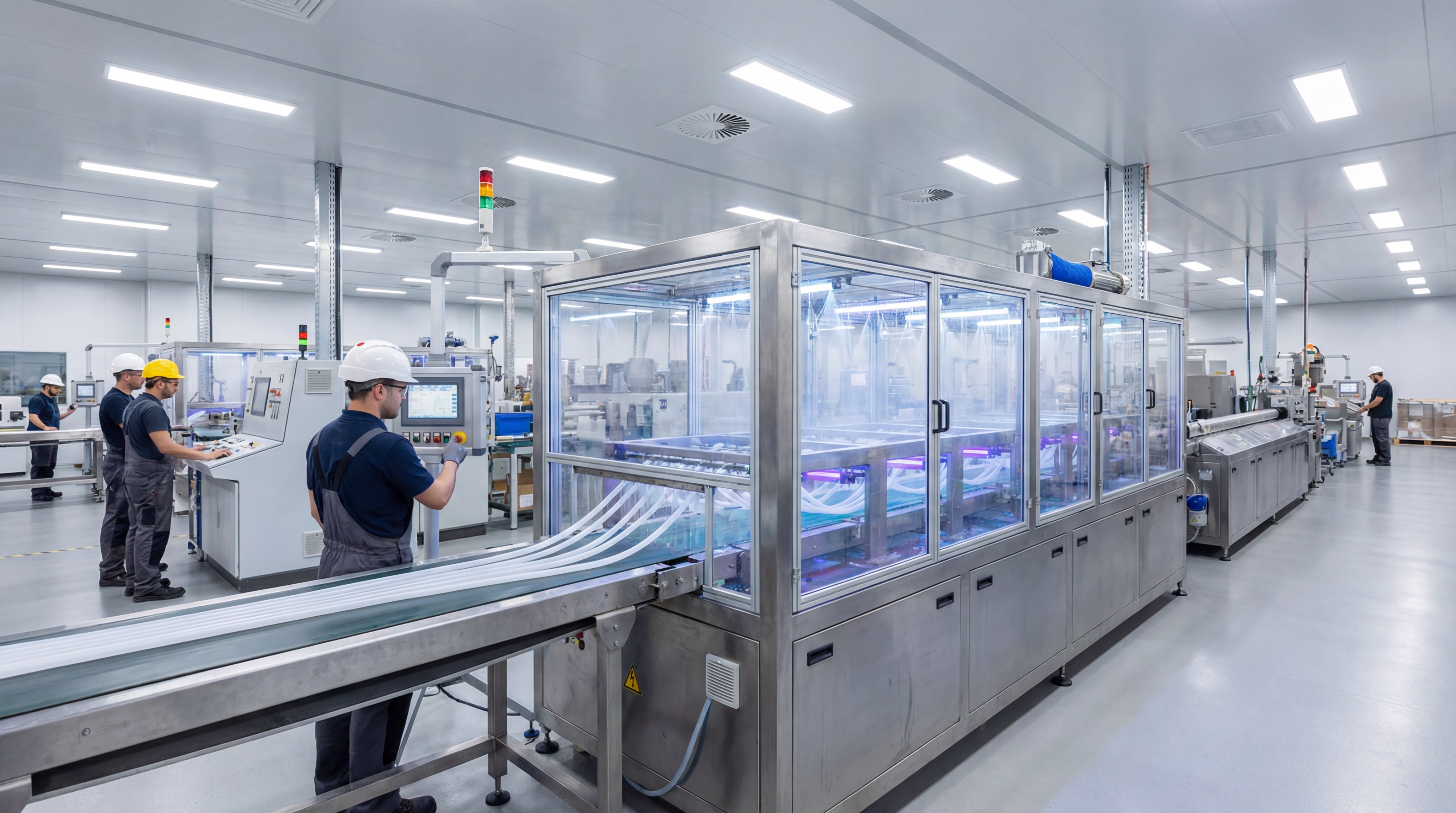
Silicone Products like specialized tubing, window seals, and protective edge guards are created using an extrusion line that pushes silicone through a custom-shaped die. This creates a continuous length of product that is then cured in a long heat tunnel or “vulcanization oven.”
Can you customize the cross-section?
Extrusion allows for nearly infinite customization of the profile shape, provided the cross-section remains consistent throughout the length. We can create hollow tubes, “D” shapes, and multi-lumen profiles for complex medical or fluid-handling needs.
To make a long story short:
Extrusion is the most efficient way to buy silicone by the mile rather than by the piece.
- Continuous Production: Parts can be hundreds of feet long without a seam.
- Custom Cutting: Inline cutters provide exact lengths for your assembly line.
- Multi-Lumen Options: Separate channels within one tube for different fluids.
Key Takeaway: For any application requiring a uniform shape over a long distance, extrusion is the most scalable and cost-effective solution.
| Profile Type | Common OEM Industry |
|---|---|
| Multi-Lumen Tubing | Medical and Healthcare |
| Bulb Seals | Automotive and Aerospace |
| P-Strips | Industrial Enclosures |
Analytical Guidance: When designing extruded profiles, ensure the wall thicknesses are as uniform as possible to prevent warping during the continuous curing process.
What role does DFM play in silicone customization?
Silicone Products success depends heavily on a Design for Manufacturing (DFM) review, which identifies potential molding issues before the steel is cut for the tool. Our engineers look for draft angles, wall thickness consistency, and parting line placement to ensure the part can be manufactured reliably.
How does DFM prevent project delays?
A thorough DFM review catches design flaws that would otherwise lead to “non-fill” issues or air traps during the production phase. By optimizing the design for the specific behavior of silicone, we reduce the number of sampling rounds required.
Here is the deal:
Spending an extra week in the design phase can save you two months in the production phase.
- Shrinkage Compensation: Adjusting the mold size based on the specific material grade.
- Gate Placement: Ensuring the material flows evenly to prevent weak “knit lines.”
- Ejection Strategy: Designing the part so it releases cleanly without tearing.
Key Takeaway: Early-stage DFM is the most effective insurance policy against late-stage manufacturing failures and budget overruns.
| DFM Checkpoint | Critical Factor |
|---|---|
| Wall Thickness | Must be balanced to prevent voids or bubbles |
| Radius & Fillets | Sharp corners increase the risk of tearing |
| Undercuts | Determine if a “hand-load” or slide is needed |
Analytical Guidance: Always involve your manufacturer during the CAD phase; a 5% change in geometry can often lead to a 20% reduction in tooling cost.
How do you select the right silicone material grade?
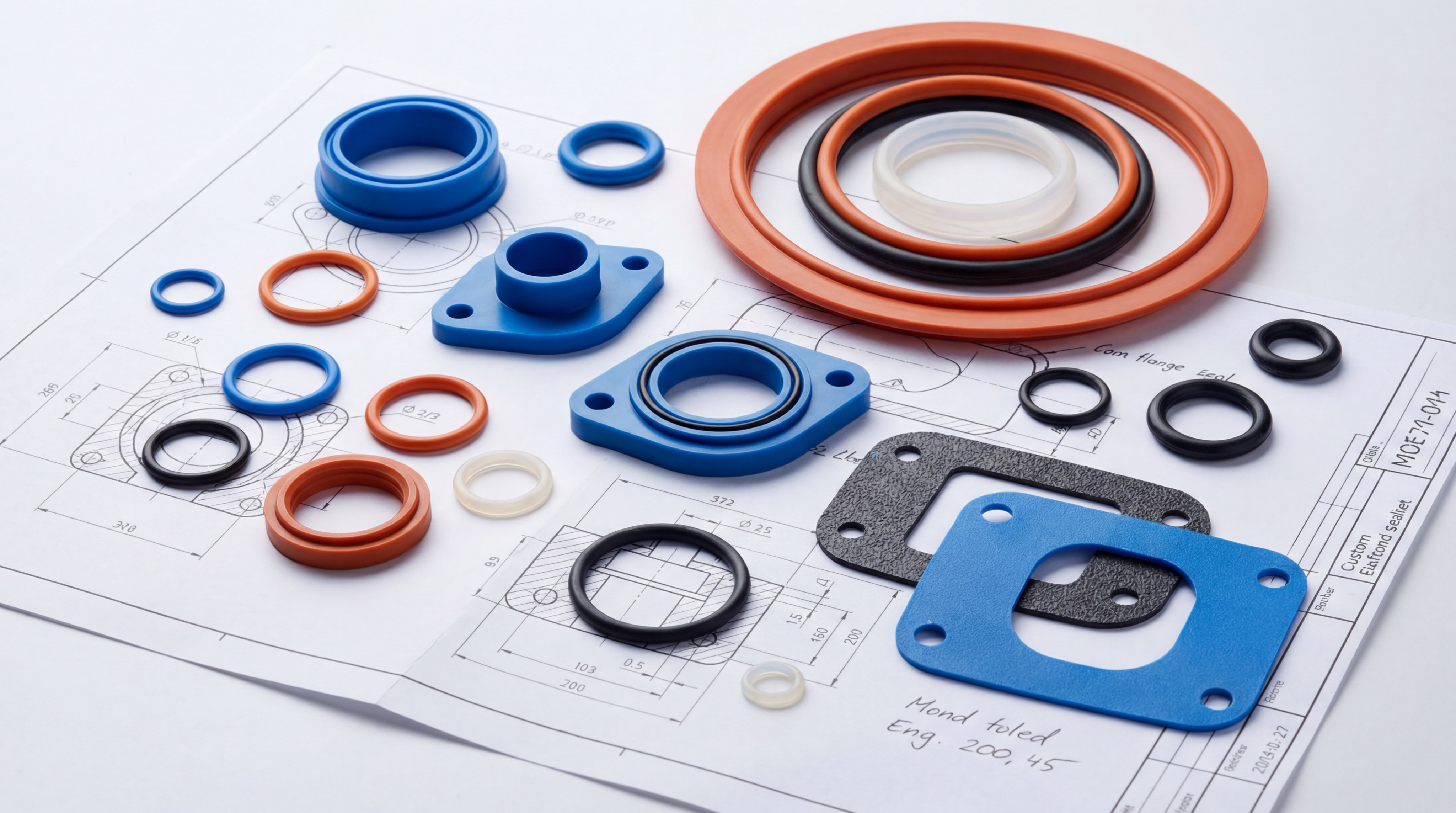
Silicone Products are customized by matching the material’s chemical and physical properties to your specific environmental challenges, such as extreme heat or chemical exposure. Selecting the wrong durometer (hardness) or base polymer can lead to premature part failure in the field.
What material properties matter most?
Beyond just hardness, you must consider the tensile strength, elongation, and compression set of the silicone. For example, a gasket that doesn’t “spring back” after being compressed will eventually leak, regardless of its initial fit.
Believe it or not:
The color of your silicone can actually impact its physical performance depending on the pigment used.
- Hardness (Shore A): Ranges from 10A (soft) to 80A (firm).
- Thermal Stability: Standard grades handle up to 200°C, while high-heat grades reach 300°C.
- Chemical Resistance: Specialty fluorosilicone is required for contact with fuels and oils.
Key Takeaway: Material selection is a balancing act between environmental resistance, mechanical performance, and total cost.
| Durometer | Typical Feel | Common Application |
|---|---|---|
| 30A – 40A | Soft rubber band | Ear tips and soft-touch seals |
| 50A – 60A | Pencil eraser | Keypads and protective covers |
| 70A – 80A | Hard tire | Structural spacers and insulators |
Analytical Guidance: If your part will be exposed to UV light or ozone, ensure you specify a silicone grade that includes the necessary stabilizers to prevent cracking.
What surface treatments enhance silicone functionality?
Silicone Products can be treated post-molding to change their tactile feel, improve their resistance to dust, or add permanent branding. Because silicone is naturally “tacky,” surface treatments are often essential for consumer-facing products or parts that need to slide against other surfaces.
How do you eliminate the “sticky” feel?
Applying a PU (polyurethane) or matte coating creates a silky-smooth finish that repels lint and dust. This is particularly important for wearable devices or remote control covers where a premium hand-feel is required.
But wait, there’s more:
Surface treatments can also add functional features like electrical conductivity or antimicrobial properties.
- PU Spray Coating: Provides a premium, non-stick matte finish.
- Laser Etching: Creates permanent, wear-resistant legends on keypads.
- Plasma Treatment: Increases surface energy to allow for better bonding or printing.
Key Takeaway: Surface finishing transforms a raw molded part into a professional, consumer-ready product with enhanced durability.
| Treatment | Visual Effect | Functional Benefit |
|---|---|---|
| Matte Coating | Dull/Soft Look | Dust resistance and smooth touch |
| Silkscreen Printing | High-Contrast Color | Branding and instructional text |
| Antimicrobial Additive | No change | Inhibits bacterial growth for medical use |
Analytical Guidance: For keypads, always specify a “top coat” over the printing to prevent the legends from wearing off after thousands of cycles.
How is quality maintained in medical silicone production?
Silicone Products for the medical and healthcare sectors require a much higher level of scrutiny, often necessitating cleanroom manufacturing and 100% inspection protocols. Our quality systems are designed to track every batch of material from the supplier to your warehouse.

What equipment ensures part accuracy?
We utilize automated optical inspection (AOI) and high-precision calipers to verify critical-to-quality (CTQ) dimensions. For medical components, even a 0.1mm deviation can be the difference between a life-saving seal and a dangerous leak.
Here is the kicker:
Our visual inspection systems can detect surface defects that are invisible to the naked human eye.
- CCD Vision Systems: Automated checks for surface burrs and impurities.
- Hardness Testing: Verifying every batch meets the Shore A specification.
- Traceability: Full documentation for every production run, including raw material COAs.
Key Takeaway: Robust quality control is not just about measuring parts; it’s about a repeatable process that prevents defects before they happen.
| Inspection Tool | What it Measures | Importance |
|---|---|---|
| CCD Projector | Complex 2D dimensions | Verifies intricate geometries |
| Tensile Tester | Material strength | Ensures the part won’t tear in use |
| Pressure Leak Tester | Sealing integrity | Critical for waterproof enclosures |
Analytical Guidance: Request a “First Article Inspection” (FAI) report for every new tool to ensure the manufacturing process is fully validated before mass production starts.
What are the benefits of overmolding and insert molding?
Silicone Products are frequently combined with plastic or metal components through overmolding to create a single, multi-material part. This eliminates the need for manual assembly and provides a bond that is much stronger than any adhesive.
Can you bond silicone to any substrate?
While silicone can be bonded to many materials, it requires a specific chemical primer or “self-bonding” silicone grade to achieve a permanent mechanical link. This is commonly used for creating waterproof connectors or soft-grip handles on rigid tools.
Think about it this way:
Overmolding turns two separate assembly steps into one single molding cycle.
- Permanent Bonding: Prevents moisture or bacteria from getting between layers.
- Reduced Assembly: Lowers labor costs and eliminates potential assembly errors.
- Enhanced Ergonomics: Combines a rigid structure with a soft-touch exterior.
Key Takeaway: Overmolding is the ultimate solution for complex OEM projects that require both structural rigidity and silicone’s flexible properties.
| Substrate | Bonding Difficulty | Recommended Process |
|---|---|---|
| Stainless Steel | Moderate | Requires specialized primer |
| PC / PBT Plastic | Low | Self-bonding LSR is often used |
| Aluminum | Moderate | Requires surface cleaning and primer |
Analytical Guidance: When overmolding onto plastic, ensure the plastic substrate has a higher melting point than the silicone’s curing temperature to prevent deformation.
How do regulatory standards impact your product design?
Silicone Products must comply with a variety of international standards like FDA, RoHS, and REACH to be legally sold in most global markets. Designing with these standards in mind from day one prevents costly material changes late in the development cycle.
Why is biocompatibility important?
For any part that touches human skin or is used in medical devices, ISO 10993 biocompatibility testing is often required. We provide medical-grade silicones that have already been pre-validated to meet these strict safety requirements.
To make a long story short:
Compliance isn’t just a hurdle; it’s a competitive advantage that builds trust with your end users.
- FDA/LFGB: Ensures the silicone is safe for food and baby products.
- USP Class VI: The gold standard for medical implant and fluid-handling materials.
- RoHS Compliance: Guarantees the absence of hazardous substances like lead or mercury.
Key Takeaway: Partnering with a manufacturer who understands global regulations ensures your product is ready for export without legal delays.
| Standard | Target Market | Key Requirement |
|---|---|---|
| ISO 9001 | Global OEM | Documented quality management system |
| FDA 21 CFR | USA / Food | Non-toxic, extractable-free material |
| REACH | Europe | Safe chemical composition and reporting |
Analytical Guidance: Always ask for the Material Safety Data Sheet (MSDS) and Compliance Certificates at the start of your project to ensure your supply chain is audit-ready.
Frequently Asked Questions
Can I get a custom color for my silicone parts?
Absolutely. We can match any Pantone or RAL color by adding specialized pigments during the mixing process, ensuring brand consistency across your entire product line.
What’s the best way to reduce my tooling costs?
The best way is to simplify your part design during the DFM phase and consider compression molding if your annual volume is under 10,000 units.
Can I use the same mold for different silicone materials?
In most cases, yes, though different silicone grades have slightly different shrinkage rates, which may result in minor dimensional variations.
What’s the best method for creating a waterproof seal?
LSR overmolding is generally the most effective method for creating a permanent, waterproof bond between a silicone seal and a rigid housing.
Can I request a prototype before full production?
Yes, we offer rapid prototyping using aluminum molds or 3D printing to help you validate fit and function before investing in mass production steel tools.
Conclusion
Successfully bringing complex silicone components to market requires a partner who masters the intersection of engineering, material science, and precision manufacturing. By addressing common pain points like dimensional inconsistency and regulatory compliance through a vertically integrated process, HuaLin Silicone ensures your OEM project moves from concept to shipment with zero friction. We solve your assembly challenges, provide high-performance material solutions, and offer a transparent manufacturing experience that scales with your growth. Our vision is to be the most reliable link in your supply chain, delivering the precision that your brand deserves. To secure your project’s success, contact us today for a professional DFM review and a comprehensive factory quote.