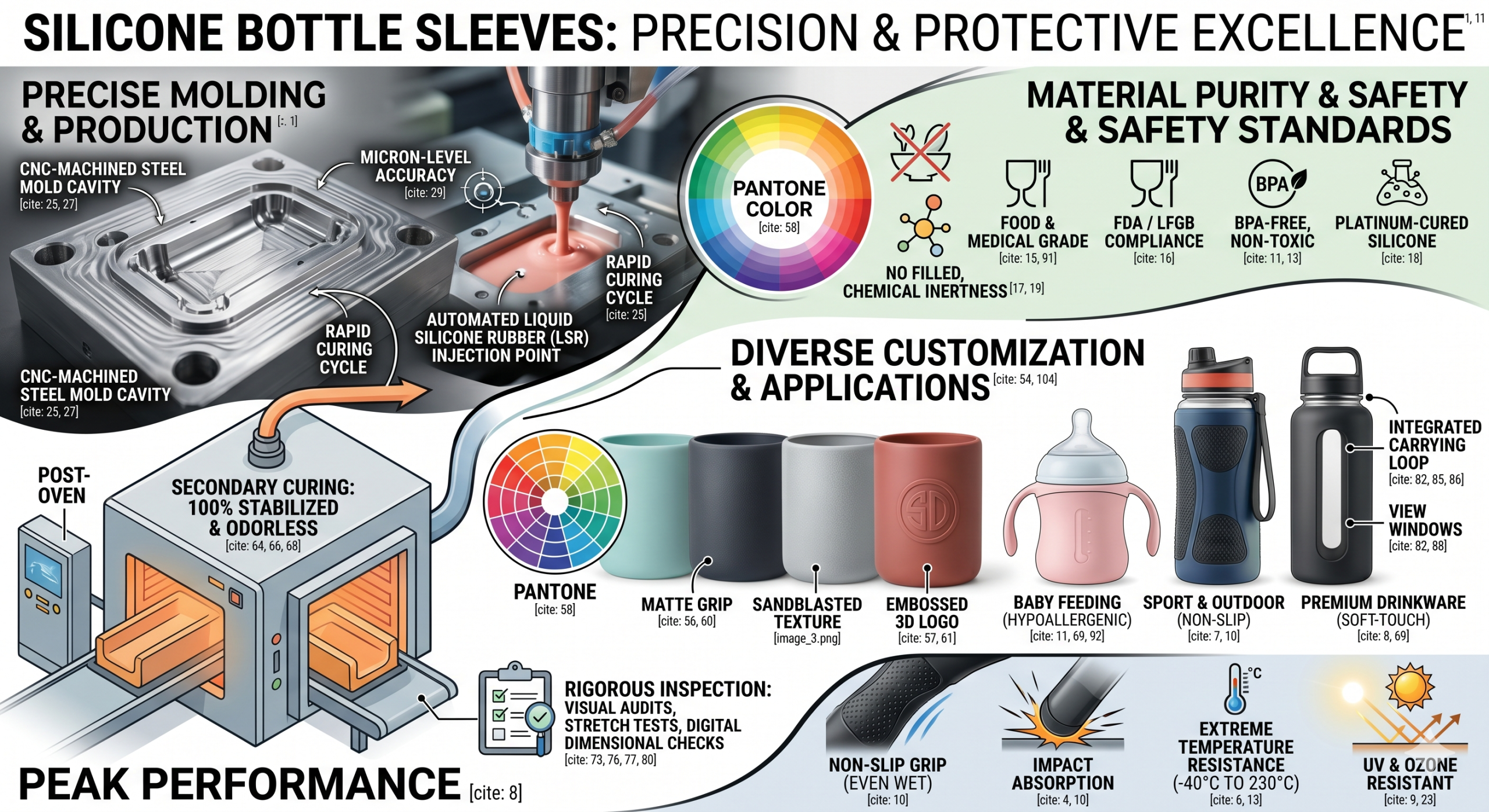
Silicone bottle sleeves are manufactured through a precise sequence of material selection, mold engineering, and specialized molding processes such as liquid injection or compression.
Glass and stainless steel bottles are notoriously prone to shattering or slipping from the hand when condensation forms. This lack of protection leads to high product loss rates and safety concerns for your end-users, potentially damaging your brand’s reputation for reliability. Silicone Bottle Sleeves link provide the ideal solution by offering a heat-resistant, impact-absorbing barrier that ensures a non-slip grip and long-term durability.
Why choose silicone for protective bottle sleeves?
Silicone is the preferred material because it combines extreme temperature resistance with exceptional flexibility and food-grade safety. When you utilize Silicone Bottle Sleeves, you are choosing a material that remains stable from -40°C to 230°C. This makes them perfect for both piping hot coffee carafes and icy water bottles used in rugged environments.
Performance benefits in consumer goods
The material provides a comfortable, soft-touch interface that significantly enhances the user’s tactile experience. It naturally resists UV radiation and ozone, meaning the sleeves will not crack or fade over time even with heavy outdoor use.
But that’s not all…
- Non-slip surface even when wet.
- Shock absorption to prevent glass breakage.
- Hypoallergenic and BPA-free construction.
Key Takeaway: Choosing silicone ensures your product offers superior grip and protection across a wide range of temperatures and environmental conditions.
| Benefit | Feature | Impact |
|---|---|---|
| Safety | Food-Grade Material | BPA-free and non-toxic |
| Durability | Temperature Resistance | -40°C to 230°C range |
| Utility | Anti-Skid Texture | Reduces drops and breakage |
The following data highlights how these core benefits translate into tangible product value.
Which raw materials meet global safety standards?
High-purity food-grade or medical-grade silicone rubber is required to create durable Silicone Bottle Sleeves. For B2B buyers, sourcing from a factory that uses traceable Silicone Bottle Sleeves materials is non-negotiable to ensure compliance with FDA and LFGB standards.
Material purity and chemical stability
The raw material must be free of fillers that can cause unpleasant odors or discoloration after repeated dishwashing. You should look for platinum-cured silicone if you need the highest level of clarity and strength.
Here is the kicker:
- High tensile strength prevents tearing.
- Chemical inertness ensures zero leaching.
- Vibrant color matching via non-toxic pigments.
Key Takeaway: Starting with certified, high-grade raw silicone is the only way to guarantee a product that is safe for long-term food and beverage contact.
| Material Property | Specification | Certification |
|---|---|---|
| Hardness | 40-70 Shore A | ASTM D2240 |
| Purity | 100% Silicone | FDA / LFGB |
| Longevity | UV & Ozone Resistant | ISO Certified |
The table above details the material specifications that define the quality of the final protective product.
How is the mold design optimized for high precision?
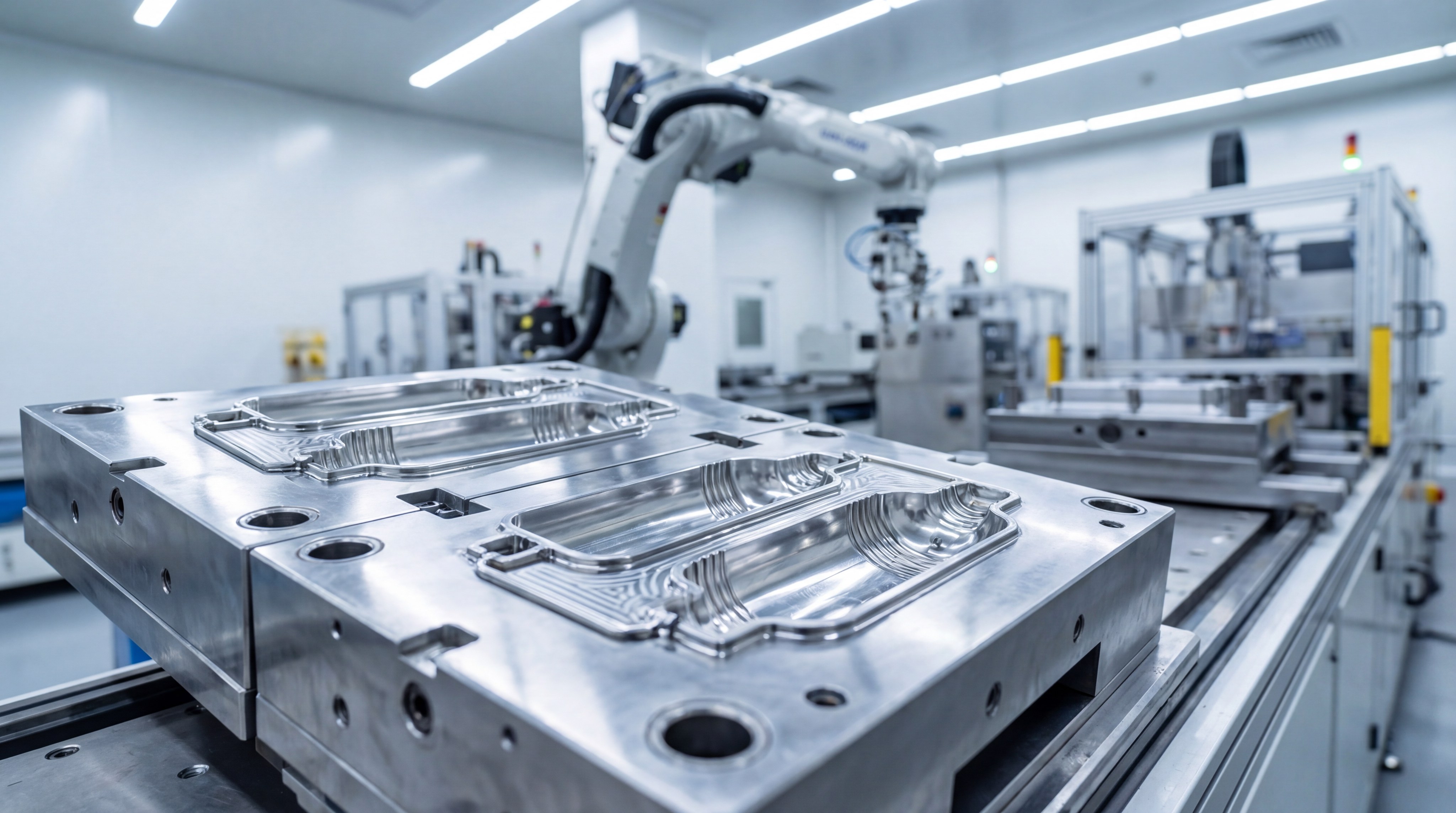
Mold design involves creating a precise steel cavity using CAD software and CNC machining to dictate the sleeve’s exact dimensions. High-quality Silicone Bottle Sleeves rely on molds that account for material shrinkage to ensure a perfect, snug fit on the container.
Engineering for manufacturability
Engineers must incorporate air vents and optimized flow paths to prevent defects like air bubbles or “short shots.” If the mold is not engineered correctly, you will face high scrap rates and inconsistent wall thickness in your production runs.
Think about it:
- CNC machining ensures micron-level accuracy.
- Draft angles allow for easy part ejection.
- Integrated textures eliminate secondary finishing.
Key Takeaway: A well-engineered mold is the foundation of mass production, ensuring every sleeve fits the intended bottle perfectly without slipping.
| Design Element | Technical Goal | Result |
|---|---|---|
| Shrinkage Factor | Dimensional Accuracy | Snug, secure bottle fit |
| Venting System | Air Removal | Zero surface bubbles |
| Surface Etching | Texture Application | Matte or patterned grip |
Our engineering team uses these parameters to deliver consistent results for complex geometric designs.
What happens during the liquid injection molding cycle?
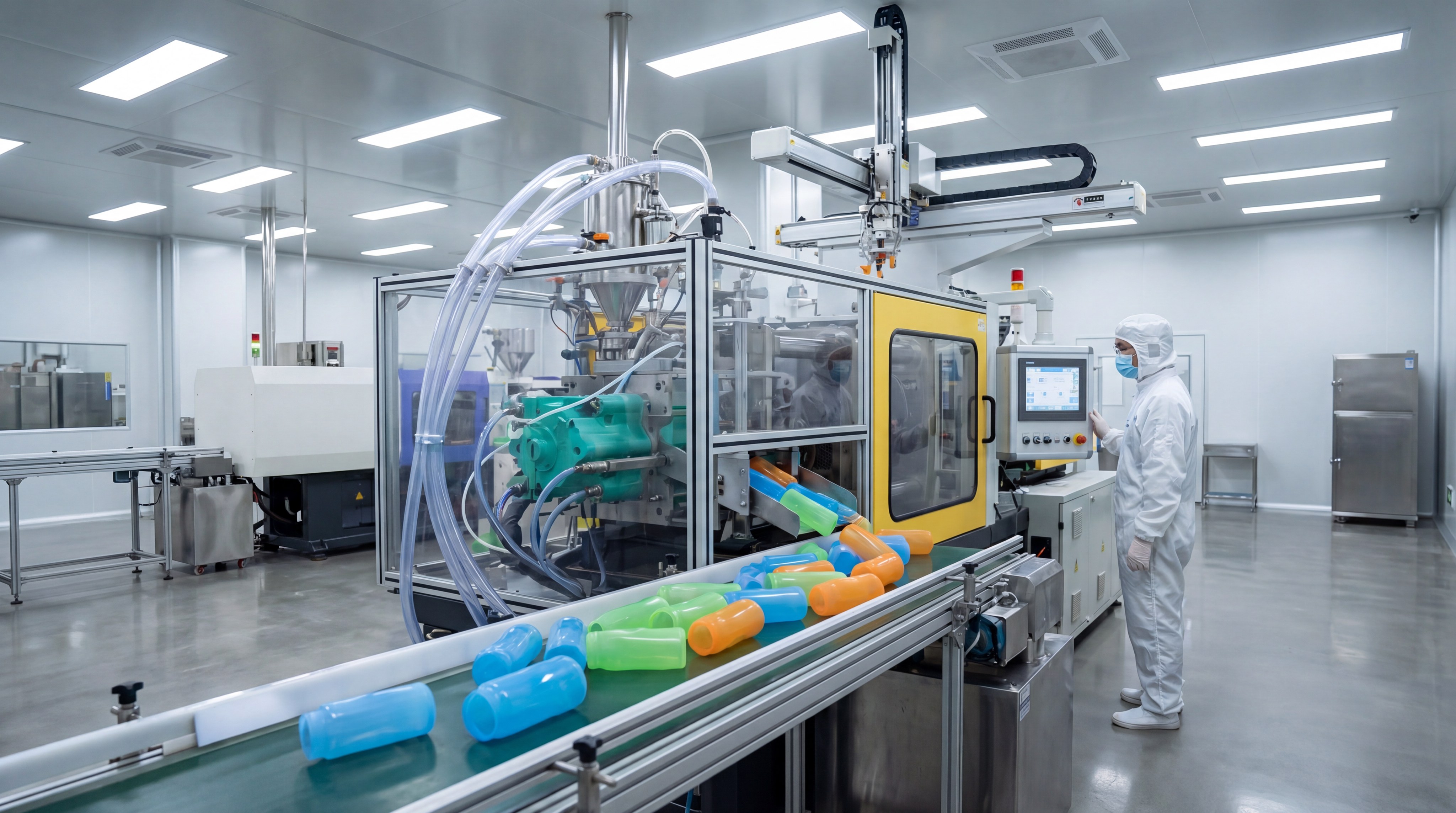
Liquid injection molding (LSR) involves mixing two parts of liquid silicone and injecting them into a heated mold for rapid curing. This process is often favored for Silicone Bottle Sleeves when high-volume production and intricate detailing are required.
The liquid silicone rubber advantage
LSR allows for automated production cycles, which significantly reduces labor costs and increases output speed. You get parts with very high consistency and minimal flash, making it the premier choice for complex protective cases.
The best part?
- Faster cycle times than compression.
- Superior precision for thin-walled parts.
- Closed-system mixing prevents contamination.
Key Takeaway: LSR molding provides the highest level of repeatability and detail, making it ideal for premium brand accessories.
| Process Metric | LSR Molding | Benefit |
|---|---|---|
| Cycle Time | 30-90 seconds | High production efficiency |
| Precision | +/- 0.05mm | Exceptional part accuracy |
| Waste | Low | Minimal flash and scrap |
This comparison clarifies why LSR is the gold standard for high-performance silicone components.
When is the compression molding method preferred?
Compression molding is preferred for simpler Silicone Bottle Sleeves or when initial tooling costs need to be kept low for medium production volumes. This method uses pre-formed silicone “slugs” that are manually placed into a heated mold and compressed under high pressure.
Cost-effective scaling for simple designs
While it involves more manual labor than injection molding, the lower cost of mold fabrication makes it attractive for startups. It is highly effective for thick-walled sleeves that require simple cylindrical shapes without complex undercuts.
Here is the kicker:
- Lower upfront investment in tooling.
- Flexibility for diverse material colors.
- Excellent for larger, bulkier protectors.
Key Takeaway: Compression molding remains a versatile and cost-effective solution for straightforward protective sleeve designs.
| Factor | Compression Molding | Business Advantage |
|---|---|---|
| Tooling Cost | Low to Moderate | Faster ROI for new brands |
| Design Complexity | Low to Medium | Best for simple geometries |
| Material Choice | Wide Variety | Easy to switch colors |
The data provided above helps manufacturers decide between molding techniques based on budget and design.
How are surface textures and custom colors applied?
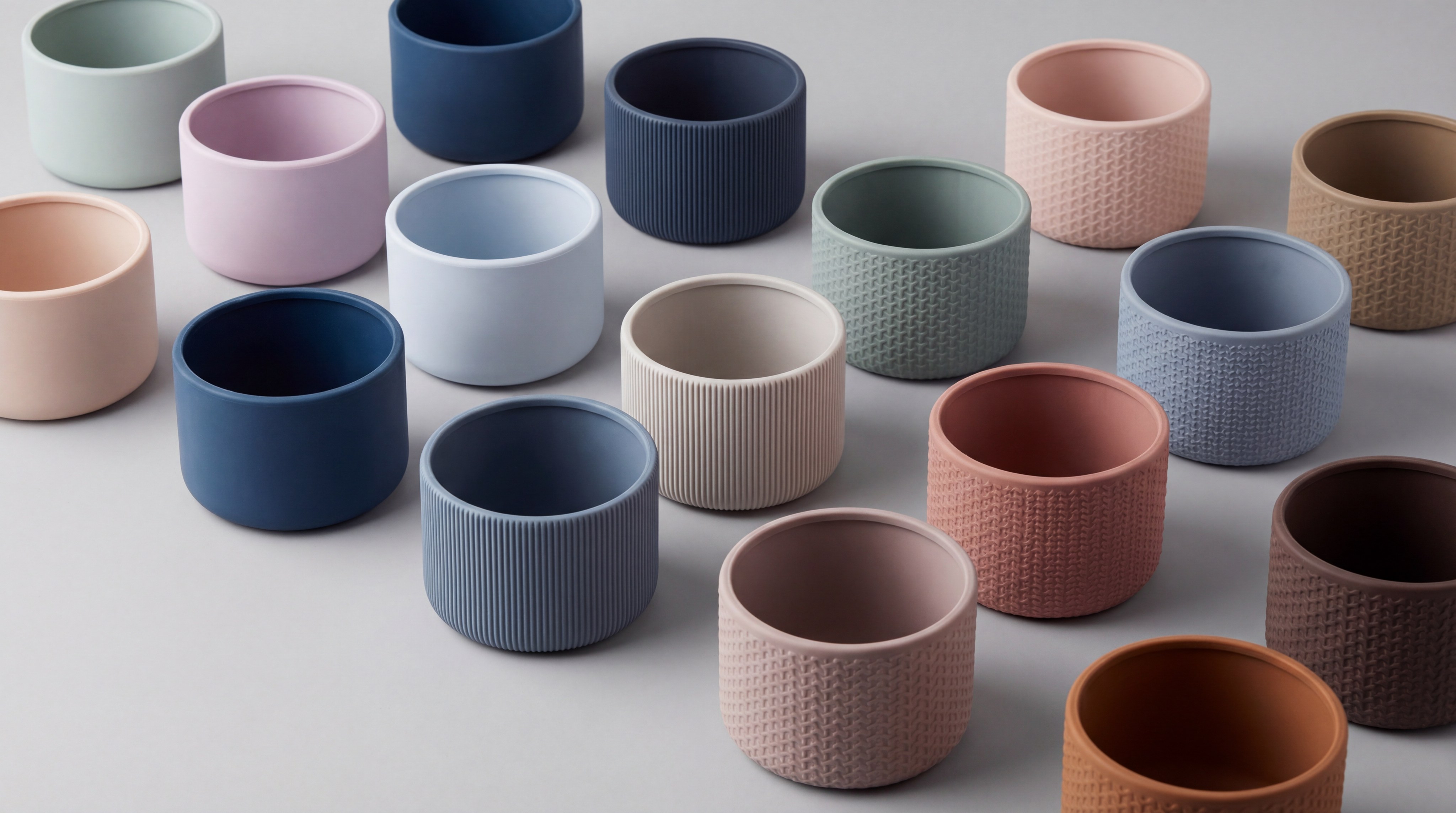
Surface textures are achieved by etching the mold itself, while colors are integrated into the raw Silicone Bottle Sleeves material during the compounding stage. This ensures that the aesthetic features are permanent and will not wear off during the product’s life cycle.
Customization through mold finishing
You can choose from matte, sandblasted, or embossed patterns to increase friction and improve branding. Logos can be laser-engraved into the mold to create a 3D effect on every sleeve produced.
It gets better:
- Pantone matching for brand consistency.
- Permanent laser-engraved logos.
- Specialized coatings to reduce dust.
Key Takeaway: Surface finishes and colors are integral to the molding process, ensuring your brand identity is durable and visually striking.
| Finish Type | Purpose | User Experience |
|---|---|---|
| Matte Texture | Non-slip grip | Soft-touch, premium feel |
| Embossed Logo | Brand recognition | 3D visual and tactile effect |
| Silk Screen | High-contrast detail | Clear, sharp graphics |
This table outlines the primary methods used to differentiate your product in a crowded market.
Why are secondary curing ovens necessary for safety?
Secondary curing involves baking the Silicone Bottle Sleeves at high temperatures to fully stabilize the material and remove volatile compounds. This post-processing step is vital for ensuring the product is 100% safe for consumer use and meets regulatory standards.
Improving physical properties and purity
The oven process completes the cross-linking of the silicone molecules, which improves the sleeve’s tensile strength and elasticity. This ensures the sleeve doesn’t lose its “snap-back” memory even after being stretched over a bottle thousands of times.
Think about it:
- Eliminates chemical odors and residues.
- Ensures stability at high temperatures.
- Prevents leaching in food-contact items.
Key Takeaway: Never skip the post-curing phase if you want a high-performance, odorless product that is safe for baby bottles and premium drinkware.
| Curing Phase | Temperature | Duration |
|---|---|---|
| Primary (Molding) | 160°C – 200°C | 1 – 5 Minutes |
| Secondary (Oven) | 200°C | 2 – 4 Hours |
| Stabilization | Room Temp | Cooling period |
The following workflow illustrates how we ensure the chemical and physical integrity of every batch.
What rigorous inspections ensure batch consistency?
Batch consistency is maintained through a series of visual audits and dimensional measurements using Silicone Bottle Sleeves quality protocols. Manufacturers must inspect for air bubbles, tears, and color deviations to protect the integrity of the shipment.
Dimensional and functional testing
Technicians use digital calipers to verify that the inner diameter is within the tolerance range. We also perform stretch tests to ensure the material can withstand the stress of installation without ripping.
But that’s not all…
- 100% visual inspection for surface flaws.
- Tensile strength testing in the lab.
- Specific gravity checks for material purity.
Key Takeaway: A multi-layered inspection process prevents defective units from reaching your warehouse and ensures customer satisfaction.
| Inspection Type | Tool Used | Quality Target |
|---|---|---|
| Dimensional | Digital Caliper | +/- 0.1mm tolerance |
| Visual | High-Intensity Light | Zero surface contaminants |
| Performance | Stretch Jig | 200% elongation test |
Our quality assurance system relies on these checkpoints to maintain a zero-defect production environment.
What custom features enhance user experience?
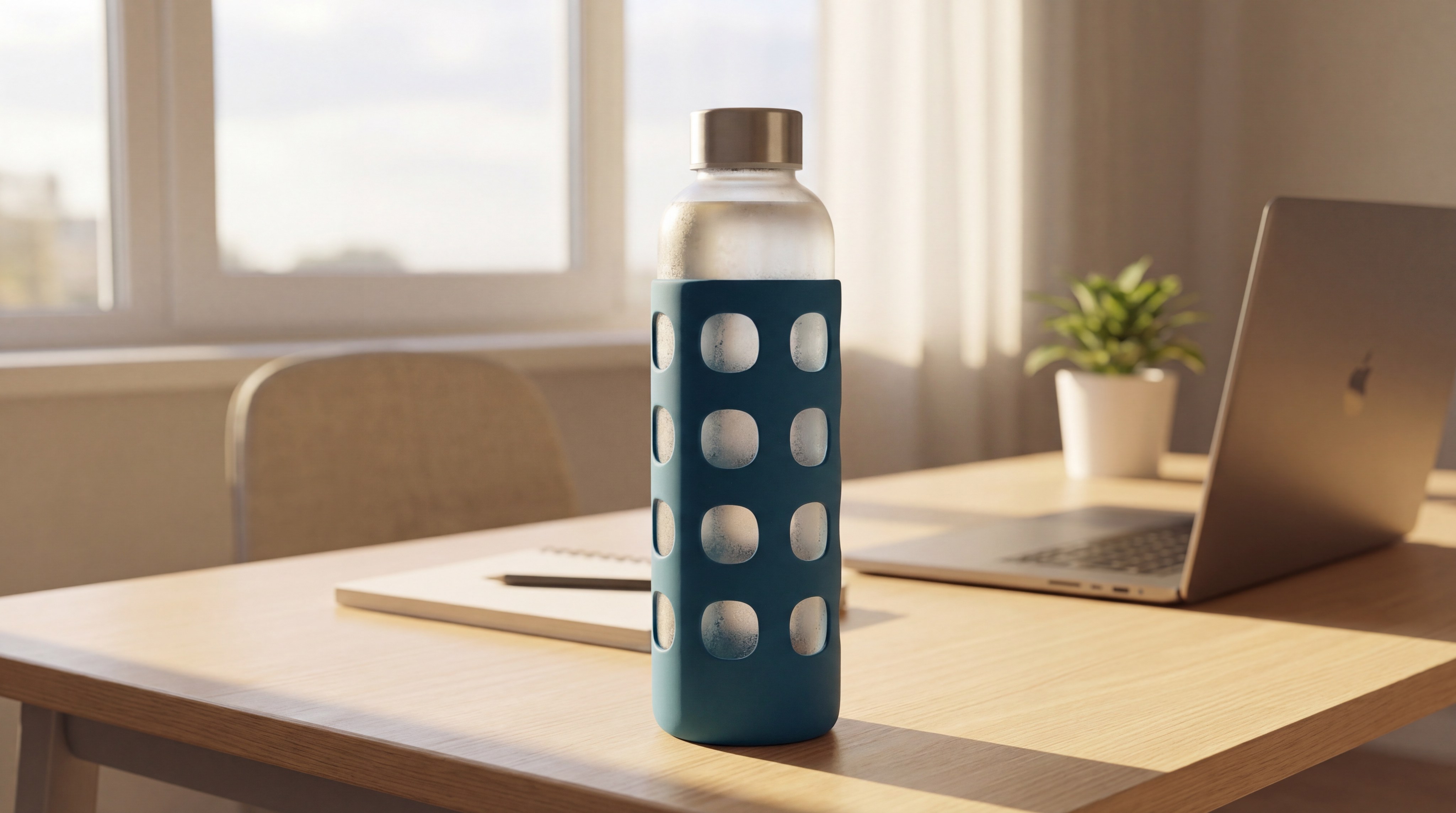
Custom features such as measurement windows or integrated carrying loops can be added to Silicone Bottle Sleeves to increase utility. These design choices make your product more than just a cover; they transform it into a functional tool.
Functional design elements
You can request specialized cut-outs that allow users to see the volume levels of their beverages. Integrated handles or loops are also popular for fitness enthusiasts who need to carry bottles with a single finger.
The best part?
- Cut-outs for volume measurement.
- Integrated loops for easy carrying.
- Thicker bases for extra drop protection.
Key Takeaway: Functional add-ons provide a competitive edge by solving specific user pain points in the outdoor and fitness sectors.
| Feature | Function | Market Appeal |
|---|---|---|
| View Windows | Track hydration levels | Health-conscious users |
| Finger Loops | Portability | Gym and outdoor market |
| Thickened Base | Impact resistance | Rugged/Industrial use |
The features listed above demonstrate how custom molding can tailor a product to specific niche markets.
Can manufacturers meet medical-grade requirements?
Manufacturing medical-grade Silicone Bottle Sleeves requires cleanroom environments and high-purity Silicone Bottle Sleeves materials to prevent contamination. For products used in healthcare or high-sensitivity baby feeding, biocompatibility is the top priority.
Compliance for sensitive applications
Medical-grade silicone is tested for cytotoxicity and irritation to ensure it is safe for prolonged skin contact or infant use. These products undergo stricter sterilization protocols to meet ISO 13485 standards.
Think about it:
- Manufactured in Class 100,000 cleanrooms.
- Biocompatible per USP Class VI.
- Resistance to repeated steam sterilization.
Key Takeaway: If your product serves the medical or infant care sectors, ensure your partner has the necessary cleanroom certifications.
| Requirement | Standard | Benefit |
|---|---|---|
| Cleanroom | ISO Class 8 | Zero airborne contamination |
| Material | USP Class VI | Maximum biocompatibility |
| Certification | ISO 13485 | Medical industry compliance |
This table summarizes the elevated standards required for medical and infant care silicone applications.
Conclusion
Manufacturing high-quality protective sleeves is a journey of precision, from the initial DFM analysis to the final quality audit. By choosing the right material and molding process, you ensure that your brand stands for durability and user safety. If you are ready to elevate your product line with custom silicone solutions, contact us today to discuss your project requirements.
Frequently Asked Questions
Can I get a custom color for my silicone sleeves?
Yes, we can match any Pantone color to ensure your protective sleeves perfectly align with your brand identity.
What is the typical MOQ for custom silicone sleeves?
Minimum order quantities usually range from 500 to 2,000 pieces depending on the complexity of the design and molding method.
How do I clean my silicone bottle sleeve?
Silicone is non-porous and dishwasher safe, making it incredibly easy to maintain and keep hygienic for daily use.
How long does the tooling process take?
Standard mold manufacturing usually takes between 15 to 25 days, depending on the complexity and texture requirements of the design.
Will the silicone sleeve stretch out over time?
No, high-quality silicone has excellent “memory” and will return to its original shape after being stretched over a bottle.