
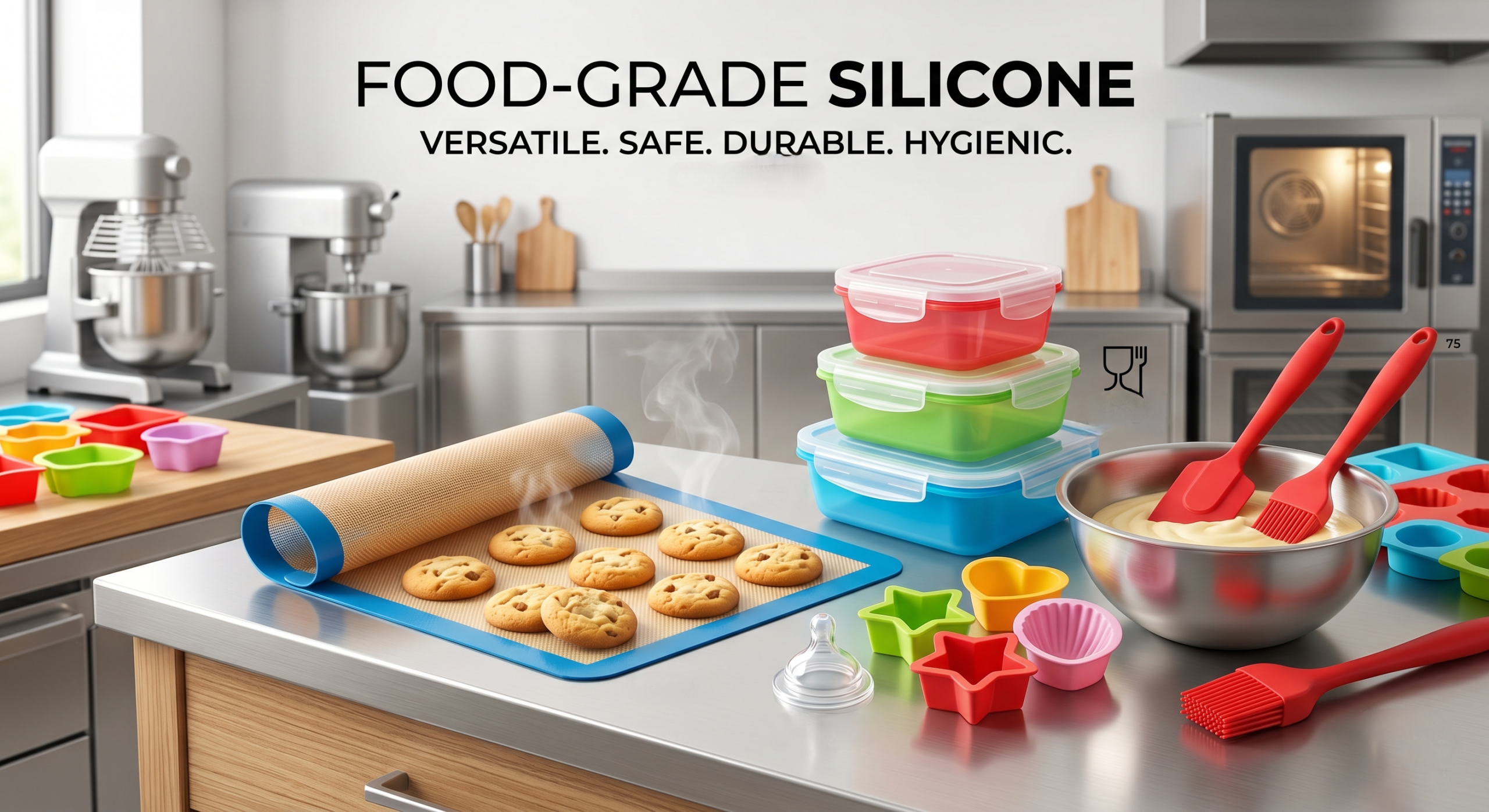
Food-grade silicone is a non-toxic, synthetic elastomer specifically formulated to be safe for direct contact with food and drink. Finding a material that balances extreme heat resistance with absolute chemical purity remains a constant challenge for your product development team. Using inferior plastics can lead to leaching issues that damage both consumer health and your corporate reputation. Food-Grade Silicone provides the inert, durable solution required for modern culinary and medical applications.
What is Food-Grade Silicone and How Is It Produced?
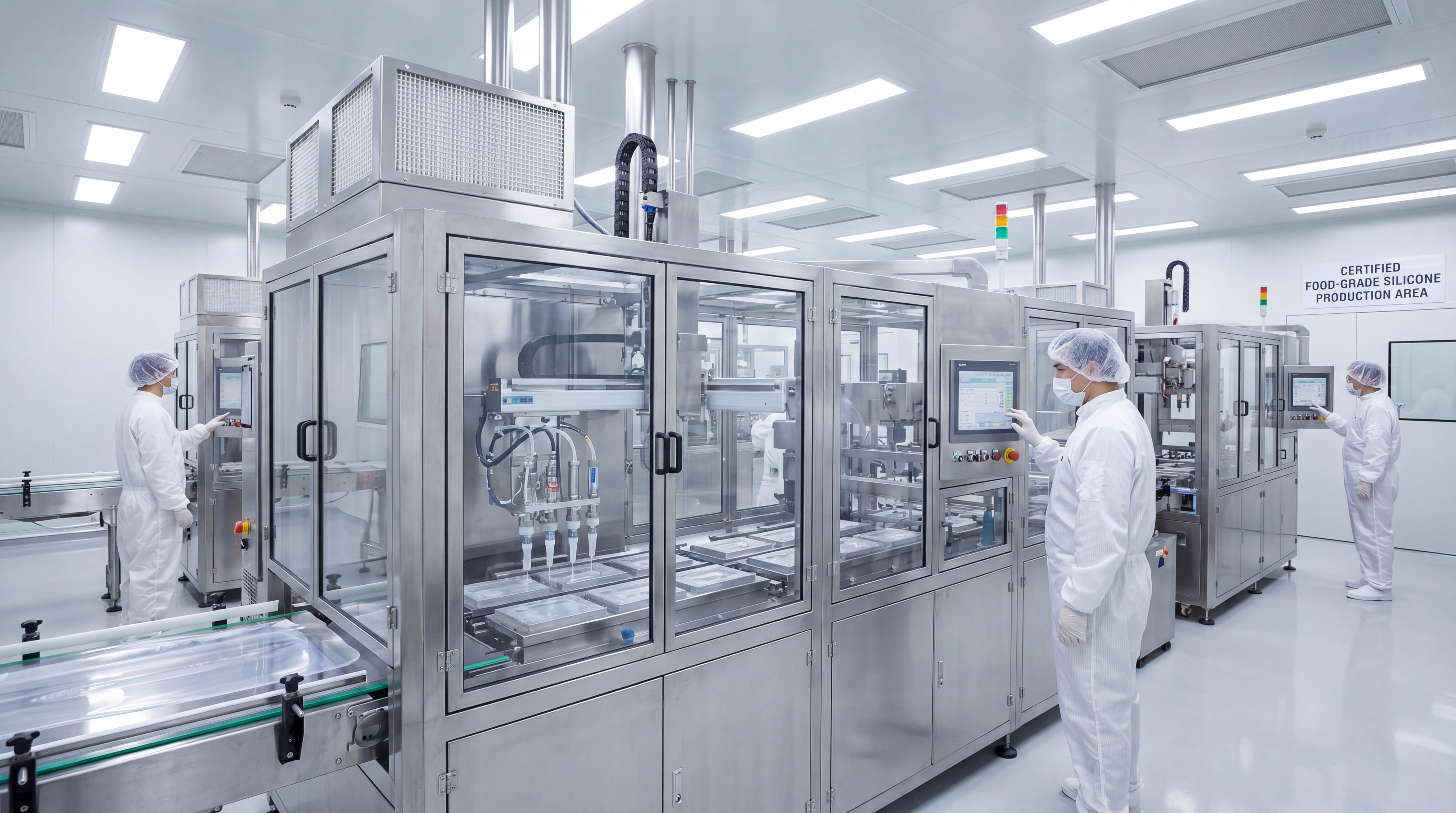
Food-grade silicone is a high-purity polymer made by cross-linking silicone fluids with silica fillers to create a stable, rubber-like material. This specific version of Food-Grade Silicone is manufactured without toxic additives like BPA or phthalates to ensure it remains safe for human consumption. You will find that the production process requires controlled environments to prevent any contamination from environmental pollutants.
The Chemical Composition of Polysiloxanes
Here is the truth: the backbone of this material consists of alternating silicon and oxygen atoms rather than the carbon chains found in plastics. This inorganic structure provides the foundation for its remarkable resistance to environmental degradation and chemical attacks.
- Inorganic silicon-oxygen backbone.
- Organic side groups for flexibility.
- High-purity fumed silica fillers.
- Absence of volatile organic compounds.
The Vital Role of Platinum and Peroxide Curing
Think about it: the method used to harden the liquid silicone determines the final purity and safety profile of your product. Platinum-cured systems are the gold standard for food applications because they leave no chemical byproducts behind during the vulcanization process.
- Platinum-catalyzed addition curing.
- Peroxide-initiated free radical curing.
- Post-curing heat cycles to remove volatiles.
- Controlled cross-linking for elastic memory.
Key Takeaway: Choosing the right curing agent is essential for meeting international safety standards and ensuring material purity.
| Component | Function | Food Safety Impact |
|---|---|---|
| Silicon Backbone | Structural Base | High Inertness |
| Platinum Catalyst | Curing Agent | Zero Residue |
| Fumed Silica | Reinforcement | Non-Toxic Strength |
Manufacturing methods directly influence the safety and mechanical performance of the final elastomer.
What Are the Primary Characteristics of Food-Safe Silicone?
Food-grade silicone is defined by its extreme temperature resistance, chemical inertness, and exceptional flexibility under stress. This version of Food-Grade Silicone remains stable from -60°C to +230°C, making it a versatile choice for both industrial freezers and commercial ovens. You can rely on its non-reactive nature to maintain the original flavor and scent of the food products it touches.
Exceptional Thermal Stability Across Extremes
In fact, this material does not melt, warp, or become brittle even when subjected to rapid thermal cycling. This characteristic allows you to move products directly from cryogenic storage into high-heat processing environments without risking structural failure.
- Continuous operating range up to 230°C.
- Low-temperature flexibility down to -60°C.
- Resistance to thermal shock and expansion.
- Stable mechanical properties at all temperatures.
Chemical Inertness and Non-Stick Properties
The best part? Silicone is naturally water-repellent and resistant to fats, oils, and common cleaning chemicals. This ensures that no unwanted flavors or hazardous substances migrate from the material into the consumer’s food during the cooking process.
- Hydrophobic surface prevents bacterial growth.
- Resistant to UV radiation and ozone.
- Non-porous structure resists staining.
- Easy-release surface for non-stick use.
Key Takeaway: The inherent stability of silicone makes it the most reliable material for demanding food-contact environments.
| Characteristic | Industrial Benefit | Safety Level |
|---|---|---|
| Heat Resistance | Oven/Microwave Safe | Excellent |
| Inertness | No Chemical Leaching | Maximum |
| Non-Stick | Reduced Cleaning Time | High |
These physical properties provide a significant competitive advantage over traditional rubber and plastic materials.
Why Is Food-Grade Silicone Better Than Common Plastics?
Food-grade silicone offers a safer and more durable alternative to plastics by eliminating the risk of toxic chemical migration. Utilizing Food-Grade Silicone ensures that your products are free from endocrine disruptors like bisphenol-A that are often found in cheaper polymers. You will notice that while plastics may crack or yellow over time, high-quality silicone maintains its clarity and elasticity for years.
Eliminating BPA and Phthalate Contamination
Believe it or not, many common plastics release harmful microplastics and chemicals when heated or aged. Silicone is an inorganic material that does not require plasticizers, meaning it remains safe even after thousands of uses in high-heat scenarios.
- Zero BPA, BPS, or BPF content.
- Phthalate-free formulation for health safety.
- No heavy metal catalysts in food grades.
- Resistance to oxidative degradation.
Long-Term Durability and Reusability Benefits
Here is the truth: the lifecycle cost of silicone is much lower than single-use plastics due to its incredible physical resilience. You can wash, sterilize, and reuse silicone components indefinitely without seeing the typical signs of wear that plague plastic alternatives.
- High tear and tensile strength.
- Resistance to compression set.
- Vibrant color retention over time.
- Dishwasher and autoclave compatibility.
Key Takeaway: Switching from plastic to silicone enhances product safety while providing a better long-term return on investment.
| Material | Temp Range | Toxicity Risk | Durability |
|---|---|---|---|
| Silicone | -60 to 230°C | Very Low | High |
| Plastic | -20 to 100°C | Moderate | Low |
The move toward silicone represents a shift toward higher quality and better consumer health outcomes.
How Does Temperature Impact Food-Grade Silicone Performance?
Food-grade silicone maintains its molecular integrity across a temperature spectrum that would destroy most other flexible materials. This high-performance Food-Grade Silicone does not off-gas or release fumes when heated to standard cooking temperatures. You can utilize it in various environments without worrying about the material losing its shape or sealing capabilities.
Handling High-Heat Industrial Baking Environments
Think about it: in a commercial bakery, equipment must withstand constant heat without transferring any chemical odors to the bread. Silicone mats and molds distribute heat evenly, ensuring a consistent bake while protecting the machinery from thermal wear.
- Consistent heat distribution for baking.
- Resistance to high-pressure steam.
- Zero toxic off-gassing at 200°C.
- Maintains sealing pressure under heat.
Stability in Sub-Zero Cryogenic Storage
The reality is: silicone is one of the few elastomers that remains soft and pliable in deep-freeze conditions. This makes it the ideal choice for gaskets and seals in industrial freezing equipment where other materials would crack and leak.
- Prevents seal failure in cold storage.
- Maintains elasticity in freezers.
- Resistant to ice buildup and sticking.
- Safe for rapid flash-freezing processes.
Key Takeaway: Temperature versatility allows silicone to serve as a universal solution for the entire food supply chain.
| Environment | Temp Extreme | Silicone Behavior |
|---|---|---|
| Commercial Oven | +230°C | Stable & Inert |
| Industrial Freezer | -60°C | Flexible & Pliable |
Understanding these thermal limits is crucial for selecting the right material for specialized food equipment.
What Are the Most Common Applications for This Material?
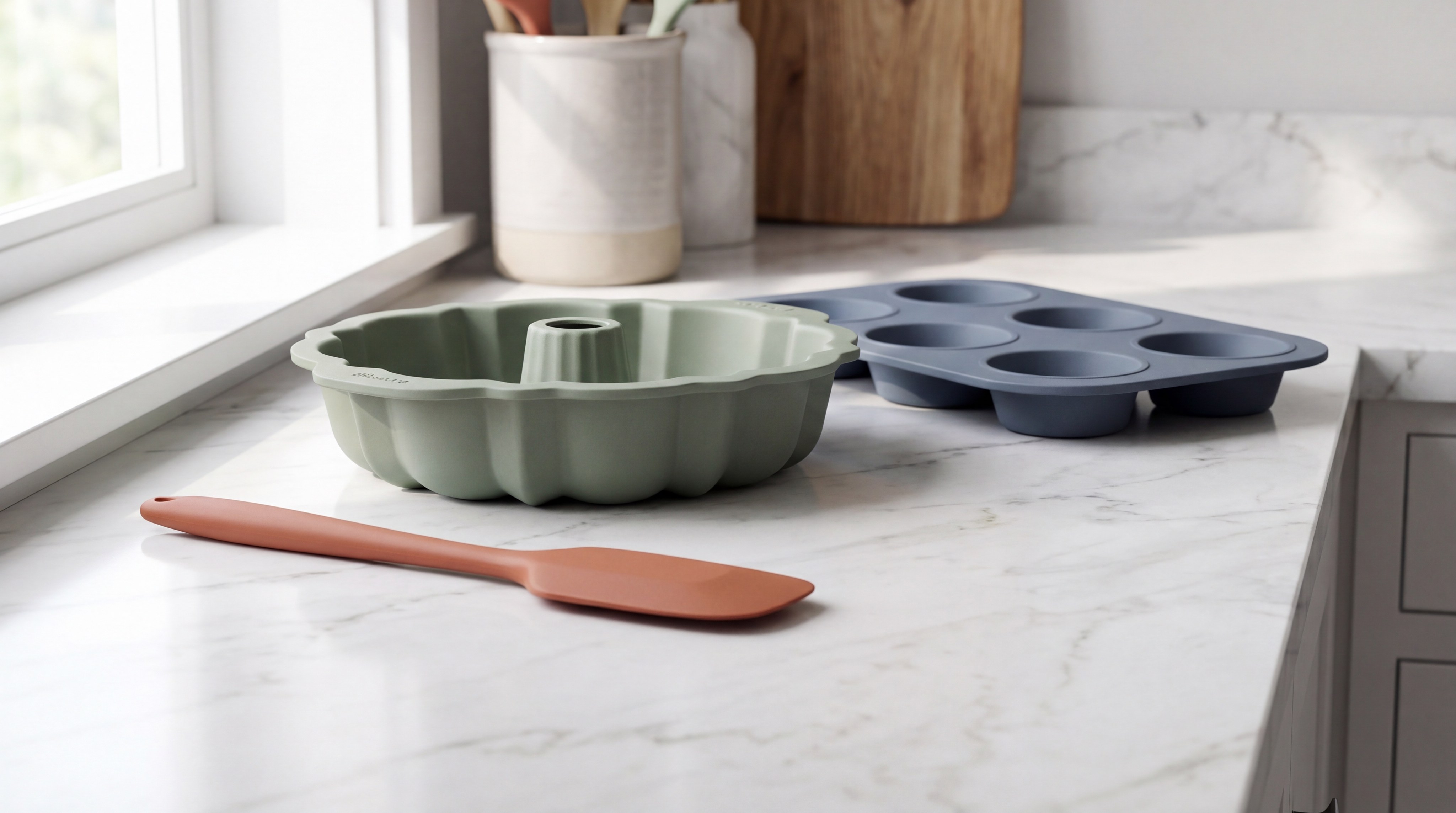
Food-grade silicone is the preferred material for high-performance kitchenware, medical devices, and food processing components. Choosing Food-Grade Silicone for your gaskets and seals ensures that your machinery remains leak-proof and hygienic. You will see it used in everything from baby bottle nipples to the internal tubing of commercial espresso machines.
Revolutionizing Modern Kitchenware and Bakeware
Here is the truth: silicone has replaced metal and wood in many kitchen applications due to its superior hygiene and heat resistance. From flexible spatulas that won’t scratch pans to collapsible storage containers, it provides convenience that consumers value highly.
- Non-stick baking mats and molds.
- Heat-resistant spatulas and brushes.
- Airtight food storage lid seals.
- Collapsible bowls for space saving.
Critical Roles in Food Processing Machinery
Think about it: the seals and hoses inside a milk processing plant must be cleaned with harsh chemicals daily. Food-grade silicone withstands these sanitization cycles while ensuring that no lubricants or external contaminants enter the food stream.
- High-purity tubing for beverage dispensing.
- Hygienic gaskets for dairy processing.
- Vibration dampeners in food mixers.
- Conveyor belt components for hot food.
Key Takeaway: The broad utility of silicone across industries stems from its unique combination of safety and mechanical toughness.
| Application | Key Benefit | Industry |
|---|---|---|
| Bakeware | Easy Release | Consumer Goods |
| Tubing | High Purity | Beverage/Dairy |
| Gaskets | Chemical Resistance | Food Processing |
Versatile application options make silicone the most adaptable polymer for food-contact regulations.
How Do FDA and LFGB Standards Differ for Manufacturers?
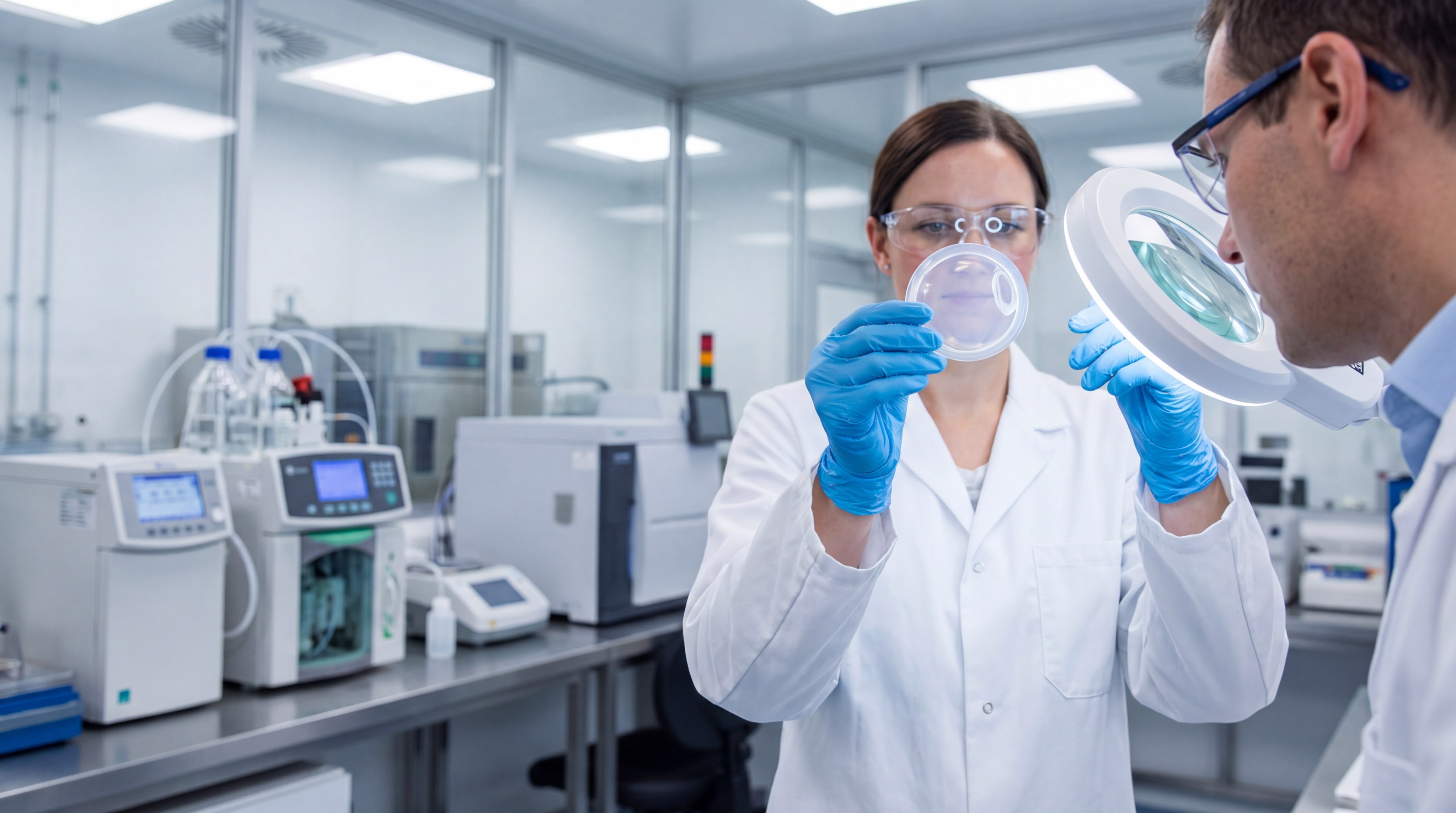
Food-grade silicone must pass rigorous laboratory testing to be certified for use in the United States and the European Union. While Food-Grade Silicone is a general term, the specific testing protocols for FDA and LFGB compliance involve different levels of scrutiny regarding material migration. You must understand these differences to ensure your products can be legally sold in your target global markets.
Understanding the US FDA Compliance Requirements
In fact, the FDA standard (CFR 21 177.2600) focuses primarily on the extraction of substances in water and n-hexane. For most standard kitchen products, passing these tests confirms that the silicone will not release harmful levels of contaminants under normal use.
- Extraction tests for aqueous food.
- Extraction tests for fatty food.
- Limits on total extractable matter.
- Certification of raw material purity.
Navigating Strict European LFGB Testing Protocols
The best part? LFGB is generally considered a stricter standard because it includes more intensive testing for sensory impacts, such as taste and smell. Products that pass LFGB are often considered higher quality and are preferred by premium brands in the international market.
- Sensory testing for odor and taste.
- Stricter migration limits for chemicals.
- Testing for volatile organic matter.
- Higher threshold for material stability.
Key Takeaway: While FDA is the baseline, LFGB certification offers a higher tier of quality assurance for global brands.
| Standard | Region | Test Intensity |
|---|---|---|
| FDA | USA | Standard |
| LFGB | Germany/EU | Very High |
Global compliance requires a deep understanding of these regional regulatory frameworks and testing methodologies.
Is Food-Grade Silicone Safe for Infant and Baby Products?
Food-grade silicone is widely considered the safest material for infant feeding products due to its biocompatibility and soft texture. This high-grade Food-Grade Silicone is hypoallergenic and does not support the growth of mold or bacteria. You can provide parents with peace of mind by offering products that are free from the harsh chemicals found in some latex and plastic alternatives.
Hypoallergenic Properties for Sensitive Users
Here is the truth: because silicone is inorganic, it does not contain the proteins that cause latex allergies. This makes it the ideal choice for pacifiers and teething rings that stay in a baby’s mouth for extended periods.
- No latex proteins or allergens.
- Smooth surface prevents gum irritation.
- Odortless and tasteless for easy feeding.
- Resistant to saliva and digestive enzymes.
Resilience Against Repeated Sterilization Cycles
Think about it: baby products must be boiled or steam-sterilized multiple times a day. Silicone maintains its structural integrity and safety profile through thousands of sterilization cycles, unlike plastics that might degrade and release toxins.
- Dishwasher and microwave safe.
- Withstands boiling water and steam.
- Does not warp or harden over time.
- Retains suction and seal quality.
Key Takeaway: For infant safety, silicone is the unmatched leader in durability, hygiene, and chemical purity.
| Product Type | Why Silicone? | Safety Benefit |
|---|---|---|
| Pacifiers | Soft & Inert | Hypoallergenic |
| Bottle Nipples | Heat Stable | Easy Sterilization |
| Teethers | Flexible/Tough | Non-Toxic |
High safety standards in the baby care sector make silicone the indispensable material choice.
What Manufacturing Processes Create High-Quality Silicone Parts?
High-quality food-grade silicone parts are typically produced through liquid injection molding or precision compression molding. This Food-Grade Silicone can be molded into complex geometries with extremely tight tolerances to meet your specific engineering requirements. You will find that the choice of manufacturing process depends heavily on your production volume and the complexity of the part design.
Liquid Silicone Rubber Injection Molding Advantages
In fact, LSR molding is the preferred method for high-precision components like baby bottle nipples and medical seals. This automated process ensures maximum consistency and minimizes the risk of human error or environmental contamination during production.
- Closed-loop system prevents contamination.
- High precision and tight tolerances.
- Fast cycle times for mass production.
- Waste reduction through flashless molding.
Precision Compression Molding for High-Volume Needs
The best part? Compression molding is often more cost-effective for larger, simpler parts like baking mats and industrial gaskets. It allows for high-volume production with lower tooling costs, making it a favorite for many consumer kitchenware brands.
- Lower initial tooling investment.
- Suitable for large-format products.
- Effective for multi-cavity production.
- Highly durable final components.
Key Takeaway: Selecting the right molding process balances part complexity, precision requirements, and overall project budget.
| Process | Complexity | Volume | Precision |
|---|---|---|---|
| LSR Molding | High | High | Exceptional |
| Compression | Low/Mid | High | Good |
Advanced manufacturing technology ensures that every silicone part meets strict quality and performance metrics.
How Should Businesses Sourcing Reliable Food-Grade Silicone?
Sourcing reliable food-grade silicone requires auditing your supplier’s certifications, material sources, and quality control systems. When evaluating a partner for Food-Grade Silicone, you should look for ISO 9001 certification and a clear history of FDA/LFGB compliance. You must ensure that the factory can provide full material traceability for every batch of silicone they process.
Verifying Factory Certifications and Material Traceability
Here is the truth: not all silicone marketed as “food-grade” meets the necessary safety standards. A reputable manufacturer will provide comprehensive test reports and documentation that prove the material is safe for its intended food-contact application.
- Request FDA/LFGB test reports.
- Check for ISO 9001/13485 certification.
- Verify raw material brand sources.
- Review batch-specific COA documents.
Assessing Custom Engineering and DFM Support
Think about it: the best manufacturing partners do more than just mold parts; they help you optimize your design for manufacturing. This support reduces your development time and ensures that the final product functions perfectly in its end-use environment.
- Design for Manufacturing (DFM) reviews.
- Material selection guidance.
- Prototyping and mold flow analysis.
- Custom color and texture matching.
Key Takeaway: A strategic partnership with a certified manufacturer is the best way to mitigate risks and ensure product quality.
| Supplier Criteria | Business Impact | Risk Level |
|---|---|---|
| Certifications | Legal Compliance | Low |
| Engineering Support | Faster Launch | Low |
| Traceability | Recall Protection | Very Low |
Due diligence in the sourcing phase prevents costly quality issues and regulatory hurdles later in the product lifecycle.
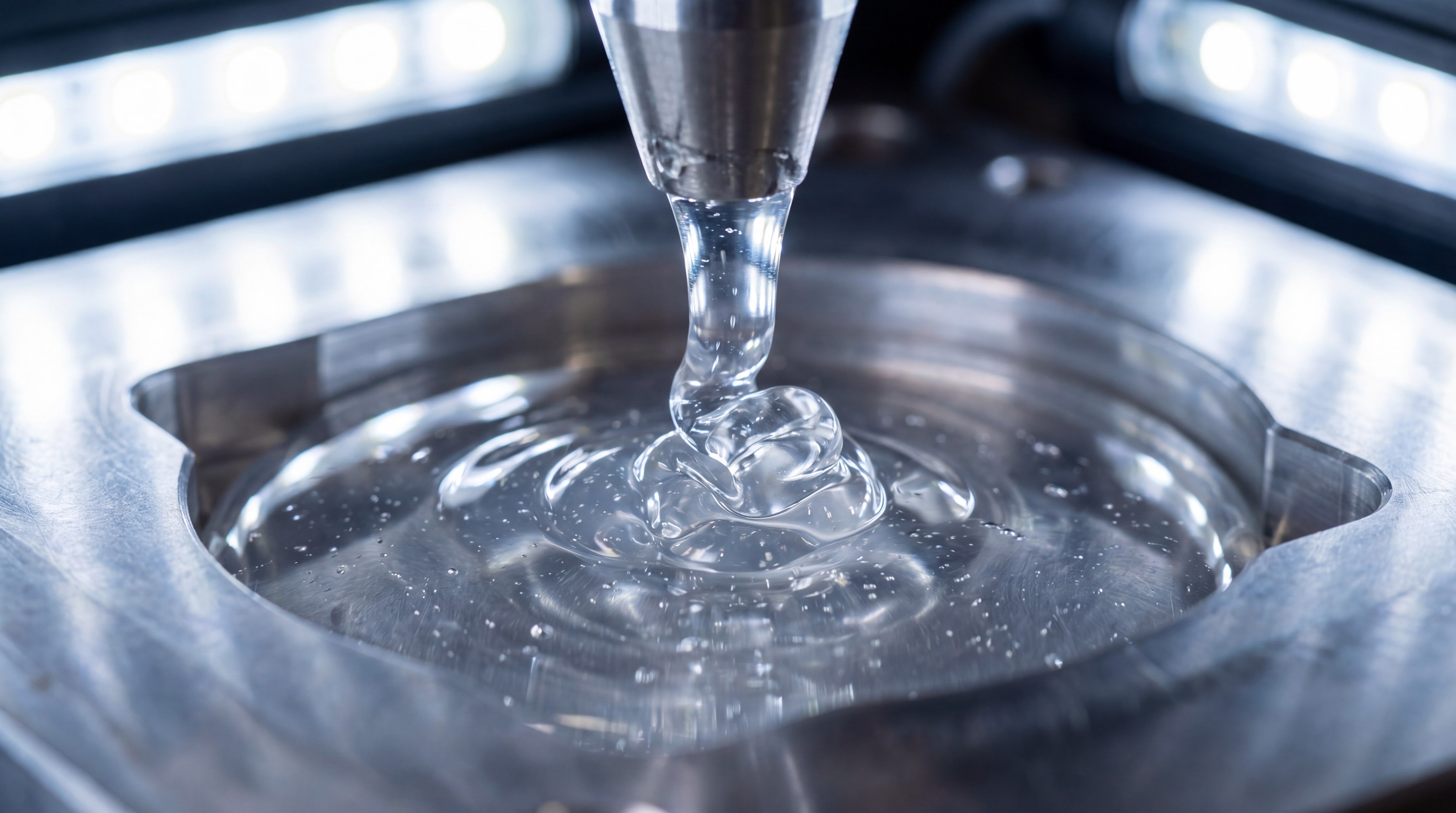
Can Food-Grade Silicone Help Your Product Sustainability Goals?
Food-grade silicone supports global sustainability goals by providing a long-lasting, reusable alternative to disposable materials. Investing in Food-Grade Silicone allows your brand to reduce its environmental footprint by replacing millions of single-use plastic items with permanent solutions. You will find that consumers are increasingly willing to pay a premium for products that are both safe for their families and kind to the planet.
Reducing Single-Use Waste with Permanent Solutions
In fact, one silicone baking mat can replace thousands of sheets of parchment paper and aluminum foil over its lifetime. This reduction in waste is a key selling point for modern eco-conscious consumers who want to minimize their daily environmental impact.
- Replaces single-use parchment paper.
- Eliminates the need for plastic wrap.
- Reduces disposable bag consumption.
- Long lifespan minimizes landfill waste.
Life Cycle Assessment and Material Longevity
The best part? Silicone is highly resistant to degradation from heat, light, and chemicals, meaning it doesn’t need to be replaced frequently. This longevity makes it a much more sustainable choice than plastics that become brittle and require frequent replacement.
- Resistance to UV and ozone aging.
- Maintains physical properties for years.
- Non-leaching in landfills at end-of-life.
- Recyclable through specialized facilities.
Key Takeaway: The durability of silicone makes it a cornerstone of the circular economy and sustainable product design.
| Goal | Silicone Contribution | Impact |
|---|---|---|
| Waste Reduction | Reusable Nature | High |
| Longevity | Extreme Durability | High |
| Safety | Non-Toxic Material | Excellent |
Embracing silicone is a strategic move for brands committed to environmental responsibility and high-quality engineering.
Conclusion
Leveraging food-grade silicone is the most effective way to ensure your products meet the highest safety, durability, and performance standards. At HuaLin, we are dedicated to helping you navigate the complexities of material selection and precision manufacturing. Our vision is to empower global brands with the most innovative and safe silicone solutions possible. If you are ready to elevate your product line with certified, high-performance materials, contact us today to begin your next project.
FAQ
Can I use food-grade silicone in a high-heat oven?
Yes. Food-grade silicone is engineered to withstand temperatures up to 230°C (446°F) without melting, warping, or releasing toxic fumes.
Is food-grade silicone safer than BPA-free plastic?
Yes. Silicone is an inorganic material that naturally contains no BPA, phthalates, or other common endocrine disruptors found in plastics.
What is the best way to clean silicone kitchenware?
It depends. Most silicone is dishwasher safe, but for heavy grease, a simple soak in warm, soapy water is usually sufficient due to its non-stick surface.
Does food-grade silicone have a shelf life?
No. Unlike natural rubber, silicone is extremely resistant to aging, UV light, and ozone, allowing it to maintain its properties for decades.
Can I recycle food-grade silicone products?
Yes. While it cannot be placed in standard curbside bins, specialized recycling facilities can grind and repurpose silicone into industrial lubricants or playground surfaces.