
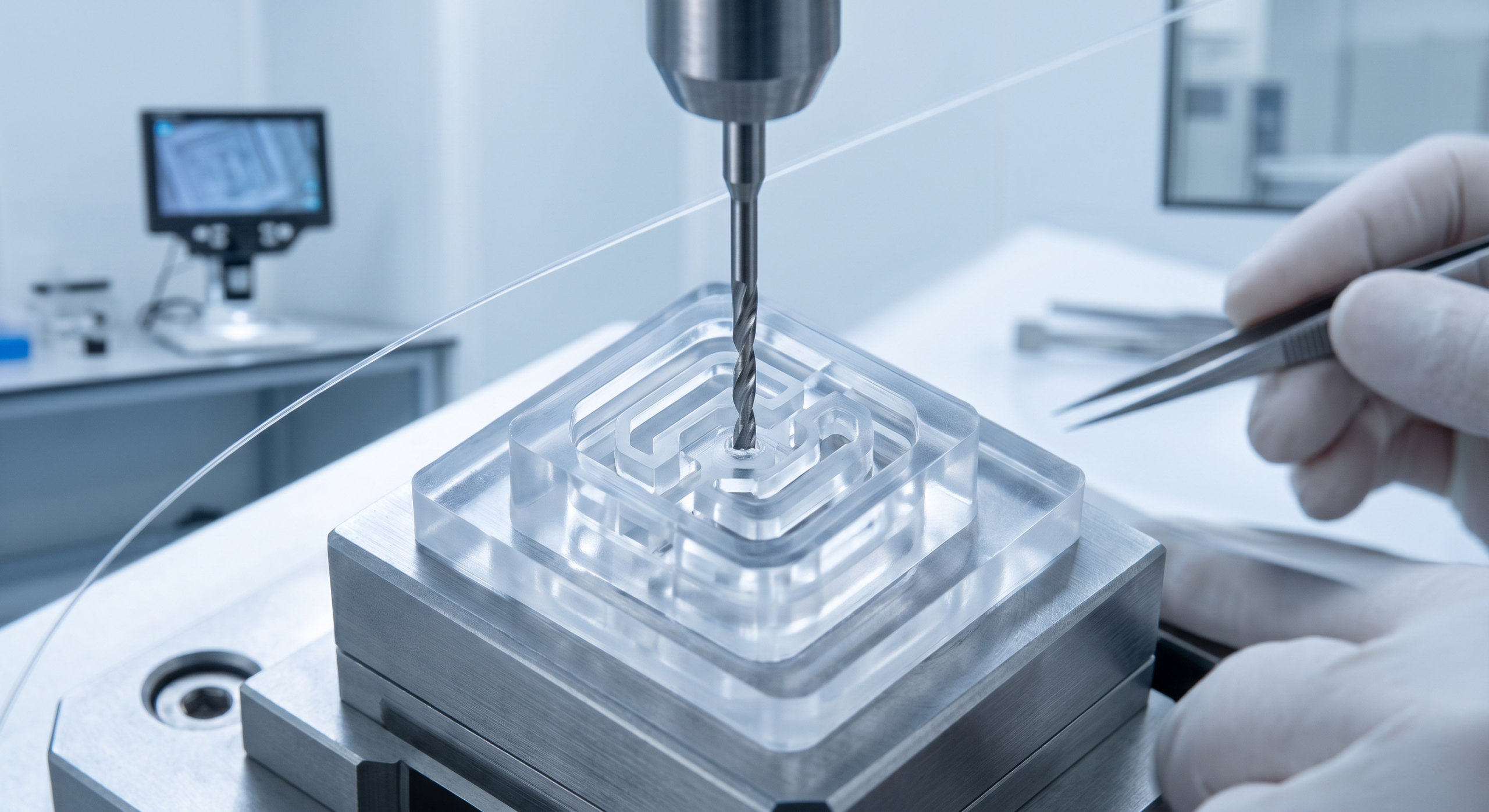
High-precision machining of silicone materials involves specialized manufacturing techniques like laser cutting, precision molding, and micro-machining to create intricate components with tight tolerances. You often face the challenge of designing parts that require extreme accuracy, yet the flexible nature of silicone makes traditional methods difficult to control. If your manufacturing process results in inconsistent dimensions or poor surface finishes, your entire assembly could fail, leading to costly delays and safety risks. By utilizing High-Precision Machining of Silicone Materials, you ensure that every micro-scale feature meets your rigorous engineering standards while maintaining the material’s unique physical properties.
Why is high-precision machining of silicone materials vital?
High-precision machining of silicone materials is vital because it allows you to create complex, biocompatible parts that meet strict industrial tolerances where standard molding fails. The reliability of your final product depends on High-Precision Machining of Silicone Materials to prevent leaks or mechanical failures. This process ensures that delicate features are preserved during the fabrication of seals, gaskets, and medical components.
Does precision impact durability?
Accuracy in machining directly influences the lifespan of silicone parts by reducing stress points and ensuring perfect fitment. When tolerances are tight, parts experience less friction and wear over thousands of cycles.
Here is the kicker:
- Reduced material fatigue from uneven pressure.
- Lower risk of structural failure in high-heat environments.
- Enhanced sealing performance for waterproof devices.
| Metric | Impact | Industrial Value |
|---|---|---|
| Tolerance | High | Prevents assembly scrap |
| Surface Finish | High | Increases seal integrity |
| Geometry | Medium | Enables miniaturization |
The data shows that prioritizing precision from the start saves you significant overhead in post-production testing.
Key Takeaway: You can extend the operational life of your equipment by investing in high-precision parts that fit perfectly every time.
How does laser cutting improve silicone component accuracy?
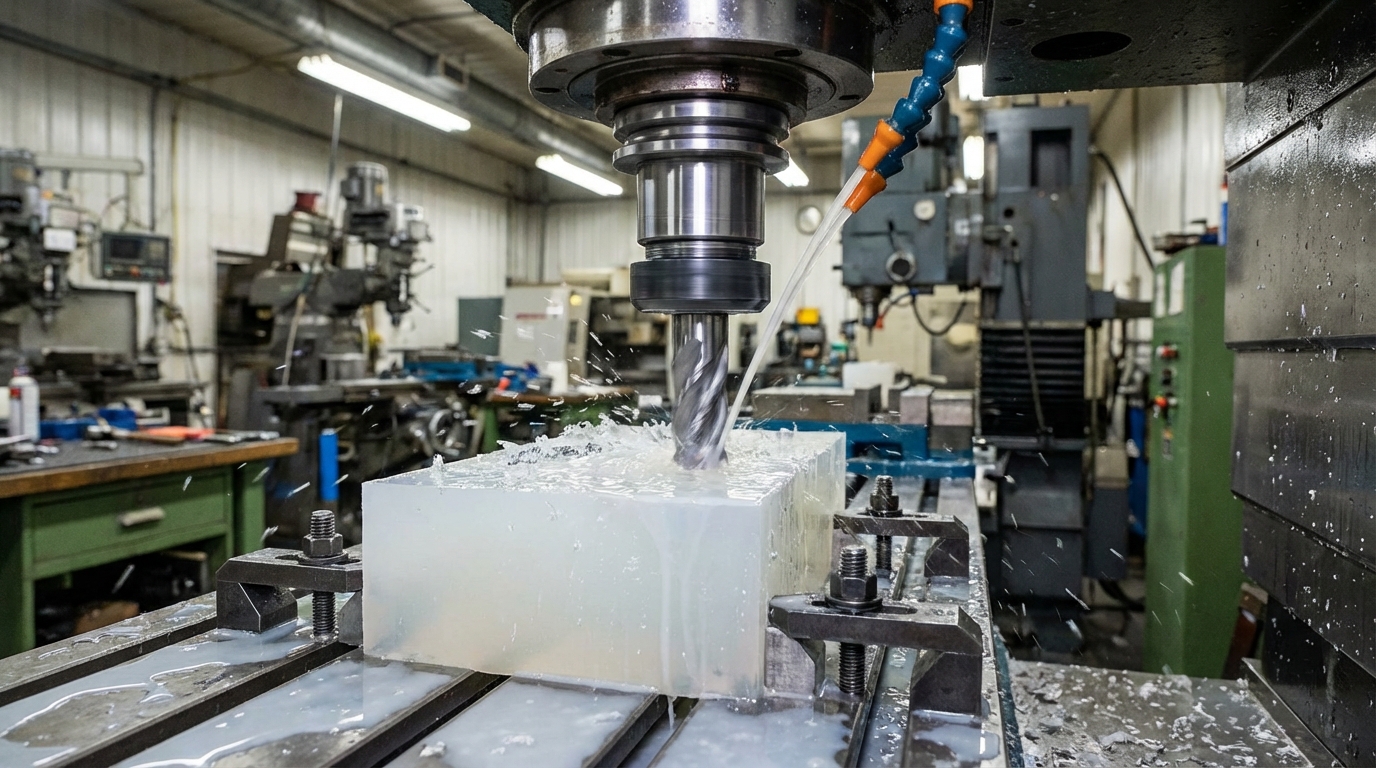
Laser cutting improves accuracy by using a non-contact, high-powered beam to vaporize material without causing mechanical distortion. In the realm of High-Precision Machining of Silicone Materials, this method allows for complex geometries that knives or dies simply cannot replicate. You gain the ability to create sharp internal corners and intricate patterns with minimal heat-affected zones.
Is laser cutting faster for prototypes?
This technique is significantly faster for low-volume production because it eliminates the need for expensive, time-consuming metal molds. You can move from a digital design to a physical part in minutes.
But wait, there is more:
- No tool wear ensures every cut is as sharp as the first.
- Minimal material waste through optimized nesting.
- Clean edges that require zero secondary finishing.
| Feature | Laser Cutting | Traditional Die |
|---|---|---|
| Setup Time | Minutes | Weeks |
| Complexity | Infinite | Limited |
| Edge Quality | Superior | Variable |
Choosing laser cutting for your initial stages provides the flexibility needed for rapid design iterations.
Key Takeaway: You save both time and money by skipping the tooling phase for complex, small-batch silicone components.
Is waterjet cutting effective for heat-sensitive silicones?
Waterjet cutting is highly effective for heat-sensitive silicones because it utilizes a cold-cutting process that prevents thermal degradation of the material. When exploring High-Precision Machining of Silicone Materials, waterjet technology stands out for its ability to cut through thick layers without warping the workpiece. This ensures that the chemical properties of your silicone remain intact throughout the manufacturing process.
Can waterjet cut multiple layers?
You can stack multiple sheets of silicone and cut them simultaneously, which significantly increases your production throughput for flat gaskets. The high-pressure stream of water and abrasive maintains vertical accuracy even through several inches of material.
The secret is simple:
- Zero thermal stress prevents material hardening.
- Environmentally friendly with no toxic fumes.
- Capable of cutting reinforced or composite silicones.
| Benefit | Waterjet | Conventional Blade |
|---|---|---|
| Thermal Risk | Zero | Moderate |
| Stack Cutting | Yes | No |
| Tool Friction | None | High |
This comparison highlights why cold-cutting is the superior choice for maintaining the structural integrity of thick silicone slabs.
Key Takeaway: You protect your material’s delicate chemical balance by opting for waterjet processes that eliminate heat.
What role does injection molding play in precision parts?
Injection molding is the primary method for producing high-volume, precision silicone parts with complex 3D geometries and consistent wall thicknesses. High-Precision Machining of Silicone Materials often relies on precision-engineered molds to ensure that every shot produces an identical part. This process is essential when you need to scale up from a prototype to millions of units without losing dimensional accuracy.
Is liquid silicone rubber (LSR) better for molding?
LSR provides superior flow characteristics, allowing it to fill thin-walled mold sections and intricate features that high-consistency rubber might miss. This results in parts with fewer defects and better surface quality.
Here is the deal:
- Fast cycle times increase your speed-to-market.
- Automated processes reduce labor costs and human error.
- High repeatability ensures batch-to-batch consistency.
| Advantage | Injection Molding | Compression Molding |
|---|---|---|
| Speed | High | Low |
| Detail | Exceptional | Moderate |
| Waste | Minimal | Variable |
The efficiency of LSR injection molding makes it the gold standard for high-performance consumer and medical electronics.
Key Takeaway: You achieve the lowest per-unit cost for complex parts by utilizing automated injection molding systems.
Why choose compression molding for larger silicone components?
Compression molding is the preferred choice for larger, simpler silicone components because it involves lower tooling costs and accommodates high-consistency rubber materials. In the context of High-Precision Machining of Silicone Materials, this method is ideal for producing thick gaskets or heavy-duty insulators. You can achieve excellent density and durability in your parts without the complexity of an injection system.
Is compression molding cost-effective?
For large-format parts or low-to-medium volume runs, the reduced cost of mold fabrication makes this a very attractive option for your budget. The molds are typically simpler to design and maintain over long periods.
Believe it or not:
- Ideal for high-durometer (harder) silicone materials.
- Capable of producing very thick cross-sections.
- Lower initial investment for custom hardware.
| Factor | Compression | Injection |
|---|---|---|
| Tooling Cost | Low | High |
| Part Size | Large | Small to Medium |
| Material Range | HCR/RTV | LSR |
While slower than injection molding, the cost savings on large parts are undeniable for industrial applications.
Key Takeaway: You can maximize your ROI on large-scale components by selecting compression molding for its simplicity and material versatility.
How do abrasive processes achieve superior surface finishes?
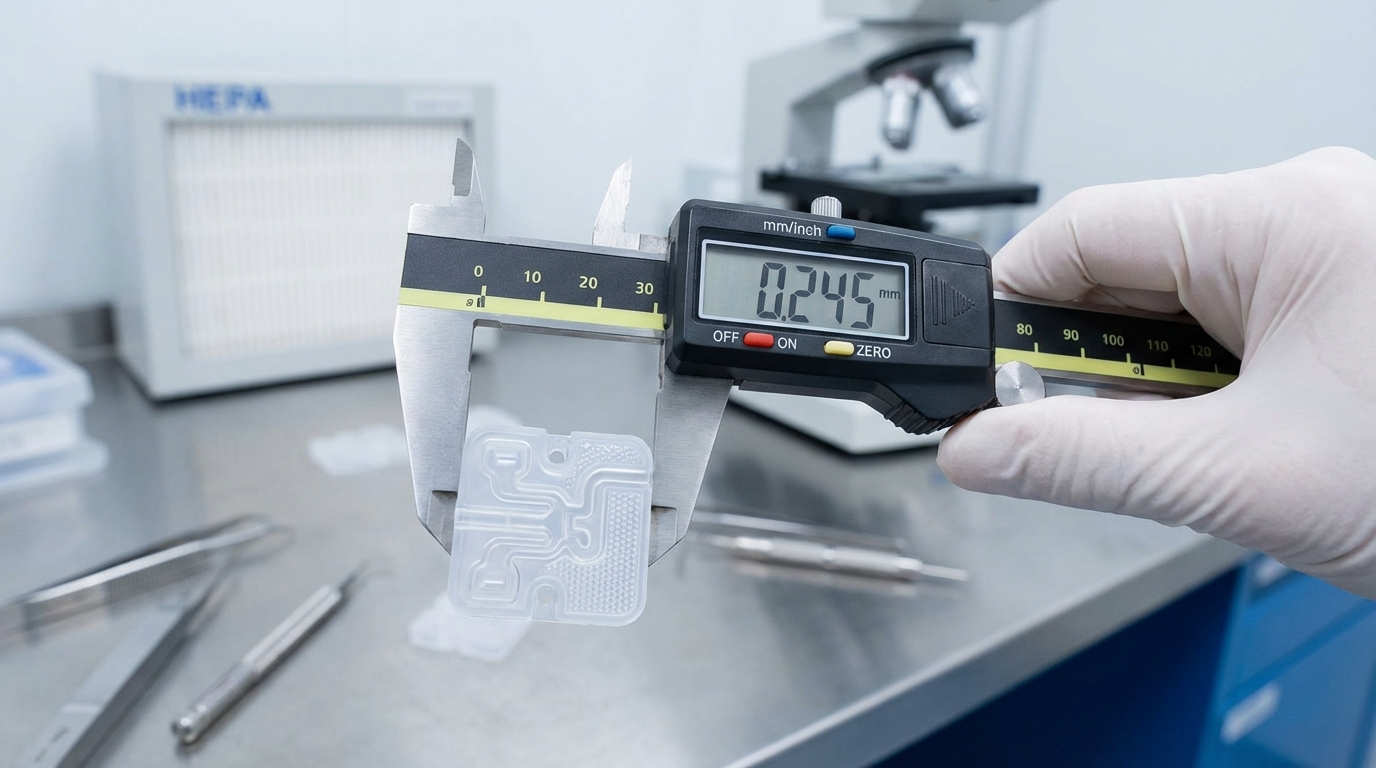
Abrasive processes like diamond grinding and polishing remove minute amounts of material to achieve mirror-like finishes and exact dimensional heights. High-Precision Machining of Silicone Materials depends on these secondary operations to meet the surface roughness requirements of medical and aerospace seals. You can refine the surface of a molded part to ensure it creates a perfect vacuum or airtight seal.
Does grit size matter for silicone?
Selecting the correct grit size is essential because silicone can easily tear or “gum up” if the abrasive is too aggressive or the speed is too high. Fine-tuning these parameters allows for a smooth, matte, or gloss finish depending on your needs.
Here is the kicker:
- Removes parting lines for a seamless look.
- Achieves sub-micron flatness for optical components.
- Ensures consistent friction levels across the part surface.
| Process | Goal | Result |
|---|---|---|
| Grinding | Size Correction | Tight Tolerance |
| Polishing | Surface Quality | Low Friction |
| Lapping | Parallelism | Perfect Seal |
The precision offered by abrasive finishing ensures your components meet the highest aesthetic and functional standards.
Key Takeaway: You enhance the perceived quality and functional reliability of your products through specialized surface treatments.
Can ultrasonic machining handle hard silicone composites?
Ultrasonic machining is highly capable of handling hard silicone composites because it uses high-frequency vibrations to erode material without applying significant mechanical force. When focusing on High-Precision Machining of Silicone Materials, this technique allows you to create micro-holes and slots in reinforced silicones. It is an ideal solution for components used in microfluidics or advanced sensors where material integrity is paramount.
Does ultrasonic machining cause cracks?
Unlike traditional drilling, this process generates very little heat and stress, which prevents micro-cracking and thermal degradation in brittle or reinforced silicones. Your parts remain structurally sound even at the microscopic level.
But wait, there is more:
- Perfect for blind holes and complex internal shapes.
- Works on non-conductive materials where EDM fails.
- Extremely high precision for delicate micro-features.
| Feature | Ultrasonic | Standard CNC |
|---|---|---|
| Stress | Minimal | High |
| Micro-holes | Excellent | Limited |
| Material Waste | Very Low | Moderate |
This technology enables the creation of parts that were previously thought impossible to manufacture with silicone.
Key Takeaway: You can push the boundaries of miniaturization by employing ultrasonic methods for your most delicate silicone designs.
What makes micro-EDM perfect for conductive silicones?
Micro-EDM is perfect for conductive silicones because it uses electrical sparks to precisely erode material, allowing for the creation of features smaller than a human hair. High-Precision Machining of Silicone Materials that contain conductive fillers requires this level of control to produce functional electronic components. You can achieve high aspect ratios in deep holes that no mechanical drill could ever reach.
Is tool wear an issue in micro-EDM?
While the electrode does wear down, modern CNC systems automatically compensate for this, ensuring that every spark is placed with absolute precision. This results in highly repeatable parts for the semiconductor and electronics industries.
The truth is:
- Non-contact process means zero part deformation.
- Creates vertical walls with incredible accuracy.
- Handles extremely hard conductive silicone grades.
| Metric | Micro-EDM | Micro-Milling |
|---|---|---|
| Feature Size | < 50 Microns | > 100 Microns |
| Aspect Ratio | Very High | Moderate |
| Accuracy | +/- 1 Micron | +/- 10 Microns |
Micro-EDM remains the undisputed leader for fabricating conductive silicone parts for high-tech applications.
Key Takeaway: You can develop smaller, more powerful electronic devices by integrating silicone parts machined with micro-EDM precision.
How does material behavior impact high-precision machining?
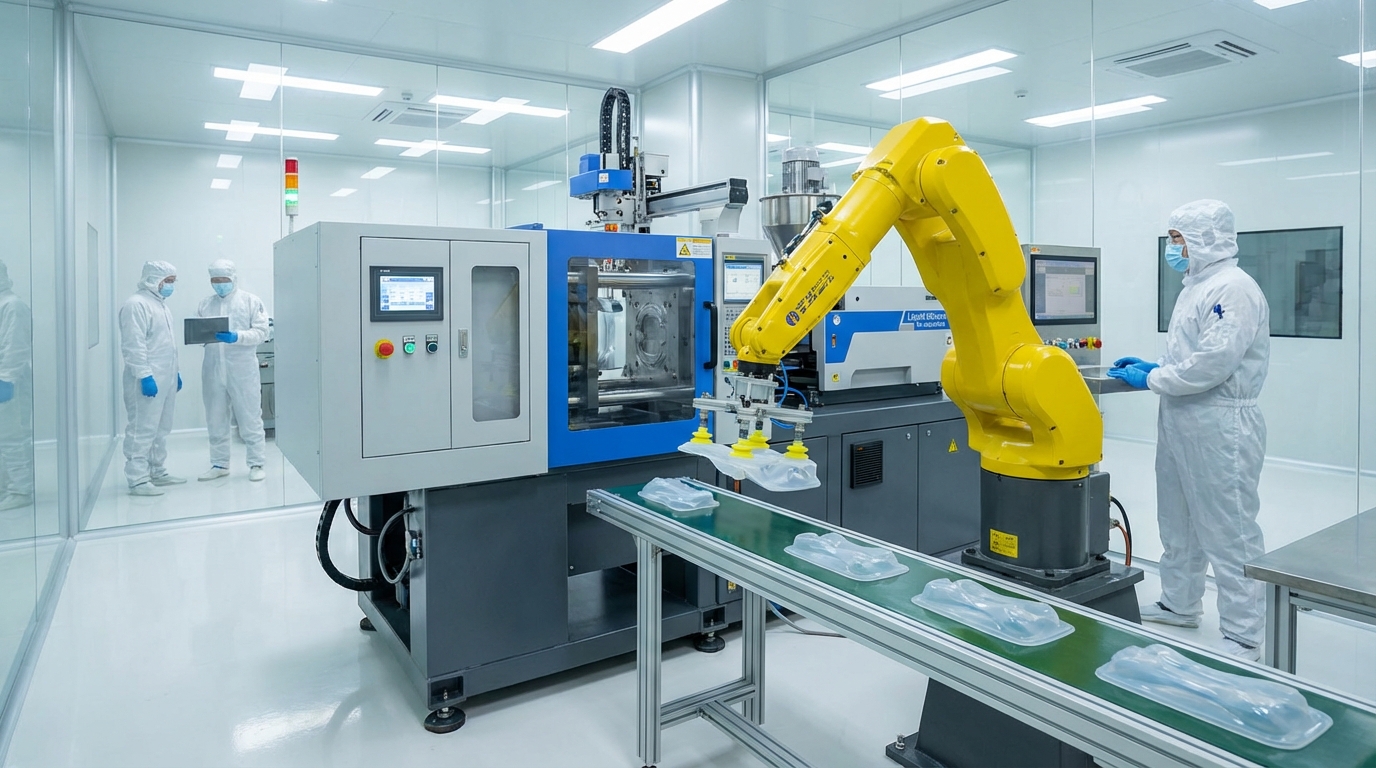
Material behavior, such as viscoelasticity and thermal expansion, significantly impacts machining because silicone can “spring back” or expand during the cutting process. In High-Precision Machining of Silicone Materials, you must account for these characteristics to prevent dimensional errors. Understanding how your specific silicone grade reacts to temperature and pressure is the key to maintaining consistent quality.
Can cooling improve machining results?
Cryogenic cooling or pre-freezing the silicone makes the material temporarily rigid, allowing for much cleaner cuts and more accurate drilling. This temporary shift in state reduces the elasticity that usually causes tools to deflect.
Here is the secret:
- Hardness (Shore A) affects tool choice and speed.
- Tear strength determines the minimum wall thickness.
- Thermal stability allows for high-speed machining without melting.
| Property | Effect on Machining | Solution |
|---|---|---|
| Elasticity | Tool Deflection | Sharp Tools / Cooling |
| Friction | Heat Buildup | Lubrication |
| Adhesion | Surface Roughness | Coatings |
Managing these material-specific variables is what separates expert manufacturers from the rest of the pack.
Key Takeaway: You ensure predictable manufacturing outcomes by partnering with experts who understand the complex physics of silicone.
What are the key applications for precision silicone parts?
Key applications for precision silicone parts span from life-saving medical implants to high-performance gaskets in aerospace engines. High-Precision Machining of Silicone Materials provides the reliability needed for surgical robots, automotive vibration dampeners, and micro-electronic insulators. As industries demand smaller and more durable components, precision-machined silicone continues to be the material of choice for engineers worldwide.
Is silicone growing in the EV market?
Yes, silicone is becoming essential for electric vehicle batteries because of its excellent thermal insulation and flame-retardant properties. Precision seals and thermal pads are vital for the safety and efficiency of modern battery packs.
Consider these fields:
- Medical: Catheters, valves, and long-term implants.
- Aerospace: Engine seals that withstand extreme temperature swings.
- Consumer Electronics: Waterproof buttons and acoustic dampeners for phones.
| Industry | Application | Critical Property |
|---|---|---|
| Medical | Implants | Biocompatibility |
| Automotive | Gaskets | Heat Resistance |
| Electronics | Insulators | Dielectric Strength |
The versatility of silicone ensures its continued dominance across almost every modern industrial sector.
Key Takeaway: You can future-proof your product line by leveraging the advanced properties of precision-machined silicone components.
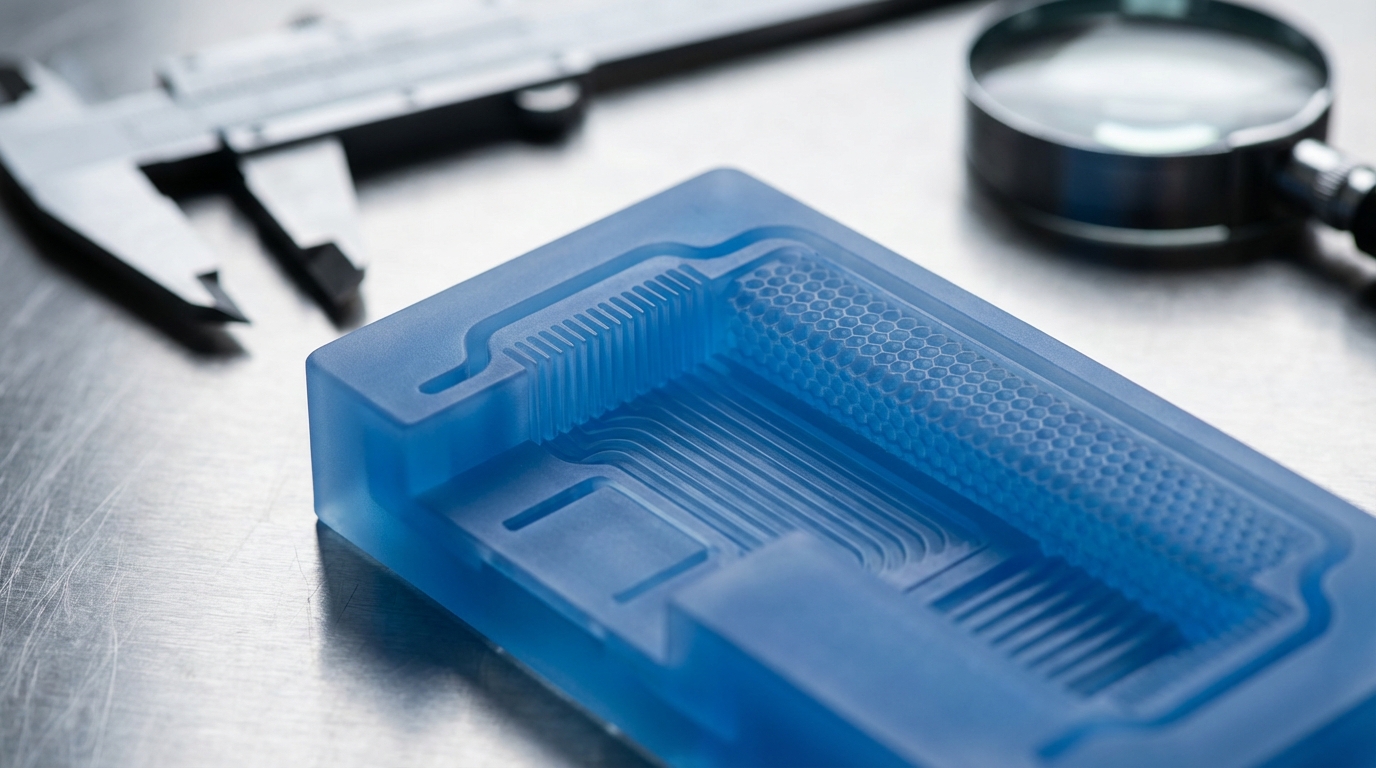
Mastering the high-precision machining of silicone materials is the only way to solve the complex assembly and performance issues that plague modern engineering projects. Whether you are dealing with inconsistent dimensions in medical devices or thermal failures in aerospace components, the right combination of laser cutting, precision molding, and micro-machining offers a definitive solution. HuaLin Silicone provides the in-house tooling, ISO-certified quality control, and DFM support needed to take your most ambitious designs from prototype to mass production. We are committed to delivering parts that don’t just meet specifications but exceed expectations through rigorous testing and innovative manufacturing. Don’t let manufacturing limitations hold back your innovation; contact us today to see how our expertise can transform your supply chain and product performance.
FAQ
Can I get a prototype of my silicone part before mass production?
Yes, we highly recommend it. Prototyping allows you to verify the design and material performance using rapid methods like laser cutting or 3D printed molds before committing to expensive production tooling.
What’s the best way to ensure my silicone part is waterproof?
Selecting a high-precision molding process is best. By using LSR injection molding, we can achieve the tight tolerances and surface finishes necessary for a perfect IP-rated seal.
How do I know if my design is suitable for high-precision machining?
Our engineering team will review your CAD files. We provide free DFM (Design for Manufacturing) suggestions to ensure your part can be produced efficiently with the highest possible accuracy.
Can silicone parts be bonded to metal or plastic inserts?
Yes, this is achieved through overmolding. We specialize in bonding silicone to various substrates, creating a single, high-strength component that combines the benefits of both materials.
What is the smallest feature size you can machine in silicone?
We can achieve features as small as 50 microns using micro-machining techniques. This level of detail is typically reserved for specialized electronic or medical applications.