
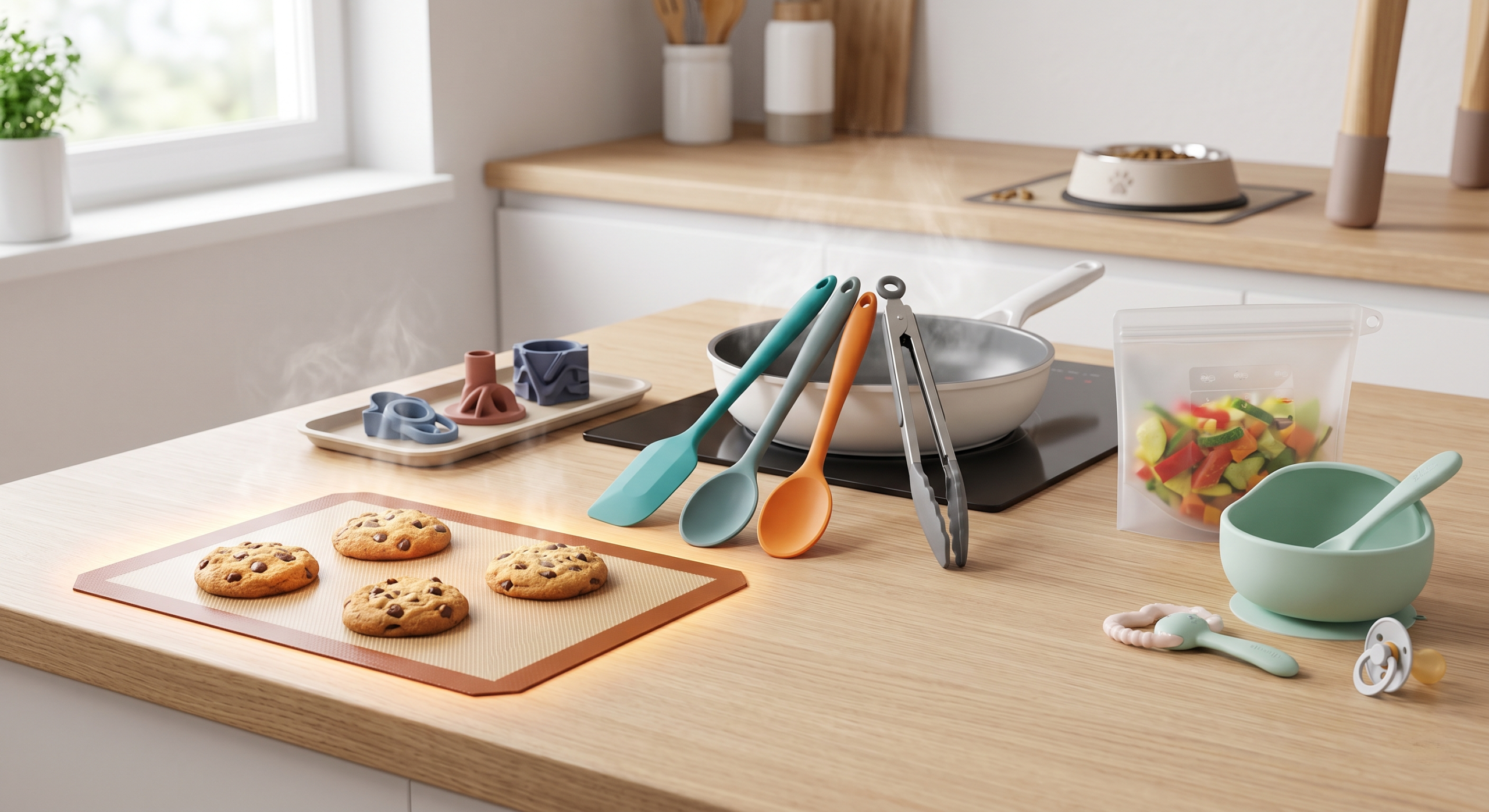
Silicone rubber is redefining home and kitchen essentials by offering a non-toxic, high-heat resistant, and flexible alternative to traditional plastic and metal. You likely face the constant frustration of kitchen tools that melt, warp, or leach harmful chemicals into food during high-heat cooking. This isn’t just a quality issue; it’s a significant health risk that compromises user safety and brand trust. Transitioning to advanced material solutions solves these durability and safety concerns while elevating the overall culinary experience. Silicone Rubber provides the resilience needed for demanding commercial and home environments.
Why is Silicone Ideal for Modern Kitchenware?
Silicone rubber provides extreme thermal stability and chemical inertness that traditional materials like plastic simply cannot match. This durability makes it a preferred choice for manufacturers looking to reduce replacement cycles and enhance user satisfaction. Using Silicone Rubber in your product line ensures compliance with modern safety standards.
Is it truly heat resistant for daily cooking?
Yes, it can withstand temperatures ranging from -60°C to over 230°C without losing structural integrity or releasing odors. This wide thermal range makes it indispensable for both high-heat baking and low-temperature freezing.
Look at this:
- Maintains shape under extreme oven heat.
- Stays flexible in sub-zero freezers.
- Resists chemical degradation from oils.
Can it improve the safety of pet feeding accessories?
High-grade silicone ensures that custom pet feeding products are chew-safe and incredibly easy to sanitize compared to porous alternatives. Its soft texture is gentle on animals while remaining tough enough for heavy daily use.
Think about it.
- Non-porous surface prevents bacterial growth.
- Dishwasher safe for deep sanitization.
- Durable against aggressive chewing.
Key Takeaway: Silicone provides unmatched thermal stability and hygiene for diverse kitchen and pet applications.
| Feature | Silicone Rubber | Traditional Plastic |
|---|---|---|
| Temperature Limit | -60°C to 230°C+ | -20°C to 100°C |
| BPA/Phthalates | None (Food Grade) | Common risk |
| Flexibility | High & Permanent | Brittle over time |
Silicone significantly outperforms traditional plastics in heat resistance and chemical safety profiles.
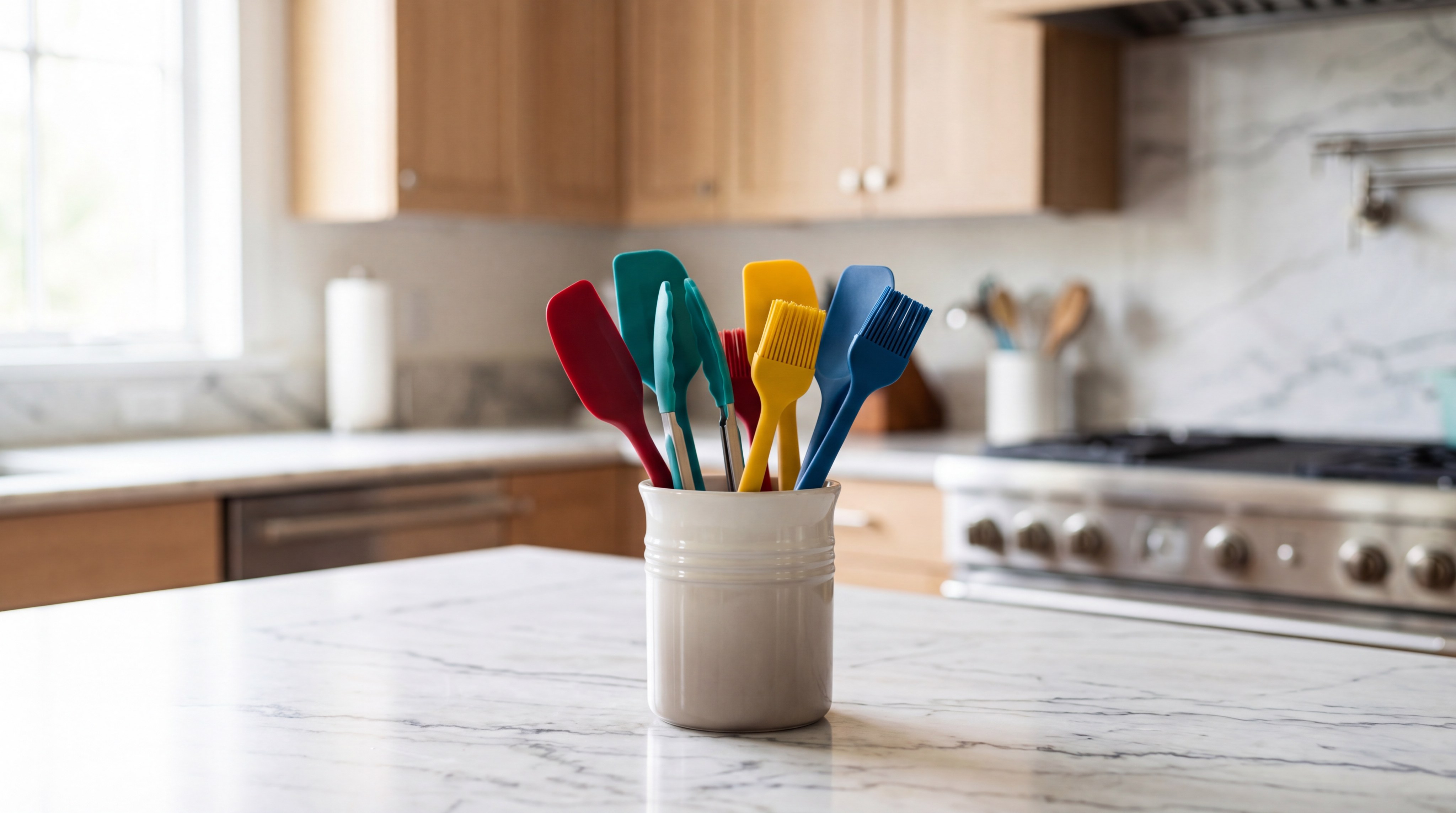
How Do Silicone Mats Improve the Baking Experience?
They create a non-stick surface that promotes even heat distribution for consistent results every single time. Silicone Rubber mats eliminate the need for greasing pans or buying expensive disposables. They are the standard for professional pastry chefs worldwide.
Can they replace single-use parchment paper?
These mats are designed for thousands of uses, which significantly reduces operational waste and long-term costs. By eliminating paper waste, your kitchen becomes more sustainable and efficient.
Here is the kicker.
- Zero-waste alternative to expensive paper.
- Easy to clean with simple soap.
- Cost-effective over long production cycles.
How do they ensure even heat distribution?
The material’s thermal conductivity prevents hot spots that typically lead to uneven browning in professional baking. This ensures that every cookie or pastry is cooked to perfection.
Believe it or not.
- Fiberglass core for added stability.
- Uniform thickness for consistent results.
- Professional-grade performance for home use.
Key Takeaway: Reusable baking mats offer superior non-stick performance and substantial environmental benefits.
| Metric | Silicone Mat | Parchment Paper |
|---|---|---|
| Reusability | 3,000+ Uses | Single Use |
| Cost per Bake | Negligible | Recurring |
| Waste Output | Zero | High |
The economic and ecological advantages of silicone mats make them the superior choice for high-volume baking.
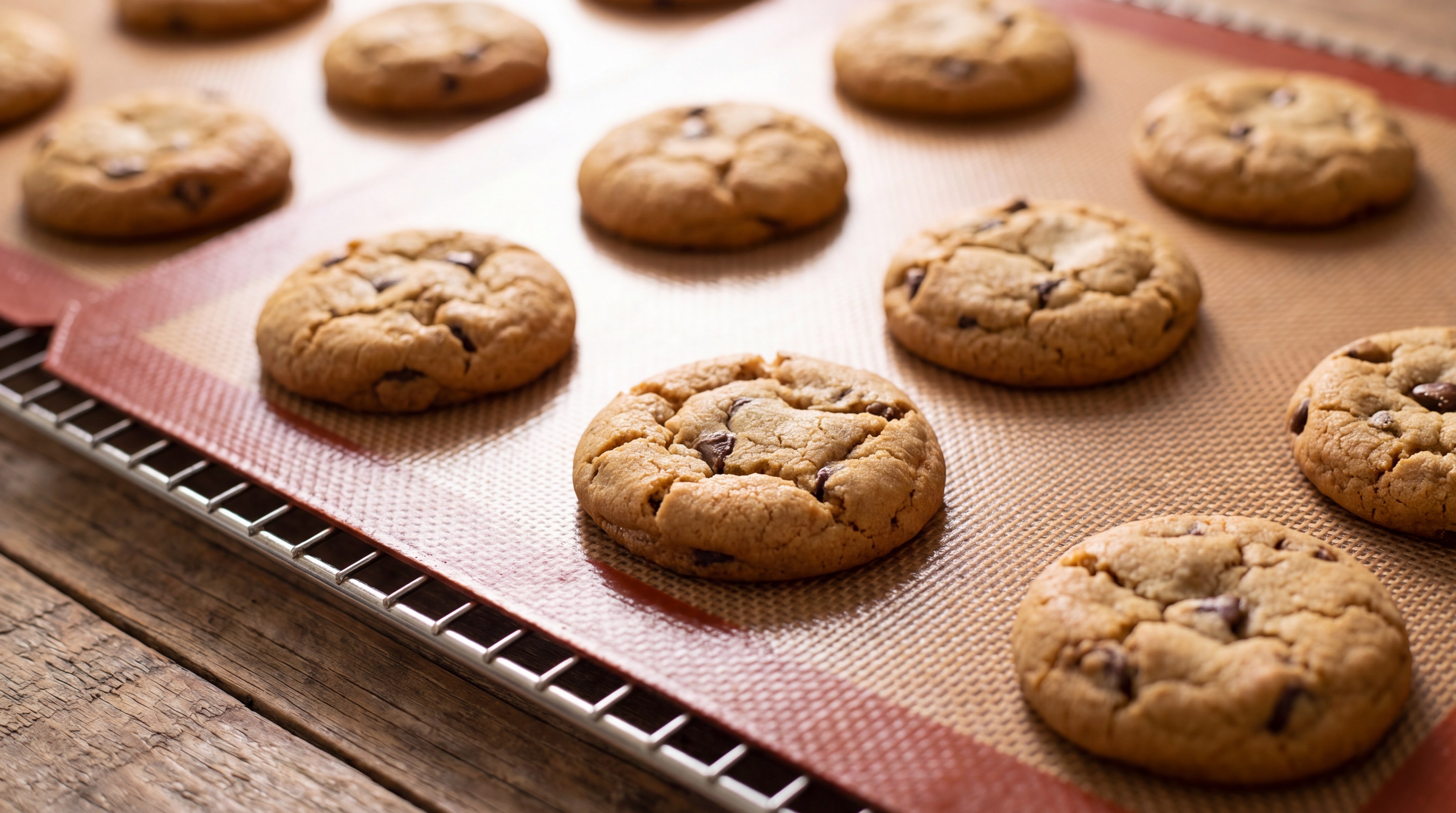
Why Choose Silicone Over Plastic for Food Storage?
It offers an airtight, leak-proof seal while remaining completely free from harmful chemicals like BPA and phthalates. Using Silicone Rubber for storage ensures that food remains fresh without the risk of plastic leaching during heating. This is vital for maintaining the nutritional integrity of stored meals.
Is it truly leak-proof and airtight?
The inherent flexibility of the material allows for a hermetic seal that consistently outperforms rigid plastic containers. This prevents spoilage and keeps delicate ingredients fresh for longer periods.
Keep this in mind.
- Vacuum-tight lids for extended freshness.
- Collapse-able designs for space-saving.
- Impact resistant if dropped.
How does reusability save money over time?
Investing in high-quality storage solutions removes the recurring cost associated with single-use bags and wraps. Over several years, the savings on disposables can reach hundreds of dollars.
The truth is:
- Years of service from one unit.
- Microwave and freezer safe versatility.
- Transparent options for easy inventory.
Key Takeaway: Silicone storage solutions prioritize food safety and long-term economic savings over traditional plastics.
| Storage Factor | Silicone Bags | Plastic Ziplocks |
|---|---|---|
| Microwave Safety | High Stability | Risk of Melting |
| Cleaning Method | Dishwasher Safe | Hand Wash Only |
| Lifespan | 5+ Years | Single Use |
Silicone bags offer a safer and more durable alternative for modern food preservation needs.
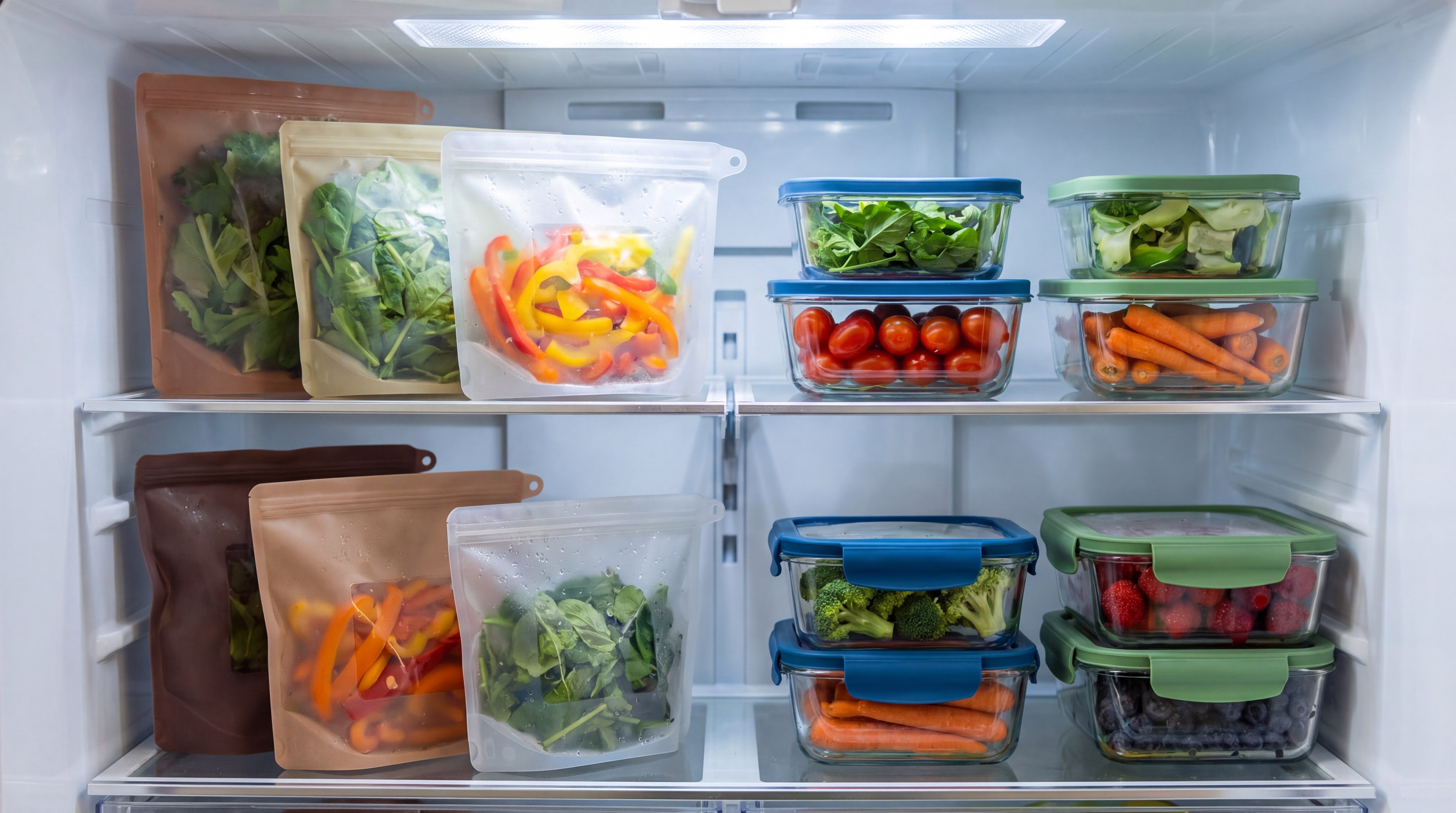
How Can Silicone Rubber Enhance Home Furniture?
It provides protective barriers and ergonomic supports that increase the overall lifespan and comfort of interior pieces. Modern furniture design increasingly incorporates Silicone Rubber for its aesthetic and functional versatility. This material is revolutionizing how we interact with everyday home objects.
What are the ergonomic benefits of silicone?
Its Shore A hardness can be tuned to provide the perfect balance of support and cushion for seating and armrests. This customization allows for products that adapt to the user’s body.
But that’s not all.
- Contoured support for long-term comfort.
- Breathable textures for skin contact.
- Hypoallergenic material for all users.
Can protective sleeves prevent surface damage?
Using custom protective sleeves prevents scratches and scuffs on high-end flooring and furniture legs. These components are essential for maintaining the value of residential interiors.
You see:
- Anti-slip properties for increased safety.
- Discreet designs that match decor.
- Durable enough for industrial traffic.
Key Takeaway: Silicone components enhance furniture durability and user comfort through customized material hardness.
| Application | Benefit | Material Property |
|---|---|---|
| Leg Sleeves | Floor Protection | High Friction/Softness |
| Seat Cushions | Ergonomic Comfort | Custom Hardness (Durometer) |
| Drawer Bumpers | Noise Reduction | Dampening Capacity |
Customized silicone parts provide functional solutions for furniture protection and user comfort.
Why is Silicone Best for Home Weatherproofing?
Its resistance to UV radiation and extreme temperature fluctuations makes it the most durable sealant available today. Silicone Rubber remains flexible where other sealants crack or peel over time. This ensures a long-lasting barrier against the elements.
Can it effectively lower energy consumption?
Superior sealing capabilities prevent thermal leakage, significantly reducing the load on heating and cooling systems. An airtight home is a more energy-efficient and cost-effective home.
It gets better.
- Airtight gaps around doors/windows.
- Prevents water ingress and mold.
- Long-lasting performance without reapplication.
Is it durable against extreme outdoor elements?
The chemical structure of the polymer resists degradation from harsh sun, rain, and snow cycles. It does not become brittle even after years of direct exposure to nature.
The fact is:
- UV stable for decades of use.
- Maintains elasticity in freezing cold.
- Low maintenance weatherproofing solution.
Key Takeaway: High-performance silicone seals provide a cost-effective, long-term solution for residential energy efficiency.
| Sealant Type | Expected Lifespan | UV Resistance |
|---|---|---|
| Silicone | 20+ Years | Excellent |
| Acrylic | 5-10 Years | Moderate |
| Polyurethane | 10-15 Years | Good |
Silicone is the clear leader for outdoor applications requiring maximum durability and UV stability.
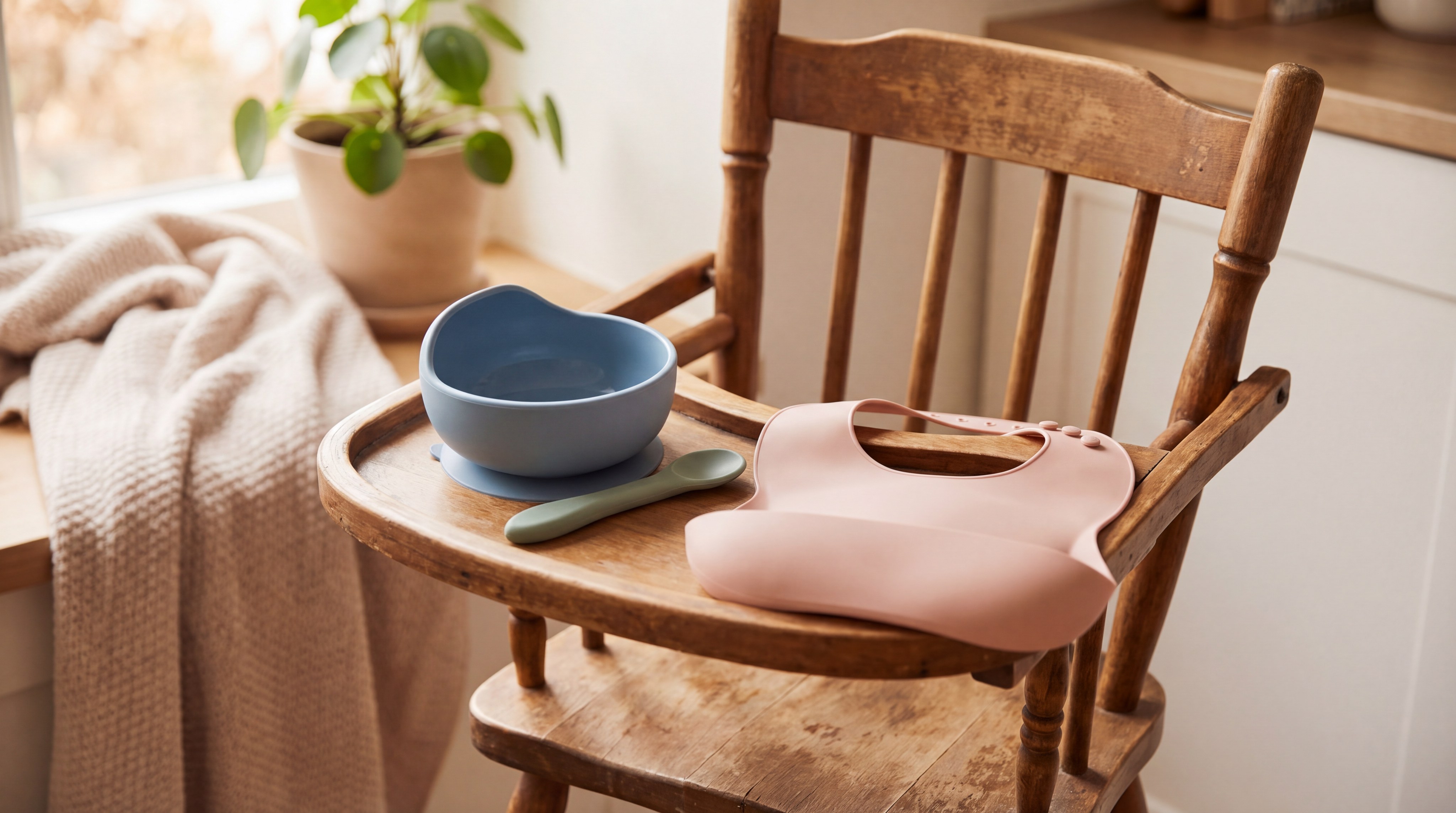
Is Silicone Safe for Mother and Baby Products?
Its non-toxic, hypoallergenic, and BPA-free nature makes it the absolute gold standard for infant safety. Safety-first brands rely on Silicone Rubber to protect the most vulnerable users in the household. It offers peace of mind that plastic alternatives cannot provide.
What makes it food-grade and non-toxic?
Stringent manufacturing standards ensure the material meets FDA and LFGB requirements for direct food contact. It is chemically inert and does not react with food or breast milk.
Make no mistake.
- Zero leaching of harmful chemicals.
- Naturally resistant to bacteria.
- Safe for boiling water sterilization.
Is it hypoallergenic for sensitive infants?
The material is completely inert and does not contain latex or common allergens that cause skin irritation. This makes it perfect for pacifiers, teethers, and feeding spoons.
And the best part?
- Soft texture mimics natural surfaces.
- Durable against teething and biting.
- Easy to clean for maximum hygiene.
Key Takeaway: Food-grade silicone is the safest choice for infant feeding and care due to its chemical purity.
| Certification | Requirement | Importance |
|---|---|---|
| FDA | Food Safety Compliance | US Market Standard |
| LFGB | Strict Chemical Testing | European Market Standard |
| RoHS | Restricted Substances | Global Safety Standard |
Meeting international safety certifications is non-negotiable for high-quality mother and baby products.
How Sustainable is Silicone Compared to Plastics?
It is a more sustainable choice because it is derived from sand and offers a much longer service life. Choosing Silicone Rubber reduces the total volume of waste entering our global ecosystems every year. Its durability is its greatest environmental asset.
Is silicone rubber truly recyclable?
While not as common as plastic recycling, specialized facilities can reclaim the material for various industrial uses. This prevents the material from becoming permanent waste in a landfill.
Here’s the deal.
- Ground down for playground turf.
- Repurposed into industrial oils.
- Keeps high-value material in use.
What is the long-term carbon footprint impact?
Durability is the key to sustainability, as one silicone product replaces hundreds of disposable plastic items. Reducing the need for frequent manufacturing significantly lowers the overall carbon footprint.
It’s simple:
- Lower replacement frequency saves energy.
- Sand-based origin is abundant.
- Reduced transport emissions over time.
Key Takeaway: The longevity and non-petroleum origin of silicone make it a superior eco-friendly alternative to plastics.
| Material | Base Resource | Environmental Impact |
|---|---|---|
| Silicone | Silica (Sand) | Low (Sustainable) |
| Plastic | Petroleum (Oil) | High (Depleting) |
| Rubber | Latex/Petroleum | Variable |
Silicone’s reliance on silica rather than petroleum makes it a future-proof choice for eco-conscious brands.
What Are the New Trends in Antimicrobial Silicone?
Modern additives are now being integrated directly into the polymer to provide permanent surface hygiene for household items. Innovative Silicone Rubber products are now capable of actively inhibiting the growth of harmful pathogens. This technology is critical for high-touch areas in the home.
Can silicone surfaces be self-cleaning?
New surface treatments reduce the adhesion of dirt and oils, allowing items to stay clean with minimal manual effort. This saves time and reduces the need for harsh chemical cleaners.
Check this out.
- Reduced chemical cleaner usage.
- Ideal for high-traffic touchpoints.
- Maintains clarity and color.
How does it improve kitchen hygiene standards?
Antimicrobial properties ensure that food preparation surfaces remain safe even between deep cleaning sessions. This reduces the risk of cross-contamination in busy households.
Don’t overlook this.
- Continuous protection against bacteria.
- Embedded silver ions for resistance.
- Critical for commercial compliance.
Key Takeaway: Antimicrobial silicone technology sets new standards for cleanliness in both home and professional kitchens.
| Technology | Action | Result |
|---|---|---|
| Silver Ion | Inhibits bacteria growth | 99.9% hygiene |
| Hydrophobic Coat | Repels liquids/oils | Easy clean surface |
| Plasma Treatment | Increases surface energy | Better bond/cleanliness |
Embedding antimicrobial agents during the molding process ensures lifelong protection for the product.
Why is Custom LSR Molding the Future of Design?
It allows for unmatched precision, intricate geometries, and rapid production cycles for complex consumer parts. Liquid Silicone Rubber (Silicone Rubber) molding is transforming how engineers approach modern product development. It is the key to high-volume, high-quality manufacturing.
How does Liquid Silicone Rubber improve precision?
The injection process allows for tight tolerances and flash-less parts that require no secondary manual finishing. This consistency is vital for parts that must fit perfectly into assemblies.
The result?
- Consistency across millions of units.
- Capability for micro-sized parts.
- Reduced waste during production.
What are the benefits of silicone overmolding?
This process bonds silicone directly to metal or plastic, creating seamless, ergonomic, and multi-functional products. It eliminates the need for adhesives and mechanical fasteners.
This is huge.
- Soft-touch grips on hard tools.
- Integrated seals for electronics.
- Enhanced durability of composites.
Key Takeaway: LSR and overmolding technologies enable sophisticated designs that were previously impossible with traditional methods.
| Process | Precision | Complexity |
|---|---|---|
| LSR Injection | 0.01mm Tolerance | Extremely High |
| Compression | 0.1mm Tolerance | Moderate |
| Overmolding | Seamless Bond | High (Multi-material) |
LSR injection molding is the optimal choice for high-precision components requiring complex geometries.
How Should You Choose a Custom Silicone Partner?
You must evaluate their technical expertise, quality certifications, and capacity for full-scale production support. Finding the right manufacturer for your Silicone Rubber needs is critical for long-term project success and quality stability. A partner should be an extension of your engineering team.
Is ISO 9001 certification essential?
Certification guarantees that the manufacturer follows a globally recognized quality management system for consistent output. It ensures that every batch meets your exact specifications.
Don’t compromise here.
- Traceability of raw materials.
- Standardized testing protocols.
- Commitment to process improvement.
What is the value of expert DFM support?
Design for Manufacturing guidance ensures your product is optimized for cost, performance, and industrial scalability. Expert advice early on can save thousands in tooling costs.
Trust the experts.
- Early identification of molding issues.
- Material selection for application.
- Faster time-to-market for designs.
Key Takeaway: A qualified partner provides the engineering depth and quality rigor needed to scale your silicone product line.
| Selection Criteria | Importance | Impact |
|---|---|---|
| In-house Tooling | Critical | Faster iterations |
| ISO Certification | High | Global compliance |
| DFM Expertise | Essential | Cost & Quality control |
Choosing a partner with integrated tooling and engineering services reduces supply chain risk and lead times.
Frequently Asked Questions
Can I put silicone products in the dishwasher?
Yes, high-quality silicone is dishwasher safe and can withstand the heat and chemicals of standard cleaning cycles.
What’s the best way to remove odors from silicone?
Baking a clean silicone item in the oven at 175°C for 20 minutes can effectively “off-gas” and remove trapped food odors.
How do I know if silicone is food-grade?
Look for FDA or LFGB certifications and ensure the product does not change color when twisted (the “pinch test” for fillers).
Is silicone safe for microwave use?
Silicone is microwave-safe as it does not absorb microwaves and remains stable at typical heating temperatures.
How long do silicone kitchen products last?
With proper care, high-grade silicone products can last for 10 years or more without losing their functional properties.
For businesses looking to integrate these high-performance materials into their product lines, expert manufacturing is the key. To discuss your custom requirements and receive a professional engineering review, contact us today.