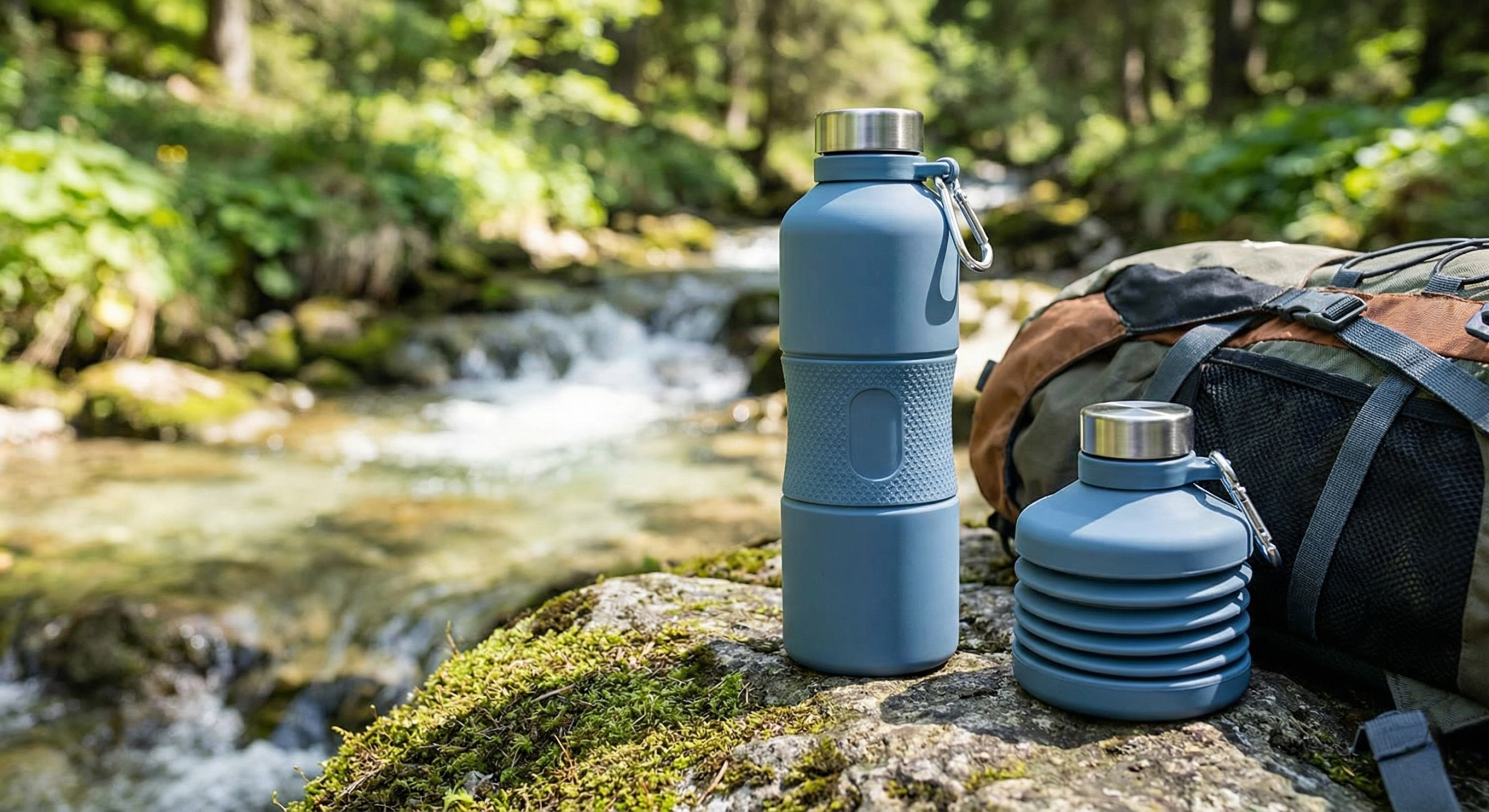
The best collapsible water bottle is manufactured by a specialized OEM partner that prioritizes high-purity, platinum-cured materials and advanced Liquid Silicone Rubber (LSR) molding techniques. You have likely experienced the frustration of bulky, rigid containers that take up valuable space in your gear long after the water is gone. This inconvenience is often compounded by the fear of cheap materials leaching chemicals or failing at the seams, potentially ruining your expensive electronics or documents. To solve these logistical and safety concerns, choosing premium silicone water bottles ensures you receive a space-saving, durable, and non-toxic hydration solution that meets rigorous international standards.
Why choose professional silicone water bottles?
Professional silicone water bottles offer a unique combination of structural stability and material purity that cheaper alternatives cannot replicate. These high-grade products are designed to withstand years of compression cycles without losing their shape or developing structural cracks.
When you invest in professional-grade silicone water bottles, you are choosing a product that bridges the gap between portability and performance. The material is inherently flexible yet resilient enough to stand upright when full.
What defines a “best-in-class” bottle?
A top-tier bottle is defined by its ability to maintain a leak-proof seal while remaining easy to collapse and expand. You should look for models that integrate rigid internal frames or reinforced bases to prevent the “floppy” feel of low-quality silicone.
The reality is: quality begins at the molecular level. Premium manufacturers use injection molding to ensure uniform wall thickness and precise threading.
- High-tensile strength silicone material.
- Precision-engineered leak-proof caps.
- Ergonomic grip and stability features.
Is material purity the only factor?
While purity is essential, the engineering of the collapse mechanism determines the bottle’s long-term utility. You need a design that folds predictably and stays compacted in your briefcase or backpack.
Key Takeaway: High-quality manufacturing ensures that your hydration tools remain both safe for health and functional for high-intensity travel or office use.
| Feature | Premium Silicone Bottle | Economy/Generic Bottle |
|---|---|---|
| Material Base | Platinum-Cured Silicone | Peroxide-Cured or Plastic |
| Structural Integrity | Rigid internal frame | Difficult to hold |
| Certification | LFGB & FDA Compliance | FDA only (or none) |
This comparison highlights why professional engineering is the deciding factor for B2B procurement and long-term durability.
Are silicone water bottles truly safe to use?
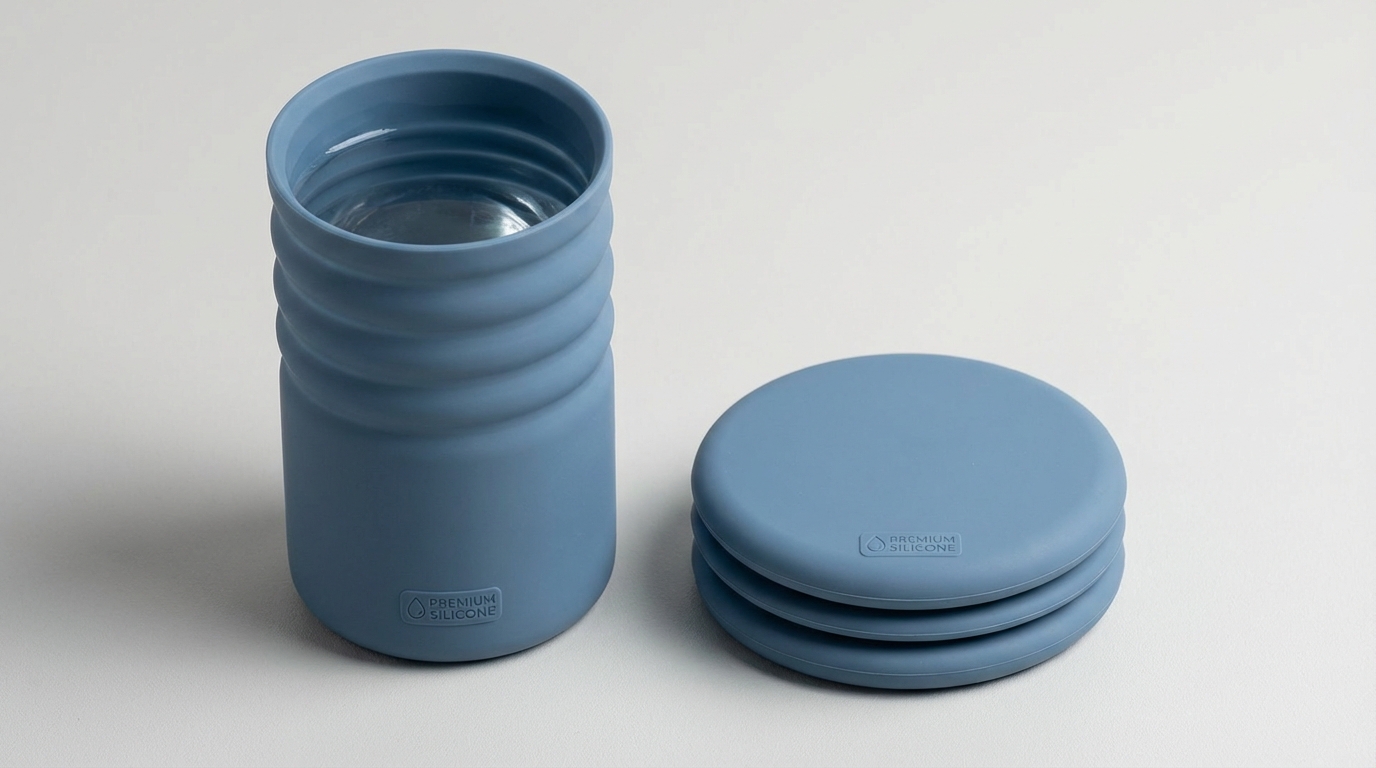
Yes, high-quality silicone water bottles are exceptionally safe because they are made from inert polymers that do not leach harmful chemicals into your beverages. Unlike some plastics, food-grade silicone bottles do not contain BPA, BPS, or phthalates, making them a reliable choice for health-conscious users.
What is the difference between FDA and LFGB?
The primary difference lies in the testing rigor, where LFGB (European standard) requires more stringent testing for extractable substances than the American FDA standard. For your business, sourcing products that meet both standards ensures global compliance and maximum consumer safety.
Think about it: safe products build brand trust. Choosing a manufacturer that understands these extraction limits is non-negotiable for premium markets.
- FDA: Standard food safety for the US market.
- LFGB: Higher purity standards for European markets.
- Platinum Curing: Reduces the risk of volatile organic compounds.
Are there hidden chemicals in cheap models?
Low-cost manufacturers often use peroxide-curing agents or fillers that can leave behind chemical residues or a distinctive “plastic” smell. You can identify these lower-quality products by performing a pinch test; if white streaks appear, the silicone contains fillers.
Key Takeaway: Prioritizing certified safety standards protects the end-user and mitigates risk for retailers and distributors.
| Safety Standard | Test Rigor | Global Acceptance |
|---|---|---|
| FDA | Moderate | North America |
| LFGB | High | Europe/Premium Global |
| BPA-Free | Essential | Standard Expectation |
Ensuring compliance with these benchmarks is the only way to guarantee a truly non-toxic hydration experience for your customers.
How to fix taste in silicone water bottles?
The most effective way to fix the initial taste in silicone water bottles is to utilize a deep-cleaning cycle involving boiling water and mild surfactants or baking soda. Most “silicone taste” is actually residual manufacturing odors that can be easily neutralized through heat and thorough aeration.
When you source high-quality silicone water bottles, you will find that odors are significantly reduced because the material has undergone proper post-curing baking. This industrial process removes volatile substances before the product ever reaches your hands.
Why does new silicone sometimes smell?
The smell often comes from the breakdown products of curing agents or the absorption of odors during storage and transit. You should understand that silicone is a porous material on a microscopic level, meaning it can trap air-borne molecules.
Here is the deal: a simple wash is rarely enough for a brand-new bottle. You need to open those material pores with heat to release trapped scents.
- Boil for 5 minutes to open pores.
- Soak in a vinegar or baking soda solution.
- Air-dry in a well-ventilated area for 24 hours.
Does platinum-curing eliminate odors?
Platinum-curing is a more expensive process, but it results in a cleaner final product with fewer byproducts than traditional peroxide curing. If you are targeting a high-end market, requesting platinum-cured silicone is the most effective way to ensure a neutral taste profile.
Key Takeaway: Proper initial maintenance and choosing high-purity curing methods ensure your beverages taste exactly as they should.
| Odor Source | Mitigation Method | Result |
|---|---|---|
| Manufacturing Residue | Boiling water soak | 90% odor reduction |
| Storage Pores | Baking soda paste | Neutralized pH/Scent |
| Peroxide Byproducts | Platinum-cured upgrade | Odorless from factory |
Managing material odors is a critical step in providing a premium user experience that reflects positively on your brand.
What are the limits of silicone water bottles?
Silicone water bottles are primarily limited by their insulation properties and their tendency to attract surface dust due to static electricity. While they are unmatched in portability and durability, they do not function like vacuum-sealed stainless steel flasks for maintaining beverage temperatures.
Can they keep your beverages cold?
Because silicone is a single-layer flexible material, it provides very little thermal resistance compared to double-walled containers. You can expect your water to reach room temperature at a similar rate to a standard plastic bottle.
Look at it this way: the trade-off for extreme portability is thermal performance. For most office or gym users, the space saved is worth the lack of 24-hour cooling.
- Limited thermal insulation properties.
- Not recommended for extremely hot coffee without a sleeve.
- Excellent for freezing water for ice-cold hydration.
Do they attract dust and lint easily?
Untreated silicone has a high-friction surface that naturally attracts lint and dust particles from your bag or desk. To combat this, premium manufacturers apply a specialized oil-based coating that creates a smooth, matte finish.
Key Takeaway: Understanding material limitations allows you to choose products with engineering solutions, such as dust-resistant coatings and stability rings.
| Limitation | Engineering Solution | User Benefit |
|---|---|---|
| Insulation | Thermal sleeves | Better temperature control |
| Dust Attraction | Post-production coating | Clean, professional look |
| Flexibility | Rigid plastic skeletons | Easier to drink one-handed |
Choosing a bottle with these integrated solutions ensures that the material’s weaknesses do not interfere with your daily routine.
Are silicone water bottles the healthiest choice?
Silicone water bottles are often considered the healthiest choice for active lifestyles because they combine the chemical inertness of glass with the unbreakable durability of metal. They provide a hypoallergenic and non-reactive surface that does not corrode or degrade over time, even with acidic juices.
By selecting food-grade silicone water bottles, you are opting for a material that is increasingly preferred in medical and infant care sectors. This shift is driven by the material’s resistance to microbial growth and its ability to withstand extreme sterilization temperatures.
How does silicone compare to glass?
While glass is the gold standard for purity, it is heavy and prone to shattering, which makes it dangerous for travel or fitness environments. Silicone offers the same non-leaching benefits of glass but can be dropped or crushed without risk of injury or mess.
The best part? You get the safety of glass with the weight of plastic. It is the ideal compromise for modern, mobile professionals.
- Unbreakable under high impact.
- Lightweight for air travel and hiking.
- Non-reactive with all beverage types.
Is stainless steel better than silicone?
Stainless steel is excellent for insulation, but it is rigid and can be heavy even when empty. If your priority is saving space and reducing carry weight, silicone is the superior choice for your commute or gym bag.
Key Takeaway: Silicone provides a unique healthy hydration solution that prioritizes safety without the weight or fragility of traditional materials.
| Material | Safety Level | Durability | Portability |
|---|---|---|---|
| Silicone | Very High | Unbreakable | Excellent (Collapsible) |
| Glass | Highest | Fragile | Poor (Heavy) |
| Steel | High | Dent-prone | Moderate (Rigid) |
This material matrix proves that for portability-focused users, silicone is the most balanced choice for health and convenience.
Why are silicone water bottles so popular now?
The popularity of silicone water bottles stems from the global push toward sustainability and the increasing demand for high-performance travel gear. Consumers and businesses alike are moving away from single-use plastics in favor of reusable, durable items that fit into a minimalist lifestyle.
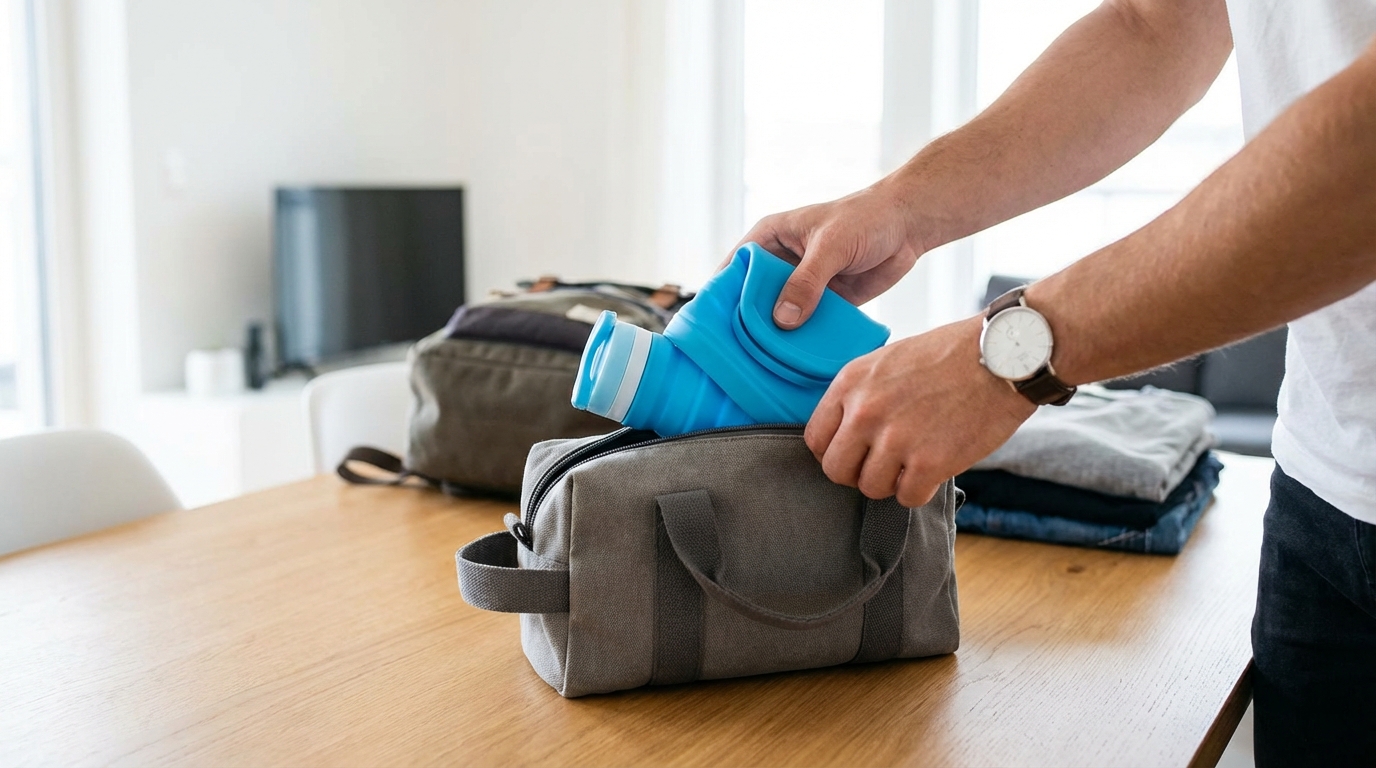
Modern silicone water bottles cater to the “on-the-go” professional who values efficiency. Being able to shrink a container to one-third of its size once finished is a game-changer for those navigating crowded airports or urban environments.
Is it the space-saving design?
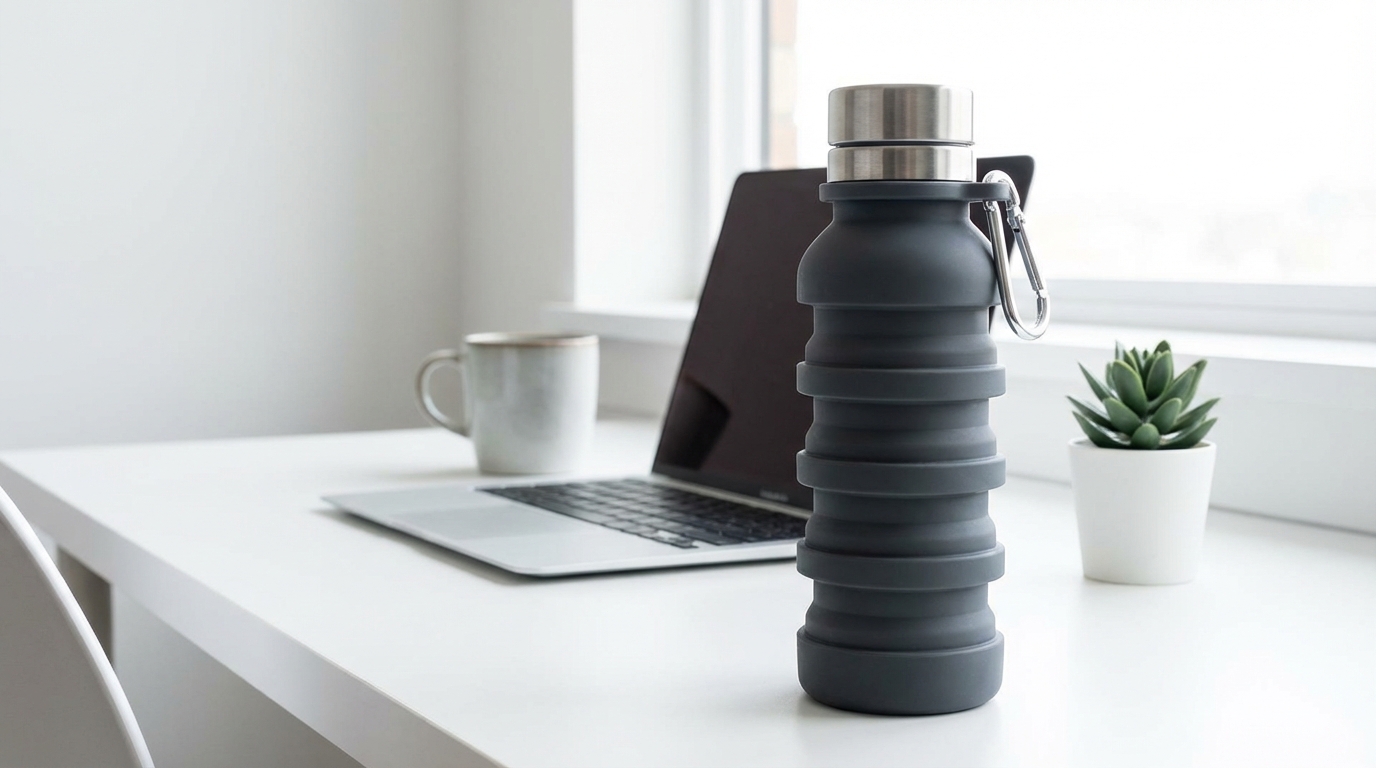
The primary driver for adoption is the ability to collapse the bottle when not in use, freeing up significant space in luggage or work bags. You no longer have to carry a large, empty cylinder around after your morning commute or flight.
Keep this in mind: space is a premium commodity for the modern traveler. A collapsible bottle solves a problem that standard bottles simply ignore.
- Collapses to 30% of original height.
- Fits in pockets or small accessory pouches.
- Lightweight enough for clip-on carry.
Are they built for the modern traveler?
These bottles are specifically engineered to meet TSA requirements and the rugged demands of outdoor adventures. Their ability to survive being squashed in a suitcase without leaking makes them the preferred choice for international business trips.
Key Takeaway: The rise of silicone hydration tools is a direct response to the need for sustainable, space-efficient, and durable consumer goods.
| Trend Factor | Modern Requirement | Silicone Solution |
|---|---|---|
| Sustainability | Reduce plastic waste | 5+ year lifespan |
| Travel Efficiency | Compact packing | Collapsible architecture |
| Urban Fitness | Lightweight carry | Minimal mass impact |
Popularity is driven by the material’s ability to solve multiple pain points for the modern, environmentally conscious consumer.
How are custom silicone water bottles made?
Custom silicone water bottles are typically manufactured using Liquid Silicone Rubber (LSR) injection molding, a process that ensures high precision and material purity. This method allows for complex geometries, such as folding ribs and integrated sealing gaskets, which are essential for a leak-proof collapsible design.
When you work with a partner for custom silicone molding, you can choose specific Pantone colors, integrate embossed logos, and define the exact hardness (durometer) of the material. This level of customization is vital for B2B brands looking to differentiate themselves in a crowded market.

What is Liquid Silicone Rubber (LSR) molding?
LSR molding is a high-speed, automated process where two-part silicone components are mixed and injected into a heated mold. You benefit from this technology because it produces parts with zero flash and extreme consistency, which is critical for components that must fit together perfectly.
The bottom line: LSR is the gold standard for medical and food-grade products. It offers better hygiene and precision than traditional compression molding.
- Closed-loop system prevents contamination.
- Fast cycle times for high-volume orders.
- Exceptional detail for branding and textures.
Why is precision critical for leak-proofing?
In a collapsible bottle, the seal between the flexible body and the rigid cap must be perfect to prevent leaks under pressure. Any variance in the wall thickness or the thread dimensions can lead to failure when the bottle is squeezed inside a bag.
Key Takeaway: Advanced manufacturing techniques like LSR molding are what separate professional-grade bottles from cheap, unreliable alternatives.
| Process | Precision Level | Best For |
|---|---|---|
| LSR Molding | Extremely High | Complex, leak-proof designs |
| Compression | Moderate | Simple shapes, lower cost |
| Overmolding | High | Combining silicone with rigid parts |
The choice of manufacturing process directly impacts the quality, safety, and brand perception of your final product.
How to source silicone water bottles for business?
Sourcing silicone water bottles for your business requires a deep dive into manufacturer certifications, production capabilities, and material sourcing transparency. You must look beyond the unit price to ensure the factory can meet international safety standards like LFGB and FDA.
A reliable partner will provide comprehensive documentation and help you navigate the complexities of sourcing silicone bottles. You should prioritize manufacturers that offer DFM (Design for Manufacturing) reviews to optimize your custom designs for cost and performance.
How to find a reliable OEM manufacturer?
You should look for factories with a long history of producing food-grade or medical-grade silicone products. Check if they have in-house molding capabilities and cleanroom facilities, which indicate a commitment to high-quality standards.
Beyond that: request samples and perform independent testing. A legitimate manufacturer will have nothing to hide and will welcome your scrutiny.
- Verify ISO 9001 and ISO 13485 certifications.
- Review their history with global B2B clients.
- Ask for material safety data sheets (MSDS).
What certifications should you demand?
At a minimum, you must demand FDA and LFGB compliance for any product that comes into contact with food or water. If you are selling in the European market, LFGB is essential to avoid legal hurdles and product recalls.
Key Takeaway: Strategic sourcing is about finding a partner that balances technical expertise with a commitment to international safety compliance.
| Sourcing Checklist | Importance | Verification Method |
|---|---|---|
| LFGB Testing | Critical (EU) | Request lab reports (SGS/TUV) |
| Cleanroom Production | High | Factory audit/photos |
| Custom Colors | Brand Identity | Pantone matching samples |
Selecting the right partner ensures your supply chain is resilient and your product quality remains consistent across every batch.
Can you easily clean silicone water bottles?
Yes, silicone water bottles are exceptionally easy to clean because they are dishwasher safe and can withstand high-temperature sterilization. Their flexible nature also allows you to turn them partially inside-out or squeeze them to ensure cleaning brushes reach every interior corner.
For those using silicone water bottles in high-use environments, the ability to boil the container for a deep clean is a significant advantage. This ensures that no bacteria or mold can build up in the folds or crevices of the collapsible design.
Are they truly dishwasher safe?
Silicone can handle temperatures ranging from -40°C to over 230°C, meaning the heat of a standard dishwasher will not damage the material. You should always place the bottle on the top rack and remove any non-silicone components like metal carabiners before the cycle starts.
Actually: silicone is one of the most durable materials for repeated washing. It won’t cloud or become brittle like many clear plastics do over time.
- Safe for high-temperature cycles.
- Resistant to common dish soaps and detergents.
- Will not leach chemicals during the heat cycle.
How to prevent mold in the crevices?
The best way to prevent mold is to ensure the bottle is fully expanded and completely dry before storing it in a collapsed state. You can also use a mixture of water and vinegar to periodically sanitize the bottle if you frequently use it for sugary beverages.
Key Takeaway: The extreme temperature resistance of silicone makes it one of the most hygienic options available for reusable drinkware.
| Cleaning Method | Effectiveness | Frequency |
|---|---|---|
| Dishwasher | High | Daily/Weekly |
| Boiling | Maximum (Sterile) | Monthly |
| Hand Wash | Moderate | Daily |
Maintaining a regular cleaning schedule ensures your bottle remains a safe and pleasant tool for daily hydration.
Are silicone water bottles eco-friendly enough?
Silicone water bottles are a highly eco-friendly alternative to single-use plastics because they are made from silica (sand) and have an incredibly long operational lifespan. While they are not biodegradable, their durability prevents hundreds of plastic bottles from entering landfills or oceans over several years of use.
By adopting silicone water bottles, you are participating in a circular economy where high-quality products reduce the need for constant replacement. The material is also stable and does not break down into microplastics, which is a growing concern with traditional plastic containers.
Do they reduce single-use plastic waste?
A single silicone bottle can replace over 200 disposable plastic bottles annually for the average user. You are making a significant impact on your personal carbon footprint by choosing a product that lasts for years rather than minutes.
In short: durability is the ultimate form of sustainability. The longer a product lasts, the fewer resources are required to replace it.
- Reduces reliance on PET plastics.
- No microplastic shedding during use.
- Highly durable material minimizes waste.
Are they durable enough for long-term use?
Silicone does not crack, peel, or become brittle with age, making it one of the most resilient materials for consumer products. You can drop it, freeze it, and boil it repeatedly without compromising its structural integrity.
Key Takeaway: Choosing silicone is a commitment to long-term sustainability through material durability and the reduction of single-use waste.
| Metric | Single-Use Plastic | Silicone Water Bottles |
|---|---|---|
| Lifespan | Minutes | 5+ Years |
| Recyclability | Limited/Downcycled | Specialized/Long-cycle |
| Chemical Safety | Microplastic risk | Microplastic-free |
The environmental benefits of silicone make it the preferred choice for organizations looking to meet ESG goals and promote green living.
Conclusion
If you are looking to elevate your brand or your personal hydration setup, choosing the right collapsible solution is the first step toward a more efficient lifestyle. We have explored the challenges of bulky gear, the risks of low-quality materials, and the vital importance of professional-grade manufacturing. We can help you navigate the complexities of custom silicone production to ensure you receive a product that is safe, durable, and perfectly suited to your needs. Our commitment is to provide high-purity, expertly engineered silicone solutions that stand the test of time and environmental impact. Please contact us today to discuss your custom project or to learn more about our manufacturing standards. Our vision is to lead the industry in sustainable, high-performance silicone products that empower people to explore more and waste less.
FAQ: Common Questions About Collapsible Bottles
- Can I put hot coffee or tea in my silicone bottle?
Yes, food-grade silicone is heat-resistant up to 230°C and is safe for hot beverages. However, because the material is flexible and conducts heat, you should use a protective sleeve to avoid burning your hands when holding the bottle. - Are these bottles microwave safe?
Yes, the silicone body itself is microwave safe, making it easy to warm up liquids inside the container. You must ensure that you remove all plastic caps, metal carabiners, or rigid internal frames before placing the bottle in the microwave. - Will the bottle leak if it is squeezed in my bag?
No, premium silicone bottles are designed with dual-sealing gaskets and locking mechanisms to prevent leaks even under significant pressure. As long as the cap is properly threaded and the air valve is closed, the bottle will remain sealed in your bag. - How long does a typical silicone bottle last?
A high-quality silicone bottle can easily last for 5 to 10 years with regular use and proper care. Unlike plastic, which becomes brittle and cracks over time, silicone remains flexible and maintains its structural integrity through thousands of collapse cycles. - Can I freeze water inside the bottle?
Yes, silicone remains flexible at temperatures as low as -40°C, which prevents it from cracking when water expands during freezing. This makes it an excellent tool for creating a large “ice pack” that provides cold water as it melts throughout the day.