
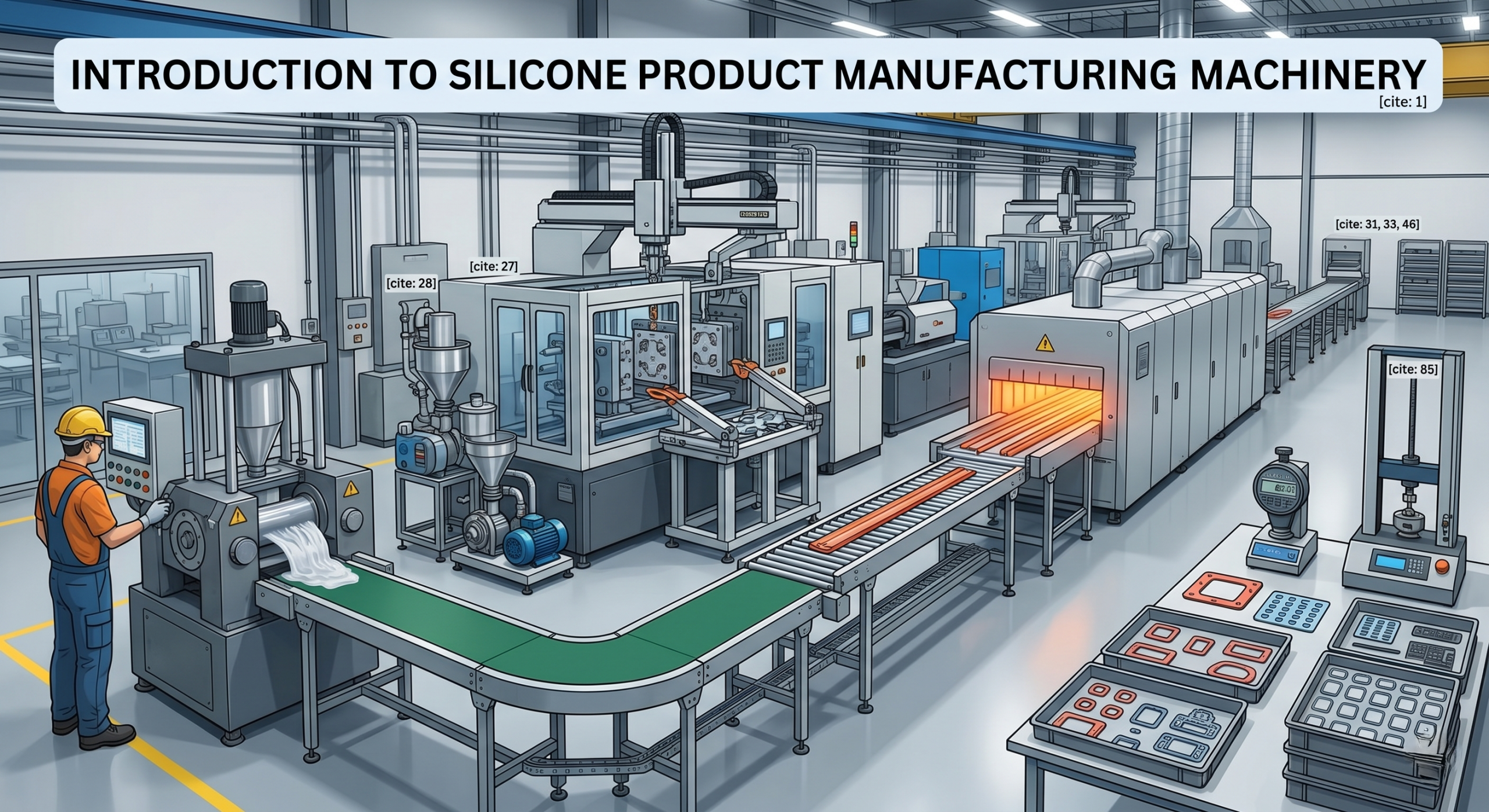
Silicone product manufacturing machinery encompasses a specialized suite of mixing, molding, curing, and testing equipment designed to convert raw elastomers into high-precision components. You often face tight tolerances and strict safety standards that manual processes simply cannot meet. Inconsistent batches and material waste can quickly erode your profit margins and damage your brand reputation in competitive markets. Choosing the right technology for Silicone Product Manufacturing ensures your operations remain scalable, repeatable, and compliant with global standards.
What Role Does Mixing Equipment Play in Production?
Mixing equipment ensures the uniform distribution of raw materials and additives to create a consistent compound ready for molding. Precision in this initial stage of Silicone Product Manufacturing is non-negotiable for achieving the desired physical properties in the final part. Utilizing advanced mixing technology for Silicone Product Manufacturing allows you to eliminate material clumps and air entrapment before the shaping process begins.
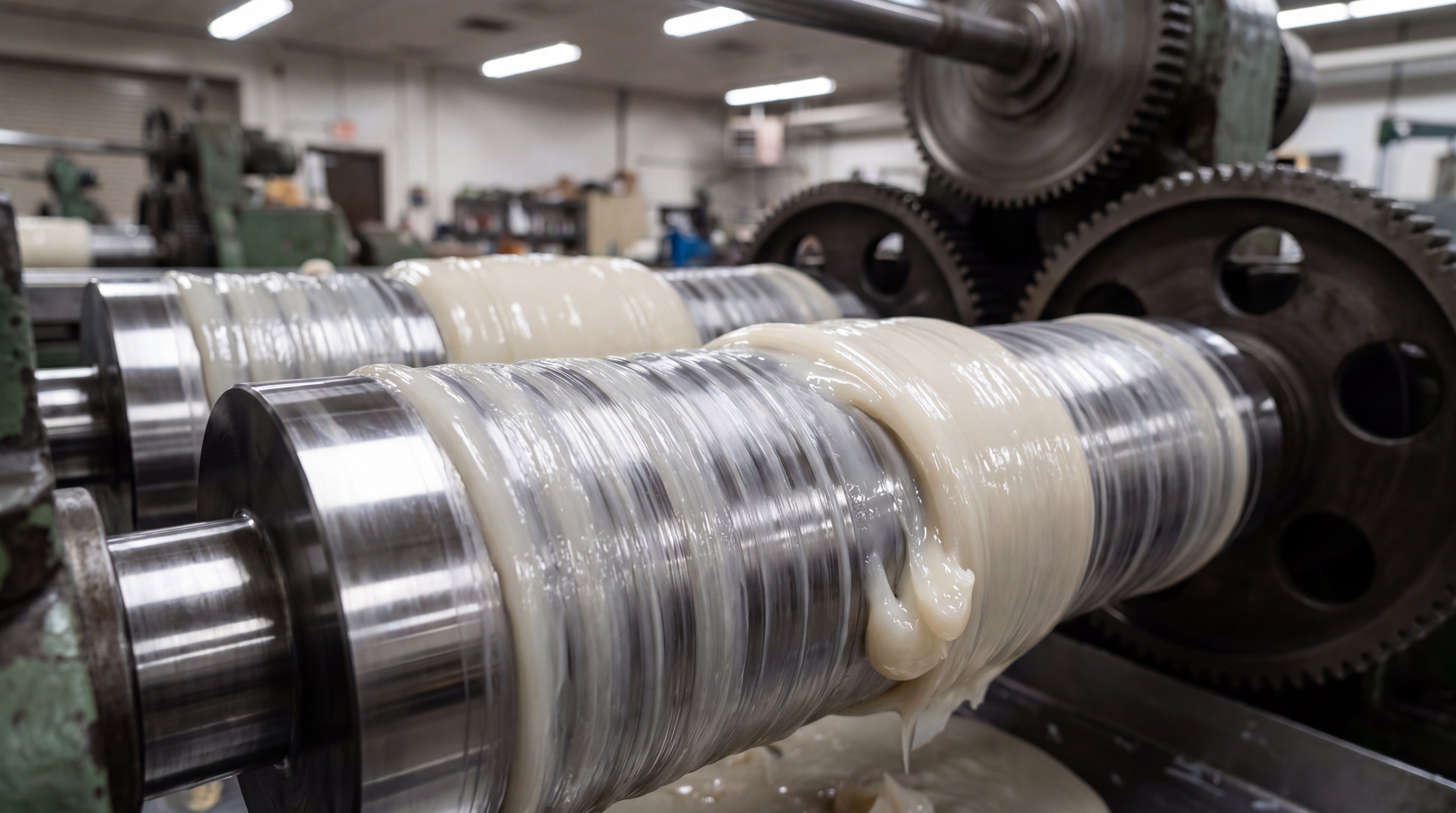
How do rubber mixing machines achieve compound uniformity?
Rubber mixing machines use high-shear forces to break down large silicone polymer chains and integrate fillers. This process creates a homogenous base that responds predictably to heat and pressure. Here’s the deal: without this level of uniformity, your products will suffer from structural weak points.
What are the functional differences between open mills and mixers?
Open mills provide high visibility and cooling during the blending of high-consistency rubber (HCR). Internal mixers, conversely, offer a sealed environment that prevents contamination and manages dust more effectively. Consider these options:
- Open Mills: Best for manual additive control and color matching.
- Internal Mixers: Ideal for high-volume, automated batch processing.
How do advanced features prevent material contamination?
Modern mixing machines feature stainless steel chambers and non-reactive seals to maintain high purity. These systems are critical when you are producing parts for medical or food-contact applications.
Key Takeaway: High-quality mixing equipment is the foundation of structural integrity, preventing batch-to-batch variance and ensuring that every molded part meets your technical specifications.
| Machine Type | Primary Application | Key Advantage |
|---|---|---|
| Open Mill | HCR Blending | Excellent cooling control |
| Internal Mixer | High-Volume Production | Sealed contamination protection |
| Vacuum Mixer | Bubble-Free Compounding | Eliminates trapped air |
Precise mixing prepares the material for the complex shaping phases that follow in the production line.
How Does Molding Machinery Shape Silicone Products?
Molding machinery is responsible for forcing prepared silicone into specific geometries through heat and high-pressure injection or compression. This stage is the heart of Silicone Product Manufacturing, where your digital designs are transformed into tangible physical components. High-performance machines allow you to produce intricate features that would be impossible with manual casting methods.
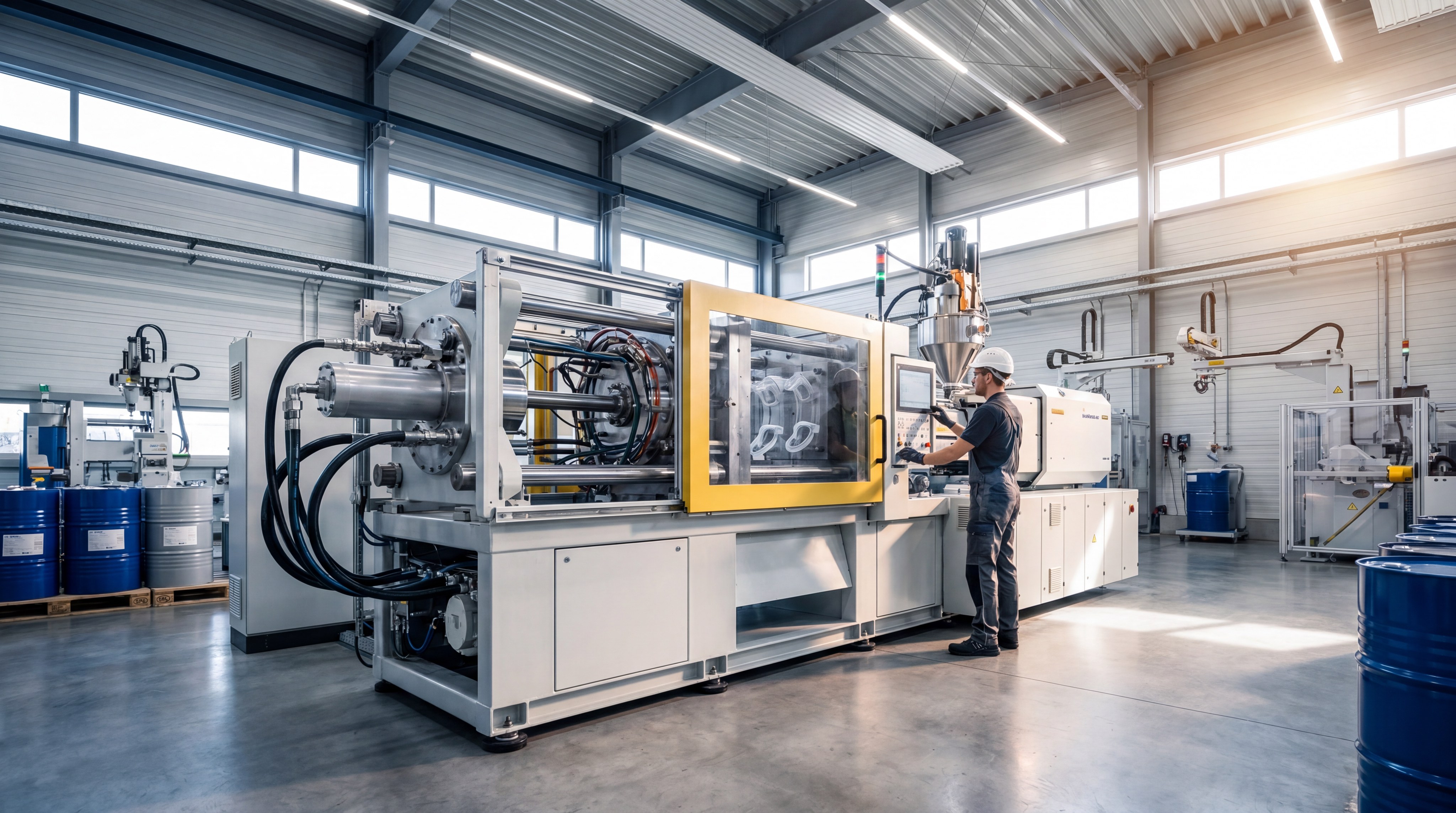
Why is LSR injection molding preferred for high precision?
Liquid Silicone Rubber (LSR) injection molding machines utilize a closed-loop system to pump platinum-cured silicone directly into the mold. This method minimizes human intervention and significantly reduces cycle times for high-volume orders. Make no mistake: LSR is the gold standard for precision and speed.
How do extrusion machines facilitate profile production?
Extrusion machines push silicone through a shaped die to create continuous profiles like tubing, gaskets, and seals. This continuous process is highly efficient for long-run production where uniformity along the entire length is critical.
- Precision dies: Ensure consistent wall thickness in tubing.
- Conveyor integration: Supports immediate downstream curing.
What role do rolling mills play in preparing HCR?
Rolling mills compress solid silicone blocks into thin, workable sheets before they enter a compression mold. This mechanical pre-shaping ensures the material fits the mold cavity perfectly, reducing the risk of “short shots” or unfilled areas. The result? You get a more reliable yield with less flash waste.
Key Takeaway: The selection of molding machinery dictates your production speed and part complexity, directly impacting your overall manufacturing cost and product quality.
| Molding Method | Complexity Level | Relative Tooling Cost |
|---|---|---|
| LSR Injection | Very High | High |
| Compression | Moderate | Low |
| Extrusion | Low (Linear) | Moderate |
Once the product is shaped, it requires the thermal stabilization provided by specialized curing systems.
Why is Curing Equipment Essential for Stability?
Curing equipment provides the controlled thermal environment necessary to trigger the chemical cross-linking that solidifies the silicone. Without this stabilization phase, Silicone Product Manufacturing would result in parts that remain soft, tacky, and dimensionally unstable. Leveraging advanced curing solutions for Silicone Product Manufacturing ensures that your components achieve their final mechanical properties, such as tensile strength and elasticity.
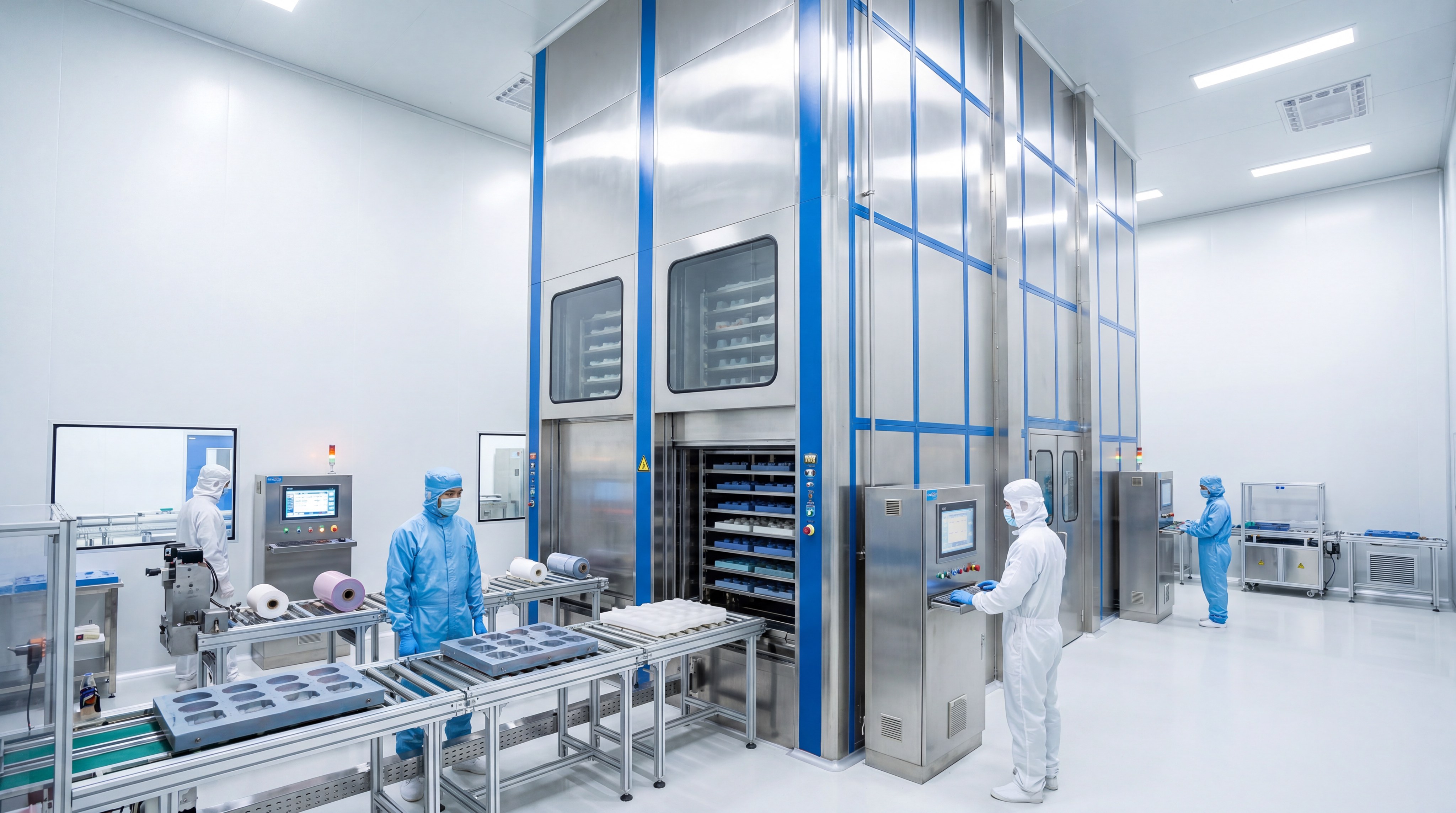
How do curing furnaces ensure complete cross-linking?
Curing furnaces distribute heat evenly across the entire surface of the mold or the extruded profile. This uniform temperature prevents “under-curing,” which can lead to product failure under environmental stress. But wait, there’s more: modern furnaces use forced-air circulation to eliminate hot spots.
What are the benefits of vulcanization chambers?
Vulcanization chambers use high-pressure steam or hot air to cure silicone parts that require extra density or durability. This pressurized environment is particularly effective for thick-walled components that need deep thermal penetration.
- Steam Chambers: Provide rapid heat transfer for industrial parts.
- Hot Air Chambers: Best for maintaining the surface finish of consumer goods.
How does precise temperature control prevent brittleness?
If the temperature is too high, the silicone polymer can degrade, leading to brittle parts that crack during use. Programmable logic controllers (PLCs) monitor these levels in real-time to ensure the material stays within its optimal curing window. The bottom line is this: precision timing prevents costly scrap.
Key Takeaway: Specialized curing equipment locks in the chemical properties of your silicone, ensuring the product remains durable and safe for its intended lifespan.
| Equipment Type | Heat Source | Primary Function |
|---|---|---|
| Tunnel Oven | Electric/IR | Continuous curing of extrusions |
| Vulcanization Tank | High-Pressure Steam | Curing high-density industrial parts |
| Batch Oven | Convection | Post-curing for volatile removal |
Curing completes the structural phase, allowing the product to move toward aesthetic and tactile finishing.
What Surface Treatment Tools Enhance Product Quality?
Surface treatment machinery applies functional or aesthetic finishes to molded parts to meet specific market requirements. Within the scope of Silicone Product Manufacturing, these devices help you achieve properties like anti-static performance, soft-touch textures, or medical-grade cleanliness. High-end finishing ensures your product doesn’t just work well but also feels premium to the end-user.
How do automated cleaning devices remove mold residues?
Automated ultrasonic cleaners use high-frequency sound waves to strip away mold release agents and micro-dust from the silicone surface. This process is essential if you plan to print logos or apply adhesives to the part later. Now, consider this: clean surfaces are the prerequisite for high-quality bonding.
What machinery is required for soft-touch coating?
Spray coating machines apply thin layers of polyurethane or anti-static agents to the silicone. These coatings reduce the natural tackiness of the material, preventing the product from attracting dust or lint.
- Spray Booths: Ensure even application of liquid coatings.
- UV Tunnels: Instantly cure the coating for immediate packaging.
Why is mechanical polishing necessary for optical silicone?
Mechanical polishing units use fine abrasives to remove minor surface imperfections and flash from clear silicone parts. For optical-grade components, this step is vital to ensure maximum light transmission and clarity. It gets better: automated polishing systems maintain consistency across thousands of units.
Key Takeaway: Surface treatment machinery elevates your product from a raw molded part to a market-ready component with specific hygiene and tactile advantages.
| Process Type | Machine Requirement | End-User Benefit |
|---|---|---|
| Anti-Static Coating | Spray & UV System | Dust-resistant, smooth feel |
| Ultrasonic Cleaning | Multi-stage Tank | Sterile, bonding-ready surface |
| Polishing | Rotary Buffer | High optical clarity |
After finishing, the focus shifts to validating that the machinery has produced a part that meets all technical standards.
How is Quality Verified Through Testing Instruments?
Testing instruments provide the data-driven validation required to prove that your production run meets engineering and safety standards. In the field of Silicone Product Manufacturing, testing is the final gatekeeper that prevents defective parts from reaching your customers. Utilizing verified testing labs for Silicone Product Manufacturing builds trust and ensures compliance with international regulations like ISO or FDA.
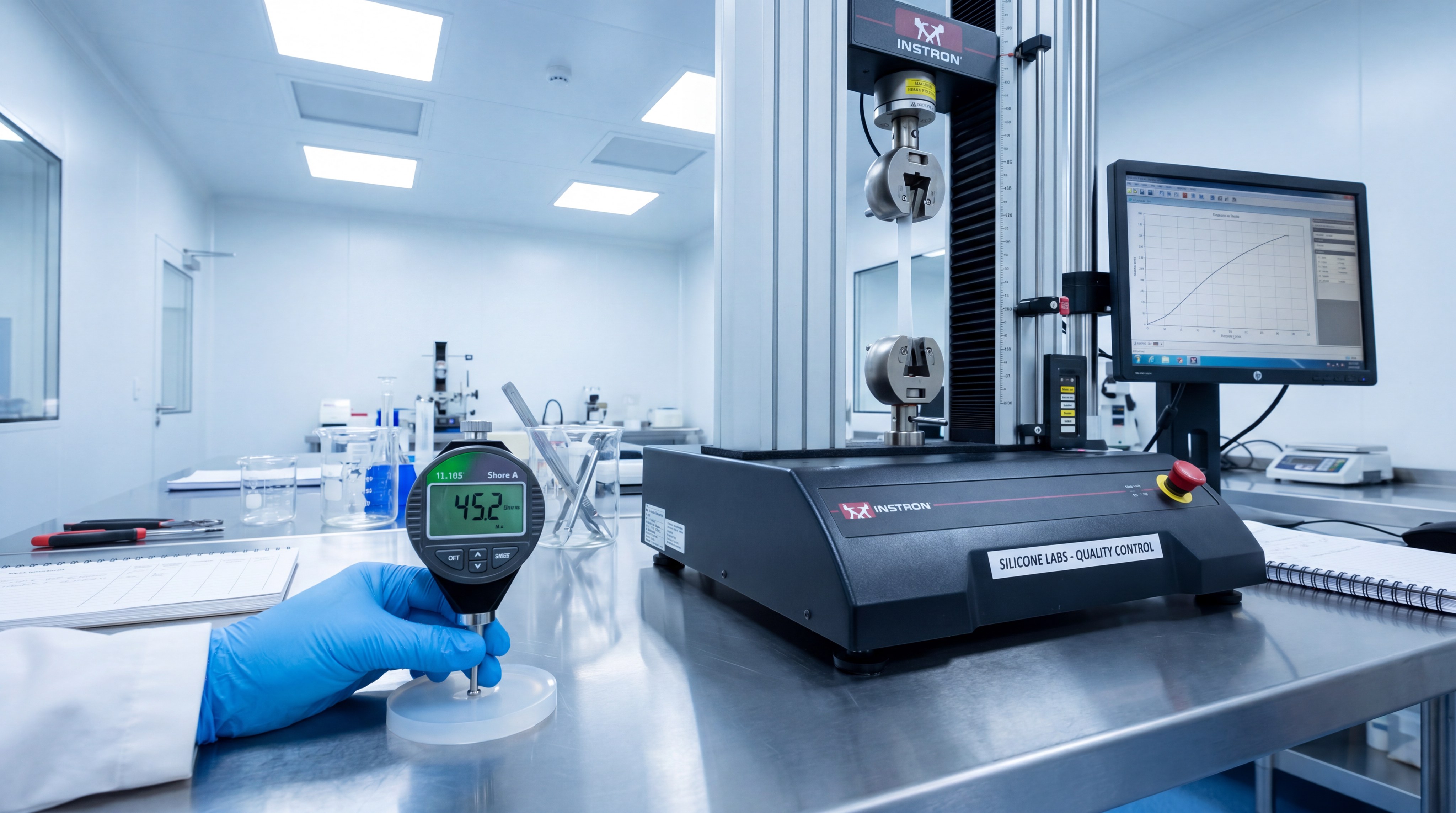
How do Durometer instruments measure Shore hardness?
Durometer instruments use a calibrated indenter to measure the resistance of the silicone surface to penetration. This measurement, typically on the Shore A scale, confirms that the material was mixed and cured correctly. Think about it: a deviation in hardness often points to a failure in the mixing or curing stage.
Why are tensile testing machines critical for components?
Tensile testing machines pull silicone samples to the breaking point to measure their elongation and tear strength. This data is critical for gaskets and seals that must withstand repeated stretching without failing.
- Elongation at Break: Measures how far the silicone can stretch.
- Modulus: Indicates the material’s stiffness under load.
What wear testing instruments are used for interfaces?
Wear testing devices simulate thousands of cycles of friction to see how a silicone keypad or protective case holds up over time. These tests ensure that your product’s finish and structural integrity remain intact throughout its lifecycle. In other words: durability testing protects your brand’s reputation.
Key Takeaway: Quality testing equipment provides the objective proof needed for high-stakes industries like medical and automotive, ensuring every batch is safe and reliable.
| Property Tested | Instrument | Typical Standard |
|---|---|---|
| Shore Hardness | Durometer | ASTM D2240 |
| Tensile Strength | Universal Tester | ISO 37 |
| Cycle Wear | Abrasion Tester | RCA Standard |
Beyond primary production and testing, auxiliary systems are necessary to keep the factory floor running smoothly.
Which Auxiliary Systems Support Factory Efficiency?
Auxiliary systems provide the secondary support needed to keep the primary mixing and molding machinery operating at peak capacity. These systems are the unsung heroes of Silicone Product Manufacturing, handling everything from material transport to thermal management. Without these tools, your primary machines would suffer from frequent downtime and manual handling errors.
How do precision weighing devices prevent variance?
Digital weighing systems ensure that every batch of raw silicone and pigment is measured to within a fraction of a gram. This precision prevents color shifts and physical inconsistencies between production runs. The reason is simple: accurate inputs lead to predictable outputs.
What are the advantages of integrated conveying systems?
Integrated conveying systems move raw materials or finished parts between stations without manual carrying. This reduces the risk of contamination and physical damage to sensitive silicone components.
- Pneumatic tubes: Move liquid silicone safely.
- Belt conveyors: Transport molded parts to the inspection area.
How do cooling units manage the thermal load?
Industrial chillers and cooling units regulate the temperature of the molds and mixing chambers during continuous operation. By preventing overheating, these units ensure that the silicone does not cure prematurely inside the machine. Make no mistake: thermal management is the key to maintaining tight tolerances.
Key Takeaway: Auxiliary systems automate the “in-between” steps of production, allowing your primary machinery to run faster and with significantly less manual labor.
| Auxiliary System | Primary Impact | Efficiency Gain |
|---|---|---|
| Chiller System | Mold Temp Control | Faster cycle times |
| Precision Scale | Mix Accuracy | 99% batch consistency |
| Part Conveyor | Material Flow | Reduced labor costs |
Optimizing these systems is the next logical step for manufacturers looking to increase their market competitiveness.
How Can You Optimize Your Production Workflow?
Workflow optimization focuses on reducing waste and increasing the output of your existing Silicone Product Manufacturing setup. By refining how you use your machinery, you can lower your per-unit cost while maintaining or even improving quality. Exploring optimization through Case Studies often reveals that small adjustments in machine settings can lead to massive gains in annual productivity.
Can Design for Manufacturability reduce cycle times?
Design for Manufacturability (DFM) involves adjusting your part design to better suit the capabilities of your molding machinery. For instance, simplifying a part’s geometry can allow for faster injection speeds and easier part ejection. Now, consider this: a 10% reduction in cycle time can save you thousands in labor costs over a large run.
How does scrap reduction software impact the bottom line?
Modern machinery often comes with software that calculates the exact amount of silicone needed for each shot, minimizing “flash” or wasted material. This software can also track real-time yield rates to identify which machines are underperforming.
- Real-time monitoring: Identifies machine errors instantly.
- Waste tracking: Pinpoints where material is being lost.
What are the best practices for minimizing changeover?
Standardized setup procedures and quick-change mold systems allow you to switch between different products in a fraction of the time. The faster you can swap molds, the more flexible your production schedule becomes. The result? You can handle smaller, more diverse orders without sacrificing profitability.
Key Takeaway: Optimization is a continuous process of matching your design goals with your hardware’s specific strengths to maximize your return on investment.
| Strategy | Action Required | Expected Outcome |
|---|---|---|
| DFM Review | Simplify part geometry | 15-20% faster cycles |
| Scrap Analysis | Update shot software | Lower material costs |
| SMED Protocol | Fast mold swapping | Increased machine uptime |
As optimization reaches its limits, many manufacturers turn to full automation to achieve the next level of scale.
What is the Impact of Automation on Manufacturing?
Automation represents the shift toward “lights-out” Silicone Product Manufacturing, where robotic systems handle repetitive tasks with zero fatigue. This technology allows for 24/7 production cycles, which is essential for meeting the demands of global supply chains. Automated systems ensure that the hundredth part is identical to the first, eliminating the variance inherent in human labor.
How do robotic arms improve part extraction?
Robotic arms equipped with soft-touch grippers can remove delicate silicone parts from the mold without causing surface damage. These robots can also perform integrated de-flashing, removing excess material as soon as the part is ejected. Here’s the deal: robots never get tired or distracted, leading to zero “human error” defects.
What is the role of IoT sensors in maintenance?
Internet of Things (IoT) sensors monitor vibrations, temperatures, and pressures within your manufacturing machinery. This data allows you to predict when a part is about to fail before it actually causes an outage.
- Vibration sensors: Detect bearing wear early.
- Pressure monitors: Alert you to clogged filters or lines.
Can fully automated LSR systems eliminate error?
Fully automated LSR systems integrate the material feeding, mixing, and injection into a single synchronized workflow. By removing the need for manual material handling, you virtually eliminate the risk of batch contamination. The result is a much higher yield of medical-grade or high-specification parts.
Key Takeaway: Automation provides the scalability and repeatability needed to compete at a global level while significantly lowering your long-term operational costs.
| Factor | Manual Process | Automated System |
|---|---|---|
| Consistency | Variable | High (0.1% variance) |
| Output | Limited by shifts | 24/7 Capability |
| Error Rate | Moderate | Near Zero |
Maintaining these high-tech systems requires a disciplined approach to equipment care.
Why is Preventive Maintenance Critical for Output?
Preventive maintenance is the practice of performing scheduled service on your Silicone Product Manufacturing machinery to prevent unexpected breakdowns. Neglecting your equipment for Silicone Product Manufacturing can lead to catastrophic mold failures or fire hazards in curing ovens. A robust maintenance plan ensures your factory remains safe and your delivery schedules stay on track.
What are daily inspection points for molding machines?
Daily checks should focus on hydraulic fluid levels, heater band functionality, and the cleanliness of the mold platens. Catching a small leak or a loose wire today prevents a complete machine shutdown tomorrow. Make no mistake: five minutes of inspection saves five hours of repair.
How do cleaning protocols extend oven life?
Regularly removing silicone residue and dust from curing ovens prevents the buildup of flammable materials and ensures even heat distribution. This simple step keeps your ovens running efficiently and reduces the risk of thermal hotspots.
- Vacuuming vents: Maintains airflow.
- Wiping chambers: Removes volatile outgassing.
Why is instrument calibration a mandatory step?
Testing instruments must be calibrated against certified standards to ensure their readings are accurate. If your durometer is off by just a few points, you might accidentally ship thousands of non-compliant parts. In other words: calibration is your insurance policy against product recalls.
Key Takeaway: A dedicated maintenance schedule is the only way to protect your capital investment and ensure consistent product quality over several years.
| Frequency | Component | Action |
|---|---|---|
| Daily | Mold Platens | Wipe down and lubricate |
| Monthly | Heater Bands | Check for thermal continuity |
| Annually | Testing Tools | External lab calibration |
With your machinery strategy in place, the final step is choosing a partner who shares your technical standards.
How Do You Select a Reliable Manufacturing Partner?
Selecting the right partner involves looking beyond price tags and evaluating the technical maturity of their machinery and processes. In the world of Silicone Product Manufacturing, the quality of the final part is a direct reflection of the machines used to create it. A partner with a modern, well-maintained facility is more likely to meet your deadlines and quality requirements without unexpected delays.
What machinery certifications should you look for?
You should verify that the manufacturer operates ISO-certified facilities and uses FDA or medical-grade compliant machinery. These certifications prove that the company follows strict protocols for machine cleaning and material handling. The reason is simple: certified processes yield certified results.
How does in-house mold making speed up prototyping?
Manufacturers with in-house CNC and EDM equipment can produce molds and prototypes much faster than those who outsource. This capability allows you to iterate on your designs quickly and move into mass production weeks earlier.
- CNC Milling: For rapid aluminum prototype molds.
- EDM: For high-precision steel production molds.
Can auxiliary setups indicate technical maturity?
The presence of automated conveyors, cleanroom environments, and advanced testing labs shows that a manufacturer is invested in long-term quality. A “bare-bones” shop may be cheaper, but they lack the infrastructure to handle complex or high-volume projects reliably. Now, consider this: the right partner acts as an extension of your own engineering team.
Key Takeaway: Vetting a manufacturer’s machinery inventory and maintenance standards is the most effective way to ensure the long-term stability of your supply chain.
| Capability | Requirement | Impact on Buyer |
|---|---|---|
| Precision | Modern LSR machines | Zero-defect parts |
| Speed | In-house mold making | Faster time-to-market |
| Safety | Cleanroom facilities | Regulatory compliance |
Choosing a partner with top-tier equipment ensures that your brand remains associated with quality and reliability.
Conclusion
Navigating the complexities of silicone production requires a deep understanding of the machinery that drives every step, from initial mixing to final quality testing. By identifying the right tools and optimization strategies, you have the power to transform raw concepts into high-performance products that lead the market. We are committed to bridging the gap between engineering vision and manufacturing reality through precision machinery and expert material science. Our mission is to empower your brand with durable, safe, and innovative silicone solutions that stand the test of time. To see how our advanced manufacturing capabilities can elevate your next project, contact us today and let’s build the future of your product line together.
FAQ
Can I use the same molding machine for both LSR and HCR materials?
No, you generally cannot use the same machine because the feeding and injection systems are fundamentally different. LSR requires a liquid pumping system for two-part components, while HCR requires a mechanical screw or plunger to feed solid strips into the mold.
What’s the best way to ensure zero air bubbles during the mixing stage?
What’s the best approach is using a vacuum-equipped planetary mixer. These machines pull a vacuum while the silicone is being stirred, which draws out entrapped air and prevents voids from appearing in the final molded product.
Can I automate a low-volume production line effectively?
Yes, you can achieve this by using modular robotic cells that can be easily reprogrammed for different parts. This allows you to gain the precision benefits of automation without the massive overhead of a dedicated, single-product assembly line.
What’s the best curing temperature for maintaining tight tolerances?
What’s the best setting is usually the lowest temperature recommended by the material supplier, held for a longer duration. While this slows down production, it minimizes the thermal shrinkage that occurs as the part cools, resulting in much better dimensional accuracy.
How do I know if a manufacturer has high-quality surface treatment?
How do I know if they are capable is by asking for a surface energy test or a “water break” test result. A high-quality treatment will show a uniform surface tension, proving that anti-static coatings or cleaning agents have been applied evenly across the part.