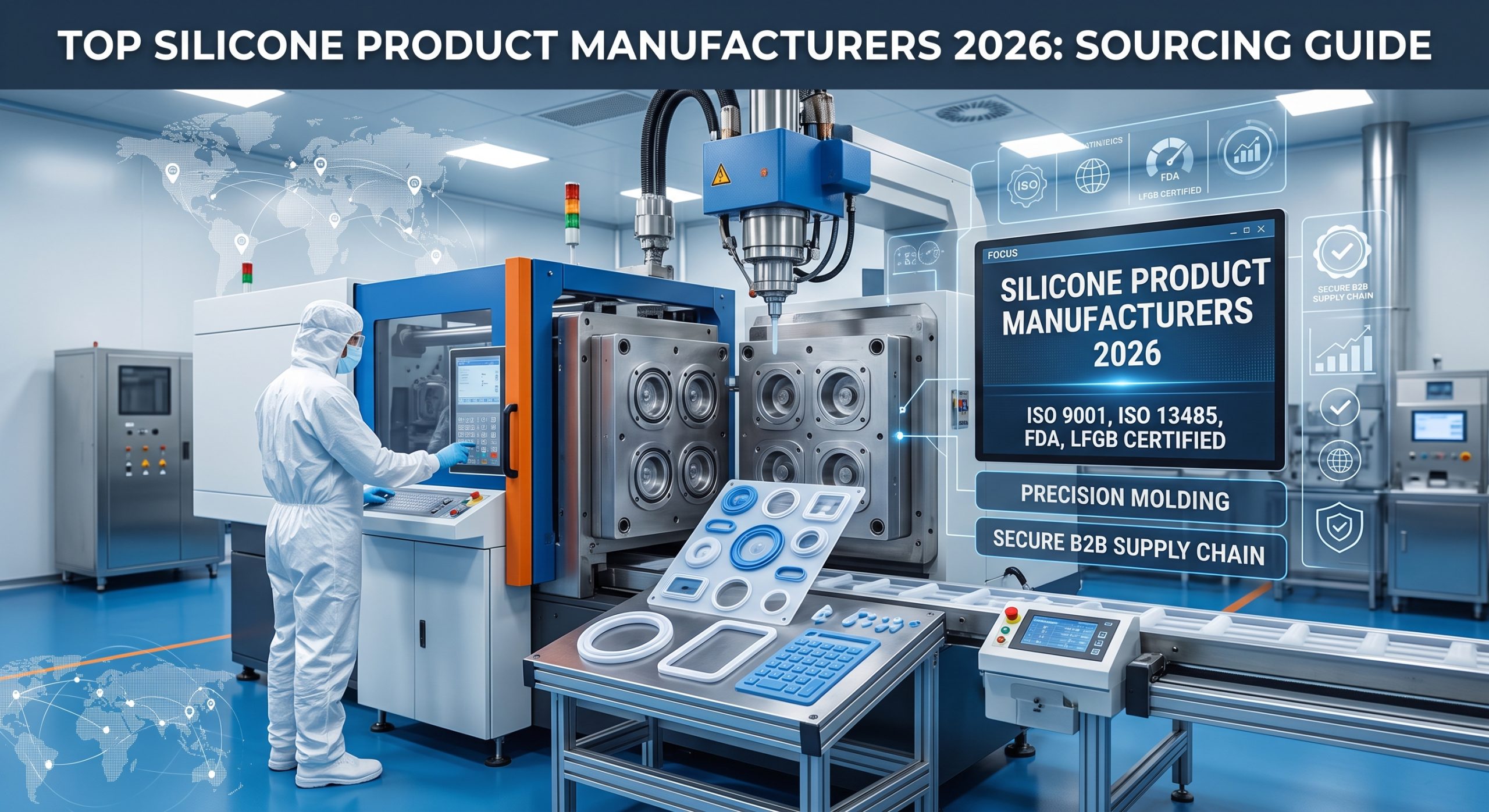
B2B procurement managers often face an ongoing struggle with low-quality molded parts, inconsistent dimensions, and unpredictable delivery timelines. When a crucial batch of silicone seals fails or arrives late, the fallout is devastating: production lines grind to a halt, financial losses accumulate by the hour, and your hard-earned corporate reputation is tarnished. Fortunately, partnering with the world’s most reliable silicone product manufacturers provides a robust shield against these supply chain vulnerabilities. To streamline your custom manufacturing projects, identifying elite Silicone Product Manufacturers is the first critical step toward operational security.
What defines top-tier silicone product manufacturers?
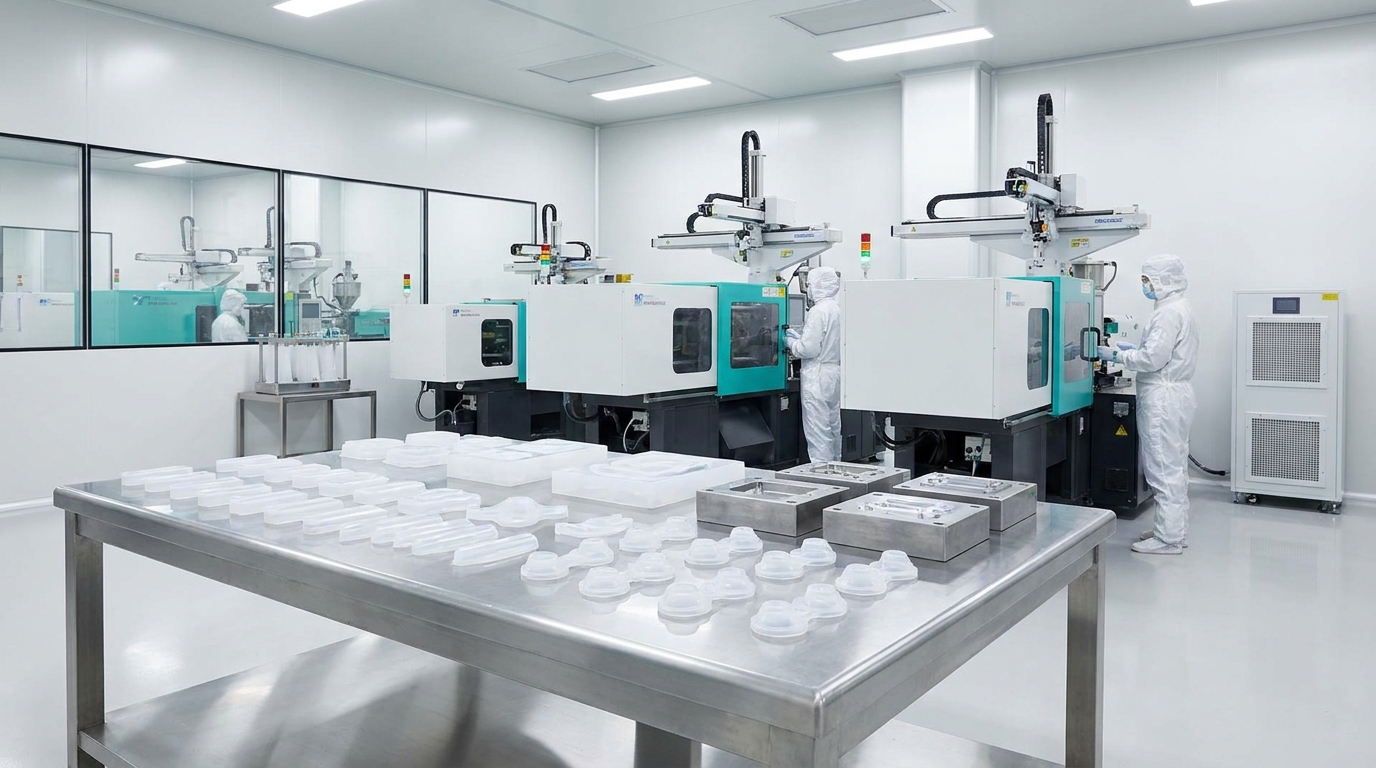
Top-tier silicone product manufacturers are defined by their strict regulatory compliance, exceptional material purity, and state-of-the-art cleanroom facilities. Elite Silicone Product Manufacturers set themselves apart by maintaining ISO certifications and utilizing premium medical-grade raw materials.
They also deploy automated, high-precision tooling to keep dimensional manufacturing errors to an absolute minimum. This ensures consistent tolerances across millions of production runs.
Why are safety certifications non-negotiable?
When choosing a partner, you cannot overlook international standards like FDA, LFGB, or ISO 13485. Think about it: a single uncertified batch can shut down your entire B2B distribution network overnight.
- FDA compliance for food-contact applications.
- ISO 13485 certifications for medical-grade device components.
- LFGB standards for strict European consumer markets.
How do advanced tooling capabilities lower costs?
Advanced in-house mold tooling drastically reduces the lead time and initial capital required for new custom parts. But that is not all: precision CNC machining minimizes material waste during compression or injection molding.
- In-house mold design speeds up your prototyping phase.
- CNC machining ensures tighter tolerances for complex parts.
- High-cavity molds lower your per-part cost significantly.
Key Takeaway: Integrated tooling and safety certifications protect your bottom line by eliminating customs delays and product recalls.
| Metric | Industry Standard | Elite Manufacturer Target |
|---|---|---|
| Material Certification | Basic FDA | FDA, LFGB, ISO 13485 |
| Tooling Tolerance | +/- 0.1 mm | +/- 0.02 mm |
| Cleanroom Standard | Class 100,000 | Class 10,000 |
Evaluating these parameters helps B2B buyers separate basic material suppliers from elite manufacturing partners.
Who are the leading silicone product manufacturers?
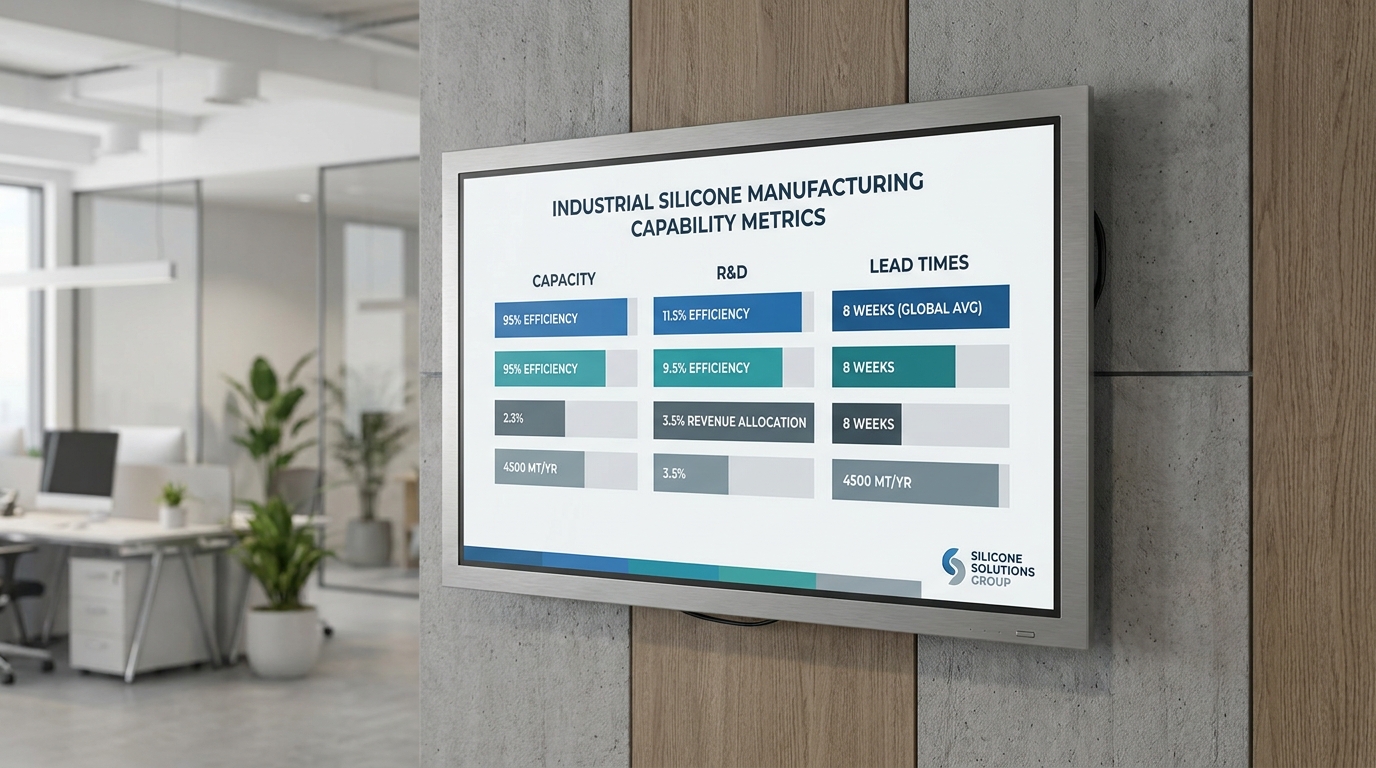
The leading silicone product manufacturers in 2026 consist of major global chemical conglomerates and specialized, high-precision custom molding factories. Collaborating with elite Silicone Product Manufacturers ensures you receive top-grade raw materials alongside flexible supply terms.
These leaders drive industry innovation through heavy investments in research and development. This allows B2B buyers to access custom-formulated compounds tailored for extreme industrial conditions.
What separates material giants from custom molders?
While global chemical giants supply raw liquid silicone rubber and base polymers, specialized custom molders transform these bases into finished parts. Here is the kicker: you need a molder that possesses deep engineering capabilities to translate raw gum into complex components.
- Conglomerates supply base compounds and polymers in bulk.
- Custom molders specialize in specific geometries and custom parts.
- Specialists offer personalized engineering support for your products.
Why are regional production hubs highly popular?
Regional manufacturing hubs offer a strategic balance of competitive pricing and advanced supply chain infrastructure. The best part? They can quickly scale up production without compromising on strict dimensional accuracy.
- Lower overall tooling and labor costs.
- Proximity to key raw material chemical suppliers.
- Flexible shipping and logistics networks.
Key Takeaway: Combining raw material purity from global giants with the agility of custom molders gives you a competitive market advantage.
| Category | Primary Offering | Best Suited For |
|---|---|---|
| Chemical Conglomerates | Raw silicone polymers and bulk compounds | Large-scale raw material sourcing |
| Custom Molders | Custom gaskets, keypads, and custom parts | Specialized product engineering and assemblies |
| Regional Specialists | Scaled OEM/ODM component production | Rapid scaling and competitive cost-efficiency |
With your ideal partner type chosen, let us explore which specific components are in high demand today.
Which custom silicone molded parts are in demand?
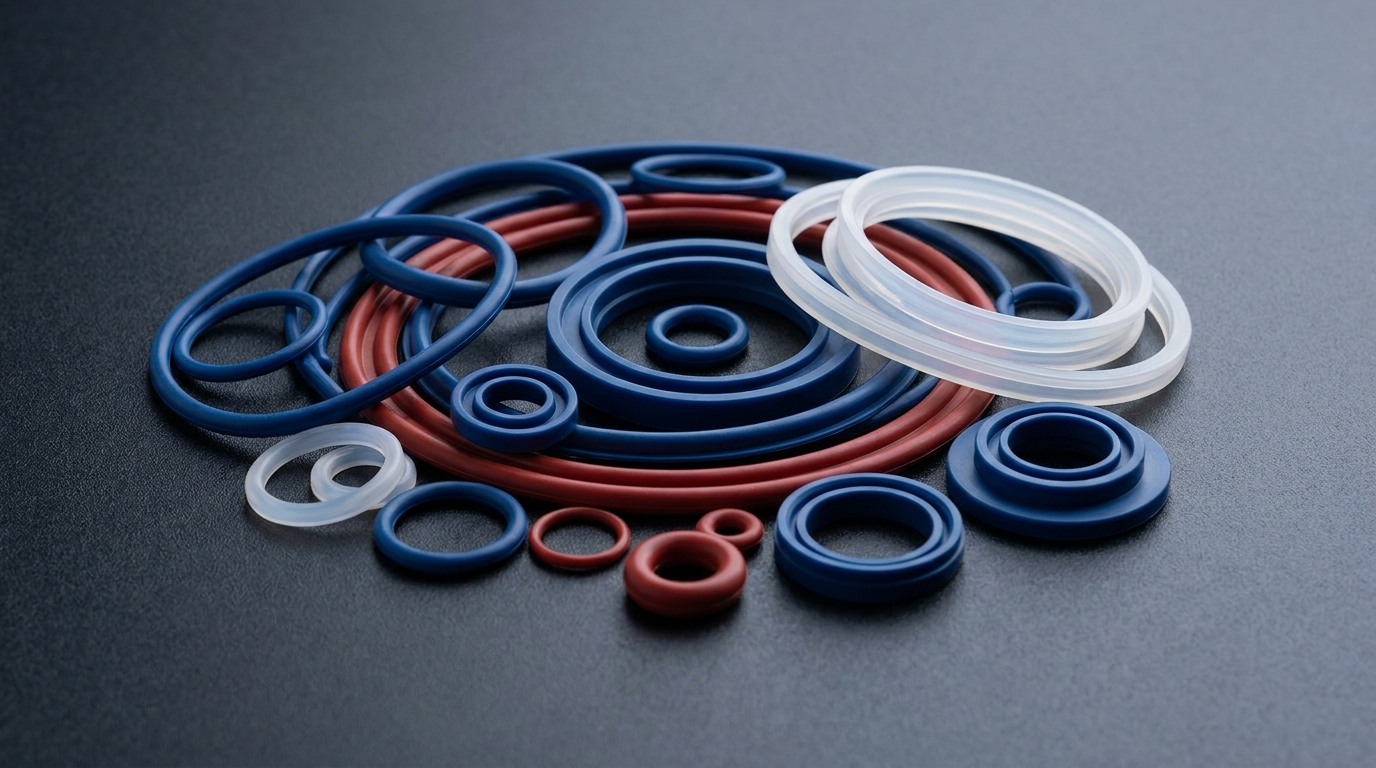
Custom silicone molded parts in high demand include precision gaskets, extreme-temperature seals, and complex medical-grade valves. Premium Silicone Product Manufacturers are continuously expanding their catalogs to accommodate these highly specialized, high-performance designs.
These parts must maintain their physical properties under severe environmental pressures. This makes material formulation and mold design critical to long-term performance.
What are the benefits of custom molded gaskets?
Custom gaskets offer unmatched sealing properties in environments prone to mechanical vibration and thermal shifts. Think about it: a standard off-the-shelf gasket simply cannot withstand the rigorous demands of industrial fluid systems.
- Excellent compression set resistance.
- Broad chemical compatibility.
- Tailored shore hardness options.
Why choose food-grade custom components?
Food-grade parts must remain odorless, non-toxic, and highly resistant to commercial dishwasher cycles. But that is not all: they must endure continuous sterilization without losing structural integrity or flexibility.
- 100% heavy-metal-free formulations.
- Withstands temperatures up to 230 degrees Celsius.
- Saves packaging waste through reusable designs.
Key Takeaway: Specifying custom-engineered gaskets and food-grade parts prevents fluid leaks and costly product contamination.
| Component Type | Core Advantage | Main Application |
|---|---|---|
| Precision Gaskets | High compression recovery | Industrial pump sealing |
| Extreme-Temp Seals | High thermal threshold | Engine compartments and aerospace |
| Food-Grade Valves | Zero-toxicity formulation | Beverage dispensers and baby products |
These components owe their precision to advanced fabrication materials, as discussed below.
Why is liquid silicone rubber essential for B2B?
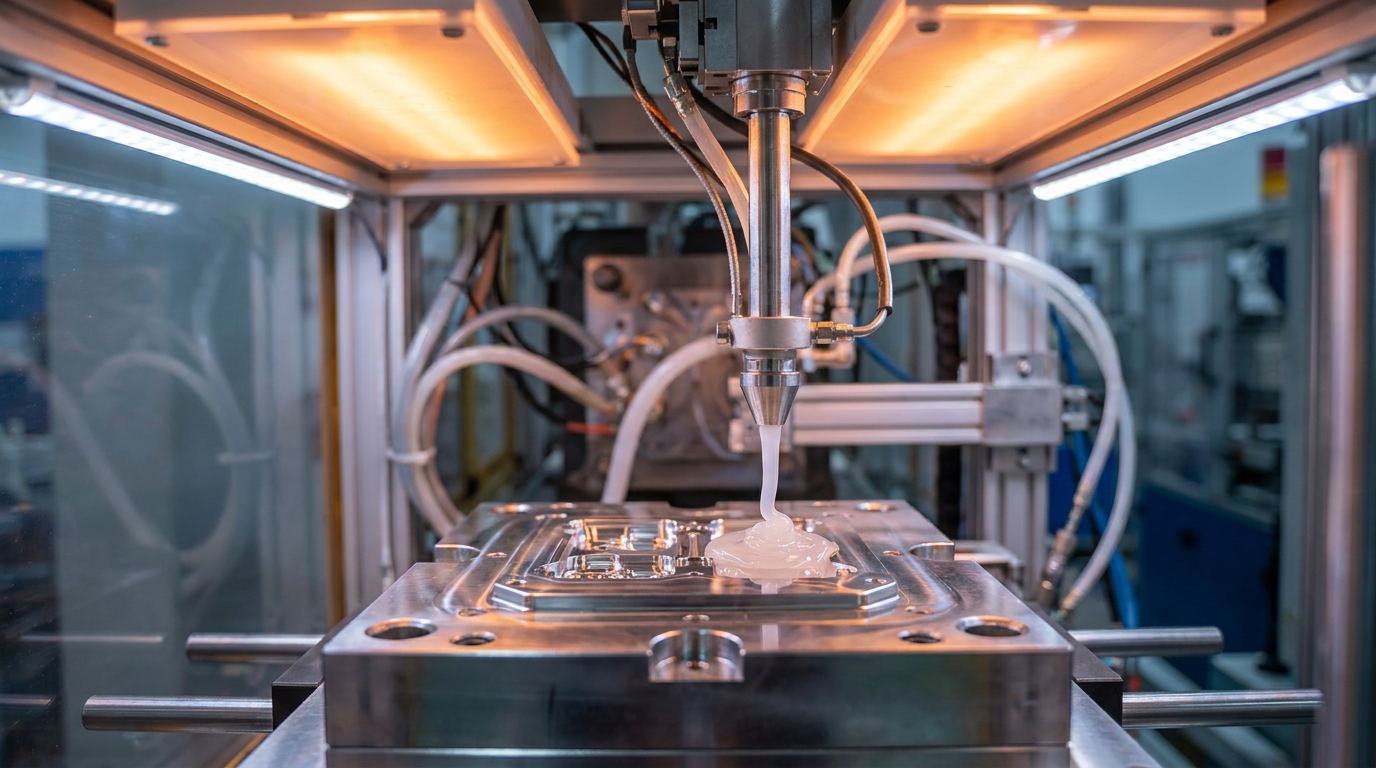
Liquid silicone rubber is essential for B2B procurement due to its superior precision, high production speed, and biocompatibility in medical devices. Modern Silicone Product Manufacturers rely heavily on liquid silicone rubber to produce intricate micro-components that traditional compression molding cannot execute.
The material’s liquid nature allows for automated, high-precision injection processes. This minimizes physical defects and maximizes production consistency.
What makes liquid silicone rubber highly precise?
Liquid silicone rubber flows effortlessly into complex mold cavities, allowing for ultra-thin walls and complex undercuts. Here is the kicker: its low viscosity ensures minimal flash and highly consistent part dimensions.
- Accommodates micro-tolerances down to microns.
- Ideal for multi-shot overmolding applications.
- Maintains flexibility at extremely low temperatures.
How does automated injection molding boost ROI?
Fully automated injection systems run continuously with minimal human supervision, driving down labor costs. The best part? Faster cycle times mean you can bring your products to market ahead of your competitors.
- Decreased per-unit manufacturing costs.
- Eliminates human error during curing cycles.
- Supports massive, continuous production runs.
Key Takeaway: Implementing liquid silicone rubber injection molding maximizes your product quality while slashing assembly waste.
| Parameter | Compression Molding | Liquid Silicone Rubber (LSR) |
|---|---|---|
| Cycle Time | Long (3 to 5 minutes) | Extremely Short (10 to 40 seconds) |
| Tolerance Range | Moderate (+/- 0.1 mm) | Extremely Tight (+/- 0.02 mm) |
| Automation Level | Low (Requires manual placement) | High (Fully hands-off operation) |
This level of automated efficiency requires strict quality checks to succeed.
How do silicone product manufacturers ensure quality?
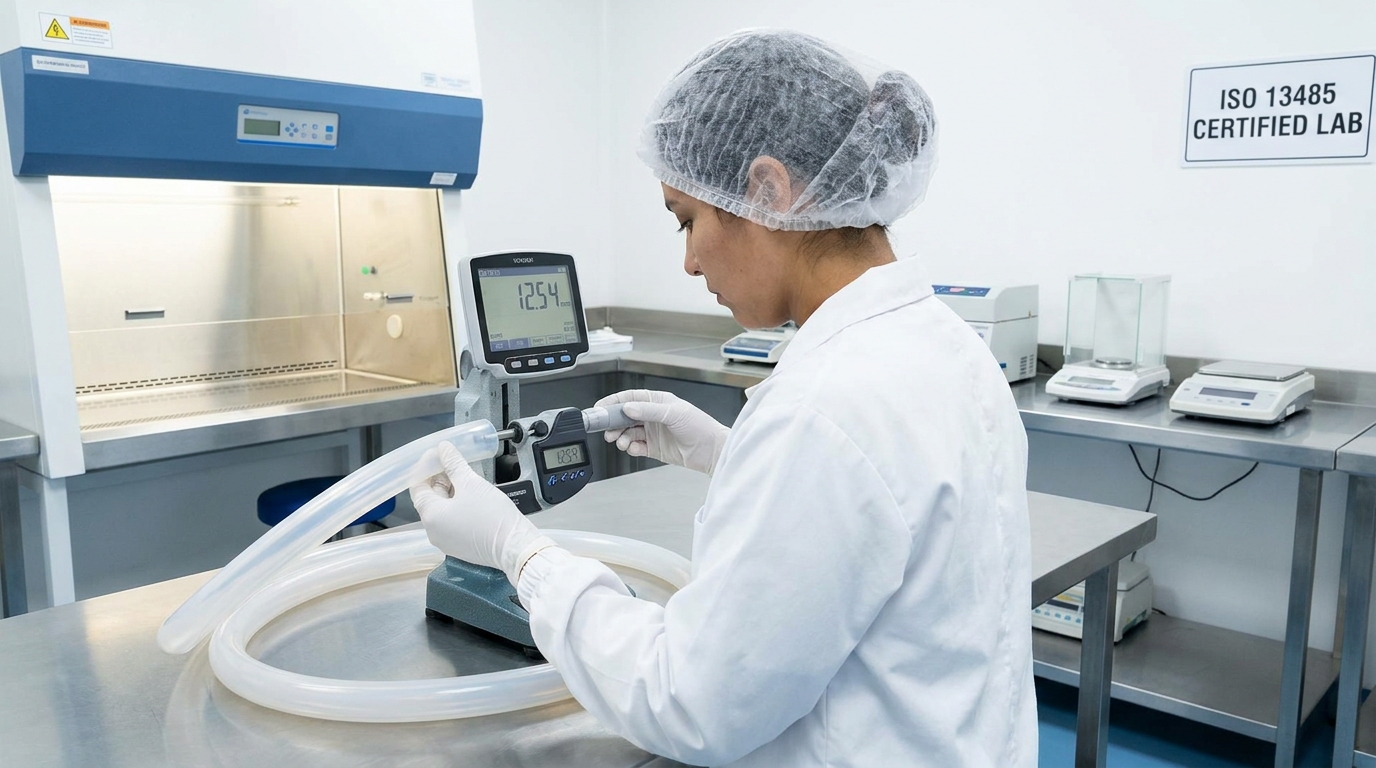
Elite silicone product manufacturers ensure quality through comprehensive automated inspection systems, dimensional verification, and material batch testing. To prevent defects, trustworthy Silicone Product Manufacturers implement ISO 9001 and ISO 13485 quality control protocols throughout the fabrication cycle.
By implementing strict inline inspections, these factories eliminate out-of-tolerance parts before they reach the packaging phase. This guarantees that every shipment matches your exact CAD specifications.
What testing protocols are used for high purity?
High-purity components undergo tensile strength analysis, compression testing, and chemical extraction screening. Think about it: physical stress tests ensure your seals won’t rupture under high industrial pressures.
- Rheometer testing for curing consistency.
- Durometer verification of shore hardness.
- Spectroscopic material purity analysis.
Why is batch traceability crucial for B2B?
Complete traceability allows manufacturers to pin down raw material discrepancies back to the original chemical batch. But that is not all: it gives you and your clients peace of mind regarding safety compliance.
- Unique batch codes for every shipment.
- Comprehensive material certification documents.
- Fast resolution of potential quality disputes.
Key Takeaway: Rigorous testing protocols and traceability protect your brand from catastrophic field failures.
| Quality Check | Inspection Stage | Goal |
|---|---|---|
| Hardness Test | Post-curing | Verifies material flexibility and durometer |
| Dimensional Scan | Inline | Ensures part matches CAD blueprint tolerances |
| Purity Screening | Pre-production | Verifies chemical safety and grade |
Let us look at which industries benefit most from these strict quality control systems.
What industries rely most on high-performance silicone?
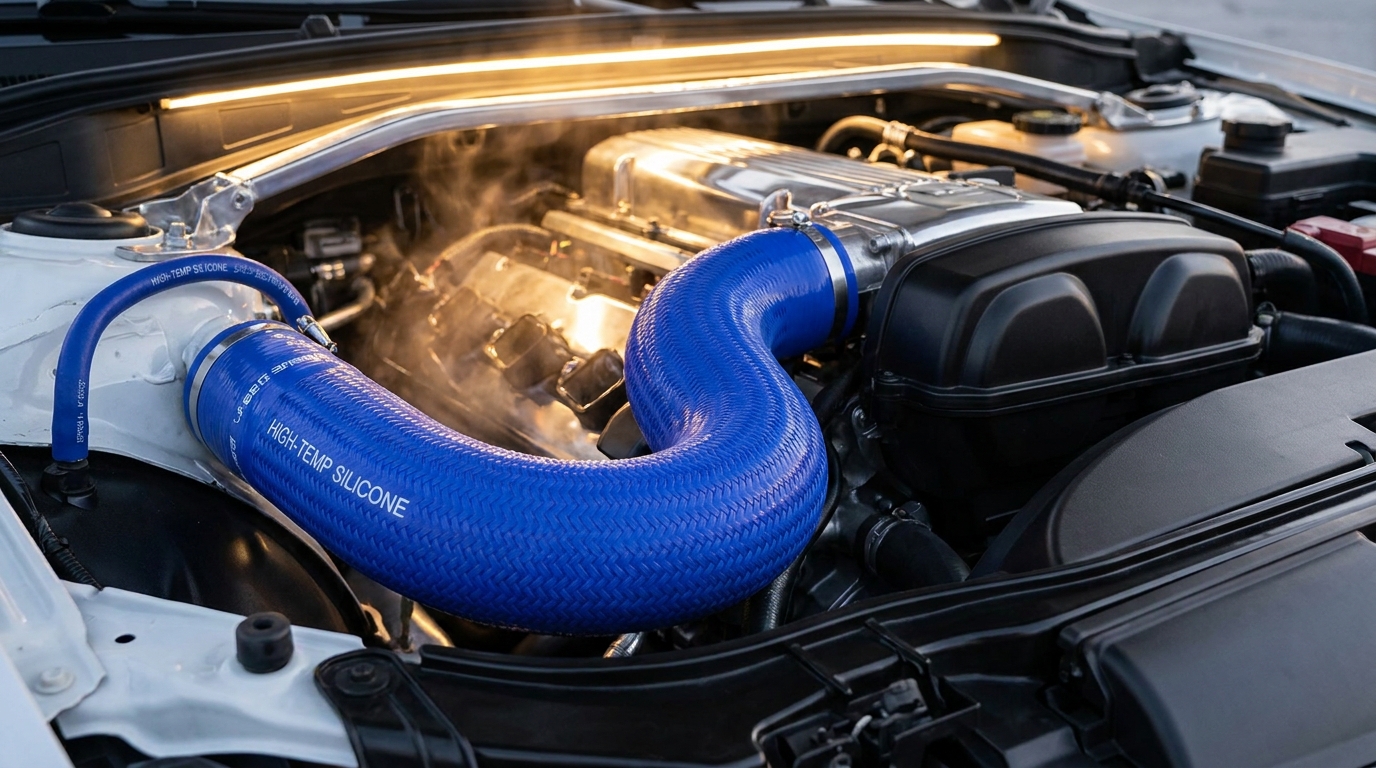
The industries that rely most on high-performance silicone include automotive, medical, consumer electronics, and green energy fields. Seeking specialized Silicone Product Manufacturers is critical for these sectors because generic materials fail when exposed to harsh operating conditions.
Silicone’s inherent resistance to ozone, UV radiation, and temperature extremes makes it irreplaceable. As a result, critical infrastructure depends on these customized elastomer formulations.
Why does the automotive industry need custom hoses?
Automotive engines generate intense heat and mechanical stress that degrade standard rubber hoses. Here is the kicker: silicone hoses maintain their structure and flexibility despite continuous contact with hot coolants and oils.
- Resists temperatures exceeding 200 degrees Celsius.
- Woven polyester or aramid reinforcements.
- Excellent vibration damping capabilities.
How does consumer electronics use silicone components?
Modern electronics require protective seals, tactile keypads, and flexible thermal interface pads. The best part? Silicone acts as both a reliable dust barrier and an effective heat dissipator.
- IP67/IP68 ingress protection sealing.
- High dielectric strength for electric insulation.
- Excellent tactile response for keypads.
Key Takeaway: Incorporating high-performance silicone into your products guarantees reliable operation under harsh conditions.
| Industry Sector | Primary Silicone Application | Critical Requirement |
|---|---|---|
| Automotive | Reinforced radiator and coolant hoses | High thermal and chemical resistance |
| Consumer Electronics | Tactile keypads and shock-proof cases | Ingress protection and elasticity |
| Medical | Catheters and surgical tubing | Biocompatibility and ease of sterilization |
Let us review how you can easily verify these manufacturing capabilities yourself.
How can you verify silicone product manufacturers?
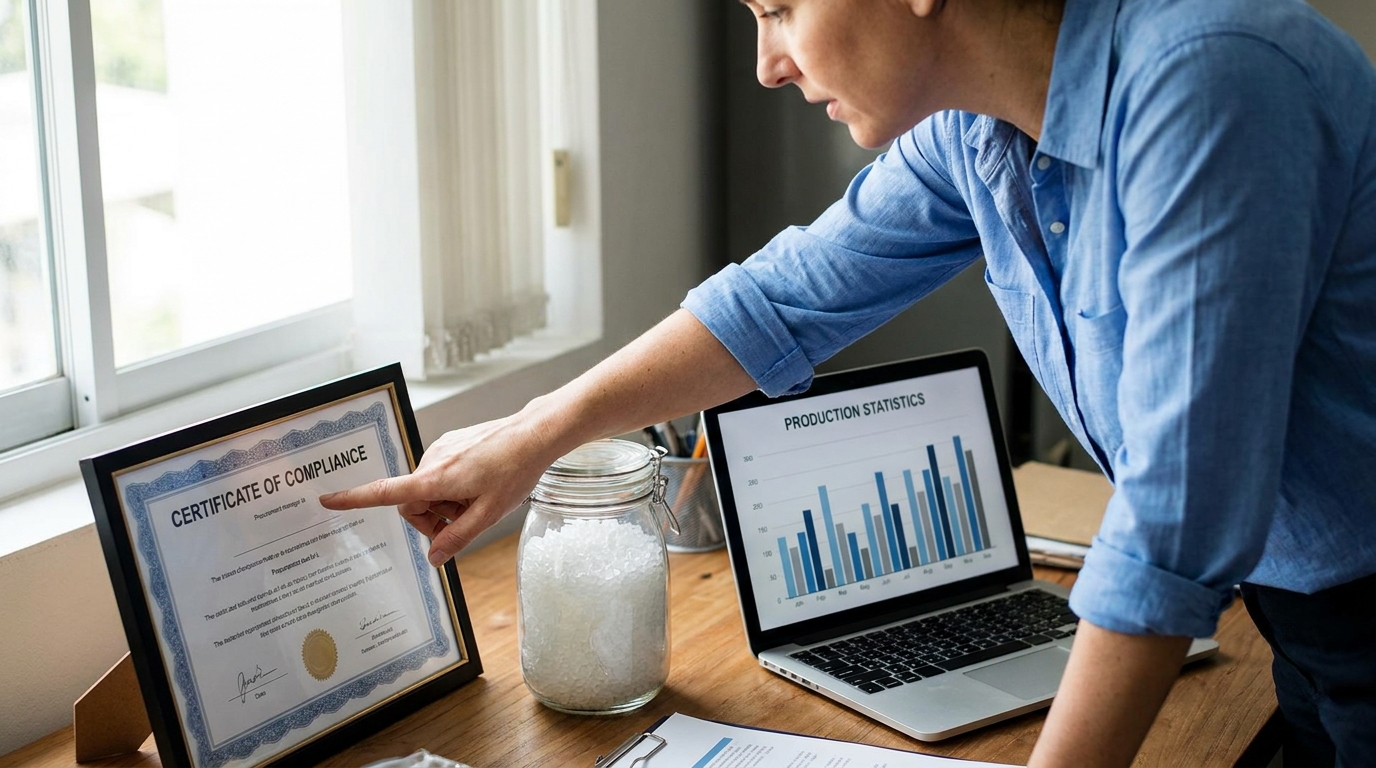
You can verify silicone product manufacturers by conducting direct physical factory audits, requesting raw material certifications, and evaluating early-stage prototypes. Professional Silicone Product Manufacturers welcome independent audits and easily provide comprehensive testing records for all raw materials.
Taking the time to perform these checks mitigates supply chain risks. This ensures you build a predictable, transparent supplier relationship.
Why should B2B buyers request physical prototypes?
Physical prototypes allow your engineering team to verify exact fit, finish, and durometer before mass production. Think about it: reviewing a 3D digital model can never replicate the tactile response and flex of physical elastomeric materials.
- Identifies assembly or tolerance problems early.
- Saves thousands of dollars in tooling modifications.
- Allows for real-world environmental stress testing.
How do you perform a factory audit remotely?
If travel is not feasible, virtual tours, real-time video feeds, and localized third-party inspection firms can verify factory capacity. But that is not all: you must verify that their testing labs are fully calibrated and operational.
- Verify machinery brands and model numbers.
- Inspect real-time quality control workflows.
- Review local worker safety standard certificates.
Key Takeaway: Rigorously testing prototypes and conducting audits prevents expensive production delays before you launch.
| Verification Step | Verification Goal | Target Outcome |
|---|---|---|
| Prototype Testing | Verify physical properties and tolerances | Confirms exact design fit |
| Factory Audit | Verify machine capacity and environment | Confirms scale capabilities |
| Certificate Check | Verify FDA, LFGB, or ISO compliance | Confirms legal market entry |
These evaluation steps are particularly vital when sourcing high-temperature sheet materials.
Why are high-temperature silicone sheets critical?
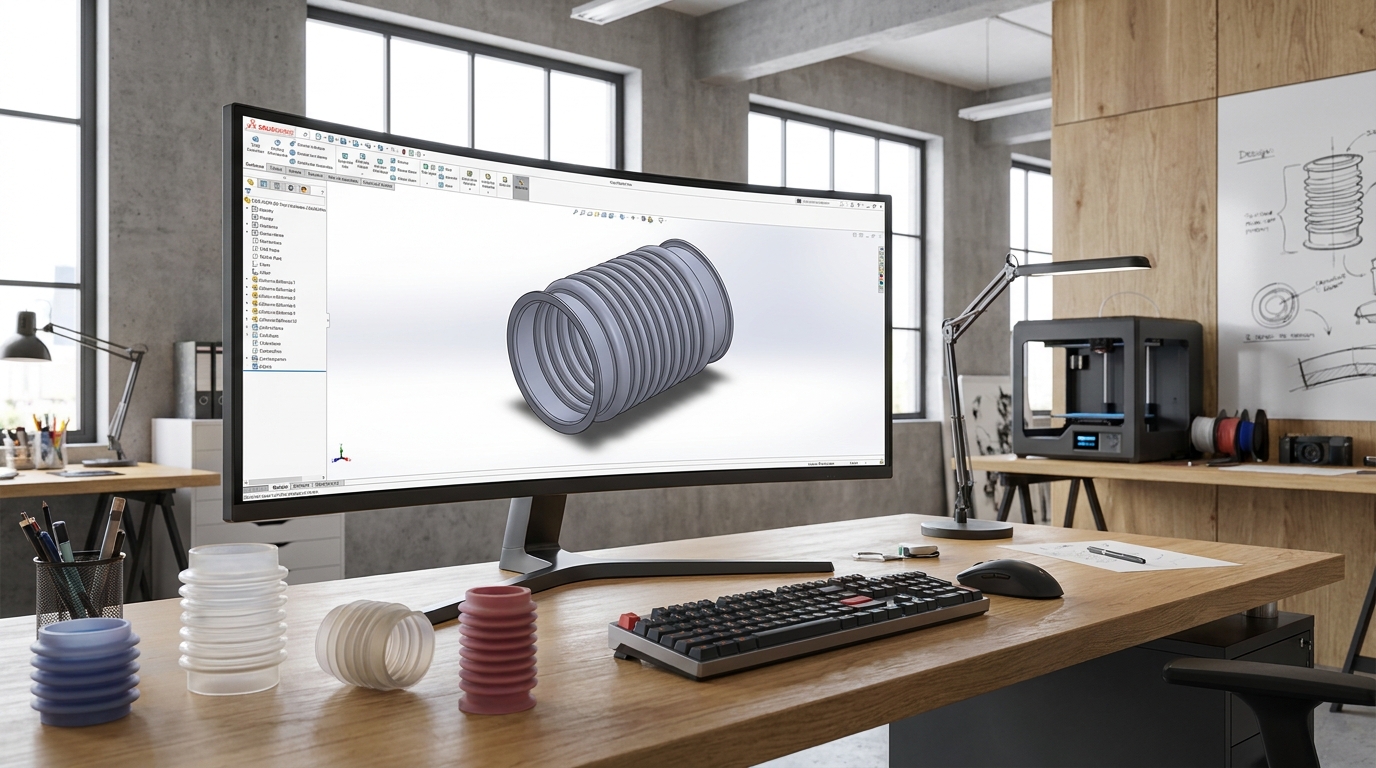
High-temperature silicone sheets are critical because they maintain elastomeric sealing performance under continuous thermal exposure exceeding 250 degrees Celsius. Industrial procurement from experienced Silicone Product Manufacturers ensures these sheets are properly cured and resist deforming under high compression loads.
Unlike standard plastics, these sheets do not release toxic fumes or degrade when exposed to continuous heat. This makes them ideal for gasket fabrication and protective barriers.
What thermal resistance ranges are available?
Standard industrial silicone sheets operate reliably up to 200 degrees Celsius, but specialized chemical formulations extend this range significantly. Here is the kicker: some custom blends can withstand intermittent exposure to 300 degrees Celsius without melting.
- Standard grades operate from -60 to 200 degrees Celsius.
- High-temperature grades endure up to 300 degrees Celsius.
- Excellent resistance to ozone, UV, and corona discharge.
How does material density affect sheet performance?
Solid sheets provide exceptional seal compression and structural backing, while sponge and foam sheets deliver superior cushioning. The best part? You can easily laser-cut these sheets to form bespoke gaskets for low-volume production.
- Solid sheets offer high durometer sealing.
- Closed-cell sponge sheets provide sound insulation.
- Laser-cut sheets eliminate high tool costs.
Key Takeaway: Choosing the correct thermal sheet grade prevents high-temperature failures and structural warping.
| Sheet Grade | Temperature Threshold | Core Property |
|---|---|---|
| Standard Grade | Up to 200°C | Excellent general-purpose flexibility |
| High-Temp Grade | Up to 300°C | Enhanced heat aging resistance |
| Sponge Grade | Up to 220°C | High compressibility and vibration damping |
Next, let us explore if these complex sheets and parts can scale seamlessly during peak demands.
Can silicone product manufacturers scale custom orders?
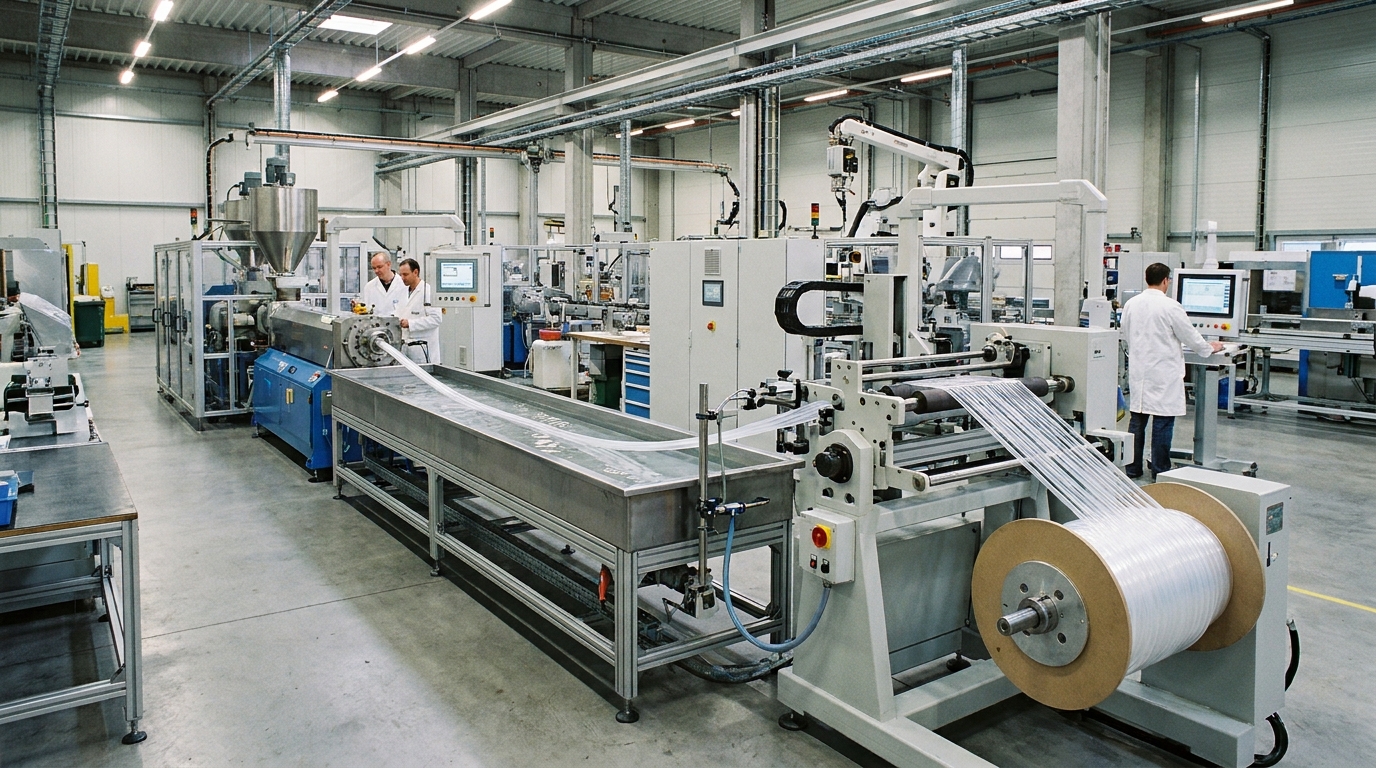
Yes, elite silicone product manufacturers can scale custom orders through the utilization of automated continuous extrusion lines and high-cavity molding systems. Competent Silicone Product Manufacturers balance volume requirements with strict quality control to maintain rapid delivery schedules.
This capability is essential when your product gains market traction and demands rapid order fulfillment. Choosing a scalable partner eliminates supply bottlenecks.
How do automated extrusion lines affect supply?
Continuous extrusion lines run around the clock to produce miles of consistent tubing, profiles, and gaskets. Think about it: manual processes cannot compete with the high output and low per-meter costs of fully automated setups.
- Guarantees uniform wall thickness.
- Significantly lowers production lead times.
- Reduces overall labor costs during large runs.
What factors dictate minimum order quantities?
Minimum order quantities are typically determined by raw material setup costs, color compounding preparation, and tooling complexity. But that is not all: a collaborative manufacturer will offer tiered scaling options to match your company’s growth.
- Material compounding minimums (e.g., 50 kg).
- Machine run times and clean-up logistics.
- Tiered pricing structures for growing businesses.
Key Takeaway: Working with an automated, flexible manufacturer ensures stable product supply as your market scales.
| Scaling Phase | Production Method | Business Benefit |
|---|---|---|
| Low Volume | Compression molding | Low initial tooling and setup costs |
| High Volume | LSR injection molding | Ultra-low per-part costs and high speed |
| Continuous Runs | Automated extrusion | Infinite length production for tubes and seals |
Finally, let us look at how to formalize a partnership with your chosen supplier.
How do you select your long-term silicone partner?
You select your long-term silicone partner by evaluating their export logistics capabilities, direct engineering support, and alignment with your product development roadmap. Partnering with trustworthy Silicone Product Manufacturers provides your team with the peace of mind needed to scale complex industrial applications.
Building a collaborative partnership guarantees long-term supply stability. This allows you to focus on product sales and market expansion.
How does export experience reduce procurement risks?
A manufacturer familiar with international custom clearances prevents costly shipping delays and import duty errors. Here is the kicker: they also know how to package delicate components safely to avoid transit damage.
- Expertise in global logistics documentation.
- Ensures compliance with local import duties.
- Robust packaging prevents physical deformation.
Why is direct technical support essential for R&D?
Direct communication with factory engineers allows you to solve mold design issues in real time. The best part? It cuts out miscommunications and speeds up the prototyping cycle by days or even weeks.
- Direct access to material design engineers.
- Faster resolution of dimensional conflicts.
- Expert advice on rubber compound options.
Key Takeaway: Aligning with an experienced exporter ensures consistent, hassle-free global component delivery.
| Selection Factor | Supplier Standard | Long-Term Partnership Value |
|---|---|---|
| Logistics Support | DDP shipping options | Hassle-free shipping and clear custom processing |
| R&D Cooperation | Direct engineer access | Co-development of complex custom parts |
| Financial Health | ISO-certified operations | Guaranteed raw material supply stability |
With these insights, you are ready to secure a reliable, high-performance supply chain.
Conclusion
Securing a premium silicone product manufacturing partner in 2026 is critical to maintaining a resilient supply chain and high-quality product lines. At Hualin, we understand the heavy costs of manufacturing delays, low-quality materials, and failed quality standards. By focusing on precision, we solve these headaches through state-of-the-art cleanroom manufacturing, automated liquid silicone injection, and strict ISO compliance. Whether you need custom molded gaskets, high-temperature silicone sheets, or complex engineering support, Hualin provides the elite B2B custom manufacturing experience your company deserves. Let us transform your product ideas into reality with unyielding quality and global supply chain security. To request your free material samples and receive an engineering review of your project, contact us today and let us build a reliable future together.
Frequently Asked Questions
Can I request food-grade material certification records before ordering?
Yes, you can. Professional manufacturers readily supply FDA and LFGB compliance certificates for all food-grade silicone raw material batches prior to starting tooling design.
What’s the best way to reduce initial custom tooling costs?
The best choice is utilizing high-quality in-house tooling services. This allows you to optimize mold design and minimize cavities during the initial prototyping phase before scaling to high-cavity mass production.
How do I know if I need liquid silicone rubber or compression molding?
The best choice depends on your design precision and volume requirements. If your part features complex geometries, ultra-thin walls, or demands huge volumes, liquid silicone rubber is superior; otherwise, compression molding is more cost-effective for basic parts.
Can I customize the exact shore hardness of my molded parts?
Yes, you can. Custom formulations allow you to specify the exact durometer hardness, ranging from ultra-soft sponge (10 Shore A) to highly rigid industrial silicone (80 Shore A).
How do I know if a remote manufacturer is fully compliant with environmental laws?
The best choice is to request formal RoHS, REACH, and ISO 14001 certification records. These documents guarantee that the facility operates safely and complies with international environmental guidelines.