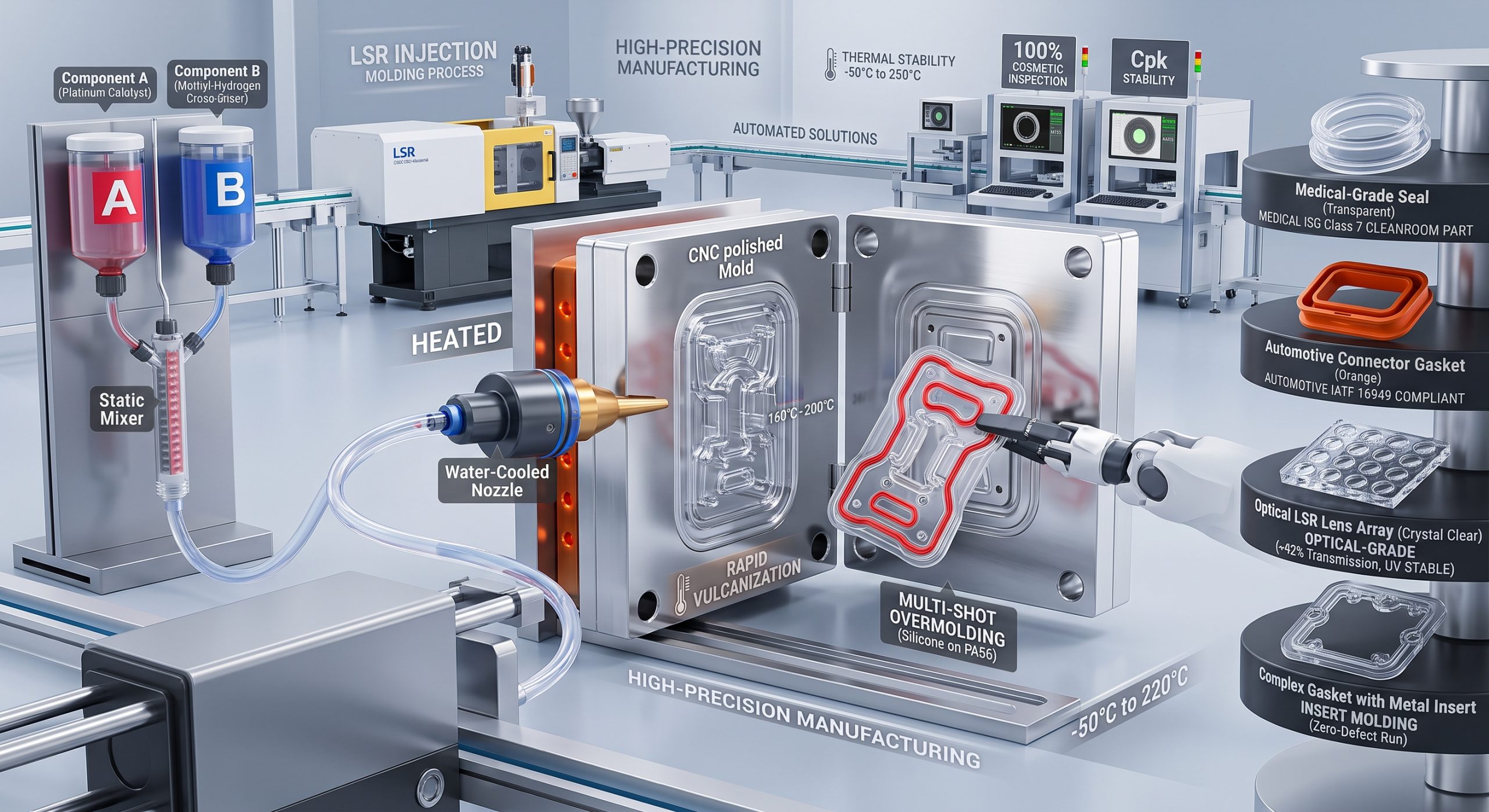
LSR injection molding is a high-precision manufacturing process that injects liquid silicone rubber into a heated mold to produce durable, highly complex elastomeric components. Picture this: your engineering team is under immense pressure to design a high-performance sealing gasket that must operate flawlessly in extreme temperatures without failing. If your chosen material degrades or loses its elastic recovery under harsh thermal cycles, your entire product line risks expensive field failures and brand damage. Fortunately, LSR Injection Molding provides the perfect automated solution by delivering clean, biocompatible, and heat-resistant parts with unmatched dimensional repeatability.
What is LSR injection molding and how does it work?
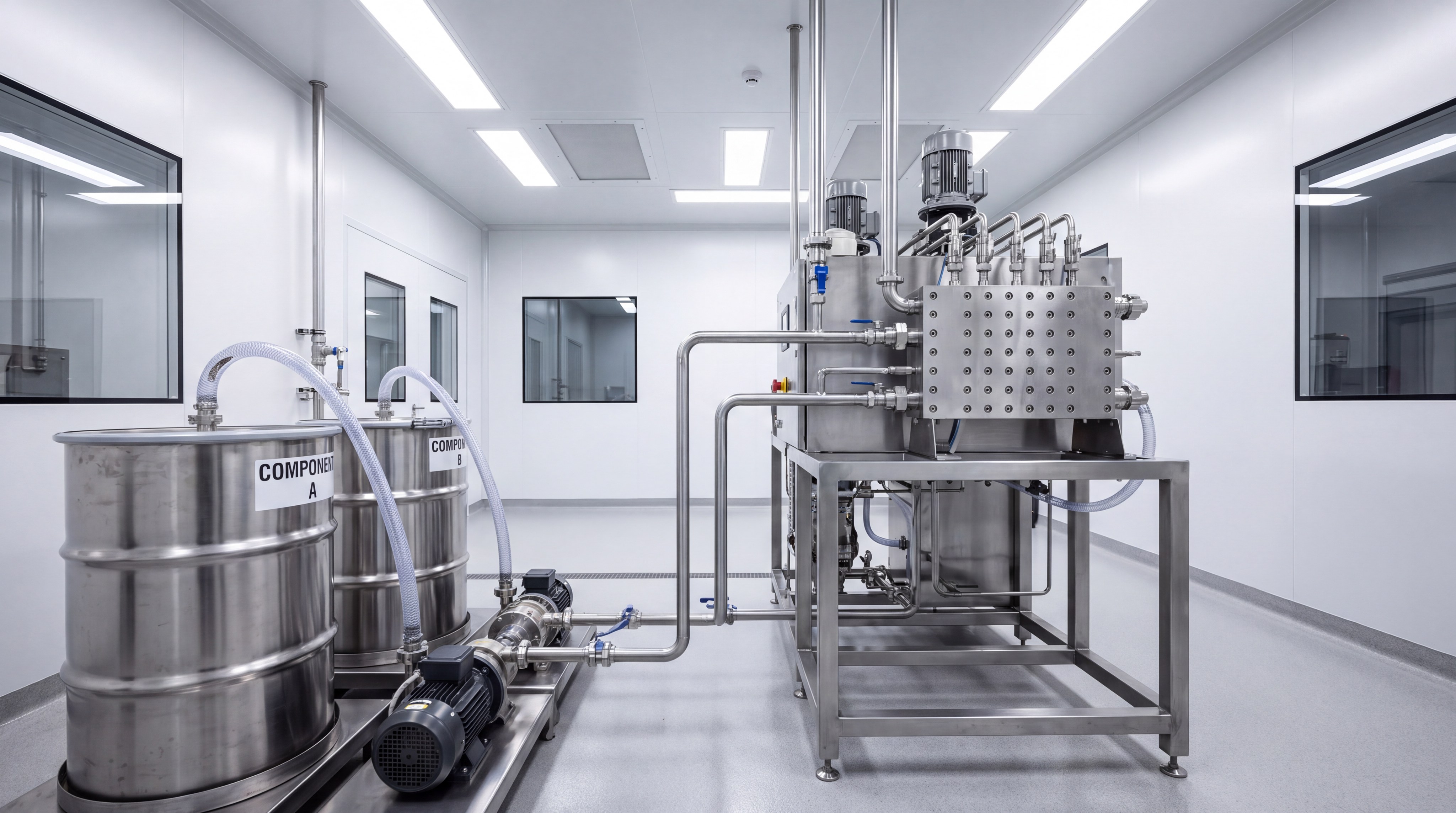
LSR Injection Molding is a highly automated thermosetting process where a two-component liquid silicone rubber is metered, mixed, and injected into a heated mold cavity to trigger rapid vulcanization. The process depends on a chemical cross-linking reaction rather than standard thermoplastic cooling to solidify parts. You utilize a precise, closed-loop pump system to draw raw components into the machine. This ensures that you maintain an exact 1:1 volumetric ratio during high-volume production.
You will find that the raw material is kept completely chilled as it passes through the injection nozzle to prevent premature curing. This thermal separation is vital for keeping the silicone in a pumpable state. Once inside the hot mold cavity, the platinum catalyst triggers a rapid addition-cure chemical reaction.
How does the raw material stream mix?
You must manage the delivery of Component A and Component B with extreme care to maintain optimal material properties. Think about it:
- Component A contains the platinum catalyst that initiates the curing process.
- Component B contains the methyl-hydrogen cross-linker necessary for molecular bonding.
- Pigment additives are introduced at this stage to achieve uniform color distribution.
This static mixing process takes place under high-shear conditions to guarantee that there are absolutely no soft spots in your final component. You get a perfectly blended liquid compound that is ready for high-precision injection.
What happens during the addition-cure process?
The platinum-catalyzed addition cure represents the golden standard for clean elastomeric vulcanization. Here is the kicker:
- No acid residue is left behind inside the molded silicone.
- Your parts undergo rapid curing within sub-minute cycle times.
- You achieve a pure, medical-grade polymer suitable for biological contact.
Key Takeaway: Understanding this unique addition-cure chemistry allows you to design ultra-clean medical and food-contact parts that require zero mechanical post-processing to meet biological safety standards.
| Process Phase | Equipment Used | Primary Parameter | Quality Impact |
|---|---|---|---|
| Material Dosing | Piston Pumps | 1:1 Mixing Ratio | Prevents soft spots and undercure |
| Static Mixing | Helical Static Mixer | Homogeneous Dispersion | Eliminates visual and structural defects |
| Cavity Curing | Heated Tooling Plate | 140°C to 200°C | Determines cycle time and cross-linking |
Let’s analyze how this thermodynamic process translates directly into mechanical performance advantages for B2B product developers.
Why are B2B product designers switching to LSR?
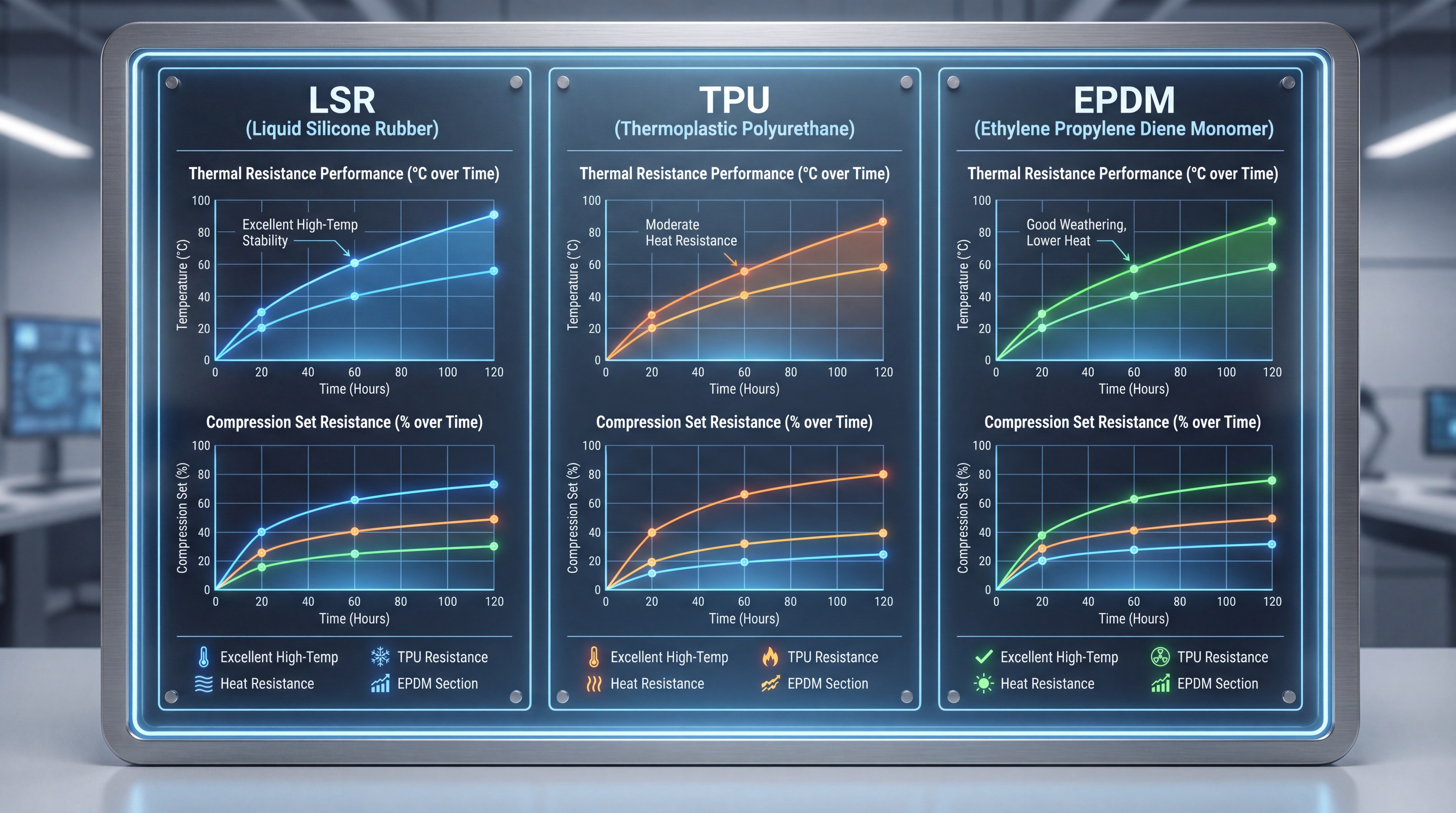
B2B product designers are switching to LSR because it offers superior thermal stability, ozone resistance, and unmatched compression set performance over traditional organic rubbers. Making the transition to LSR Injection Molding helps you build more robust physical assemblies that easily withstand long-term environmental degradation. You no longer have to worry about your flexible components hardening or cracking when exposed to extreme field conditions.
You will benefit from an engineered elastomer that maintains stable performance across a vast temperature spectrum. This makes it an ideal upgrade from standard thermoplastic urethanes that suffer from narrow thermal envelopes. Your procurement and engineering teams will experience a sharp decrease in product warranty claims.
How does thermal stability protect your assemblies?
Your components must function reliably whether they are exposed to freezing sub-zero environments or intense under-hood engine heat. The reality is this:
- LSR remains flexible from -50°C to 220°C.
- It resists thermal degradation during continuous exposure.
- You get an elastomer that will not melt or deform.
This exceptional thermal stability ensures that your critical seals and structural components remain fully functional in demanding industrial applications. You can confidently deploy your products in harsh outdoor environments without risking material failures.
What is the benefit of low compression set?
You need to ensure that your seals maintain their original shape and sealing force over decades of active service. Think about it:
- Liquid silicone offers a compression set of less than 15%.
- It actively pushes back against mating surfaces to hold pressure.
- You avoid the gradual degradation associated with EPDM gaskets.
Key Takeaway: Selecting liquid silicone with superior elastic recovery guarantees long-term sealing integrity for your industrial hardware, protecting expensive internal electronics from fluid ingress.
| Material Property | Liquid Silicone Rubber (LSR) | Thermoplastic Polyurethane (TPU) | EPDM Rubber |
|---|---|---|---|
| Temperature Range | -50°C to 220°C | -30°C to 80°C | -40°C to 130°C |
| Compression Set | Excellent (<15% typical) | Moderate (35% to 50%) | Good (20% to 35%) |
| UV & Ozone Stability | Excellent | Moderate | Good |
Let’s examine how these structural benefits are locked in during the high-precision molding phase.
How does the process achieve liquid-state precision?
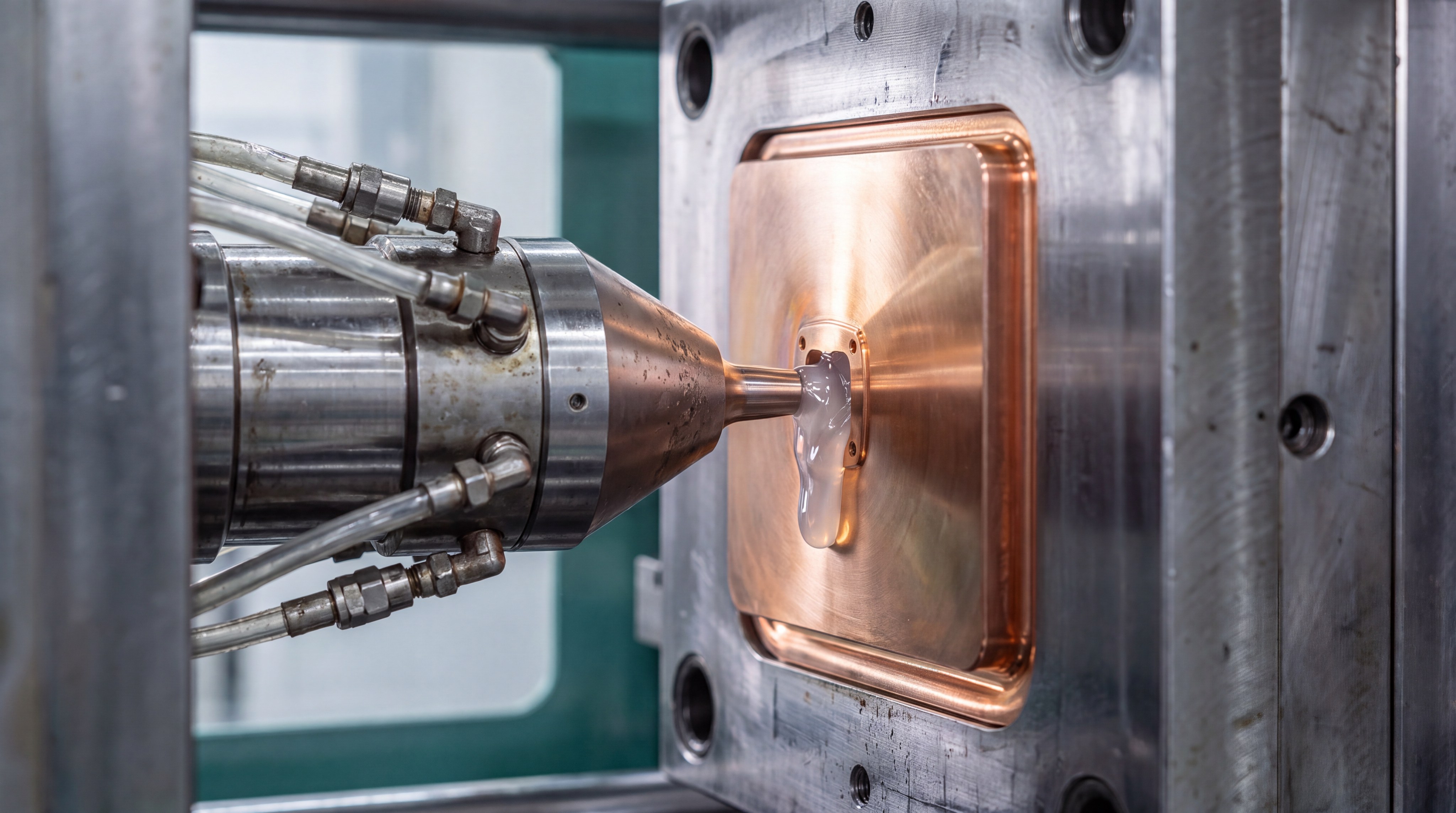
The process achieves outstanding precision by using closed-loop injection control and a water-cooled nozzle that isolates the cold material from the hot mold. Achieving tight dimensional tolerances requires the advanced controls of LSR Injection Molding machinery to manage low-viscosity materials. You will notice that the low initial viscosity of liquid silicone allows it to flow easily into intricate cavities.
You must maintain strict thermal separation between the injection barrel and the mold cavity to avoid premature curing. If the material heats up too early, it will solidify and block the nozzle. The water-jacketed nozzle keeps the raw compound at 20°C until the exact moment of injection.
Why are closed-loop controls necessary?
You cannot rely on manual process adjustments when you are molding high-precision elastomeric components. What does this mean?
- Electronic transducers measure pressure drops in real-time.
- Flow meters continuously calculate the exact volume injected.
- You get perfect batch-to-batch repeatability on every single shot.
These real-time adjustments ensure that your production runs remain highly stable and free of shot-weight variation. You can rely on consistent physical dimensions across millions of cycles.
How does the cold-runner system work?
You want to eliminate material waste and gate vestige when manufacturing custom flexible components. Here is the kicker:
- Cold-runner systems maintain the liquid state inside the manifold.
- Material is direct-gated into the cavity with zero waste.
- You achieve highly cost-effective and automated production cycles.
Key Takeaway: Utilizing an advanced cold-runner valve gate system minimizes raw material waste and ensures a clean, cosmetically flawless gate vestige on your finished product.
| Control Variable | Precision Range | Primary Mechanism | Quality Benefit |
|---|---|---|---|
| Barrel Temperature | 15°C to 25°C | Water Cooling | Prevents premature curing |
| Mold Temperature | 140°C to 200°C | Electric Heating | Promotes rapid vulcanization |
| Injection Velocity | 20 to 100 mm/s | Servo Hydraulics | Eliminates air traps and jetting |
Let’s transition to the tooling engineering required to support this thermal divide and prevent flash.
Why is tool engineering the heart of LSR success?
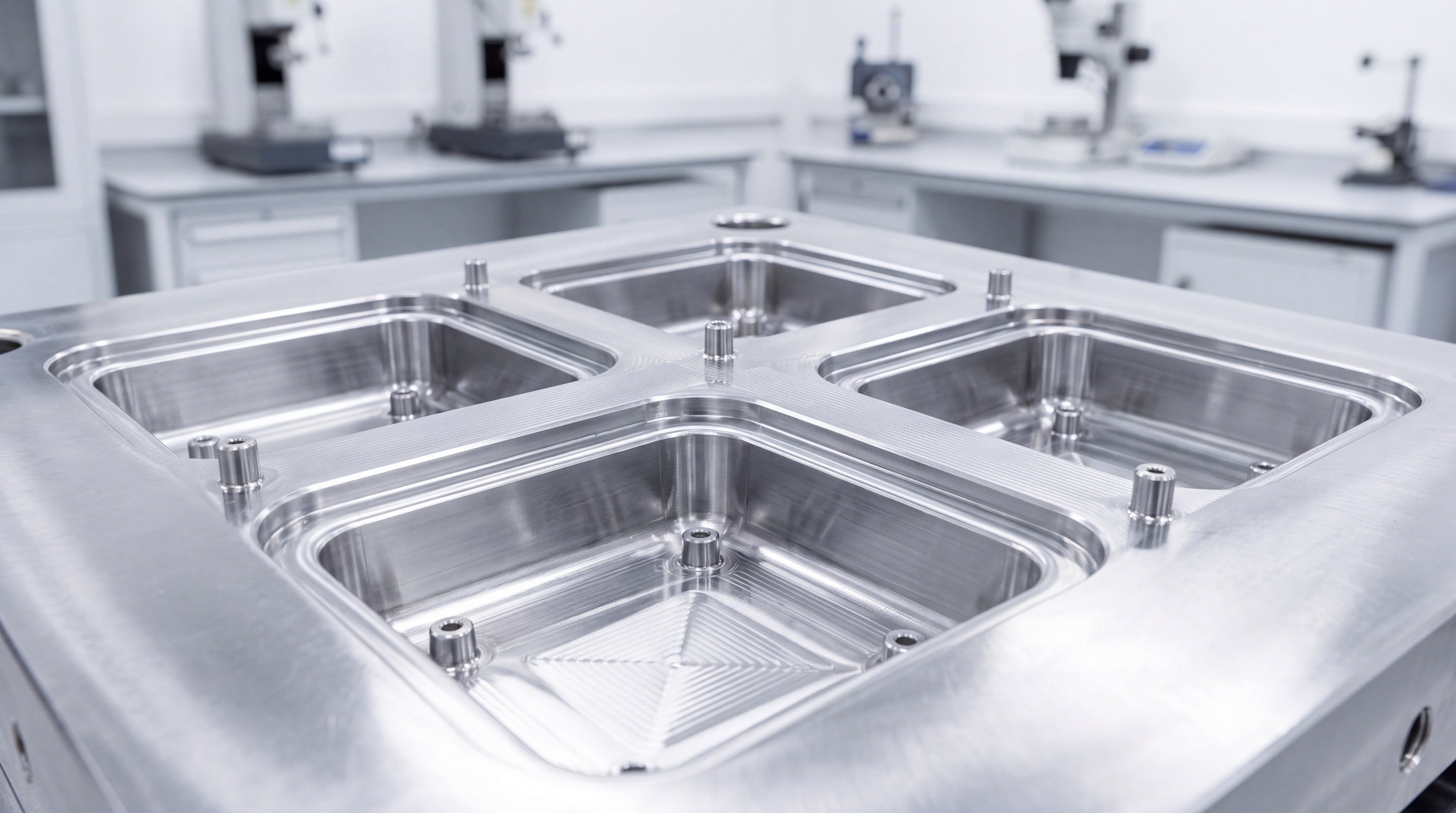
Tool engineering is critical for LSR success because liquid silicone rubber flows like water, requiring ultra-precise steel shut-offs and vacuum systems to prevent flash. The extreme fluid nature of LSR Injection Molding requires mold tolerances that are significantly tighter than those used in standard plastic tooling. You must build molds with highly accurate parting lines to ensure that no material escapes.
You will find that standard tooling steels will quickly wear down under the continuous high-clamping forces. Using premium grades like H13 or S7 ensures that your mold maintains its pristine sealing edges over millions of shots. This high-level tool engineering directly translates into lower defect rates and cleaner parts.
Why are parting line shut-offs so demanding?
You must design parting lines that seal perfectly to prevent the low-viscosity liquid silicone from flashing. The reality is this:
- Liquid silicone can easily flow into steel gaps as narrow as 5 microns.
- Shut-offs require hardened steel taper locks for alignment.
- You must maintain clean mold faces to prevent damage.
Maintaining this level of manufacturing precision requires a toolmaker with extensive experience in elastomeric processing. You can protect your tooling investment by establishing rigid cleaning and maintenance protocols.
How does cavity evacuation prevent defects?
You must remove all air from the mold cavity before injecting the liquid material. Think about it:
- Active vacuum systems pull a negative pressure before injection.
- This eliminates the risk of diesel burn marks on parts.
- You get complete cavity filling even in blind pockets.
Key Takeaway: Integrating robust vacuum venting within your mold design ensures pristine, defect-free parts and completely eliminates combustion-related short shots.
| Tooling Element | Recommended Specification | Material / Steel Grade | Operational Impact |
|---|---|---|---|
| Mold Plates | Hardened 54-58 HRC | H13 / S7 Tool Steel | Extreme durability under pressure |
| Shut-Off Gaps | < 0.005 mm (5 microns) | Precision Ground Steel | Completely prevents parting line flash |
| Venting | Perimeter Vacuum Channel | Viton Seal O-Rings | Pulls 10-20 mbar negative pressure |
Let’s explore how this high-precision tooling design translates into multi-material overmolding capabilities.
Can you overmold silicone directly onto other substrates?
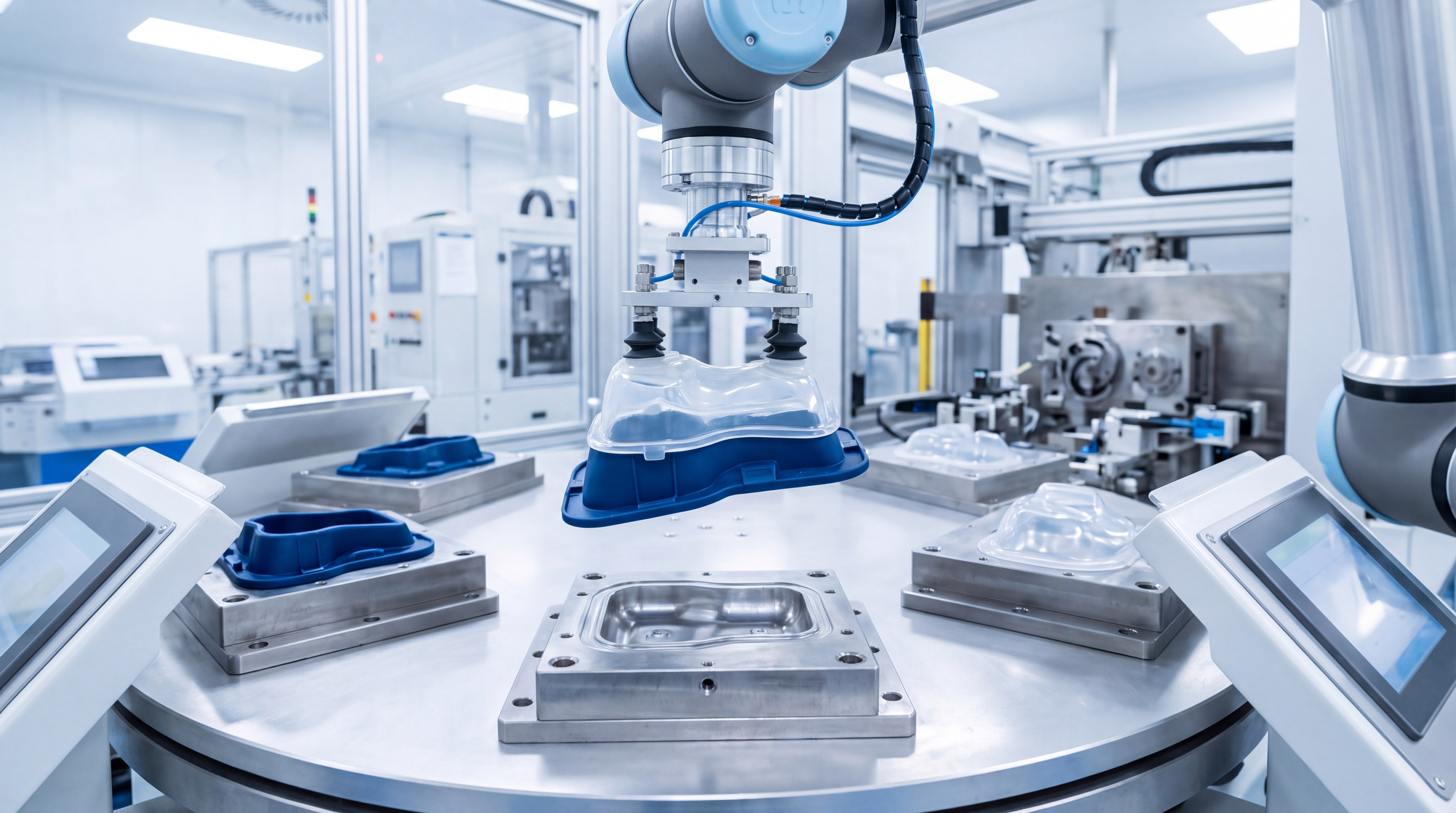
Yes, you can overmold liquid silicone directly onto thermoplastics, glass, or metal substrates using specialized multi-shot tooling or insert molding. The process of LSR Injection Molding allows you to integrate rigid and flexible components into a single, cohesive unit. This eliminates the need for separate mechanical fasteners or labor-intensive manual assembly steps.
You must select a substrate that can withstand the high vulcanization temperatures of the silicone. High-temperature engineering plastics like PEEK, PBT, or PA66 are excellent choices for this process. This multi-material capability allows you to design highly integrated and leak-proof assemblies.
How does chemical bonding work without adhesives?
You can achieve highly reliable adhesion without applying separate liquid primers or adhesives. Here is the kicker:
- Specialized self-bonding silicone grades contain integrated coupling agents.
- These agents migrate to the boundary layer during curing.
- You avoid chemical contamination and reduce handling costs.
This automated bonding process ensures that your assemblies retain their sealing integrity even under heavy structural loads. You get a robust, single-piece component that performs consistently over its lifetime.
What are the benefits of multi-shot tooling?
You want to maximize production efficiency when manufacturing high-volume, multi-material assemblies. What does this mean?
- A single machine molds both materials in one cycle.
- Rotary tables transfer parts between injection units.
- You completely eliminate the risk of parts alignment errors.
Key Takeaway: Designing for multi-shot molding reduces manual assembly labor, eliminates structural tolerance stackups, and guarantees a hermetic seal between materials.
| Substrate Material | Temperature Limit | Bonding Method | Common Application |
|---|---|---|---|
| PEEK | > 250°C | Chemical / Self-Bonding | Medical surgical instruments |
| Polyamide (PA) | > 180°C | Chemical / Mechanical | Automotive connector seals |
| Stainless Steel | > 500°C | Primer / Self-Bonding | Heavy industrial gaskets |
Let’s examine how these advanced manufacturing capabilities are deployed in regulated medical cleanrooms.
What cleanroom standards govern medical-grade parts?
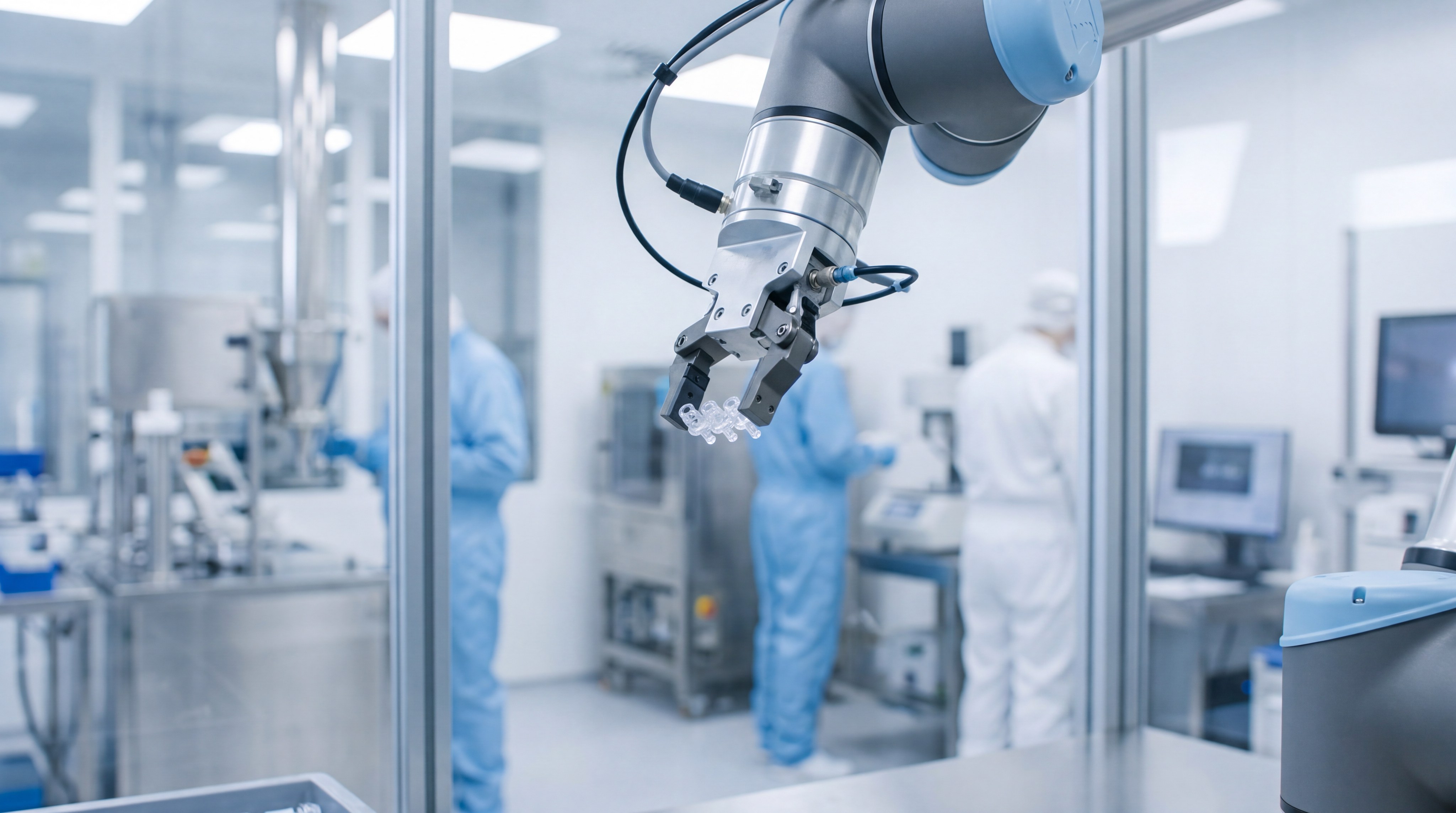
Medical-grade parts are governed by strict ISO Class 7 or Class 8 cleanroom standards that control airborne particulates, humidity, and microbial contamination. Producing healthcare components requires the controlled environment of LSR Injection Molding cleanrooms to ensure pristine product quality. You must maintain rigorous environmental controls to prevent dust, lint, and biological contaminants from entering the molding area.
You will find that medical-grade silicones must pass exhaustive biocompatibility tests before being cleared for clinical use. Having a production line housed inside an ISO-certified cleanroom is a core requirement for medical manufacturers. This ensures your products remain completely safe and uncompromised throughout the entire run.
Why is particulate control so vital?
You cannot afford to have tiny airborne particles embedded in your medical seals or breathing masks. Think about it:
- HEPA filtration systems constantly scrub the cleanroom air.
- Operators wear full protective gowns and nitrile gloves.
- You achieve a pristine, clear cosmetic surface finish.
This extreme level of environmental monitoring minimizes biological risk and ensures compliance with FDA regulations. You can launch your medical devices with total confidence in their clean-state integrity.
How is material traceability maintained?
You need a complete paper trail to satisfy regulatory audits and ensure product safety. The reality is this:
- Every batch of raw material is fully documented.
- Process logs track real-time cleanroom temperature and humidity.
- You get complete visibility into the history of every part.
Key Takeaway: Partnering with a manufacturer that maintains rigid cleanroom protocols and ISO 13485 certification secures the regulatory compliance required for global healthcare markets.
| Cleanroom Class | Maximum Particles/m³ | Key Environmental Control | Typical Healthcare Parts |
|---|---|---|---|
| ISO Class 7 | 352,000 (at 0.5 µm) | HEPA Air Changes (30-60/hr) | Implantable medical valves |
| ISO Class 8 | 3,520,000 (at 0.5 µm) | Positively Pressurized Rooms | Respiratory masks, keypads |
| Controlled Area | Unclassified | Standard Air Conditioning | Consumer wearable bands |
Let’s move from medical cleanrooms to the rugged environments where automotive silicone components excel.
How do automotive seals survive extreme environments?
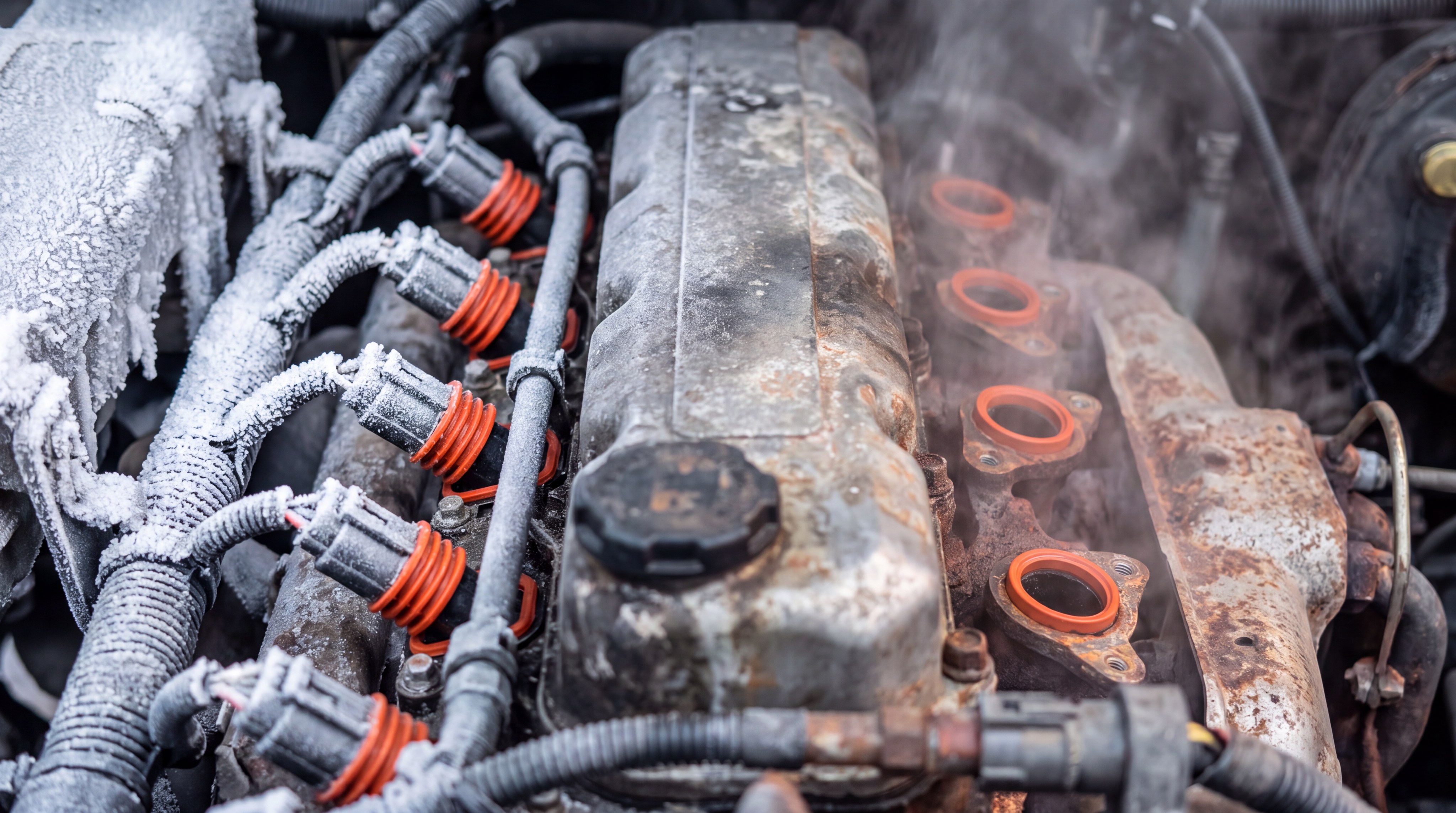
Automotive seals survive extreme environments by leveraging liquid silicone’s outstanding chemical resistance, thermal endurance, and permanent elastic properties. Implementing advanced LSR Injection Molding for automotive applications ensures that critical wiring harnesses and sensor connectors remain fully protected. You will find that these elastomeric components are exposed to aggressive engine oils, coolants, and extreme under-hood heat daily.
You must design seals that maintain high sealing pressure even during continuous engine vibrations and temperature fluctuations. Liquid silicone maintains its elastic recovery across a broad temperature range, making it far superior to organic EPDM. This durability ensures that your automotive components function flawlessly over the entire design life of the vehicle.
Why is resistance to fluids critical?
Your engine compartment seals will inevitably come into contact with aggressive fluids and environmental salts. Here is the kicker:
- Fluorosilicone grades offer outstanding resistance to oils and fuels.
- They prevent chemical swelling and maintain geometric stability.
- You achieve stable, long-lasting ingress protection.
This chemical resilience makes silicone the premium choice for oil pan gaskets, fuel injector seals, and transmission boots. You get an elastomer that remains fully functional throughout the vehicle’s lifespan.
What is the key to IATF 16949 compliance?
You want to work with a supplier that meets the highest quality standards of the global automotive supply chain. What does this mean?
- Manufacturing processes must have proven Cpk stability.
- Advanced Quality Planning (APQP) is strictly enforced.
- You receive parts from a zero-defect manufacturing environment.
Key Takeaway: Partnering with an IATF 16949 certified supplier ensures your automotive seals are backed by rigorous statistical process control and robust validation testing.
| Automotive Seal Type | Chemical Exposure | Operational Temperature | Vital Quality Metric |
|---|---|---|---|
| Connector Seals | Salt Spray, Ozone | -40°C to 150°C | Ingress Protection (IP67/IP68) |
| Turbocharger Gaskets | Hot Air, Engine Oil | -50°C to 200°C | Compression Set Resistance |
| Sensor Boots | Road Grime, Coolants | -40°C to 180°C | High Tensile & Tear Strength |
Let’s shift our focus to applications that require advanced optical performance and structural transparency.
Why is optical LSR replacing glass and acrylics?
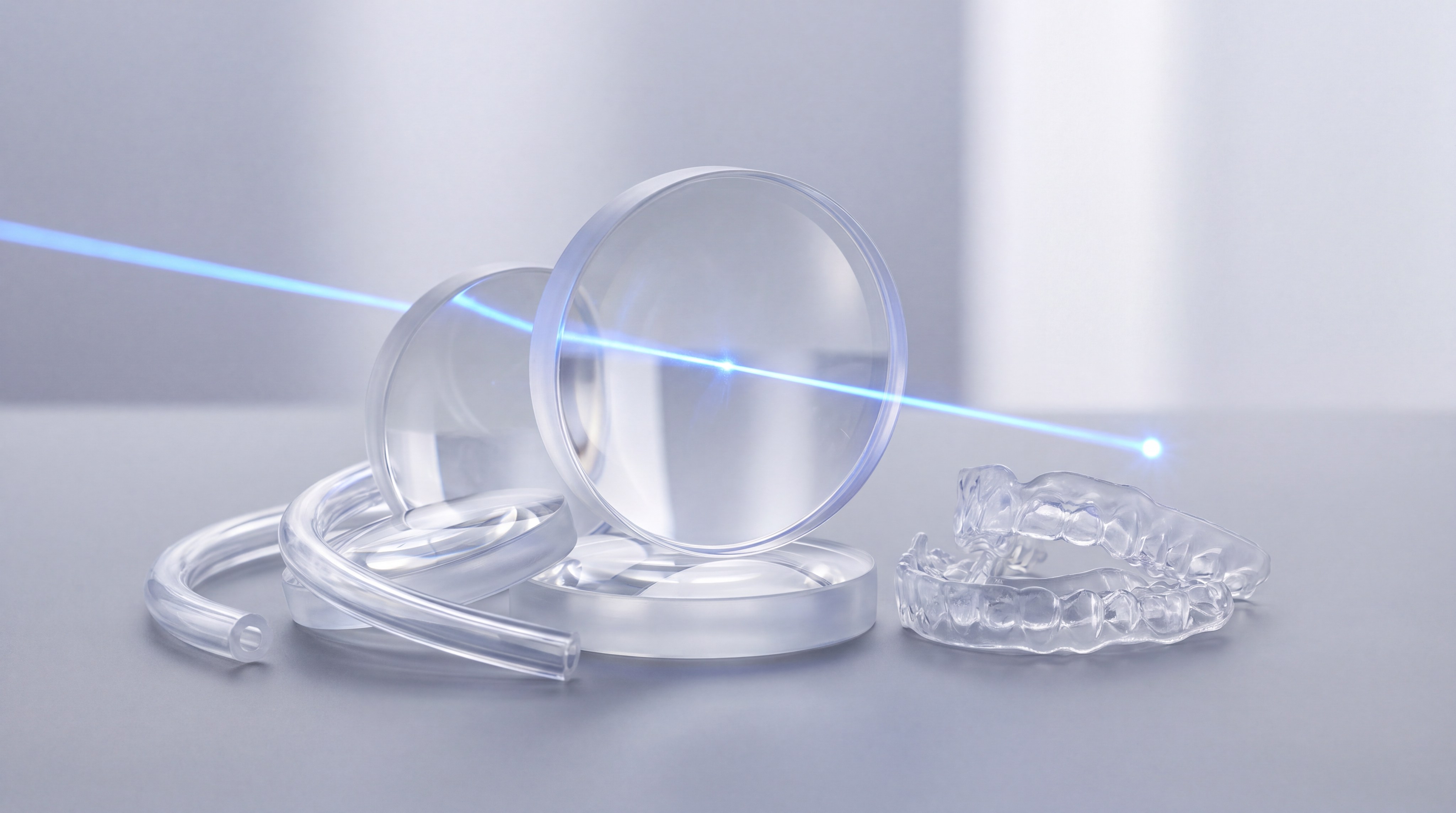
Optical LSR is replacing glass and acrylics because it offers superb light transmission, extreme UV stability, and the ability to mold complex light-directing lenses. The introduction of optical-grade LSR Injection Molding has revolutionized the design of lighting arrays and light guides for demanding industries. You will observe that this highly transparent material provides excellent light transmission rates that exceed ninety percent.
You will benefit from a flexible optical element that is highly resistant to mechanical impact and thermal shock. This makes it a fantastic choice for automotive headlamps, outdoor architectural fixtures, and specialized medical imaging tools. You can mold complex lens geometries that would be impossible to fabricate using glass.
How does UV stability protect clarity?
You need to ensure that your optical lenses remain perfectly clear throughout their entire service life. Think about it:
- Silicone backbones resist ultraviolet degradation naturally.
- Your optical components maintain constant light output.
- You avoid expensive lens replacement and warranty claims.
This long-term optical clarity is essential for solar collectors, streetlights, and marine navigation equipment. You get a highly reliable lens that is completely immune to environmental weathering.
Can you mold complex micro-optics?
You want to create highly detailed light paths that direct light exactly where your application requires it. The reality is this:
- LSR flows effortlessly into microscopic mold details.
- You can integrate sealing rings and optical lenses in one part.
- This dual-function design simplifies your product bill of materials.
Key Takeaway: Adopting optical liquid silicone allows you to combine robust sealing and precise light direction into a single, high-durability component.
| Material Property | Optical LSR | Polycarbonate (PC) | Optical Glass |
|---|---|---|---|
| Light Transmission | > 92% | 89% – 91% | > 95% |
| UV Yellowing | None | High | None |
| Thermal Resistance | Up to 150°C | Up to 120°C | Up to 400°C |
Let’s move on to explore the strict quality control procedures that ensure these high-performance parts meet your exact specifications.
What quality audits guarantee flawless zero-defect runs?
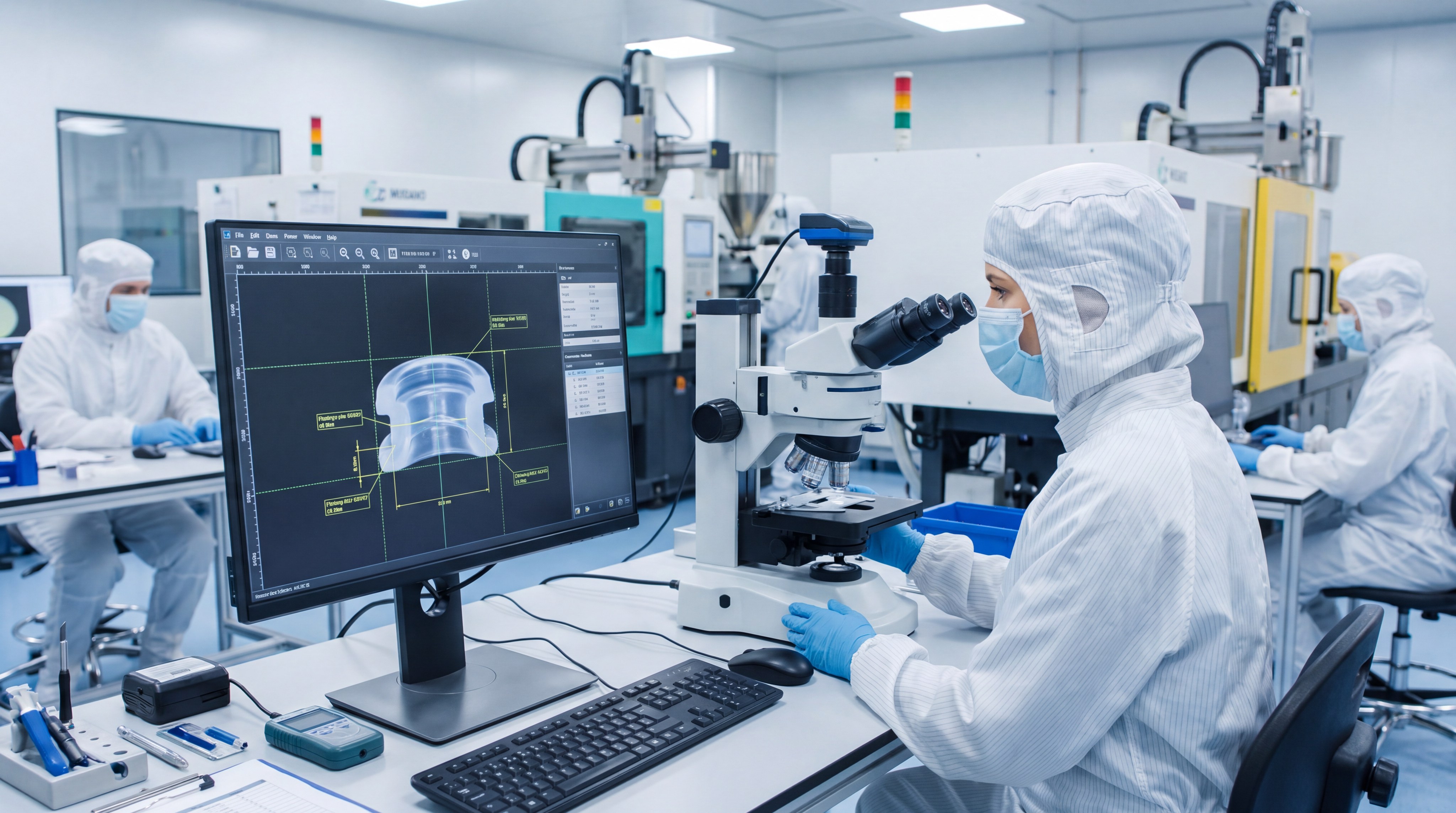
Quality audits guarantee flawless runs by combining real-time in-process parameter tracking, automated vision inspection, and rigid material batch testing. Maintaining excellent repeatability in LSR Injection Molding depends on a comprehensive quality management system that monitors every phase of the run. You will find that automated sensors inside the mold cavities detect even the slightest pressure and temperature changes immediately.
You must rely on rigorous quality checks to confirm that your parts meet dimensional and mechanical requirements. Conducting regular durometer, tensile strength, and compression recovery tests on every production lot is essential. This data-driven approach gives you total confidence in the quality of your shipped components.
Why are cavity pressure sensors so critical?
You need to confirm that every mold cavity is completely filled without relying on slow manual inspections. Here is the kicker:
- Integrated sensors measure real-time pressure curves during injection.
- An instant alarm triggers if the pressure falls outside limits.
- You prevent short shots from reaching the shipping department.
This automated monitoring system ensures that your production line runs at maximum efficiency with minimal scrap. You receive highly consistent components that fit perfectly into your final product.
What is the role of automated optical inspection?
You want to ensure that every seal is completely free of cosmetic and structural defects before assembly. What does this mean?
- High-resolution cameras capture multi-angle images of each part.
- Advanced software instantly detects flash, tears, or contamination.
- Defective parts are automatically ejected from the line.
Key Takeaway: Implementing automated optical inspection eliminates human error, guarantees 100% cosmetic consistency, and ensures that only defect-free parts are delivered.
| Quality Inspection Step | Inspected Parameter | Target Specification | Measurement Equipment |
|---|---|---|---|
| Rheology Analysis | Cure Kinetics & Viscosity | Match Control Curve | Rotational Rheometer |
| Inline Metrology | Critical Part Dimensions | Within ISO 3302-1 M1 | CNC Automated Video System |
| Mechanical Testing | Hardness / Durometer | Target ± 5 Shore A | Digital Micro Durometer |
Let’s review the core design guidelines that will help you prevent these defects from occurring in the first place.
What are the answers to your core LSR questions?
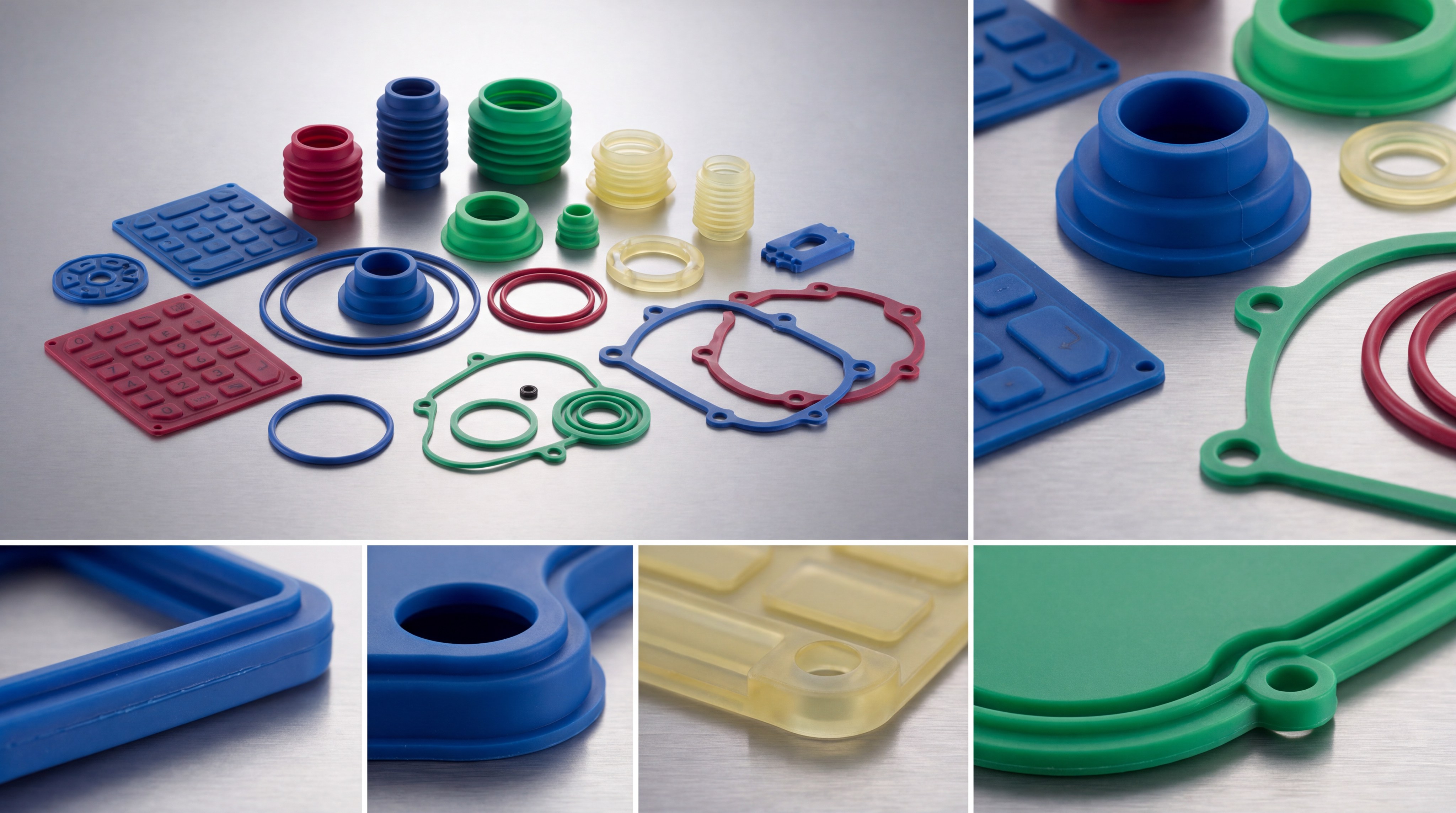
Finding clear, engineering-backed answers to your liquid silicone rubber questions helps you make informed choices during product development. Evaluating different manufacturing paths is simplified when you understand the physical and economic limits of LSR Injection Molding. You can address common design bottlenecks and tooling challenges by examining these industry-vetted answers.
The following compilation of technical inquiries is compiled directly from our conversations with product designers and procurement officers. This helps you de-risk your development lifecycle before committing capital. Let’s delve into the actual engineering mechanics.
Can I overmold LSR directly onto plastic substrates?
Yes, you can. You can overmold liquid silicone directly onto high-temperature engineering plastics like PEEK or PBT using specialized self-bonding grades. These materials contain active bonding agents that chemically fuse with the substrate under the heat of the mold, creating a clean, permanent bond without liquid adhesives.
What’s the best way to design mold shut-offs to prevent flash?
The best way is to utilize robust mechanical tapers with a metal-to-metal interference fit. Because liquid silicone can flow into gaps as narrow as 5 microns, flat parting lines with low clamping force will always lead to massive flash. Designing 5° to 10° mating tapers forces the steel plates to seal completely under clamping pressure.
How do I know if my medical silicone parts require a post-cure?
You can verify this by assessing your final regulatory and mechanical requirements. If your components are designed for long-term implantation, direct food contact, or require optimized compression set performance, a secondary oven bake at 200°C for 4 hours is mandatory. This process drives off volatile cyclic siloxanes and completely stabilizes the polymer.
Can I achieve optical-grade clarity with liquid silicone?
Yes, you can. You can achieve over ninety-two percent light transmission by selecting optical-grade liquid silicone rubber formulations. These materials perform exceptionally well in harsh environments, resisting ultraviolet yellowing and thermal degradation far better than traditional rigid plastics.
How do I know if LSR is more cost-effective than compression molding?
You can verify this by evaluating your annual production volumes and design complexity. If your annual run exceeds twenty thousand units, or if your design contains thin walls and micro-features, LSR injection molding is highly cost-effective. While compression molding offers lower initial tool costs, its high labor costs and long cycles make it inefficient at scale.
Ready to partner with a leading LSR manufacturer?
Transitioning your elastomeric assemblies to liquid silicone resolves your most persistent engineering bottlenecks. You can completely eliminate field seal failures, eliminate raw material waste, and streamline multi-material assemblies in a single process. Meeting these extreme demands requires a manufacturing partner with deep polymer expertise and robust quality management systems.
HuaLin Silicone stands ready to accelerate your product development with advanced B2B manufacturing capabilities. We operate high-precision tooling operations, IATF 16949 automotive quality streams, and ISO Class 7 cleanroom medical production facilities. Our dedication to zero-defect manufacturing ensures that your critical assemblies perform flawlessly under the most extreme conditions.
We invite you to elevate your next engineering program by partnering with a trusted industry leader. Reach out to our engineering team to review your design files and optimize your manufacturing strategy. To begin your journey toward high-precision elastomeric components, contact us today to receive a comprehensive DFM analysis and customized tooling quotation.