
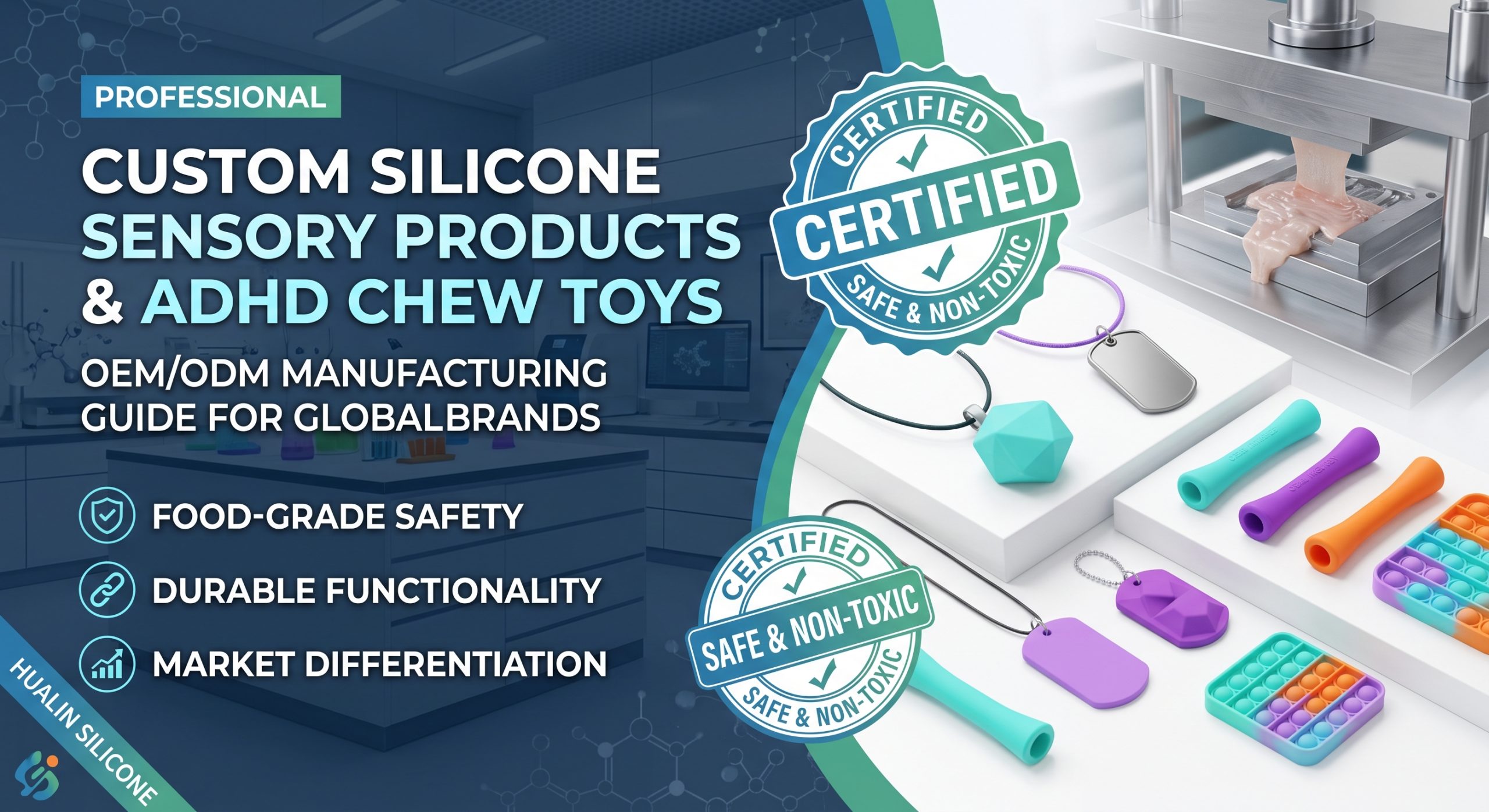
Sourcing generic sensory tools often leads to disastrous product failures, leaving your brand vulnerable to negative reviews, safety recalls, and lost revenue. This constant struggle to find reliable, non-toxic manufacturing partners limits your ability to scale in the highly competitive wellness and therapeutic markets. By custom engineering Silicone Sensory Products through expert OEM/ODM manufacturing, you guarantee medical-grade safety, durable functionality, and unparalleled market differentiation.
What exactly are silicone sensory products?
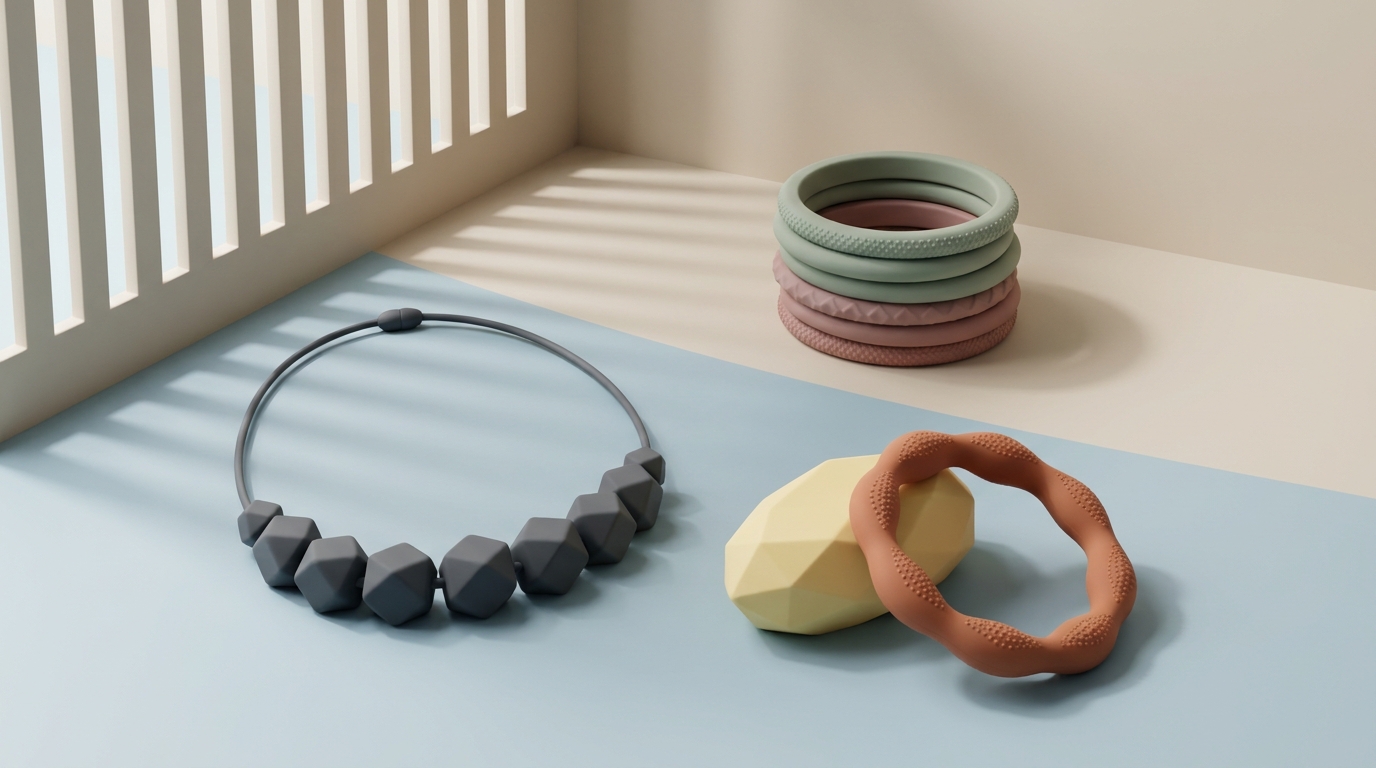
Silicone Sensory Products are specialized tactile and oral stimulation tools engineered to support behavioral regulation and therapeutic focus. These items have evolved from niche clinical aids into mainstream wellness accessories used daily across homes, schools, and professional offices.
Core definitions of sensory tools
The functional anatomy of these devices targets specific neurological feedback loops. Oral stimulation tools provide deep jaw muscle pressure, while tactile fidgets engage fine motor skills to passively redirect restless energy. Modern designs prioritize both clinical effectiveness and subtle, aesthetic lifestyle integration.
Here is the kicker:
- They provide safe outlets for natural chewing urges.
- They redirect anxiety into harmless physical activity.
- They improve concentration in neurodivergent populations.
Who benefits from these sensory tools?
Initially designed for pediatric occupational therapy patients, the target demographic has rapidly expanded. Neurodivergent individuals, including those with ADHD and Autism Spectrum profiles, rely heavily on these devices for daily sensory processing.
Summary of sensory product types
Adults facing high-stress environments are also driving significant market growth. Modern adult users demand discreet, aesthetically pleasing designs that look like professional accessories rather than medical devices.
Key Takeaway: Understanding the specific sensory triggers of your target demographic is the first critical step in designing a successful, market-ready silicone tool.
| Product Category | Primary Physical Form | Sensory Stimulus Type | Primary User Segment |
|---|---|---|---|
| Chewelry | Wearable pendants, rings | Oral Proprioceptive | ADHD Children, Stressed Adults |
| Fidget Tools | Squeeze toys, desk pads | Tactile & Fine Motor | Classrooms, Professionals |
| Oral Motor Tubes | Flexible, hollow tubes | Deep Muscle Pressure | Severe sensory needs |
Aligning the physical form with the correct sensory stimulus ensures your product meets the specific behavioral needs of your target market.
Why is silicone perfect for sensory chew toys?
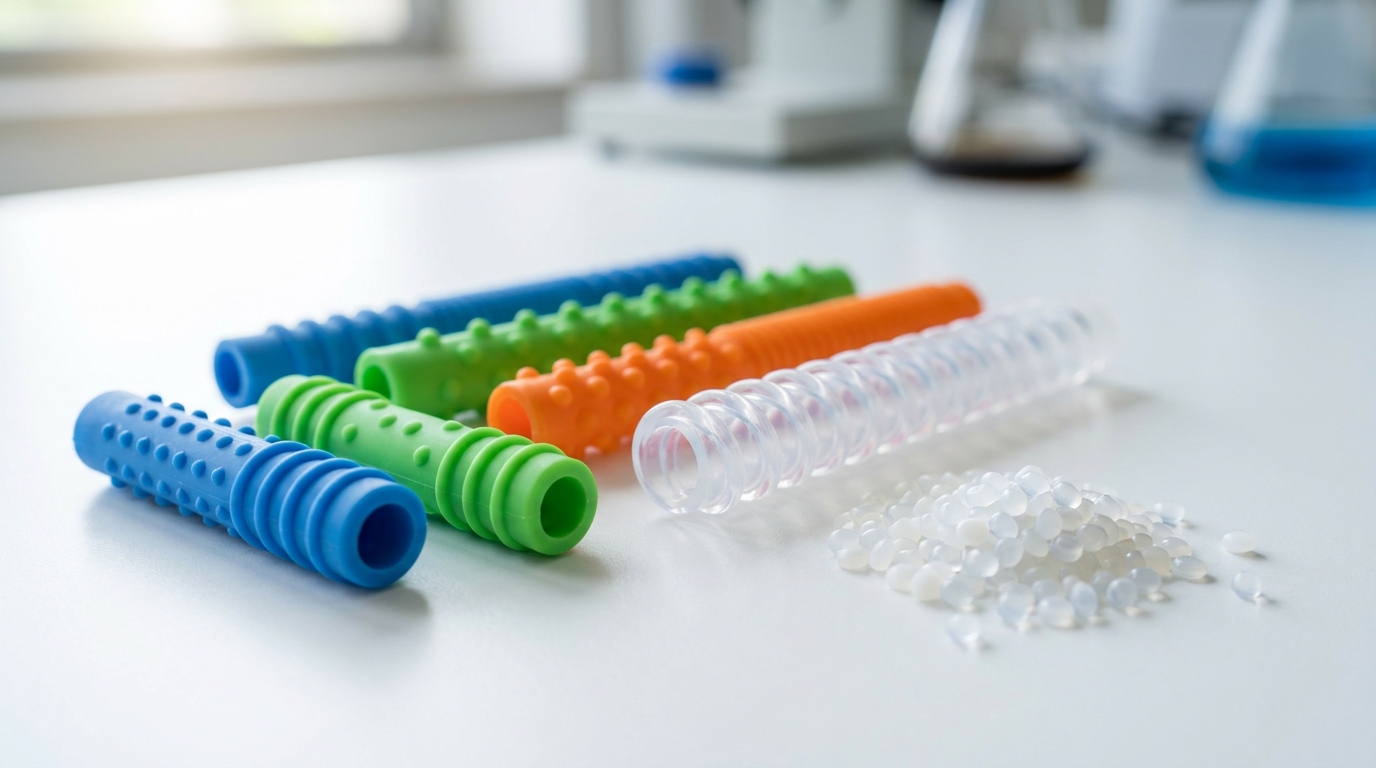
The inherent structural purity of Silicone Sensory Products makes them perfect for chew toys because they are completely food-grade, non-toxic, and mechanically resilient. Unlike traditional plastics or rubbers, high-grade silicone withstands aggressive, repeated compression without shedding microplastics or dangerous chemicals.
Food-grade safety and material purity
When sourcing formulations, utilizing custom silicone molding ensures compliance with strict food-contact standards. Pure, mineral-based silicone is naturally free from BPA, phthalates, lead, PVC, and latex. This organic chemical stability provides absolute peace of mind for products meant to be placed in the mouth.
How does shore hardness affect the chew?
The physical resistance of a chew toy is entirely dictated by its Shore A durometer selection. Soft elasticity is perfect for gentle users, while rigid resistance is mandatory for aggressive chewers.
Think about it:
- 30A to 40A: Highly elastic, ideal for mild sensory input.
- 40A to 50A: Medium resistance, the industry standard for chewelry.
- 50A to 60A+: Heavy-duty rigidity for deep jaw muscle work.
Summary of silicone physical benefits
Silicone’s extraordinary thermal resistance also means these products can be sanitized via boiling or steam sterilization. This easy maintenance is a major selling point for hygiene-conscious parents and clinical facilities.
Key Takeaway: Selecting the correct Shore A hardness prevents structural failure and guarantees the user receives the exact therapeutic resistance they require.
| Material Metric | Technical Value Range | Direct User Benefit | Manufacturing Advantage |
|---|---|---|---|
| Shore A Hardness | 30A – 70A Durometer | Tailored bite resistance | Easy flow control during molding |
| Tensile Strength | 6.0 – 9.0 MPa | Resists tearing under bite | Prevents structural failure |
| Thermal Resistance | -40°C to 230°C | Easy to boil and sanitize | Fast cycle-time hot compression |
Strategic material selection directly correlates with user safety, product longevity, and reduced liability risks for your brand.
Who drives the global market demand?
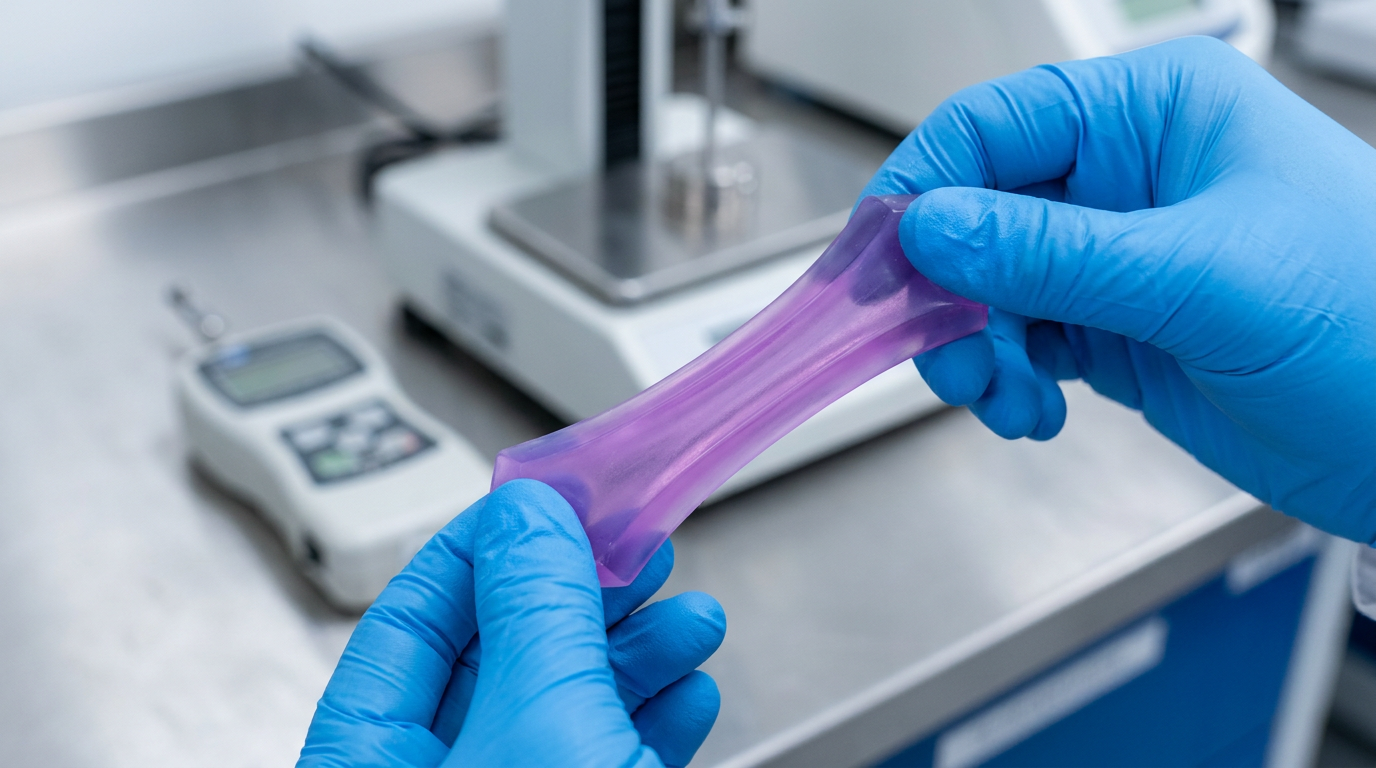
The exploding demand for Silicone Sensory Products is primarily driven by pediatric occupational therapists, neurodivergent communities, and a massive influx of adults seeking stress relief. Clinical validation has successfully transitioned these items from cheap novelty toys into certified, highly sought-after therapy tools.
Pediatric and occupational therapy growth
Tactile tools are now standard integration within special education systems and pediatric behavioral therapy schools. Therapists require highly functional, durable tools that can withstand rigorous daily use across multiple patients. This sector prioritizes bright colors and highly engaging, multi-textured surfaces.
Why are adults buying stress relief tools?
There is a massive, often overlooked market for executive stress relief and silent office fidgets. Adults are actively seeking discreet chewelry and neutral-toned tactile pads to manage corporate anxiety.
But that is not all:
- Designs have shifted to sleek, matte-finished lifestyle accessories.
- Neutral Earth tones dominate the adult wellness space.
- Products must be entirely silent to suit workplace environments.
Summary of sensory market demographics
Understanding these segmented buyer personas allows you to tailor your product’s aesthetics and marketing copy efficiently. Whether targeting clinical buyers or DTC Amazon shoppers, visual design drives conversion.
Key Takeaway: You must definitively choose whether you are designing a playful pediatric tool or a sleek adult wellness accessory before entering the manufacturing phase.
| Target Segment | Design Aesthetic Preference | Key Distribution Channels | Key Regulatory Hurdles |
|---|---|---|---|
| Pediatric Therapy | Bright primary colors, fun shapes | OT Clinics, Edu supply | EN71, CPSIA, ASTM F963 |
| Adult Wellness | Neutral Earth tones, matte black | Amazon, Corporate retail | FDA food-contact, REACH |
| Amazon Mass-Market | Multi-pack bundles, recognizable forms | Direct-to-Consumer (DTC) | Cost compression, rapid IP |
Tailoring your product’s visual identity to specific distribution channels maximizes your return on investment and brand positioning.
Which product categories dominate the market?
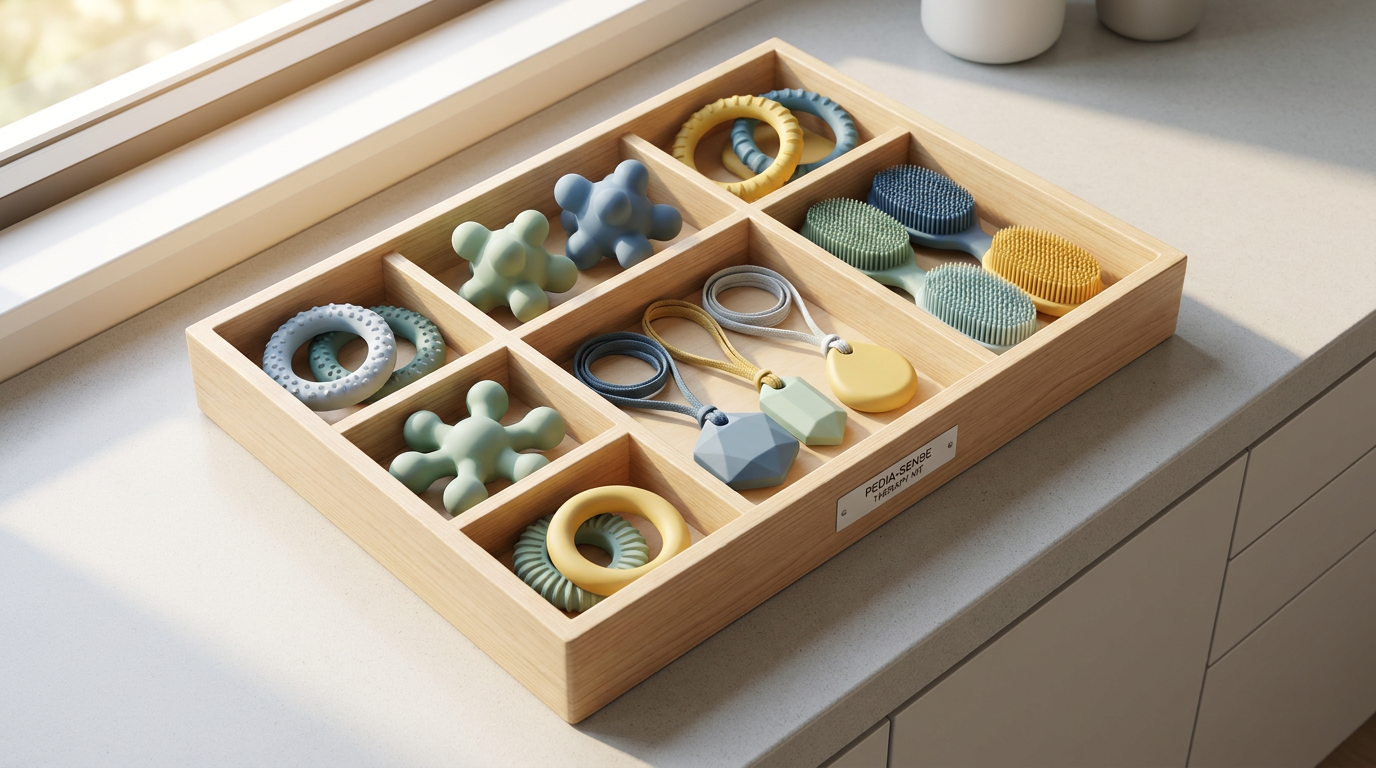
Wearable chewelry, tactile fidget devices, and hollow oral motor tubes currently dominate the commercial landscape for Silicone Sensory Products. These categories offer the highest consumer adoption rates due to their immediate functional benefits and ease of transport.
Wearable chewelry and oral sensory aids
Similar to creating safe silicone baby products, wearable chewelry must prioritize both wearer protection and structural integrity. Geometric pendants, textured wristbands, and chewable rings represent the highest volume sales in the sensory sector.
What tactile fidget devices perform best?
Mechanical-tactile products provide essential passive stimulation without the need for oral engagement. Desktop sensory mats, silent keychains, and bubble-popping pads are exceptionally popular.
Here is the kicker:
- They require precision micro-textures for maximum feedback.
- Ultra-thin flexible hinges demand high-grade silicone.
- They are highly favored in restrictive classroom environments.
Summary of top sensory product designs
Developing high-performing SKUs requires balancing complex design features with economical mold tooling. Hollow structures cost more to tool but offer superior, bouncy bite resistance.
Key Takeaway: Focusing your initial product launch on proven categories like geometric chew pendants minimizes market risk while establishing a strong brand foundation.
| SKU Archetype | Key Design Features | Tooling Mold Complexity | Target Production Cost |
|---|---|---|---|
| Teardrop Pendant | Solid 8mm thickness, debossed textures | Low (2-plate mold) | $0.20 – $0.45 |
| Pencil Topper | Hollow interior core, structural ridges | Medium (Requires core pins) | $0.15 – $0.35 |
| Tactile Fidget Pad | Micro-textures, flexible hinges | High (Precise material flow) | $0.40 – $0.85 |
Selecting product archetypes with low-to-medium tooling complexity allows emerging brands to launch faster with lower upfront capital.
How does the OEM/ODM production process work?
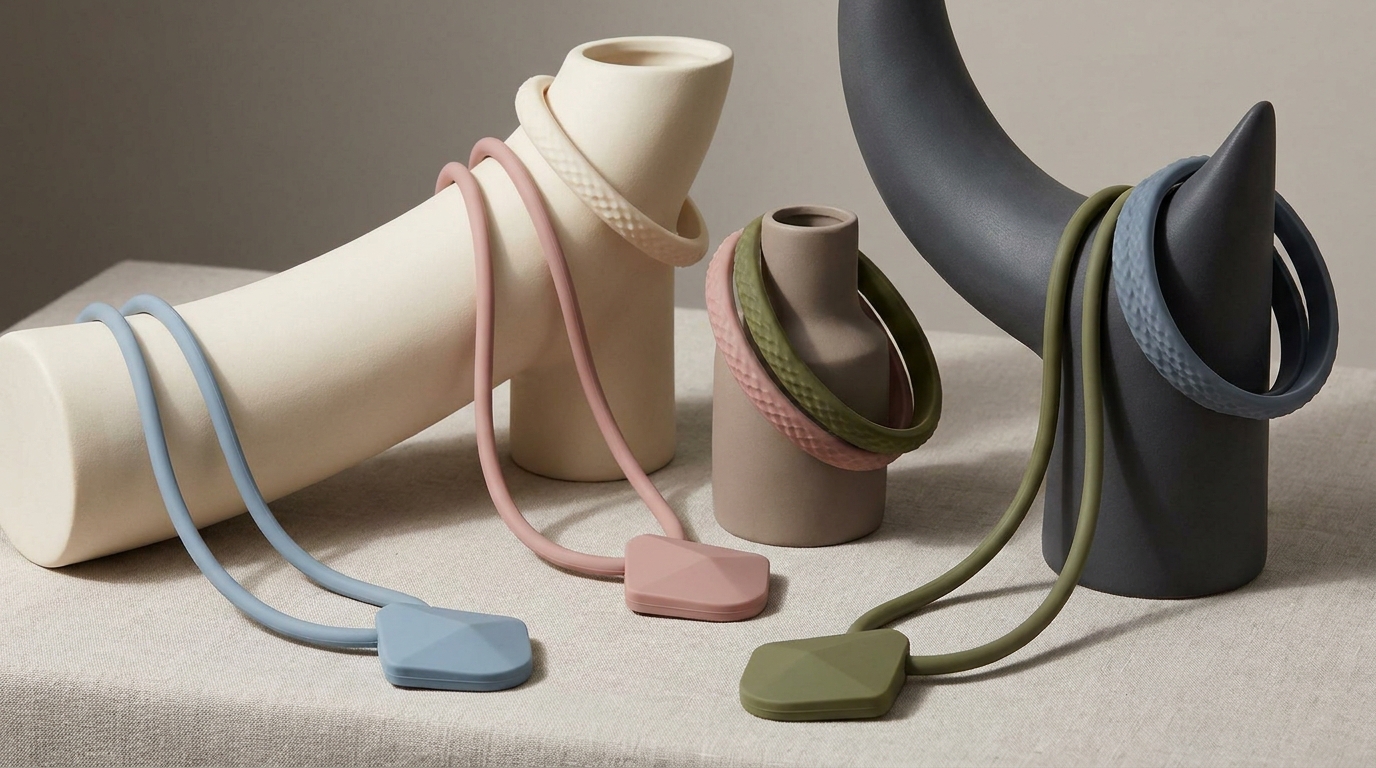
Producing custom Silicone Sensory Products requires a strict, sequential workflow moving from 3D design validation and rapid prototyping into high-tonnage compression molding. This professional integration bridges the gap between a raw concept and a scaled, market-ready reality.
From design concept to 3D prototype
Launching a successful project relies on robust OEM/ODM services to streamline custom CAD engineering and Design for Manufacturability (DFM). Early-stage engineering involves verifying wall thicknesses, setting draft angles, and rapid 3D printing to confirm ergonomic feel.
What is the compression molding phase?
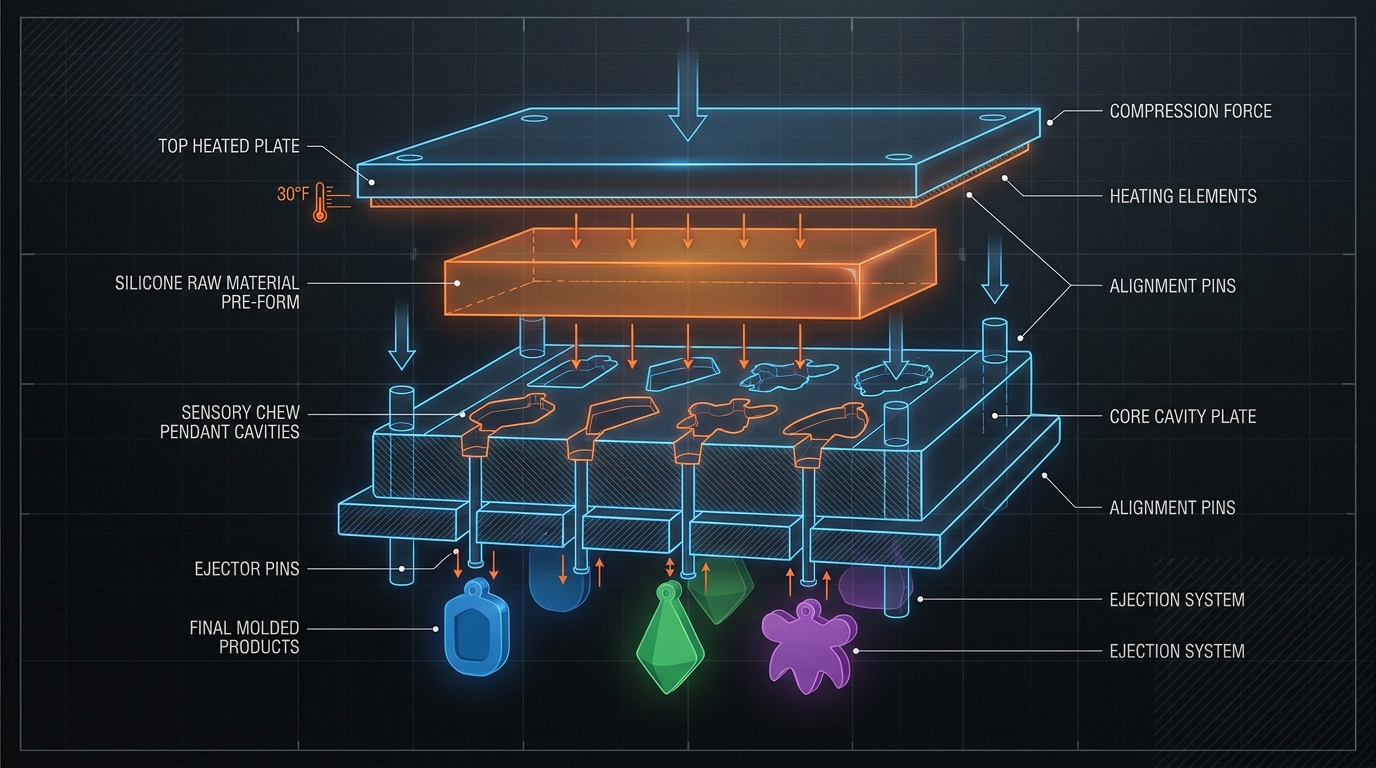
The physical transformation begins with raw silicone compounding and precise color pigment blending. The uncured pre-forms are subjected to immense hydraulic heat and pressure, forcing the material into the steel mold cavities.
Think about it:
- High-heat vulcanization triggers irreversible cross-linking.
- Automated flash trimming ensures clean, safe edges.
- Post-curing ovens eliminate all volatile organic residues.
Summary of the production workflow
Moving from a validated digital file to a mass-produced sensory tool generally takes 30 to 45 days. Strict quality control checkpoints at every milestone prevent costly mass-production errors.
Key Takeaway: Investing time in thorough DFM validation during Phase 1 dramatically reduces tooling modifications and accelerates your time to market.
| Phase | Critical Process Milestone | Quality Control Checkpoints | Standard Lead Time |
|---|---|---|---|
| Phase 1: DFM | CAD validation & parting line planning | Draft angle, stress area check | 3 – 5 Days |
| Phase 2: Tooling | CNC-machining of steel mold cavities | CMM dimensional test | 15 – 20 Days |
| Phase 3: Sampling | First-article trial run (T1 samples) | Shore hardness, visual check | 3 – 5 Days |
Adhering to a rigid milestone schedule ensures absolute transparency and predictability throughout the manufacturing lifecycle.
What are the key engineering design rules?
Safe Silicone Sensory Products must strictly adhere to mechanical engineering rules like minimum chew zone thicknesses and smooth draft angles. Ignoring these structural guidelines inevitably results in catastrophic tearing hazards during consumer use.
Wall thickness and structural safety
The sweet spot for chewable thickness ranges from 5mm to 8mm to prevent rapid puncture from sharp molars. You must engineer soft radius transitions and entirely avoid sharp internal corners, which act as dangerous stress concentration points.
How to design stimulating surface textures?
Sensory feedback is maximized by creatively engineering tactile variety across the product’s surface.
But that is not all:
- Combine matte finishes with raised, glossy bumps.
- Utilize deep parallel ridges for heavy tactile input.
- Ensure textures are shallow enough to easily demold.
Summary of design rules for safety
Every mechanical parameter serves a specific safety function, mitigating choking hazards and preventing product deformation. Standardizing a 1.0° minimum draft angle ensures the sticky silicone releases cleanly from the CNC-machined steel.
Key Takeaway: Flawless industrial design is not just about aesthetics; it is the primary defense against product liability and user injury.
| Parameter Location | Target Design Value | Engineering Justification | Safety Hazard Mitigated |
|---|---|---|---|
| Chew Thickness | 6.0mm Minimum | Prevents shear from molars | Choking hazard from pieces |
| Internal Radii | 1.5mm Minimum | Dissipates tear stress | Tear propagation / splitting |
| Draft Angle | 1.0° – 2.0° Standard | Enables clean mold release | Part deformation / sticking |
Strict adherence to these mechanical parameters guarantees your product will pass brutal physical safety testing.
How do you choose between stock and custom?
Deciding between ready-to-brand stock or custom Silicone Sensory Products depends entirely on your required speed to market versus your need for exclusive intellectual property. Both avenues offer distinct strategic advantages depending on your brand’s growth stage.
Speed to market with ready-to-brand stock
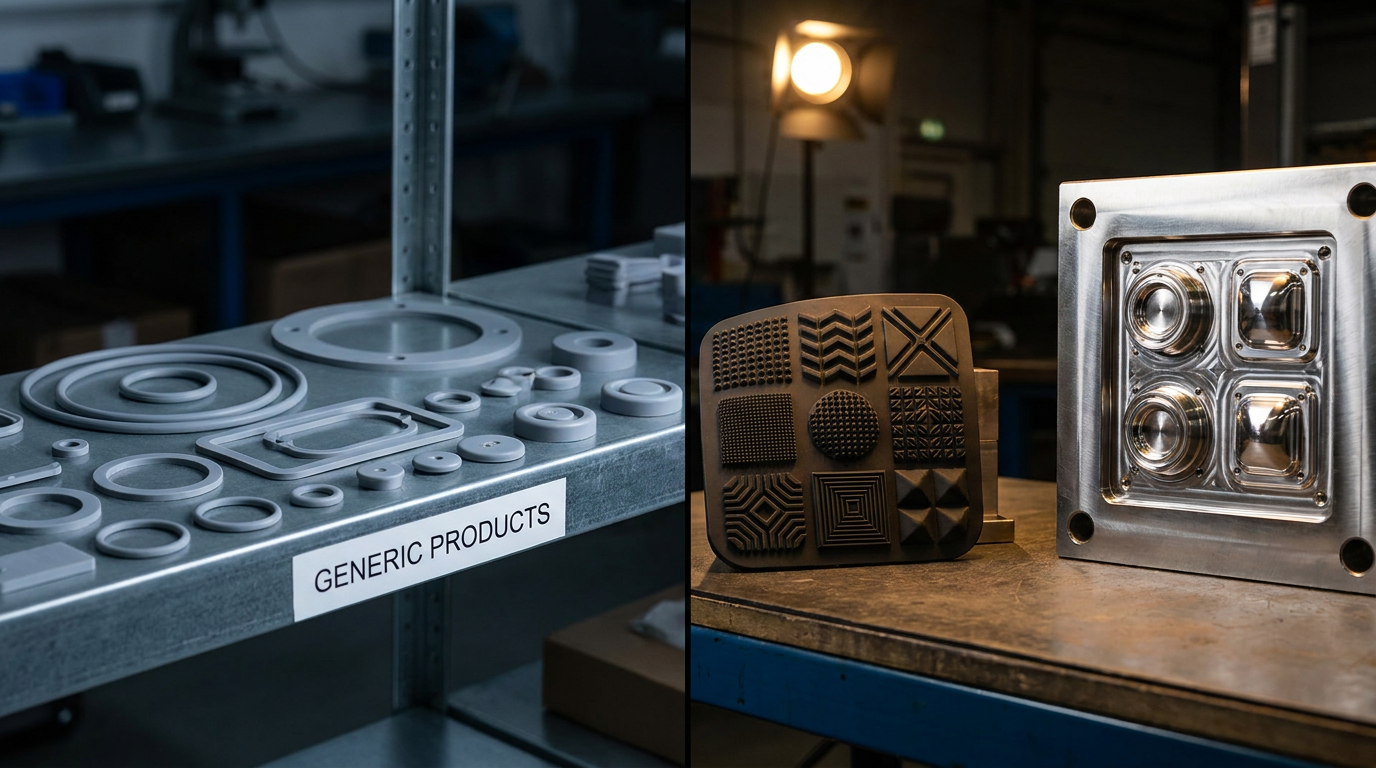
Choosing pre-existing open-stock models is the most cost-effective path to quickly test market appetite. White-labeling requires zero upfront tooling costs, allows for very low minimum order quantities, and leverages designs with proven consumer acceptance.
Why build custom exclusive molds?
Investing in proprietary custom tooling is necessary to build strong, defensible brand moats.
Here is the kicker:
- You control the exact proprietary shape and dimensions.
- It allows you to patent and protect your designs legally.
- It prevents direct one-to-one competitor matching on Amazon.
Summary of stock vs custom options
While custom development takes longer and requires capital investment in steel plates, it yields higher long-term profit margins. Conversely, stock options are perfect for rapid, agile e-commerce testing.
Key Takeaway: Use stock products to rapidly validate customer demand, then reinvest those profits into custom-tooled flagship products to secure market dominance.
| Comparison Metric | Ready-To-Brand Stock | Custom OEM/ODM Development |
|---|---|---|
| Initial Tooling Cost | $0 | $1,500 – $5,000 |
| Order Quantity (MOQ) | 100 – 500 units | 2,000 – 5,000 units |
| Time to Market | 7 – 10 Days | 30 – 45 Days |
Evaluating your available capital against your timeline dictates the most profitable manufacturing strategy for your brand.
What regulatory and safety standards apply?
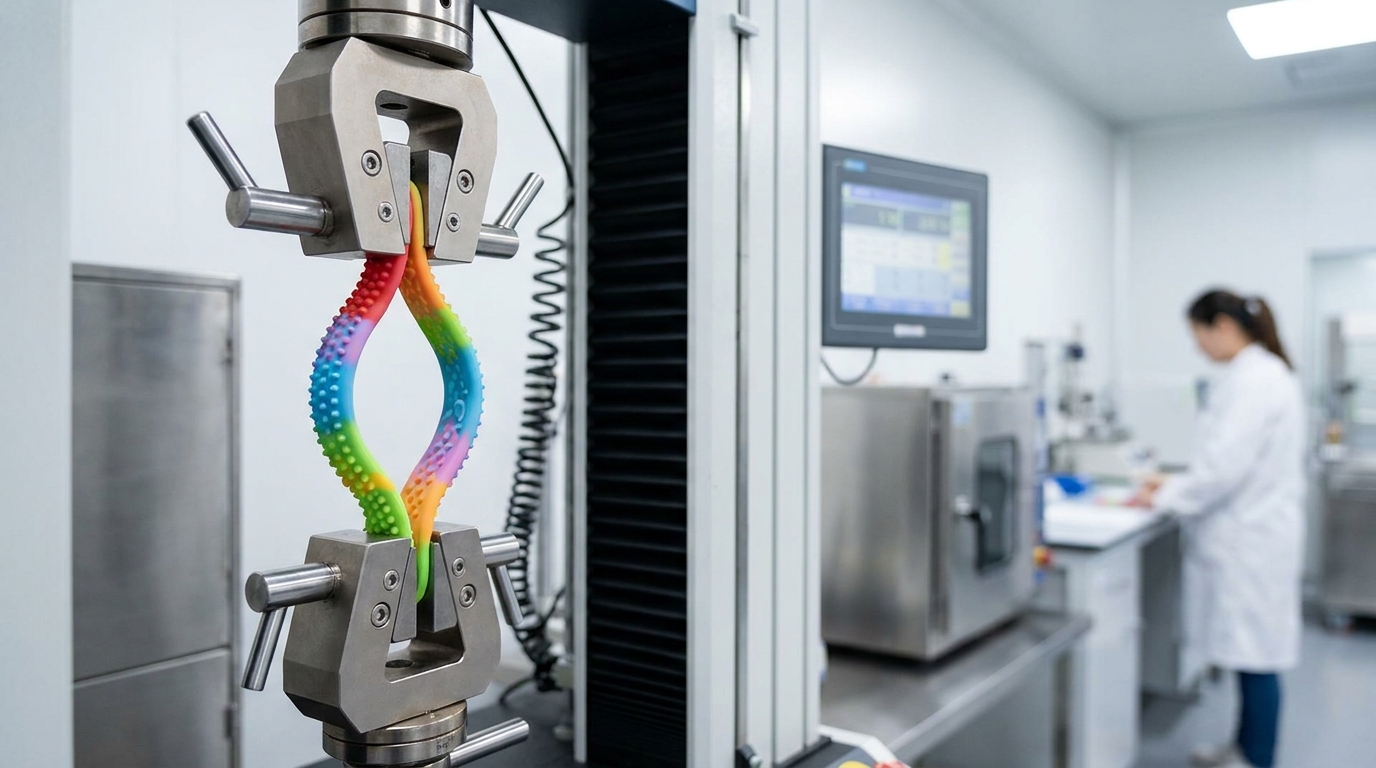
Global Silicone Sensory Products must stringently comply with chemical extraction limits like FDA 21 CFR 177.2600 and brutal mechanical tests such as ASTM F963. Navigating this compliance landscape is non-negotiable for products intended for pediatric or oral use.
Navigating FDA and LFGB chemical compliance
US FDA extraction limits ensure that materials are safe for repeated oral contact, while European LFGB standards are notoriously stricter regarding volatile compounds. Premium brands frequently specify platinum-cured silicone over cheaper peroxide-cured raw materials to guarantee zero chemical off-gassing.
What mechanical safety tests are mandatory?
Beyond chemical purity, chewable products face intense physical scrutiny before they can legally enter the market.
Think about it:
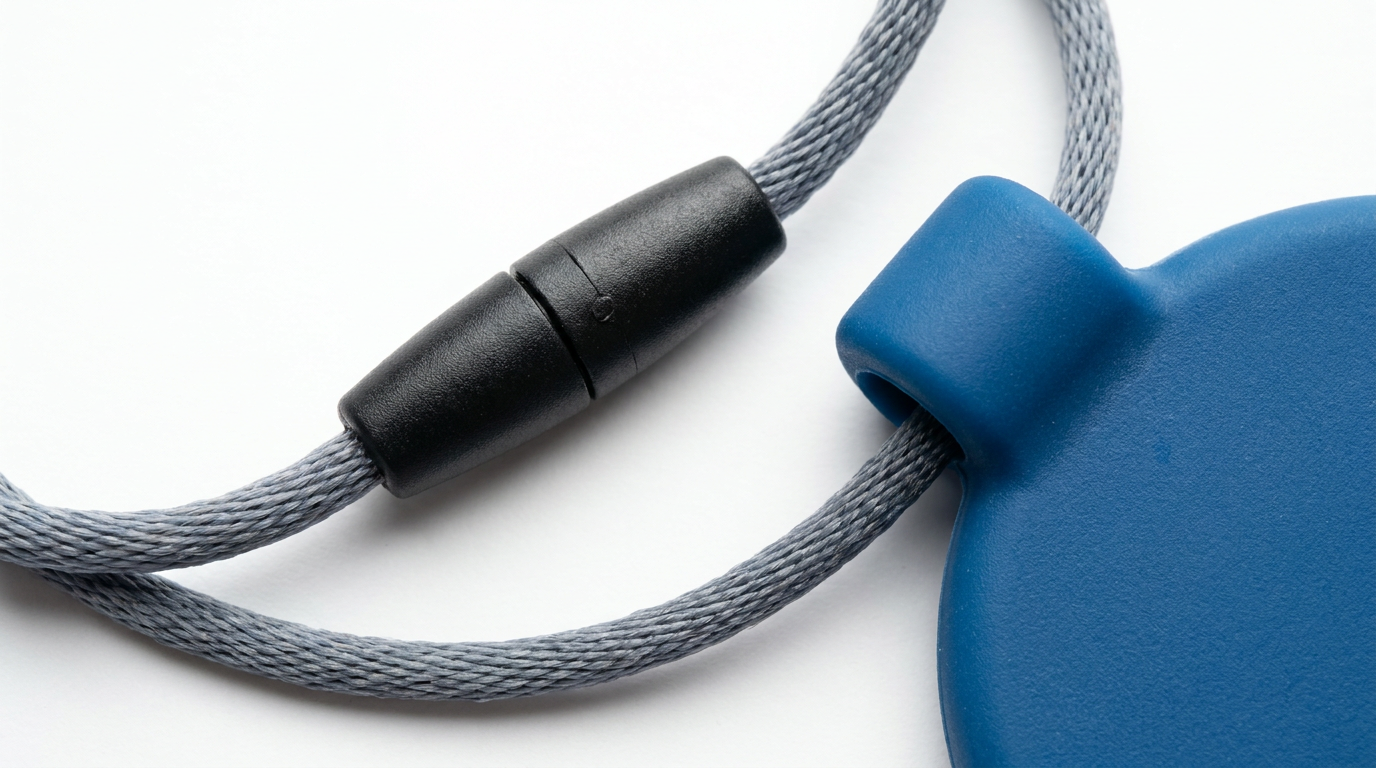
- Tensile stress tests verify the cord and pendant will not snap.
- Bite simulation tests ensure teeth cannot sheer the material.
- Small parts cylinders guarantee broken pieces aren’t choking hazards.
Summary of global safety standards
Securing proper laboratory certification documentation shields your brand from customs seizures and digital marketplace suspensions. Ignorance of these regulatory frameworks is the fastest way to ruin an e-commerce business.
Key Takeaway: Never initiate mass production until your factory partner provides verifiable, third-party laboratory evidence of raw material compliance.
| Standard Code | Target Geographic Market | Specific Test Target | Compliance Requirement |
|---|---|---|---|
| ASTM F963 | United States | Phthalates, heavy metals, small parts | Mandatory for pediatric items |
| EN71 (1, 2, 3) | European Union | Flammability, toxicity, tensile pull | Mandatory for CE marking |
| FDA CFR 177.2600 | Global / US | Chemical extraction in aqueous medium | Mandatory for oral-contact |
Proactive regulatory compliance serves as a powerful marketing asset to build immense trust with safety-conscious consumers.
How can you optimize manufacturing costs?
You can dramatically lower the unit cost of Silicone Sensory Products by intelligently optimizing multi-cavity tooling configurations and selecting the most appropriate raw material curing agents. True profitability is engineered on the factory floor long before the product hits retail.
Impact of raw material and curing agents
Balancing the cost of high-volume peroxide-cured silicone against premium platinum-cured medical-grade compounds significantly impacts your bottom line. Platinum curing costs more upfront but virtually eliminates the risk of foul odor residues that cause negative consumer reviews.
Can multi-cavity tooling lower unit cost?
Yes, scaling your mold’s cavity count is the most aggressive cost-reduction lever available.
But that is not all:
- Moving from a 4-cavity to a 24-cavity mold slashes cycle times.
- It radically reduces the labor cost amortized per unit.
- It ensures massive inventory availability during peak sales seasons.
Summary of cost-efficiency strategies
While large multi-cavity molds demand higher initial capital expenditure, they drastically reduce long-term unit pricing. Smart brands also optimize in-line flash trimming to reduce expensive manual labor.
Key Takeaway: Treat your steel mold tooling as a capital asset; investing in higher cavities upfront pays immense dividends as your sales volume scales.
| Cost-Control Lever | Expected Unit Price Impact | Strategic Trade-off | Brand Risk |
|---|---|---|---|
| Cavity Optimization | 30% – 50% Reduction | Higher upfront tooling expense | Sunk capital if sales are low |
| Peroxide vs Platinum | 10% – 15% Reduction | Higher risk of odor residues | Drop in consumer review scores |
| In-Line Trimming | 5% – 8% Reduction | Slightly visible parting lines | Minor cosmetic imperfections |
Mastering these cost levers allows you to maintain premium retail pricing while secretly widening your backend profit margins.
Why partner with an expert Chinese factory?
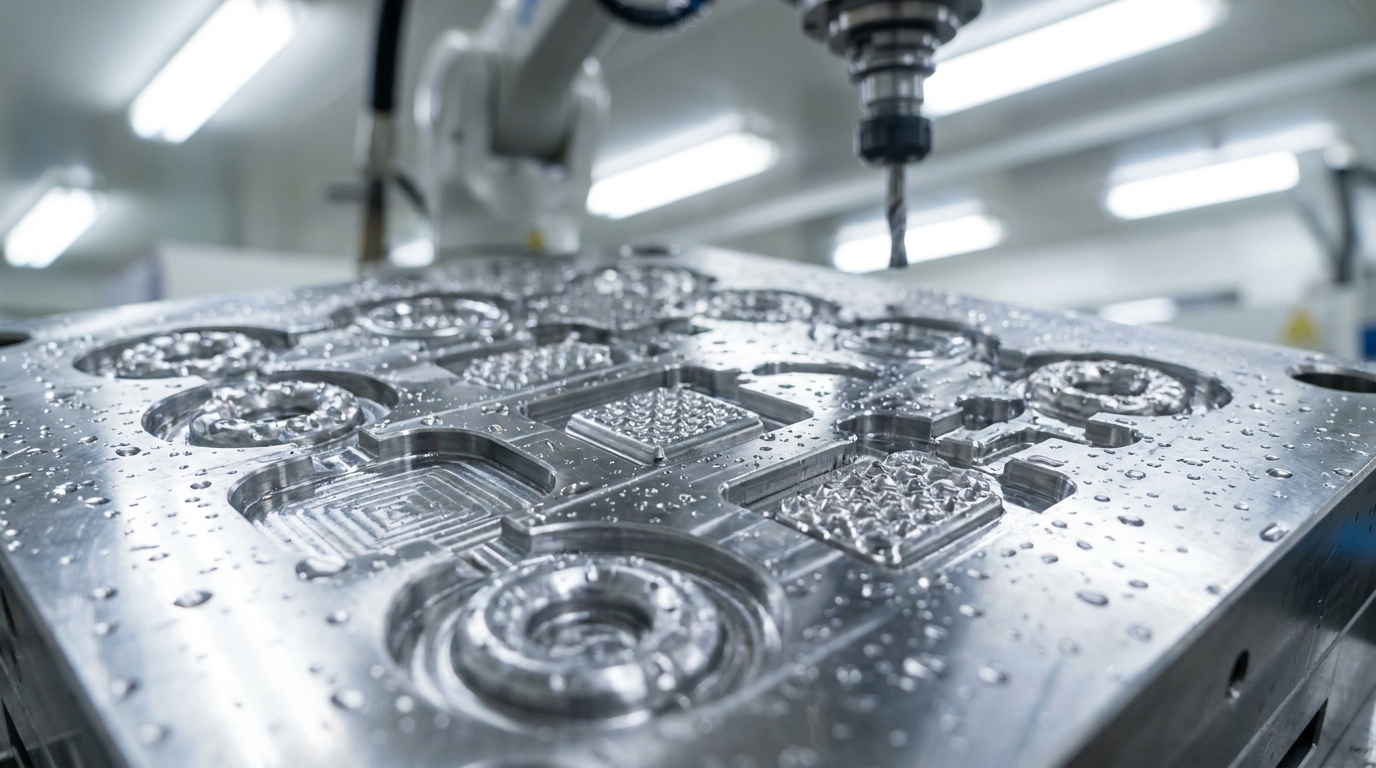
Partnering with a specialized Chinese facility for Silicone Sensory Products grants you immediate access to in-house precision tooling, cleanroom molding, and rapid manufacturing scalability. This deep technical integration removes the friction of dealing with scattered middlemen and brokers.
Assessing high-precision tooling speed
A fully integrated manufacturer houses their own CNC machining centers, allowing for incredibly fast mold corrections and prototype turnarounds. This localized ecosystem of raw material suppliers and steel machinists compresses timelines that would take months elsewhere into mere weeks.
How do we secure intellectual property?
Protecting your custom geometries requires strict operational protocols and trustworthy manufacturing relationships.
Here is the kicker:
- Establish ironclad Bilateral Non-Disclosure Agreements (NDAs).
- Ensure your contract explicitly grants you physical mold ownership.
- Partner only with factories that have verifiable international track records.
Summary of factory partner benefits
Working directly with a direct-to-source manufacturer guarantees that your dedicated engineering team understands the exact nuance of sensory product requirements.
Key Takeaway: A reliable factory partnership transforms a complex supply chain into a streamlined, hands-off asset for your growing brand.
| Partner Capabilities | Operational Advantage | Target Selection Benchmark |
|---|---|---|
| In-House Tooling | Rapid prototyping, fast mold modifications | CNC matching ±0.02mm tolerances |
| Material Testing Lab | Continuous safety audits and batch checks | In-house durometer / tensile tests |
| Experienced IP Mgmt | Secure physical mold ownership | Clear legal contract terms |
Vetting your manufacturing partner’s technical infrastructure is the single most important decision for long-term product viability.
FAQs
Can I customize the hardness level of my sensory toys?
Yes. Modern custom silicone compression molding allows for precise tuning of material stiffness using the Shore A durometer scale. The formulation can range from a highly flexible 30A for gentle chewing to a rigid 70A designed for aggressive resistance, all without altering the product’s outer dimensions.
What is the best way to clean and sterilize silicone chew jewelry?
Boiling water or domestic dishwashers provide the best sterilization. Pure food-grade silicone boasts immense thermal stability (up to 230°C), meaning it can be aggressively washed, steamed, or boiled without melting, warping, or leaching harmful chemicals.
Can I add custom brand logos to existing mold designs?
Yes. Factories can easily apply your branding to open-stock models using cost-effective methods. Options include modifying the steel mold for a permanent raised/recessed logo, or utilizing high-durability pad printing and laser engraving for fast, colorful customization.
What is the best packaging option for Amazon FBA delivery?
Compact cardboard tuck-boxes with transparent windows or food-grade frosted polybags are highly recommended. These options protect the dust-attracting silicone surfaces from warehouse grime, keep dimensional shipping weights exceptionally low, and easily comply with all FBA barcoding rules.
How do I know if my design will work before buying steel molds?
You request a rapid prototype. Before committing to high-cost, multi-cavity steel production molds, expert factories will produce a functional model using a low-cost, single-cavity aluminum mold or specialized 3D resin, allowing you to physically validate the texture and ergonomic feel.
Strategic success in the sensory wellness space requires a zero-compromise approach to material safety and intelligent mechanical design. Don’t let inferior manufacturing stall your market entry—get in touch with our engineering team today for expert DFM reviews and premium precision molding.