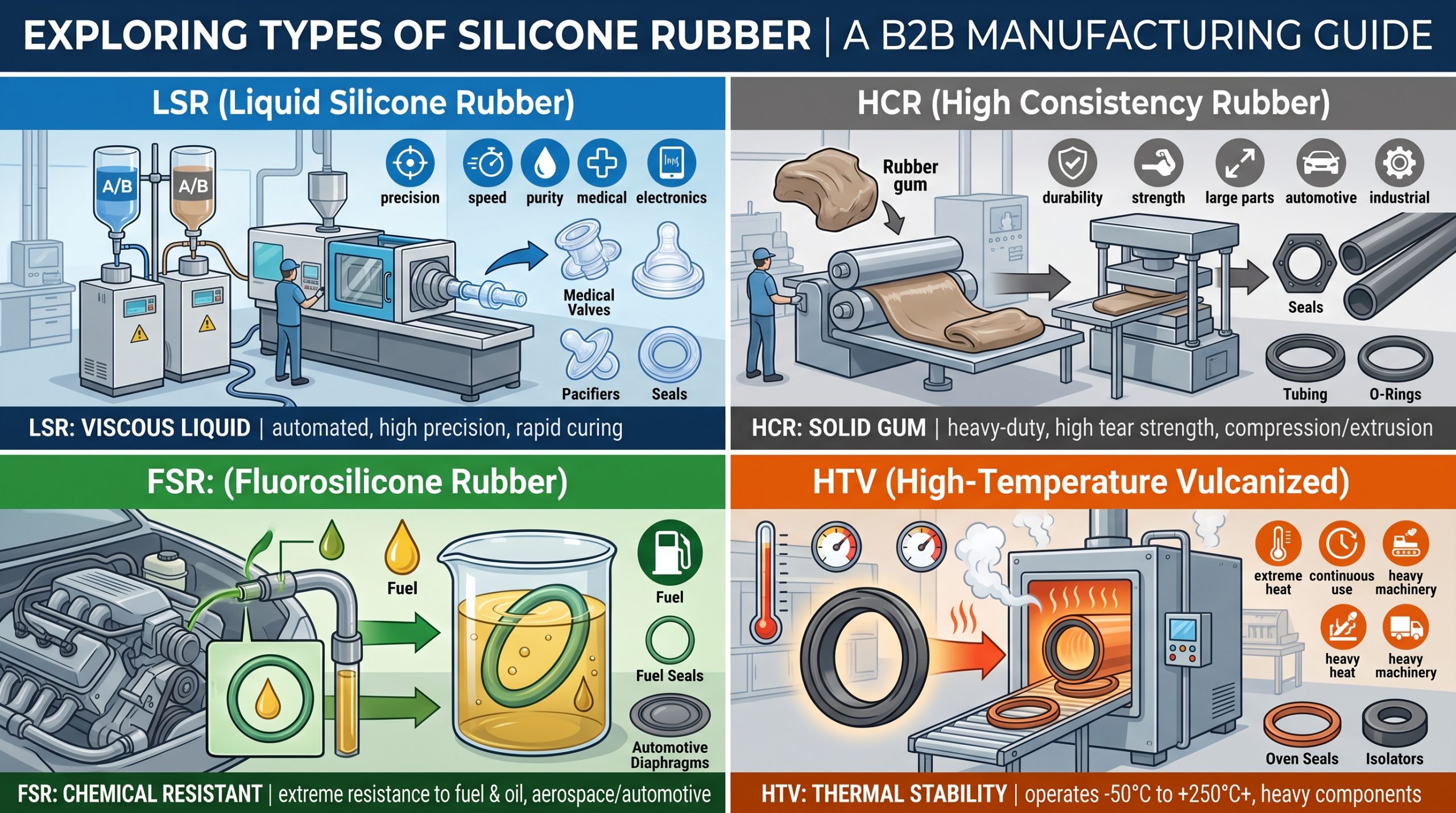
The different types of silicone rubber primarily include Liquid Silicone Rubber (LSR), High Consistency Rubber (HCR), Fluorosilicone Rubber (FSR), and High-Temperature Vulcanized (HTV) silicone, each engineered with distinct curing profiles and material properties to meet specific B2B industrial demands. Product designers and procurement managers often face critical roadblocks when trying to specify the exact polymer grade for high-performance applications, as improper selection leads to seal degradation, unexpected tool wear, or failed compliance checks.
Imagine moving a custom part into mass production only to discover that the seals swell under contact with oils or fail biocompatibility audits. This can result in costly product recalls, wasted tooling capital, and severe damage to your brand’s reputation. Fortunately, by partnering with a dedicated manufacturer to understand the chemical compositions, processing routes, and distinct performance characteristics of each Silicone Rubber type, you can easily select the optimal material for your manufacturing process.
What Is Silicone Rubber and How Is It Made?
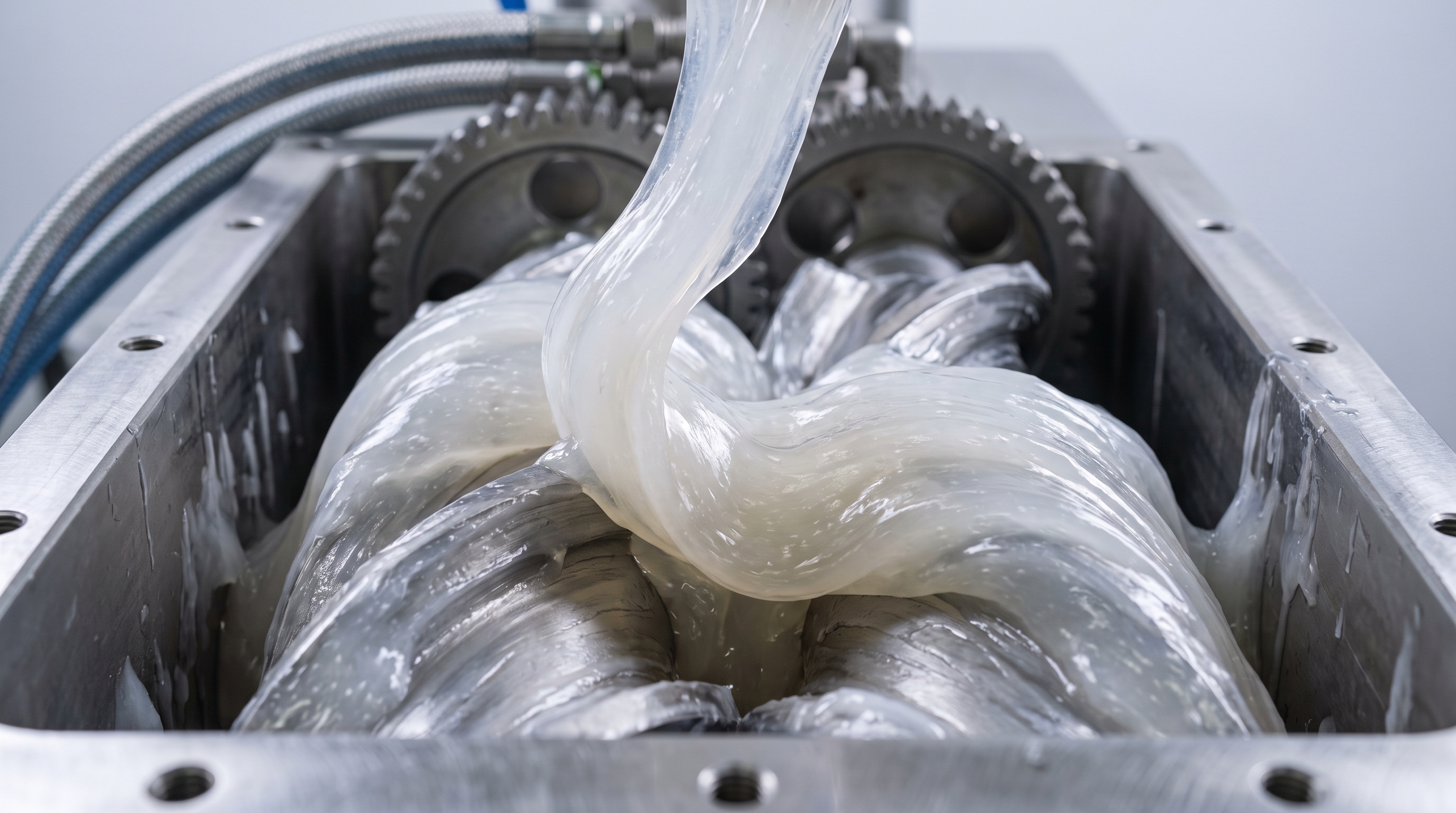
Silicone rubber is an inorganic-organic hybrid elastomer synthesized by crosslinking siloxane polymer chains with specific catalysts and thermal energy. Understanding how raw materials turn into finished goods is the first step in successful B2B product development. This unique formulation of silicone rubber stands apart from organic elastomers due to its stable silicon-to-oxygen backbone.
The molecular synthesis process allows for highly customizable physical profiles, making it perfect for your custom molded components. By adjusting the chemical groups attached to this backbone, engineers can tailor properties like elongation, tensile strength, and curing speed. Let us explore the molecular specifics that drive its performance across demanding industrial environments.
What is the Chemical Composition?
Synthetic elastomers are defined by their unique inorganic silicon-oxygen backbone, which distinguishes them from organic carbon-based rubbers. Think about it: standard rubbers rely on carbon-carbon bonds that degrade under intense heat. This inorganic siloxane (Si-O-Si) structure allows your components to withstand harsh environments with ease.
You can modify these compounds by selecting specific organic side chains to achieve targeted properties.
- Silicone backbone provides superior thermal resistance.
- Organic side chains (methyl, vinyl, phenyl) are added to optimize material flexibility.
- Amorphous silica fillers are compounded to increase tensile strength.
How Does the Crosslinking Process Work?
Vulcanization or crosslinking is the crucial step that transforms raw silicone polymers into a functional, elastomeric solid. Here is the kicker: without proper curing catalysts, the raw polymer remains a sticky, unusable paste. This transition is triggered when you expose the compounded rubber to heat, pressure, or moisture.
As the crosslinks form, the polymer chains are tied together into a highly elastic three-dimensional network. This molecular bond is what gives your finished parts their famous “spring-back” behavior.
Key Takeaway: Without proper crosslinking agents, silicone remains a sticky paste without mechanical integrity.
| Component | Primary Function | Performance Impact |
|---|---|---|
| Siloxane Backbone | Chemical foundation | Extreme thermal stability |
| Organic Side Groups | Polymer modification | Tailored cure and flexibility |
| Catalysts (Platinum/Peroxide) | Crosslinking trigger | Dictates curing speed and purity |
This highlights why choosing the correct variant is critical for your assembly line.
What Are the Key Properties of Silicone Rubber?
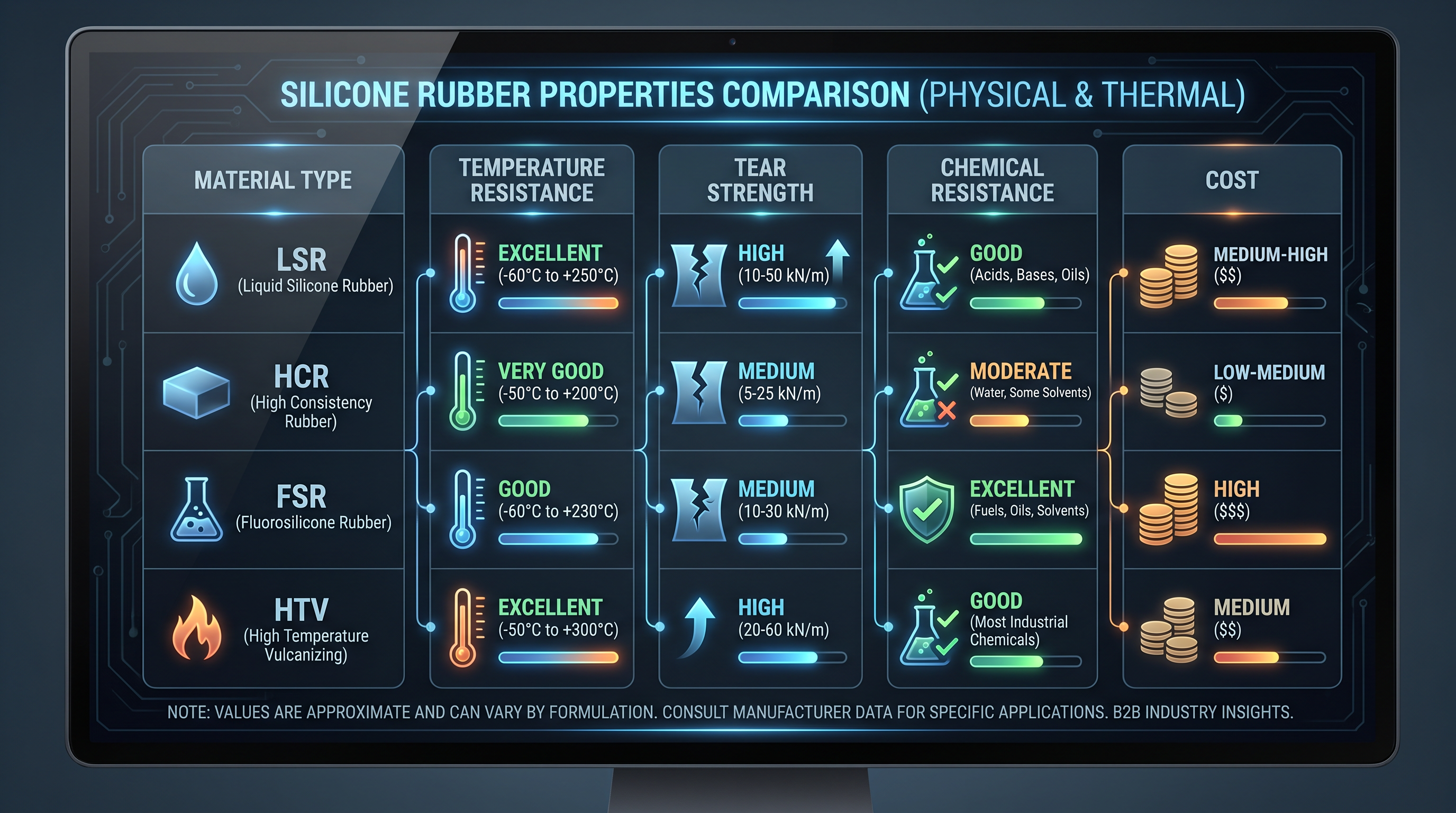
The key properties of silicone rubber include extreme temperature resistance, high biological inertness, outstanding dielectric strength, and long-term weathering durability. Selecting the right compound requires a deep understanding of how these thermal and physical characteristics perform under stress. Silicone Rubber maintains its elasticity from cryogenic cold to intense industrial heat, making it an invaluable material for harsh operating environments.
These stable properties prevent structural cracking and chemical degradation during long-term outdoor exposure. This resilience reduces maintenance costs and extends product lifecycles across industrial, medical, and electronics setups. Let us examine the specific performance metrics to understand how they benefit your designs.
What Are the Main Advantages?
The engineering appeal of silicone rubber lies in its ability to maintain its physical characteristics under conditions that degrade other rubbers. Why does this matter? Your assemblies can run continuously in outdoor or high-voltage applications without cracking or losing their sealing capability.
These advantages protect your systems from expensive downtime and product failures.
- Thermal range: -50°C to +250°C (Specialized to 300°C).
- Chemical resistance: Ozone, UV, and oxidation.
- Dielectric strength: Excellent electrical insulation.
What Are the Core Disadvantages?
Despite its versatility, silicone rubber does exhibit specific mechanical limitations that design engineers must carefully consider. It gets better: you can easily reinforce the design with fabric or fiberglass to compensate for low tensile values. Knowing where the material falls short prevents costly failures under intense friction or shear loads.
Additionally, the material is highly susceptible to swelling when exposed to raw hydrocarbons.
Key Takeaway: Standard silicone has lower tear resistance and higher raw costs compared to EPDM or neoprene, meaning it must be specified selectively.
| Property Class | Typical Performance Range | Primary Advantage | Typical Disadvantage |
|---|---|---|---|
| Thermal Range | -50°C to +250°C (Specialized to 300°C) | Remains flexible in extreme environments | High energy consumption during thermal curing |
| Chemical Resistance | Excellent to ozone, UV, and oxidation | Outstanding outdoor durability | Swells in contact with concentrated fuels/oils |
| Electrical Strength | 20 kV/mm dielectric strength | Superb insulator for high-voltage parts | Can attract dust due to static properties |
| Tear Strength | Moderate (15 to 45 N/mm) | High elasticity prevents tearing under stretch | Lower absolute abrasion resistance than polyurethane |
This highlights why evaluating both the mechanical pros and cons is essential before high-volume runs.
Why Choose High Consistency Rubber (HCR) for Parts?
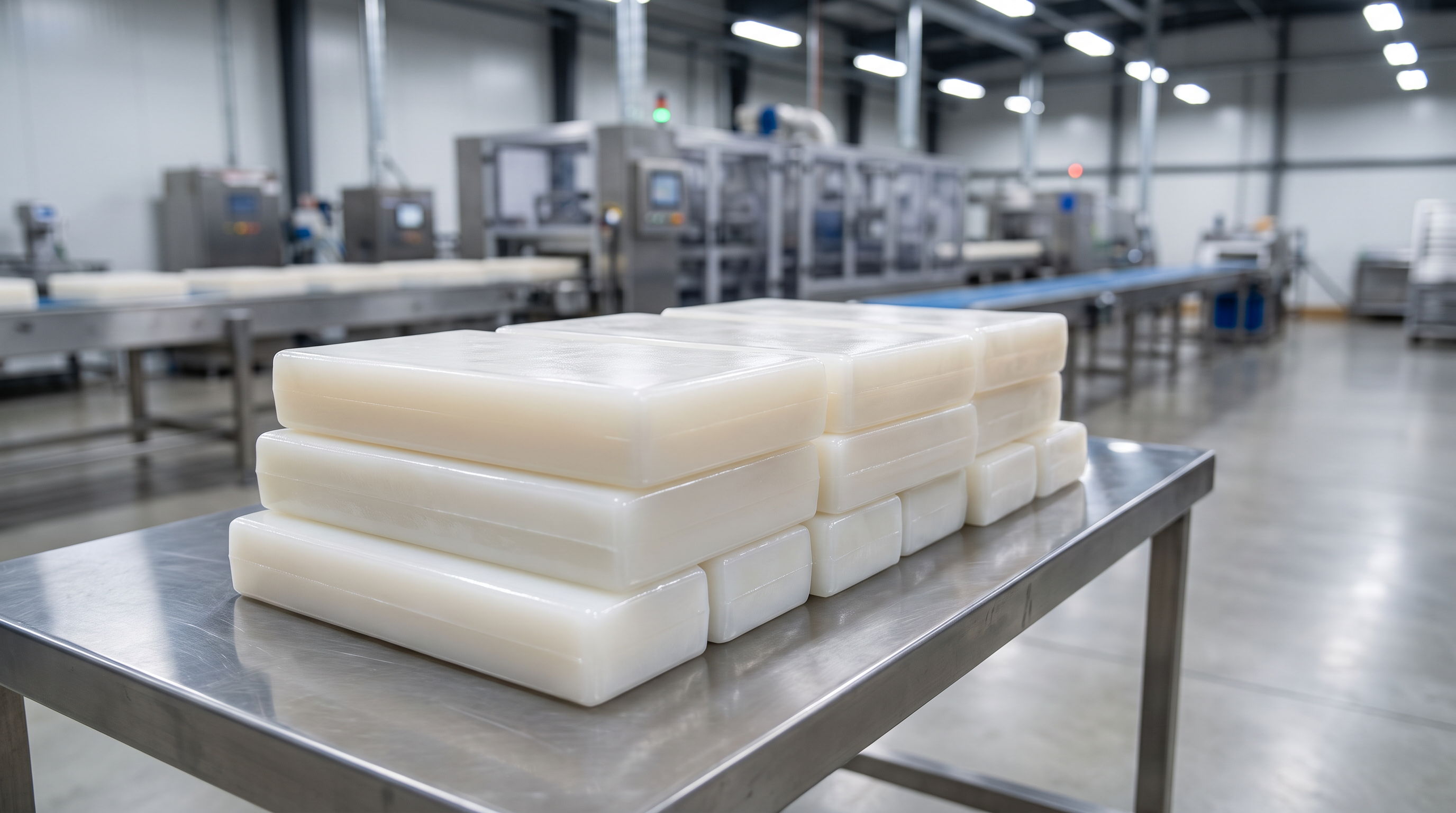
High Consistency Rubber (HCR) is selected for custom parts because of its high molecular weight, which provides exceptional tear strength, tensile resilience, and structural durability. If your design requires a material that can withstand intense physical stretching and mechanical wear, HCR is the elite choice. This solid formulation of silicone rubber is highly stable and allows for precise fabrication of heavy-duty components.
Its robust molecular structure makes it ideal for challenging sealing and tubing applications across a range of heavy industries. The resulting parts are extremely tough and maintain their physical dimensions under high mechanical stress. Let us review why this compound excels under heavy load.
Why HCR Excels in Tear and Tensile Strength
High Consistency Rubber, also referred to as solid silicone, is the material of choice when structural toughness is required. Think about it: if your gasket is constantly pulled or twisted, standard liquid silicones might tear and fail. The high polymer weight of HCR gives your parts the durability needed to survive aggressive mechanical handling.
This structural integrity makes HCR the perfect candidate for high-stress industrial applications.
- High molecular weight polymer chains increase tear resistance.
- Ideal for robust compression and transfer molding.
- Excellent spring-back and recovery properties under pressure.
Common Industrial Applications for HCR
Due to its solid form and high mechanical properties, HCR is utilized to manufacture resilient seals, tubing, and profiles. Why does this matter? These parts retain their structural sealing force over millions of compressions and extreme weather cycles.
You will commonly find HCR seals in aerospace hatch gaskets and continuous industrial extrusions.
Key Takeaway: HCR is ideal for large-scale extrusion of tubing, gaskets, and heavy profiles.
| Performance Factor | Standard HCR Rating | Primary Application | Processing Method |
|---|---|---|---|
| Tear Strength | High (Up to 45 N/mm) | Seals and Gaskets | Compression molding |
| Tensile Strength | Very High | Heavy-duty tubing | Extrusion |
| Durometer Range | 30A to 90A | Tactile keypads | Transfer molding |
This shows why structural components require HCR to maintain physical integrity.
What Makes Liquid Silicone Rubber (LSR) Unique?
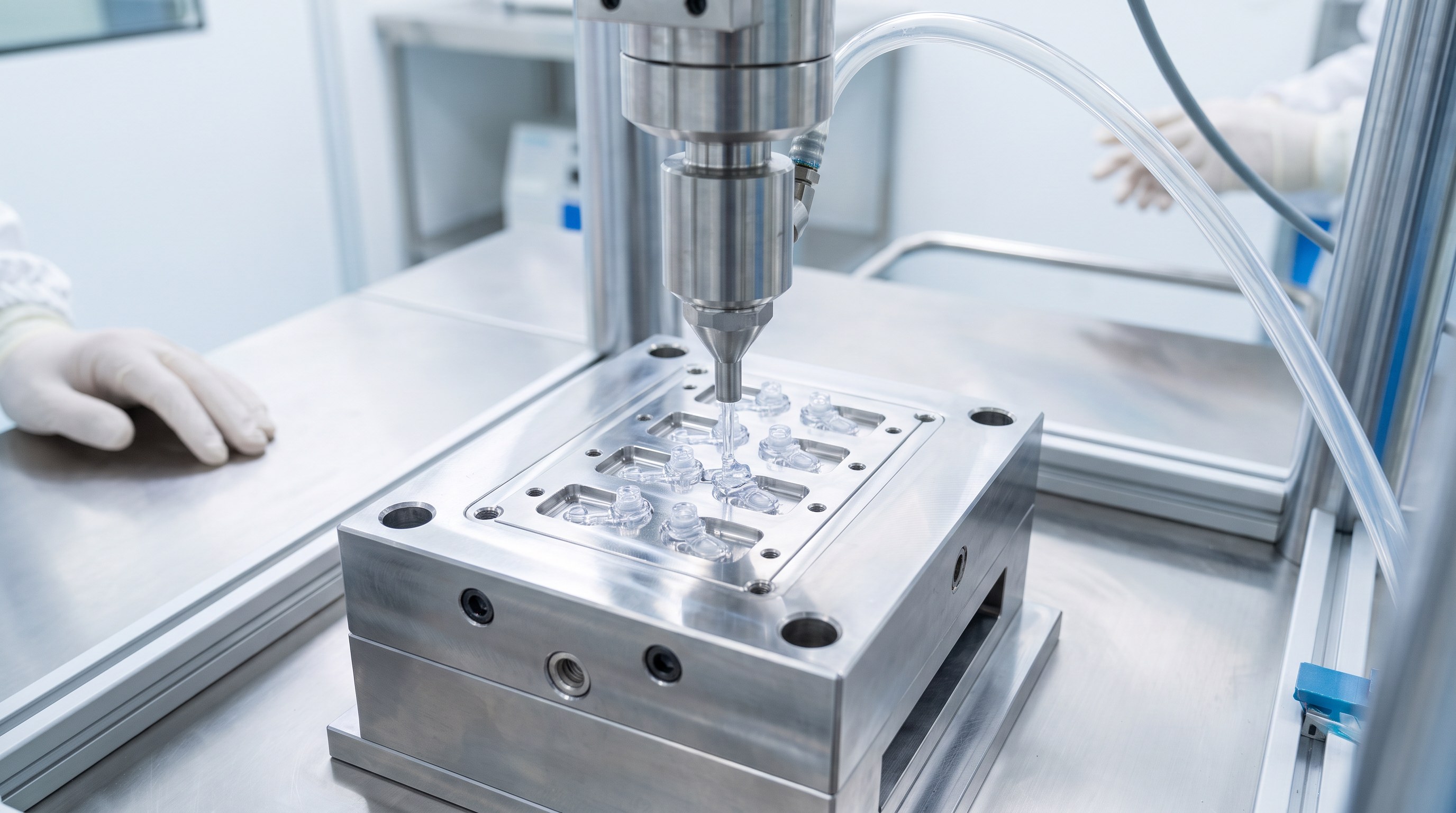
Liquid Silicone Rubber (LSR) is unique because of its highly viscous, two-part liquid platinum-cured chemistry that flows easily into complex molds for rapid, flash-free automated production. This advanced liquid state allows manufacturers to achieve tight micro-tolerances that solid elastomers simply cannot match. Silicone Rubber formulated as a liquid cures rapidly inside heated mold channels, creating high-purity components with zero toxic byproducts.
The high efficiency of this automated injection process dramatically reduces cycle times and per-part assembly costs. It enables your factory to scale production into millions of parts with flawless geometric consistency. Let us evaluate how this raw liquid form enables such high precision.
Why Is High Precision Injection Molding Possible?
The low viscosity of raw LSR allows it to flow effortlessly into the most intricate details of a mold cavity. Here is the kicker: this easy flow means you can manufacture complex parts with virtually no manual flash trimming. Your final pieces will come out of the mold perfectly formed and ready for assembly.
This seamless automation lowers unit costs and speeds up your time-to-market.
- Low viscosity allows filling of paper-thin walls.
- Rapid thermal curing reduces your cycle times.
- Automated injection molding eliminates manual labor.
Typical B2B Applications for LSR
The extreme purity, precision, and efficiency of LSR make it the standard for safety-critical consumer and technical products. Why does this matter? Your medical valves, baby pacifiers, and high-performance electronics require flawless consistency and zero contaminant exposure.
By utilizing closed-loop LSR dosing, you protect your parts from external dust and pollutants.
Key Takeaway: LSR provides automated, flash-free manufacturing for complex medical and infant components.
| LSR Attribute | Typical Value | Ideal For | Processing Benefit |
|---|---|---|---|
| Viscosity | Viscous liquid (pumpable) | Micro-molded details | Fast tool cavity filling |
| Curing Chemistry | Platinum catalysis | Medical & Baby care | Zero volatile byproducts |
| Cycle Time | Very short (30-60 sec) | High-volume production | Maximized daily output |
This analysis illustrates why high-precision parts are best manufactured using automated LSR systems.
When Should You Use Fluorosilicone Rubber (FSR)?
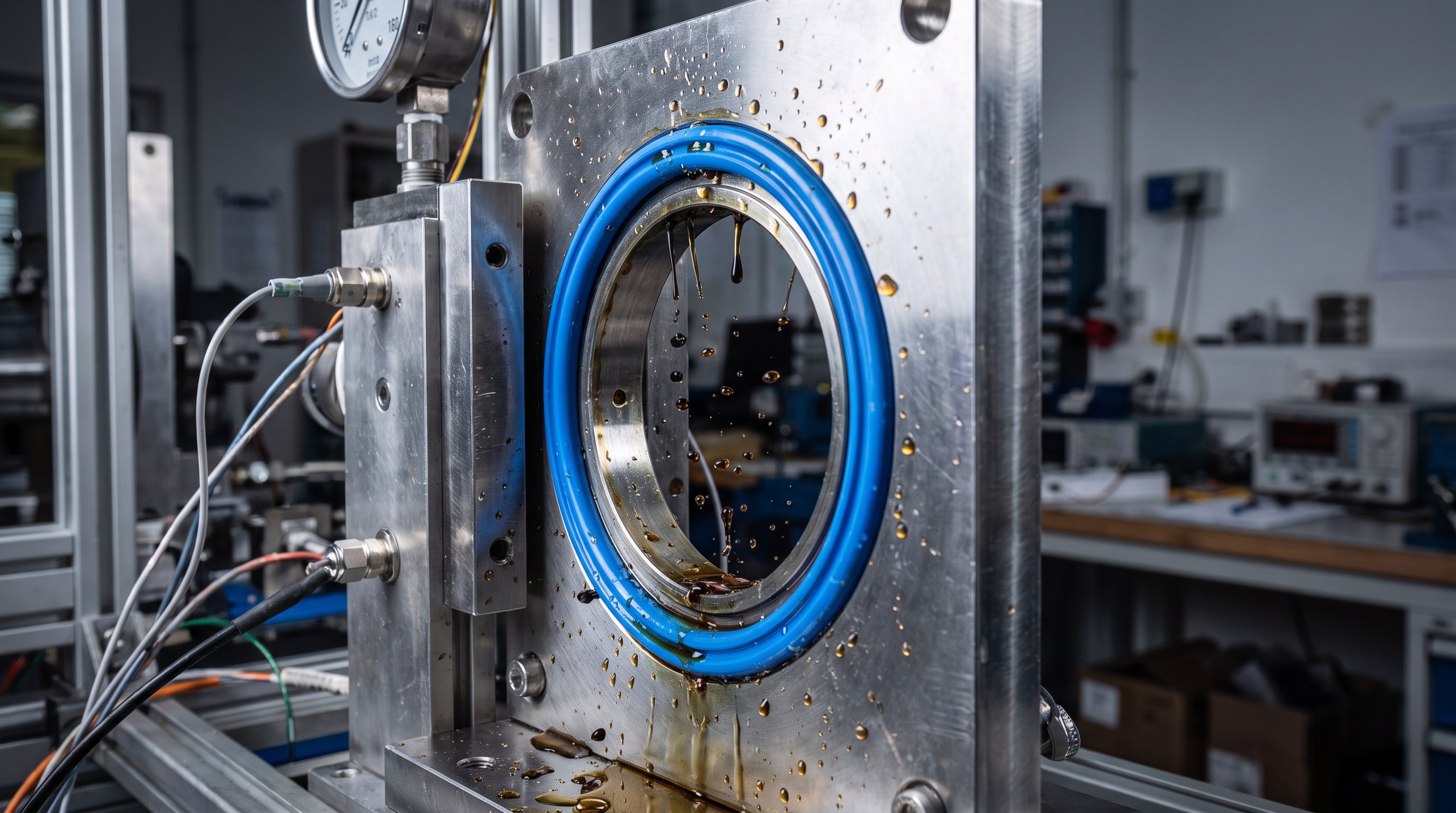
You should use Fluorosilicone Rubber (FSR) when your application requires the classic thermal stability of silicone combined with extreme resistance to fuels, petroleum oils, and non-polar solvents. Standard elastomers will swell, weaken, and fail prematurely when exposed to harsh hydrocarbons or industrial fluids. Fortunately, FSR is a specialized type of silicone rubber designed with fluorine atoms on its polymer backbone to create an impenetrable chemical barrier.
This robust barrier keeps your seals fully functional and prevents leaks in high-stress aerospace and automotive fuel systems. Choosing this material secures your assembly line against expensive fluid-leakage failures. Let us explore the key properties of this specialized chemical-resistant material.
What Gives FSR Outstanding Chemical Resistance?
The secret to FSR is the addition of trifluoropropyl side groups to the molecular chain. Think about it: this fluorine shield repels non-polar solvents while maintaining the flexible nature of the rubber. Your gaskets will not swell or degrade even when submerged in aggressive jet fuels.
This chemical inertness is paired with excellent low-temperature elasticity.
- Fluorine modification protects against aggressive chemicals.
- Maintains flexibility at extremely low operating temperatures.
- Resists swelling from petroleum fuels and organic solvents.
Where is FSR Deployed in Industry?
Due to its resilience in fuel-contact and harsh solvent environments, FSR is standard in aerospace and automotive fuel systems. Why does this matter? Your engines need seals that hold fuel pressure without eroding over time under high heat.
It prevents critical leaks in high-altitude environments where safety is paramount.
Key Takeaway: Select FSR only when standard silicone fails due to fuel, oil, or aggressive chemical contact.
| Environment | Standard Silicone | FSR Performance | Recommended Application |
|---|---|---|---|
| Jet Fuel Contact | High Swelling / Failure | Resistant / Stable | Aerospace gaskets |
| Engine Oils | Moderate Degradation | Excellent Resistance | Automotive diaphragms |
| Ozone / UV Exposure | Stable | Excellent Outdoor Stability | High-altitude external seals |
This highlights why choosing chemical-resistant fluorosilicone is non-negotiable in fuel-handling systems.
How Does High-Temperature Vulcanized Rubber Work?
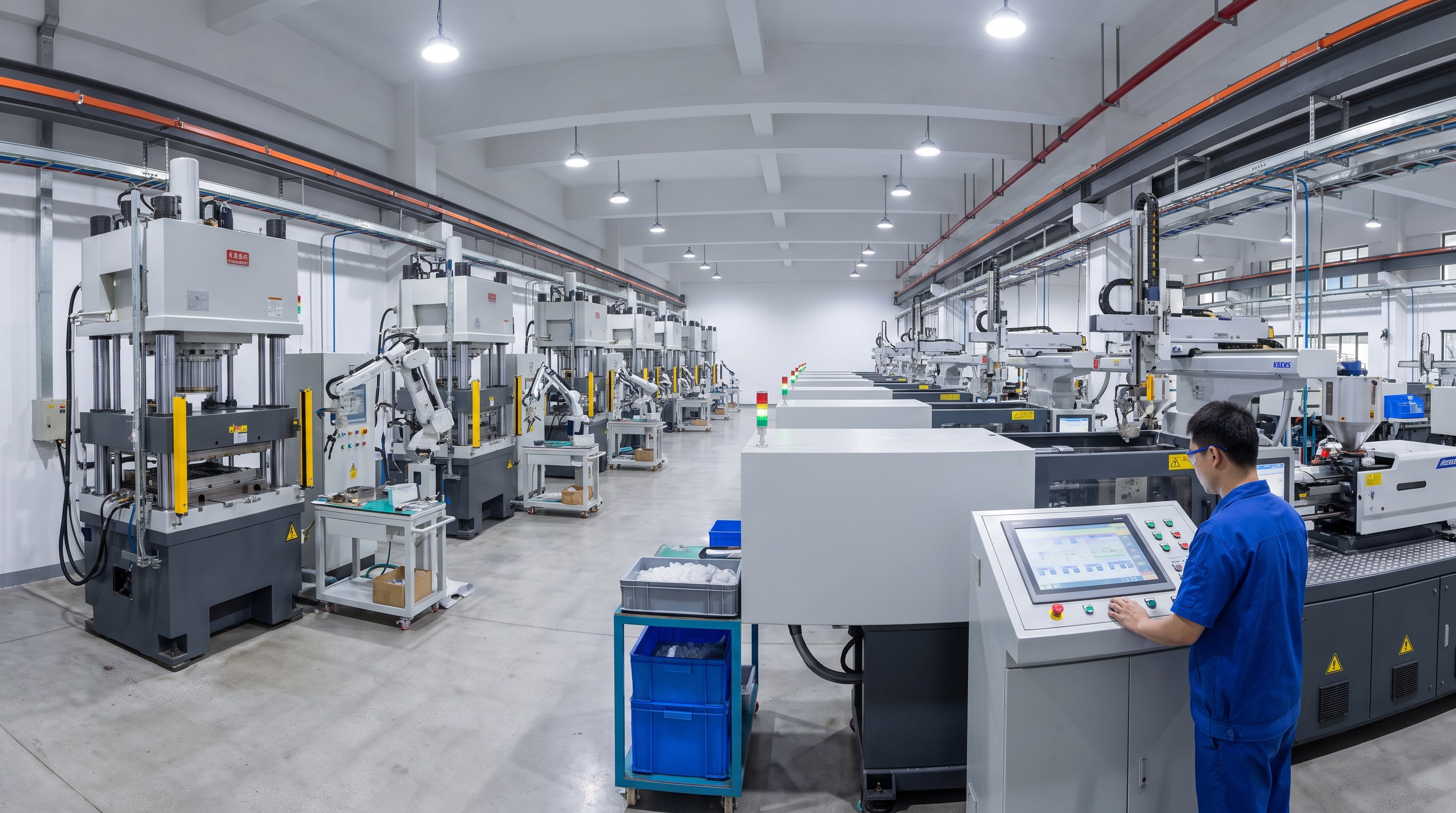
High-Temperature Vulcanized (HTV) rubber works by using thermal energy (typically above 110°C) to activate crosslinking catalysts that cure the dense, clay-like compound into a durable solid. The thermal curing process creates a highly stable, tightly crosslinked matrix that outperforms other elastomers at extreme temperatures. Selecting Silicone Rubber formulated for high-temperature vulcanization ensures your structural seals maintain their shape under continuous heat.
This reliable reaction allows the material to hold tight dimensions over decades of industrial service. It provides robust thermal protection and mechanical resistance under physical stress. Let us examine how this thermal process produces such tough mechanical components.
How HTV Achieves Thermal Stability Up to 250°C
The chemical crosslinking activated by high heat creates dense, stable polymer connections. Why does this matter? These tight molecular networks prevent your molded seals from melting, softening, or cracking at high temperatures.
Your equipment will operate continuously and reliably inside heavy-duty industrial furnaces.
- Thick crosslinked structures resist heat deformation.
- Special formulations withstand continuous heat up to 250°C.
- Low compression set under intense thermal environments.
What Makes HTV Perfect for Thick-Walled Parts?
Because of its clay-like pre-cure state, HTV silicone stays put and does not sag during initial molding steps. Here is the kicker: you can easily pre-form this compound to fit massive industrial molds without running or dripping. This makes it ideal for producing thick-walled high-voltage isolators and industrial suction cups.
This mechanical stability provides consistent results across large manufacturing batches.
Key Takeaway: HTV silicones are the heavyweights of high-heat sealing, maintaining physical integrity up to 250°C.
| HTV Property | Range / Value | Primary Performance Impact |
|---|---|---|
| Continuous Heat | -50°C to 250°C (specialized up to 300°C) | Unmatched thermal survival |
| Pre-cure Viscosity | High (Gum-like) | Keeps structural shape before curing |
| Molding Compatibility | Compression & Transfer | Perfect for thick-walled components |
This technical breakdown highlights why heavy-duty parts rely on thermal vulcanization to maintain shape and function.
Where Is Electrically Conductive Silicone Needed?
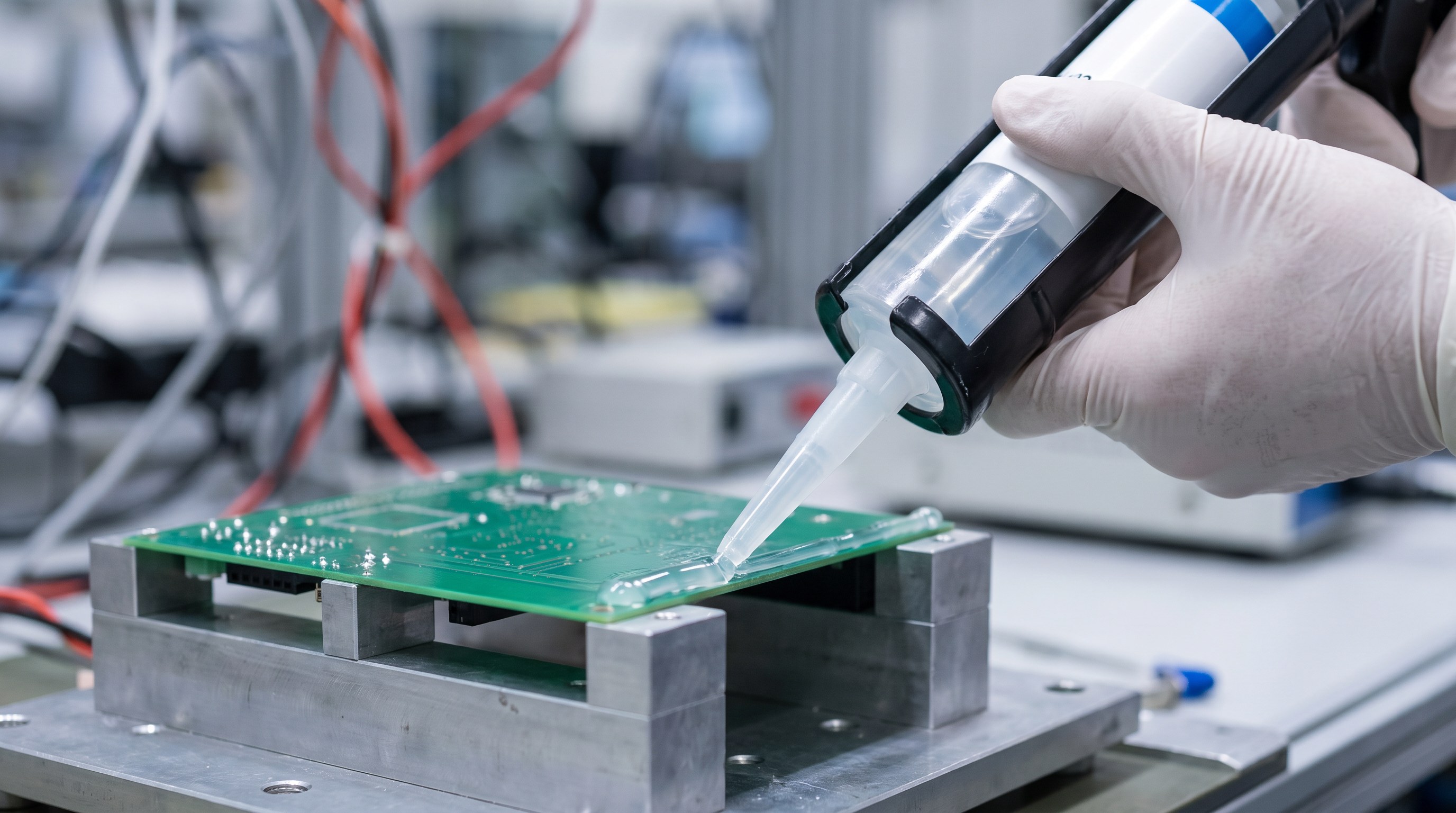
Electrically conductive silicone rubber is needed in high-tech electronic systems that require simultaneous elastic environmental sealing and effective electromagnetic interference (EMI) shielding or electrostatic discharge (ESD) protection. Modern hardware often requires materials that protect delicate internal circuits from both moisture and electrical noise. Standard silicone rubber is a natural insulator, but compounding it with metallic or carbon fillers completely transforms its capabilities.
This unique formulation allows the elastomer to conduct current while maintaining its original flexibility and sealing force. It serves as a dual-purpose solution that simplifies complex electronic enclosures. Let us see how this specialized compound is deployed in high-tech environments.
How Conductive Fillers Block Interference
By dispersing micro-particles of nickel, silver, or carbon into the polymer base, you create a conductive path. Think about it: a standard gasket only blocks dust, but a conductive gasket stops invisible signal noise from ruining your circuit’s performance. It forms a continuous shield that absorbs and reflects electromagnetic waves.
This grounding shield keeps your equipment functioning perfectly in crowded electrical fields.
- Infilled carbon or nickel particles enable electrical current flow.
- Blocks EMI from disrupting your sensitive electronic modules.
- Safely dissipates static build-up to protect internal microchips.
Where Conductive Seals Secure Automotive Avionics
Modern electric vehicles and advanced aircraft use conductive silicone seals to isolate high-frequency electromagnetic noise. Why does this matter? Your high-frequency safety sensors and ADAS radar modules must function without interference from adjacent high-voltage battery cables.
This dual protection ensures passenger safety and prevents mechanical malfunctions under extreme electrical stress.
Key Takeaway: Conductive silicones integrate elastic environmental sealing with active EMI and ESD protection.
| Filler Type | Conductivity Level | Primary Electronic Role |
|---|---|---|
| Carbon Black / Graphite | Moderate | Static dissipation & ESD protection |
| Nickel-Coated Graphite | High | Broadband EMI/RFI shielding |
| Silver-Coated Aluminum | Ultra-High | Military-grade signal isolation |
This highlights why high-performance electronic enclosures require specialized conductive compounds.
Why Is Medical-Grade Silicone Crucial for Health?
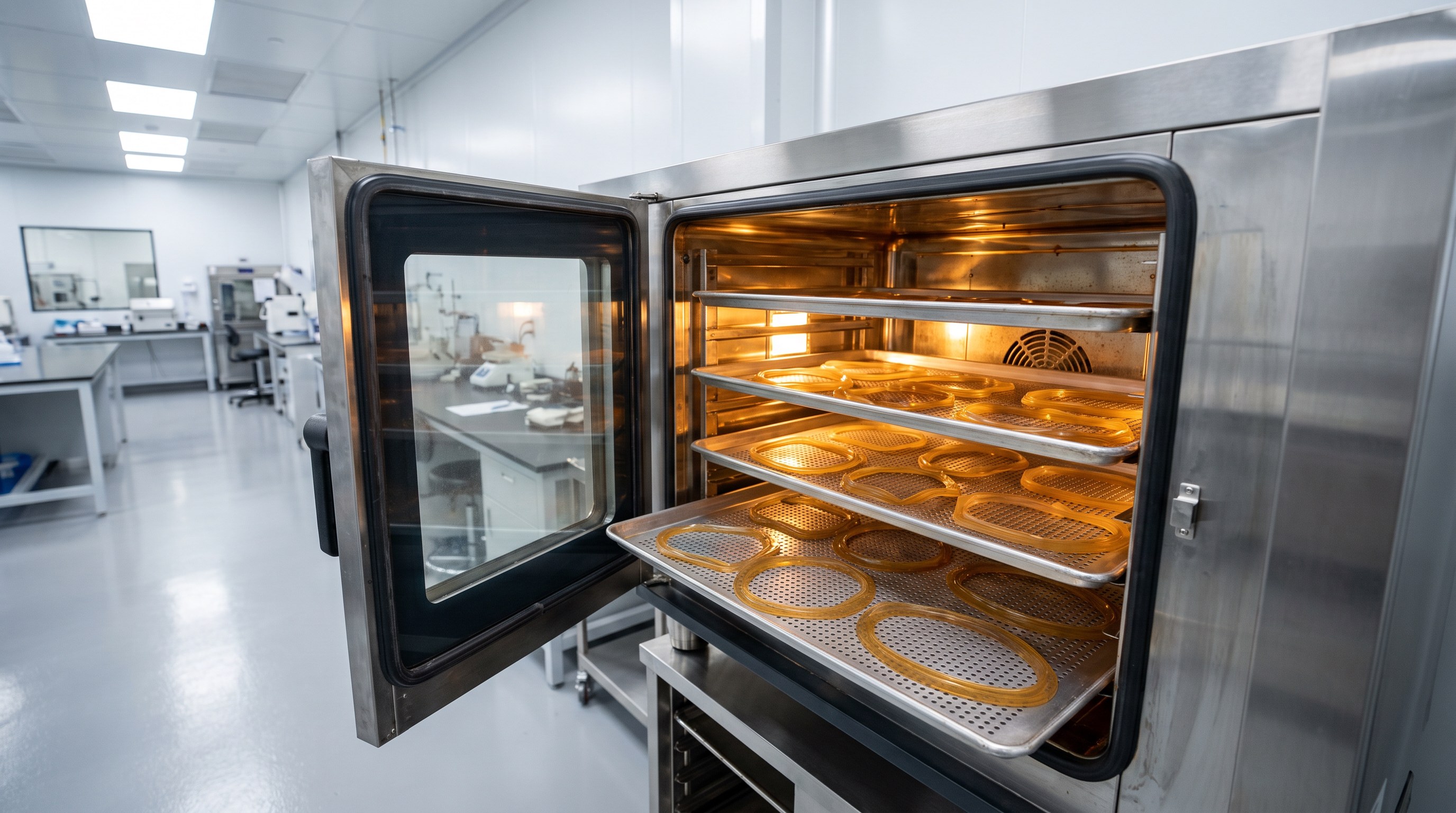
Medical-grade silicone is crucial for health because its high-purity, platinum-cured formulation prevents tissue irritation, hypoallergenic reactions, and chemical leaching during clinical or consumer contact. In hygiene-critical industries, selecting materials with verified biological safety profiles is a strict regulatory requirement. This specialized grade of Silicone Rubber undergoes rigorous testing to meet strict ISO 10993 and USP Class VI biocompatibility standards.
The absence of harmful plasticizers makes it safe for both long-term medical devices and infant care essentials. It guarantees a high standard of patient safety and satisfies demanding global health regulations. Let us look at the strict manufacturing controls that guarantee this purity.
What Are the Strict Biocompatibility Standards?
To protect patients, medical elastomers must not release toxic byproducts or trigger body reactions. Here is the kicker: standard industrial silicones use peroxide-curing systems that leave behind volatile residues, whereas medical-grade uses platinum catalysts. Platinum curing ensures that your components are completely clean, odor-free, and safe for bodily contact.
This chemical purity is non-negotiable for medical implants and feeding equipment.
- Must pass strict ISO 10993 and USP Class VI approvals.
- Hypoallergenic, non-toxic, and completely BPA-free.
- Resists bio-fluid absorption and bacterial growth.
Where Medical Grades Secure Patient Safety
Due to its extreme purity, medical-grade silicone is used for surgical tubing, fluid-delivery gaskets, and maternal care products. Why does this matter? Your baby bottle nipples and clinical tubes must withstand high-temperature steam sterilization without degrading or releasing toxic compounds.
This chemical stability ensures absolute peace of mind for both parents and clinical practitioners.
Key Takeaway: Platinum-cured medical silicones eliminate toxic peroxide byproducts, making them safe for sensitive contact.
| Compliance Metric | Certifying Body / Standard | Key Medical Benefit |
|---|---|---|
| ISO 10993 | International Standards Org | Proven non-toxic to living tissue |
| USP Class VI | US Pharmacopeia | Highest safety rating for medical implants |
| FDA / LFGB | Food & Drug Administration | Zero chemical transfer in food-contact |
This underscores why prioritizing certified medical-grade raw materials is essential for global healthcare compliance.
How Do Liquid and Solid Silicone Rubbers Compare?
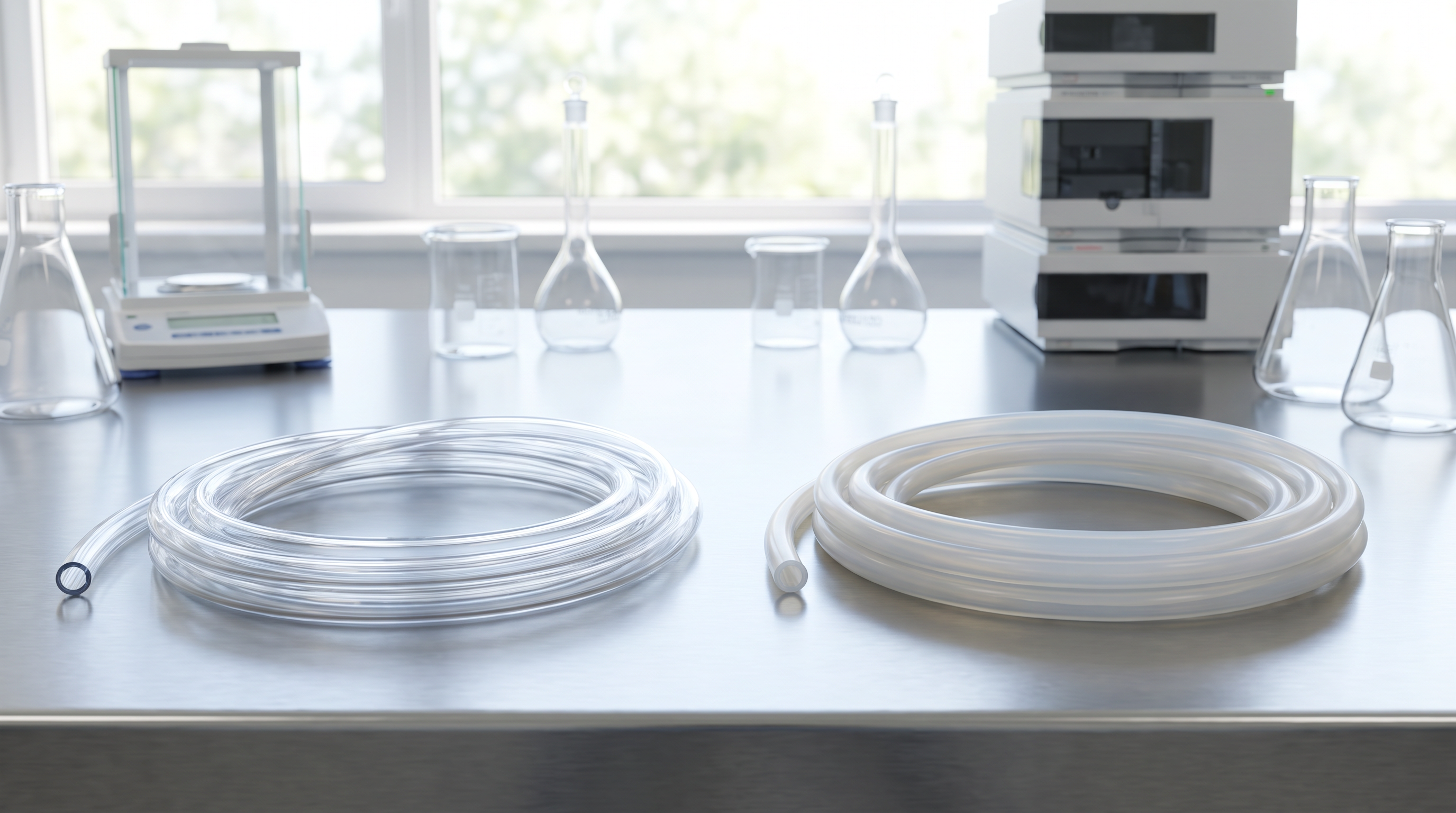
Liquid and solid silicone rubbers compare primarily on their raw viscosity, processing equipment, tooling complexity, and resulting tear strength. When preparing your manufacturing plan, selecting the right form of raw silicone rubber is critical for balancing performance and budgeting. Solid compounds require compression or extrusion tools, whereas liquid grades utilize precision automated injection machinery.
Understanding these core physical and processing trade-offs is key to preventing assembly line bottlenecks and mold failures. Making the correct choice will optimize your production line efficiency and reduce scrap rates. Let us compare their performance characteristics side-by-side.
What Are the Tooling and Processing Differences?
The raw form of the material dictates the type of machinery and molds you must invest in. Think about it: choosing the wrong form can double your production lead times and exhaust your development budget. HCR requires physical pre-forming and manual press loading, while LSR runs automatically with liquid dosing pumps.
LSR tooling costs more initially, but it slashes your labor and cycle costs at scale.
- HCR uses simpler, low-cost compression molds.
- LSR requires high-precision, automated liquid injection tools.
- LSR is superior for scaling to high production volumes.
How Do Their Tensile Strengths Compare?
The physical properties of the cured rubber will ultimately determine how long your part survives in the field. Why does this matter? Your design must choose between the high tear strength of solid rubber and the extreme detail precision of liquid rubber.
HCR features longer polymer chains, giving your parts the best tear resistance under heavy tensile strain.
Key Takeaway: Choose HCR for extreme tear strength, and choose LSR for high-precision, automated micro-molding.
| Structural Metric | Liquid Silicone Rubber (LSR) | Solid Silicone Rubber (HCR) |
|---|---|---|
| Tear Strength | Moderate (15 to 30 N/mm) | Exceptional (35 to 45 N/mm) |
| Wall Thickness Minimum | Ultra-thin (down to 0.1 mm) | Moderate (typically >0.5 mm) |
| Production Automation | Fully automated (flash-free) | Semi-automated / manual demolding |
This direct comparison clarifies which material state best aligns with your structural design and budget constraints.
How Do You Choose the Best Silicone for Your OEM?
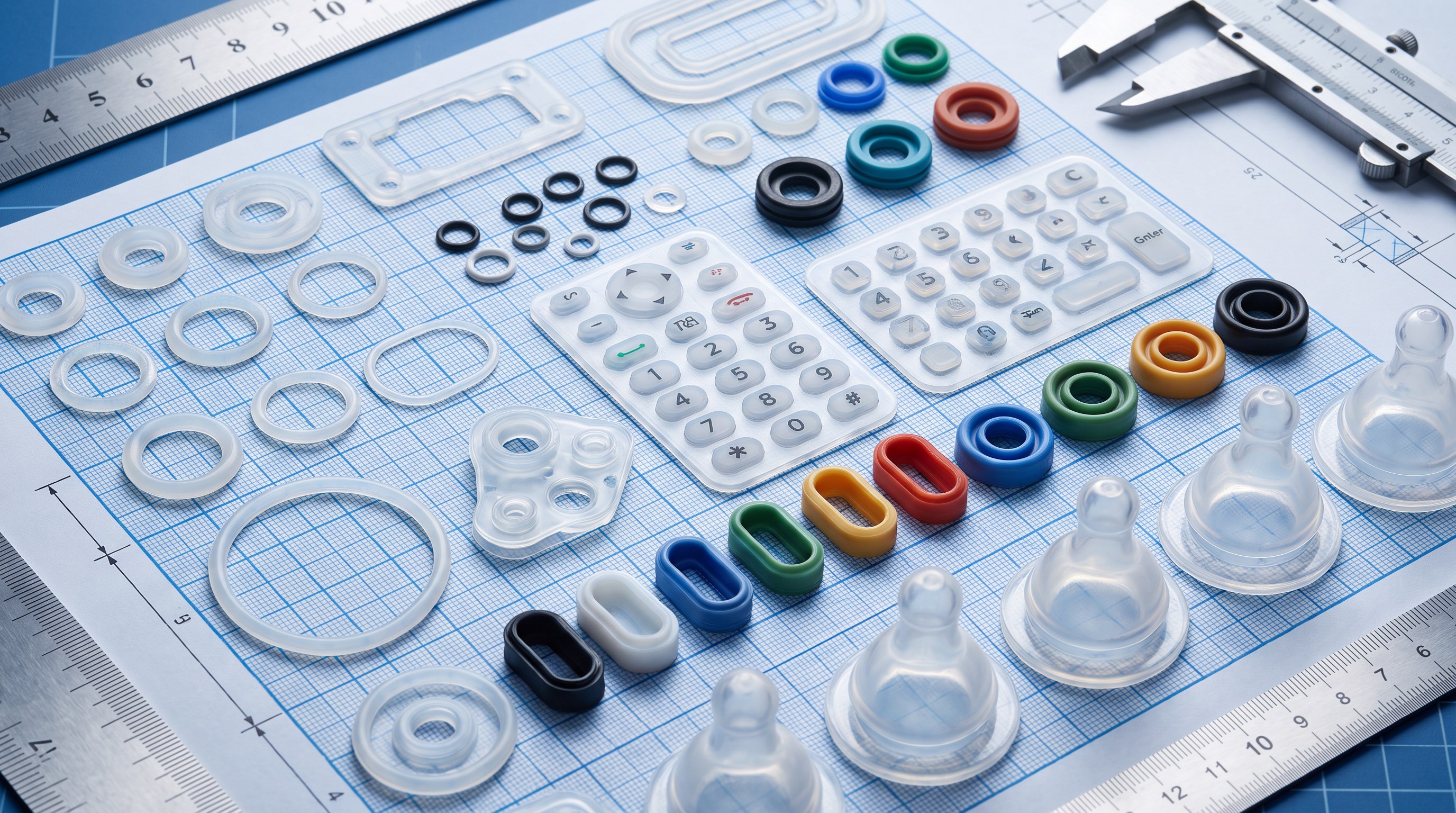
You choose the best silicone for your OEM by evaluating your operational temperatures, chemical exposure risks, target production volumes, and required regulatory compliance standards. Making the right choice requires close collaboration between design engineers and seasoned manufacturing experts. The ideal Silicone Rubber grade must perfectly match both your structural expectations and your total budget.
Vetting material certifications early in the design stage protects your project from expensive tooling modifications and production delays. Partnering with an expert manufacturer makes it easy to find this balance. Let us highlight the critical selection factors for B2B procurement.
What Are the Key Factors for B2B Procurement?
Procuring custom elastomers requires a detailed balance of engineering parameters and supply-chain logistics. Think about it: over-specifying your polymer can rapidly erode your project’s profit margins, while under-specifying can lead to field failures. You must carefully detail the chemical contact risks, temperature loads, and mechanical forces your part will face.
This early evaluation ensures your assembly line runs smoothly without sudden raw material shortages.
- Define operating temperature spikes early.
- Confirm chemical contact hazards before selecting compounds.
- Assess volume demands to justify automated tooling.
Why Partner with a Certified Custom Manufacturer?
An experienced custom molding partner will help you navigate complex raw materials and optimize mold designs. Why does this matter? It ensures you get direct factory communication, instant DFM feedback, and strict batch traceability under ISO 9001:2015 controls.
This close technical support guarantees consistent dimensional accuracy and high-speed delivery for all your custom components.
Key Takeaway: Choosing the correct manufacturing partner guarantees dimensional accuracy and material purity across all production batches.
| Procurement Metric | Standard Supplier | Certified Partner (HuaLin) |
|---|---|---|
| Tooling Turnaround | Often outsourced / slow | In-house mold design / fast prototyping |
| Engineering Support | Limited catalog options | Direct DFM engineering reviews |
| Compliance Assurance | Self-certified / loose | Full FDA, LFGB, and ISO 9001:2015 tracking |
This final analysis outlines how choosing the right manufacturing partner secures your market success.
Conclusion
Selecting the correct custom elastomer is a critical engineering decision that dictates the lifetime, safety, and reliability of your commercial products. Whether your project demands the high tear resistance of solid HCR, the automated micro-precision of LSR, or the chemical defense of fluorosilicone, matching raw material behavior with accurate processing molds is the ultimate key to B2B manufacturing success. Material missteps can lead to unexpected tooling rework, field seal failures, and severe delays in your production timeline.
We solve these manufacturing and engineering bottlenecks by delivering a comprehensive, factory-direct solution that spans from initial mold design to mass-scale production. With years of custom silicone experience, a large manufacturing facility, and in-house CNC tooling centers, our team is equipped to optimize your parts for both performance and budget. We provide detailed Design for Manufacturing (DFM) reviews, rapid prototyping runs, and strict quality control protocols to ensure every batch meets your exact requirements.
If you are ready to de-risk your production and optimize your custom component manufacturing, contact us today for an in-depth engineering review and direct factory quote. Let us help you turn complex elastomer challenges into streamlined, high-performance manufacturing realities.
Frequently Asked Questions (FAQ)
Can I use standard silicone rubber in fuel-contact applications?
No, it is not recommended. Standard silicone rubber will absorb non-polar hydrocarbons and fuels, causing the elastomer to swell, soften, and lose its sealing force. For any fuel or harsh solvent contact, you should specify Fluorosilicone Rubber (FSR) which is engineered with a fluorine barrier to resist chemical swelling while maintaining elastic flexibility.
What’s the best curing system for hygiene-critical applications?
The best curing chemistry is a platinum-catalyzed addition-cure system. Platinum-cured silicones do not release toxic peroxide byproducts or organic acids during vulcanization, ensuring the final parts are odorless, tasteless, and highly biocompatible. This is the global standard for medical device gaskets, surgical tubing, and infant care products.
How do I know if I should choose LSR or HCR for my project?
You can decide based on your design complexity and planned production volume. If your component has extremely intricate geometries, paper-thin walls, and requires millions of pieces, LSR and automated injection molding are highly recommended. If your part is thick-walled, requires maximum physical tear strength, or is processed in lower volumes, HCR with compression molding is more cost-effective.
Can I recycle industrial silicone rubber products?
No, they cannot be melted back down into raw polymer because silicone is a thermoset material with permanent molecular crosslinks. However, silicone can be successfully downcycled. Specialized facilities can grind old parts into fine powders to serve as fillers in new silicone compounds, asphalt mixtures, and athletic track materials.
How do I know if my design has the right Shore A hardness?
You should select the durometer based on the mechanical requirements of your parts. If you are manufacturing soft gaskets, baby nipples, or flexible medical valves, a low durometer (10A to 30A) is ideal. For standard household goods, protective sleeves, and flexible tubes, a medium durometer (40A to 60A) is preferred, while rigid industrial seals require a high durometer (70A to 90A).