
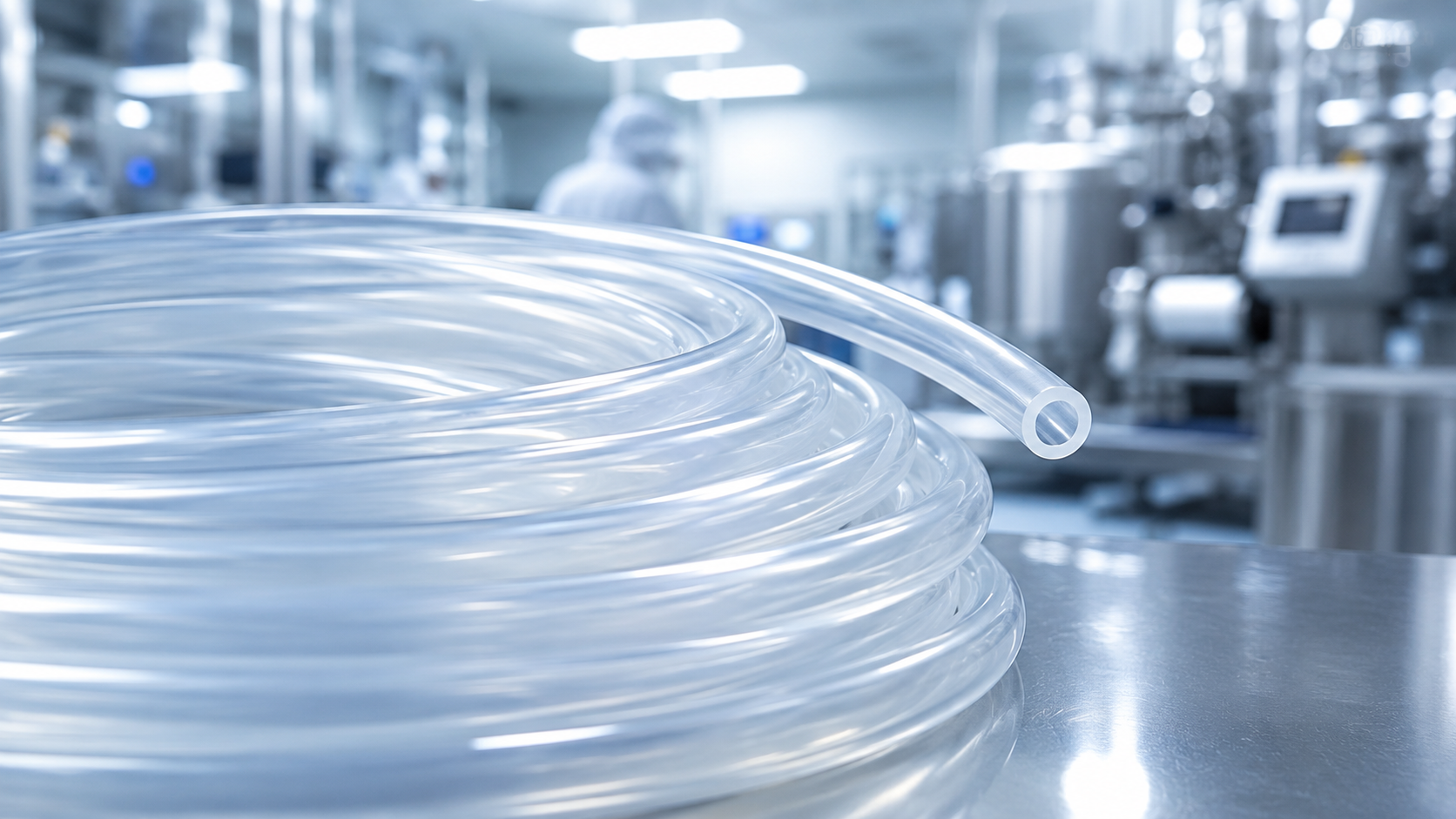
Yes, high-purity silicone tubing is exceptionally safe when manufactured to precise medical, food, or industrial standards. Hardware engineers and medical procurement teams often face catastrophic component failure when choosing sub-par polymers, leading to chemical leaching or material degradation. This results in costly product recalls, severe regulatory penalties, and a complete loss of brand trust. To solve these critical bottlenecks, implementing premium-grade Silicone Tubing designed for your specific application requirements ensures ultimate material stability and certified compliance.
Is Silicone Tubing Safe for Medical Use?
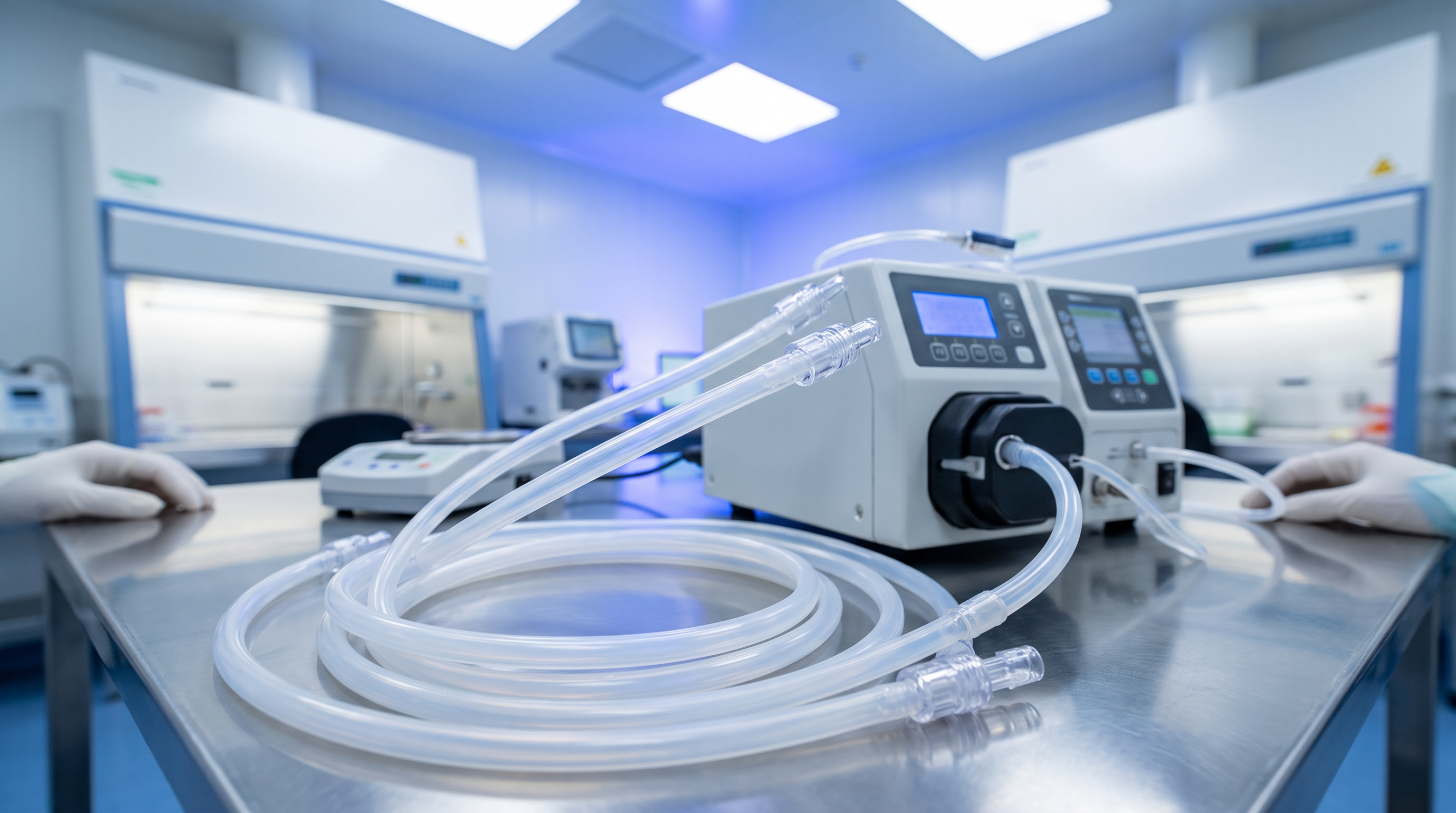
Yes, silicone tubing is completely safe for medical applications when it meets strict biocompatibility criteria. Silicone Tubing manufactured from premium liquid silicone rubber (LSR) contains no harmful plasticizers or toxic additives. This material is highly resistant to bacterial growth, chemical disinfection, and extreme sterilization protocols.
Why Does Biocompatibility Matter in Healthcare?
Biocompatibility ensures that the fluid pathway does not interact with human tissue or sensitive biological solutions. Think about it: if your tubing leaches organic volatiles during surgery, the patient’s health is directly compromised. Specifying medical-grade polymers protects patients and preserves system sterility.
- Exhibits exceptional non-reactive characteristics.
- Resists clotting and platelet adhesion.
- Withstands aggressive autoclaving cycles.
- Maintains flexibility without cracking.
What Is ISO 10993 Compliance?
Testing under ISO 10993 verifies that the polymer does not induce systemic toxicity, cytotoxicity, or irritation. This rigorous standard guarantees your components are safe for long-term clinical contact.
Key Takeaway: Choosing ISO 10993-compliant materials guarantees patient safety and accelerates your path to regulatory approval.
| Test Metric | Standard Target | Primary Benefit |
|---|---|---|
| Cytotoxicity | Zero cell reactivity | Eliminates cell-level damage |
| Systemic Toxicity | No adverse reactions | Safely handles internal fluids |
| Hemocompatibility | Non-hemolytic | Prevents blood cell damage |
This protocol acts as your primary safeguard against clinical system failures.
How Does Silicone Compare to PVC or TPE?
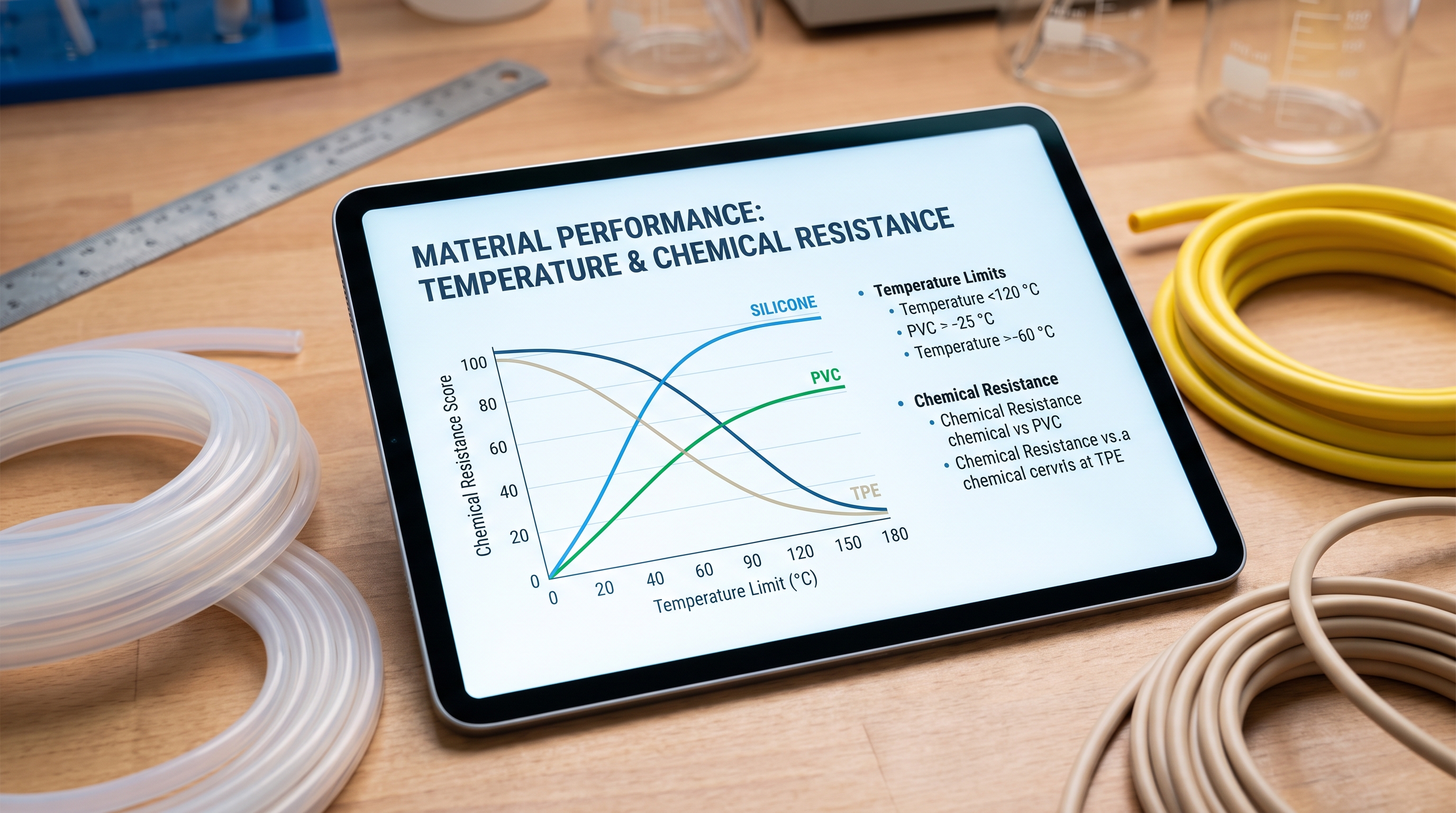
Yes, silicone outperforms both PVC and TPE in thermal range, chemical inertness, and long-term durability. Choosing the right material depends on your specific operational environment and chemical exposure limits. Standard Silicone Tubing offers an unparalleled life cycle and maintains elasticity where alternative materials quickly fail.
Why is PVC Failing Modern Safety Audits?
PVC often relies on phthalates to achieve flexibility, raising severe chemical leaching concerns. Here is the deal: when these plasticizers migrate into your fluid stream, they introduce toxic contamination risks. These migrating elements can compromise your delicate liquid samples.
- PVC contains migrating phthalate plasticizers.
- TPE lacks long-term thermal memory.
- Silicone retains flexibility across extreme ranges.
- TPE degrades under repeated autoclave cycles.
Can TPE Replace Silicone in Fluid Systems?
TPE provides good thermoplastic recyclability, but it lacks the thermal and mechanical resilience of cross-linked silicone. When your processes face high mechanical shear, TPE options are prone to permanent deformation. This can restrict fluid flow and lead to expensive system blockages.
Key Takeaway: Upgrading to silicone eliminates the risk of plasticizer contamination and ensures long-term system integrity.
| Material Class | Temperature Range | Chemical Resistance | Durability & Flex Life | Relative Cost Profile |
|---|---|---|---|---|
| Custom Silicone | -60°C to +250°C | Excellent (acids, ozone, solvents) | High (Excellent flex life) | Moderate to High |
| PVC (Plasticized) | -10°C to +80°C | Moderate (risk of leaching) | Low (hardens over time) | Low |
| TPE | -40°C to +120°C | Good (mild chemicals) | Moderate | Moderate |
The data demonstrates silicone’s superior stability across demanding physical environments.
What Certifications Ensure Tube Safety?
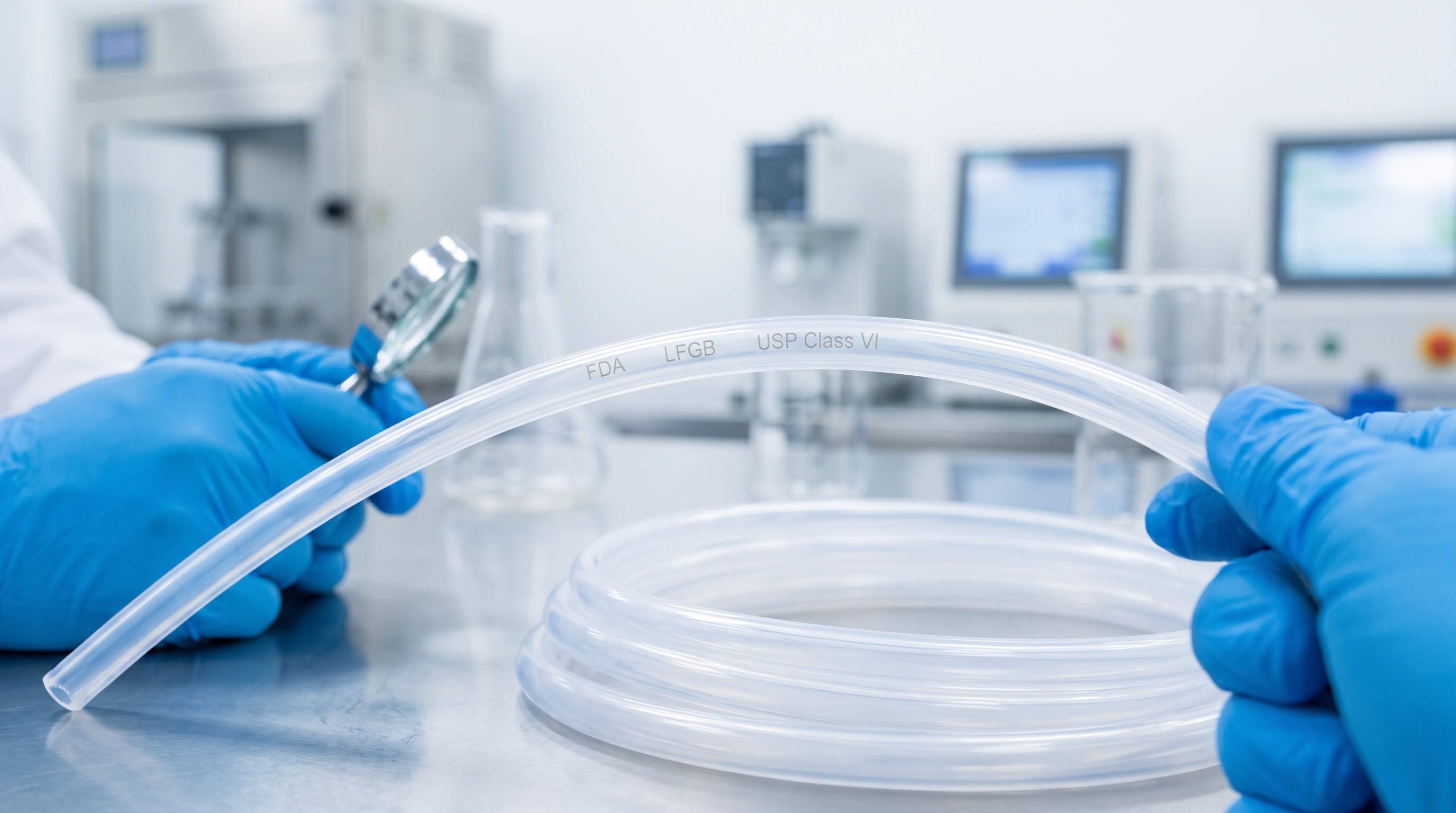
Yes, globally recognized certifications like FDA, LFGB, and USP Class VI guarantee material safety. Sourcing certified Silicone Tubing ensures your end products meet rigorous legal frameworks. These testing validations protect your operations from dynamic compliance audits.
What Is the USP Class VI Standard?
USP Class VI is one of the most stringent testing protocols for medical-grade plastics. Let’s dive in: this certification involves in vivo testing to evaluate toxicity in biological systems. Passing these checks is a prerequisite for high-stakes medical deployments.
- Evaluates systemic toxicity in vivo.
- Tests for intracutaneous reactivity.
- Examines localized muscle tissue reaction.
- Ensures minimal biological risk.
How Do RoHS and REACH Impact Global Compliance?
Environmental standards restrict dangerous substances, ensuring your materials are free from lead, mercury, and phthalates. Compliance with these frameworks opens up frictionless access to European and American markets. This allows your medical or consumer devices to sail through international customs.
Key Takeaway: Verifying USP Class VI and REACH certifications protects your supply chain from costly regulatory penalties.
| Standard | Governing Region | Primary Focus | Testing Methodology |
|---|---|---|---|
| USP Class VI | United States | Medical Biocompatibility | In vivo systemic, intracutaneous, and muscle implant testing |
| REACH | Europe | Environmental Safety | Restricting chemicals of very high concern (SVHC) |
| RoHS | Global | Hazardous Substances | Limiting heavy metals and polybrominated flame retardants |
Navigating these standards is critical for launching compliant medical and consumer devices.
Is Silicone Safe Under Extreme Heat?
Yes, silicone maintains its structural integrity and safety profile across extreme temperature ranges. The unique inorganic siloxane backbone allows Silicone Tubing to withstand continuous thermal exposure without releasing toxic volatiles. This molecular configuration ensures that safety is never compromised at thermal limits.
What Is the Thermal Limit of Silicone?
Unlike organic rubbers that melt or harden, silicone operates reliably from sub-zero conditions up to scorching environments. What does this mean for you? You can run high-temperature sterilization cycles without structural degradation. This heat resistance reduces continuous maintenance overhead.
- Resists continuous heat up to 250°C.
- Maintains elasticity down to -60°C.
- Prevents structural melting or cracking.
- Exhibits minimal thermal expansion.
Does Heat Cause Chemical Leaching?
High-quality formulations resist outgassing and leaching even when thermal limits are pushed. Cheap, unbaked industrial variants, however, may release volatile cyclic siloxanes under high temperatures. This emphasizes the importance of selecting verified platinum-cured compounds.
Key Takeaway: High-temperature silicone elements guarantee structural stability and eliminate risk during thermal sterilization.
| Temperature Range | Polymer Stability | Leaching Risk | Physical Appearance |
|---|---|---|---|
| -60°C to -10°C | High flexibility | Very Low | Unchanged elastic rubber |
| 0°C to 150°C | Fully stable | None (Zero VOCs) | Unchanged elastic rubber |
| 150°C to 250°C | Excellent endurance | Low (unbaked grades swell) | Slightly darkened, still stable |
This high-temperature endurance makes silicone irreplaceable in industrial sterilization systems.
How is High-Quality Tubing Manufactured?
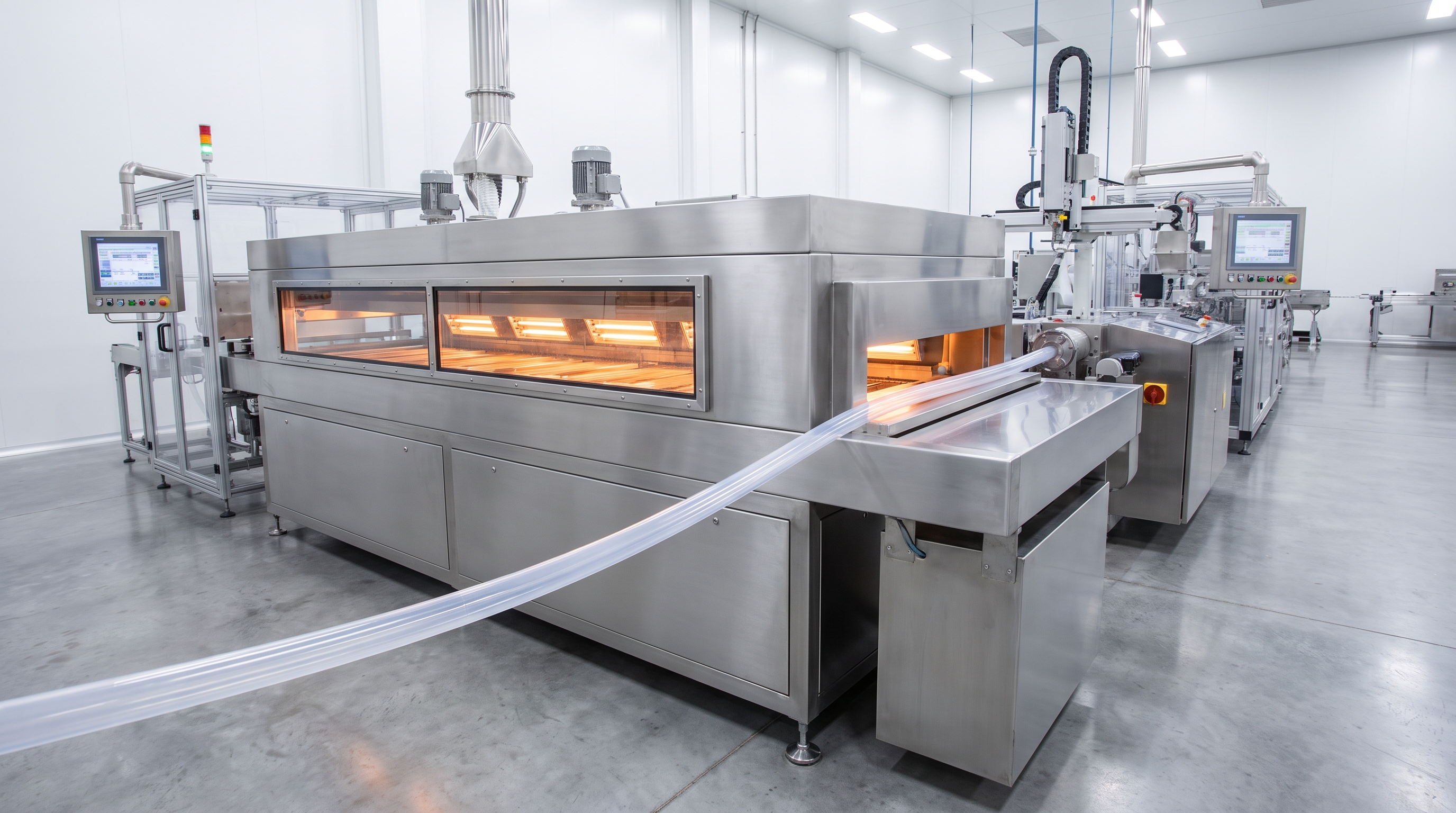
Yes, premium tubing is manufactured through precise extrusion using high-purity platinum-cured silicone polymers in controlled cleanrooms. The selected curing agent and environmental controls directly determine the ultimate purity of your custom parts. Partnering with a manufacturer that extrudes Silicone Tubing via platinum addition curing ensures zero harmful byproducts.
Platinum Curing vs. Peroxide Curing?
Peroxide curing leaves behind acidic residue that requires intensive baking to remove completely. But wait, there is more: platinum addition curing results in a pristine material with absolutely no taste or odor. This prevents product contamination and preserves fragile chemical compositions.
- Platinum curing produces zero acidic byproducts.
- Peroxide methods can leave benzoic acid.
- Platinum-cured products exhibit higher clarity.
- Addition cure offers superior tensile strength.
Why Is Post-Curing Critical?
Post-curing in specialized industrial ovens drives off volatile low-molecular-weight siloxanes. This secondary heat treatment stabilizes the final physical properties and ensures long-term safety compliance. It prevents the tube from yellowing or hardening over time.
Key Takeaway: Investing in platinum-cured and post-cured products protects your sensitive fluids from chemical cross-contamination.
| Metric | Peroxide Curing | Platinum Addition Curing |
|---|---|---|
| Byproducts | Benzoic acid (acidic volatiles) | None |
| Taste & Odour | Potential chemical odor | Odourless and tasteless |
| Post-Cure Need | Mandatory (up to 24 hours) | Recommended (for maximum purity) |
Understanding these manufacturing differences allows you to specify the correct purity grade.
Why is Silicone Ideal for Peristaltic Pumps?
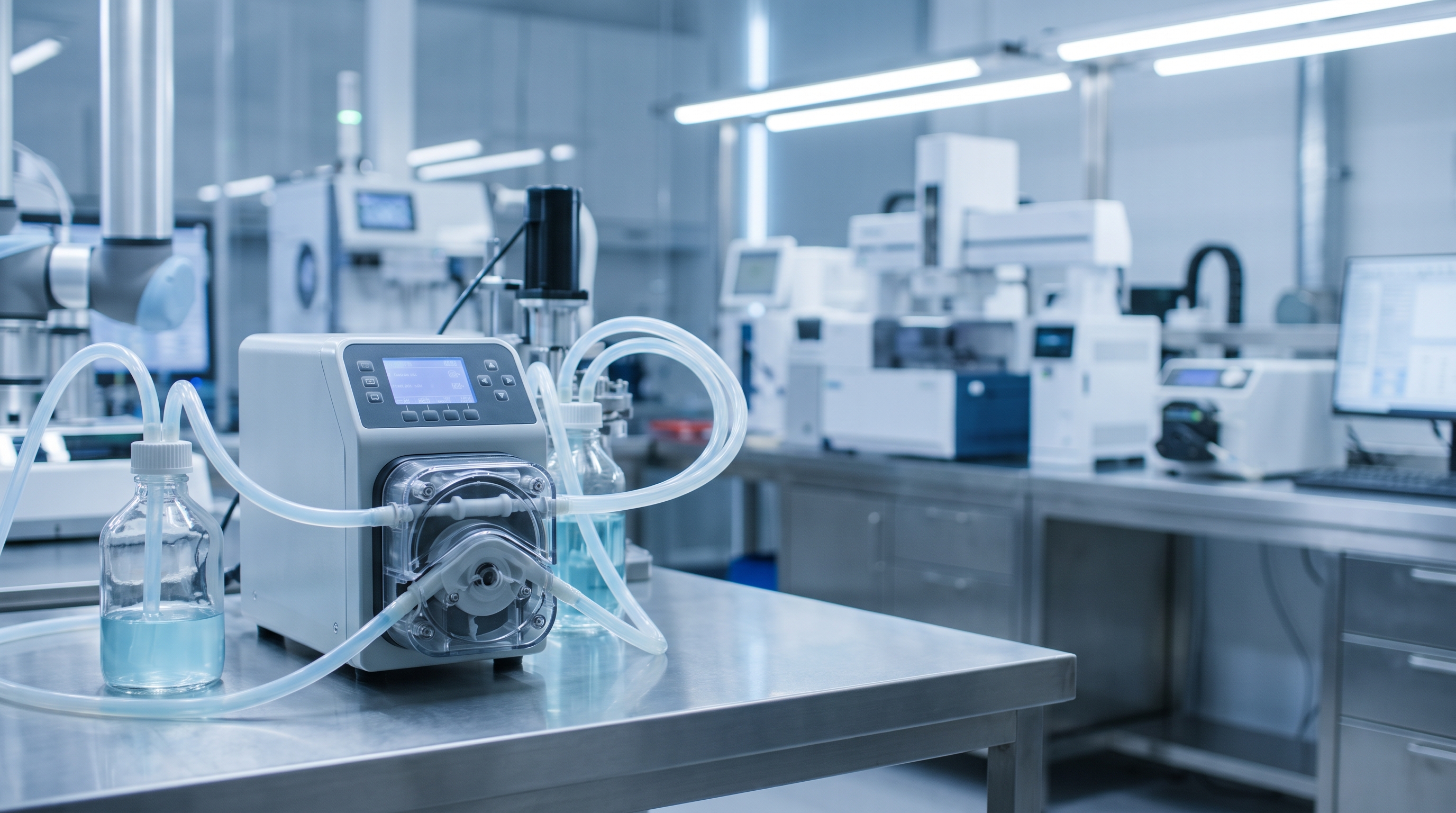
Yes, silicone’s extreme flex life, mechanical memory, and chemical inertness make it ideal for peristaltic pump operations. These dynamic systems require materials that can withstand constant compression and restoration cycles without wear. Utilizing high-performance Silicone Tubing prevents spallation, which could otherwise introduce micro-particles into your sensitive media.
How Does Flex Fatigue Impact Safety?
Standard tubing can crack or lose its shape, causing rapid flow rate drops and fluid contamination. Think about it: a ruptured tube during a critical laboratory run ruins your entire batch. This makes mechanical fatigue resistance a central parameter for procurement.
- Withstands millions of compression cycles.
- Maintains consistent wall thickness.
- Resists mechanical spallation.
- Retains dimensions under pressure.
How to Avoid Spallation Risks?
Spallation occurs when internal tube surfaces shed microscopic debris due to constant roller friction. Specifying high-tear-strength platinum-cured formulations minimizes this physical wear risk. This ensures continuous safety throughout prolonged diagnostic processes.
Key Takeaway: High-flex pump tubing ensures continuous, contamination-free fluid delivery in critical laboratory processes.
| Tubing Formulation | Average Lifetime (Hours) | Wear Resistance | Particle Shedding Risk |
|---|---|---|---|
| Standard Silicone | 150 – 200 | Moderate | Low |
| High-Flex Platinum | 500 – 800+ | Excellent | Minimal |
| Standard TPE | 100 – 150 | Poor | Moderate |
Selecting the correct high-flex formulation optimizes pump life while maintaining batch purity.
Is Silicone Safe for Food and Beverages?
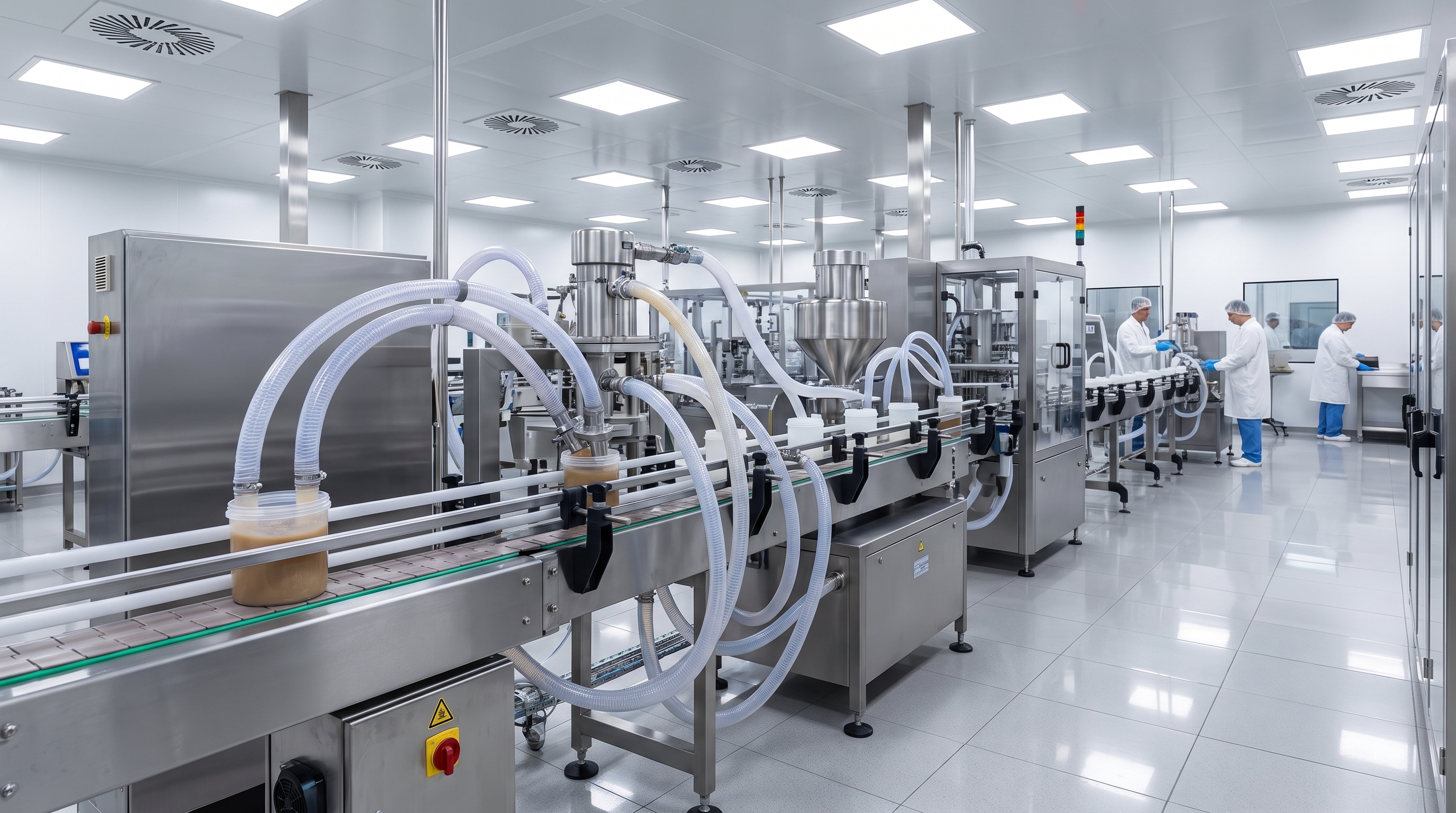
Yes, food-grade silicone is fully safe, odourless, and tasteless for processing food and beverages. This material meets international standards to ensure that food items do not suffer sensory degradation during transport. Sourcing Silicone Tubing for commercial dispensing setups prevents off-flavours or dangerous leaching.
FDA vs. Germany’s LFGB Standards?
While FDA regulations are widely accepted, European LFGB standards require significantly tougher sensory and migration testing. Here is the deal: LFGB-certified materials are the gold standard for high-end kitchenware and infant feeding. This ensures the ultimate layer of material safety for sensitive populations.
- FDA focuses on extraction limits.
- LFGB includes rigorous odour testing.
- LFGB requires lower volatile limits.
- Both guarantee BPA-free composition.
Can Silicone Leach Into Food?
Certified food-grade formulations do not leach microplastics, plasticizers, or chemical agents into hot liquids. This safety profile ensures that oils, acidic beverages, and dairy products remain pure. It protects both the health of the consumers and the reputation of the food processor.
Key Takeaway: Relying on LFGB-certified parts guarantees compliance and ensures consumer trust in food-contact products.
| Certification Standard | Governing Region | Primary Focus | Testing Methodology |
|---|---|---|---|
| FDA 21 CFR 177.2600 | United States | Food Contact | Distilled water and hexane extraction limits |
| LFGB (BfR XV) | Germany / Europe | Sensory & Odor Neutrality | Migration limit tests on volatile organic compounds |
Compliance with these food standards prevents sensory degradation and product recalls.
How Do You Select the Right Durometer?
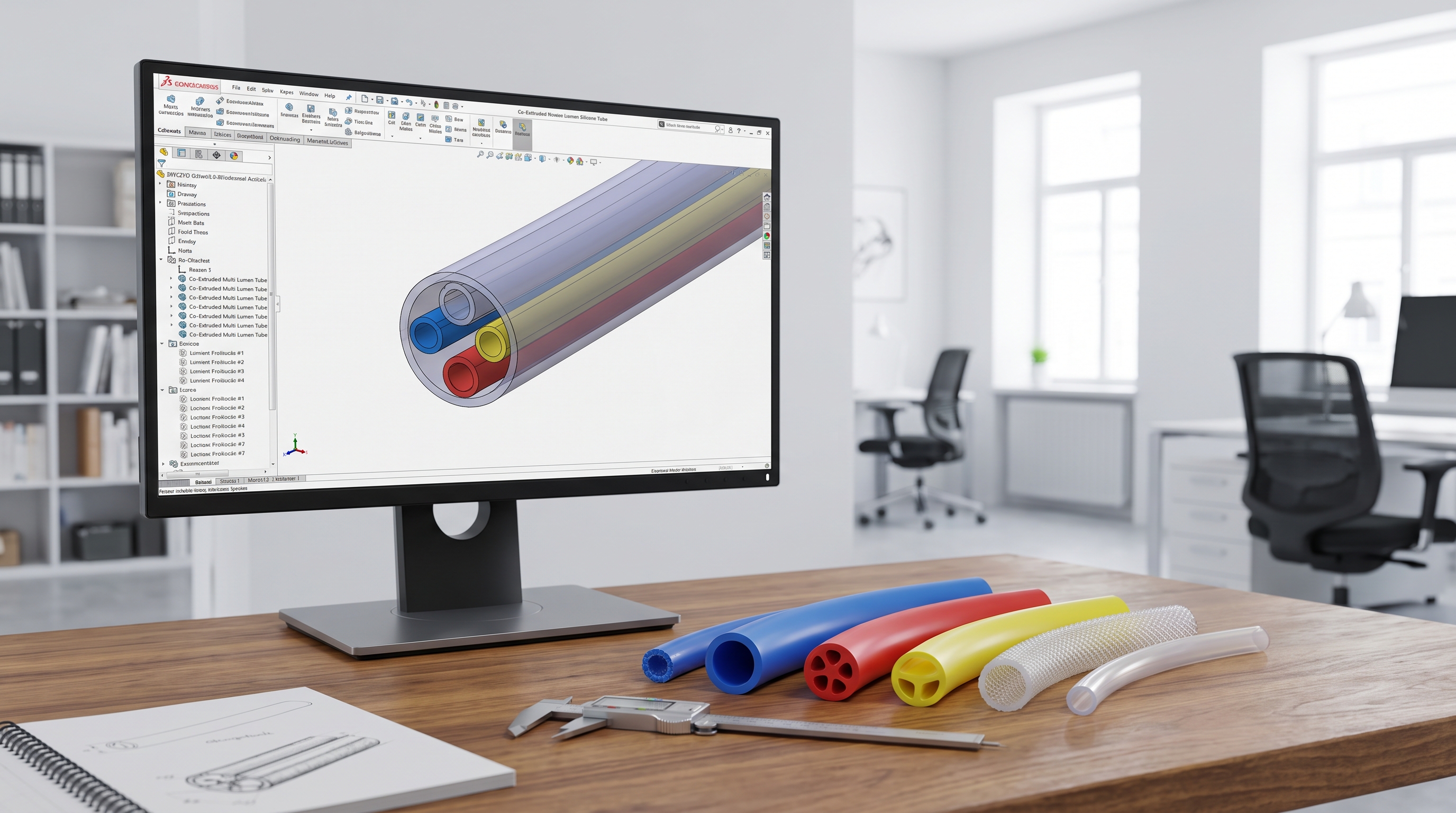
Yes, you select the right durometer based on the working pressure, flexibility, and installation requirements of your fluid system. Hardness directly influences the physical safety limits, bursting resistance, and bend radius of your custom layout. Selecting appropriate Silicone Tubing durometer ratings avoids issues like kinking or high-pressure bursting during operation.
What Is the Shore A Scale?
Hardness is measured on the Shore A scale, ranging from soft gel-like materials to rigid plastics. Let’s dive in: choosing the wrong hardness compromises the connection seal or makes routing impossible. This requires careful planning during the prototyping phase.
- Shore 50A offers high flexibility.
- Shore 60A represents standard versatility.
- Shore 70A provides superior burst resistance.
- Durometer dictates overall pressure limits.
How Hardness Impacts Pressure Limits?
Softer tubes can kink or collapse under vacuum, while harder tubes might struggle to seal on barbed fittings. Balancing hardness and wall thickness is critical to maintaining a reliable, leak-free environment. This balance protects delicate processing equipment downstream from vacuum damage.
Key Takeaway: Correct durometer selection optimizes physical sealing security and protects systems from sudden pressure drops.
| Shore Hardness (Scale A) | Flex Level | Burst Resistance | Recommended Application |
|---|---|---|---|
| 50A | High | Low | Low-pressure diagnostics |
| 60A | Medium | Medium | General liquid transfer |
| 70A | Low | High | High-pressure pneumatic lines |
Matching durometer to system pressure guarantees long-term sealing integrity.
Is Translucent Silicone Tubing Better?
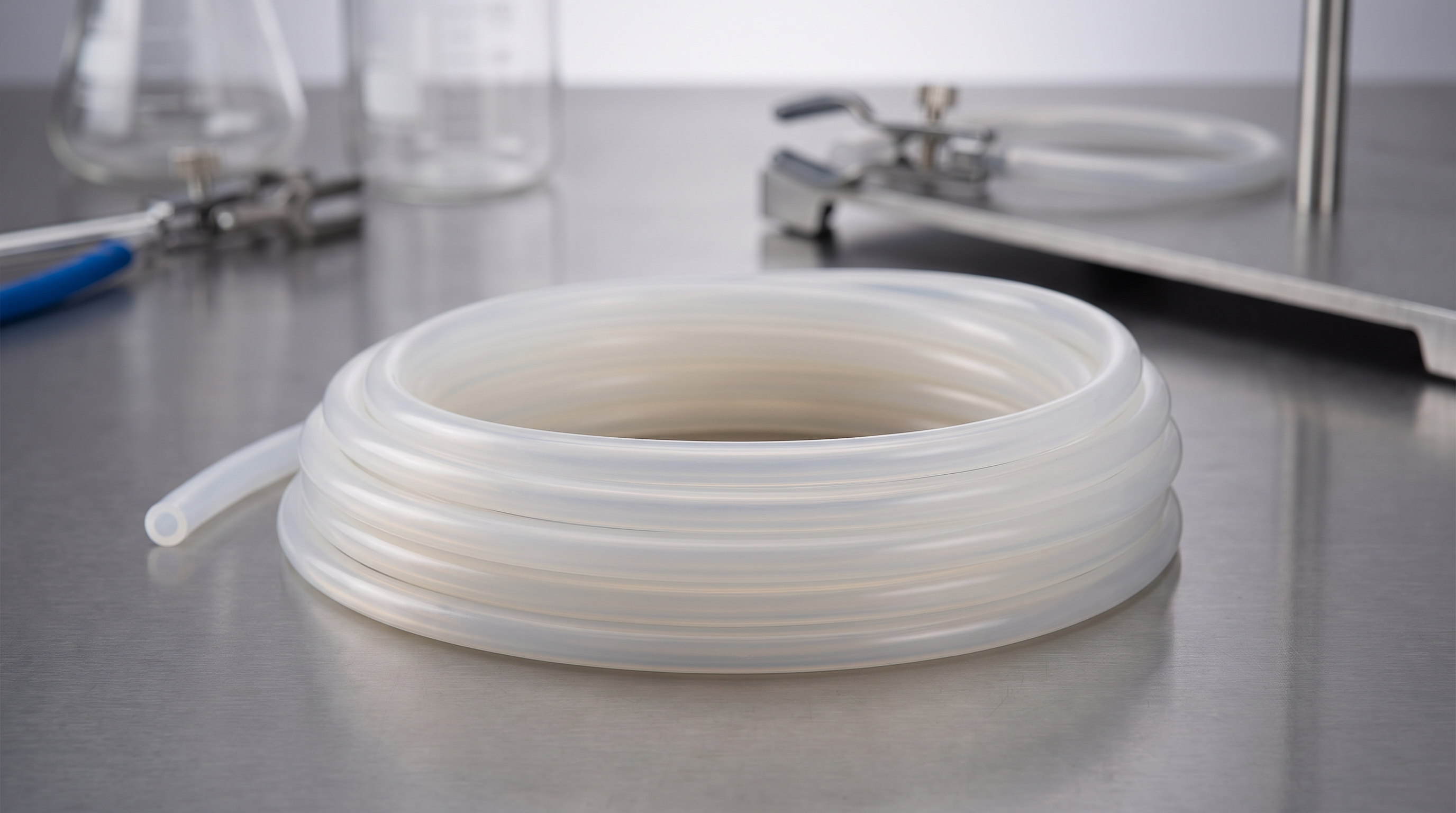
Yes, translucent tubing is often better because it allows for visual flow monitoring and immediate block or bubble detection. Clear, unpigmented pathways ensure that operators can inspect fluid movement in real time without stopping the line. Choosing translucent Silicone Tubing helps prevent air locks and contamination from going unnoticed.
Does Pigment Compromise Purity?
Adding color masterbatch is perfectly safe if medical-grade, certified pigments are used during production. But wait, there is more: uncolored translucent tubing remains the ultimate choice for high-purity laboratory systems. This leaves no margin for chemical interactions or trace leaching.
- Translucent tubes allow direct fluid inspection.
- Colored tubes assist with process coding.
- Certified pigments prevent contamination.
- Uncolored options offer the lowest risk.
How to Spot Cheap Replacements?
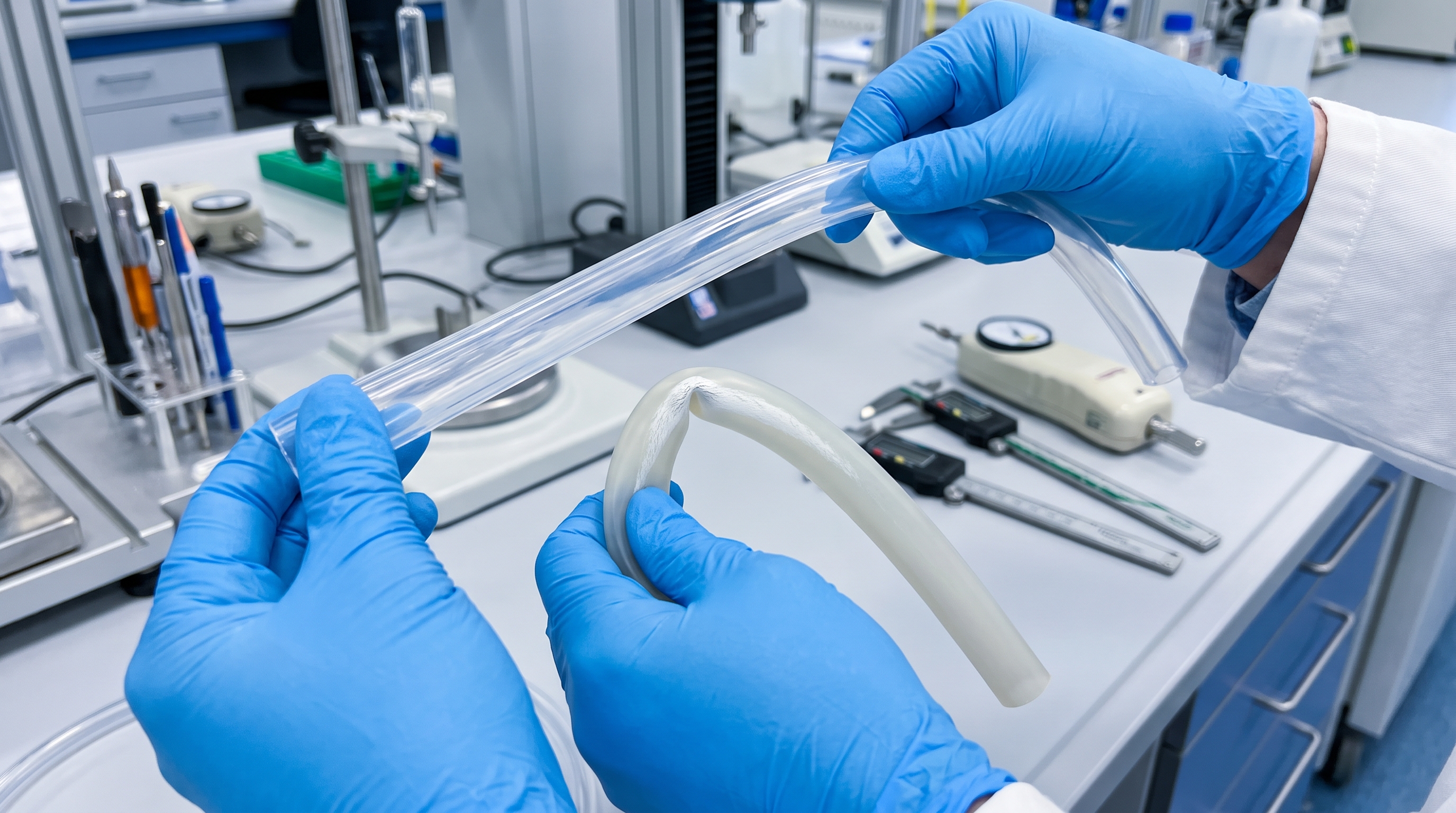
Low-grade silicone containing cheap clay fillers turns white when pinched or stretched. High-purity translucent variants maintain their absolute clarity, confirming the absence of cheap structural additives. This simple test remains a valuable safety evaluation for on-site QC.
Key Takeaway: Utilizing high-purity translucent paths simplifies troubleshooting and guarantees visual confirmation of fluid flow.
| Structural Property | High-Purity Translucent | Industrial Clay-Filled |
|---|---|---|
| Stretch Coloration | Remains fully clear | Turns white/chalky |
| Visual Integrity | No impurities, transparent | Cloudy, visible particles |
| Long-Term Yellowing | Resists thermal yellowing | Discolors rapidly under heat |
The pinch test serves as a fast, reliable field diagnostic for polymer purity.
How Do QA Standards Protect Your Process?
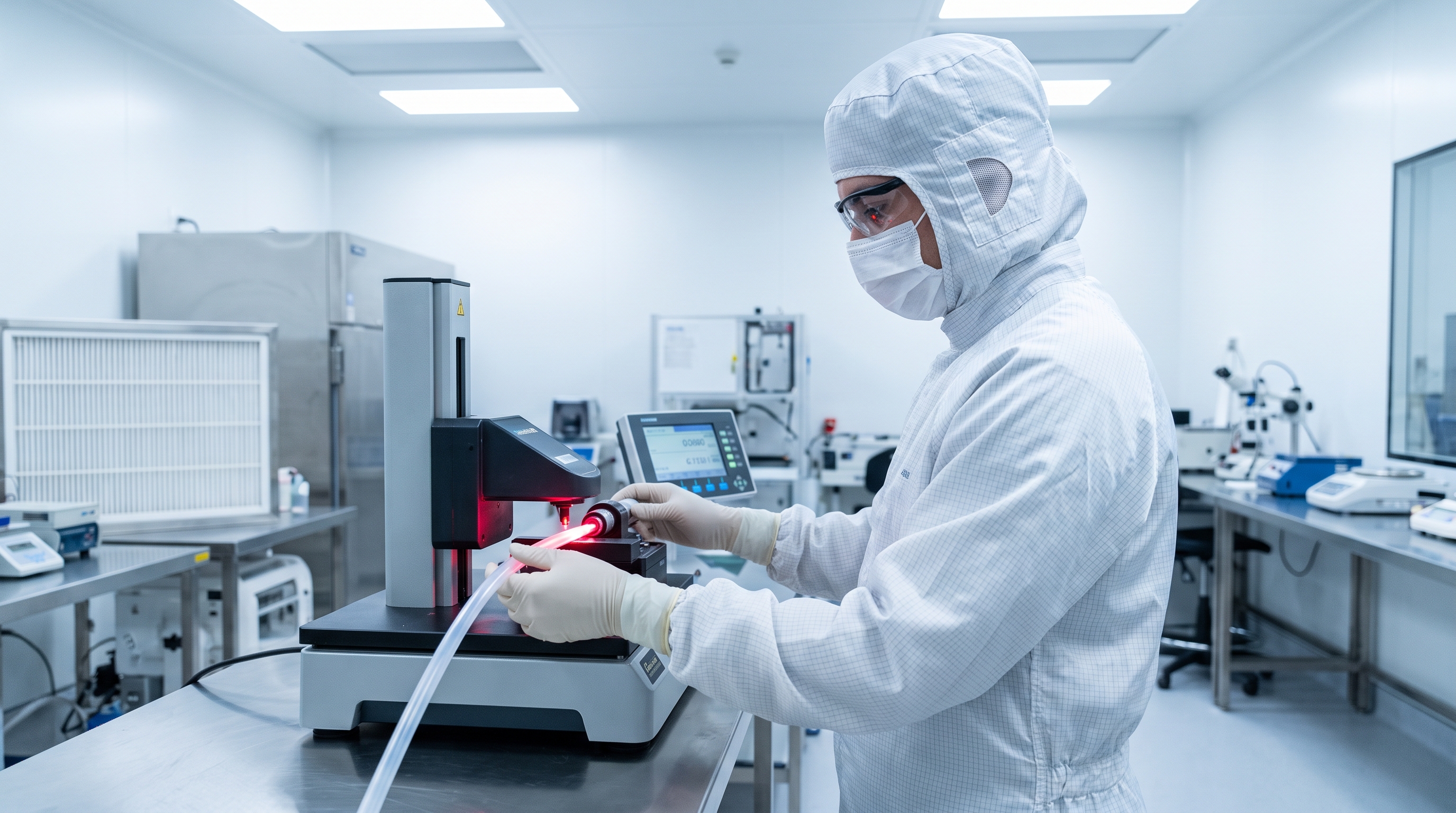
Yes, rigid QA standards protect your process by guaranteeing physical dimensional accuracy and absolute material consistency. Manufacturers must employ precise laser micrometers and continuous inspection methods to eliminate wall thickness drift. Sourcing your Silicone Tubing from an ISO 13485 facility ensures that every batch meets engineering tolerances.
Why Is Laser Micrometer Inspection Vital?
Manual calipers can cause errors or compromise cleanroom standards during inline extrusion runs. What does this mean for you? Real-time laser measurements ensure tight tolerances, avoiding catastrophic connector leaks. This level of precision is non-negotiable in critical medical environments.
- Provides continuous wall thickness monitoring.
- Ensures consistent internal diameter values.
- Detects microscopic surface defects instantly.
- Maintains strict concentricity specifications.
How Do Cleanroom Operations Protect Purity?
Class 100,000 cleanrooms limit airborne particulates, preventing dust or fibers from embedding in the hot polymer. This controlled manufacturing space guarantees that the finished extrusions are pyrogen-free. It keeps your liquid pathways biologically sterile and pure.
Key Takeaway: Partnering with an ISO-certified manufacturer guarantees dimensional accuracy and eliminates contaminate-related failures.
| Quality Measure | Cleanroom Standard | Purpose |
|---|---|---|
| Particulate Control | Class 100,000 (ISO 8) | Prevents embedded impurities |
| Inline Dimensioning | Real-time laser micrometer | Eliminates wall thickness drift |
| Traceability | Full lot tracking | Ensures chemical batch audit trail |
Rigorous QA processes ensure every foot of extruded material performs perfectly in high-stakes environments.
Conclusion: Ensuring Material Safety in Your Fluid Systems
Specifying the correct fluid handling materials is a critical engineering decision that dictates your overall system safety and compliance. By matching application requirements with platinum-cured, certified formulations, you protect your process from mechanical wear, chemical degradation, and costly recalls. To secure verified-compliant custom extrusions, contact us today to consult with our expert application engineering team. We specialize in resolving your complex fluid delivery challenges through custom molding, cleanroom extrusion, and laboratory grade solutions engineered to the highest international standards. Partnering with a dedicated OEM/ODM manufacturer allows you to elevate product performance and streamline global compliance. Our long-term vision is to empower global industries with precision-engineered silicone solutions that set new benchmarks for safety, durability, and operational excellence.
Frequently Asked Questions
Can I autoclave silicone tubing multiple times?
Yes, you can. Platinum-cured silicone resists degradation under repeated steam autoclaving at 121°C. However, you should monitor the material for any signs of physical wear or changes in flexibility over time.
What’s the best way to verify if my tubing is high quality?
The best way is to perform a simple pinch test. If you twist or pinch the tube and a white chalky line appears, it indicates the presence of cheap fillers. Pure silicone will remain clear or keep its uniform color.
Can I use silicone tubing with strong hydrocarbon solvents?
No, it is not recommended. Silicone is highly susceptible to swelling, softening, and physical degradation when exposed to concentrated acids, fuels, or oils. You should choose alternative fluoropolymers for highly aggressive solvents.
How do I know if my tubing is FDA or LFGB compliant?
You can verify this by requesting the manufacturer’s material test reports and certification documentation. High-quality products also often feature laser-etched compliance marks directly on the outer surface for clear traceability.
Can I use peroxide-cured tubing for sensitive medical applications?
No, it is not recommended. Peroxide curing produces volatile organic byproducts like benzoic acid, which can leach into sensitive fluids. For clinical or pharmaceutical contact, you should always specify high-purity platinum-cured solutions.