
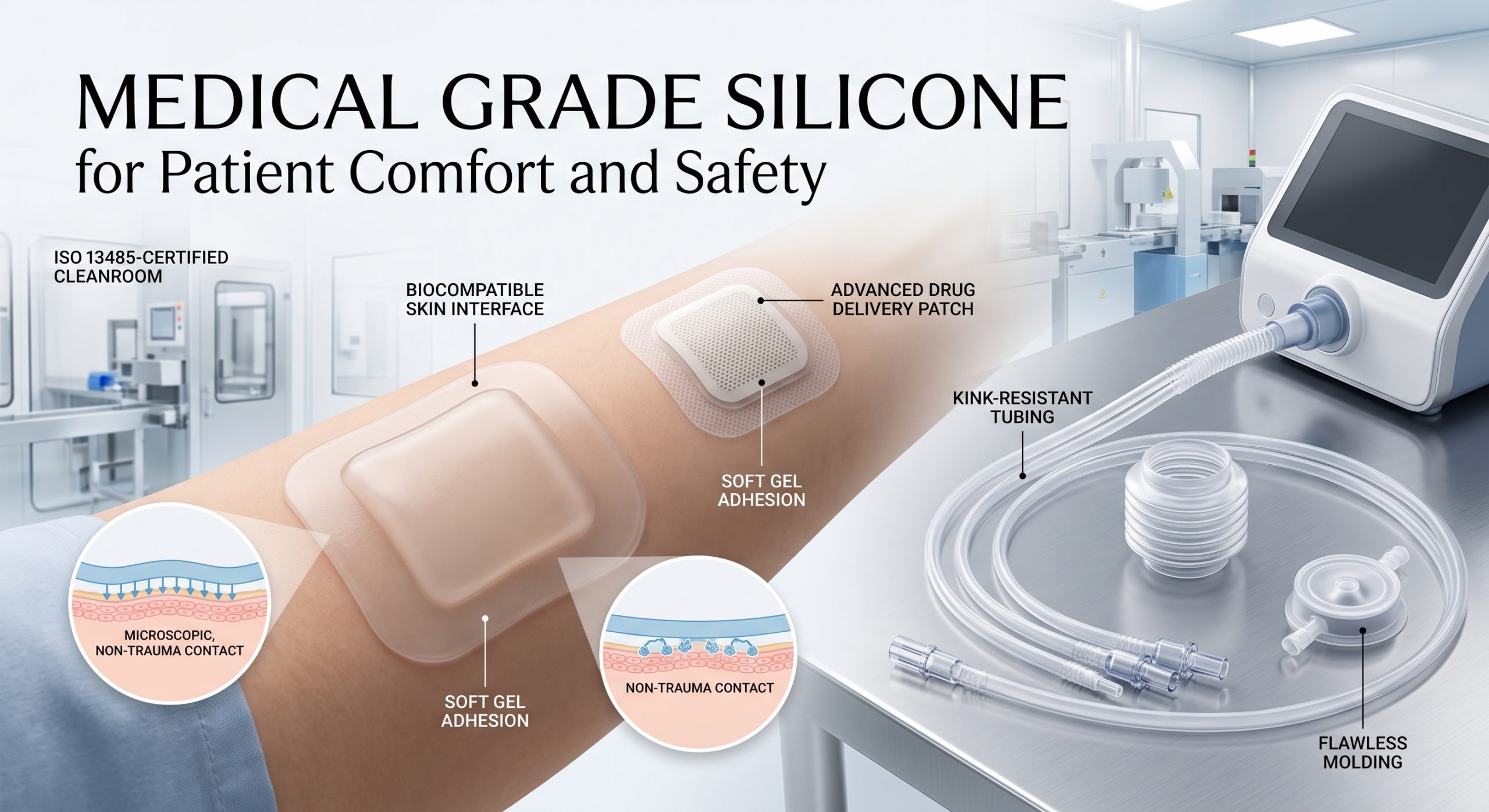
Silicones deliver unmatched comfort and medical safety for patients by acting as highly biocompatible, flexible, and protective interfaces that eliminate skin trauma and chemical contamination. Traditional medical devices often rely on rigid plastics and aggressive acrylic adhesives that compromise patient skin and cause localized trauma. Imagine the physical distress of an elderly patient or a premature infant experiencing painful skin stripping during routine adhesive removals, or the risk of secondary infections from rigid tubing that kinks and cuts off essential fluids. By integrating high-purity Silicone Products into medical designs, healthcare providers can dramatically improve patient compliance and therapeutic outcomes. Advanced medical elastomers provide a soft, non-reactive barrier that conforms beautifully to body contours.
Why are silicones critical in patient care?
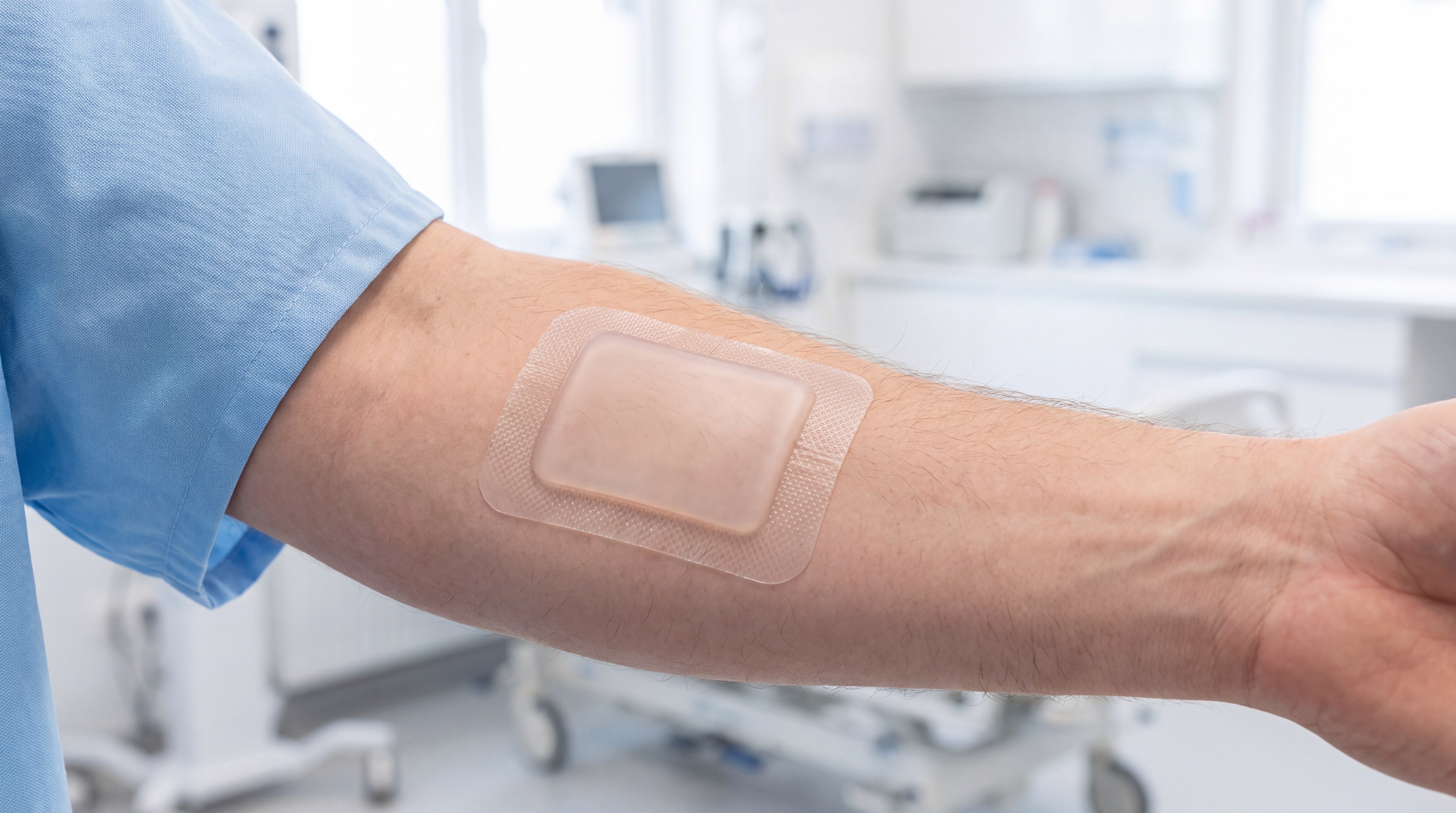
Silicones are critical in patient care because they provide unparalleled biocompatibility, physical flexibility, and chemical inertness that prevent bodily rejection and soft tissue trauma. Rigid medical materials often cause painful skin tears, severe inflammation, and prolonged recovery times in intensive care units. Transitioning to advanced medical-grade Silicone Products offers a soft, non-reactive barrier that promotes fast healing while remaining completely painless during removal. This shift protects fragile patients from physical distress.
Medical elastomers ensure that critical patient contact interfaces remain soft and non-sensitizing over long wear periods. They allow design engineers to create devices that conform effortlessly to human anatomy. This reduces friction-induced inflammation and skin shearing in long-term clinical settings. Consequently, healthcare facilities experience improved patient outcomes.
What makes medical elastomers biocompatible?
You will find that the inorganic silicon-oxygen backbone of medical-grade silicone naturally resists biological degradation inside the body. Because it contains no plasticizers, phthalates, or latex, you can rest assured it reduces allergic reactions. This clean chemical makeup ensures that you do not trigger any localized immune response.
- Hypoallergenic properties: Zero skin sensitization or irritation across all skin types.
- Chemical inertness: Does not react with body fluids or topical medications.
- Low surface energy: Prevents cells and bacteria from sticking to the surface.
How do material properties affect comfort?
When you utilize low-durometer silicones, they mimic the mechanical behavior of human tissue to maximize physical comfort. This high level of flexibility means you can bend and move without experiencing painful skin-pulling from the device. Additionally, the excellent gas permeability of the material prevents skin maceration.
And the results speak for themselves:
Where does clinical trust in silicone stem from?
If you look at the history of modern medicine, you will see decades of successful clinical use in implants, catheters, and prosthetics. Regulatory bodies trust this elastomer to safeguard compromised patients during their most vulnerable moments. This legacy gives you the confidence to specify it for your next medical device design.
Key Takeaway: The inherent biocompatibility and low skin-peel force of silicone elastomers make them the golden standard for patient-centric care, minimizing physical complications and maximizing physical comfort.
| Dressing Type | Adhesion Mechanism | Pain Level on Removal | Epidermal Damage Risk | Optimal Moisture Retention |
|---|---|---|---|---|
| Soft Silicone | Micro-conformable silicone gel | Extremely Low | Minimal / None | High (Permeable & Protective) |
| Acrylic / Gauze | Aggressive chemical bonding | High | Severe (Tears new tissue) | Low (Dries out or pools fluid) |
Analyzing these aspects shows that silicone-based materials dramatically improve patient safety outcomes compared to traditional alternatives.
How do silicones improve wound healing?
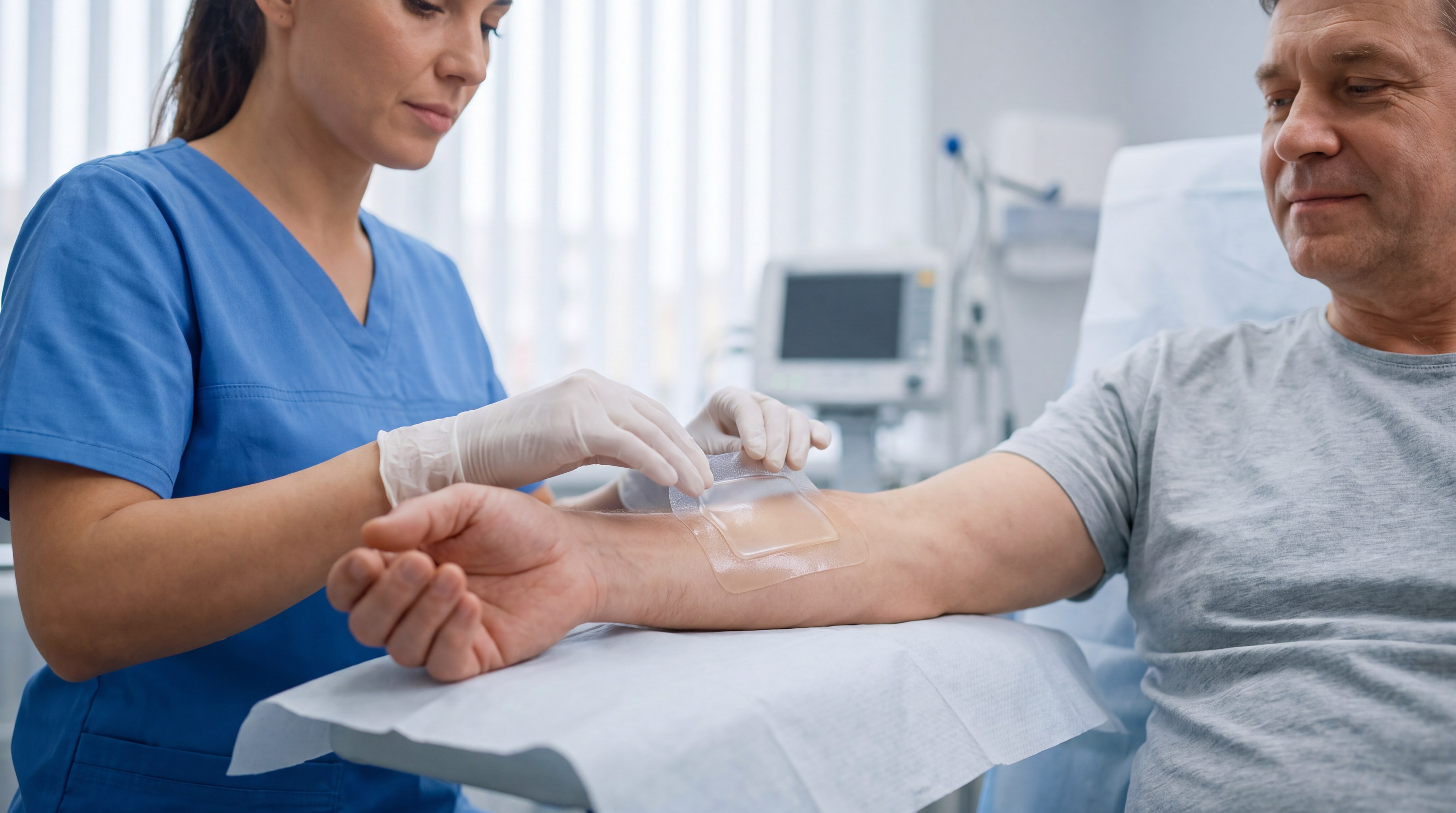
Silicones improve wound healing by regulating moisture levels without sticking to fragile, newly formed tissue. High-performing medical-grade Silicone Products are critical to modern wound care because they protect the wound bed during dressing changes. This prevents the destruction of newly generated epidermal layers and speeds up recovery times. As a result, healing progresses uninterrupted by mechanical trauma.
By maintaining a balanced humid environment, these materials support natural cellular migration. The non-adherent contact layer allows exudate to flow into secondary dressings while keeping the wound bed protected. This structural design minimizes pain during routine clinical care. It represents a vital advancement in modern dermatology.
Why do moist environments accelerate recovery?
When you maintain an optimal level of moisture over a wound, you allow skin cells to migrate and heal much faster. Silicone dressings excel at managing exudate by transmitting excess fluid away from the wound bed. This ensures you prevent maceration of the surrounding healthy skin.
- Exudate management: Transmits fluid away from the wound bed to prevent maceration.
- Thermal insulation: Keeps the wound at optimal body temperature for rapid cellular division.
- Gas exchange: Facilitates oxygen diffusion, which is essential for healthy tissue regeneration.
How does atraumatic removal prevent scarring?
If you use traditional acrylic adhesives, you risk peeling away healthy skin cells during every single dressing change. Silicone gel adhesives form a soft, micro-conformable bond that releases gently without pulling tissue.
Here is the truth:
This gentle action ensures that you do not disrupt the delicate healing process, leading to significantly less scarring.
What do clinical case studies on burns show?
If you examine clinical data, you will find that soft silicone dressings drastically reduce pain scores during burn care. For instance, in clinical cases of severe burns, silicone dressing changes remained pain-free and protected the healing tissue. This clinical performance ensures you can provide gentle, trauma-free recovery pathways for patients.
Key Takeaway: Soft silicone contact layers significantly improve the healing journey for burn patients by preventing epidermal stripping, maintaining optimal moisture levels, and removing dressing change anxiety.
| Parameter | Soft Silicone Dressing | Traditional Acrylic Dressing |
|---|---|---|
| Healing Speed | Accelerated (Moist environment) | Delayed (Disrupted by removal) |
| Exudate Flow | Controlled and directed | Trapped or absorbed poorly |
| Scar Prevention | High (No micro-tearing) | Moderate to Low |
This clearly demonstrates the clinical advantage of using soft silicone technology to optimize burn and wound recovery.
Can soft silicones minimize skin trauma?
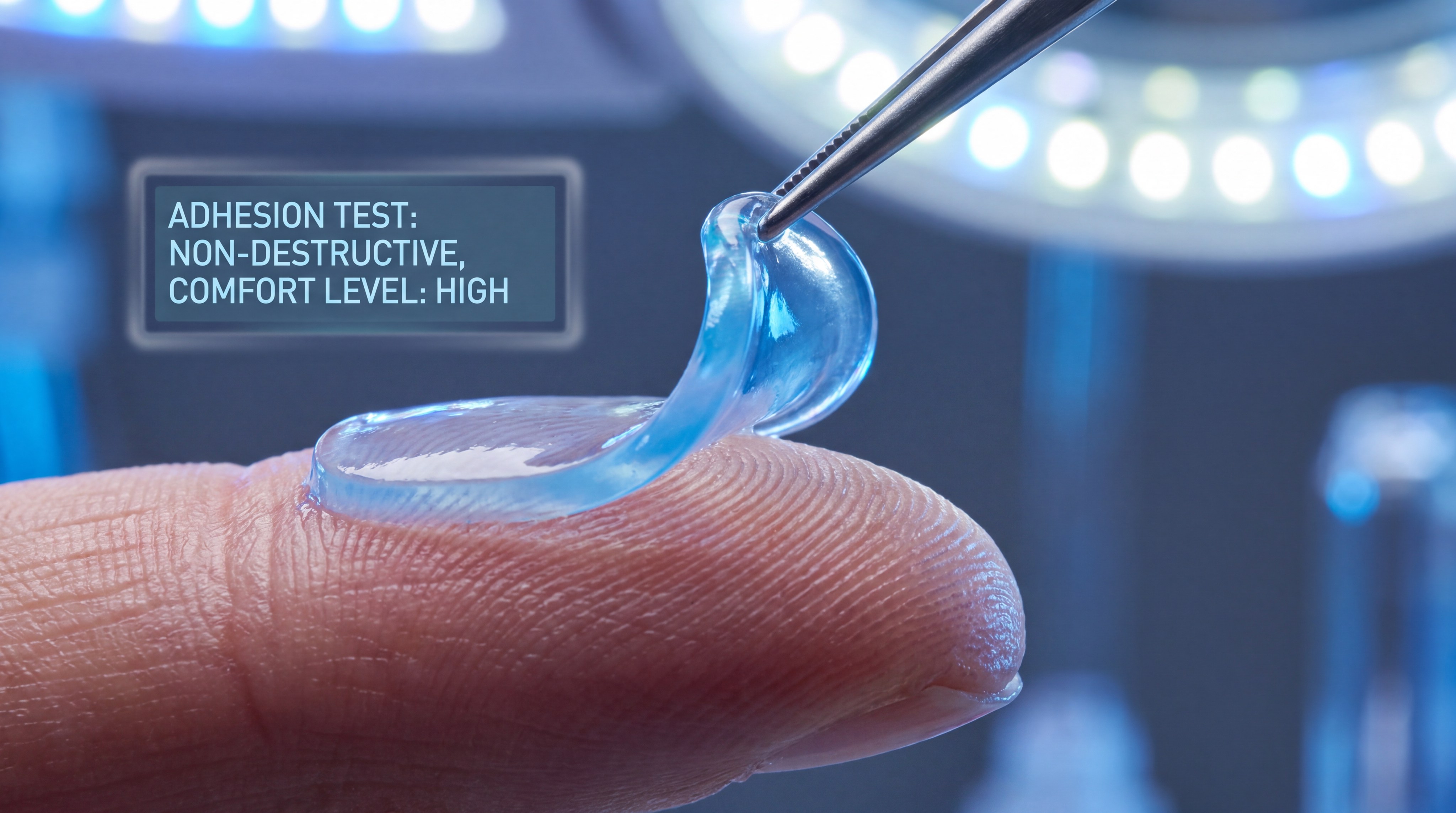
Soft silicones minimize skin trauma by acting as a highly conformable buffer that absorbs mechanical shear and peel forces. Utilizing soft, gel-like Silicone Products protects patients from epidermolysis and mechanical shear stress at the interface between medical hardware and sensitive skin. This is especially vital for fragile skin types that are susceptible to tears. Thus, the material acts as a protective shield.
By spreading physical tension evenly across microscopic skin ridges, these gels prevent localized pressure points. This conformability is crucial for devices that remain attached to patients for long periods. It minimizes the development of medical adhesive-related skin injuries (MARSI). Medical teams can therefore maintain continuous device placement safely.
Who benefits most from gentle dressings?
If you manage neonatal or geriatric patient care, you know how incredibly fragile their skin can be. You can use these gentle elastomers to safeguard thinned dermis layers from tearing under friction. This protection is also life-saving when you treat oncology patients with skin sensitized by chemotherapy.
- Neonatal care: Protects ultra-thin baby skin from life-threatening tears.
- Geriatric medicine: Preserves compromised skin integrity in long-term elderly care.
- Oncology patients: Safeguards skin made fragile by chemotherapy or radiation.
How does peel-force reduction protect skin?
When you peel a traditional medical adhesive off a patient, you often apply immense tension directly to the epidermis. Silicone adhesives distribute this peel force safely across a broader area to protect the skin barrier.
Think about it:
By reducing the force required to remove the device, you eliminate pain and preserve tissue health.
Why is tissue damage minimized during changes?
If you avoid causing micro-tears around a wound site, you actively prevent secondary bacterial infections from taking hold. You also find that painless dressing changes reduce patient anxiety and improve overall cooperation during therapy. This makes your daily clinical operations run much smoother while lowering overall wound-care costs.
Key Takeaway: By lowering peel tension and conforming to individual skin profiles, soft silicones eliminate MARSI (Medical Adhesive-Related Skin Injury) across vulnerable patient populations.
| Patient Segment | Typical Skin Risk | Primary Solution Offered by Silicones | Main Clinical Outcome |
|---|---|---|---|
| Neonates | Underdeveloped epidermal cohesion | Ultra-low peel adhesive layers | Prevention of full-thickness skin peeling |
| Geriatrics | Fragile, paper-thin dermis | Soft conformable contact pads | Reduction of pain-induced shock and bruising |
Analyzing these aspects shows how targeting peel-force reduction directly addresses the root causes of skin trauma in medical environments.
How do silicone patches manage chronic pain?
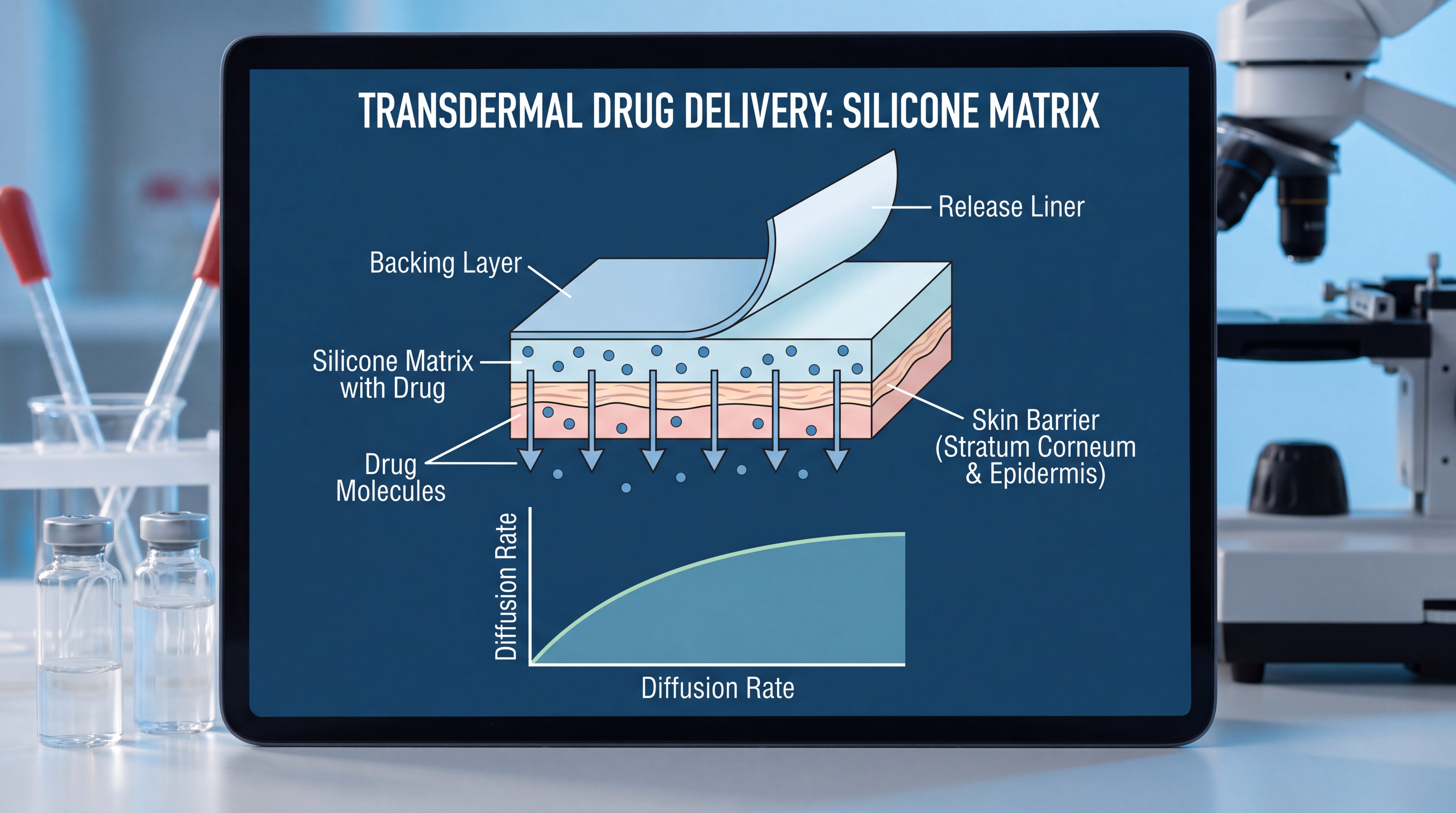
Silicone patches manage chronic pain by serving as highly stable, permeable polymer matrices that deliver a steady, controlled dose of therapeutic molecules through the skin. Advanced Silicone Products act as ideal polymer matrices for transdermal drug delivery systems, allowing controlled, therapeutic molecular diffusion over several days. This method prevents the sudden dosage spikes often associated with oral pain medications. Consequently, patients receive a safer and more consistent therapeutic effect.
The high molecular permeability of the silicone elastomer enables large active molecules to pass through smoothly. This matrix is highly stable and does not chemically interfere with the embedded pharmaceutical compounds. Furthermore, it maintains its physical shape and adhesive grip throughout the treatment cycle. This ensures constant drug delivery in real-world conditions.
How is controlled-release drug delivery achieved?
You can achieve a constant rate of molecular diffusion because the silicone matrix maintains a highly uniform internal structure. When you apply the patch, the drug molecules migrate slowly and predictably into the patient’s skin layers. This gives you absolute control over the drug delivery timeline.
- Constant diffusion rate: Avoids the “peaks and troughs” of oral medication.
- High payload capacity: Accommodates multi-day drug formulations in a thin profile.
- Excellent thermal stability: Maintains drug distribution profile regardless of storage temperature.
Why are transdermal delivery paths preferred?
If you want to avoid gastrointestinal irritation and bypass liver metabolism, transdermal delivery is your best option. It allows you to administer powerful pain relief directly to the bloodstream without stressful clinical interventions.
Why does this matter?
It means you can keep patients comfortable at home, reducing the burden on intensive hospital resources.
How does consistent dosing improve patient life?
When you eliminate the need to swallow pills every few hours, you restore freedom and normal sleep patterns to chronic pain sufferers. Patients can wear the comfortable, water-resistant silicone patch during daily activities without worrying about missing a dose. This consistent relief significantly improves their overall emotional well-being and daily functioning.
Key Takeaway: Silicone transdermal drug delivery patches offer a reliable, continuous, and non-invasive alternative to traditional oral medications, significantly enhancing the daily life of chronic pain sufferers.
| Feature | Silicone Transdermal Patch | Traditional Oral Medications |
|---|---|---|
| Delivery Method | Continuous skin absorption | Intermittent gastrointestinal digestion |
| Metabolic Impact | Bypasses first-pass liver metabolism | Subject to liver breakdown |
| Patient Adherence | High (Once-every-3-days application) | Low (Requires multiple daily doses) |
The analytical data proves that patch-based delivery methods stabilize systemic drug concentration levels compared to oral ingestion.
Why are silicone components highly reliable?
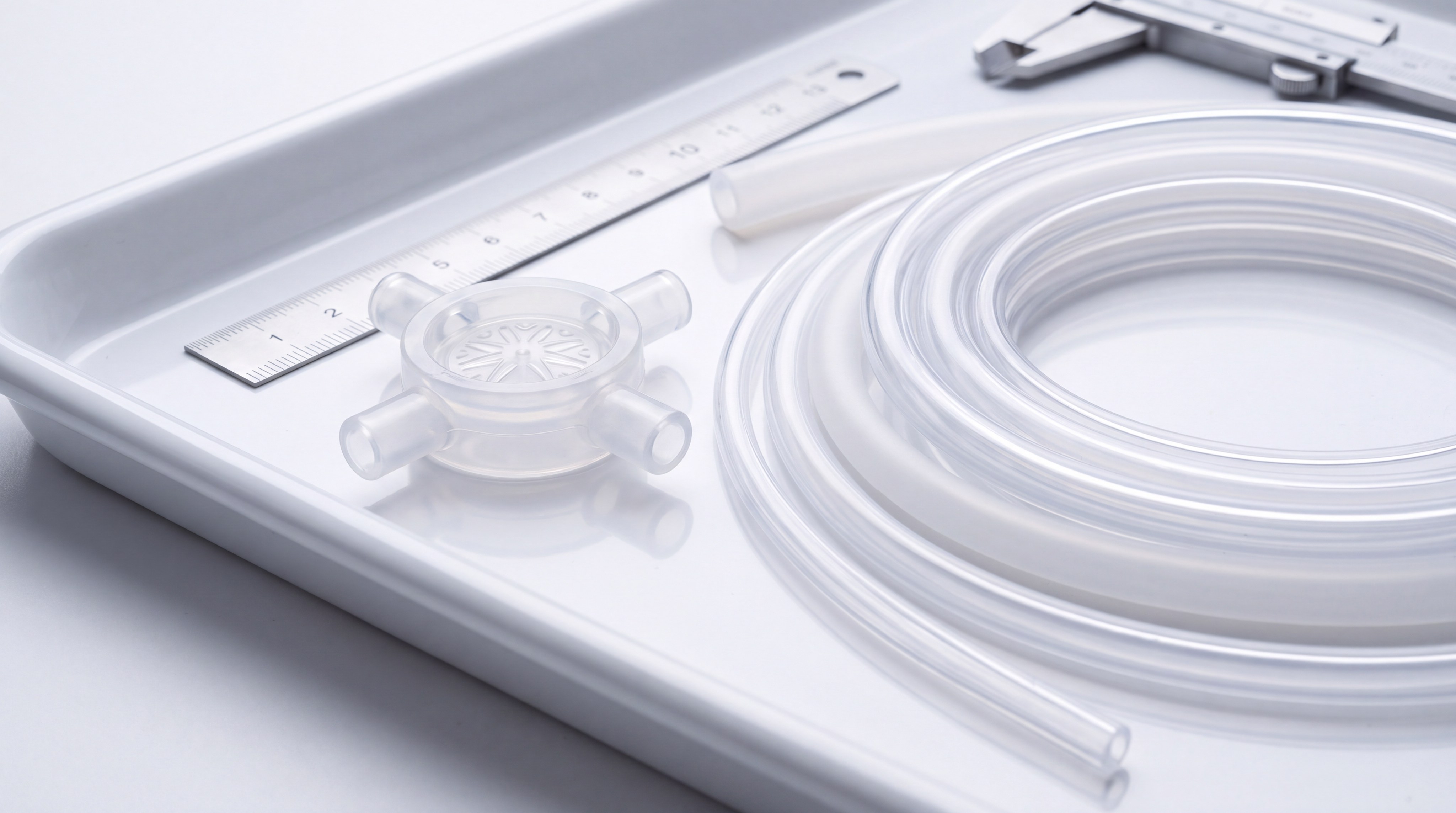
Silicone components are highly reliable because they possess exceptional compression-set resistance, high tear strength, and thermal stability that prevent hardware failure in life-critical medical devices. Critical diagnostic and life-support hardware heavily depends on custom molded Silicone Products to maintain structural seal integrity under extreme pressure. Partnering with a vetted manufacturing specialist ensures these crucial components achieve zero defect rates. This keeps life-support machinery running flawlessly.
These medical-grade elastomers retain their elasticity even when flexed millions of times inside dynamic machinery. They do not dry out, crack, or release harmful plasticizers into clinical fluid lines. This structural endurance directly translates to enhanced equipment uptime and patient safety. Ultimately, it builds deep clinical trust in high-stakes environments.
Which medical devices utilize these materials?
If you look closely at ventilators, dialysis systems, and automated infusion pumps, you will find silicone seals and valves at their core. These parts must perform under constant mechanical stress without suffering from material fatigue. You can rely on them to maintain absolute gas and liquid separation.
- Ventilator bellows: Flexes millions of times without cracking or tearing.
- Dialysis seals: Prevents fluid bypass under continuous pressure.
- Infusion pump gaskets: Ensures precise volumetric dosing without leakage.
How do seals prevent device failure?
When you need a seal that resists permanent deformation under pressure, silicone’s low compression-set properties are essential. It rebounds instantly to its original shape, ensuring you maintain a gas-tight seal over years of operation.
But that’s not all.
This long-term reliability prevents unexpected device shutdowns, safeguarding patient lives during critical operations.
Why do ventilators require flexible tubing?
If you use cheap, rigid plastics in ventilation tubes, you run the risk of dangerous kinks restricting patient oxygen flow. Silicone’s elastic memory ensures the tube pops back open immediately if it is accidentally bent. This continuous flow prevents hypoxic emergencies and ensures you deliver safe, uninterrupted breathing support.
Key Takeaway: Silicone’s unmatched durability and resistance to compression-set make it an indispensable choice for critical life-support medical device seals, valves, and fluid pathways.
| Component Type | Material Used | Critical Property | Operational Advantage |
|---|---|---|---|
| Bellows & Diaphragms | Liquid Silicone Rubber (LSR) | High flex-fatigue resistance | Millions of failure-free breathing cycles |
| Device Gaskets | High-Consistency Rubber (HCR) | Low compression set | Permanent leak protection under mechanical load |
Using durable silicone formulations dramatically reduces the mechanical risk profile of critical respiratory devices.
How do silicones handle clean-room demands?
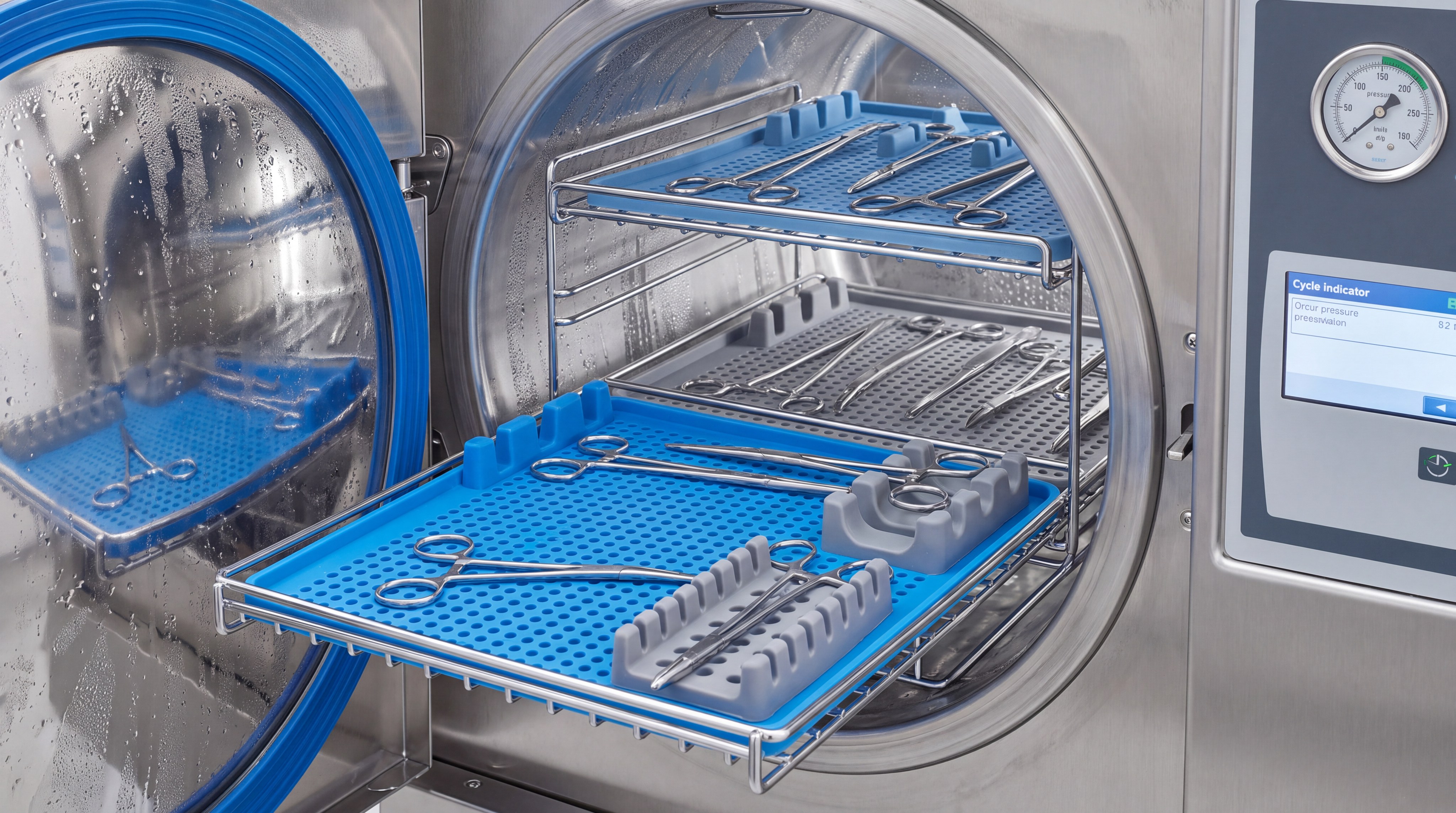
Silicones handle clean-room demands by maintaining physical integrity and chemical purity when subjected to extreme sterilization cycles like autoclaving, radiation, and toxic gases. Highly controlled medical-grade Silicone Products are engineered to withstand rigorous sterilization cycles, such as autoclaving, gamma radiation, and ethylene oxide gas. This high-temperature resistance prevents the material from warping or degrading. Consequently, medical facilities can reuse parts safely.
The material’s low-outgassing properties ensure that no airborne contaminants are released into sterile surgical settings. Clean-room processing eliminates organic residues and surface bioburden during the manufacturing phase. This high standard of hygiene is critical for preventing healthcare-associated infections (HAIs). It protects both clinicians and patients alike.
What are clean-room manufacturing standards?
When you manufacture inside an ISO Class 8 cleanroom, you strictly control the environment to prevent micro-contamination. This ensures that you do not introduce any microscopic dust or bacteria into the raw elastomer mixture. By automating the molding process, you reduce human contact and keep the material exceptionally pure.
- ISO Class 8 compliance: Restricts airborne particles to prevent contamination.
- Bioburden monitoring: Regular assay testing ensures zero microbial colony formation.
- Automation focus: Minimizes direct human contact with raw silicone materials.
How does material purity prevent infection?
If you use plastics that contain toxic chemical additives, those elements can easily leach out during repeated sterilization cycles. Silicone contains zero plasticizers or heavy metals, meaning you avoid chemical contamination risks.
Let’s face it:
Only a completely pure elastomer can guarantee absolute safety when interacting directly with sensitive human organs.
Why are ISO 13485 facilities necessary?
When you partner with an ISO 13485 certified facility, you gain access to complete lot traceability and strict quality management systems. This certification guarantees that every batch of medical silicone you receive meets rigorous global standards for biological safety. This level of compliance protects your organization from devastating regulatory failures and product recalls.
Key Takeaway: Production inside ISO-certified cleanrooms, coupled with silicone’s innate thermal and chemical stability, guarantees contamination-free medical components that survive endless sterilization cycles.
| Sterilization Method | Silicone Performance | Standard Polypropylene Performance |
|---|---|---|
| Steam Autoclave (134°C) | Completely stable; no degradation | Warps, loses structural tolerances |
| Gamma Radiation | Retains elastomeric properties | Embrittles and yellows |
| Ethylene Oxide (EtO) | Minimal sorption; easy aeration | Retains toxic gas residues |
This comparative data shows that silicone is structurally suited for harsh healthcare sterilization protocols.
What role do silicone adhesives play in care?
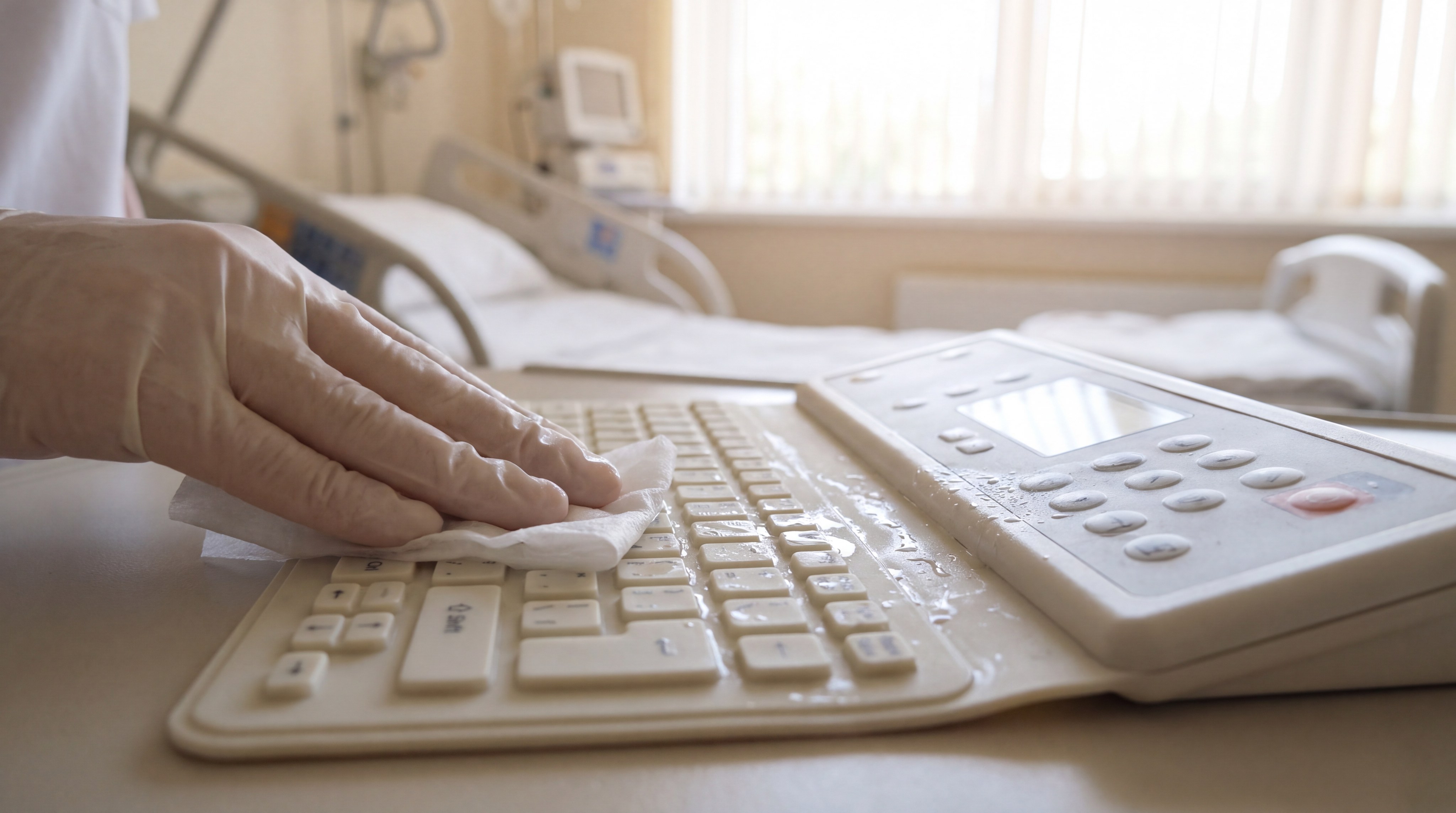
Silicone adhesives play a vital role in patient care by securing wearable sensors, medical devices, and skin patches without triggering chemical irritation or leaving sticky residues. The assembly of multi-material wearable sensors often requires specialized high-performance Silicone Products that act as bio-friendly adhesive agents. Navigating bonding requirements is simplified by using a professional formulation guide to select skin-safe adhesive bases. These materials ensure that wearables remain attached during movement.
Their low surface tension allows them to spread evenly across microscopic skin textures for secure, pain-free adhesion. They resist sweat and water, making them perfect for active, long-term patient monitoring. Upon removal, they pull away cleanly without damaging fragile epidermal layers. This dual capability makes them indispensable in modern digital health.
How does high-performance bonding work?
When you apply a silicone pressure-sensitive adhesive, it flows into the microscopic valleys of the skin to create a secure bond. You will find that this micro-interlocking mechanism provides reliable grip without needing to chemically fuse with the tissue. This ensures you keep the skin healthy and fully intact.
- Micro-interlocking: Grips the skin firmly without chemical penetration.
- Breathability: Allows sweat vapor to escape, maintaining skin health.
- Water resistance: Prevents early lifting of medical patches during bathing.
Why are liquid silicone adhesives chosen?
If you work with automated manufacturing lines, you need an adhesive that is easy to dispense and cures rapidly. Liquid silicone adhesives self-level perfectly, which allows you to achieve precise bonding layers on complex medical housings.
Here is the key:
This production efficiency speeds up assembly times while maintaining a perfect, waterproof seal on the device.
How safe are bonding agents on live tissue?
You must ensure that any material touching a patient’s skin is completely non-cytotoxic and hypoallergenic. Silicone adhesives undergo rigorous ISO 10993 testing to guarantee they do not cause allergic reactions or cellular damage. This biological safety profile allows you to design wearables that patients can wear comfortably for weeks.
Key Takeaway: Silicone-based adhesives provide reliable adhesion for smart wearables while preserving biological safety, causing zero irritation or cytocompatibility concerns on live human tissue.
| Adhesive Metric | Silicone-Based PSA | Acrylic-Based PSA |
|---|---|---|
| Skin Irritation Risk | Low / Negligible | Moderate to High |
| Residue Left on Skin | None | Frequent sticky residue |
| Moisture Vapor Transmission | High (Highly Breathable) | Low (Causes skin maceration) |
Analysis shows silicone PSAs offer a safer alternative for multi-day clinical skin attachments than acrylics.
Why select silicone over plastic tubing?
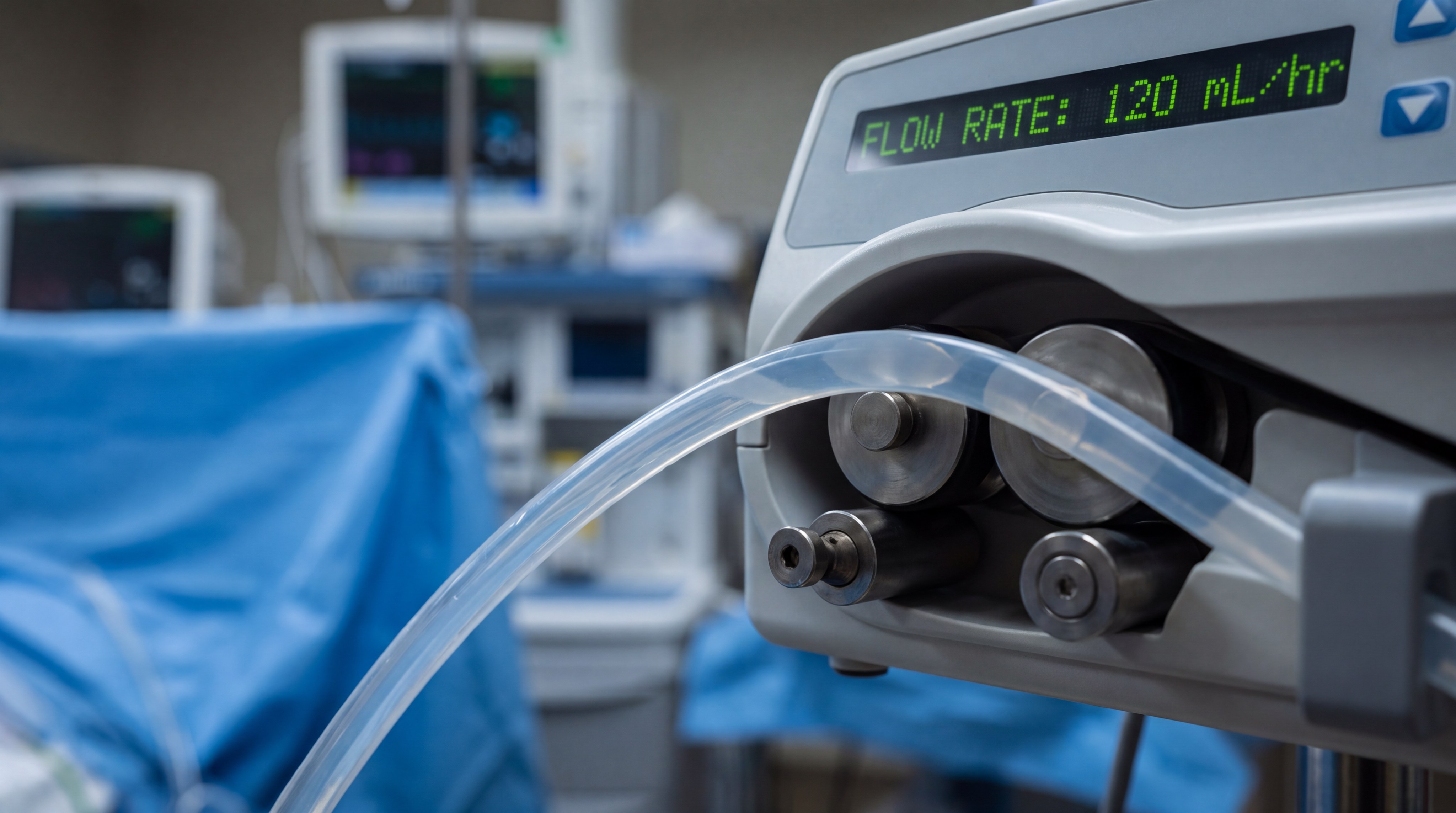
Selecting silicone over plastic tubing is critical because silicone offers superior kink resistance, has a much longer flex life, and contains zero toxic plasticizers that could leach into life-saving drug solutions. When comparing medical piping systems, medical-grade Silicone Products outperform plastic alternatives by resisting kinking and maintaining high internal wall purity. This ensures a steady, uninterrupted flow of critical fluids and medications. As a result, clinical safety is heavily reinforced.
Plastics like PVC often contain phthalates to make them flexible, which poses a serious chemical risk to vulnerable patients. Silicone is naturally flexible without any additives, eliminating leaching concerns. Furthermore, its smooth interior walls discourage bacterial adhesion and biofilm formation. This makes it the superior choice for high-purity medical applications.
How does elasticity compare to PVC options?
Unlike PVC, which deforms permanently when bent or crushed, silicone possesses 100% elastic recovery. If you accidentally crimp a silicone tube under a hospital bed wheel, you will see it pop back to its original shape instantly. This spring-back behavior guarantees that you prevent dangerous fluid blocks.
- Extreme flexibility: Bends tight radii without restricting liquid or gas flow.
- Zero memory-set: Does not stay bent after long packaging storage.
- Wide thermal range: Retains flexibility from -40°C up to 200°C.
Why is plasticizer-free construction vital?
When you pump medications through traditional PVC tubing, the fluids can leach toxic plasticizers directly into the patient’s bloodstream. Since silicone is entirely plasticizer-free, you eliminate this chemical hazard completely from your clinical setup.
The best part?
This absolute purity protects the endocrine systems of highly vulnerable pediatric and neonatal patients.
What limits bacterial colonization on walls?
If you use a material with a highly hydrophobic and mirror-smooth inner surface, bacteria cannot easily anchor themselves to form harmful biofilms. Silicone tubing features an ultra-clean internal surface that keeps fluid flowing dynamically without stagnant zones. This structural advantage helps you significantly reduce the incidence of patient bloodstream infections.
Key Takeaway: Silicone tubing is safer than plastic because it is plasticizer-free and naturally kink-resistant, preventing toxic chemical leaching and biofilm formation in critical fluid paths.
| Material Type | Contains Plasticizers (DEHP) | Kink Recovery | Chemical Leaching Risk | Flex Life Cycles |
|---|---|---|---|---|
| Medical Silicone | No | Instant (Excellent) | Extremely Low | Millions |
| Medical PVC | Yes | Poor (Permanent crimping) | High (Leaches over time) | Low |
The physical and chemical advantages make high-purity medical silicone tubing the safer choice for drug delivery.
How does LSR injection ensure safety?
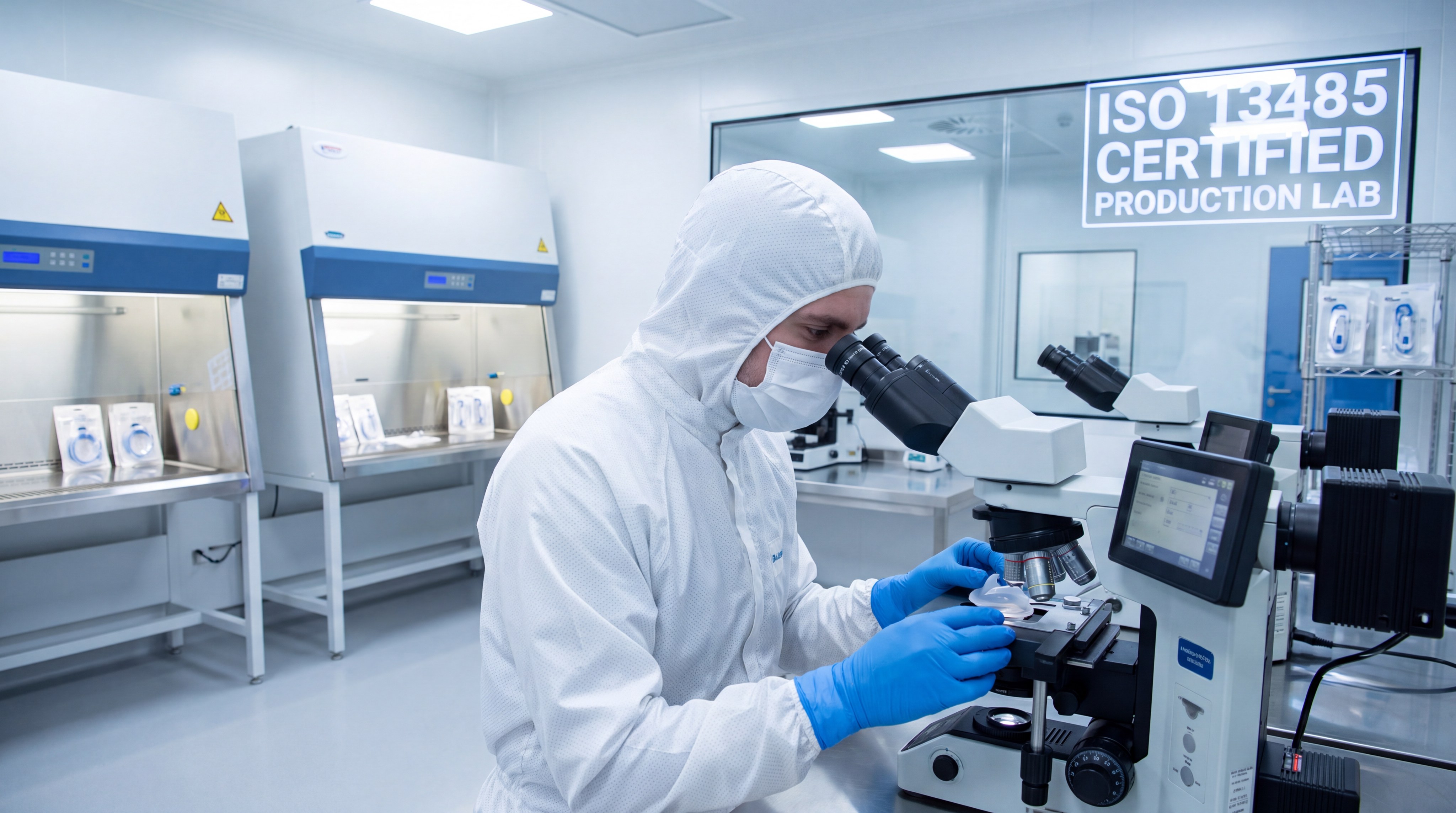
LSR injection ensures safety by enabling the automated, high-precision manufacturing of flash-free, complex medical components under sterile, byproduct-free platinum curing systems. Modern medical components achieve unmatched geometric complexity when manufacturers produce liquid silicone rubber Silicone Products through high-precision injection tooling. Optimizing the automated tool configuration ensures that every micro-part remains structurally sound and dimensionally accurate. This automated process minimizes direct human handling and prevents contamination.
Platinum-catalyzed liquid silicone rubber cures quickly without leaving any toxic chemical byproducts or acidic residues. This makes the finished parts highly biocompatible and safe for direct tissue contact. The high efficiency of the process allows for mass production with absolute consistency. It represents the gold standard in medical component fabrication.
What makes liquid silicone rubber unique?
You will find that liquid silicone rubber consists of a two-part system that vulcanizes rapidly when injected into a heated mold. Unlike peroxide-cured systems, platinum curing releases zero acid, which means you avoid chemical irritation risks entirely. This clean chemistry ensures that your devices are safe for sensitive patients.
- Platinum curing chemistry: Produces zero toxic peroxide byproducts.
- Low viscosity: Flows into thin, intricate walls without tearing the tool.
- Fast cure times: Enables high-efficiency production of millions of parts.
How does flash-free molding protect patients?
If a molded valve has excess material or “flash” along its edges, small particles can easily break off into intravenous fluid streams. LSR injection molding uses ultra-precise tooling to eliminate flash, ensuring you provide a perfectly clean and safe flow path.
Think about this:
A single stray particle in a patient’s bloodstream can cause catastrophic blockages or severe localized inflammatory reactions.
Why are tight tolerances critical for parts?
When you manufacture micro-valves for medical pumps, even a tiny deviation in size can cause inaccurate dosing or leakage. High-precision molding allows you to achieve tight dimensional tolerances down to a hundredth of a millimeter. This extreme accuracy ensures that you deliver exact, life-saving medication dosages to patients every time.
Key Takeaway: High-precision LSR injection molding under platinum cure systems guarantees flash-free, dimensionally flawless medical parts that are free of toxic vulcanization residues.
| Molding Metric | LSR Injection Molding | Compression Molding (HCR) |
|---|---|---|
| Tolerance Limits | Ultra-tight (±0.01 mm) | Standard (±0.15 mm) |
| Flash Risk | Minimal to None | High (Requires secondary trimming) |
| Curing Chemistry | Clean Platinum Cure | Often Peroxide Cure (Residual acids) |
LSR injection molding is the ideal process for manufacturing high-precision, low-risk surgical and diagnostic components.
Is medical silicone safe for direct contact?
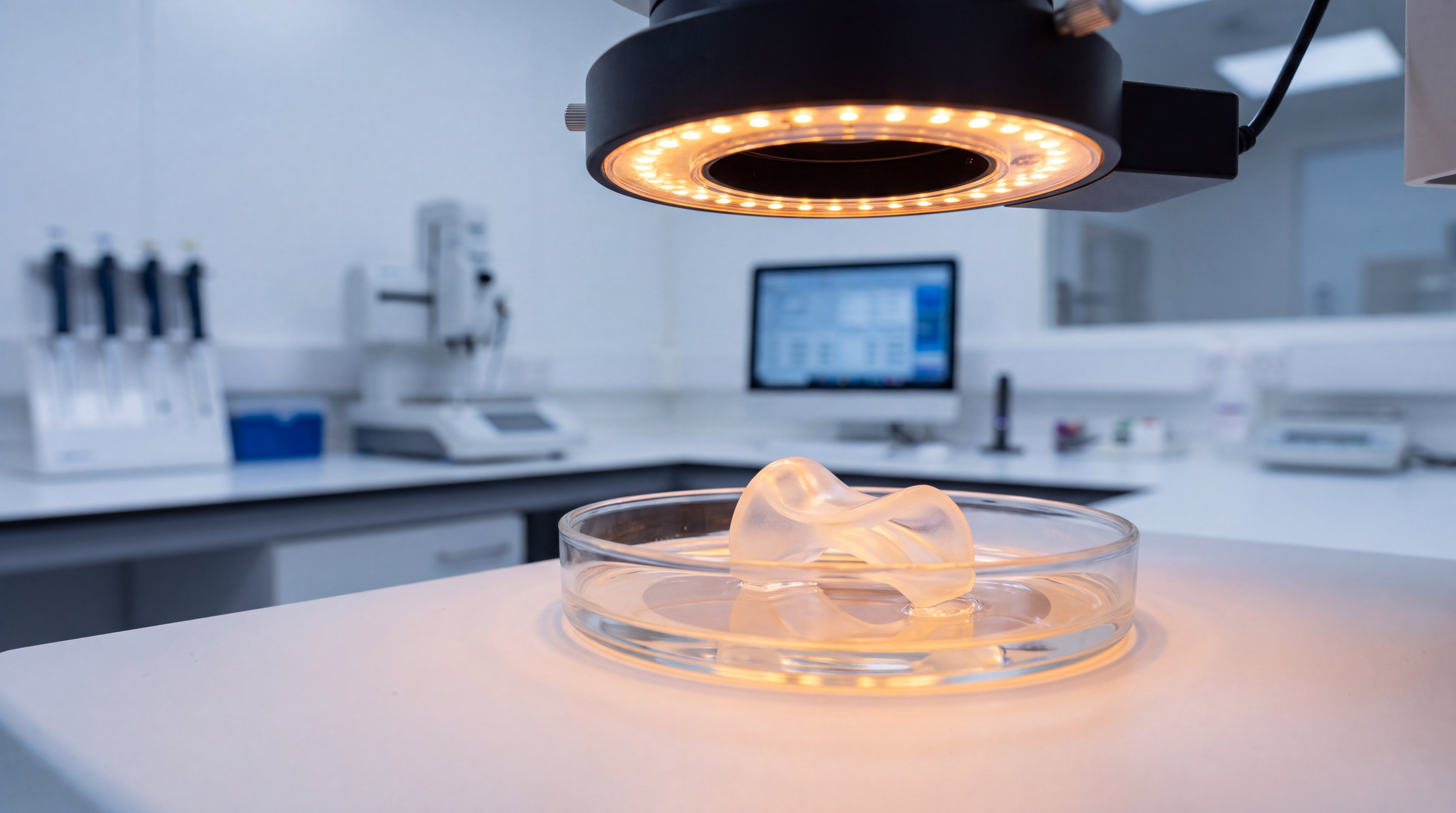
Medical silicone is exceptionally safe for direct contact because it is completely hypoallergenic, non-toxic, and fully compliant with strict USP Class VI biocompatibility regulations. Ensuring the safety of long-term medical implants starts with sourcing pure, traceably produced Silicone Products. These medical-grade elastomers do not interact with biological fluids or human tissue. Consequently, they avoid triggering localized allergic reactions or systemic immune responses.
Their low surface energy prevents bacterial biofilm growth on implant surfaces. This significantly lowers the risk of post-operative infections and long-term complications. In addition, the material remains physically stable inside the body over decades. This makes it the most trusted material for permanent clinical implants.
Can medical devices trigger allergic reactions?
If you switch from latex components to high-purity medical silicone, you completely eliminate the risk of severe Type I allergic reactions. This is because silicone does not contain the biological proteins that cause hypersensitivity in patients. This ensures you maintain a safe clinical environment for both staff and patients.
- Latex-free solution: Eliminates life-threatening Type I allergic reactions.
- USP Class VI passing: Verified non-toxic to cells and surrounding tissues.
- Implantable grades: Safe for permanent contact with blood and tissue.
How does clean-room packaging preserve hygiene?
When you pack completed silicone components inside a sterile, heat-sealed cleanroom environment, you lock out all external biological and particulate contamination. This step ensures that the parts arrive at your medical facility ready for immediate sterile clinical use.
Why are we sure?
Because our rigorous double-barrier packaging is validated under strict medical-device safety standards to ensure lasting sterile integrity.
What is the long-term clinical safety record?
If you look at decades of clinical data, you will see that medical silicone implants consistently demonstrate excellent tissue integration with minimal rejection rates. Its unmatched chemical stability means the material will not break down or leach harmful compounds inside the human body. This long-term safety record provides you with complete peace of mind when specifying it for implantable hardware.
Key Takeaway: Medical-grade silicones have a proven safety profile, backed by USP Class VI compliance, which ensures they are safe for skin, tissue, and blood contact.
| Test Protocol | Silicones | Traditional Thermoplastics |
|---|---|---|
| Sensitization Test | Non-sensitizing | Variable (Adjuvants may trigger response) |
| Systemic Toxicity | Zero toxicity | Risk of additive leaching |
| Tissue Integration | Excellent (Inert surface) | Potential fibrous capsule formation |
This rigorous testing evidence confirms that medical-grade silicones provide the safest direct-contact profile of any elastomer.
User-Focused FAQs
Can I sterilize medical silicone products multiple times?
Yes, you can. Medical-grade silicone exhibits high thermal and chemical stability, allowing it to withstand repeated sterilization cycles without degrading. This resistance is due to its strong silicon-oxygen molecular backbone, which remains stable under autoclave temperatures up to 134°C, intense gamma radiation, and ethylene oxide gas exposure.
What’s the best silicone type for long-term skin contact?
Platinum-cured soft silicone gel. This formulation is ideal because it does not use peroxides, leaving zero acid residues or sensitizing chemicals. Its soft physical nature conforms easily to the skin, which distributes peel tension evenly and prevents skin tears during dressing changes.
How do I know if a silicone component is truly USP Class VI medical-grade?
By reviewing the material trace documentation and certification certificates. Reputable manufacturers provide complete material traceability, showing testing documentation that complies with USP Class VI and ISO 10993 standards. These tests verify the material is non-toxic and biocompatible with living tissue.
Can I use standard industrial silicone adhesives for medical device assembly?
No, you cannot. Industrial silicone adhesives contain volatile organic compounds (VOCs), solvents, and acid-releasing curing agents (like acetic acid) that are toxic to human tissue. Medical device assembly requires specialized adhesives that have passed ISO 10993 cytotoxicity and sensitization testing.
What’s the best manufacturing process for ultra-precise medical micro-valves?
Liquid Silicone Rubber (LSR) injection molding. LSR’s low viscosity allows it to flow easily into micro-cavities at low pressures, creating flash-free parts with tolerances down to ±0.01 mm. This level of precision is critical for accurate flow control in medical dosing systems.
Strategic Action Guidelines & B2B Call to Action
Modern healthcare systems face a double challenge: raising patient comfort while reducing treatment-related complications. For decades, traditional plastics and poor adhesives have caused skin tears, chemical leaching, and device failures, driving up healthcare costs and patient discomfort.
We resolve these challenges. As an ISO 13485 certified manufacturer with a Class 100k cleanroom facility, we produce precision medical-grade silicone components, liquid silicone rubber (LSR) molded valves, and skin-safe adhesive layers that meet the highest regulatory standards. Our advanced engineering and strict quality control ensure your designs transition smoothly from design to bulk clinical production.
Let us help you improve your medical product line. Partner with an expert OEM/ODM partner to secure your clinical supply chain, reduce regulatory risks, and deliver the patient comfort modern healthcare demands. To review your technical drawings and request a detailed engineering assessment, contact us today.