
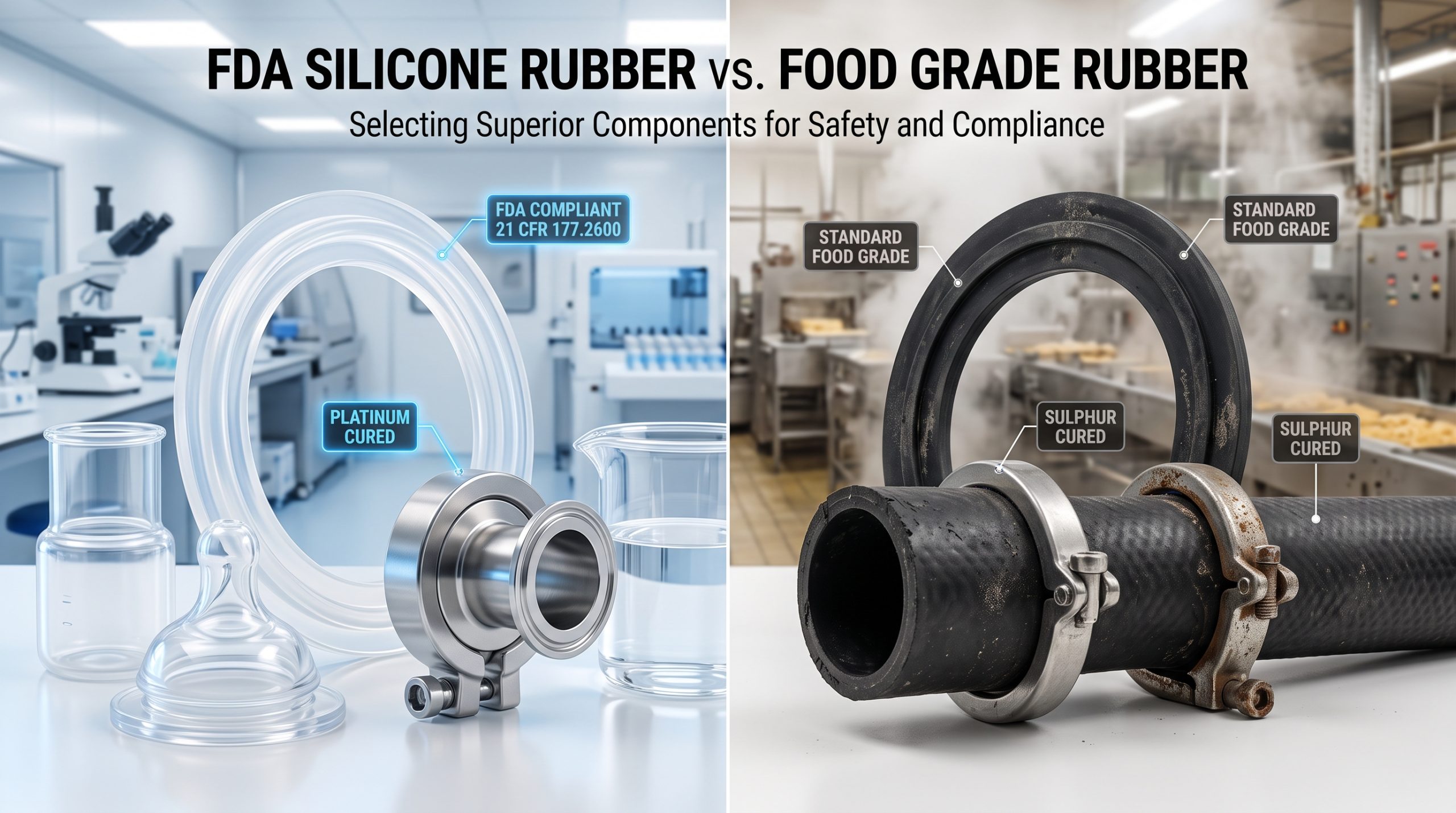
How Does FDA Silicone Rubber Compare to Food Grade Rubber?
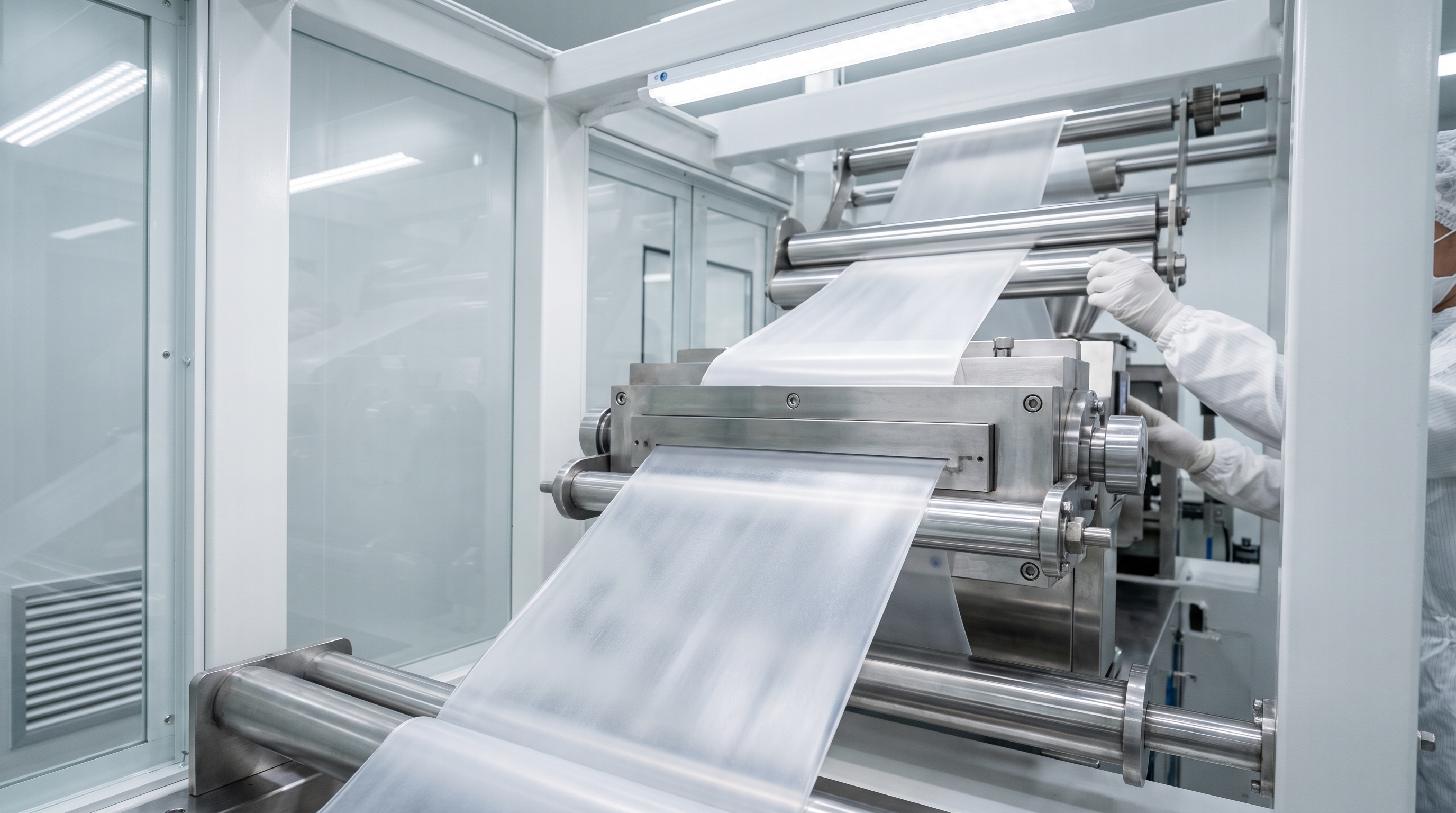
Yes, FDA silicone rubber is significantly better than standard food-grade rubber for demanding, high-heat, and chemically sensitive applications due to its superior purity and safety standards. Imagine running a high-speed beverage packaging line where seals constantly fail under rigorous clean-in-place cycles. When rubber gaskets leach microscopic chemical byproducts or degrade prematurely, your production halts, costs soar, and regulatory compliance is placed at serious risk. Upgrading your components to high-purity Silicone Products provides the ultimate thermal, chemical, and structural solution to keep your operation safe and compliant.
What Is FDA Silicone Rubber?
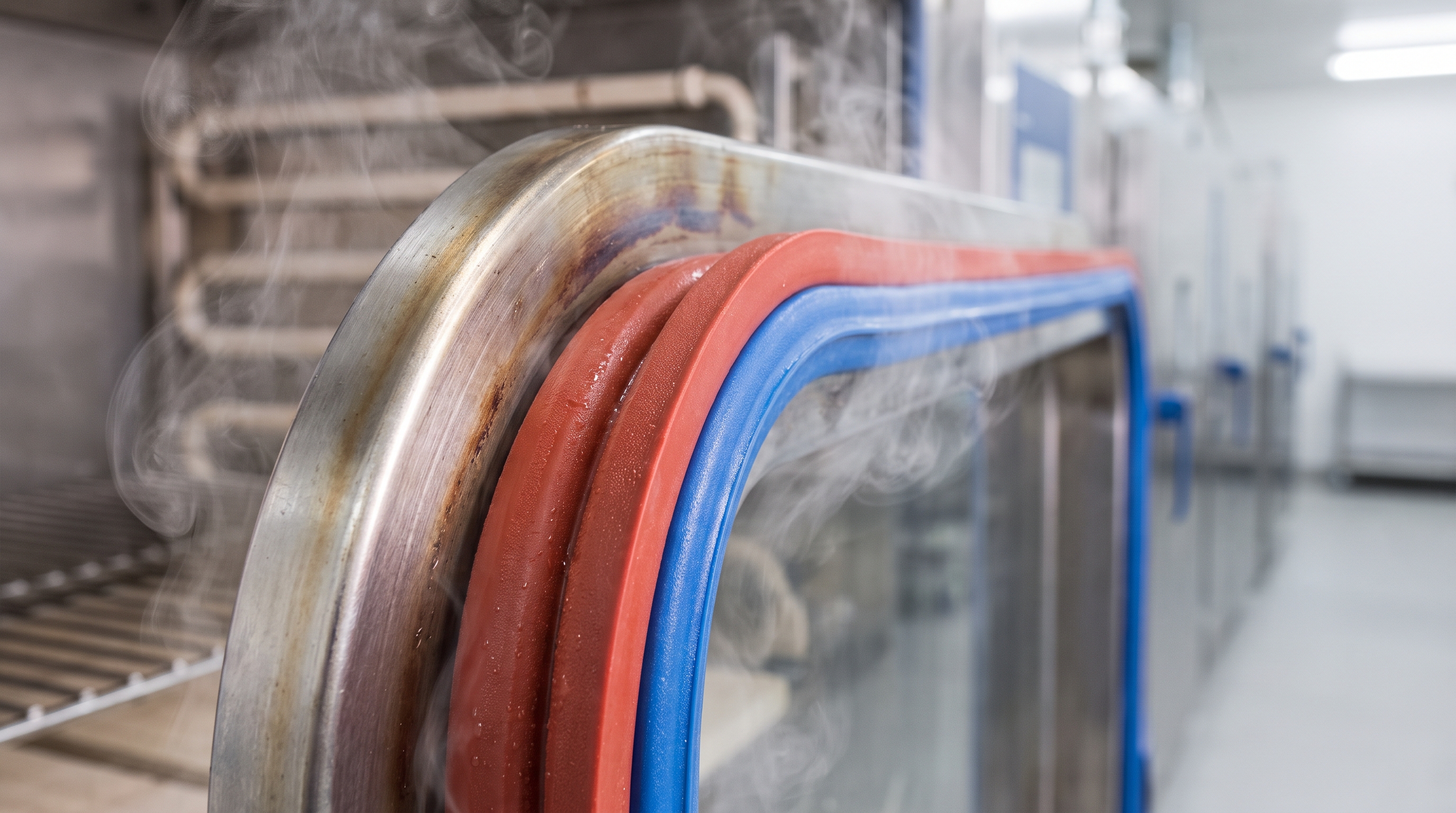
FDA silicone rubber is a premium, high-purity elastomer engineered specifically to meet the strict standards of FDA 21 CFR 177.2600 for repeated food-contact use. This material offers unmatched safety and durability, which makes it the premier choice for manufacturing high-quality Silicone Products. Unlike standard elastomers, it undergoes specialized testing to ensure it does not transfer taste, odor, or harmful contaminants to food. You can rely on its pristine composition to maintain compliance under extreme conditions.
Chemical Purity and Molecular Composition
The exceptional safety of this material stems from its clean backbones and low-extractable fillers. Here is the key:
- It contains no toxic phthalates or plasticizers.
- The polymer chains are highly stable, resisting oxidative breakdown.
- Heavy metals are completely excluded during synthesis.
Typical Food and Beverage Applications
This elastomer’s unique properties allow it to thrive where other materials degrade. Think about it:
- It acts as an airtight seal in commercial baking ovens.
- Flexible tubing delivers clean liquids in brewing systems.
- Sanitary gaskets maintain pressure in cleanroom environments.
Key Takeaway: Specifying high-purity compounds ensures your processing lines remain free of contaminants while dramatically extending the service life of your seals.
| Application Type | Typical Components | Primary Regulatory Hurdle |
|---|---|---|
| Food Processing | Conveyor belts, high-heat oven seals | Continuous thermal degradation resistance |
| Beverage Dispensing | Pliable tubing, dynamic valve seals | Extraction limits under acidic liquid exposure |
| Sanitary Production | Tri-clamp gaskets, manifold seals | Chemical resistance during CIP washdowns |
The application data below clarifies how these structural properties dictate usage across processing environments.
Why Choose FDA Over Food Grade Elastomers?
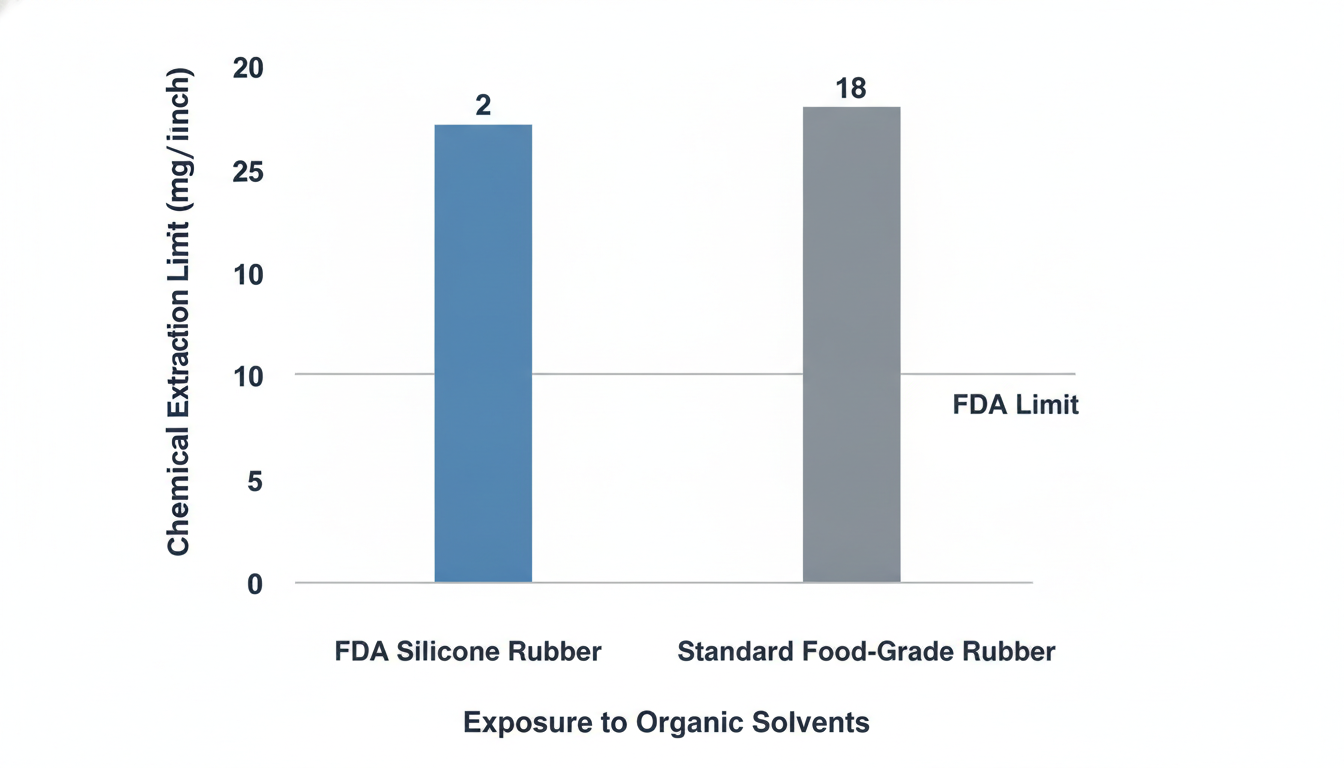
Choosing FDA-compliant formulations over standard food-grade materials ensures your components can withstand rigorous chemical extraction tests and aggressive sanitization cycles without leaching harmful substances. This strict compliance makes them the gold standard for high-performance Silicone Products. Standard food-grade rubbers often fail under intense thermal stress or chemical exposure. By opting for FDA-compliant materials, you mitigate the risk of contamination and recall.
Rigorous Extraction Limit Testing
To earn FDA compliance, materials must pass strict extraction tests using water and hexane solvents. Here is the deal:
- Compounds must yield less than 20 mg/sq inch in distilled water.
- Hexane extraction limits are capped to prevent chemical migration.
- Testing is conducted under extreme temperatures to simulate real-world use.
Trace Elements and Filler Purity
Standard food-grade rubbers frequently contain cheap fillers and trace heavy metals that leach over time. Think about it:
- Low-grade clay fillers can degrade the physical strength of the rubber.
- Volatile organic compounds (VOCs) can taint the taste of your products.
- Platinum-curing ensures zero chemical residue remains.
Key Takeaway: Investing in fully certified elastomers prevents chemical migration, securing your brand’s reputation and ensuring compliance with international food safety laws.
| Performance Metric | FDA Silicone Rubber | Standard Food Grade Rubber |
|---|---|---|
| Max Extraction Limit | < 20 mg/sq in (in water) | Variable / Often untested |
| Tear Strength | High (platinum-cured option) | Moderate to poor |
| Outgassing Profile | Extremely low | Moderate volatile migration |
| Sensory Neutrality | 100% odorless and tasteless | Potential chemical carryover |
The performance breakdown above highlights the exact engineering trade-offs between the two grades.
What Regulations Govern Food-Safe Rubbers?
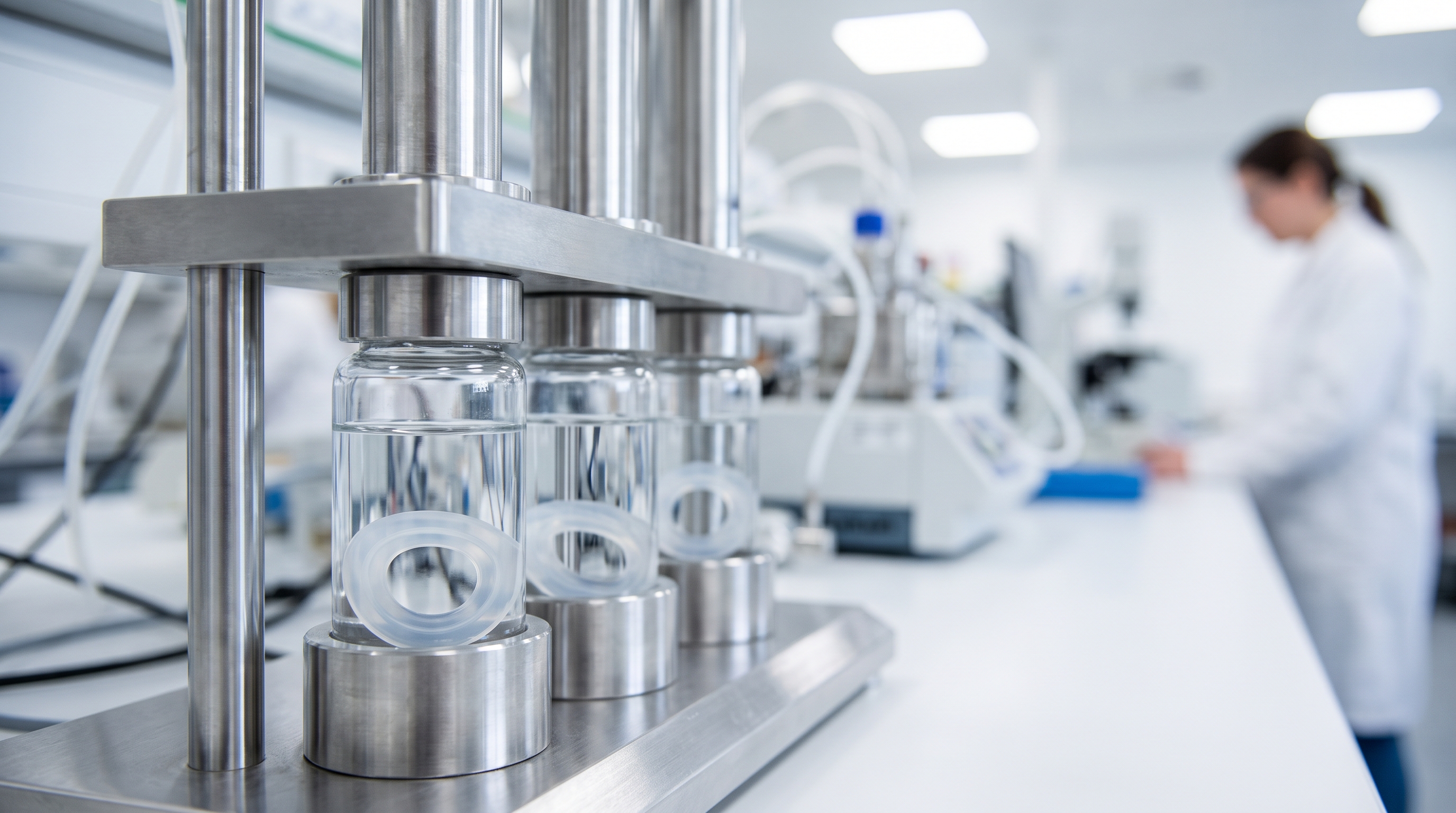
Food-safe rubbers are primarily governed by international frameworks like the FDA 21 CFR 177.2600 in the United States and the LFGB in Europe. These rigorous frameworks verify that any Silicone Products used in production do not contaminate consumable goods. Operating without certified compliance can lead to severe legal penalties and supply chain disruptions. Understanding these regulations is key to choosing the correct material for your application.
Understanding FDA 21 CFR 177.2600
This regulation specifically details the requirements for rubber articles intended for repeated food contact. Let’s dig deeper:
- It outlines a positive list of permitted chemical substances.
- Extractables must be meticulously measured using specific food simulants.
- Post-curing is highly recommended to eliminate volatile residues.
FDA vs. European LFGB Frameworks
While both standards ensure safety, the European LFGB is generally considered more stringent. But wait, there’s more:
- LFGB testing includes sensory evaluations for taste and odor transfer.
- Material migration thresholds are lower than FDA requirements.
- Compliance with LFGB is essential for entering European markets.
Key Takeaway: Selecting materials that comply with both FDA and LFGB standards allows you to market your products globally without redesigning components.
| Regulation Standard | Primary Region | Testing Medium | Main Restriction Focus |
|---|---|---|---|
| FDA 21 CFR 177.2600 | United States | Water & Hexane | Percent extractables by weight |
| LFGB (BfR XV) | Europe (Germany) | Comprehensive Simulants | Sensory transfer, volatile organic matter |
| EC 1935/2004 | European Union | Diverse Food Simulants | Overall migration limits (OML) |
The global regulatory matrix below provides a side-by-side comparison of these foundational regulations.
How Safe Are Medical and Baby Care Materials?
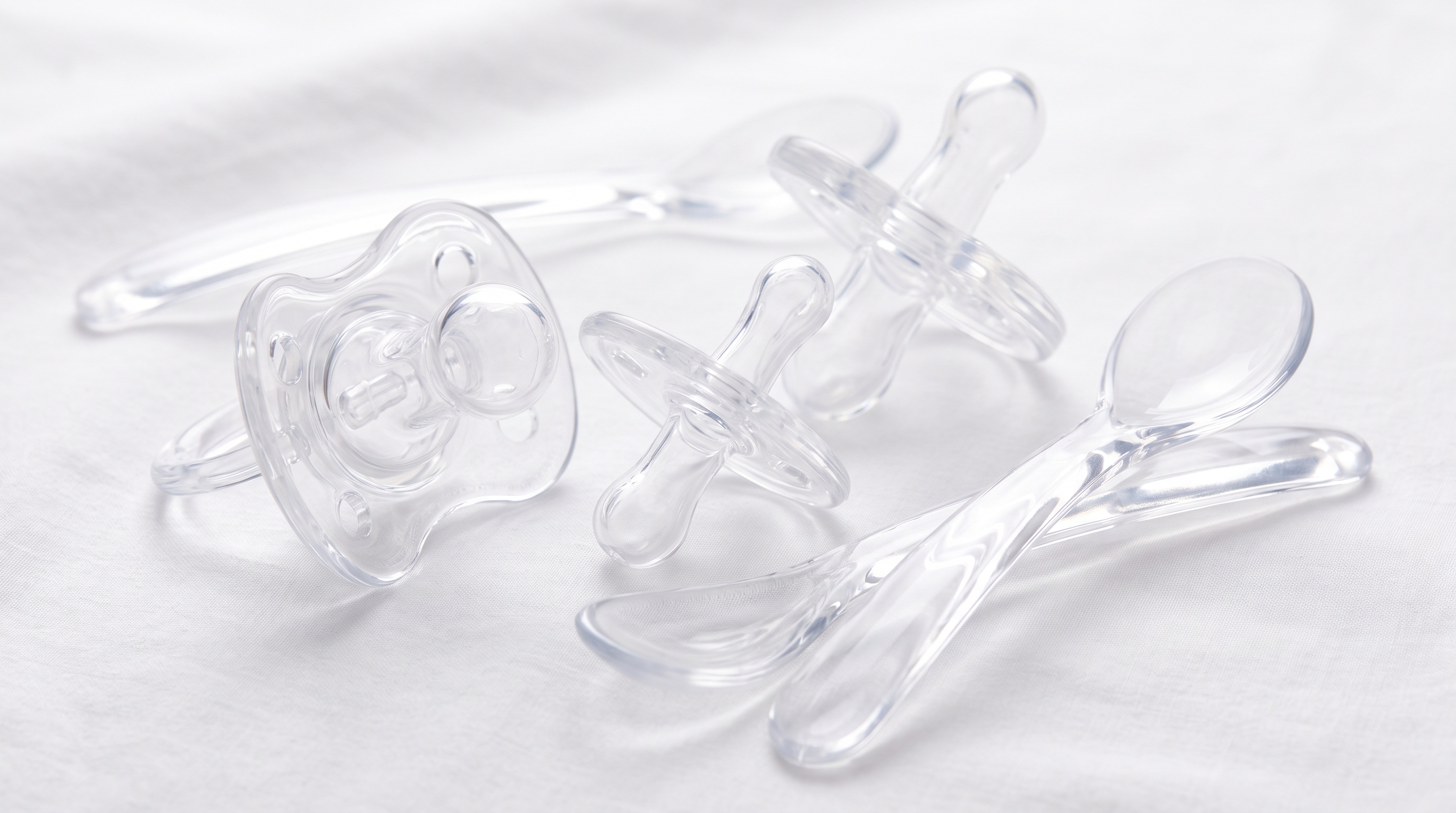
Medical and infant-grade materials are exceptionally safe because they undergo platinum curing to achieve medical-grade purity and pass strict biocompatibility evaluations. These rigorous processes guarantee that the resulting Silicone Products are completely safe for sensitive skin and food contact. Standard rubber is prone to leaching toxic byproducts under continuous exposure. Choosing high-grade materials guarantees peace of mind for both manufacturers and consumers.
Platinum Curing vs. Peroxide Curing
The curing catalyst plays a massive role in the safety and purity of the elastomer. What does this mean for safety?
- Platinum-cured systems leave absolutely no acid byproducts.
- Peroxide curing can leave benzoic acid residues that cause off-gassing.
- Platinum systems deliver unmatched optical clarity and consistency.
Biocompatibility and Cytotoxicity
Infant products demand materials that are completely non-toxic and hypoallergenic. Think of it this way:
- Medical-grade silicone passes ISO 10993 cytotoxicity testing.
- It is resistant to bacterial growth and easy to sterilize.
- Standard elastomers often fail these demanding biological tests.
Key Takeaway: Specifying platinum-cured liquid silicone rubber eliminates chemical migration risks, making it the safest choice for infant care and medical devices.
| Parameter | Platinum-Cured LSR | Peroxide-Cured Rubber |
|---|---|---|
| Byproduct Yield | None (zero residues) | Benzoic acid derivatives |
| Optical Clarity | Crystal clear | Translucent to opaque |
| Sterilization Cycles | Autoclave, Gamma, EtO stable | Degradation over repeated cycles |
| Toxicity Profile | Class VI biocompatible | Industrial/General-grade only |
The safety comparison table above outlines the precise chemical differences between these two curing methods.
What Are the Key Temperature Limits for Elastomers?
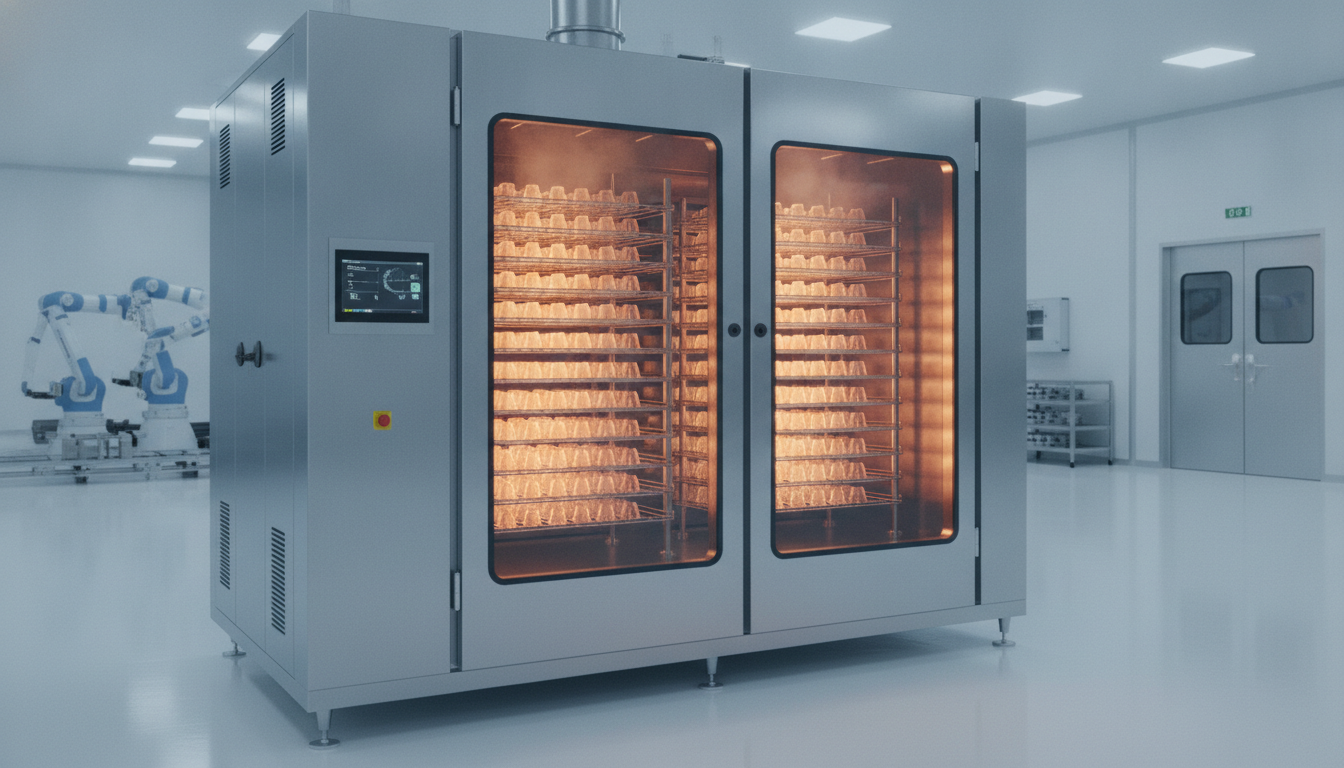
The key temperature limits of FDA-compliant silicone range from -60°C to +230°C, vastly exceeding the thermal resistance of standard food-grade rubbers. This incredible thermal range allows you to deploy high-purity Silicone Products in both cryogenic freezers and high-temperature ovens. Standard rubbers like EPDM or Nitrile will rapidly crack or melt outside narrow limits. By contrast, silicone maintains its elasticity and seal integrity in extreme environments.
High-Temperature Thermal Stability
Under intense heat, silicone’s siloxane backbone resists thermal degradation. That’s not all:
- It handles continuous heat up to 230°C without melting.
- Hardness and tensile strength remain stable over thousands of hours.
- Standard rubbers quickly harden, crack, and fail as gaskets.
Cryogenic and Sub-Zero Flexibility
In cold-storage applications, materials must resist becoming brittle. Here is the key:
- Silicone remains flexible down to -60°C without cracking.
- It retains its dynamic sealing capability where others fail.
- This prevents fluid leaks and pressure drops in cold supply chains.
Key Takeaway: Using materials with wide temperature limits ensures your machinery can transition between extreme hot and cold cycles without seal failure.
| Material Type | Low-Temp Limit | High-Temp Limit | Primary Thermal Failure |
|---|---|---|---|
| FDA Silicone | -60°C (-76°F) | +230°C (+446°F) | Gradual loss of durometer, hardening |
| EPDM (Food Grade) | -45°C (-49°F) | +130°C (+266°F) | Surface cracking, loss of sealing force |
| Nitrile (NBR) | -30°C (-22°F) | +100°C (+212°F) | Embrittlement, severe shrinkage |
The temperature limits table above details the thermal performance comparison between common food-grade alternatives.
How Do Pet Feeding and Beverage Accessories Perform?
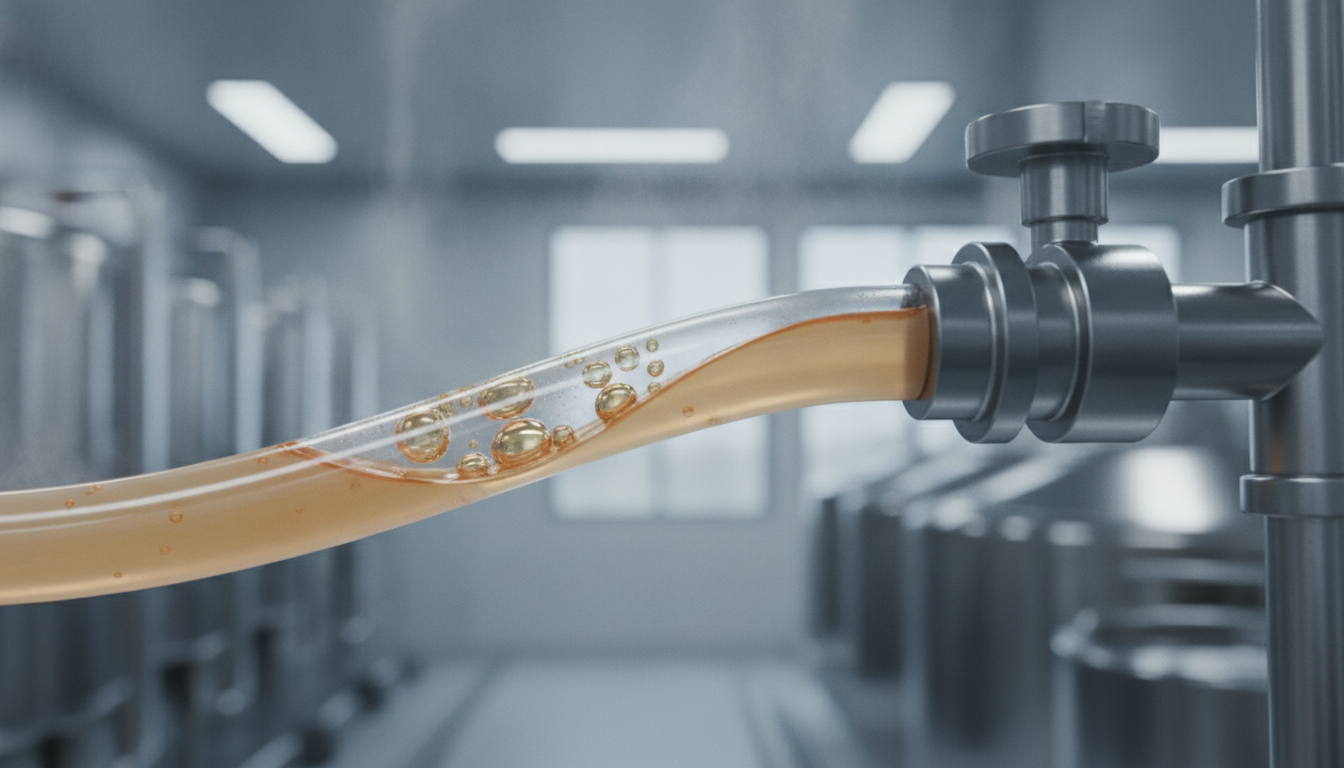
Pet feeding and beverage accessories perform exceptionally well when made of FDA silicone due to their high tear resistance, non-toxic properties, and absolute resistance to mold and bacterial growth. These qualities make FDA-grade elastomers the ultimate material for processing machinery and consumer-facing Silicone Products. Cheap plastics and lower-grade rubbers often peel, crack, or harbor harmful pathogens over time. By contrast, premium silicone components offer long-term durability and safety.
Durability and Tear Resistance
Dynamic components must withstand high physical stress and mechanical abrasion. And the best part?
- Silicone resists repetitive chewing, pulling, and bending.
- High tear-strength formulations prevent cracking at stress points.
- This reduces the risk of tiny particles breaking off into the product stream.
Antimicrobial and Easy-Clean Properties
Sanitation is paramount in both food dispensing and pet hydration systems. Let’s dig deeper:
- Non-porous surfaces prevent bacteria and biofilm accumulation.
- The material is completely dishwasher safe and chemical resistant.
- Cleaning cycles do not degrade the glossy surface finish.
Key Takeaway: Specifying resilient, non-porous elastomers ensures your consumer products remain completely hygienic and highly durable under constant reuse.
| Material | Chew Resistance | Dishwasher Safe | Chemical Migration Risk |
|---|---|---|---|
| FDA Silicone | Excellent | Yes (High Temp) | Zero (Inert polymer) |
| TPR (Thermoplastic) | Moderate | Hand wash only | Moderate (leachable plasticizers) |
| Vinyl (PVC) | Poor | No | High (phthalates often present) |
The safety and durability matrix above contrasts silicone with alternative consumer-grade materials.
Which Material Offers Better Chemical Stability?
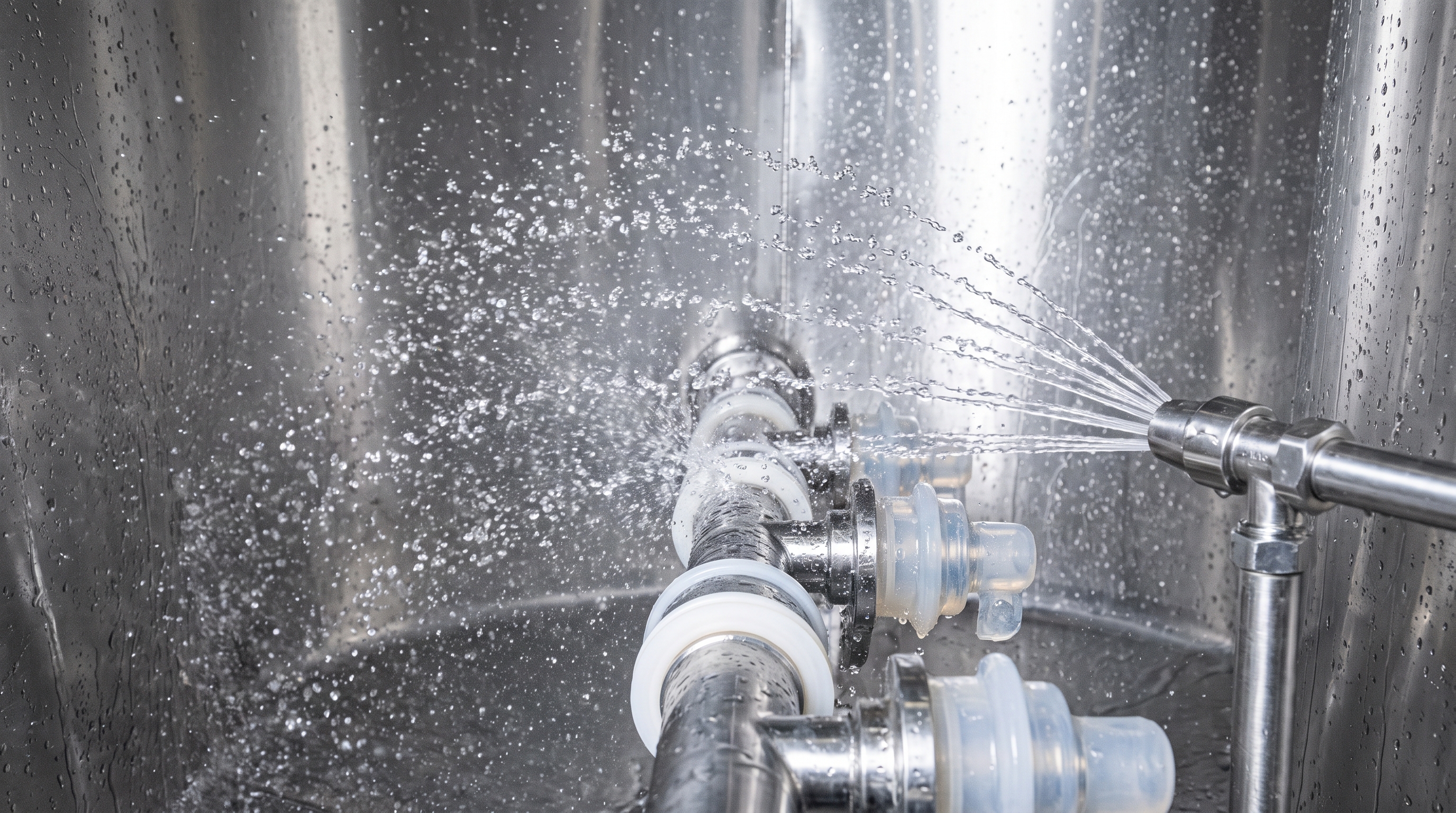
FDA silicone offers vastly superior chemical stability compared to standard rubbers, particularly when exposed to food acids, organic oils, and harsh clean-in-place sanitizers. Its highly stable chemical structure ensures that your high-purity Silicone Products will not swell, dissolve, or leach chemicals during routine maintenance. Standard rubbers like nitrile often degrade rapidly when exposed to acidic beverages or harsh sanitizing agents. Investing in chemically stable seals prevents catastrophic process line failures.
Resistance to CIP Sanitizers
Industrial washing protocols rely on strong acids and caustic solutions to sterilize lines. Here is where it gets interesting:
- Silicone resists degradation from nitric acid and sodium hydroxide.
- It is highly compatible with chlorine-based cleaning solutions.
- Gaskets retain their original sealing force after hundreds of washes.
Resistance to Lipids, Oils, and Fats
Fats and lipids can cause certain elastomers to swell and lose structural integrity. What is the bottom line?
- Silicone’s molecular structure prevents absorption of organic fats.
- Nitrile rubber offers oil resistance but lacks the required thermal stability.
- Utilizing silicone gaskets prevents seal swelling and alignment issues.
Key Takeaway: Chemically inert seals prevent expensive fluid leakage and maintain pressure during both processing and automated clean-in-place cycles.
| Chemical Class | FDA Silicone | Food Grade EPDM | Food Grade Nitrile (NBR) |
|---|---|---|---|
| Animal Fats / Oils | Good | Poor (swells) | Excellent |
| Dilute Acids | Excellent | Excellent | Fair |
| Oxidizing Sanitizers | Excellent | Good | Poor (degrades) |
| Polar Solvents | Good | Excellent | Poor |
The chemical compatibility guide above showcases the exact performance metrics of these common polymers.
How Do You Select and Scale Custom Components?

You can select and scale custom components by evaluating application-specific durometers, choosing the ideal manufacturing method, and partnering with an expert manufacturer who offers end-to-end tooling and design support. Selecting a reliable partner is essential for successfully scaling production of high-performance Silicone Products. Whether you need high-volume liquid silicone injection molding or cost-effective compression molding, selecting the correct production method reduces lead times and upfront tooling costs. Proper material qualification ensures compliance and long-term durability in real-world environments.
At Hualin, we solve these complex engineering challenges by providing premium, FDA-compliant manufacturing solutions designed to streamline your supply chain. We eliminate design risks, optimize part performance, and ensure every custom mold meets rigorous quality assurance standards. Our team is committed to helping you bring safer, more compliant, and highly durable solutions to market quickly and efficiently. If you are ready to optimize your material selection or require a precision engineering DFM review for your next project, contact us today to collaborate with our engineering experts and bring your product vision to life.
How Do You Verify Compliance and Quality Standards?
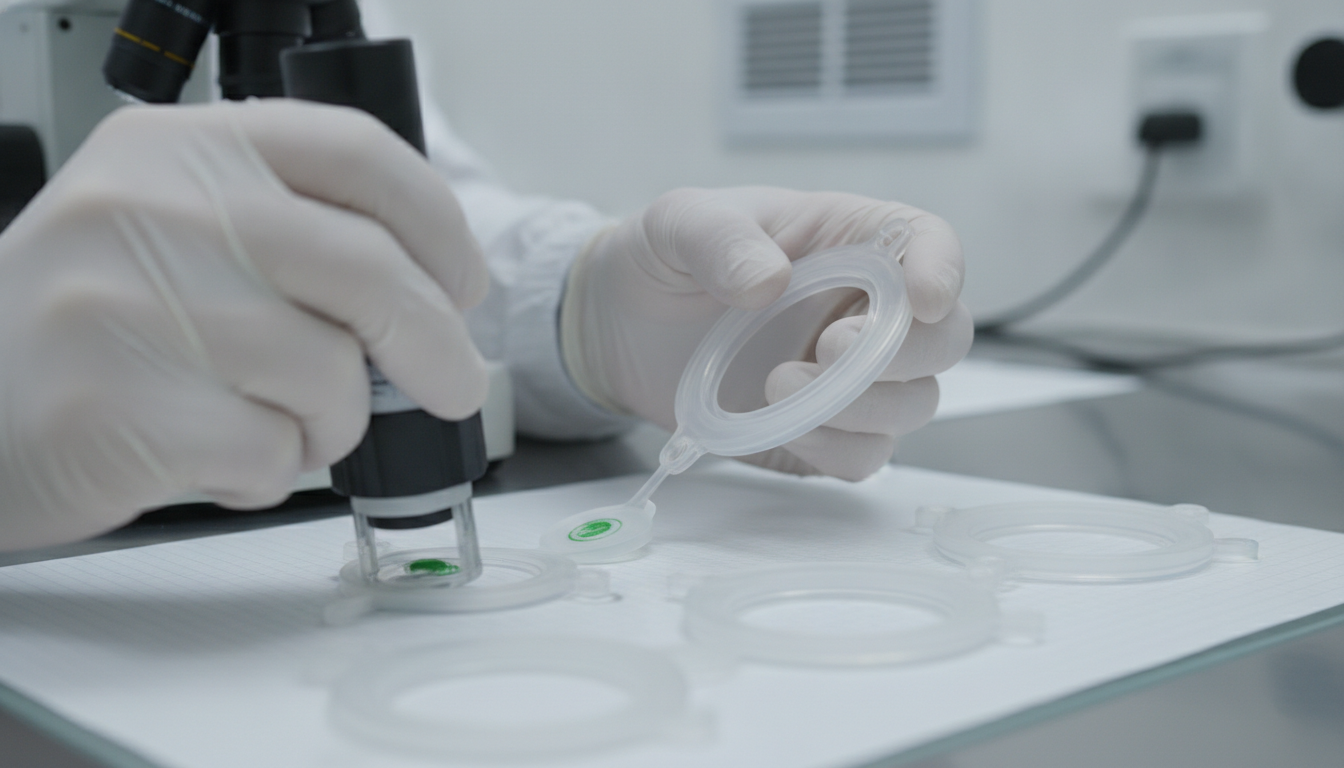
You can verify compliance and quality standards by requesting third-party test certificates, conducting regular batch inspections, and reviewing material extraction logs under microscopy. This diligent monitoring guarantees that your custom Silicone Products are manufactured under cleanroom conditions and comply with global standards. Implementing microscopic inspections allows you to detect micro-cracks and surface impurities before assembly. Partnering with certified manufacturers guarantees total peace of mind for B2B brands.
Can I use standard food-grade rubber in high-temperature autoclaves?
No, you cannot. Standard food-grade rubbers like EPDM or Nitrile will rapidly degrade, lose elasticity, and potentially leach chemical byproducts under repeated autoclaving. High-purity FDA-compliant silicone is required to maintain seal integrity under these conditions.
What’s the best way to sterilize baby-care silicone components?
Steam sterilization is the best method. This process is highly effective because high-purity platinum-cured silicone withstands repeated moisture and high heat without deteriorating. Boiling water is also highly effective and safe.
Can I substitute FDA-grade silicone with industrial-grade silicone in food contact?
No, you should not. Industrial-grade silicones contain trace catalysts, heavy metals, and low-purity fillers that do not meet strict FDA extraction limits. This substitution introduces significant contamination risks.
How do I know if my gaskets require oven post-curing?
Yes, they almost always do if intended for food or medical contact. Oven post-curing is critical because it drives off volatile cyclic siloxanes and stabilizes physical properties, ensuring full FDA compliance.