What is Liquid Silicone Rubber?
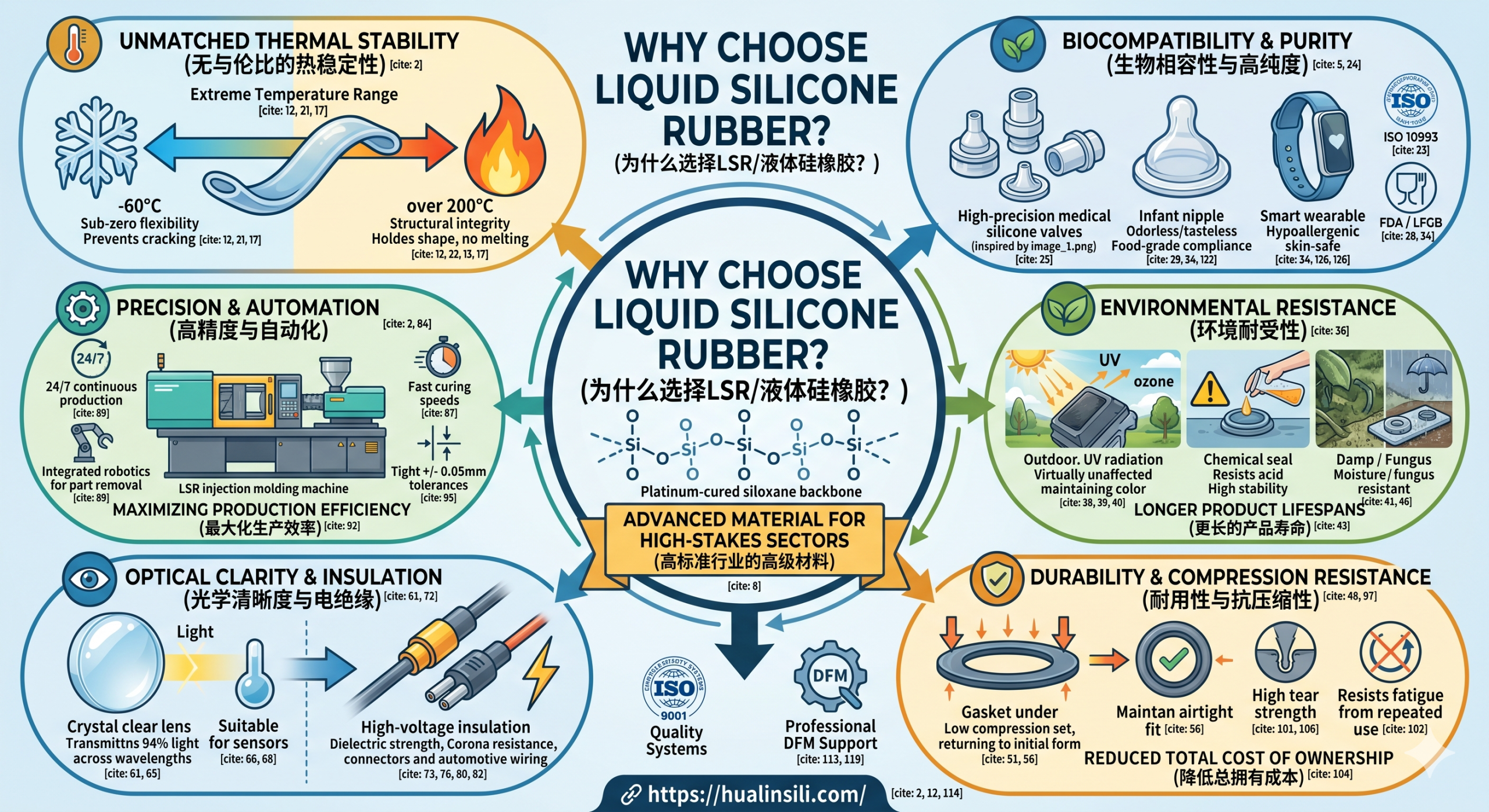
You choose Liquid Silicone Rubber because it offers unmatched thermal stability, biocompatibility, and high-precision molding for demanding industrial applications. Many engineers struggle with traditional elastomers that fail under extreme temperatures or cause contamination in sensitive product lines. This inconsistency leads to expensive material degradation, production downtime, and potential safety risks for end users.
Choosing this advanced material provides a reliable solution that ensures structural integrity and high-purity performance across every production batch. Its platinum-cured inorganic backbone makes it the preferred choice for high-stakes consumer and industrial sectors.
How does its chemical structure benefit you?
The unique siloxane backbone allows the material to remain flexible and durable where organic rubbers often become brittle. This structure is essential for parts that require extreme resilience.
The best part?
- Inorganic siloxane backbone for high stability.
- No plasticizers or phthalates included.
- High transparency for optical clarity.
You will notice that this high level of purity means you can use it in regulated environments without worrying about chemical leaching. It provides a secure foundation for your most sensitive designs.
Why is thermal stability vital for your parts?
Liquid Silicone Rubber maintains its structural form and high performance in environments ranging from -60°C to over 200°C. While standard plastics might warp or melt, this material stays flexible and holds its shape under intense stress.
Does it work in extreme heat or cold?
Extreme temperatures can cause typical elastomers to lose their sealing power or crack completely. This material survives where others fail, ensuring your mechanical assemblies remain airtight and functional.
Think about it:
- Retains hardness at temperatures above 150°C.
- Sub-zero flexibility prevents cracking.
- High resistance to oxidation and aging.
Believe it or not, the thermal range of this material allows you to deploy products in both Arctic conditions and high-heat automotive engines. It is the ultimate insurance against environmental failure.
Key Takeaway: Exceptional thermal stability ensures that your products function reliably in any climate or industrial setting without degradation.
| Temperature Category | Material Behavior | Performance Impact |
|---|---|---|
| Extreme Cold (-60°C) | Remains pliable | No cracking or seal failure |
| Moderate Heat (100°C) | Stable elasticity | Consistent mechanical grip |
| High Heat (200°C+) | No thermal degradation | Long-term structural integrity |
This thermal profile illustrates the material’s reliability in the most demanding environmental conditions across global industries.
How does biocompatibility protect end users?
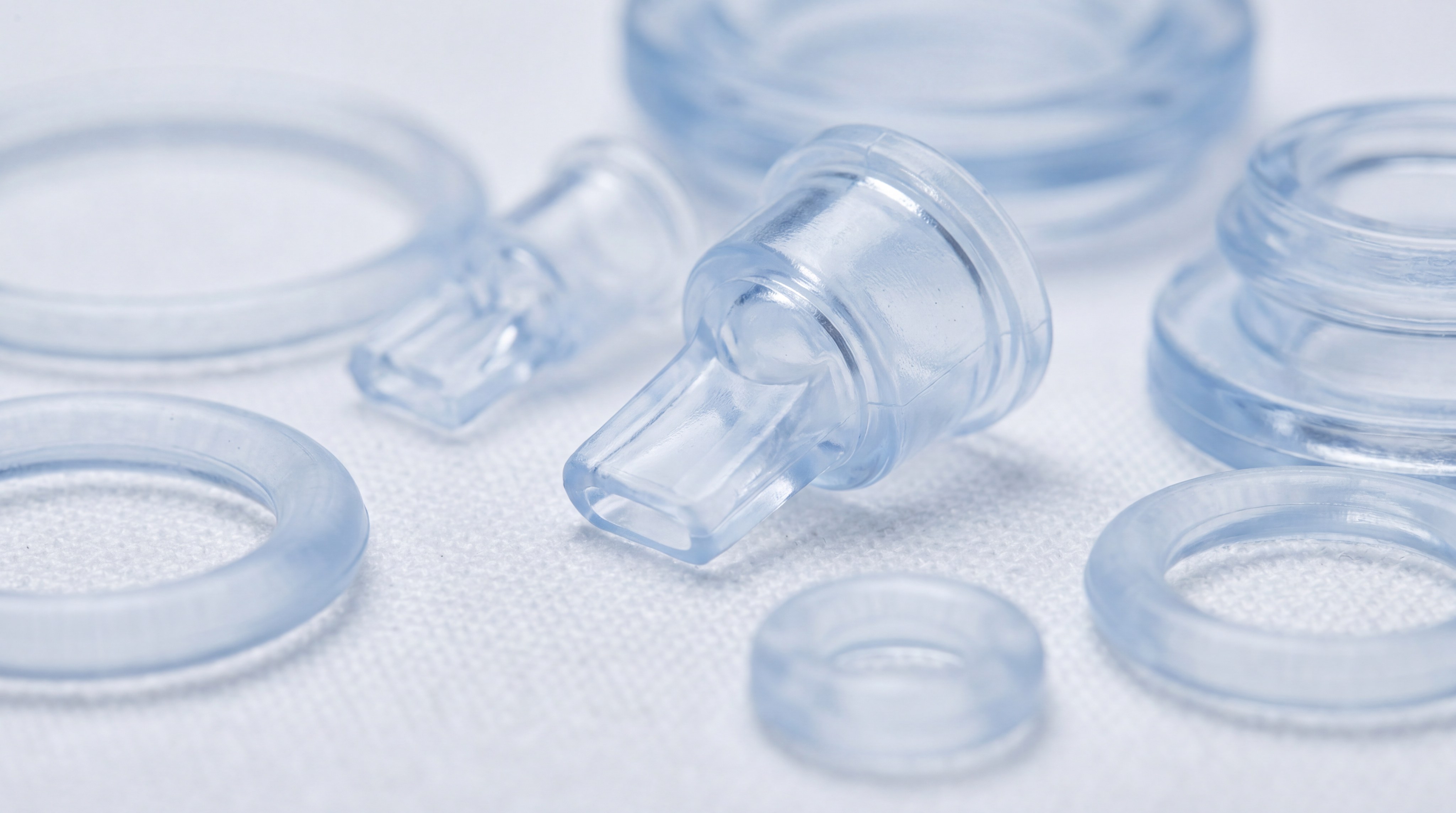
This material is exceptionally safe for medical use because it meets the strictest biocompatibility standards like ISO 10993. When you design medical components, you need a material that is naturally resistant to bacteria and mold growth.
Is it safe for medical and baby products?
Sensitive applications require materials that do not react with human tissue or body fluids. This silicone is hypoallergenic and free from latex or organic irritants that cause skin reactions.
Here is the kicker:
- FDA and LFGB food-grade compliance.
- Non-reactive with blood and body fluids.
- Odorless and tasteless for infant use.
The best part is that these properties ensure the end-user experience is improved through reduced irritation. You can rely on this material for surgical instruments and infant care essentials alike.
Key Takeaway: Certified biocompatibility makes this material the gold standard for healthcare and baby products where safety is the priority.
| Compliance Type | Standard Met | Primary Application |
|---|---|---|
| Medical Grade | ISO 10993 / USP Class VI | Surgical tools and implants |
| Food Grade | FDA / LFGB | Kitchenware and baby care |
| Human Contact | Hypoallergenic | Wearables and skin-contact devices |
The safety certifications listed above provide the regulatory assurance needed for successful product launches in the medical sector.
Can it resist harsh chemicals and UV exposure?
Liquid Silicone Rubber offers excellent resistance to environmental pollutants and a wide range of industrial chemicals. You can use it in harsh environments where exposure to cleaning agents or direct sunlight is a daily occurrence.
Can it withstand outdoor weathering?
Most rubbers will fade or crack due to sun exposure, but this material is virtually unaffected by UV radiation. It remains flexible and maintains its original color even after years in direct sunlight.
The kicker is:
- High resistance to ozone and UV rays.
- Stable in the presence of various acids.
- Moisture and fungus resistant.
Think about it: using a chemically resistant material reduces the frequency of maintenance and your long-term replacement costs. It ensures that outdoor equipment survives the toughest tropical or desert climates.
Key Takeaway: Superior environmental resistance translates to longer product lifespans and significantly reduced warranty claims for your brand.
| Resistance Factor | Performance Level | Benefit |
|---|---|---|
| UV / Solar | Excellent | No surface “chalking” or fading |
| Industrial Acids | High | Maintains integrity in harsh plants |
| Humidity/Mold | Natural Resistance | Ideal for damp or tropical use |
This resistance profile makes the material perfect for both indoor industrial machinery and permanent outdoor infrastructure installations.
Why is compression resistance a key factor?
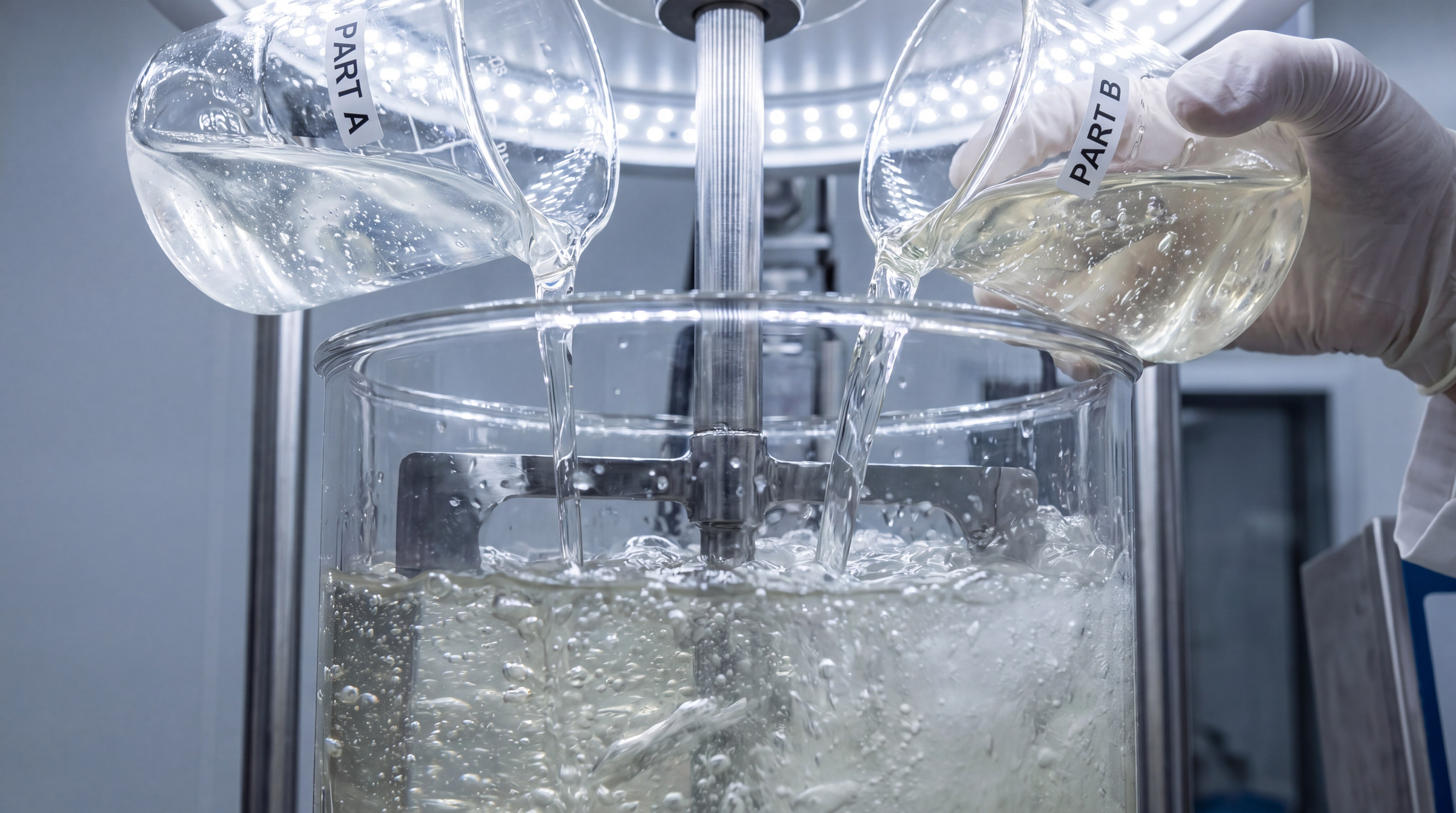
Compression resistance means your material can maintain its original shape under increasing mechanical stress. This is vital for gaskets and seals that must prevent leaks while being constantly compressed.
Will it maintain its shape under stress?
A low compression set ensures that the part returns to its initial form after being squeezed. This elasticity is what keeps seals airtight over thousands of cycles in automotive and aerospace systems.
Here is the kicker:
- Maintains elasticity under constant tension.
- Consistent performance at varying pressures.
- Resists permanent deformation over time.
Believe it or not, this durability provides value for money because you won’t have to replace technical seals frequently. It ensures that your complex assemblies remain reliable throughout their entire service life.
Key Takeaway: Low compression set characteristics guarantee that your gaskets and seals maintain an airtight fit under continuous mechanical stress.
| Stress Metric | LSR Behavior | Long-term Result |
|---|---|---|
| Initial Compression | High energy absorption | Effective sealing force |
| Constant Pressure | Resists deformation | No leakage or part thinning |
| Recovery Speed | Rapid return to shape | Reliable multi-cycle performance |
The mechanical resilience shown here demonstrates why this material is a favorite for high-pressure engineering applications.
Is optical clarity important for your design?
Liquid Silicone Rubber provides outstanding optical clarity, often reaching transmission levels of up to 94%. This makes it a superior alternative to glass or traditional plastics for specific light-transmitting applications.
Does it offer high light transmission?
Standard plastics often yellow or become cloudy over time when exposed to heat or light. This material remains crystal clear, allowing for the transmission of lights of different wavelengths without distortion.
Think about it:
- 94% light transmission level.
- High transparency for lens applications.
- Easy to color for aesthetic designs.
The best part is that light transmissibility is a critical feature for modern optical and electronic sensors. You gain both functional performance and a premium, high-quality appearance for your consumer goods.
Key Takeaway: Superior optical clarity and transmission allow for the design of high-performance lenses and visually striking consumer electronics.
| Optical Property | Performance Value | Comparison |
|---|---|---|
| Light Transmission | ~94% | Higher than standard glass |
| Clarity Retention | Non-yellowing | Better than PMMA or PC |
| Colorability | High | Matches Pantone precisely |
This optical profile highlights how the material serves both functional sensing needs and high-end aesthetic requirements.
Does it provide reliable electrical insulation?
Electronics manufacturers choose this material because it can withstand corona discharge and electrical stress without changing conductivity. It acts as an excellent insulator for high-voltage power transmission in many industrial settings.
Is it suitable for high-voltage insulation?
Unlike other elastomers, this silicone resists electrical breakdown even under intense environmental heat. It provides a protective barrier for delicate wiring and sensitive electronic components in harsh machinery.
The kicker is:
- High dielectric strength for safety.
- Resists corona discharge and arcing.
- Maintains properties under electrical stress.
You will find that parts made from this material outperform traditional insulation in extreme weather testing. It ensures that your electrical systems remain safe and operational in high-voltage industrial settings.
Key Takeaway: Excellent electrical properties make this material the ideal choice for insulating high-voltage components and protecting sensitive electronics.
| Electrical Feature | Performance Impact | Industrial Use |
|---|---|---|
| Dielectric Strength | Prevents electrical shorts | High-voltage connectors |
| Arcing Resistance | Protects against surges | Power distribution seals |
| Stability | Reliable insulation over time | Automotive wiring covers |
These electrical properties ensure your hardware meets global safety standards while functioning reliably in high-stress power environments.
How does it improve manufacturing efficiency?
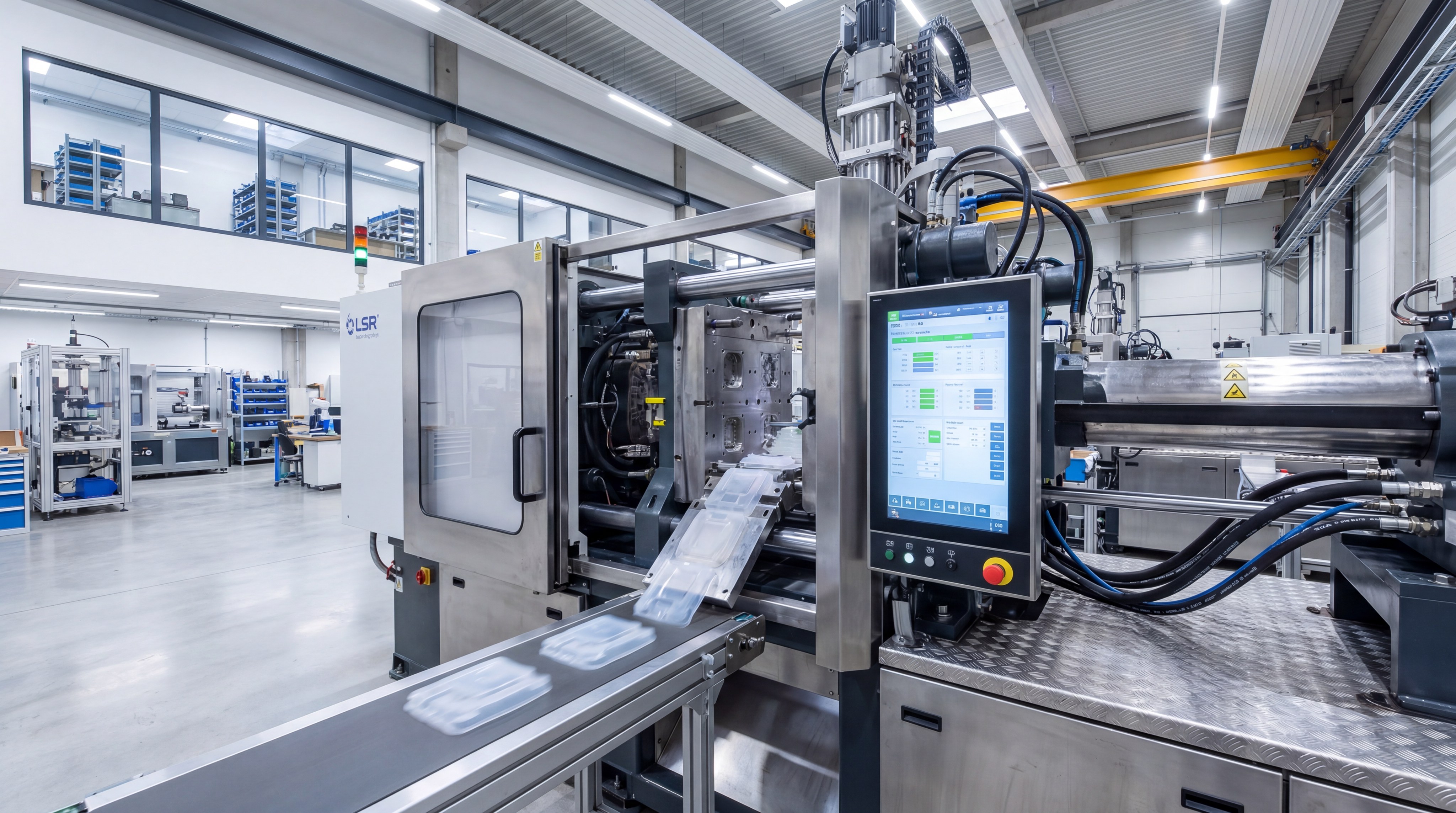
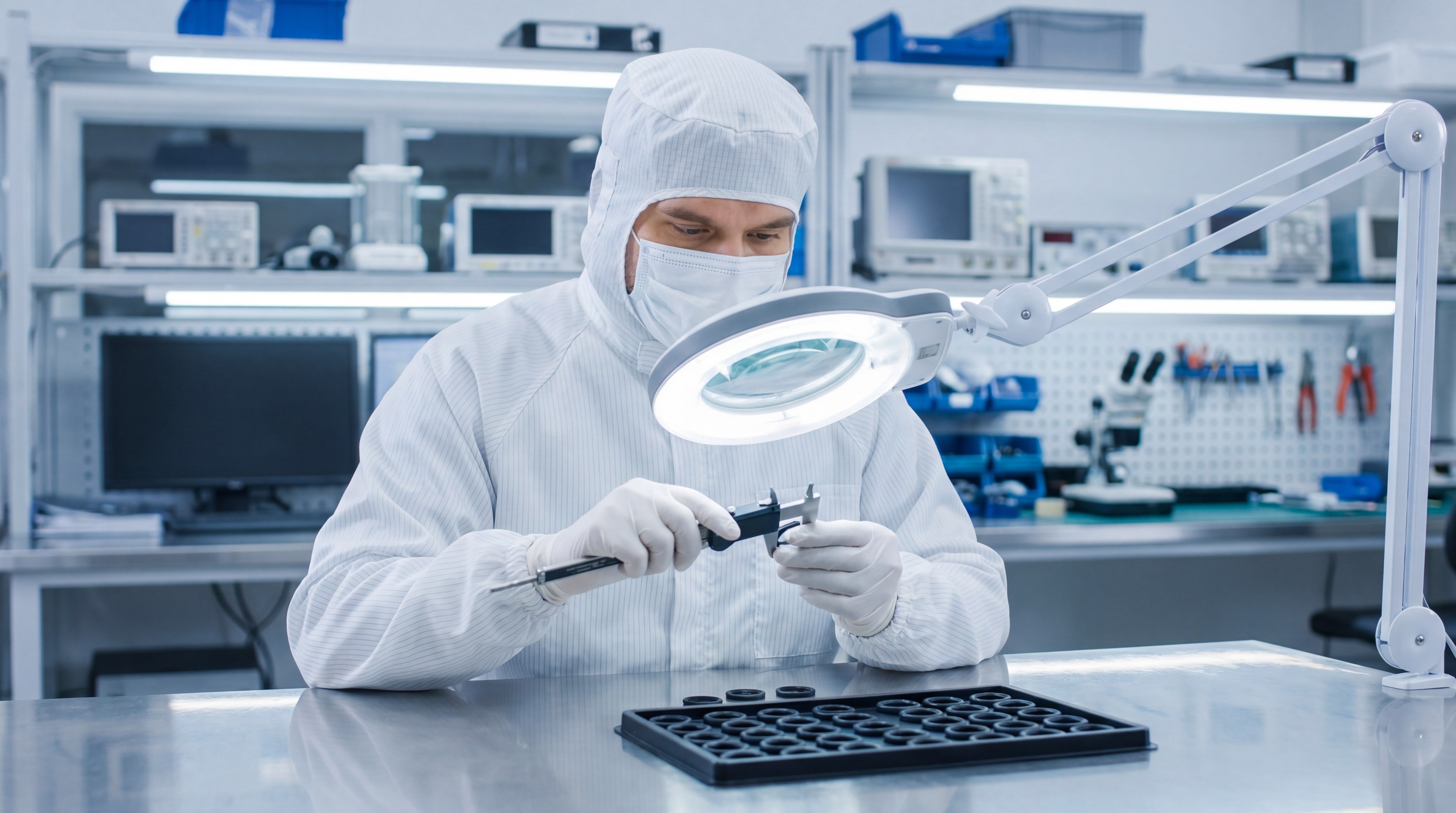
Liquid Silicone Rubber enables fully automated injection molding processes that drastically reduce cycle times and labor costs. This efficiency is critical for brands looking to scale production without sacrificing precision.
How do automated cycles reduce costs?
Fast curing speeds in heated molds allow for the rapid production of thousands of identical parts. Automation reduces human error and ensures that every component meets your exact specifications every time.
Here is the kicker:
- 24/7 continuous production cycles.
- Integrated robotic part removal.
- Minimal manual trimming required.
The best part is that high-speed automation doesn’t just save time; it lowers your per-unit cost over long production runs. You can bring complex products to the market faster and more affordably.
Key Takeaway: Maximizing production efficiency through automation and rapid cycles allows you to scale high-volume projects with minimal overhead.
| Efficiency Metric | Manufacturing Result | Business Value |
|---|---|---|
| Cycle Speed | Seconds per shot | Faster market entry |
| Automation | Lower labor requirements | Reduced per-part costs |
| Accuracy | Consistent +/- 0.05mm | Lower scrap and waste |
The efficiency gains shown above demonstrate why this material is the best choice for high-volume OEM and ODM manufacturing.
Why is durability critical for long-term use?
Industrial manufacturers prioritize materials with shelf life reliability and long-term service performance. This silicone remains useful for decades without showing signs of aging, cracking, or loss of transparency.
What is the expected service life?
While traditional rubber components may need replacement every few years, this material survives much longer. It resists the harsh environmental conditions that typically cause material fatigue and structural failure.
Think about it:
- High tear strength for durability.
- Long shelf life in various storage.
- Resists fatigue from repeated use.
The best part is that this longevity provides significant value for money over the product’s lifespan. You won’t have to replace technical parts or purchase new equipment due to material failure.
Key Takeaway: Exceptional durability and service life reduce the total cost of ownership and build long-term trust in your brand.
| Durability Metric | LSR Performance | User Benefit |
|---|---|---|
| Tear Strength | Very High | Resists accidental damage |
| Aging Profile | Decades of stability | Fewer replacement parts |
| Environmental | No cracking over time | Reliable outdoor performance |
This durability table confirms that investing in high-quality materials leads to lower maintenance costs and higher customer satisfaction.
How do you get started with custom molding?
Starting your project with Liquid Silicone Rubber requires a partner who understands precision engineering and ISO-certified quality control. From initial DFM reviews to stable mass production, the right expertise ensures your design is optimized for cost and performance.
How do you optimize your manufacturing?
Working with an expert factory allows you to identify potential design risks before tooling begins. This proactive approach saves you from expensive redesigns and ensures a smooth transition to high-volume production.
Here is the kicker:
- In-house mold making for speed.
- Professional DFM support provided.
- Certified ISO 9001 quality systems.
If you are ready to launch a high-precision product, feel free to contact us for a comprehensive quote and technical review. We are dedicated to delivering stable, high-quality parts that meet your most demanding requirements.
Key Takeaway: Partnering with an experienced manufacturer ensures that your custom silicone projects are delivered with precision, speed, and reliability.
| Project Step | Factory Support | Outcome |
|---|---|---|
| Design Review | DFM engineering guidance | Optimized part geometry |
| Tooling | In-house mold fabrication | Faster development time |
| Production | Automated LSR molding | Consistent, high-volume yield |
This guided process ensures your technical requirements are met from the first prototype through millions of mass-produced units.
Frequently Asked Questions
Can I use it for food contact?
Yes, it is FDA and LFGB compliant, making it safe for kitchenware and baby care products.
What’s the best way to clean it?
You can use standard soap and water or sterilize it using high-heat steam without damaging the material.
Can I get custom colors?
Certainly, the liquid components are easily pigmented to match any Pantone or RAL color code you require.
How long do parts last?
These components typically last for decades as they are highly resistant to environmental aging and mechanical fatigue.
Is it safe for skin?
Yes, the material is hypoallergenic and biocompatible, making it ideal for smart wearables and medical devices.