
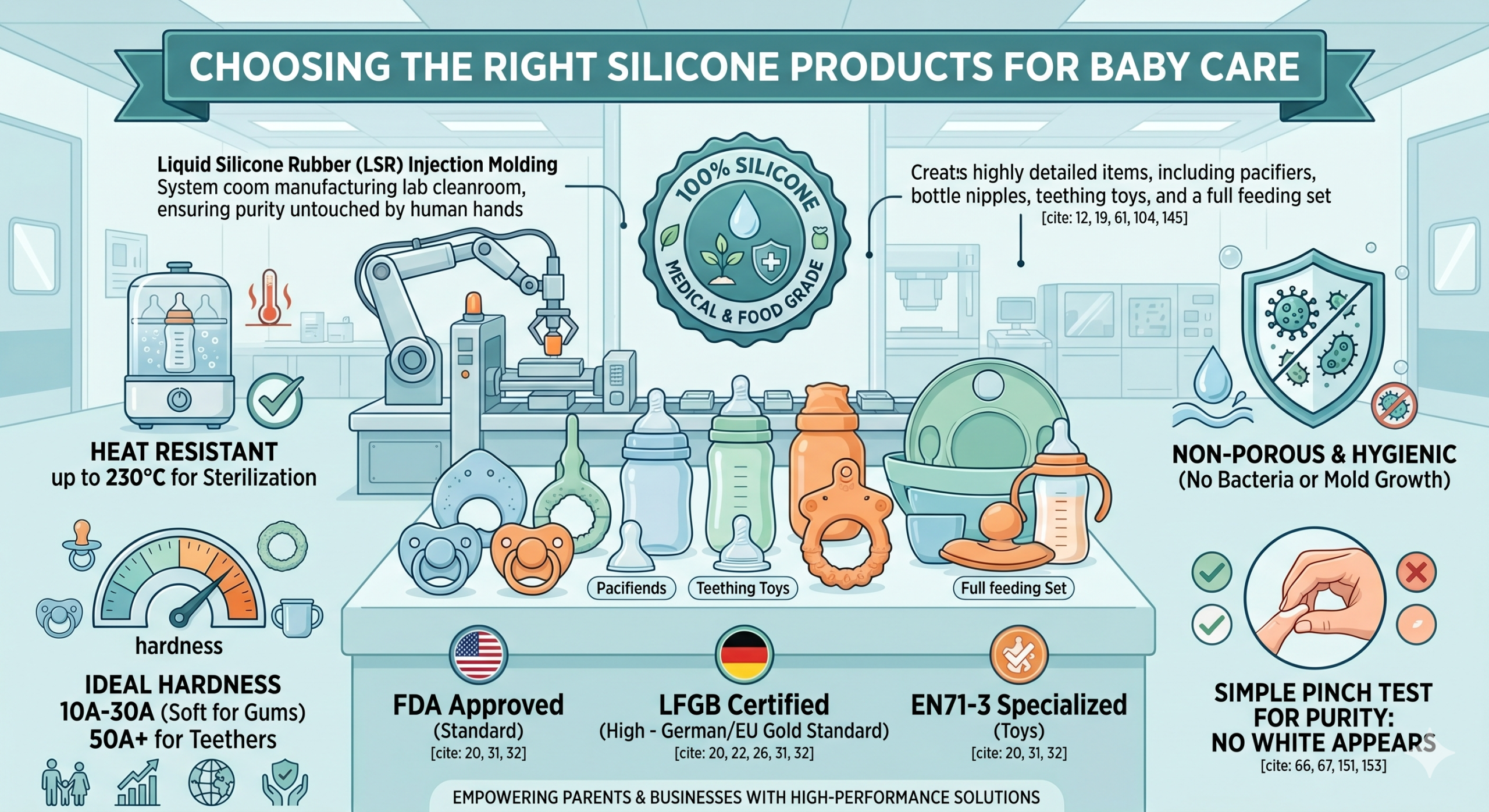
To choose the right silicone products for baby care, you must prioritize high-purity, food-grade materials that carry international safety certifications while matching the physical properties of the item to the baby’s specific developmental stage. Many parents and B2B buyers struggle with traditional plastics that leach harmful chemicals like BPA or phthalates into food and milk. This chemical exposure can interfere with infant growth and lead to long-term health concerns. Fortunately, a high-quality Mother and baby silicone product provides a non-reactive, durable, and toxin-free alternative that ensures maximum safety for the most sensitive users.
Why is medical-grade silicone preferred for newborns?
Medical-grade silicone is preferred for newborns because it is biocompatible, hypoallergenic, and completely free from toxic fillers that could cause skin irritation or respiratory issues. When sourcing a Mother and baby silicone product, ensuring the material is medical-grade provides the highest level of purity available in the market. This material is inorganic and inert, meaning it does not react with biological tissues or fluids.
Is LSR molding safer than compression molding for infants?
Liquid Silicone Rubber (LSR) injection molding is significantly safer than traditional compression molding because it utilizes a closed, automated system that prevents environmental contamination. This process ensures that the raw material remains untouched by human hands or airborne dust throughout the production cycle.
Think about it:
In an infant’s world, purity is everything. LSR technology delivers that.
- Precision: High-tolerance parts with no sharp edges.
- Hygiene: Produced in cleanroom environments to avoid bacteria.
- Clarity: Superior transparency for visual inspections of cleanliness.
Key Takeaway: LSR injection molding offers unmatched material purity and consistency for products that come into direct contact with a newborn’s mouth.
| Feature | LSR Molding | Compression Molding |
|---|---|---|
| Contamination Risk | Extremely Low | Moderate |
| Product Precision | High | Standard |
| Material Purity | Medical/Food Grade | Industrial/Food Grade |
The shift toward LSR manufacturing highlights a growing industry demand for “clean-label” baby products that exceed standard safety expectations.
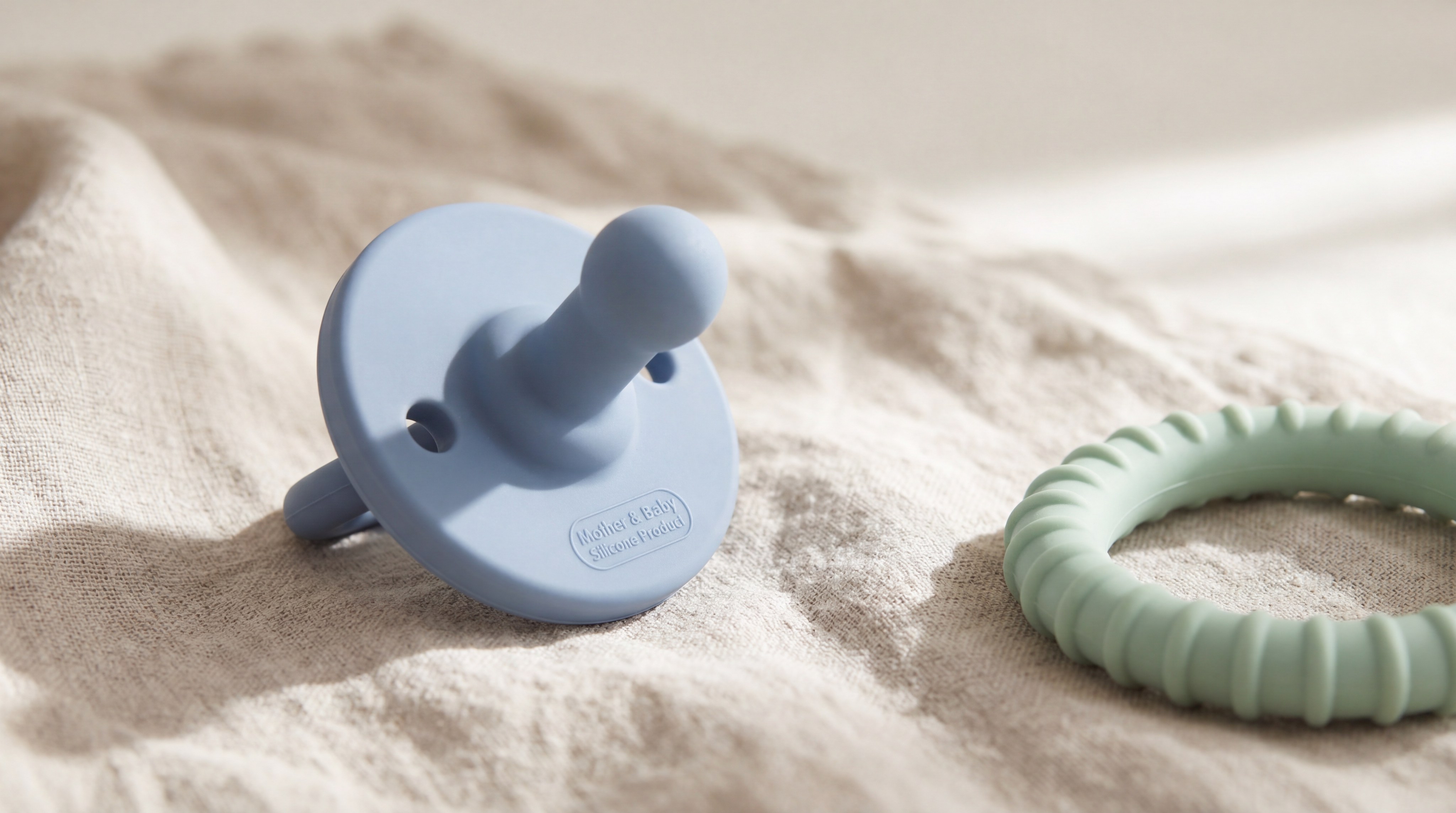
What safety certifications should you verify before purchase?
You must verify certifications such as FDA, LFGB, and EN71-3 to ensure that the Mother and baby silicone product is safe for ingestion and physical contact. These standards serve as a benchmark for material safety, proving that the silicone has undergone rigorous chemical testing. While FDA is the standard in the US, LFGB is the stricter European equivalent often preferred for high-end exports.
Why are FDA and LFGB standards different for silicone?
FDA standards focus primarily on the material’s safety for food contact, whereas LFGB involves more intensive testing for organoleptic properties, such as smell and taste transfer. This makes LFGB-certified products superior for items like bottle nipples and feeding spoons where flavor neutrality is critical.
Here is the deal:
If your product passes LFGB, it is considered the gold standard of silicone purity.
- Chemical Migration: LFGB has lower thresholds for chemical leaching.
- Volatile Organic Compounds: Testing ensures no harmful vapors are released when heated.
- Durability Testing: Verification that the material remains stable over hundreds of uses.
Key Takeaway: Always demand LFGB certification for feeding-related products to ensure the highest level of chemical safety and flavor purity.
| Certification | Region | Strictness Level |
|---|---|---|
| FDA | USA | Standard |
| LFGB | Germany/EU | High |
| EN71-3 | Europe | Specialized (Toys) |
Verifying these documents during the procurement phase protects your brand from liability and ensures the safety of the end-user.
How does silicone hardness impact baby product safety?
Silicone hardness, measured on the Shore A scale, dictates whether a Mother and baby silicone product is gentle enough for gums or firm enough for structural stability. Selecting the wrong hardness can lead to discomfort for the infant or premature failure of the product. Generally, pacifiers require a lower Shore A rating (soft), while training cups require a higher rating (firm).
What is the ideal Shore hardness for pacifiers and nipples?
The ideal Shore hardness for pacifiers and nipples ranges between 10A and 30A to mimic the soft, flexible feel of human skin. This low hardness allows the silicone to move naturally with the baby’s suckling reflex, preventing jaw fatigue and oral malformation.
Think about it:
A nipple that is too hard will cause a baby to reject the bottle immediately.
- 10A-20A: Ultra-soft for premature babies and newborns.
- 30A-40A: Standard firmness for older infants who have more jaw strength.
- 50A+: Too firm for nipples, but excellent for teething rings.
Key Takeaway: Matching the Shore A hardness to the baby’s age ensures the product is both functional and comfortable.
| Hardness (Shore A) | Feel | Application |
|---|---|---|
| 10A – 20A | Very Soft | Newborn Nipples |
| 30A – 50A | Medium | Teething Toys |
| 60A – 80A | Firm | Cup Bases/Handles |
Understanding material durometer is essential for creating a product line that evolves with the developmental needs of a growing child.
Why is heat resistance vital for feeding products?
Heat resistance is vital because a Mother and baby silicone product must withstand repeated sterilization in boiling water or steam without degrading. Unlike plastic, which can warp or release toxins at high temperatures, silicone remains stable up to 230°C. This allows parents to maintain a sterile environment for feeding without worrying about the integrity of the utensils.
Can silicone bibs withstand high-temperature sterilization?
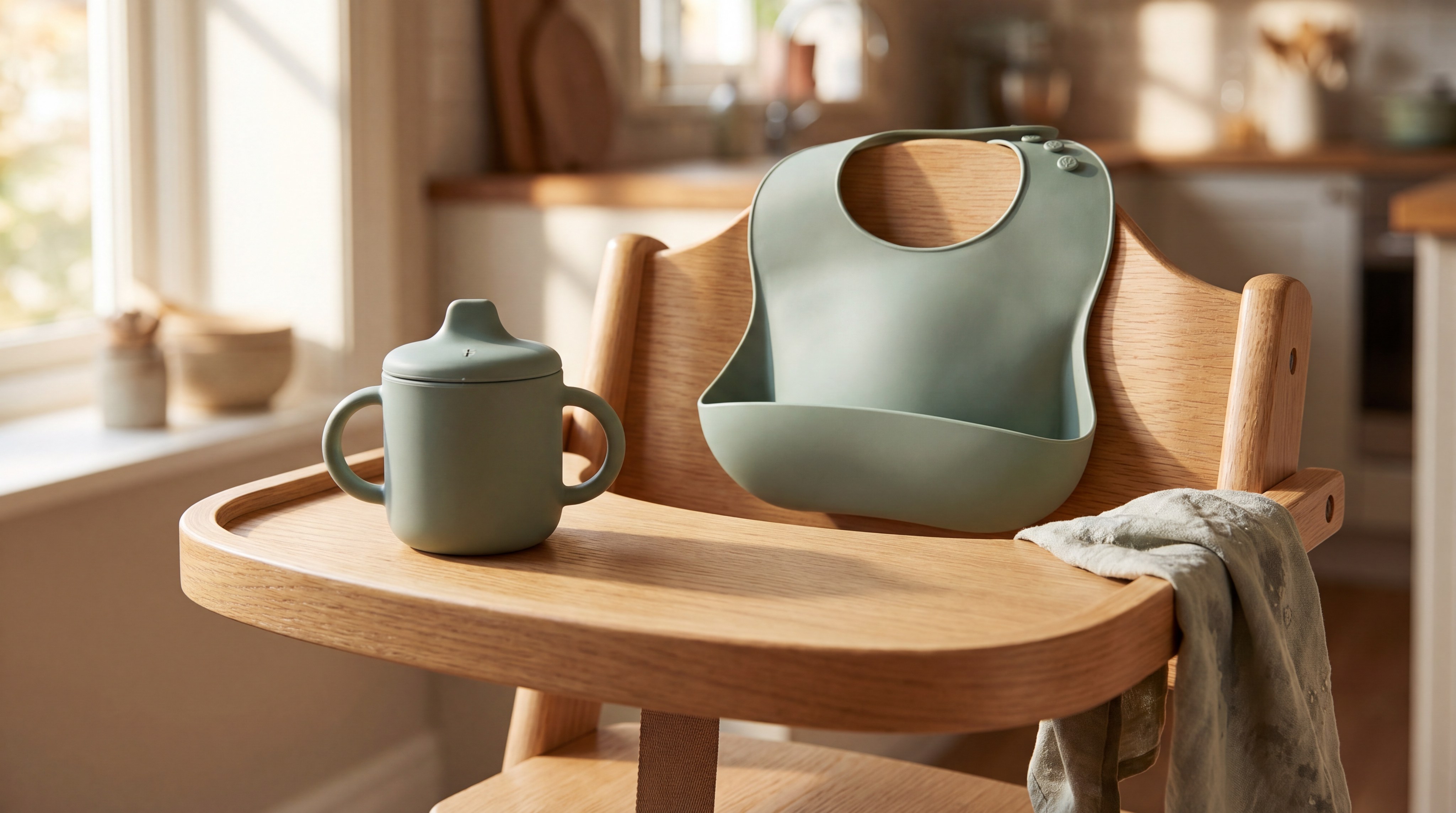
Silicone bibs are fully capable of withstanding high-temperature sterilization and are even dishwasher-safe on the bottom rack. Their thermal stability means they won’t lose their shape or become brittle even after thousands of washing cycles.
Here is the deal:
Parents want products that can be “boiled and forgotten” without melting.
- Microwave Safe: Can be used to heat food directly in the bowl.
- Freezer Safe: Perfect for chilling teething toys to soothe gums.
- Steam Resistant: Will not cloud or crack during steam sterilization.
Key Takeaway: The wide temperature range of silicone makes it the most versatile material for feeding and sterilization routines.
| Material | Max Temp | Sterilization Method |
|---|---|---|
| Silicone | 230°C | Boiling, Steam, UV |
| Polypropylene | 120°C | Steam, UV |
| Natural Rubber | 60°C | Chemical/Warm Water |
Choosing heat-resistant materials reduces the replacement rate of baby gear, offering better long-term value to the consumer.
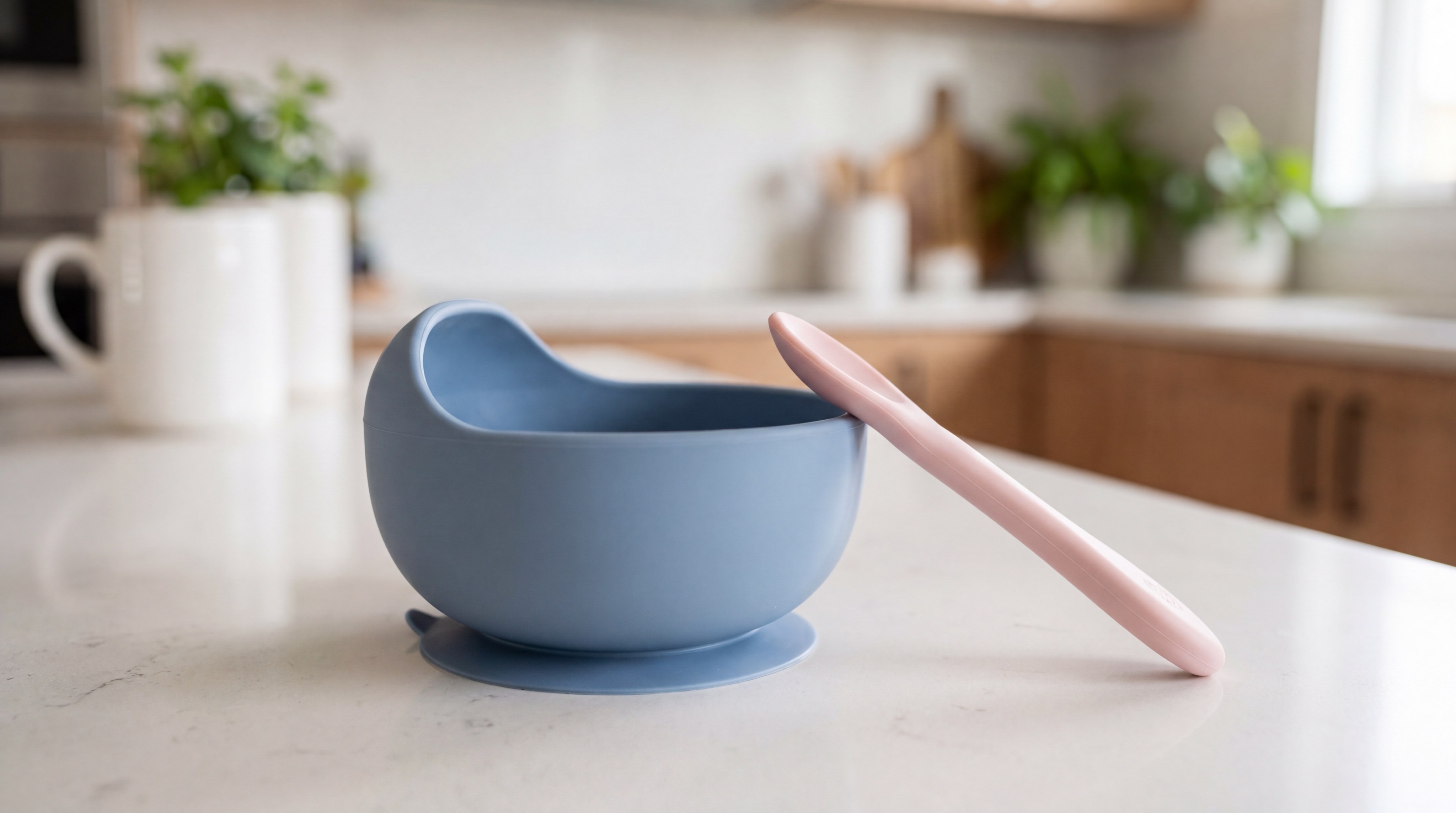
How can you identify pure silicone from cheap fillers?
You can identify pure silicone by performing the “pinch test” or checking for chemical odors, which reveals if a Mother and baby silicone product contains plastic fillers. High-quality silicone is expensive, leading some manufacturers to mix in cheaper plastics to lower costs. These fillers compromise the heat resistance and safety of the item, making it dangerous for infants.
Does the “pinch test” actually work for verifying purity?
The “pinch test” is a reliable field method where you twist or pinch a flat surface; if white appears, the product likely contains harmful fillers. Pure silicone will maintain its color regardless of how much it is stretched or distorted.
Think about it:
White streaks are the red flags of the silicone world.
- Odor Check: Pure silicone is odorless; a “plastic” smell indicates chemical additives.
- Weight: Pure silicone is generally denser and heavier than plastic-blended versions.
- Texture: It should feel “silky” or “velvety,” not “tacky” or “greasy.”
Key Takeaway: Genuine 100% silicone does not change color when pinched and remains odorless even when heated.
| Quality Marker | Pure Silicone | Silicone with Fillers |
|---|---|---|
| Pinch Test | No color change | Turns white |
| Odor | Odorless | Chemical/Plastic smell |
| Heat Stability | Very High | Warps or melts |
Procuring from verified manufacturers ensures that your inventory consists only of 100% pure, toxin-free materials.
What role does DFM play in baby product manufacturing?
Design for Manufacturing (DFM) ensures that a Mother and baby silicone product is optimized for safety, durability, and cost-efficiency before the tooling process begins. By identifying potential failure points early, manufacturers can eliminate sharp edges, thin walls, or weak joints that could break off and become choking hazards. Professional DFM guidance is the bridge between a creative concept and a safe, marketable reality.
Can design optimization prevent choking hazards?
Design optimization prevents choking hazards by ensuring all components are either monolithic or bonded with a strength that exceeds international “pull-test” standards. This ensures that even the most aggressive chewers cannot detach small pieces from a teether or pacifier.
Here is the deal:
A small design flaw today can lead to a massive product recall tomorrow.
- Draft Angles: Ensures easy removal from the mold to prevent surface tears.
- Wall Thickness: Provides the necessary structural integrity for biting.
- Radius Edges: Removes all sharp corners that could scratch sensitive skin.
Key Takeaway: Integrated DFM services reduce production risks and guarantee that products meet mechanical safety requirements.
| DFM Element | Safety Benefit | Manufacturing Benefit |
|---|---|---|
| Radius Edges | No scratches | Better material flow |
| Uniform Walls | No weak spots | Faster cooling cycles |
| Ribbing | Structural strength | Reduced material use |
Investing in DFM at the start of a project saves thousands of dollars in potential tooling revisions and safety testing failures.
How do silicone teethers provide effective pain relief?
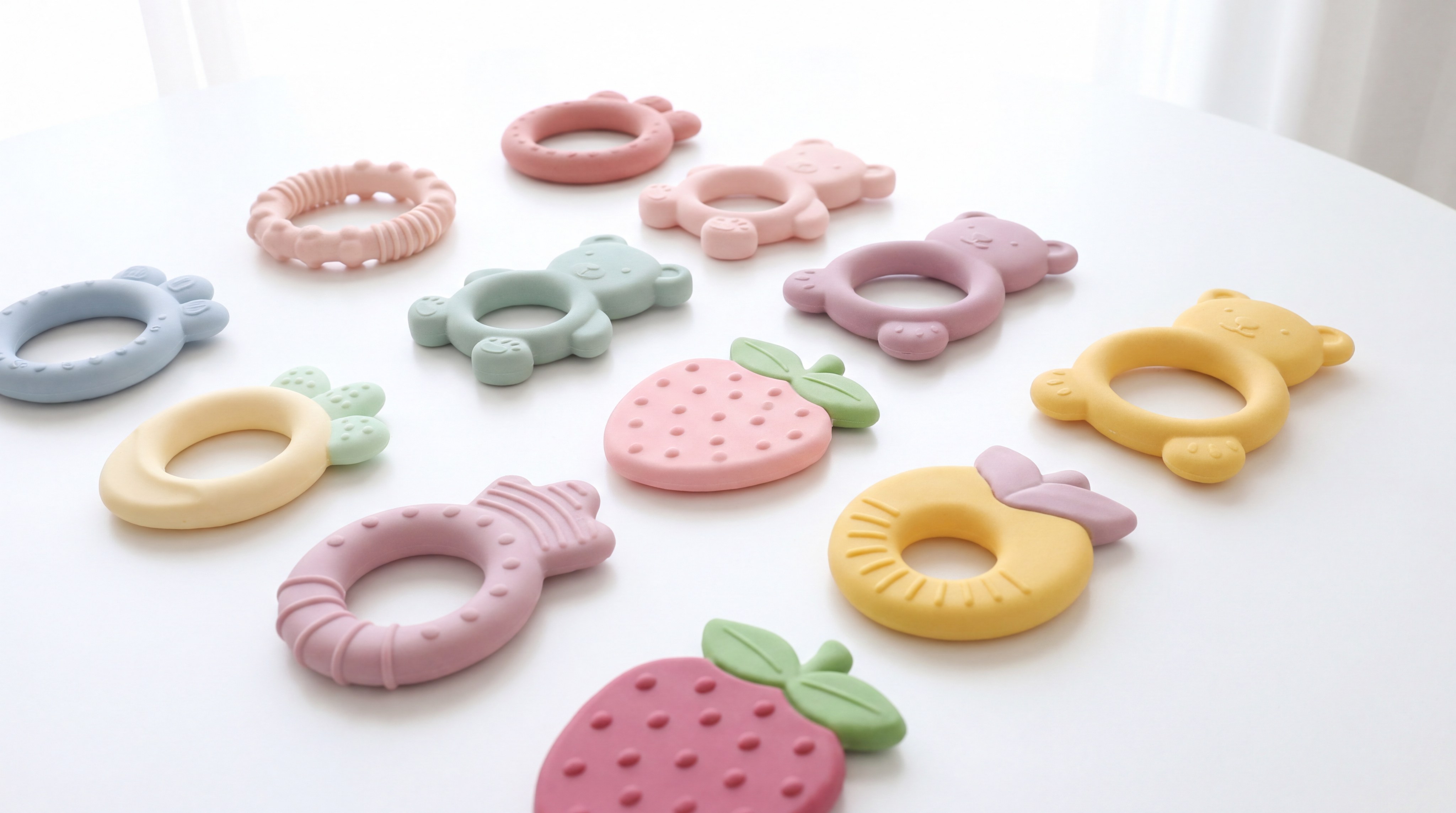
Silicone teethers provide pain relief by offering a soft yet firm resistance that massages the gums and stimulates blood flow during tooth eruption. A high-quality Mother and baby silicone product for teething is often designed with varied textures to provide different sensory experiences. Because silicone can be safely chilled, these toys also provide cold therapy to reduce inflammation in the gums.
Why are textured surfaces essential for teething toys?
Textured surfaces are essential because they allow the infant to apply pressure to specific itchy or painful spots on the gums that a smooth surface cannot reach. Bumps, ridges, and nubs help the baby “scratch” the discomfort away while developing their fine motor skills.
Think about it:
A smooth ring is okay, but a textured strawberry is a teething lifesaver.
- Multi-sensory: Different shapes keep the baby engaged for longer periods.
- Easy Grip: Ergonomic designs prevent the toy from slipping out of small hands.
- Cooling Effect: Silicone retains cold longer than plastic, providing lasting relief.
Key Takeaway: Textured, chillable silicone teethers are the most effective non-medicinal solution for infant gum pain.
| Texture Type | Purpose | Relief Level |
|---|---|---|
| Large Nubs | Deep massage | High |
| Small Ridges | Surface itching | Medium |
| Smooth Areas | General chewing | Low |
The combination of tactile stimulation and cold therapy makes silicone the preferred material for modern pediatric teething solutions.
Is silicone better than rubber for orthodontic pacifiers?
Silicone is superior to natural rubber for orthodontic pacifiers because it is more durable, easier to clean, and does not trigger latex allergies. While natural rubber is softer, it degrades quickly when exposed to sunlight or heat, whereas a Mother and baby silicone product will maintain its shape and integrity for months. Furthermore, silicone’s transparent nature makes it easier for parents to see if dirt or mold has accumulated inside the nipple.
Does silicone hold its shape longer than natural latex?
Silicone holds its shape significantly longer than natural latex because it is a synthetic material designed for high dimensional stability. Latex tends to expand and become “sticky” over time due to saliva exposure, which can alter the orthodontic fit in the baby’s mouth.
Here is the deal:
Silicone is the “set it and forget it” material for pacifier longevity.
- UV Resistance: Does not become brittle in sunlight.
- Flavorless: Unlike rubber, it doesn’t have a bitter aftertaste.
- Non-Allergic: Safe for the 1-6% of the population with latex sensitivities.
Key Takeaway: Silicone offers a safer, more hygienic, and longer-lasting alternative to natural rubber for orthodontic applications.
| Feature | Silicone Pacifier | Natural Rubber Pacifier |
|---|---|---|
| Lifespan | 3 – 6 Months | 4 – 8 Weeks |
| Allergen Risk | None | High (Latex) |
| Cleaning | Boil/Steam/UV | Warm Water Only |
Switching to silicone pacifiers reduces the frequency of replacements, providing a more sustainable option for eco-conscious parents.
What are the hygiene benefits of non-porous materials?
The non-porous nature of silicone ensures that a Mother and baby silicone product does not absorb liquids, odors, or bacteria. This is a critical advantage in baby care, where moisture and food residue are constantly present. Unlike wood or certain plastics that have microscopic pores, silicone provides a smooth surface that can be wiped completely clean with minimal effort.
How does silicone eliminate mold risks in bath toys?
Silicone eliminates mold risks because it is naturally antimicrobial and does not provide a porous “nesting ground” for fungal spores to grow. Many silicone bath toys are designed as single-piece units, preventing the interior water accumulation that typically causes black mold in plastic squeaky toys.
Think about it:
No parent wants their child playing with a “mold factory” in the tub.
- Fast Drying: Water beads off the surface quickly.
- Stain Resistant: Does not absorb dyes from colorful baby foods.
- Scent Neutral: Does not retain the smell of sour milk or soap.
Key Takeaway: Non-porous silicone is the most hygienic material choice for items exposed to moisture and food.
| Property | Silicone | Wood/Porous Plastic |
|---|---|---|
| Bacterial Growth | Inhibited | Promoted |
| Mold Resistance | High | Low |
| Odor Absorption | None | Moderate |
Maintaining a sterile environment is significantly easier when the base materials are inherently resistant to common household pathogens.
Why is overmolding used in premium baby gear?
Overmolding is used in premium baby gear to combine the structural strength of plastic with the soft, ergonomic feel of a Mother and baby silicone product. This process involves molding silicone directly onto a rigid substrate, such as a nylon spoon handle or a polypropylene cup frame. The result is a multi-material product that is unbreakable, easy to grip, and comfortable for the baby to use.
Does bonding silicone to plastic improve product lifespan?
Bonding silicone to plastic through overmolding dramatically improves product lifespan by creating a seamless, permanent union that prevents water from seeping between layers. This eliminates the risk of the silicone “skin” peeling off or harboring bacteria in hidden gaps.
Here is the deal:
Overmolding turns two parts into one indestructible tool.
- Enhanced Grip: Soft silicone handles prevent drops.
- Impact Protection: Silicone “bumpers” protect plastic cores from cracking.
- Aesthetic Appeal: Allows for beautiful two-tone color designs.
Key Takeaway: Overmolding provides the perfect balance of rigidity and soft-touch comfort for high-end baby feeding sets.
| Benefit | Overmolded Product | Single-Material Plastic |
|---|---|---|
| Ergonomics | Excellent (Soft) | Poor (Hard) |
| Durability | High (Shock Absorb) | Low (Brittle) |
| Safety | Integrated Grip | Slippery when wet |
By utilizing advanced overmolding techniques, manufacturers can create innovative products that stand out in a crowded B2B marketplace.
Frequently Asked Questions
Can I boil silicone products to sterilize them?
Yes, silicone is highly heat-resistant and can be safely boiled for 3-5 minutes. Unlike plastic, it will not melt or release toxins during this process, making it the most hygienic option for baby care.
Is food-grade silicone better than medical-grade?
While both are safe, medical-grade silicone is the purest form available. It undergoes stricter biocompatibility testing and is generally preferred for products that remain in the mouth for long periods, such as pacifiers and bottle nipples.
How do I know if my silicone product has fillers?
Perform the “pinch test” by twisting a flat area of the product. If the material turns white where it is pinched, it contains chemical fillers; pure silicone will stay the same color regardless of tension.
Why is silicone more expensive than plastic baby products?
Silicone is a premium material derived from silica, requiring more complex manufacturing processes like LSR molding. Its durability, safety, and long lifespan provide a much higher value-to-cost ratio over time.
Are silicone bibs and spoons dishwasher safe?
Yes, silicone feeding products are top-rack dishwasher safe. They are resistant to stains and do not absorb odors, ensuring they come out looking and smelling new after every wash cycle.
Selecting the right silicone products for baby care requires a deep understanding of material purity, safety certifications, and manufacturing precision. By prioritizing LFGB-certified, medical-grade materials and leveraging advanced processes like LSR molding and DFM optimization, you can ensure that every product delivered is as safe as it is functional. Our vision is to empower parents and businesses with high-performance silicone solutions that never compromise on infant safety. If you are looking for a reliable partner to bring your next product line to life, please contact us for expert manufacturing support.