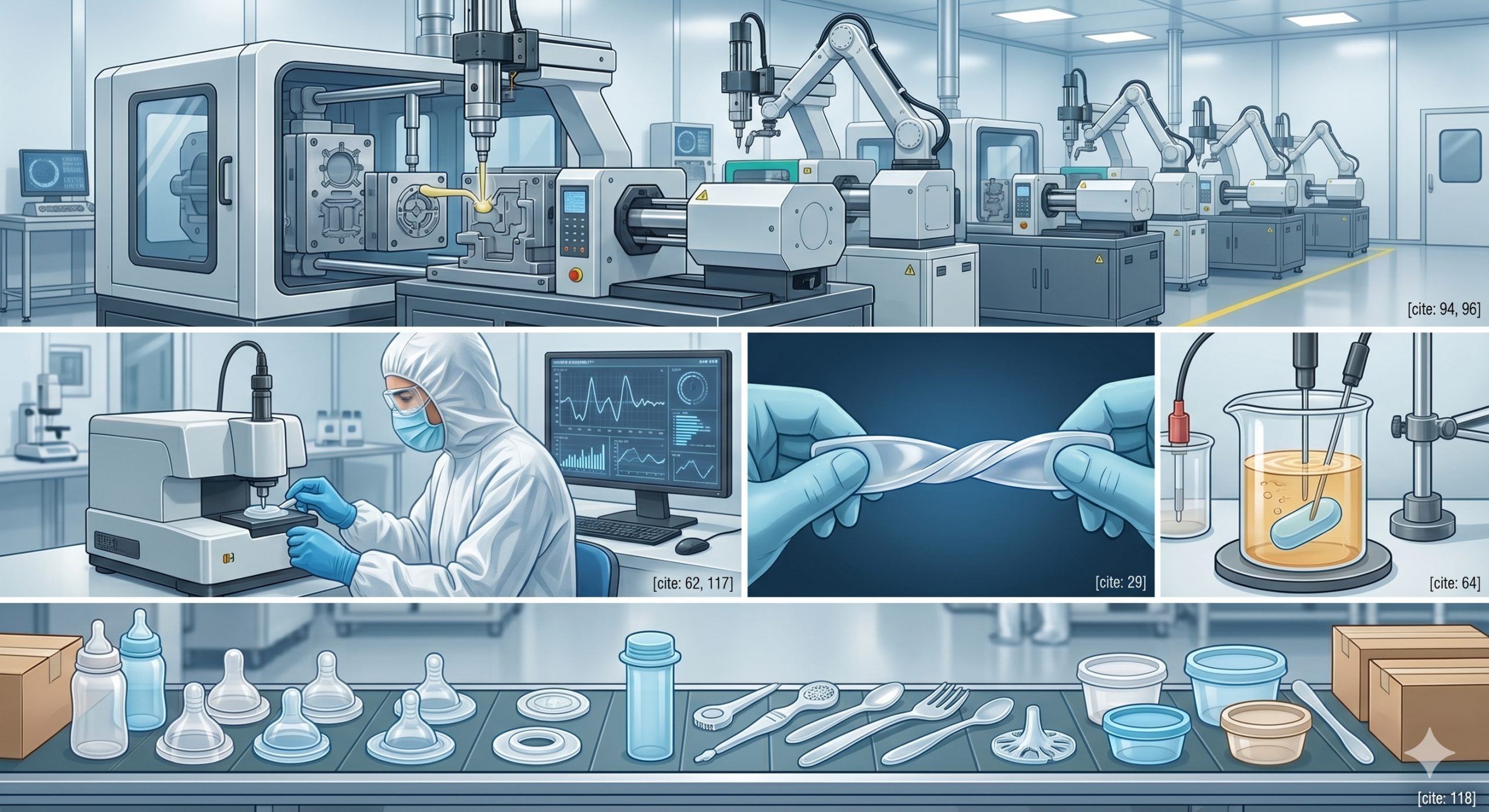
BPA-free is a baseline marketing claim rather than a comprehensive safety guarantee because high-purity silicone is naturally free of Bisphenol A by chemical design. Many procurement managers rely on this label to ensure consumer safety, yet it often masks significant risks like chemical leaching from cheap additives and volatile peroxide residues. Choosing sub-standard Silicone Products can lead to catastrophic product recalls, toxic migration in sensitive baby goods, and permanent damage to your brand’s reputation. To secure your supply chain, you must move beyond buzzwords and implement a rigorous interrogation strategy focused on material purity and advanced manufacturing standards.
Why Is BPA-Free Alone Not a Safety Guarantee?
Silicone is a synthetic polymer composed of silicon, oxygen, carbon, and hydrogen, making it chemically incapable of containing BPA, which is a hardening agent specific to certain plastics. When you source a Silicone mold for your production line, the presence of a “BPA-Free” sticker is essentially redundant and often used to distract from the use of industrial-grade fillers.
Does BPA belong in silicone?
You need to understand that BPA is used to make polycarbonate plastics rigid, a requirement that simply does not exist for flexible silicone elastomers. Because silicone is inherently free of this chemical, a manufacturer touting this feature is often doing the bare minimum for marketing purposes.
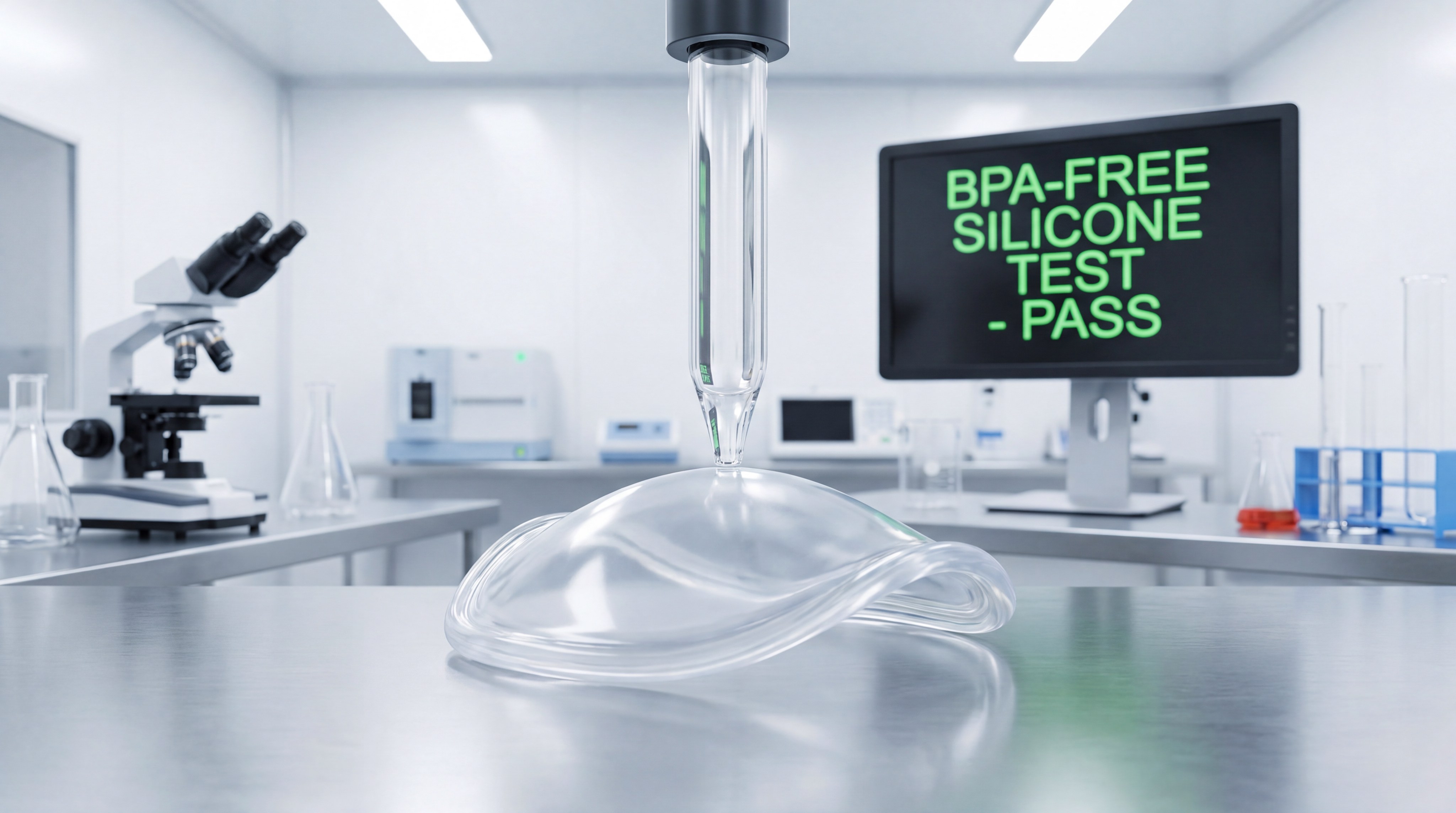
- Silicone is not a plastic.
- Bisphenol A is never required in the polymer synthesis.
- Pure material is naturally non-toxic.
Believe it or not, relying only on this claim could leave your brand vulnerable to other contaminants.
Key Takeaway: Always view “BPA-Free” as a starting point, not the final word on material safety or compliance.
| Safety Factor | Status for Silicone | Risk Level |
|---|---|---|
| BPA Content | Inherently Zero | Low |
| Chemical Fillers | High Potential | High |
| Curing Residues | Process Dependent | Moderate |
Analysis Guidance: Focus your inquiry on secondary contaminants that “BPA-Free” labels fail to address.
Which Curing Method Is Safest for Silicone Products?
Platinum-cured silicone is the safest choice because it uses an addition-cure method that leaves absolutely no volatile or harmful byproducts. In contrast, many factories producing a Silicone mold utilize peroxide curing because it is cheaper, even though it can leave behind “peroxide bloom” and acidic odors.
Why choose platinum over peroxide?
You will find that platinum-cured materials offer superior clarity and a much higher level of purity required for food-contact and medical applications. This method ensures that no breakdown products migrate into the final consumer goods, providing a cleaner chemical profile.
- No “acidic smell” after production.
- Higher tensile strength and durability.
- Zero migration of volatile organic compounds.
The best part? You won’t have to worry about post-curing failures leading to customer complaints.
Key Takeaway: Specify platinum-cured silicone to eliminate the risk of chemical odors and hazardous leaching in your products.
| Curing Type | Catalyst | Byproducts | Clarity |
|---|---|---|---|
| Platinum | Platinum Salt | None | High |
| Peroxide | Peroxide | Acids/VOCs | Opaque/Yellow |
Analysis Guidance: Request technical data sheets (TDS) specifically identifying the catalyst used in your material batch.
How Can You Detect Cheap Fillers in a Silicone Mold?
You can immediately detect the presence of cheap fillers by performing a physical “pinch test” on the material to see if it turns white when twisted or stretched. High-quality Silicone Products will retain their consistent color regardless of the amount of physical stress applied to the Silicone mold or the final part.
What is the “Pinch Test” for purity?
You should look for white streaks or marks that appear during a simple twist; these indicate the presence of calcium carbonate or other plastic fillers used to cut costs. Pure silicone is expensive, so many low-tier suppliers mix in these additives, which can cause the material to crack or leach over time.
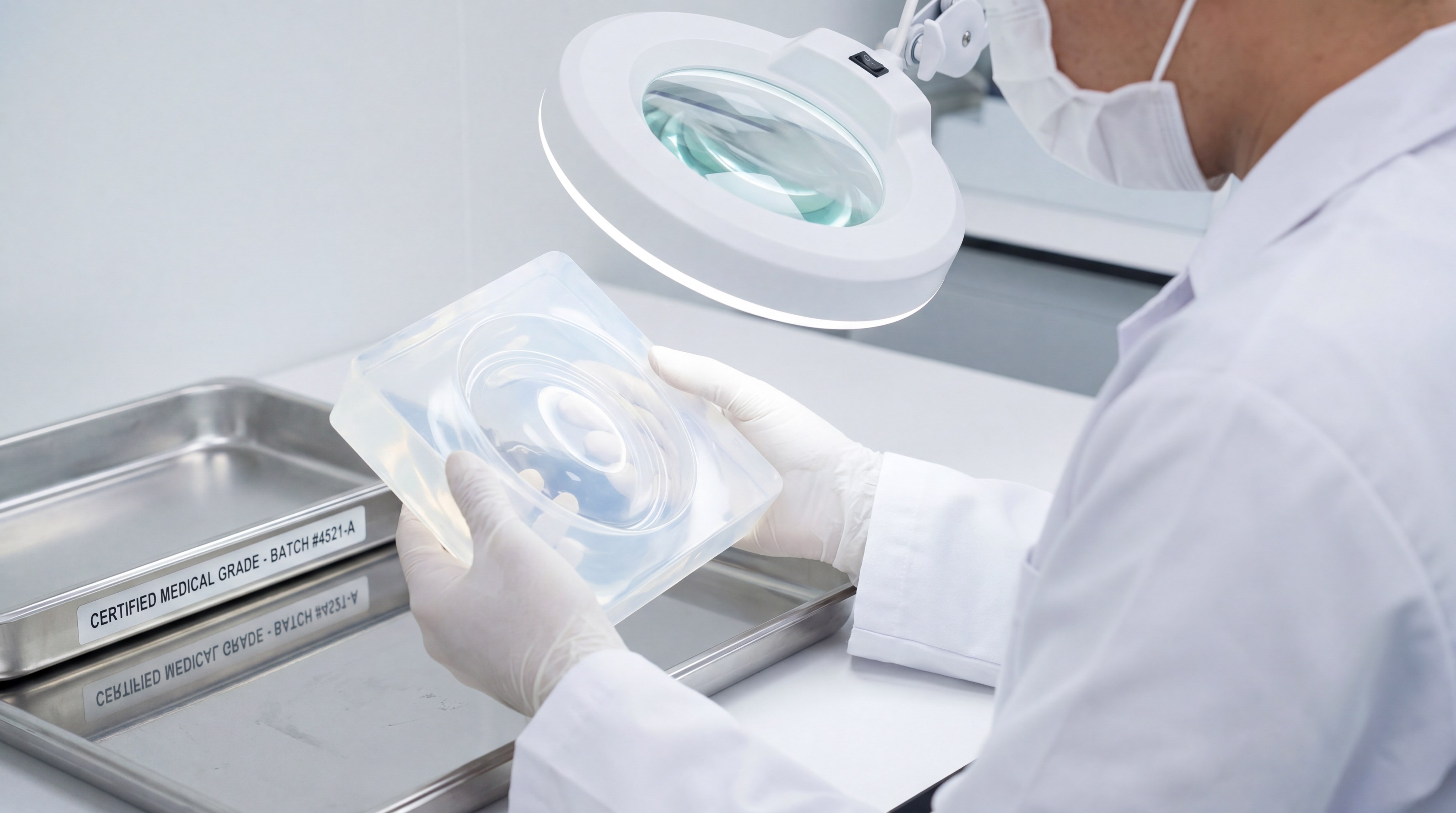
- Pinch the silicone between your fingers.
- Twist the material 180 degrees.
- Inspect for any color change to white.
Here is the kicker: fillers don’t just affect color; they compromise the thermal stability of your entire product line.
Key Takeaway: Utilize the pinch test as a quick on-site diagnostic tool to reject batches containing harmful or low-grade fillers.
| Material | Pinch Test Result | Durability |
|---|---|---|
| 100% Pure Silicone | No color change | Very High |
| Silicone with Fillers | Turns white | Low (Cracks) |
Analysis Guidance: If a sample fails the pinch test, conduct a full lab analysis to identify the specific nature of the fillers used.
What Does FDA 21 CFR 177.2600 Compliance Mean?
FDA 21 CFR 177.2600 is the specific U.S. federal regulation that governs rubber articles intended for repeated use in food contact, setting strict limits on extractable substances. When you order a Silicone mold for the North American market, this compliance ensures that the material has been tested for fatty and aqueous food contact.
Why do extractable limits matter?
You must verify that your manufacturer is not just “claiming” compliance but has actual laboratory evidence showing the material stays within the allowed extraction levels. This involves testing how much of the silicone material dissolves into simulated food substances over a set period.
- Ensures safety for repeated use.
- Limits total extractable matter.
- Provides a baseline for U.S. market entry.
Wait, there’s more to it than just a certificate; you need the actual test report for each material batch.
Key Takeaway: Compliance with FDA 21 CFR 177.2600 is the minimum regulatory hurdle for any silicone product sold in the United States.
| Test Phase | Stimulant | Requirement |
|---|---|---|
| Distilled Water | Aqueous Foods | < 20 mg/sq inch |
| n-Hexane | Fatty Foods | < 175 mg/sq inch |
Analysis Guidance: Check that the test reports are recent and issued by an accredited third-party laboratory like SGS or Intertek.
Is LFGB Certification Stricter Than FDA Standards?
The German LFGB certification is significantly stricter than FDA standards because it involves more comprehensive migration testing and sensory evaluations for odors and flavors. For high-end Silicone Products, obtaining an LFGB-compliant Silicone mold is essential to ensure that the material does not transfer any detectable scent or chemical residue to the consumer.
Why is LFGB the “Gold Standard”?
You will find that LFGB testing includes a wider range of stimulants and more rigorous thresholds for volatile organic compounds. This is particularly important for baby feeding products and high-heat baking tools where safety margins must be at their absolute peak.
- Includes sensory testing for taste.
- Stricter limits on migration.
- Mandatory for the European market.
Make no mistake, if a product passes LFGB, it will almost certainly meet any other global food safety standard.
Key Takeaway: Opt for LFGB certification when sourcing for premium markets or sensitive applications like maternal and baby care.
| Standard | Geographic Focus | Rigor Level |
|---|---|---|
| FDA | USA | Standard |
| LFGB | Germany / EU | High (Gold Standard) |
Analysis Guidance: Compare the migration limits on your supplier’s test reports against the specific LFGB thresholds for volatile matter.
How Does Migration Testing Prove Product Safety?
Migration testing proves safety by simulating real-world usage conditions—such as high heat and acidity—to ensure no harmful chemicals transfer from the Silicone mold into the food or liquid. This quantitative data provides the scientific evidence needed to back up your brand’s safety claims in a competitive market.
How are migrations simulated?
You can request reports that show how the silicone performs when exposed to acidic liquids or high temperatures for extended cycles. Lab technicians use chemical stimulants to replicate these environments and then measure any weight loss or chemical gain in the stimulant.
- Simulates hot liquid contact.
- Tests for acid resistance.
- Measures time-based leaching.
You might be surprised to learn that even “food-grade” silicone can fail these tests if the curing process was rushed.
Key Takeaway: Hard data from migration testing is the only way to objectively verify that a product is safe for long-term consumer use.
| Stimulant | Real-World Equivalent | Duration |
|---|---|---|
| 3% Acetic Acid | Fruit juices / Vinegar | 2 Hours @ 70°C |
| 10% Ethanol | Alcoholic beverages | 2 Hours @ 70°C |
Analysis Guidance: Ensure the testing parameters (temperature and duration) match or exceed your product’s intended use cases.
Are the Pigments Used in Silicone Products Safe?
The pigments used in Silicone Products are safe only if they are made from non-toxic, inorganic compounds like iron oxide that are specifically rated for food contact. When sourcing a colorful Silicone mold, you must ensure that the vibrant dyes do not contain heavy metals like lead or cadmium which could leach out during use.
How is silicone colored safely?
You should confirm with your factory that they only use masterbatch pigments that are fully encapsulated within the silicone matrix. This prevents the color from “bleeding” or rubbing off, especially in products that are frequently washed or chewed on by infants.
- Inorganic pigments are more stable.
- Food-grade colorants are non-reactive.
- Encapsulation prevents heavy metal migration.
But wait, there’s more: neon or overly bright colors often require extra scrutiny because the chemicals used to achieve those hues are more prone to leaching.
Key Takeaway: Demand a separate heavy metal test report for the specific pigments used in your custom color orders.
| Pigment Type | Composition | Safety Profile |
|---|---|---|
| Inorganic | Metal Oxides | Stable / Safe |
| Organic/Dyes | Carbon-based | Higher Leaching Risk |
Analysis Guidance: Transition to lighter or more natural colors if your supplier cannot provide heavy metal clearance for vibrant pigments.
What Should You Look for in a Silicone Manufacturer?
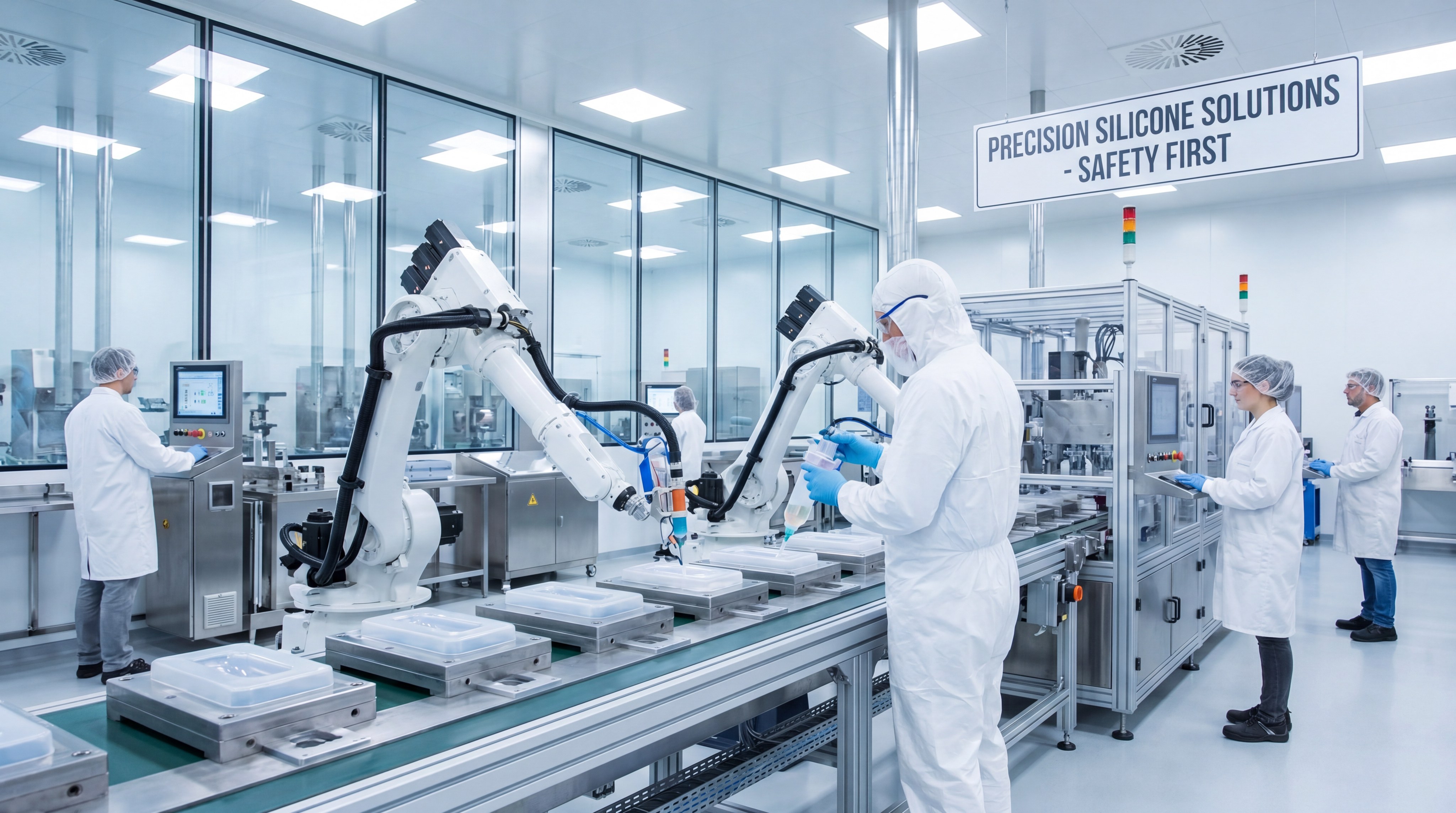
You should look for a manufacturer with in-house tooling capabilities, ISO 9001 certification, and a proven track record of producing a high-precision Silicone mold. A factory that controls the entire process from mold design to final inspection minimizes the risk of cross-contamination and ensures batch-to-batch consistency.
Why does in-house tooling matter?
You need a partner that understands DFM (Design for Manufacturing) to ensure your parts are not only safe but also functional and easy to produce at scale. Factories that outsource their molds often suffer from communication gaps that lead to dimensional errors or material waste.
- Faster design iterations.
- Tighter quality control loops.
- Reduced risk of material contamination.
The reality is that a cheap manufacturer will cost you more in the long run through rejected shipments and quality disputes.
Key Takeaway: Partner with an integrated manufacturer to ensure that safety standards are baked into the production process from day one.
| Requirement | Importance | Benefit |
|---|---|---|
| ISO Certification | Essential | Systematic Quality |
| In-House Tooling | High | Design Consistency |
| Cleanroom Ops | Preferred | Low Contamination |
Analysis Guidance: Conduct a virtual or physical factory audit to verify their quality assurance system (IQC, IPQC, FQC).
Why Is Liquid Silicone Rubber (LSR) Often Preferred?
Liquid Silicone Rubber (LSR) is often preferred for high-purity Silicone Products because the closed injection system prevents environmental contamination during the molding process. Unlike traditional compression molding, which may use a manual Silicone mold process, LSR injection is fully automated and ideal for complex, medical-grade components.
What makes LSR better for safety?
You will notice that LSR parts have a much higher degree of precision and are naturally biocompatible, making them the top choice for wearables and medical seals. The material is delivered in a sealed system directly to the machine, ensuring that no dust or human contact interferes with the purity.
- Automated, touch-free production.
- Flash-less and high-precision parts.
- Exceptional biocompatibility.
Think about it: for a product that goes into a mouth or against the skin, the purity of LSR is unmatched.
Key Takeaway: Choose LSR injection molding for high-precision products where material purity and consistency are non-negotiable.
| Feature | LSR Injection | Compression |
|---|---|---|
| Process | Closed / Automated | Open / Manual |
| Purity | Extremely High | Moderate |
| Tolerance | +/- 0.05mm | +/- 0.20mm |
Analysis Guidance: Evaluate your part’s complexity and volume to see if the higher tooling cost of LSR is offset by lower reject rates.
How to Maintain Safety Throughout Mass Production?
Maintaining safety throughout mass production requires a rigorous three-stage quality control protocol—IQC, IPQC, and FQC—to catch potential issues before they reach the customer. Every Silicone mold cycle must be monitored for consistent temperature and pressure to ensure that every part is fully cured and stable.
How do you track material batches?
You should insist on a robust material traceability system that links every finished product back to the specific batch of raw material and the production date. This documentation is your insurance policy in the event of a field issue, allowing for surgical recalls rather than global ones.
- Incoming Quality Control (IQC) for raw materials.
- In-Process Quality Control (IPQC) for curing stability.
- Final Quality Control (FQC) for visual and functional specs.
The bottom line is that safety is a continuous process, not a one-time certification on a piece of paper.
Key Takeaway: Establish a clear quality agreement with your manufacturer that defines acceptable safety metrics and inspection frequencies.
| QC Stage | Primary Focus | Tool Used |
|---|---|---|
| IQC | Raw Purity | Material Certs |
| IPQC | Process Stability | Sensor Logs |
| FQC | Final Safety | Migration Tests |
Analysis Guidance: Review your supplier’s batch records monthly to ensure they are consistently following the agreed-upon QC protocols.
Securing Your Supply Chain
Choosing the right manufacturing partner is about more than finding the lowest unit price; it is about protecting the health of your customers and the integrity of your brand. By looking past the “BPA-Free” label and investigating curing methods, filler content, and rigorous migration data, you ensure that your products are as safe as they are functional. At HuaLin Silicone, we provide the technical expertise and certified facilities needed to bring high-compliance silicone solutions to life.
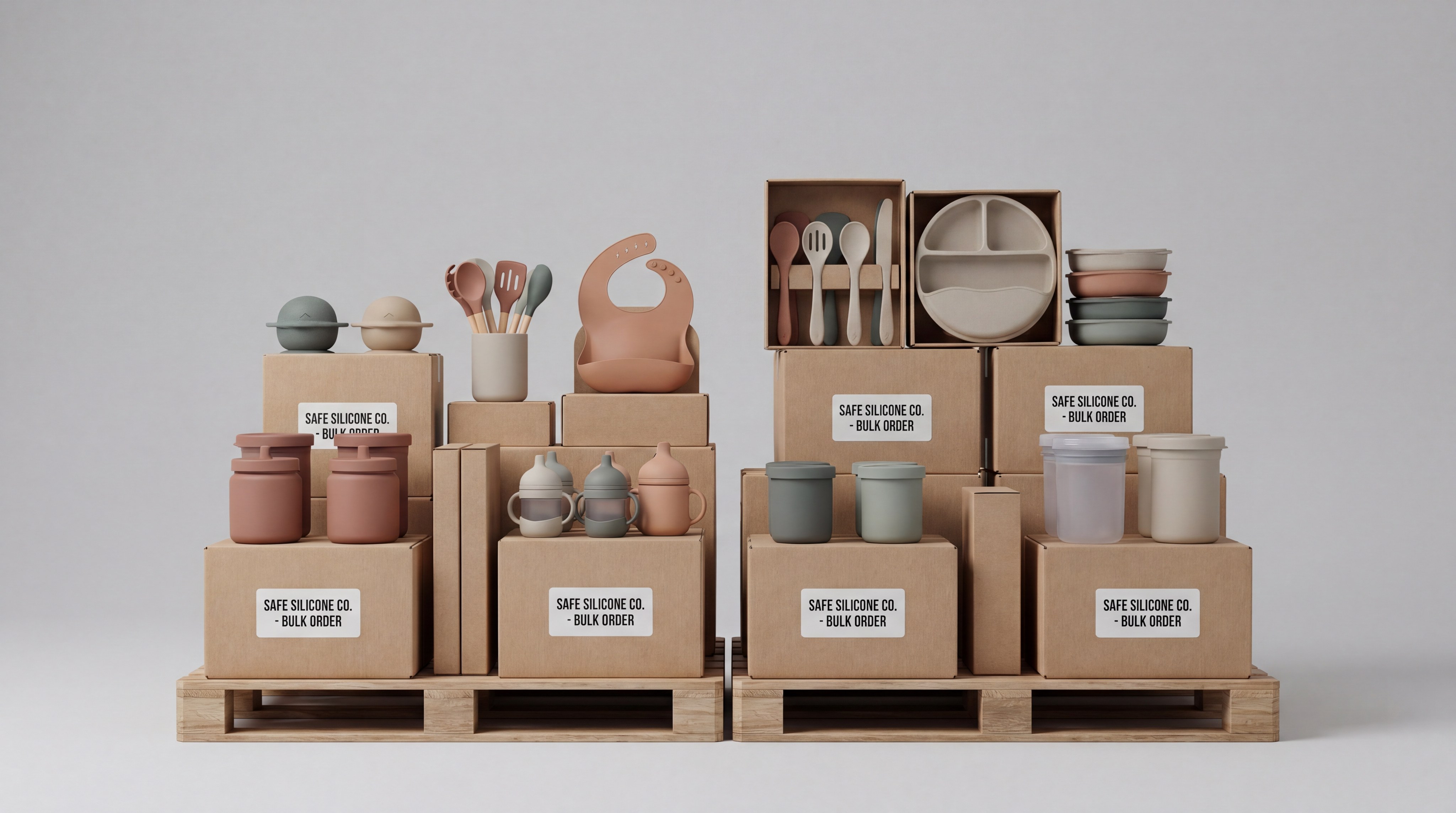
We are committed to helping you navigate the complexities of material safety with transparency and precision. Our Dongguan-based facility is ready to support your next project with ISO-certified standards and expert engineering guidance. To move your production to a safer, more reliable partner, contact us today.
FAQ: Professional Silicone Safety
Can I rely on a “Food-Grade” label alone?
No. “Food-Grade” is often a self-declared term; you must always ask for third-party lab reports (FDA or LFGB) to verify the actual migration levels.
What’s the best way to tell if silicone is pure?
The pinch test is the best physical diagnostic. Twist the material; if white streaks appear, it contains fillers and is not 100% pure silicone.
How do I know if my supplier is truly LFGB compliant?
Request a “Migration Test Report” that specifically matches the material batch number of your order and was issued by an accredited laboratory.
Can silicone products leach chemicals if heated?
Yes, if they are peroxide-cured and not properly post-cured. Platinum-cured silicone is much more thermally stable and resistant to leaching under high heat.
What’s the safest color for baby silicone products?
Translucent or lightly colored silicone is generally safest because it requires fewer pigments, though any food-grade inorganic pigment is acceptable if tested.