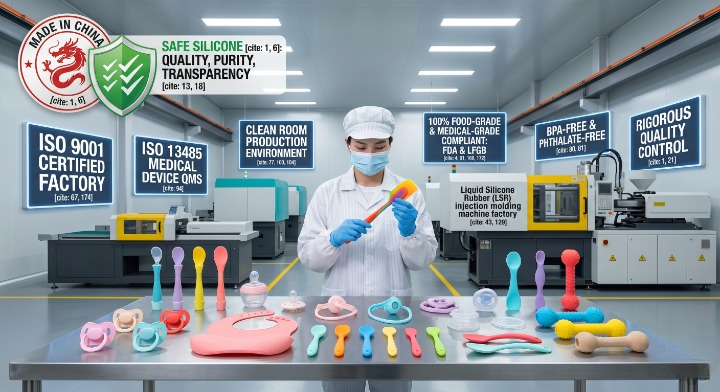
Yes, silicone made in China is safe, provided it is produced by a reputable manufacturer using 100% food-grade or medical-grade raw materials and rigorous quality control protocols. Many consumers and businesses worry that a Silicone Product manufactured in China might contain toxic fillers, lead to chemical leaching, or fail to meet health safety standards. Using sub-standard silicone in sensitive applications like infant feeding or medical devices can lead to serious health risks, including hormonal disruption or allergic reactions. By partnering with ISO-certified manufacturers like HuaLin Silicone that prioritize FDA and LFGB compliance, you can source high-quality, non-toxic silicone that is identical in safety to Western-made alternatives.
Is Silicone Made in China Safe for Daily Use?
Yes, the safety of a Silicone Product depends on the supplier’s adherence to international standards rather than its geographical origin. Reputable factories in manufacturing hubs like Dongguan utilize high-purity raw materials to ensure every component is non-toxic and durable.
Does Country of Origin Determine Material Safety?
You should understand that a factory’s commitment to quality is more important than its location. Many world-class brands source their components from China because the infrastructure supports high-precision engineering.
- Difference between “low-cost” workshops and “high-quality” facilities.
- The role of traceable raw material sourcing in ensuring safety.
Think about it:
If the location was the problem, global medical and baby brands wouldn’t risk their reputations by manufacturing there. Quality is a choice made by the factory management.
Why is Manufacturing Transparency So Important?
You need to look for manufacturers that offer open communication and documented factory audits to verify their safety claims. Transparency allows you to trace the production journey from raw liquid silicone to the finished part.
- Availability of real-time material test reports.
- Open-door policies for third-party facility inspections.
But here is the catch:
Without transparency, you are essentially buying a mystery material that could compromise your brand’s integrity.
Key Takeaway
Transparency in the supply chain is the best predictor of product safety and material consistency.
| Factor | High-Transparency Factory | Low-Transparency Factory |
|---|---|---|
| Documentation | Real-time test reports | Vague or outdated papers |
| Material Origin | Traceable to reputable suppliers | Unknown/Mixed sources |
| Quality Control | 100% inspection available | Sample-only testing |
The following table highlights the critical differences in documentation and inspection protocols between various factory types.
Why is There Skepticism About a Silicone Product from China?
Skepticism usually stems from historical incidents involving low-tier factories that prioritized low costs over material purity. While a modern Silicone Product from a professional facility is safe, the presence of unregulated workshops continues to influence public perception.
Have Past Incidents Influenced Public Perception?
You may recall past news stories about industrial fillers being used in consumer goods to save money. These rare cases created a lasting myth that all Chinese manufacturing follows the same “cut-corners” philosophy.
- Addressing historical “Made in China” safety myths.
- How modern regulations have forced sub-standard shops out of the market.
Think about it:
Progress in the Chinese silicone industry over the last decade has been driven by the need to meet strict European and American export laws.
Are Cost-Cutting Measures a Threat to Quality?
You must be wary of prices that seem too good to be true, as they often indicate the use of dangerous “fillers” like plasticizers. These additives can leach chemicals when heated, destroying the safety of the item.
- Impact of plasticizers on heat stability and odor.
- How fillers compromise the structural integrity of the material.
The reality is:
Price should never be your only metric; high-quality raw materials have a baseline cost that cannot be undercut.
Key Takeaway
Price should never be the only metric; quality materials have a baseline cost that ensures safety and durability.
| Metric | 100% Pure Silicone | Silicone with Fillers |
|---|---|---|
| Safety | Non-toxic/BPA-free | Potential chemical leaching |
| Durability | High tear resistance | Brittle and prone to cracking |
| Heat Stability | Up to 230°C | Warps or emits odors |
The comparison above demonstrates how pure silicone maintains safety and performance where filled materials fail.
How Can You Identify a High-Quality Silicone Product?
Identifying a high-quality Silicone Product involves performing simple physical tests and checking for specific manufacturing finishes. Pure silicone should be odorless, flexible, and capable of returning to its original shape without leaving stress marks.
Does the Silicone Pass the “Pinch Test” for Fillers?
You can easily check for the presence of cheap plastic fillers by twisting or pinching a flat section of the material. If the bent area turns white, it indicates that the material is not 100% pure silicone.
- Visual indicators of high-quality vs. low-quality silicone.
- Why pure silicone retains its color even under extreme stress.
Believe it or not:
This simple “Pinch Test” is one of the most effective ways for buyers to quickly screen samples during a factory visit.
What Role Does Post-Curing Play in Removing Odors?
You should ask your supplier if they perform a secondary heating process known as post-curing to eliminate volatile organic compounds. This step ensures the final part is completely odorless and safe for food or medical use.
- The essential nature of the secondary heating process.
- Eliminating VOCs for a neutral sensory experience.
But here is the catch:
Many low-cost factories skip this energy-intensive step, which results in products that have a strong chemical smell.
Key Takeaway
Odorless silicone is often a sign of proper post-curing and high-purity raw material handling.
| Feature | High-Quality Indicator | Red Flag Indicator |
|---|---|---|
| Odor | Completely neutral | Strong chemical or plastic smell |
| Flexibility | Returns to shape immediately | Leaves stress marks or stays white |
| Texture | Smooth, non-greasy feel | Tacky or oily surface |
This table serves as a quick reference guide for evaluating the physical quality of your silicone samples.
What Certifications Does a Safe Silicone Product Need?
A safe Silicone Product must be backed by recognized certifications that prove compliance with rigorous global health and safety testing. These documents act as the “ID Card” for the material, ensuring it is fit for its intended environment.
What is the Difference Between FDA and LFGB Standards?
You will find that FDA standards are the baseline for the US market, while the German LFGB standards are much stricter regarding chemical leaching. Choosing LFGB-compliant silicone ensures a higher level of safety for premium food-contact applications.
- Comparing US (FDA) vs. German (LFGB) testing protocols.
- Why European standards are often preferred for high-end baby products.
Think about it:
If a manufacturer can pass LFGB testing, they are demonstrating a superior level of material purity and process control.
Why are ISO 9001 Certifications Crucial for Factories?
You should prioritize factories with ISO 9001 certification because it ensures that their quality management systems are consistent and repeatable. This prevents the “quality drift” that often happens during long-term mass production.
- Standardized management for batch-to-batch consistency.
- The role of audited systems in maintaining safety protocols.
Look at it this way:
Certification is not just a piece of paper; it is evidence that the factory follows a disciplined manufacturing culture.
Key Takeaway
Certifications are the “ID Card” of a safe product and a reliable manufacturing partner.
| Certification | Market Focus | Primary Testing Goal |
|---|---|---|
| FDA | USA | Basic food-grade safety |
| LFGB | Europe | Stricter leaching/sensory tests |
| ISO 9001 | Global | Quality management systems |
The summarized standards above represent the essential certifications you must verify before placing a large order.
Are Silicone Baby Care Items from China Safe for Infants?
Yes, Silicone Product options for infants are safe if they are manufactured in specialized, clean-room environments using platinum-cured materials. Leading factories in Dongguan produce millions of pacifiers and bibs that meet the world’s toughest safety benchmarks.
Are Feeding Products Free from BPA and Phthalates?
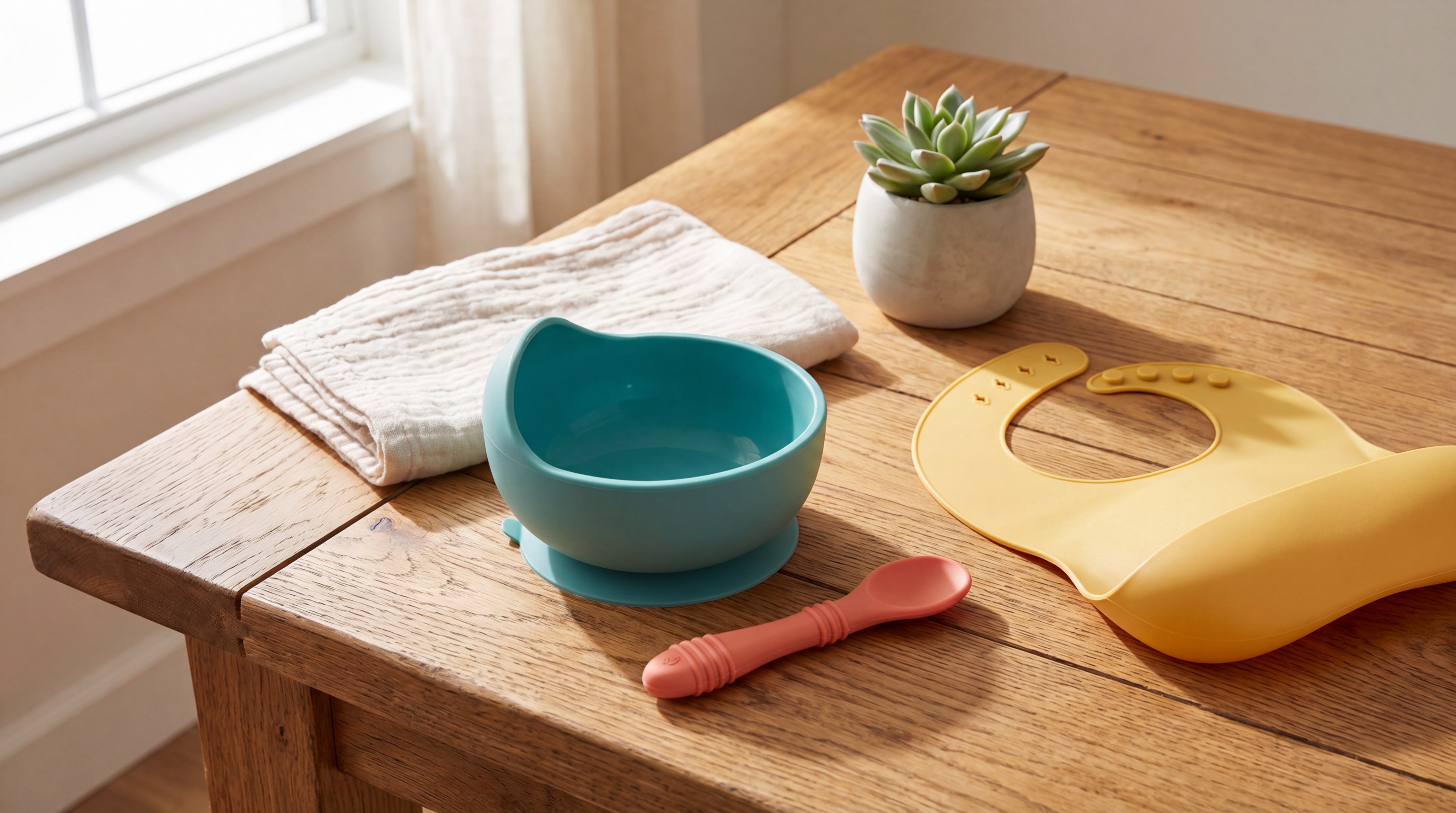
You must ensure that any Mother & Baby Care items you source are explicitly labeled as BPA-free and phthalate-free. High-quality silicone is naturally hypoallergenic and can withstand repeated sterilization without degrading or releasing toxins.
- Hypoallergenic properties for sensitive infant skin.
- Endurance through boiling water and steam sterilization.
The bottom line is:
True food-grade silicone is inherently safe for babies because it is inorganic and does not support bacterial growth.
How is Safety Maintained for Teethers and Pacifiers?
You need to verify that baby items undergo tensile strength and bite-resistance testing to prevent choking hazards. Sourcing from specialized lines ensures that the physical design is as safe as the material itself.
- Focus on physical safety and the absence of small detachable parts.
- The importance of 100% material purity in oral-contact items.
Think about it:
A teether is not just a toy; it is a medical-adjacent tool that requires the highest level of manufacturing discipline.
Key Takeaway
Sourcing from specialized, compliant baby-grade production lines minimizes material and mechanical risks for infants.
| Baby Product | Material Requirement | Critical Safety Test |
|---|---|---|
| Pacifier | Medical-grade LSR | Bite/Tear resistance |
| Bib/Plate | Food-grade silicone | Chemical migration test |
| Teether | 100% BPA-free | Tensile strength test |
The safety tests listed in the table above are mandatory for ensuring infant products are fit for the global market.
Is a Medical Grade Silicone Product Made Safely in China?
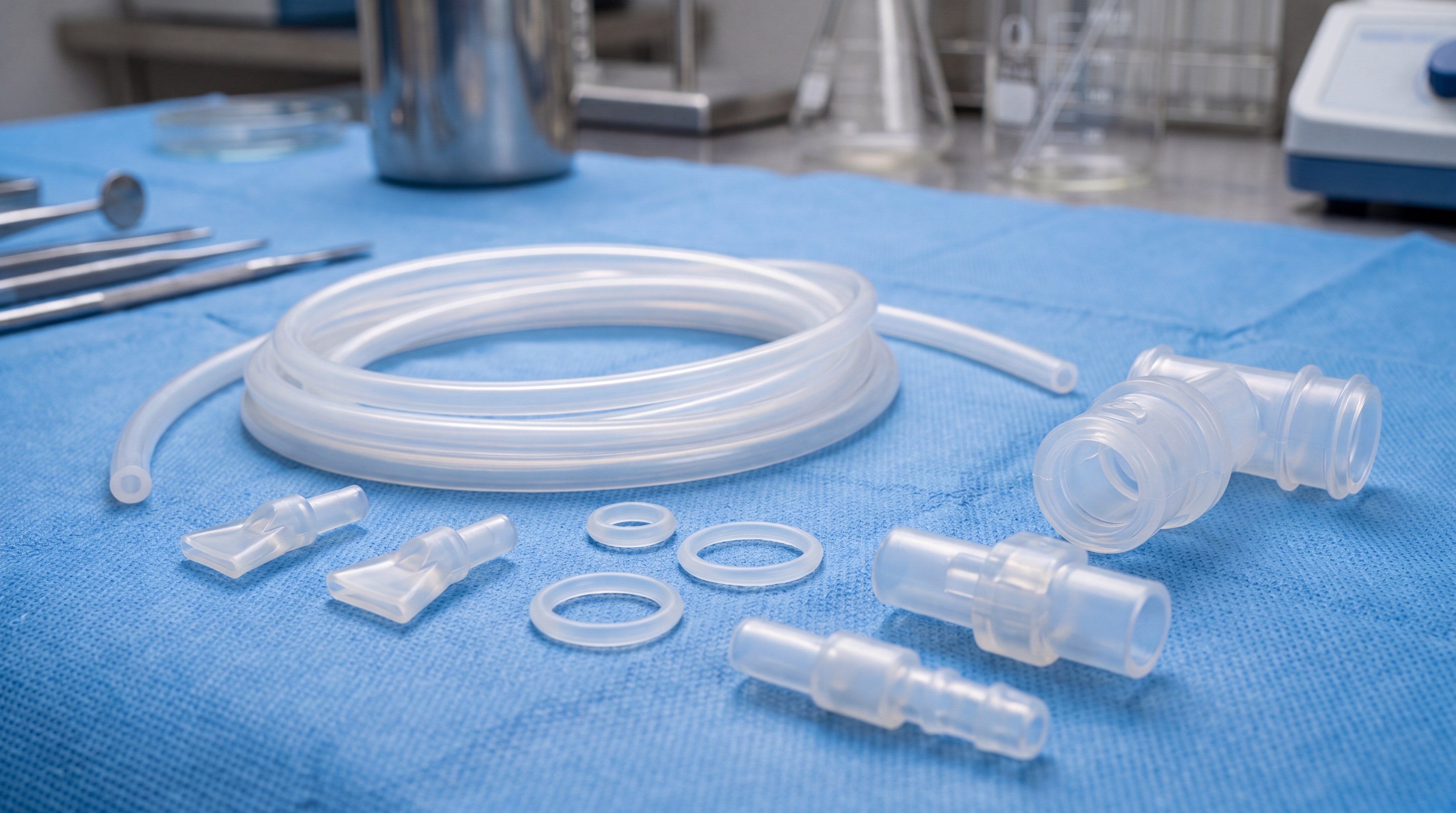
Medical-grade Silicone Product solutions are produced in China under strict ISO 13485 standards to ensure biocompatibility and sterilization readiness. These parts are used in everything from surgical tools to wearable health trackers.
What are the Standards for Biocompatible Materials?
You must look for Medical Grade Silicone Parts that have passed ISO 10993 testing for skin irritation and cytotoxicity. This ensures the material will not cause adverse reactions during long-term contact with the human body.
- Exploring the manufacturing of biocompatible components.
- The necessity of high-purity, medical-grade raw silicone.
But here is the catch:
Industrial-grade silicone can look identical to medical-grade, making verified lab reports your only real protection against fraud.
Do Clean Room Facilities Impact Product Sterility?
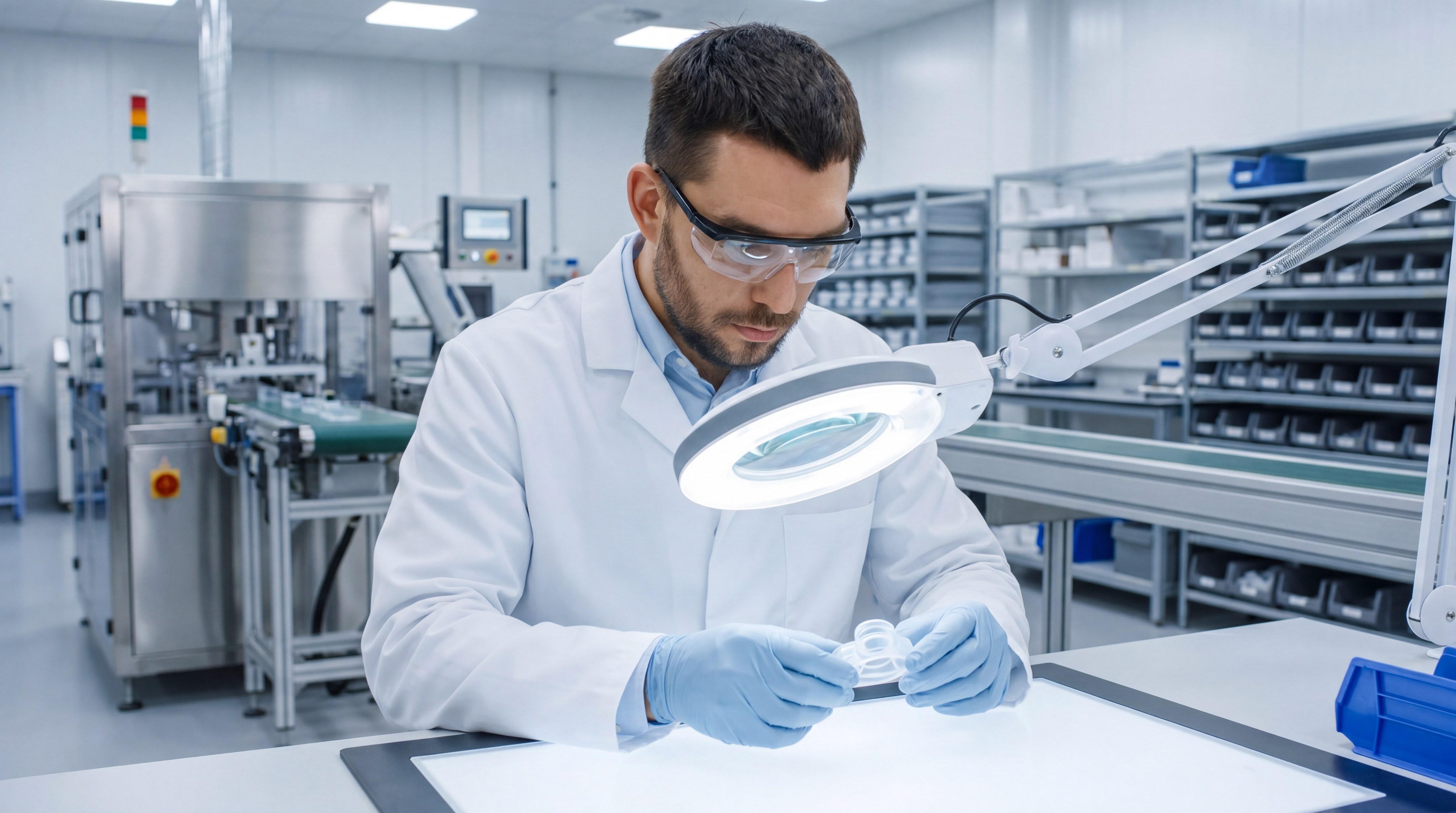
You should confirm that your medical parts are molded in a controlled clean-room environment to prevent airborne contaminants from being embedded in the silicone. Sterility and precision are non-negotiable when manufacturing life-saving devices.
- Why controlled environments are necessary for medical-grade parts.
- Preventing contamination during the injection and curing phases.
Think about it:
Even a single speck of dust embedded in a medical seal can lead to device failure or patient infection.
Key Takeaway
Medical-grade manufacturing requires specialized, clean-room facilities and rigorous biocompatibility testing to ensure patient safety.
| Standard | Medical Grade | Industrial Grade |
|---|---|---|
| Biocompatibility | Required (ISO 10993) | Not required |
| Environment | Clean room production | Standard factory floor |
| Surface Finish | High-precision/smooth | Basic functional finish |
This comparison highlights why medical applications require a vastly different production environment than standard consumer goods.
Should You Trust Silicone Pet Products for Your Animals?
You can certainly trust a Silicone Product designed for pets, provided it is made with the same food-safe standards as human kitchenware. Pet owners increasingly demand non-toxic materials for their animals to prevent chemical exposure.
Are Chew Toys Free from Toxic Chemical Leaching?
You should verify that Pet Products are free from lead, cadmium, and other heavy metals that could leach during aggressive chewing. Durable silicone is an excellent choice for pet toys because it is tough yet gentle on teeth.
- Ensuring non-toxicity in high-wear animal accessories.
- The advantages of silicone over cheap rubber or plastic alternatives.
Look at it this way:
Pets treat their toys like food; therefore, the safety standards should be just as high as those for a dinner plate.
Is the Material Durable Enough for Strong Chewers?
You need to select the correct shore hardness and tear strength to ensure the product doesn’t break into small, swallowable pieces. Quality pet silicone is engineered to resist sharp teeth without shedding harmful particles.
- Optimizing tear strength for aggressive chewing behavior.
- The role of shore hardness in pet product longevity.
But here is the catch:
Low-quality silicone will crumble easily, posing a significant choking and intestinal blockage risk for dogs.
Key Takeaway
Quality pet silicone must resist sharp teeth without shedding particles, combining durability with human-grade safety standards.
| Pet Item | Key Performance Metric | Safety Concern |
|---|---|---|
| Chew Toy | Tear strength | Choking on broken bits |
| Lick Mat | Food-safe surface | Bacteria buildup |
| Collapsible Bowl | Fold endurance | Lead/Cadmium presence |
The table above outlines the performance metrics that professional pet brand owners should evaluate before sourcing.
How Does the Molding Process Affect Silicone Product Safety?
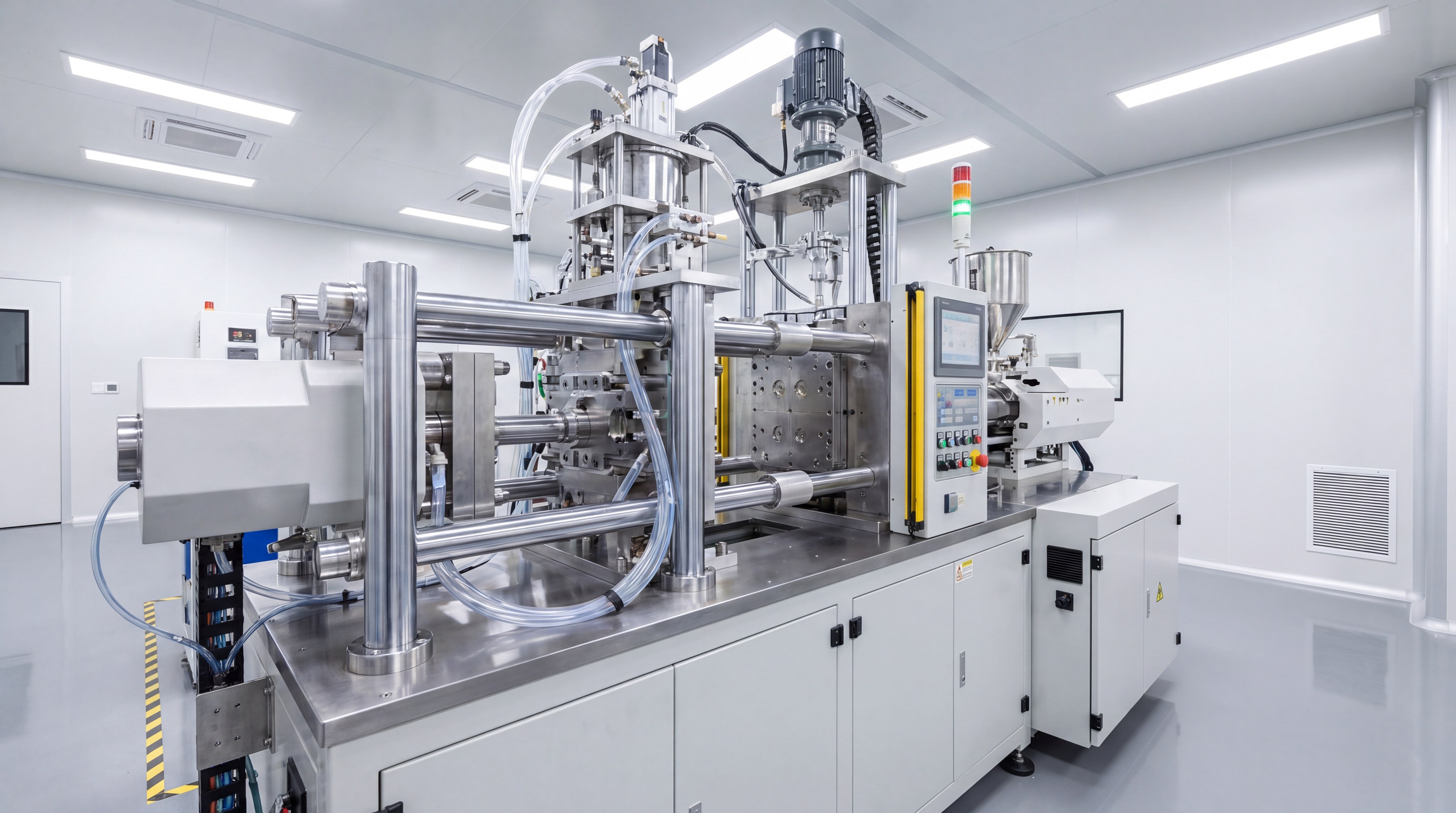
The specific molding technology used to create a Silicone Product directly influences its hygiene, precision, and overall safety. Advanced methods like Liquid Silicone Rubber (LSR) injection offer the highest level of protection against contamination.
Why is Liquid Silicone Injection Molding Often Safer?
You should consider LSR injection molding because it uses a closed-loop system that prevents raw materials from being exposed to the factory air. This process is ideal for high-precision items where purity is the top priority.
- Comparing LSR (closed system) vs. traditional compression molding.
- Reducing the risk of human-contact contamination during production.
Think about it:
By keeping the material in a sealed system until it is cured, you virtually eliminate the chance of environmental pollutants entering the product.
How Does Overmolding Prevent Bacterial Growth?
You can improve product hygiene by using overmolding to bond silicone directly to plastic or metal without the need for adhesives. This seamless construction eliminates gaps where moisture and bacteria can hide.
- Eliminating microbial growth zones through seamless bonding.
- The structural benefits of overmolding for handles and grips.
The bottom line is:
A hygienic design is just as important as a safe material when it comes to long-term consumer health.
Key Takeaway
The molding technology used, particularly LSR and overmolding, directly impacts the hygiene and safety of the final part.
| Molding Type | Safety Benefit | Ideal Application |
|---|---|---|
| LSR Injection | Zero contamination risk | Medical & Baby items |
| Compression | Cost-effective durability | Large kitchen tools |
| Overmolding | Seamless hygiene | Toothbrushes & Handles |
Choosing the right molding process, as shown in this table, is a critical step in your product development strategy.
How Can You Verify if a Chinese Factory is Legitimate?
Verification of a Silicone Product manufacturer is achieved through a combination of documentation reviews and physical or virtual audits. A legitimate factory will always be happy to prove their claims through third-party evidence.
Can Third-Party Audits Ensure Reliable Production?
You should hire professional inspection services like SGS or Intertek to conduct unannounced factory audits on your behalf. These reports provide an unbiased view of the factory’s actual working conditions and quality control steps.
- Utilizing third-party services to verify manufacturer claims.
- The value of on-site inspections for high-volume B2B orders.
Believe it or not:
A factory that refuses a third-party audit is almost certainly hiding a major flaw in its production process.
Why Should You Request Recent Testing Documents?
You must never rely on old certificates and should always ask for batch-specific testing documents from the current year. This ensures that the manufacturer is still using the same high-quality raw materials they used for their original certification.
- Ensuring material consistency through up-to-date verification.
- How batch testing prevents the use of cheaper, uncertified materials.
But here is the catch:
A “safe” manufacturer will provide current reports without hesitation; any delay is a major red flag.
Key Takeaway
Never rely on old certificates; always request current material verification and utilize third-party audits to build trust.
| Verification Step | Purpose | What to Look For |
|---|---|---|
| Factory Video | Verify scale/cleanliness | Clean rooms & ISO signs |
| Material TDS | Verify specs | Hardness, tensile, safety |
| Sample Testing | Verify actual quality | Consistency and “Pinch Test” |
Following these verification steps will significantly reduce your risk when sourcing from overseas manufacturers.
What Safety Standards Govern a Silicone Product Globally?
A high-quality Silicone Product is regulated by a complex web of international standards that protect consumers from harmful chemicals. Reputable Chinese factories view these global standards as a floor, not a ceiling, for their quality.
How Do International Regulations Minimize Consumer Risk?
You benefit from the cooperation between global regulatory bodies that set strict limits on chemical migration and material impurities. By adhering to these rules, manufacturers ensure that their products are safe for use in every corner of the world.
- Summarizing global cooperation in product safety.
- How regional standards like REACH and RoHS protect the environment.
Think about it:
Without these global standards, it would be impossible for international brands to maintain a consistent safety profile across different markets.
Key Takeaway
A reputable Chinese factory uses global standards as a baseline to ensure international market compliance and consumer safety.
| Region | Governing Standard | Compliance Level |
|---|---|---|
| USA | FDA 21 CFR 177.2600 | Mandatory for food contact |
| EU | REACH / RoHS | Mandatory for chemicals |
| China | GB 4806.11 | High-quality domestic standard |
Adhering to the standards listed in this table is the best way to ensure your product is legally compliant and safe for your customers.
To ensure your next project meets these world-class safety standards, partnering with an experienced manufacturer is essential. At HuaLin Silicone, we provide full-service OEM/ODM support with in-house tooling and ISO-certified production to guarantee your success. From medical parts to infant care, we deliver the precision and purity your brand deserves. To get started with a professional DFM review or a custom quote, contact us today and let us help you bring your safe silicone solutions to life.
Frequently Asked Questions
Can I trust the “BPA-Free” labels on Chinese silicone?
Yes, but only if you verify the claim by requesting valid FDA or LFGB test reports from the manufacturer. These documents prove that the material has been lab-tested and found to be free of Bisphenol A.
What’s the best way to clean silicone products from China?
The best method is using warm, soapy water or a top-rack dishwasher cycle. Since high-quality silicone is heat-stable, you can also boil it for several minutes to ensure complete sterilization.
How do I tell if my silicone spatula is made of pure silicone?
Perform the “Pinch Test” by twisting a flat area of the spatula. If the material shows white streaks or stays white where it is pinched, it likely contains cheap fillers and is not 100% pure silicone.
Why should I choose a manufacturer in Dongguan for silicone?
Dongguan is a global hub for precision manufacturing with access to advanced LSR injection technology and integrated mold-making. This infrastructure allows for tighter tolerances and stricter safety controls compared to smaller, less-equipped regions.
Are all Chinese silicone products safe for the microwave?
Not necessarily, as you must confirm the item is made of 100% pure silicone without any internal plastic supports. Always check the manufacturer’s temperature rating, though pure silicone is generally safe up to 230°C.