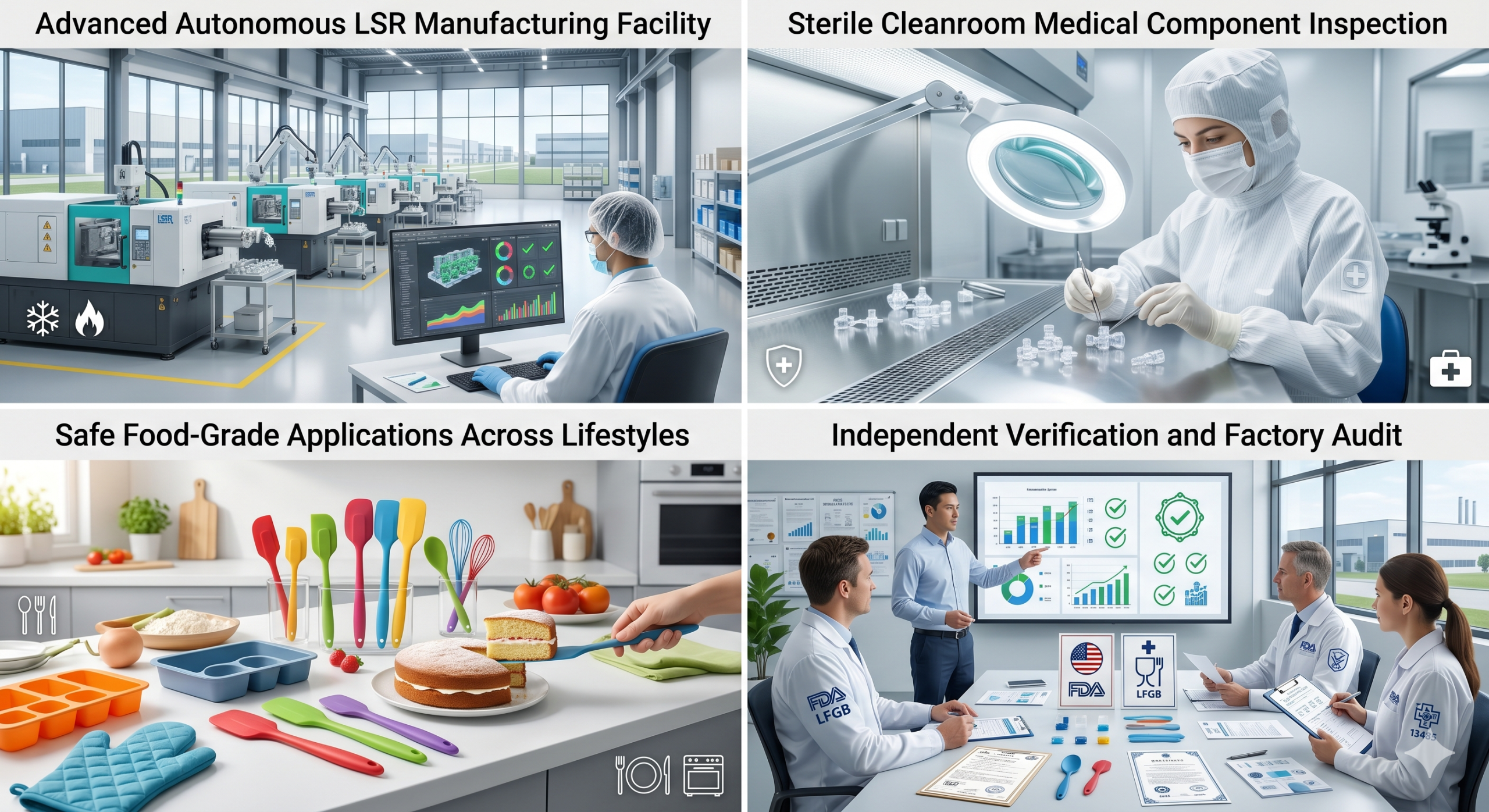
Yes, silicone made in China is safe when you source it from a certified and transparent facility. Navigating international supply chains often feels like a gamble where the stakes involve your customers’ health and your brand’s legal standing. You might worry that “offshore” means “unregulated,” potentially leading to product recalls or toxic chemical exposure. By partnering with a verified Silicone Manufacturer, you eliminate these risks through world-class production standards and third-party material verification.
Why is there concern about Chinese silicone safety?
Concerns usually stem from historical instances of unregulated workshops using low-quality fillers to cut costs. When you vet a Silicone Manufacturer, it is common to recall past news stories about industrial materials being passed off as consumer-grade. However, the modern Chinese landscape is now dominated by high-tech facilities that prioritize safety to maintain global export licenses.
Are past safety scandals still relevant to today’s market?
While historical issues created skepticism, the industry has undergone a massive regulatory shift toward high-end, traceable production. Here is the truth: modern factories now compete on quality and compliance rather than just the lowest price point.
- Regulatory Growth: The Chinese government has tightened manufacturing laws for food-contact and medical materials.
- Global Export Pressure: Manufacturers must meet Western standards to retain international clients.
- Supply Chain Transparency: Digital tracking allows you to see exactly where raw materials originate.
| Risk Factor | Historical Status | Current Industry Solution |
|---|---|---|
| Use of Fillers | High risk in small shops | Certified 100% pure silicone |
| Chemical Leaching | Occasional migration issues | Mandatory LFGB/FDA testing |
| Heavy Metals | Poor monitoring | Strict RoHS and REACH compliance |
The shift from unregulated workshops to massive, ISO-certified industrial parks has fundamentally changed the safety profile of Chinese silicone exports.
Key Takeaway: Historical safety concerns are largely mitigated today by working with established, certified manufacturers who prioritize international compliance.
Does “Made in China” mean lower quality silicone?
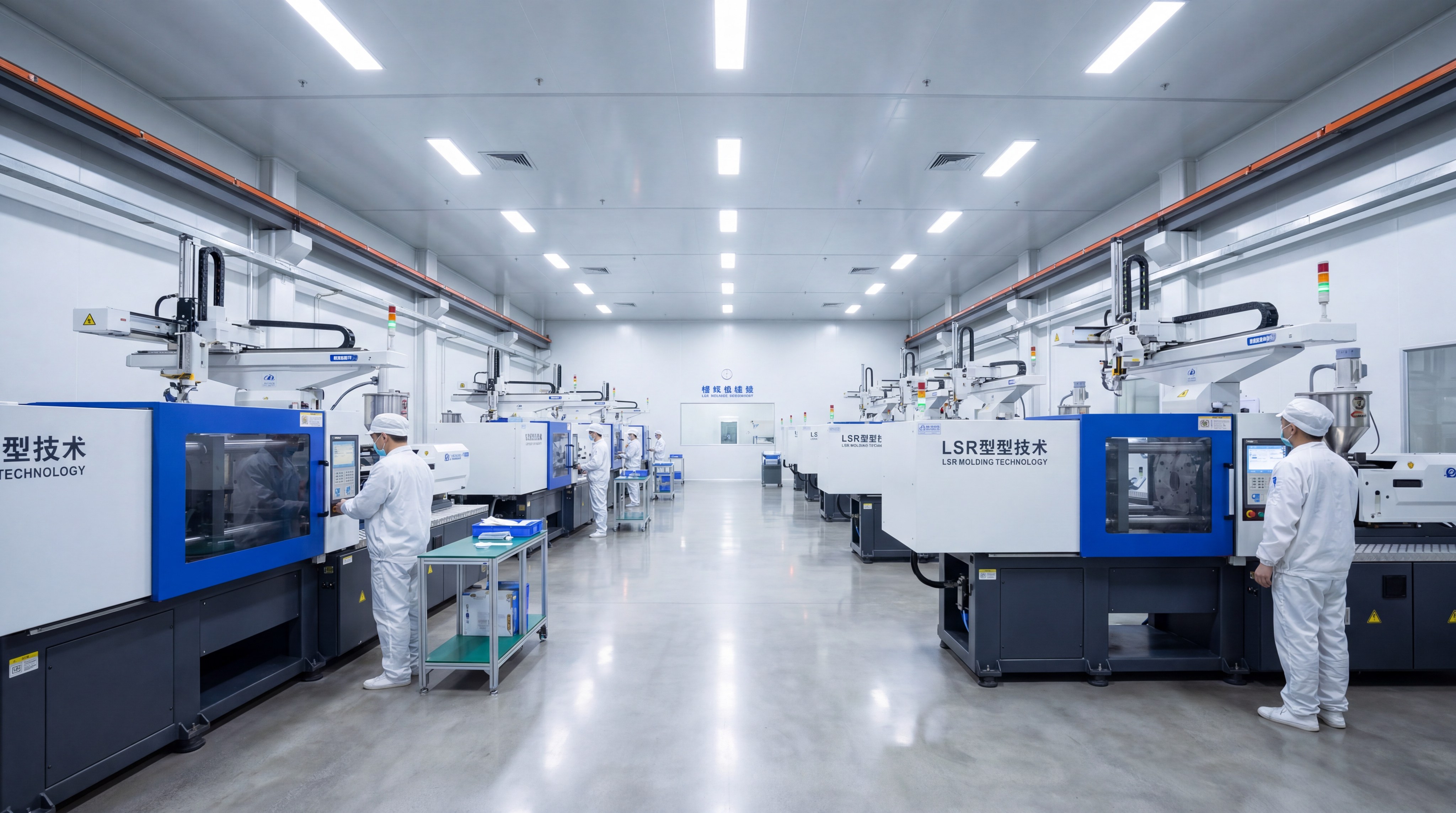
No, China is actually the world’s leading producer of high-grade silicone, supplying the majority of global medical and consumer brands. Sourcing from a Chinese Silicone Manufacturer often gives you access to more advanced Liquid Silicone Rubber (LSR) technology than what is available in many Western facilities. The density of the supply chain in regions like Dongguan allows for rapid innovation without sacrificing material integrity.
Is high-quality silicone affordable in China?
Think about it: lower prices in China are typically the result of industrial ecosystem efficiency rather than material shortcuts. Large-scale production and proximity to raw silicon mines reduce logistics costs significantly.
- Infrastructure: Advanced automation reduces labor errors and increases part consistency.
- Raw Materials: Local access to high-purity siloxane polymers keeps costs manageable.
- Expertise: Decades of specialization have created a highly skilled workforce in silicone engineering.
| Quality Driver | Impact on Final Product | Safety Benefit |
|---|---|---|
| LSR Injection | High precision and hygiene | No human contact/contamination |
| Supply Chain Density | Faster material sourcing | Fresh, non-degraded raw stock |
| Specialized R&D | Custom material formulations | Optimized for specific safety needs |
Efficiency in the Chinese supply chain allows for the production of premium materials at a price point that remains globally competitive.
Key Takeaway: Competitive pricing is a byproduct of manufacturing scale and logistics, not a sign of inferior or unsafe materials.
Which safety certifications should a Silicone Manufacturer have?
You should prioritize factories that hold recognized international certifications such as FDA, LFGB, and ISO 13485. A reputable Silicone Manufacturer will proactively provide test reports from independent third parties like SGS or TUV. These documents prove that the material is non-toxic, BPA-free, and suitable for its intended use case.
What is the difference between major safety standards?
It gets better: while both are safety standards, the German LFGB standard is generally considered stricter than the US FDA standard. LFGB requires intensive sensory and migration testing to ensure no odors or chemicals transfer to food.
- FDA (USA): Standard for food-contact safety in the North American market.
- LFGB (EU): The “gold standard” for Europe, involving more rigorous leaching tests.
- ISO 13485: Specifically for medical device manufacturing and quality management.
| Certification | Market Focus | Strictness Level |
|---|---|---|
| FDA | USA / Global | Standard |
| LFGB | EU / Premium | High |
| ISO 9001 | Global | Quality Management |
Choosing the right certification is the most effective way to ensure your product meets the legal requirements of your target market.
Key Takeaway: Always request a specific, dated test report for your material batch rather than relying on a general factory logo.
How can you detect harmful fillers in Chinese silicone?
You can detect fillers using a simple physical “pinch test” or through a professional laboratory chemical analysis. A professional Silicone Manufacturer uses 100% pure silicone, which does not change color when twisted or stretched. If you see white streaks during a pinch test, it indicates the presence of cheap plastic fillers that may be unsafe.
Are there physical signs of low-grade materials?
Let’s dive deeper: beyond the pinch test, sensory checks can often reveal if the silicone has been processed poorly. Safe silicone should be virtually odorless and have a consistent, non-greasy surface texture.
- The Smell Test: High-quality silicone does not emit a strong chemical or “plastic” odor.
- Surface Finish: Fillers often create a chalky or oily residue over time.
- Elasticity: Pure silicone returns to its original shape immediately without cracking.
| Physical Test | Result for Safe Silicone | Result for Unsafe Silicone |
|---|---|---|
| Pinch/Twist | Color remains uniform | Turns white at the stress point |
| Odor Check | Neutral or odorless | Strong chemical or acrid scent |
| Rebound | Immediate and flexible | Slow or shows micro-cracks |
Sensory inspections are excellent first steps, but they should always be supported by laboratory batch testing for absolute safety.
Key Takeaway: The “pinch test” is a reliable DIY method for identifying fillers, but formal chemical analysis is the only definitive proof of safety.
Is food-grade silicone from China truly safe for cooking?
Yes, food-grade silicone is extremely safe if it is platinum-cured and has undergone a proper post-curing process. Every Silicone Manufacturer serving the premium kitchenware or baby care market must ensure the material can withstand high heat without leaching. Platinum-cured silicone is the preferred choice because it does not produce the chemical byproducts often found in cheaper peroxide-cured options.
Can Chinese silicone handle high heat safely?
Case in point: high-quality food-grade silicone is rated for temperatures ranging from -40°C to 230°C. This makes it ideal for oven use, dishwashers, and microwave sterilization without the risk of material degradation.
- Thermal Stability: It does not melt or release fumes at standard cooking temperatures.
- Chemical Inertness: It does not react with acidic or fatty foods.
- Durability: Safe silicone maintains its structural integrity over thousands of heating cycles.
| Performance Metric | Food-Grade Requirement | Safety Impact |
|---|---|---|
| Temperature Range | -40°C to 230°C | Prevents melting and leaching |
| Curing Agent | Platinum | Eliminates “new car” chemical smell |
| Post-Curing | 4+ Hours at 200°C | Removes all volatile organic compounds |
High-grade silicone is engineered to remain chemically inert, ensuring that no harmful substances migrate into the food chain during cooking.
Key Takeaway: Food safety is guaranteed when using platinum-cured silicone that has been thoroughly post-cured to remove all volatile residues.
What manufacturing processes ensure silicone safety?
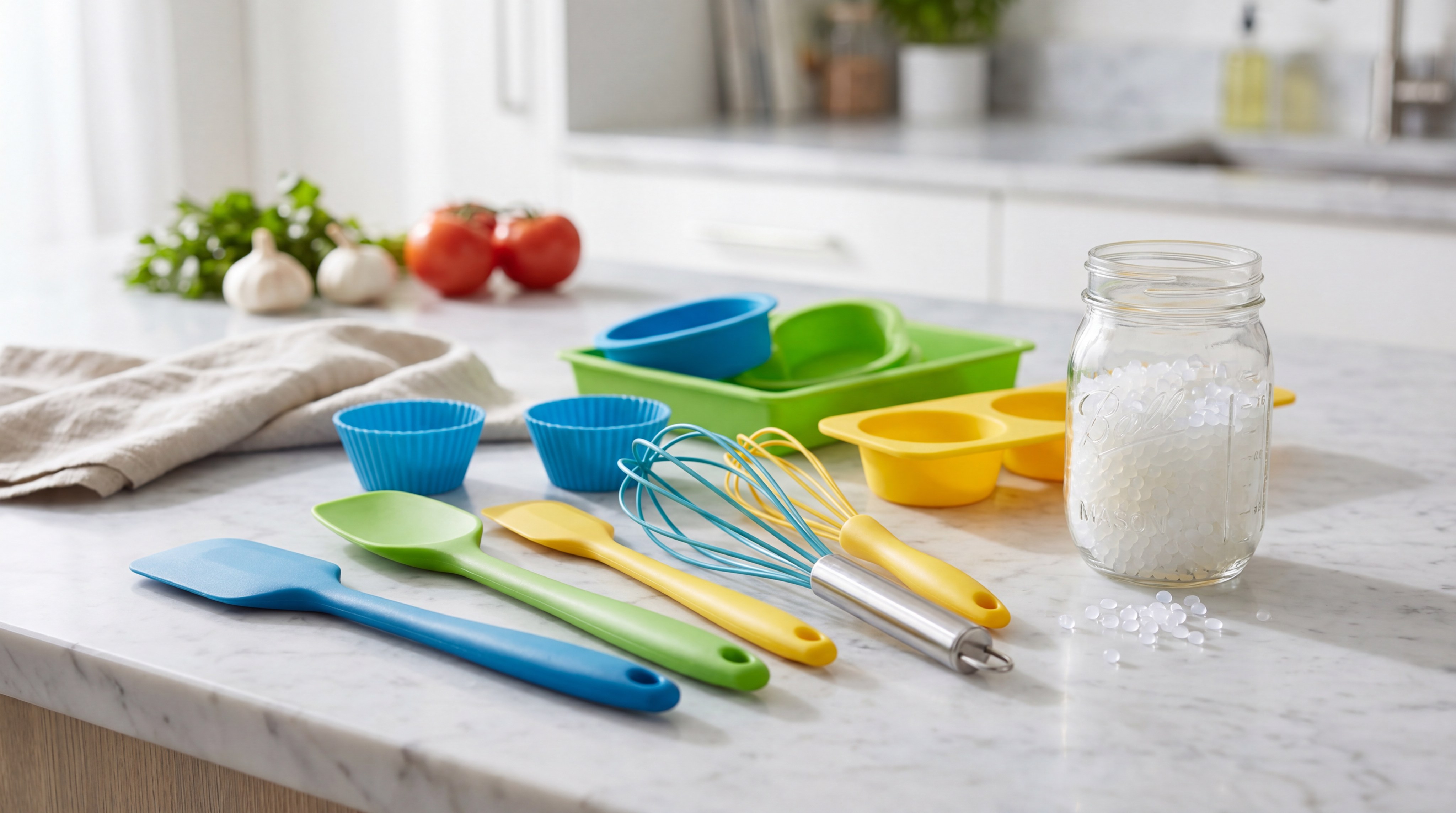
Processes such as Liquid Silicone Rubber (LSR) injection molding and automated post-curing are the cornerstones of material safety. A Silicone Manufacturer that uses closed-loop injection systems minimizes the risk of dust or human oils contaminating the parts. Automated dosing also ensures that the ratio of silicone to curing agent is perfect, preventing under-cured or unstable final products.
Why is the post-curing step essential?
But wait, there’s more: post-curing involves baking the finished silicone parts in a specialized oven to drive off any residual cross-linking agents. This step is often skipped by “budget” workshops to save time, but it is vital for products that touch skin or food.
- VOC Removal: Eliminates volatile organic compounds that cause odors.
- Material Stabilization: Finalizes the chemical bond for better physical strength.
- Biocompatibility: Required for all medical and baby-safe products.
| Process Step | Importance | Result of Failure |
|---|---|---|
| LSR Injection | High hygiene/precision | Inconsistent parts/contamination |
| Automated Mixing | Perfect chemical balance | Brittle or “sticky” silicone |
| Post-Curing | Removes chemical byproducts | Lingering odors and toxins |
A structured manufacturing workflow that includes rigorous post-production steps is what separates high-safety silicone from low-quality alternatives.
Key Takeaway: Safety is determined by the “after-care” of the material, specifically whether the manufacturer invests time in proper post-curing.
Can a Silicone Manufacturer produce medical-grade parts?
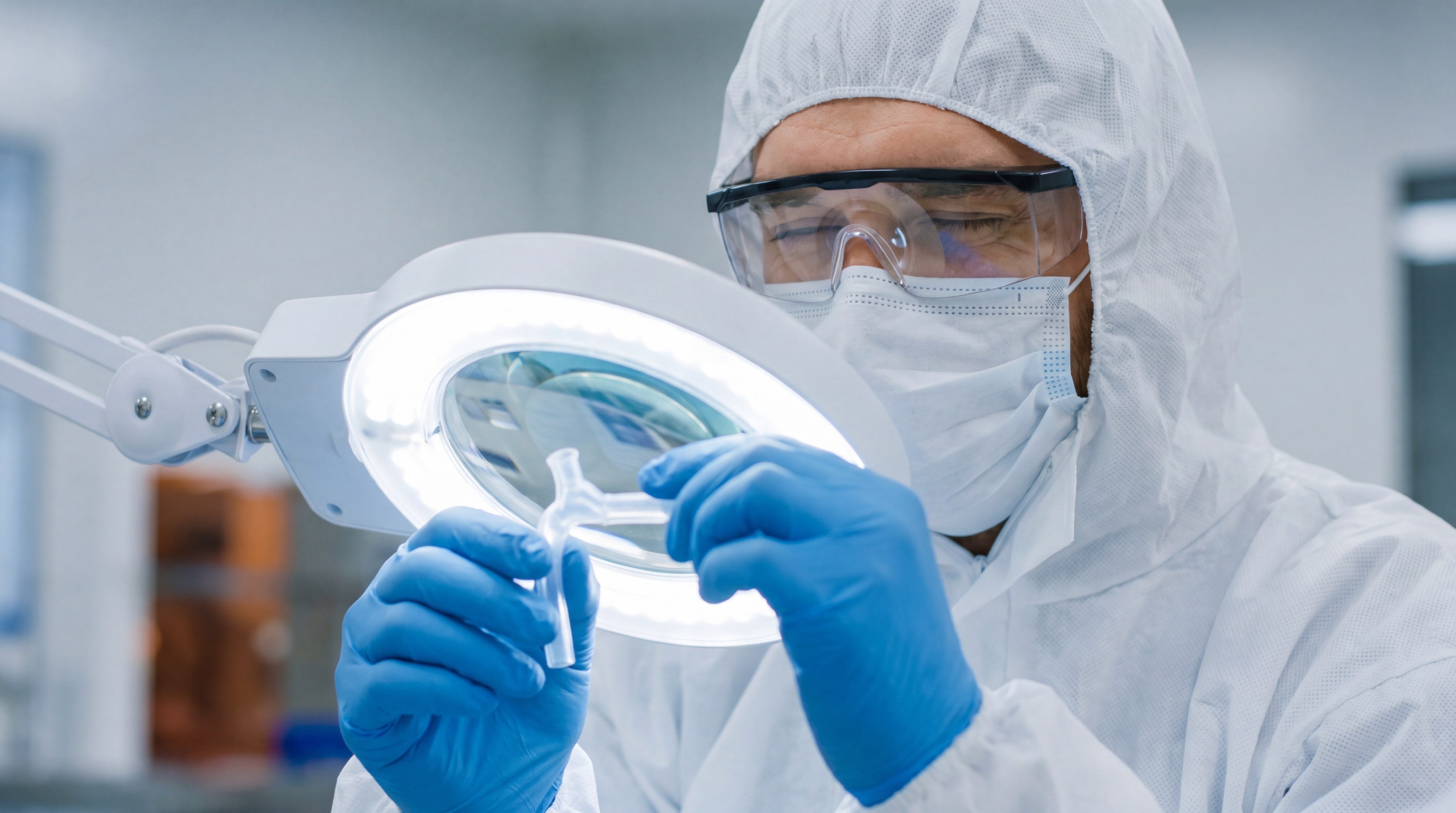
Yes, many Chinese facilities are fully ISO 13485 certified and registered with the FDA to produce Class II and III medical components. When you work with a medical Silicone Manufacturer, you are accessing materials that have passed rigorous biocompatibility testing. These parts are typically molded in cleanroom environments to ensure they are free from any microscopic particulates that could cause infections.
Does medical grade require cleanroom environments?
Here is the kicker: for medical applications, even a single speck of dust can lead to a product failure or a patient safety risk. Professional factories utilize Class 100,000 cleanrooms to maintain a sterile atmosphere throughout the entire molding and packaging process.
- Biocompatibility: Materials pass USP Class VI or ISO 10993 tests.
- Sterilization: The silicone can withstand Autoclave or Gamma radiation treatments.
- Hypoallergenic: Formulated to be safe for long-term skin or internal contact.
| Medical Requirement | Standard Used | Purpose |
|---|---|---|
| Biocompatibility | USP Class VI | Ensures no cell toxicity |
| Hygiene | Cleanroom molding | Prevents particle contamination |
| Quality System | ISO 13485 | Full batch traceability |
The strict protocols used in medical silicone production demonstrate that Chinese factories can meet the highest safety tiers required by the healthcare industry.
Key Takeaway: Medical-grade silicone from China is safe provided the factory operates a certified cleanroom and follows a strict Quality Management System.
How do you verify a Chinese factory’s safety claims?
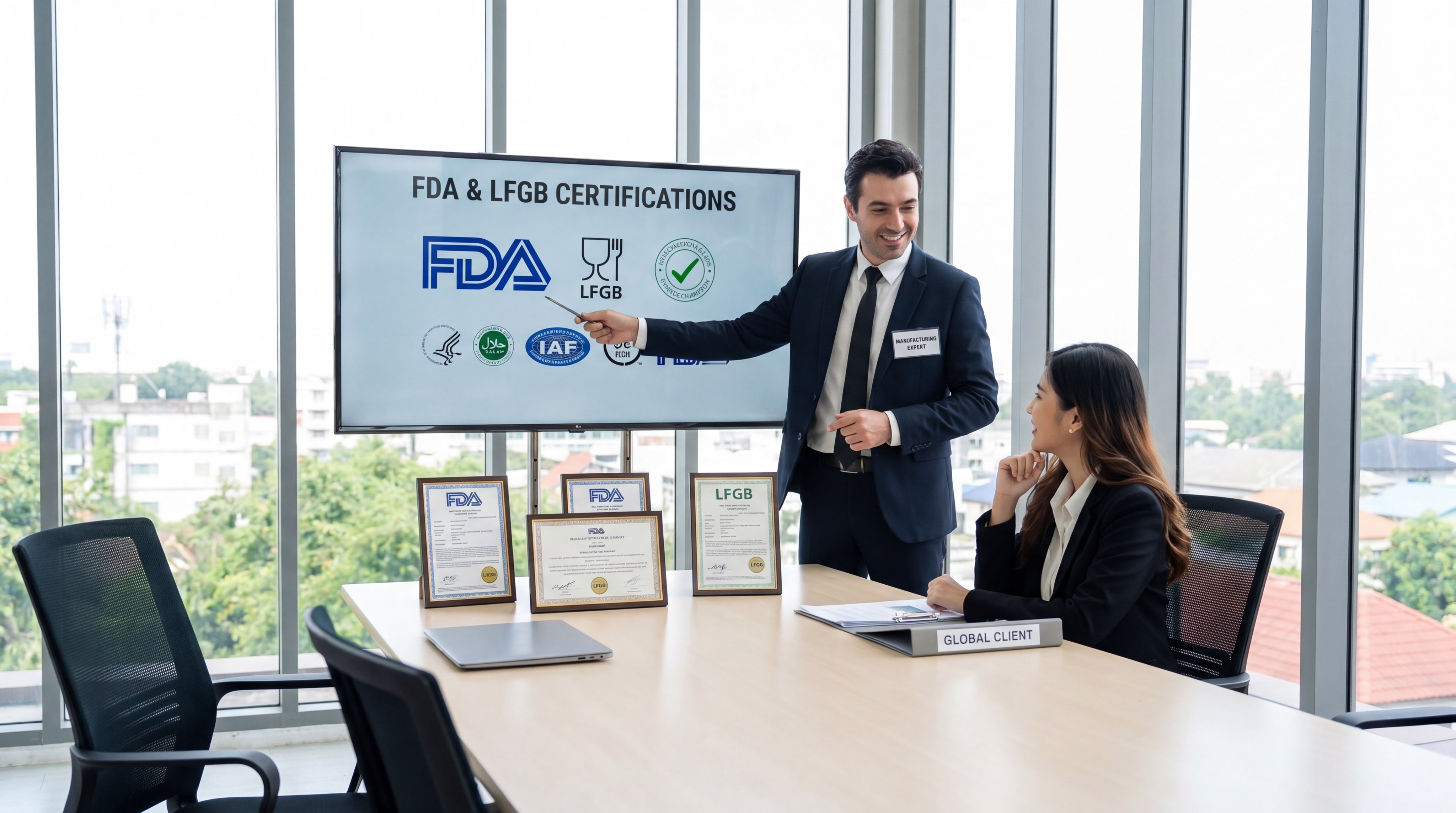
You verify legitimacy through on-site factory audits, business license checks, and independent third-party verification services. A transparent Silicone Manufacturer will welcome audits from firms like Bureau Veritas or SGS to prove their operational safety. You should always ask for the specific “test report number” and verify it directly on the testing company’s website to ensure it isn’t forged.
What should you look for in a factory audit?
Simply put: a physical or virtual tour of the production floor reveals the true commitment to quality more than any website can. You want to see how they store raw materials and whether they use precision testing equipment for every batch.
- Material Storage: Are bags of raw silicone kept in a clean, climate-controlled area?
- In-house Testing: Do they have shore meters, tensile testers, and ovens for post-curing?
- Record Keeping: Can they provide the batch records for their previous production runs?
| Verification Tool | Confidence Level | What it Proves |
|---|---|---|
| ISO Certificate | Medium | Systemic quality process |
| Lab Test Report | High | Specific material safety |
| Third-Party Audit | Highest | On-site reality of the factory |
Verification acts as the bridge between a manufacturer’s promise and the actual safety of the product delivered to your warehouse.
Key Takeaway: Trust but verify; a legitimate partner will provide a documented trail of quality control from raw material to shipping.
Are silicone pet products from China safe for animals?
Safe pet products must meet the same non-toxic food-grade standards as human items because pets often chew on these materials. A reliable Silicone Manufacturer will use high-tear-strength, platinum-cured silicone for toys and feeders to prevent choking hazards. Since animals are sensitive to chemical odors, using high-purity silicone ensures that the products are both safe to ingest and comfortable for the pet.
Is “pet-safe” the same as food-grade silicone?
The best part? While “pet-safe” isn’t a legal term, reputable brands use FDA or LFGB food-grade material to guarantee chemical safety. Pets exert significant bite force, so the material must also be physically durable to resist tearing into small, swallowable pieces.
- High Tear Strength: Prevents the silicone from breaking under bite pressure.
- Non-Toxic Pigments: Ensures that colors do not bleed when the product is wet or chewed.
- Easy to Clean: The non-porous surface prevents bacterial growth and mold.
| Pet Product Type | Safety Priority | Recommended Grade |
|---|---|---|
| Feeding Bowls | Chemical migration | FDA/LFGB Food-Grade |
| Chew Toys | Tear resistance | High-strength LSR |
| Grooming Brushes | Skin sensitivity | Hypoallergenic grade |
The safety of silicone pet products depends on the combination of material purity and the physical durability of the molded part.
Key Takeaway: Prioritize high-tear-strength, food-grade silicone for pet products to ensure they are both chemically safe and physically durable.
How does LFGB compare to FDA standards for safety?
LFGB is generally stricter than the FDA standard because it includes more intensive “sensory” tests for taste and smell migration. Your Silicone Manufacturer can help you decide which grade to use based on your specific target market and budget. While both standards ensure the material is non-toxic, LFGB is required for high-end kitchenware sold in Europe and is often requested by premium global brands.
Is the extra cost of LFGB certification worth it?
Believe it or not: the cost difference between FDA and LFGB silicone is usually quite small—often only 10% to 15%—but the safety assurance is much higher. If you are building a premium brand, the “LFGB” label acts as a powerful marketing tool to build trust with safety-conscious consumers.
- Rigor: LFGB includes tests for migration into olive oil and alcohol.
- Acceptance: LFGB is recognized globally, whereas FDA is primarily US-focused.
- Market Positioning: High-end retailers often require LFGB as a baseline for all silicone goods.
| Comparison Metric | FDA (USA) | LFGB (Europe/Global) |
|---|---|---|
| Testing Scope | Basic chemical migration | Sensory + Comprehensive migration |
| Cost | Lower | Slightly Higher |
| Reputation | Standard | Premium / Gold Standard |
While both standards provide a high level of safety, LFGB represents the pinnacle of material stability for high-performance consumer applications.
Key Takeaway: Opting for LFGB-certified silicone is the best way to ensure your product meets the highest global safety and quality benchmarks.
*
Summary of Safety Analysis
Is silicone made in China safe? The answer is a definitive yes, provided you select a partner that operates with transparency and holds international certifications. The historical stigma surrounding “Made in China” is quickly being replaced by a reality of high-precision LSR molding and rigorous post-curing protocols. By focusing on platinum-curing, cleanroom production, and third-party verification, you can secure a supply chain that is both cost-effective and uncompromising on safety.
At HuaLin Silicone, our vision is to bridge the gap between complex engineering requirements and reliable, safe mass production. We solve the problem of manufacturing uncertainty by providing ISO-certified precision and 24-hour DFM support to brands across the globe. Whether you are developing life-saving medical devices or durable pet accessories, our team is dedicated to engineering peace of mind through every molded part.
To see how professional, safe manufacturing can elevate your next project, contact us today for a comprehensive quotation and design review.
*
FAQ
Can I request a sample to test for fillers myself?
Yes. Legitimate manufacturers will provide samples so you can perform independent laboratory testing or a DIY pinch test before committing to a full production run.
What’s the best way to ensure batch consistency?
Yes, requesting a “Certificate of Analysis” (COA) with every shipment ensures the material batch matches the original approved sample.
Can I use food-grade silicone for medical devices?
No. While food-grade is safe for contact, medical-grade silicone undergoes additional biocompatibility testing and is processed in cleaner environments for higher safety.
Can I visit the factory to check safety standards?
Yes. Reputable factories encourage on-site audits or virtual tours to maintain transparency and build long-term trust with their B2B partners.
What is the fastest way to verify a certification?
Yes, you can check the certificate number on the official website of the issuing body (like SGS or ISO) to confirm it is currently valid and authentic.