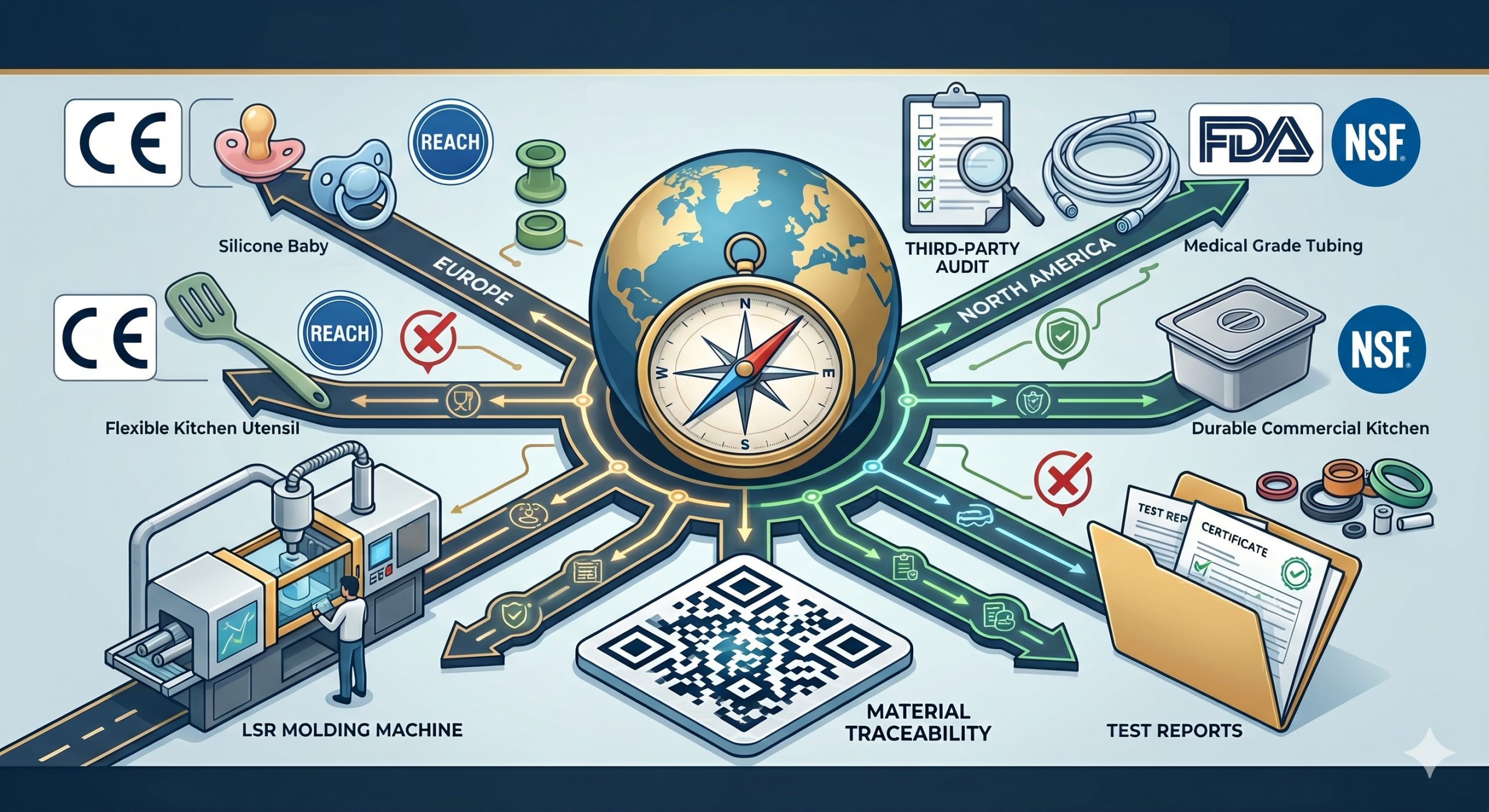
Navigating the complex landscape of international trade requires a clear understanding of regulatory benchmarks. Businesses aiming to distribute Silicone Products must align with specific standards to ensure consumer safety and market legality. You are likely facing a mountain of red tape that threatens to delay your launch or result in costly customs rejections. This complex regulatory landscape can feel overwhelming, especially when the safety of your end-users is at stake. By following this guide, you will master the essential certifications for Silicone Products and streamline your path to market success.
Why is CE certification mandatory for European sales?
It serves as a legal declaration that your goods meet all European health and safety directives. Entering the European Economic Area requires a deep understanding of safety mandates for various Silicone Products. This marking serves as a declaration that the item meets all relevant health and environmental requirements. Without this “passport,” goods face immediate seizure at customs or significant legal penalties.
What are the primary benefits of the CE mark?
The CE mark is more than just a regulatory hurdle; it provides a unified standard across dozens of countries. This allows you to sell throughout the European Economic Area without redesigning for each nation.
- It ensures high levels of consumer protection.
- It facilitates the free movement of goods within the EU.
- It reduces the risk of product liability and legal disputes.
Here is the deal:
Your customers look for the CE mark as a symbol of trust and quality. It proves you have done the necessary testing and risk assessments.
Identifying products that require mandatory marking
What is the secret to knowing if your item needs it? Most consumer-facing items, especially those used in sensitive environments, must carry the mark. This includes items designed for infant care or healthcare components.
| Element | Requirement | Impact |
|---|---|---|
| Applicability | EU/EEA Markets | Legal Market Access |
| Focus | Safety & Health | Consumer Protection |
| Method | Technical File | Compliance Evidence |
Technical evidence of conformity is the backbone of the CE process. Businesses must maintain these files for a decade after the product is placed on the market.
Key Takeaway: CE marking is the essential legal gateway for selling high-risk or consumer-contact goods in the European market, shielding your brand from legal liability.
How does REACH impact chemical safety in manufacturing?
Managing the use of chemical substances is a core pillar for producing compliant Silicone Products. REACH regulation requires manufacturers to identify and manage the risks linked to the substances they manufacture and market in the EU. This transparency ensures that no hazardous materials reach the final consumer.

Is REACH compliance different from CE marking?
The reality is that while both are necessary, they focus on different aspects of product integrity. CE marking focuses on the safety of the final product function, whereas REACH focuses on the individual chemical components. Both are required for most consumer goods exported to Europe.
But wait, there’s more:
REACH applies to all chemical substances, not just those used in industrial processes. This means even the pigments used in your silicone are under scrutiny.
Essential steps for verifying chemical inventories
How can you ensure your materials are safe? Leading manufacturers maintain strict oversight of every ingredient used in the compounding process.
- Create a complete chemical inventory list.
- Assess each substance against the SVHC list.
- Communicate safety data across the entire supply chain.
| Element | Requirement | Impact |
|---|---|---|
| Control | Chemical Registration | Health Safety |
| Scope | Manufacturing Process | Environmental Care |
| Verification | ECHA Submission | Market Legality |
Chemical safety is a non-negotiable requirement for modern manufacturing. Registrations must be submitted to the European Chemicals Agency (ECHA) to maintain market access.
Key Takeaway: REACH compliance focuses on the chemical composition of materials to prevent environmental and health hazards, ensuring long-term brand sustainability.
Why is FDA approval vital for North American markets?
In the United States, federal standards overseen by the Food and Drug Administration ensure the safety of Silicone Products. Achieving this approval demonstrates that the material is non-toxic and stable under various conditions. This is particularly true for items that come into contact with food or are used in medical settings.
Which items must undergo the FDA review process?
Any material intended to interact with the human body or food supply must meet specific FDA criteria. This includes everything from kitchen tools to surgical components.
- Kitchen tools and food storage containers.
- Infant feeding supplies and pacifiers.
- Medical implants and surgical components.
Think about it:
Without FDA clearance, your products could be seized by US Customs and Border Protection. This represents a massive financial and reputational risk for your business.
Navigating the path to successful FDA clearance
What is the best way to secure this status? It involves rigorous laboratory testing and a clear paper trail of material origins.
- Submit detailed material formulation data.
- Conduct extraction tests to ensure no chemical migration.
- Maintain strict Good Manufacturing Practices (GMP).
| Element | Requirement | Impact |
|---|---|---|
| Geography | United States Market | Consumer Trust |
| Category | Food & Medical Grade | High Safety Level |
| Process | Formulation Review | Quality Assurance |
Formulation review is the first step in the FDA process. Manufacturers must prove that their specific silicone blend does not leach harmful chemicals into food.
Key Takeaway: FDA approval is the gold standard for safety in North America, ensuring materials are safe for human contact and consumption while building retailer confidence.
What makes NSF certification a trust symbol for kitchenware?
NSF International provides third-party certification that confirms a product meets specific health and environmental standards for Silicone Products. While FDA sets the legal baseline, many professional buyers look for this additional validation. It is especially important for commercial kitchen equipment and water-contact components.
How does NSF evaluate material safety and design?
The process is remarkably thorough and evaluates both materials and hygiene design. It doesn’t just look at what the product is made of, but also how it functions in a real-world environment.
- Testing for harmful substance leaching.
- Evaluating the ease of cleaning and sterilization.
- Checking for structural durability over time.
The reality is:
Standard silicone might pass basic tests, but NSF-grade silicone is engineered for the rigors of commercial use. This makes it the preferred choice for industrial-grade kitchenware.
Expanding market access through third-party audits
Why should brands seek this extra step? Certification can be a massive competitive advantage when bidding for commercial contracts.
- Increases credibility with professional chefs and retailers.
- Simplifies the inspection process for health departments.
- Demonstrates a commitment to going beyond the legal minimum.
| Element | Requirement | Impact |
|---|---|---|
| Body | Third-Party Audit | Neutral Validation |
| Focus | Hygiene & Durability | Professional Appeal |
| Value | Market Differentiation | Enhanced Reputation |
Third-party audits provide a level of neutral validation that self-certification cannot match. This is often the deciding factor for high-volume B2B procurement.
Key Takeaway: NSF certification acts as a powerful trust indicator that confirms products are hygienic and durable for commercial use, opening doors to premium B2B markets.
Can technical documents simplify the compliance journey?
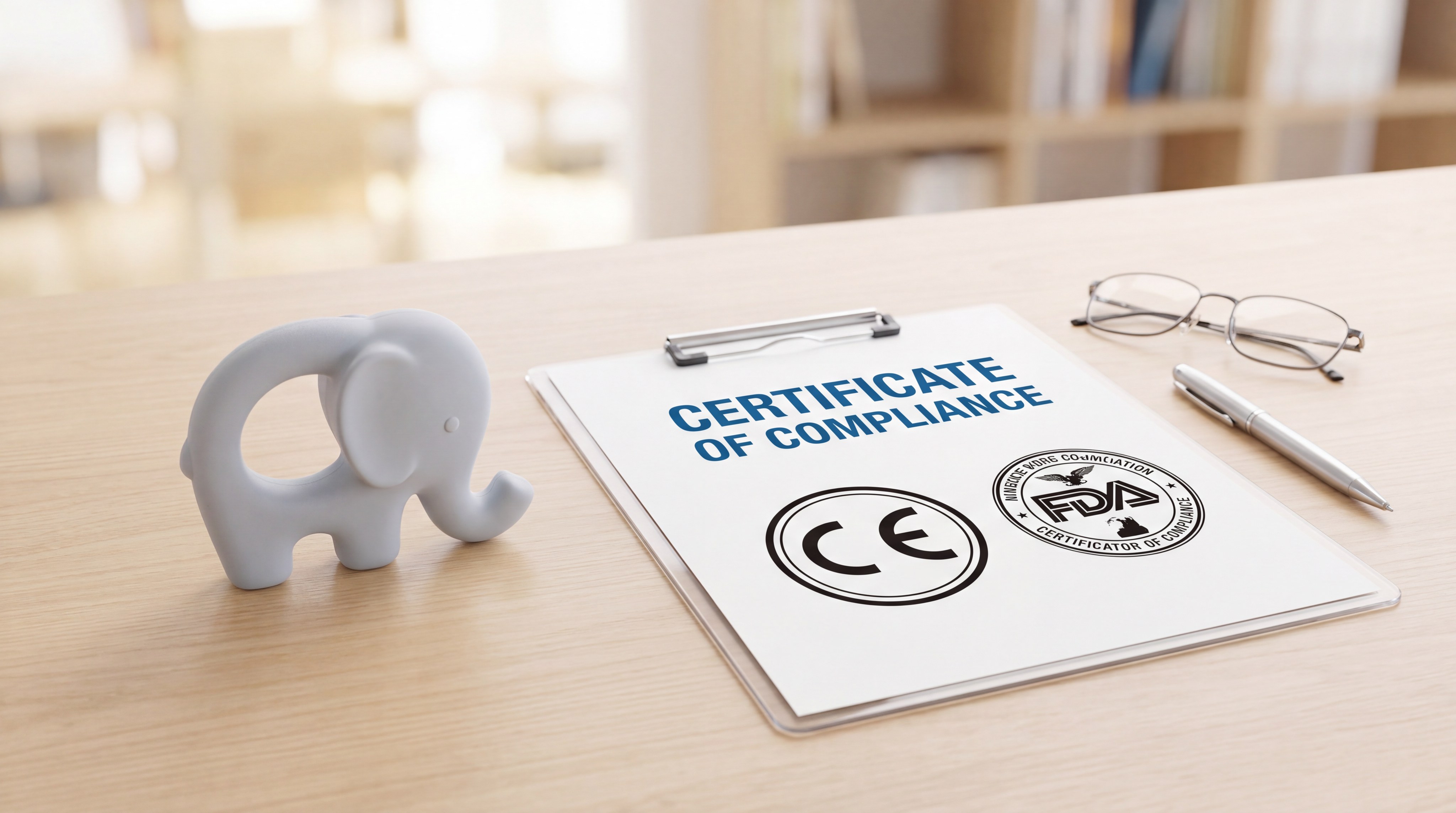
Maintaining a comprehensive technical file is a requirement for most Silicone Products entering regulated regions. This documentation provides the evidence needed to back up your claims of safety and compliance. It acts as a safety net during audits or customs inquiries.
Why is technical documentation the backbone of safety?
Technical documents tell the story of the product from raw material to finished goods. They include design specifications, risk assessments, and test reports.
- They store all test reports and material certificates.
- They provide clear usage and disposal instructions for the user.
- They include detailed manufacturing logs for every batch.
Let’s dig deeper:
Auditors don’t just want to see a passing test result; they want to see the process that led to it. A well-organized technical file shows professional maturity.
Streamlining the self-certification assessment route
How can you manage this effectively? Organized records allow for faster responses to regulatory changes or customer requests.
- Use a centralized system to track document versions.
- Ensure all laboratory reports are from accredited facilities.
- Update files whenever there is a change in the manufacturing process.
| Element | Requirement | Impact |
|---|---|---|
| Contents | Design & Test Data | Proof of Safety |
| Function | Audit Readiness | Risk Mitigation |
| Storage | 10-Year Retention | Legal Compliance |
Reliable data storage is a legal requirement for most export markets. Keeping these records updated ensures you are always ready for a surprise factory audit.
Key Takeaway: Proper technical documentation is the essential evidentiary support required to prove product compliance during audits and mitigate long-term business risks.
How do infant products meet the highest safety benchmarks?
Silicone Products used for babies are subject to the strictest regulations worldwide because infants are more vulnerable to chemical exposure. Authorities require more frequent testing and lower tolerance for impurities. Ensuring compliance in this sector requires a “clean-room” manufacturing mindset and premium raw materials.
What are the specific risks for maternal and baby items?
Small parts and chemical migration are the top concerns for regulators in this niche. You must ensure that no hazardous substances can leach into the child’s system.
- Choking hazards from poorly designed components.
- Presence of phthalates or heavy metals.
- Bacterial growth in hard-to-clean crevices.
The key lies in:
Selecting a manufacturer that understands the psychological and legal weight of baby products. Any failure here could end your brand permanently.
Implementing rigorous testing for teething and feeding
How can a manufacturer guarantee safety? Every batch must be scrutinized to ensure it matches the approved prototype perfectly.
- Mechanical pull tests to check for tearing.
- Sensory tests to ensure no taste or odor transfer.
- Biocompatibility testing for skin-contact items.
| Element | Requirement | Impact |
|---|---|---|
| Niche | Maternal & Baby Care | Vulnerable Safety |
| Standard | EN 14350 / CPSIA | Global Compliance |
| Priority | Zero Toxicity | Child Protection |
Zero toxicity is the only acceptable standard for infant-grade materials. Strict compliance with standards like EN 14350 is mandatory for European market entry.
Key Takeaway: Infant-grade products require specialized manufacturing protocols to meet the world’s most stringent safety thresholds and protect the most vulnerable users.
Why is material traceability critical for global exports?
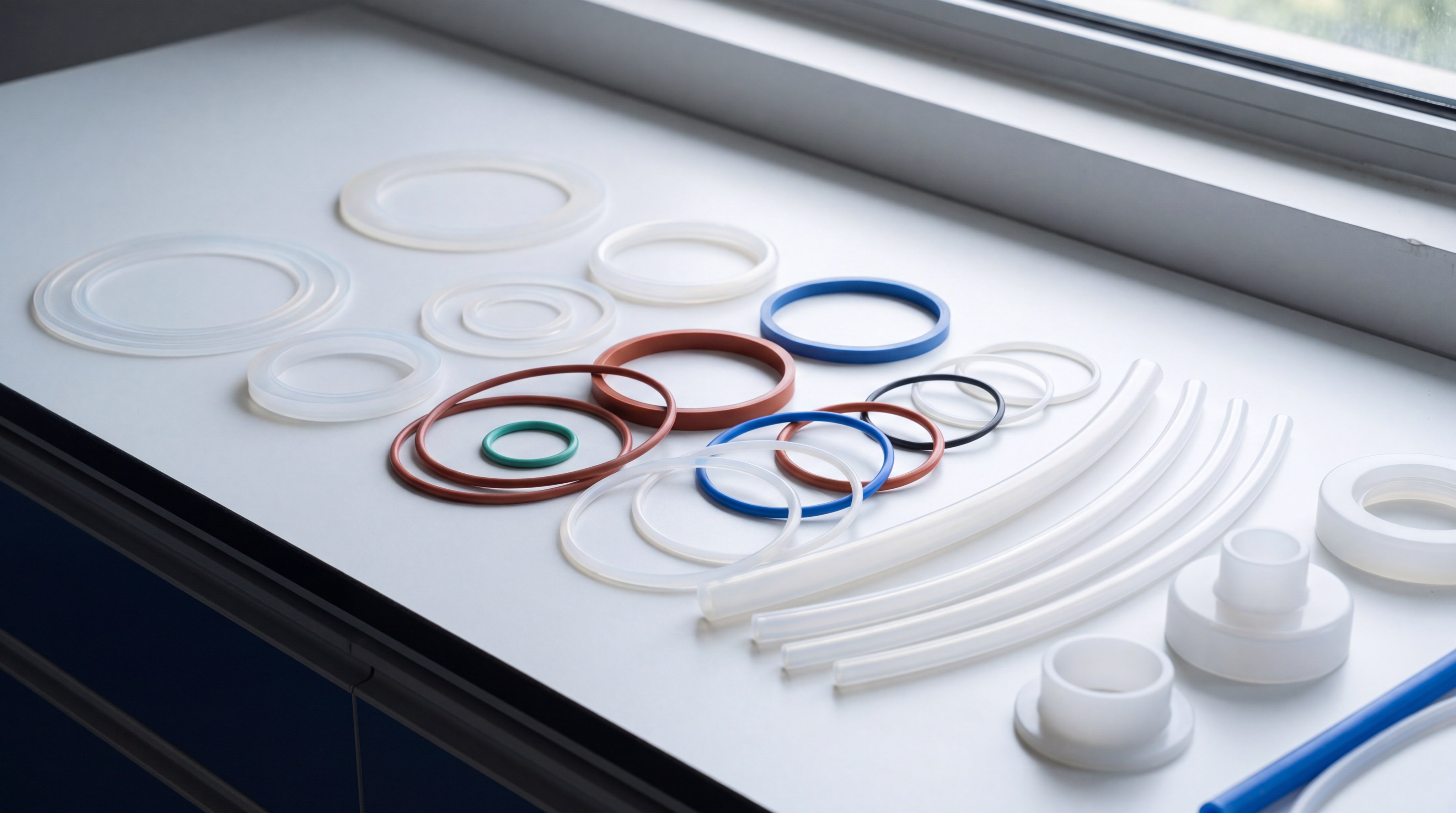
Transparency in the supply chain is no longer optional for Silicone Products. Traceability allows you to track the history, application, or location of an item by means of recorded identifications. If a problem occurs, you must be able to pinpoint exactly which batch was affected.
Can traceability reduce product liability risks?
In the event of a recall, being able to limit the scope of the problem can save millions. It identifies the exact source of a raw material failure.
- It proves that quality checks were performed at every stage.
- It protects your brand from widespread reputation damage.
- It allows you to target specific batches rather than full product lines.
What is the secret?
Automated tracking systems that link raw material batches to finished goods. This level of detail is exactly what top-tier retailers demand.
Managing supply chain communication effectively
Think about it: A transparent chain requires strong relationships and shared digital records with material suppliers. You must be able to verify every claim made by your manufacturing partner.
- Use batch numbers and QR codes for tracking.
- Require certificates of analysis (COA) with every delivery.
- Audit your suppliers to ensure they maintain their own records.
| Element | Requirement | Impact |
|---|---|---|
| System | Batch Tracking | Rapid Problem Solving |
| Asset | Supply Chain Visibility | Liability Reduction |
| Outcome | Quality Consistency | Enhanced Trust |
Batch tracking is a vital risk management tool. It ensures accountability from the raw material source all the way to the end consumer.
Key Takeaway: Traceability is a vital risk management tool that ensures accountability and protects your brand from the fallout of widespread product failures.
How can manufacturers maintain ongoing quality standards?
Initial certification is just the beginning for Silicone Products. Maintaining those standards across thousands of production cycles requires a robust Quality Management System. Frequent internal audits and process monitoring ensure that the quality of the first article is identical to the millionth.
What role does post-market monitoring play in success?
The process doesn’t end when the product is sold; you must monitor real-world performance. This satisfies regulatory requirements for “vigilance” reporting and identifies wear-and-tear issues early.
- It identifies potential wear-and-tear issues early.
- It allows for continuous improvement of product design.
- It fosters a culture of excellence within the factory.
Here is the truth:
Consistency is harder than innovation. A factory that can deliver the same quality for five years is more valuable than one that just makes a good prototype.
Establishing reliable quality assurance systems
How can you build a system that lasts? Focus on the three pillars of inspection: incoming, in-process, and final.
- Inspect every batch of raw silicone before production.
- Use automated sensors to monitor temperature and pressure.
- Perform 100% visual inspections for high-precision parts.
| Element | Requirement | Impact |
|---|---|---|
| Protocol | ISO 9001 Standards | Process Control |
| Focus | Continuous Improvement | Long-term Stability |
| Goal | Defect Prevention | Cost Efficiency |
Defect prevention is far cheaper than product returns. Implementing ISO 9001 standards provides the structure needed to maintain these high standards.
Key Takeaway: Consistent quality is achieved through a permanent commitment to monitoring and improving the manufacturing process, ensuring long-term customer loyalty.
Why should you partner with certified factory experts?
Choosing the right partner for manufacturing Silicone Products can determine the success of your international launch. An experienced factory understands the nuances of different regional requirements and can provide the necessary documentation upfront. This reduces lead times and prevents expensive mistakes.

How do expert audits prevent costly market rejections?
A factory with an established track record will have already cleared the hurdles you are facing. They provide pre-tested material options and offer Design for Manufacturing advice to meet safety rules.
- They provide pre-tested material options.
- They handle the logistics of shipping to regulated markets.
- They understand the documentation requirements for various regions.
You might be wondering:
Is it worth the extra cost? When you consider the cost of a rejected shipment, the answer is always yes.
Selecting partners with established compliance records
What should you look for in a partner? Certifications and physical facility audits are the best proof of capability.
- Check for ISO 9001 and ISO 13485 certifications.
- Request past audit reports from recognized bodies.
- Verify their experience with FDA and CE documentation.
| Element | Requirement | Impact |
|---|---|---|
| Expertise | Regulatory Knowledge | Faster Time-to-Market |
| Resource | In-house Engineering | Reduced Design Risk |
| Advantage | Proven Track Record | Reliable Logistics |
Regulatory knowledge is a competitive advantage. Factories that specialize in export markets can guide you through the certification maze with ease.
Key Takeaway: Expert manufacturing partners simplify the path to market by providing built-in compliance and technical expertise, reducing your overall time-to-market.
What is the future of silicone product compliance?
As consumer awareness grows, the regulations for Silicone Products will continue to evolve toward higher transparency and sustainability. Staying ahead of these changes is not just a legal necessity but a strategic advantage for global brands. By prioritizing safety now, you build a resilient business that can adapt to future requirements.
How can proactive compliance drive long-term growth?
The reality is that safe products build loyal customers and premium brand positioning. Brands that exceed standards often command higher prices and open doors to premium retail and healthcare markets.
- Brands that exceed standards often command higher prices.
- Compliance reduces the high costs associated with product returns.
- It builds a foundation of trust that is difficult for competitors to break.
Consider this:
The next wave of regulations will likely focus on environmental impact and recyclability. Starting that journey today puts you years ahead of the competition.
| Element | Requirement | Impact |
|---|---|---|
| Trend | Sustainability | Future Market Access |
| Shift | Transparency | Consumer Loyalty |
| Strategy | Proactive Compliance | Brand Authority |
Future-proofing your compliance strategy is the ultimate way to protect your investment. Brands that lead on safety and transparency always win in the long run.
Key Takeaway: The future of silicone compliance lies in transparency and sustainability, making proactive safety measures a critical driver of long-term commercial growth.
Master Your Market Compliance
We have solved the mystery of international certifications, from the complexities of CE and REACH in Europe to the rigorous FDA and NSF standards in North America. By understanding these benchmarks, you can transform regulatory hurdles into competitive advantages that build customer trust.
At HuaLin Silicone, we offer more than just manufacturing; we provide a partnership rooted in precision engineering and global compliance readiness. We can handle everything from in-house mold design and material selection to the generation of complete technical documentation. Our vision is to lead the silicone industry through unwavering quality and transparent supply chain practices, ensuring your products are safe, legal, and superior. contact us today to secure your international supply chain.
Frequently Asked Questions
Can I sell silicone items without specific certifications?
No. Regulated markets like the EU and North America require proof of safety for kitchen, baby, and medical items. Attempting to sell without these will result in heavy fines and permanent bans.
What’s the best way to start the certification process?
It depends. The best way is to identify your target market first and then consult with a manufacturer that has existing lab reports for the specific grade of silicone you need.
How do I know if my product needs FDA or LFGB?
It depends on where you are selling. FDA is the primary standard for the United States, while LFGB is the German standard typically preferred for high-end European kitchenware.
Can I use industrial silicone for food-grade applications?
No. Industrial silicone may contain catalysts or additives that are not safe for food contact. You must always use certified food-grade materials to avoid toxicity risks.
How do I know if a factory is truly certified?
Yes, you can verify this. Always request the original PDF of the certification and check the certificate number on the official website of the issuing body like ISO or NSF.