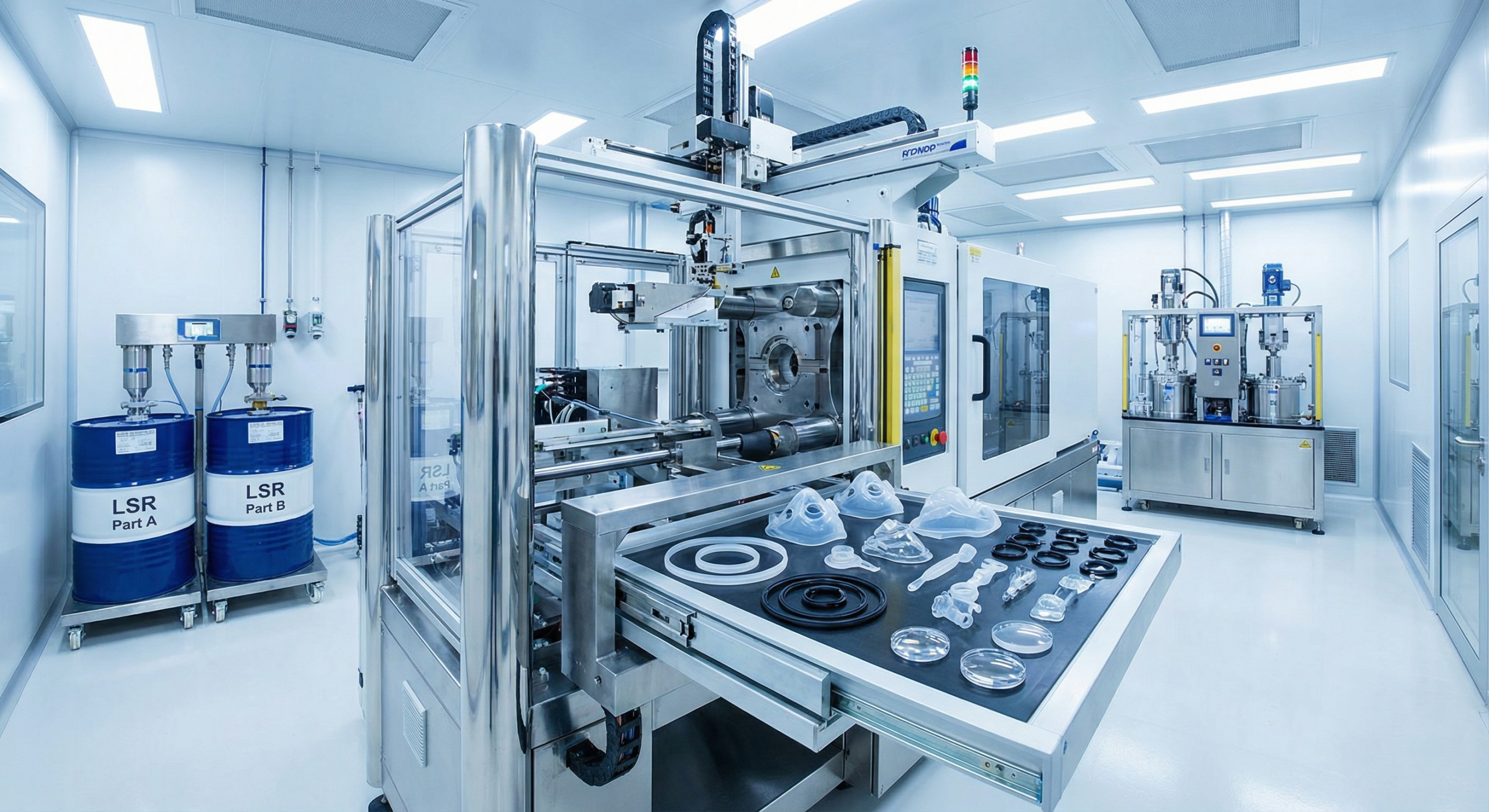
Liquid Silicone Rubber (LSR) injection molding is a high-precision manufacturing process that uses a platinum-catalyzed thermosetting elastomer to create durable, flexible components for demanding industrial applications.
Many manufacturers struggle with material degradation and inconsistent part quality when using traditional elastomers in harsh environments. This volatility leads to frequent component failures and costly production downtime that erodes your bottom line. Utilizing professional Liquid Silicone Rubber (LSR) Injection Molding provides a stable, automated solution that ensures high-purity results for your most complex geometries.

What Is Liquid Silicone Rubber (LSR) Injection Molding?
Liquid Silicone Rubber (LSR) Injection Molding is a specialized process where two liquid components are mixed and injected into a heated cavity to form high-strength silicone parts. This method is distinct because it handles thermosetting materials that cure through heat rather than cooling like traditional plastics. You will find that this technology is essential for producing parts that require extreme thermal stability and chemical resistance.
Defining the Fundamentals of LSR and LIM
The process involves a 1:1 ratio of two liquid components, typically referred to as Part A and Part B. These materials are kept cold until they reach the heated mold, where a platinum catalyst triggers the curing reaction.
Think about it:
This cold-to-hot transition is the inverse of thermoplastic molding.
- High viscosity control.
- Platinum-cured purity.
- Two-part chemical reaction.
- Rapid cycle times.
Key Takeaway: Understanding the chemical nature of LSR is the first step toward achieving manufacturing excellence in high-precision sectors.
Key Benefits of Thermoset Elastomers
Thermoset materials like LSR undergo a permanent chemical change during the molding process that cannot be reversed. This ensures your parts maintain their shape and mechanical integrity even when exposed to temperatures exceeding 200°C.
Here is the best part:
The material remains flexible at extremely low temperatures as well.
- Exceptional thermal stability.
- Low compression set.
- High tensile strength.
- Chemical inertness.
Key Takeaway: Thermoset properties make LSR the superior choice for components operating in extreme environmental conditions.
Understanding Optical Clarity and Resilience
Modern LSR formulations offer remarkable optical clarity, making them suitable for high-performance lighting and sensor applications. You can produce parts that are as clear as glass but retain the impact resistance and flexibility of rubber.
The reality is:
Standard plastics often yellow or crack under UV exposure, while LSR remains stable.
- UV radiation resistance.
- Micro-molding compatibility.
- High transparency grades.
- Extreme fatigue resistance.
Key Takeaway: Optical-grade LSR provides a durable alternative to traditional glass and plastic for advanced engineering projects.
How Does the LSR Injection Molding Process Work?
The Liquid Silicone Rubber (LSR) Injection Molding process works by precisely metering and mixing raw materials before injecting them into a high-temperature mold for rapid vulcanization. This automated workflow minimizes human error and ensures that every part meets your strict quality specifications.
Mixing, Coloring, and Material Preparation
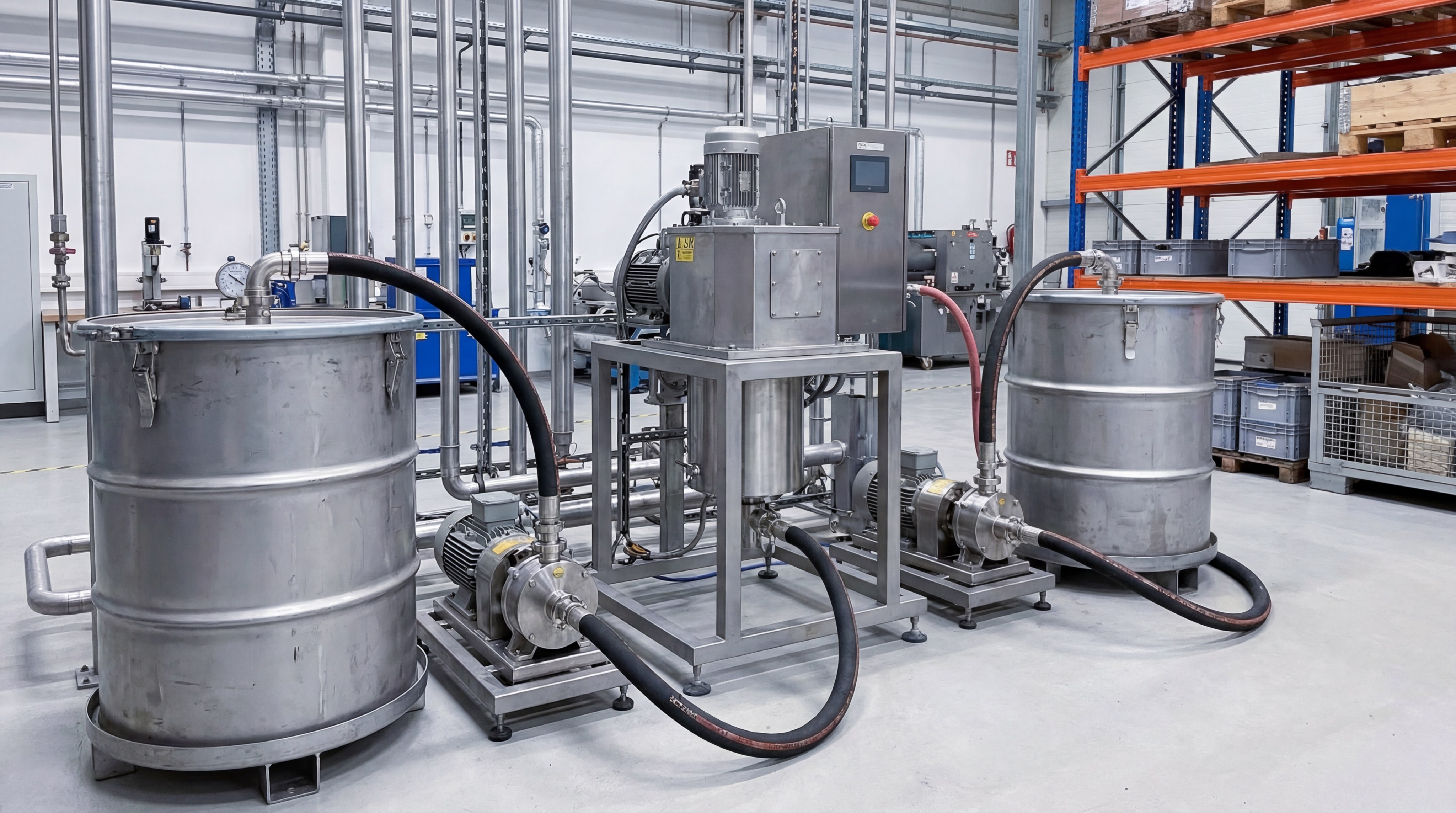
The journey begins at the metering unit, where the A and B components are pumped from large drums into a static mixer. You can introduce pigments or specific additives at this stage to achieve custom colors or enhanced material properties.
It gets better:
The closed-loop system prevents any contamination from entering the material stream.
- Synchronized pump delivery.
- Precision pigment injection.
- Homogeneous static mixing.
- Air bubble elimination.
Key Takeaway: Proper material preparation is the foundation of a defect-free injection molding production run.
Machine Selection and Precision Setup
Choosing the right injection molding machine is critical for managing the low viscosity of liquid silicone. You must ensure the clamping force and injection pressure are perfectly calibrated to prevent flash and material waste.
You might be wondering:
How do you maintain such tight tolerances?
- Specialized LSR barrels.
- Water-cooled injection nozzles.
- High-precision clamp units.
- Integrated vacuum systems.
Key Takeaway: Precision equipment setup is mandatory to handle the unique flow characteristics of liquid silicone rubber.
The Critical Curing and Ejection Phase
Once the material enters the heated mold, the curing process occurs almost instantly due to the platinum catalyst. The finished parts are then ejected, often using automated air blasts or robotic arms to maintain a fast cycle time.
The truth is:
Speed is your biggest advantage in high-volume silicone manufacturing.
- Rapid vulcanization cycles.
- Heat-controlled mold plates.
- Automated part removal.
- Flash-free gating designs.
Key Takeaway: Mastering the curing phase allows you to maximize output while maintaining consistent part dimensions.
| Process Step | Primary Function | Equipment Used |
|---|---|---|
| Metering | Precision 1:1 mixing | Piston/Diaphragm pumps |
| Injection | Delivering material to mold | Cold runner nozzle |
| Curing | Heat-induced vulcanization | Heated mold plates |
| Ejection | Part removal | Robotic handling |
Follow this technical workflow to ensure your production remains efficient and cost-effective.
Why Is LSR Better Than Compression Molding for Volume?
Liquid Silicone Rubber (LSR) Injection Molding is better than compression molding for high-volume production because it offers significantly shorter cycle times and a fully automated workflow. If you are looking to scale production with LSR injection molding, this method provides the consistency required for millions of identical parts.
Comparing Speed and Automation Levels
Compression molding often requires manual labor to place material “preforms” into the mold, which slows down the entire line. In contrast, LSR injection is a “hands-off” process that runs continuously with minimal operator intervention.
Think about it:
Manual labor increases both costs and the potential for human error.
- Fully automated cycles.
- Consistent shot weights.
- Reduced labor overhead.
- High-speed part ejection.
Key Takeaway: Automation in LSR molding directly translates to lower unit costs for your high-volume projects.
Which Process Offers Lower Tooling Costs?
While compression molding tools are often cheaper to build initially, they lack the longevity and precision of high-grade injection molds. You will find that the higher upfront investment in injection tooling pays for itself through millions of maintenance-free cycles.
The reality is:
Cheaper tools often lead to higher scrap rates and more frequent repairs.
- Hardened steel mold bases.
- Multi-cavity efficiency.
- Reduced material waste.
- Long-term tool durability.
Key Takeaway: Focus on the total cost of ownership rather than initial tooling prices when selecting your molding method.
Maximizing Efficiency in High-Volume Runs
LSR injection molding excels at producing complex parts with zero flash, which eliminates the need for secondary trimming operations. This streamlined approach allows you to ship parts directly from the press to your assembly line.
Here is the best part:
You can achieve cycle times that are up to 5 times faster than compression molding.
- Flash-less molding technology.
- Integrated quality sensors.
- Continuous 24/7 production.
- Minimal secondary processing.
Key Takeaway: Efficiency in the molding stage reduces your lead times and improves overall supply chain reliability.
| Feature | LSR Injection Molding | Compression Molding |
|---|---|---|
| Cycle Time | Very Fast (Seconds) | Slow (Minutes) |
| Automation | High / Fully Automated | Low / Manual |
| Part Complexity | High / Intricate | Limited / Simple |
| Material Waste | Minimal | Significant |
Choosing the right method depends on your specific volume requirements and part design complexity.
LSR vs. Plastic Injection Molding: What Are the Differences?
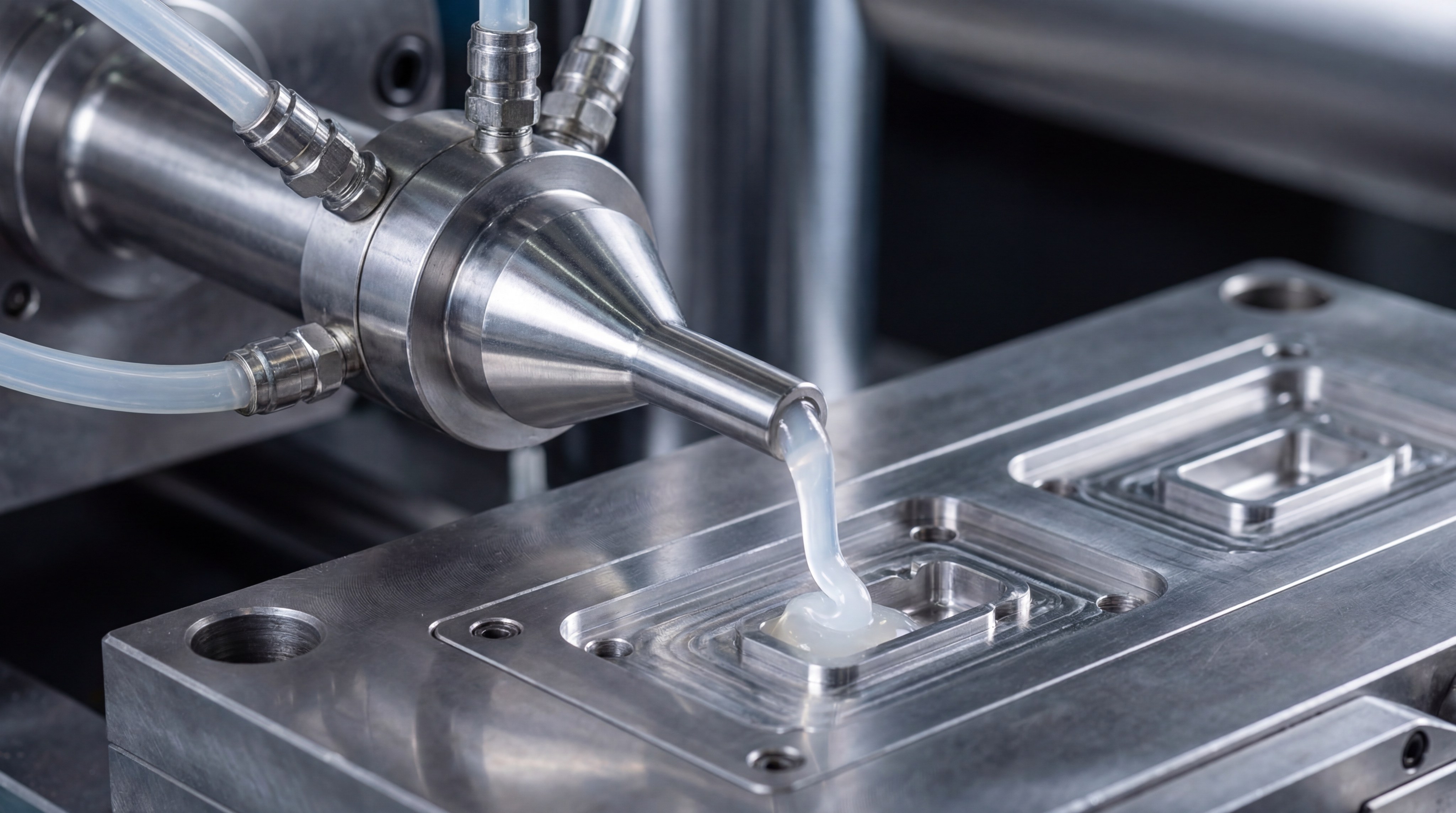
Liquid Silicone Rubber (LSR) Injection Molding differs fundamentally from plastic molding in how the material reacts to temperature and how the mold is configured. While plastic molding relies on cooling a molten polymer to create a solid part, LSR requires heat to trigger a chemical cure.
Thermosetting vs. Thermoplastic Materials
Thermoplastics can be re-melted and recycled, but they will deform if exposed to high heat after molding. You must understand that LSR is a thermoset, meaning it forms permanent cross-links that stay stable even in extreme fire or heat.
The reality is:
You cannot “un-cook” a silicone part once it has been cured in the mold.
- Permanent chemical bonds.
- No melting point.
- Structural integrity at 200°C+.
- Low-temperature flexibility.
Key Takeaway: The permanent nature of LSR makes it ideal for safety-critical components that must not fail under thermal stress.
Comparing Thermal Stability and Flexibility
Plastic parts often become brittle in the cold or soft in the heat, limiting their functional range. LSR maintains its mechanical properties across a massive temperature window, ensuring your seals and gaskets perform reliably in any climate.
Believe it or not:
LSR remains flexible at -50°C while most plastics would shatter.
- Constant shore hardness.
- Superior compression set.
- Excellent dielectric strength.
- Resistance to ozone and UV.
Key Takeaway: Superior environmental resistance gives LSR a distinct advantage over plastics in automotive and outdoor applications.
Can LSR Parts Be Re-melted and Recycled?
Unlike thermoplastics, cured LSR cannot be re-melted to create new parts, which presents a different challenge for waste management. However, the precision of modern injection molding ensures that you generate very little scrap material compared to other methods.
You might be wondering:
What happens to the waste that is produced?
- Grinding for filler use.
- Low-energy waste disposal.
- High-precision flashless tools.
- Bio-compatible formulations.
Key Takeaway: While not re-meltable, the efficiency of the LSR process minimizes the environmental footprint of your manufacturing.
| Property | LSR Molding | Plastic Molding |
|---|---|---|
| Cure Method | Heated Mold | Chilled Mold |
| Reusability | Non-recyclable (Thermoset) | Recyclable (Thermoplastic) |
| Temp Resistance | Excellent (-50 to 250°C) | Poor to Moderate |
| Flexibility | High / Elastic | Rigid to Semi-flexible |
Use these material distinctions to select the right polymer for your product’s lifecycle requirements.
How Can You Design Better Parts for LSR Injection?
Designing for Liquid Silicone Rubber (LSR) Injection Molding requires a different mindset than designing for plastics due to the material’s low viscosity and high shrink rate. You should consult a design guide for custom LSR parts to ensure your geometry is optimized for the liquid flow.
Optimizing Wall Thickness and Gating
LSR can flow into incredibly thin sections, but maintaining uniform wall thickness helps prevent air traps and ensures even curing. You should place gates in areas where the material can fill the cavity quickly without creating weld lines in critical functional zones.
Think about it:
Thick sections take much longer to cure and can slow down your production.
- Recommended 0.2mm to 10mm thickness.
- Gradual transitions between walls.
- Centrally located gating.
- Minimal flow path length.
Key Takeaway: Balanced wall thickness is the secret to achieving fast cycle times and dimensional accuracy.
How to Reduce Flash and Tooling Defects?
Because liquid silicone has the consistency of honey before it cures, it can easily leak through tiny gaps in the mold, creating “flash.” You must design your tool with high-precision shut-offs and proper venting to keep the material exactly where it belongs.
The truth is:
Even a 0.005mm gap can result in visible flash on your silicone parts.
- Precision ground mold faces.
- Integrated vacuum venting.
- Overlap gate designs.
- Thermal expansion compensation.
Key Takeaway: High-precision tooling design is the only way to eliminate secondary de-flashing costs.
Managing Complex Geometries and Undercuts
LSR is incredibly flexible, allowing you to design aggressive undercuts that would be impossible to eject in a rigid plastic part. You can often pull silicone parts off a mold core manually or with simple air assistance, simplifying your tool design.
It gets better:
You can eliminate expensive side-actions and cam-slides in your molds.
- Elongation up to 600%.
- Simple “pop-off” ejection.
- Consolidation of multiple parts.
- Intricate internal textures.
Key Takeaway: Take advantage of silicone’s elasticity to simplify your mold designs and reduce overall tooling investment.
| Design Factor | Recommendation | Benefit |
|---|---|---|
| Wall Thickness | 1mm to 3mm (average) | Consistent cure, fast cycles |
| Draft Angles | 0 to 1 degree (optional) | Easy ejection, complex shapes |
| Radii/Corners | Generous fillets | Better flow, reduced stress |
| Gating | Sub-gates or pin gates | Automated degating, clean finish |
Applying these design principles early in your development phase will prevent costly modifications later in the project.
Is Liquid Silicone Rubber Safe for Medical and Baby Products?
Liquid Silicone Rubber (LSR) Injection Molding is the gold standard for medical and baby products because the material is inorganic, hypoallergenic, and naturally resistant to bacteria. When you use high-purity, platinum-cured LSR, you ensure that no harmful byproducts leach into sensitive applications.
Biocompatibility and Regulatory Compliance
Medical-grade LSR is tested rigorously to meet ISO 10993 and USP Class VI standards, ensuring it is safe for long-term skin contact and even implantation. You can trust that this material will not cause allergic reactions or tissue irritation in your patients.
The reality is:
Safety isn’t just a feature; it’s a legal requirement in medical manufacturing.
- ISO 10993 certified grades.
- FDA and LFGB compliance.
- Latex-free and BPA-free.
- Low volatile organic compounds.
Key Takeaway: Regulatory compliance starts with choosing a material that is inherently safe for human use.
Why Is LSR Ideal for Baby Pacifiers and Nipples?
Babies require materials that are soft enough for comfort but tough enough to withstand biting and constant sterilization. LSR provides the perfect balance of tear strength and “mouthfeel,” making it the preferred choice for global baby care brands.
Here is the best part:
It is completely tasteless and odorless, so it won’t interfere with feeding.
- High tear resistance.
- Soft-touch ergonomics.
- Translucent for cleanliness.
- Durable through repeated use.
Key Takeaway: LSR’s combination of safety and durability makes it the most reliable choice for maternal and infant products.
Resistance to Bacterial Growth and Sterilization
Unlike many plastics, LSR does not support the growth of mold or bacteria, even in warm, moist environments. You can easily sterilize these components using steam autoclaves, gamma radiation, or ETO gas without damaging the material.
You might be wondering:
Can the material survive thousands of cleaning cycles?
- Autoclave compatible (134°C).
- Chemical disinfectant resistance.
- Hydrophobic surface properties.
- Non-porous structure.
Key Takeaway: Easy sterilization and microbial resistance make LSR essential for maintaining hygiene in clinical and home settings.
| Safety Standard | Target Application | Requirement |
|---|---|---|
| USP Class VI | Medical Implants | Biocompatibility, non-toxicity |
| FDA 21 CFR | Food & Baby Care | Food-safe contact, no leaching |
| ISO 10993 | Clinical Devices | Cytotoxicity and irritation testing |
| LFGB | European Food Ware | High purity, no odor transfer |
Verify that your material supplier provides full documentation for these critical safety standards.
Where Is LSR Injection Molding Commonly Used Today?
Liquid Silicone Rubber (LSR) Injection Molding is widely used in industries ranging from automotive and electronics to consumer goods and aerospace. To stay competitive, you should master the silicone injection molding process to provide the precision required by these high-tech sectors.
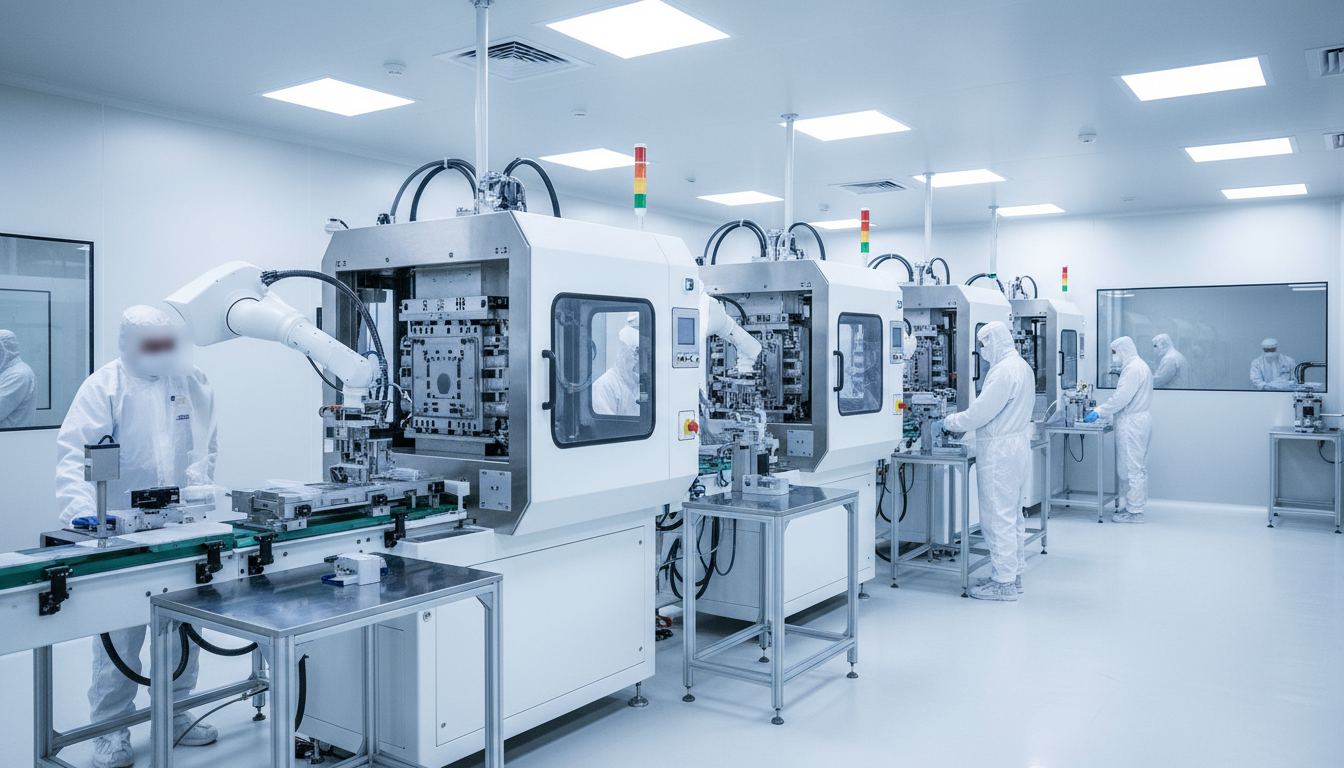
Automotive Seals and High-Temperature Gaskets
In the automotive sector, LSR is used for everything from spark plug boots to turbocharger hoses because it survives constant vibration and heat. You will find it in under-the-hood applications where traditional rubber would dry out and crack.
Think about it:
Modern engines run hotter than ever, demanding more resilient seals.
- Wiring harness grommets.
- Gasket-on-plastic seals.
- Light-guide optics for LEDs.
- Sensor protection covers.
Key Takeaway: Automotive reliability depends on the long-term environmental resistance of high-grade silicone components.
Electronics and Telecommunications Components
LSR provides excellent electrical insulation and can be molded into incredibly small, precise seals for smartphones and wearable devices. You can use it to create waterproof (IP68) barriers that protect sensitive internal electronics from water and dust.
The reality is:
Your favorite waterproof tech likely relies on a micro-molded LSR seal.
- Connector seals and plugs.
- Soft-touch button membranes.
- Smartwatch straps.
- Earbud tips and cushions.
Key Takeaway: Precision and sealing capabilities make LSR the backbone of modern portable electronics.
High-Performance Industrial O-Rings and Valves
In industrial settings, LSR valves and O-rings are chosen for their ability to maintain a seal under varying pressures and chemical exposures. You can rely on these parts for long-term service in pumps, dispensers, and chemical processing equipment.
Believe it or not:
LSR can maintain its seal for decades without losing its elasticity.
- Check valves and diaphragms.
- High-pressure O-rings.
- Dispensing pump components.
- Chemical resistant linings.
Key Takeaway: Industrial systems benefit from reduced maintenance costs when using high-durability LSR seals.
| Industry | Primary LSR Application | Key Requirement |
|---|---|---|
| Automotive | Engine Seals / Gaskets | Heat & Oil Resistance |
| Electronics | IP68 Waterproof Seals | Precision / Insulation |
| Medical | Surgical Tools / Tubing | Biocompatibility |
| Consumer | Kitchenware / Baby Gear | Safety / Durability |
Integrating LSR into your product design allows you to meet the rigorous demands of these diverse markets.
What Equipment Is Essential for High-Precision LSR Molding?
The equipment for Liquid Silicone Rubber (LSR) Injection Molding must be specifically engineered to handle the unique rheology of liquid silicone, which is very different from thermoplastic pellets. You must ensure your facility uses specialized injection units and cold runner technology to prevent material waste and ensure part quality.
Advanced Metering Systems and Injection Units
The heart of the system is the metering pump, which precisely draws Part A and Part B from their drums in a perfect 1:1 ratio. If this ratio is off by even a few percent, the silicone will not cure properly, leaving you with sticky, unusable parts.
The truth is:
Consistency in the mixing stage is the most important factor in LSR quality.
- Color-additive injectors.
- High-pressure delivery pumps.
- Static mixing tubes.
- Precision shot control.
Key Takeaway: Investing in a high-quality metering system is the only way to ensure chemical consistency in every shot.
Cold Runner Technology and Mold Temperature Control
Unlike plastic molding, where the runner is kept hot, an LSR cold runner system keeps the material chilled right up until it enters the mold cavity. This prevents the silicone from curing in the channels, allowing you to produce parts with zero material waste.
Here is the best part:
Cold runner systems can reduce your material costs by up to 30%.
- Water-cooled nozzle tips.
- Precise temperature zoning.
- Valve-gate technology.
- High-efficiency heating elements.
Key Takeaway: Cold runner technology is essential for making LSR production economically viable and environmentally friendly.
How to Master the Injection Molding Process?
Mastering the process involves balancing injection speed, pressure, and mold temperature to ensure complete cavity filling without flash. You should utilize real-time monitoring systems to detect any deviations in the process before they result in scrap.
You might be wondering:
How do you monitor a process that happens in seconds?
- In-mold pressure sensors.
- Cavity temperature probes.
- Automated vision inspection.
- Data-driven process control.
Key Takeaway: Real-time data and automated monitoring are the tools of choice for world-class LSR manufacturers.
| Equipment Type | Critical Feature | Importance |
|---|---|---|
| Metering Pump | 1:1 Ratio Accuracy | Ensures proper curing |
| Injection Unit | Water-cooled Barrel | Prevents premature curing |
| Mold | Chrome-plated Steel | Excellent surface finish |
| Controller | Closed-loop feedback | Maintains part consistency |
Upgrading your equipment to these standards will significantly improve your production yields and part quality.
What Is LSR Overmolding and Why Is It Growing?
Liquid Silicone Rubber (LSR) Injection Molding for overmolding allows you to bond silicone directly onto plastic or metal substrates without the need for primers or adhesives. You should choose LSR injection for your next project if you need to create multi-material parts with a seamless, permanent bond.
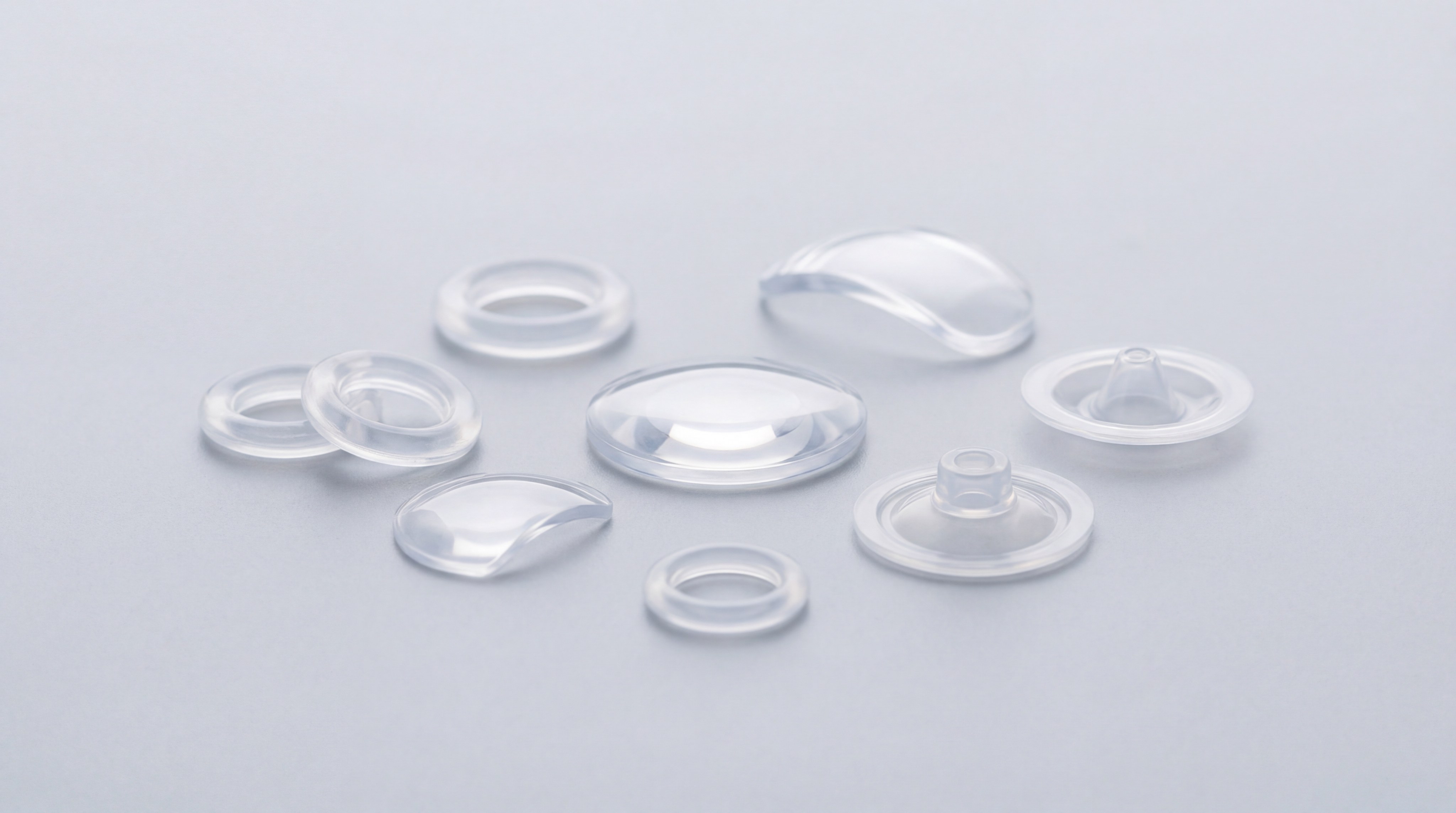
Bonding Silicone to Plastics and Metals
Overmolding eliminates the assembly steps usually required to attach a grip or seal to a rigid component. You can achieve a mechanical or chemical bond that is stronger than the materials themselves, ensuring the part never delaminates in the field.
Think about it:
One-step production is always cheaper than a two-step assembly process.
- Self-bonding LSR grades.
- Multi-shot injection molding.
- Insert molding techniques.
- Superior bond strength.
Key Takeaway: Overmolding simplifies your supply chain and creates more robust, integrated products.
Enhancing Product Ergonomics and Sealing
Overmolding is the preferred method for adding soft-touch grips to medical tools, power equipment, and consumer electronics. It also allows you to mold a seal directly onto a plastic housing, creating a perfectly aligned waterproof barrier every time.
The reality is:
Users perceive overmolded products as being of much higher quality.
- Vibration dampening.
- Improved user comfort.
- Integral waterproof seals.
- Color contrast branding.
Key Takeaway: Ergonomic improvements through overmolding directly enhance your product’s market appeal and user experience.
Challenges in Multi-Material Injection Molding
The biggest challenge is ensuring the plastic substrate can withstand the heat required to cure the silicone. You must carefully select high-temperature plastics like PBT or PPS that won’t melt while the LSR is vulcanizing at 150°C+.
It gets better:
Low-temperature cure LSR now allows you to overmold onto a wider range of plastics.
- Thermal expansion matching.
- Substrate pre-heating.
- Precise mold shut-offs.
- Material compatibility testing.
Key Takeaway: Successful overmolding requires deep expertise in both thermoplastic and thermoset material science.
| Overmolding Method | Substrate Material | Best Use Case |
|---|---|---|
| Insert Molding | Metal / Plastic | Individual part handles |
| Multi-Shot (2K) | High-temp Plastic | Integrated high-volume seals |
| Manual Transfer | Various | Low-volume prototypes |
| Chemical Bonding | Primed Surfaces | Dissimilar material joining |
Strategic use of overmolding can revolutionize your product design by combining rigidity with flexible functionality.
Frequently Asked Questions About LSR Molding
Can I achieve different shore hardness levels with LSR?
Yes, you can select LSR materials ranging from 5 to 80 Shore A hardness to suit your specific application.
How do I prevent air bubbles in my silicone parts?
You must use an integrated vacuum system in the mold to evacuate air before the liquid silicone is injected.
Is LSR molding suitable for prototyping?
While expensive, you can use single-cavity aluminum tools to produce high-quality LSR prototypes that match production parts.
What is the typical lead time for an LSR mold?
Standard LSR injection molds usually take between 4 to 8 weeks to design and manufacture, depending on complexity.
Can LSR be used for food-contact applications?
Absolutely, as long as you specify FDA or LFGB compliant platinum-cured silicone grades for your production.
At HuaLin Silicone, we are dedicated to pushing the boundaries of what is possible with advanced elastomer technology. Our vision is to empower global innovators with high-precision silicone solutions that enhance safety, performance, and durability in every industry. Whether you are developing a life-saving medical device or a high-performance automotive component, our team of experts is ready to transform your vision into reality. To learn more about our capabilities or to start your next manufacturing project, please contact us today for a comprehensive consultation.