
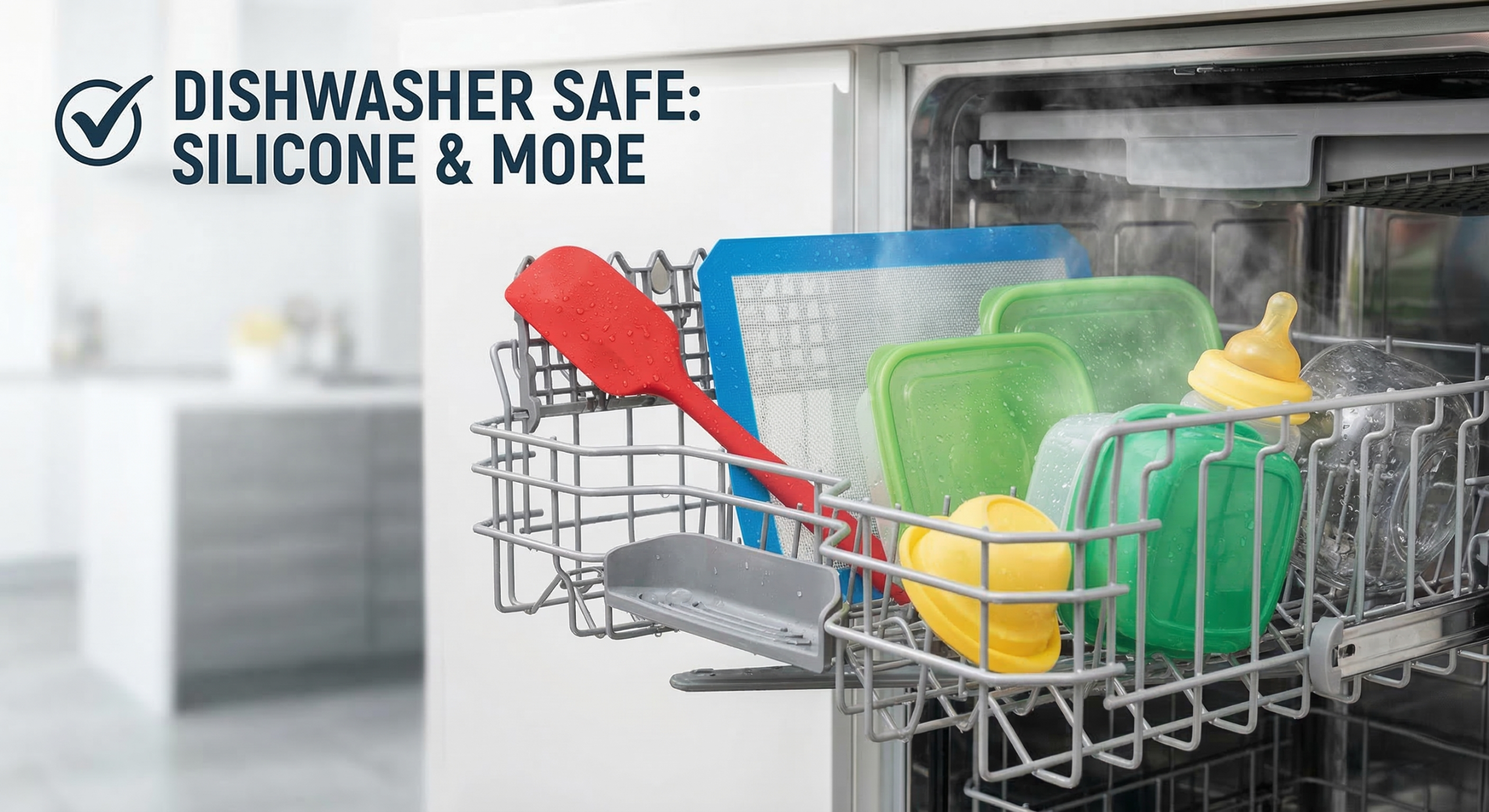
Yes, silicone can go in the dishwasher safely without the risk of melting, warping, or releasing toxic chemicals. Many businesses face the constant struggle of maintaining strict hygiene standards while managing high-volume cleaning tasks. Handwashing complex silicone components is not only labor-intensive but often leads to inconsistent sanitation results that can jeopardize product quality. By utilizing dishwasher-safe silicone solutions, you can streamline your operations, ensure uniform cleanliness, and significantly reduce overhead costs.
Can silicone go in the dishwasher safely?
Yes, high-quality silicone is perfectly safe for use in all standard residential and commercial dishwashing machines. Determining if can silicone go in the dishwasher depends on the purity of the material, but standard food-grade and medical-grade variants are exceptionally resilient.
Is silicone durable enough for high-heat cycles?
The truth is, silicone is engineered to withstand temperatures far beyond the hottest residential dishwasher settings. While most machines peak at 170°F, quality silicone remains stable up to 450°F.
- Resists thermal shock during rapid temperature changes.
- Maintains its structural shape without warping.
- Prevents the development of brittle edges.
This extreme thermal resistance ensures that your products survive the most intense sanitization protocols.
Does silicone degrade after multiple washes?
Silicon-oxygen backbones are inherently more stable than the carbon-based chains found in organic polymers. Frequent exposure to water and detergent will not cause the material to break down or lose its flexibility over time.
Key Takeaway: The structural integrity of silicone makes it an ideal choice for products requiring repetitive, high-temperature cleaning.
| Feature | Dishwasher Performance | Benefit |
|---|---|---|
| Heat Resistance | Up to 450°F | No melting |
| Purity | Non-leaching | Food safe |
| Flex Life | High | No cracking |
Manufacturers should verify material certifications to ensure long-term durability in high-moisture environments.
Why is silicone naturally resistant to dishwashers?
Silicone is naturally resistant because its molecular structure is inorganic, meaning it does not react with common detergents or high-heat water jets. You might wonder how can silicone go in the dishwasher so easily; it is because the material lacks the pores that typically trap food particles and bacteria.
How does chemical stability prevent leaching?
Think about it: most plastics release harmful BPA or phthalates when exposed to heat, but silicone does not. Its chemical inertness ensures that no odors or tastes are transferred between the machine and the product.
- Zero emission of hazardous volatile organic compounds.
- Compatible with heavy-duty alkaline detergents.
- Resistance to oxidation from bleach-based cleaners.
This stability is why silicone is the gold standard for high-performance kitchenware and industrial seals.
What makes silicone better than plastic?
Unlike cheap plastics that turn cloudy or brittle, silicone maintains its aesthetic clarity and tactile softness. This longevity provides a much higher return on investment for B2B procurement cycles.
Key Takeaway: Choosing silicone over plastic eliminates the risk of chemical migration and thermal deformation during cleaning.
| Material | Heat Tolerance | Chemical Risk | Longevity |
|---|---|---|---|
| Silicone | Excellent | None | Very High |
| Plastic | Poor | BPA/Phthalates | Low |
The inherent stability of silicone provides a foundation for safer consumer and industrial product lines.
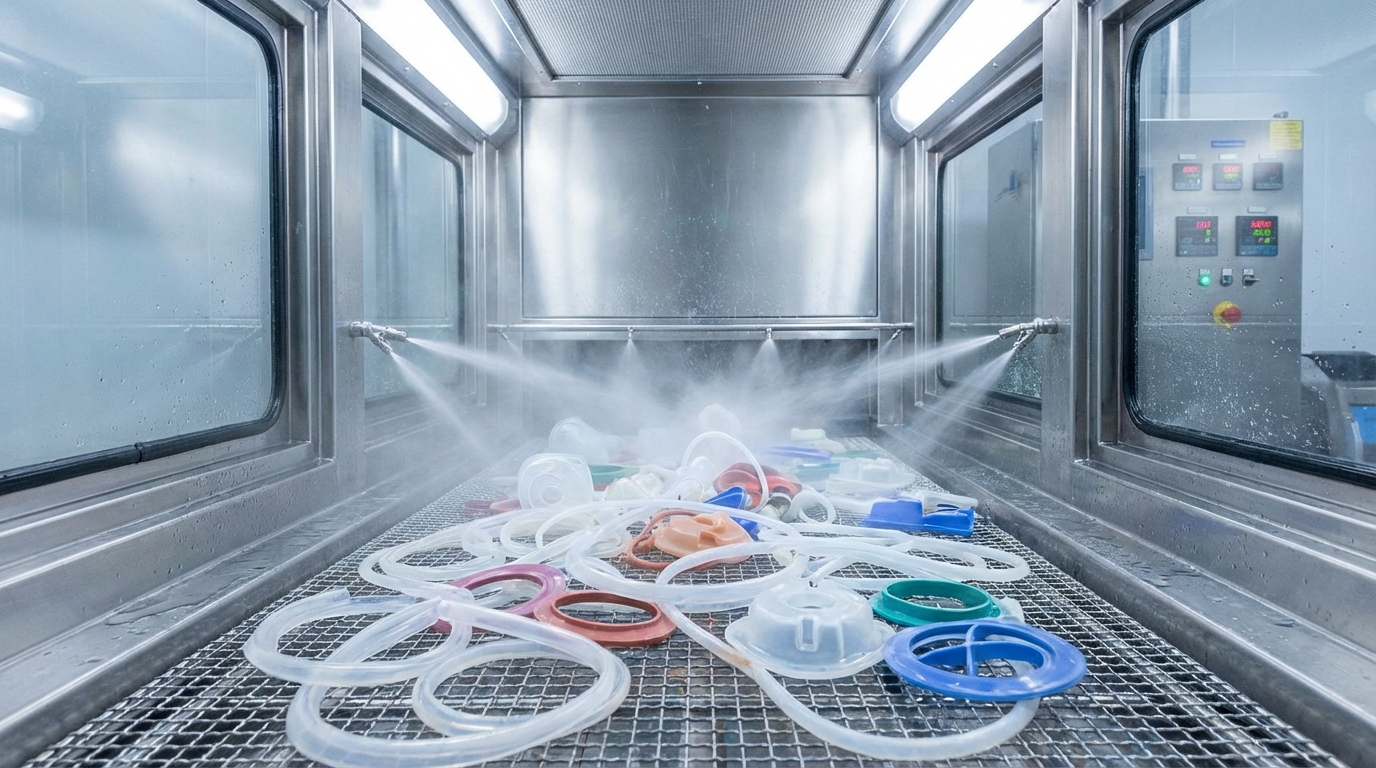
Can silicone go in the dishwasher across all product types?
Yes, almost every category of silicone product—from kitchen spatulas to industrial gaskets—is safe for machine washing. When asking can silicone go in the dishwasher, you must only be cautious if the item is a hybrid assembly containing wood or low-grade electronics.
Are silicone lids safe for machine washing?
Believe it or not, silicone lids are actually more durable in the dishwasher than the containers they often cover. They retain their suction capabilities and airtight seals even after hundreds of cycles.
- Resists stretching under high water pressure.
- Dries rapidly without leaving water spots.
- Fits easily into narrow rack slots.
This makes them a preferred choice for food storage solutions in high-volume commercial kitchens.
Can I wash medical-grade silicone parts?
Medical-grade silicone is specifically designed to undergo rigorous sterilization, making a standard dishwasher cycle quite mild by comparison. These parts are often processed in specialized washers to ensure zero microbial presence.
Key Takeaway: From consumer lids to specialized medical components, silicone’s versatility allows for universal automated cleaning.
| Product Category | Wash Compatibility | Optimal Placement |
|---|---|---|
| Food Storage | 100% | Any Rack |
| Medical Parts | 100% | Top Rack |
| Baby Products | 100% | Basket |
Standardizing on silicone materials simplifies the sanitation SOPs for any professional facility.
What are the benefits of using dishwasher-safe silicone?
The primary benefit is the dramatic reduction in maintenance time and the guarantee of a superior hygienic finish. Knowing that can silicone go in the dishwasher allows users to leverage high-heat “sanitize” cycles that handwashing simply cannot match.
Does it improve consumer hygiene standards?
But wait, there’s more to it than just convenience; machines reach temperatures that effectively kill pathogens. This is critical for items like baby bottle nipples or dental appliances where bacteria growth is a major concern.
- Reaches internal crevices that brushes miss.
- Uses high-velocity spray for mechanical debris removal.
- Ensures consistent detergent distribution for better grease cutting.
The result is a product that is objectively cleaner and safer for the end-user.
How does it enhance product lifespan?
Automated washing is often gentler on the surface of the silicone than abrasive manual scrubbing with scouring pads. This prevents the formation of micro-scratches where mold or film can eventually take hold.
Key Takeaway: Dishwasher-safe silicone reduces labor costs while extending the aesthetic and functional life of the product.
| Benefit | B2B Impact | User Experience |
|---|---|---|
| Time Savings | Higher Efficiency | Convenience |
| Sanitation | Risk Mitigation | Safety |
| Surface Care | Lower Return Rate | Visual Appeal |
Hygiene and durability are the twin pillars that drive the market demand for dishwasher-safe materials.
How do you properly wash silicone in the dishwasher?
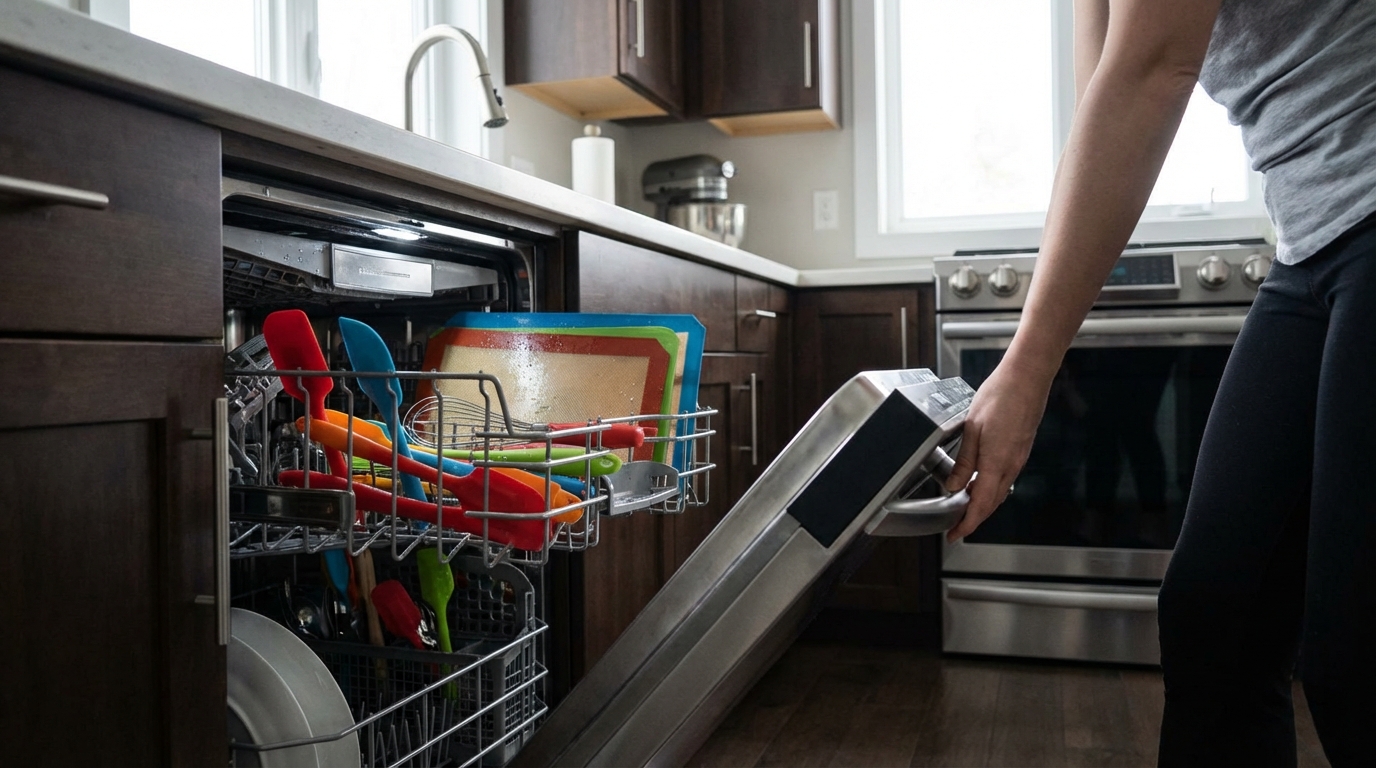
You should place smaller or lighter silicone items on the top rack to keep them away from the heating element. While can silicone go in the dishwasher safely anywhere, the top rack offers a more balanced cleaning environment for delicate geometries.
Where is the best place to load silicone items?
Here is the secret: secure lightweight items so the water pressure doesn’t flip them over. If a silicone bowl flips, it will fill with dirty water and fail to dry properly.
- Use mesh baskets for small valves or O-rings.
- Drape baking mats over the tines for maximum exposure.
- Keep space between items to avoid “shingling.”
Proper loading ensures that every surface is touched by the cleaning solution and the drying heat.
Which detergents work best for silicone?
Standard dishwasher pods and gels work exceptionally well with silicone because they are formulated to break down fats and proteins. Avoid detergents with heavy dyes or perfumes if you are concerned about surface residue.
Key Takeaway: Smart loading and standard detergents are all you need to maintain silicone items indefinitely.
| Loading Zone | Item Type | Purpose |
|---|---|---|
| Top Rack | Lids, Nipples, Small Seals | Prevent loss |
| Bottom Rack | Spatulas, Baking Molds | Heavy cleaning |
| Cutlery Basket | Small tools | Organization |
Following these simple placement rules maximizes the cleaning efficiency of your automated systems.
Are there specific temperature limits for silicone items?
Silicone can easily handle the 150°F to 180°F range found in most industrial and residential sanitize cycles. If you are worried can silicone go in the dishwasher during a heavy-duty cycle, rest assured that the material’s melting point is nearly double that of boiling water.
Can silicone survive heavy-duty heat cycles?
The reality is that heavy-duty cycles are no match for the thermal stability of silicone. These cycles are excellent for removing stubborn oils or burnt-on residues from silicone baking molds.
- No softening of the material at 180°F+.
- Retains non-stick properties after heat exposure.
- Colorfast pigments do not bleed or fade.
Silicone remains the most thermally robust elastomer used in high-volume consumer goods today.
What happens during the heated drying phase?
During the drying phase, the dishwasher uses radiant or convective heat to evaporate moisture. Silicone’s low thermal conductivity means it won’t get as hot as metal, but it will dry quickly and cleanly.
Key Takeaway: Silicone’s temperature tolerance provides a massive safety margin that exceeds any dishwasher’s capabilities.
| Phase | Silicone Response | Result |
|---|---|---|
| Wash | Stable | Clean surface |
| Rinse | Hydrophobic | Water sheds |
| Dry | Heat resistant | No warping |
Consistent performance across all cycle phases is what makes silicone a reliable B2B material choice.
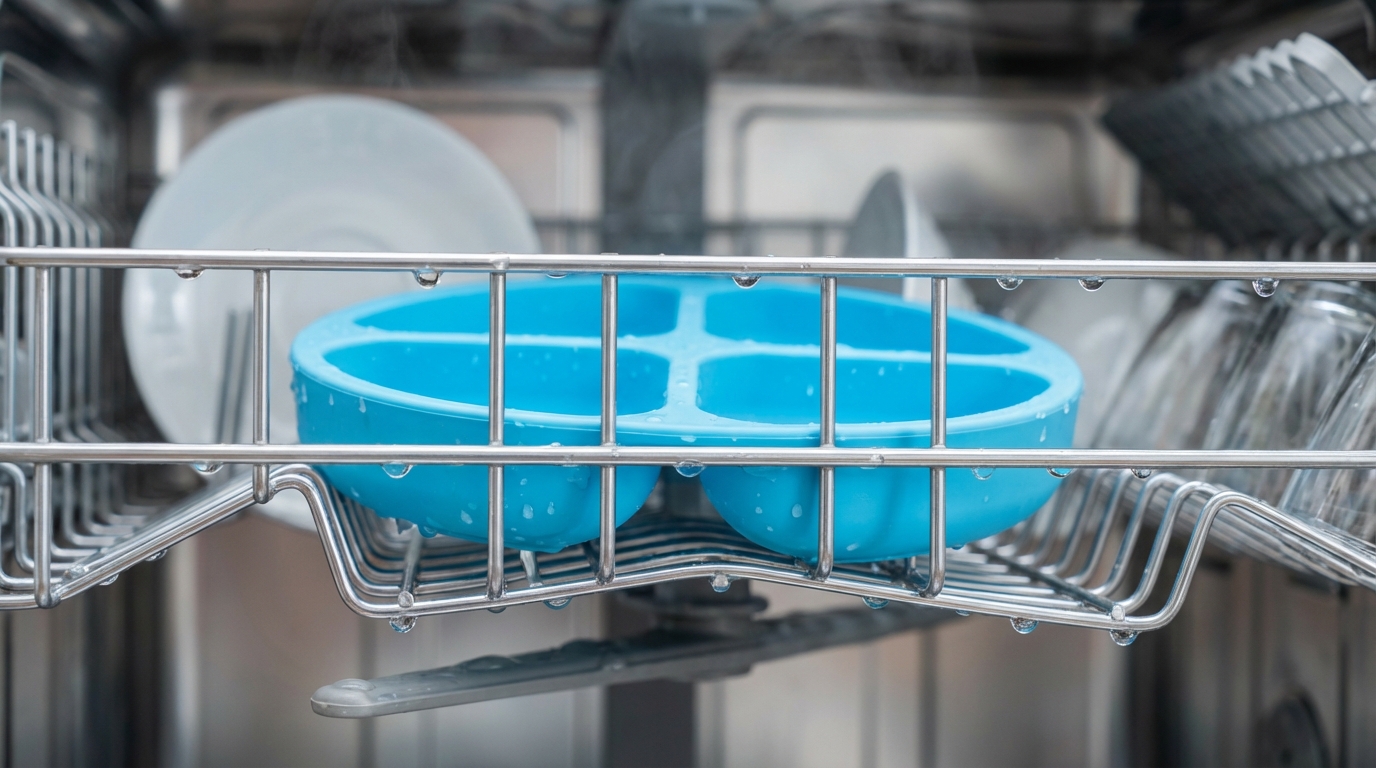
Can silicone go in the dishwasher if it contains metal?
Yes, provided the metal is stainless steel or specifically treated to be corrosion-resistant. When assessing if can silicone go in the dishwasher for hybrid parts, the focus shifts to the quality of the bond and the metal grade used.
How do overmolded components react to water?
It gets better: professional overmolding creates a hermetic seal that prevents water from ever reaching the metal core. This prevents the internal rust that often destroys cheaper kitchen tools.
- High-strength chemical bonding at the interface.
- Compatible rates of thermal expansion.
- Full encapsulation of metal inserts.
This engineering approach ensures that ergonomic handles and rigid cores remain sanitary and functional.
Is there a risk of rust or delamination?
Rust only becomes a risk if the silicone coating is punctured or if the manufacturing process was flawed. High-quality silicone products use 304 or 316 stainless steel to ensure total dishwasher compatibility.
Key Takeaway: Hybrid silicone items are dishwasher-safe only if the secondary material is also rated for high-moisture environments.
| Component | Material Risk | Solution |
|---|---|---|
| Silicone | None | Quality sourcing |
| Metal Core | Rust | Stainless Steel |
| Plastic Core | Melting | High-temp Nylon/PPS |
Ensuring material compatibility at the design stage is the key to creating a truly dishwasher-safe product.
What are common myths about silicone and dishwashers?
One common myth is that silicone will absorb the taste of your dishwasher detergent and ruin your food. While can silicone go in the dishwasher is a certainty, the “soap taste” is actually a result of low-quality fillers found in “knock-off” silicone.
Does silicone really absorb soap flavors?
The truth is, pure platinum-cured silicone is non-porous and cannot absorb scents or flavors. If you notice a smell, it is usually a thin film of hard water minerals or grease on the surface, not the silicone itself.
- Use high-purity, filler-free silicone.
- Avoid highly scented “lemon” or “floral” detergents.
- Periodically use a vinegar rinse to strip surface films.
High-grade silicone remains chemically neutral throughout its entire operational lifespan.
Will silicone melt if it hits the heating element?
Believe it or not, silicone will not melt even if it falls directly onto the heating element; it will eventually char or smoke, but it won’t turn into a liquid mess. This is a significant safety advantage over plastic, which can ruin the machine if it melts.
Key Takeaway: Most “issues” with silicone in the dishwasher are caused by low-quality material additives rather than the silicone itself.
| Myth | Reality | Root Cause |
|---|---|---|
| Soap Taste | Surface residue | Low-grade fillers |
| Melting | Charring | High thermal limit |
| Warping | Stability | Inorganic backbone |
Dispelling these myths helps businesses and consumers trust silicone as a premium, low-maintenance material.
What cleaning alternatives exist for delicate silicone?
While can silicone go in the dishwasher is the preferred method, handwashing with warm, soapy water is always a safe alternative. This is particularly useful for very small items that might get lost in the machine’s filter or for quick-turnaround needs.
When should you choose handwashing instead?
Think of it this way: if you only have one item to clean, handwashing is faster and more energy-efficient. It also allows you to pay close attention to complex textures or deep recesses in custom molds.
- Use a soft sponge to preserve the surface finish.
- Mild dish soap is sufficient for most residues.
- Air dry or use a microfiber cloth to prevent lint.
Handwashing remains the most accessible method for daily maintenance of small batches.
Is boiling an effective sterilization method?
Boiling is the ultimate alternative to the dishwasher for items that require 100% sterilization, such as infant care products. Silicone can withstand 212°F indefinitely, making boiling water an easy way to ensure total hygiene.
Key Takeaway: Silicone’s ability to handle both machine washing and boiling water makes it the most hygienic material for sensitive applications.
| Method | Best For | Level of Clean |
|---|---|---|
| Dishwasher | Bulk efficiency | High |
| Handwash | Single items | Moderate |
| Boiling | Sterilization | Extreme |
The flexibility in cleaning methods is a major selling point for silicone products across all sectors.
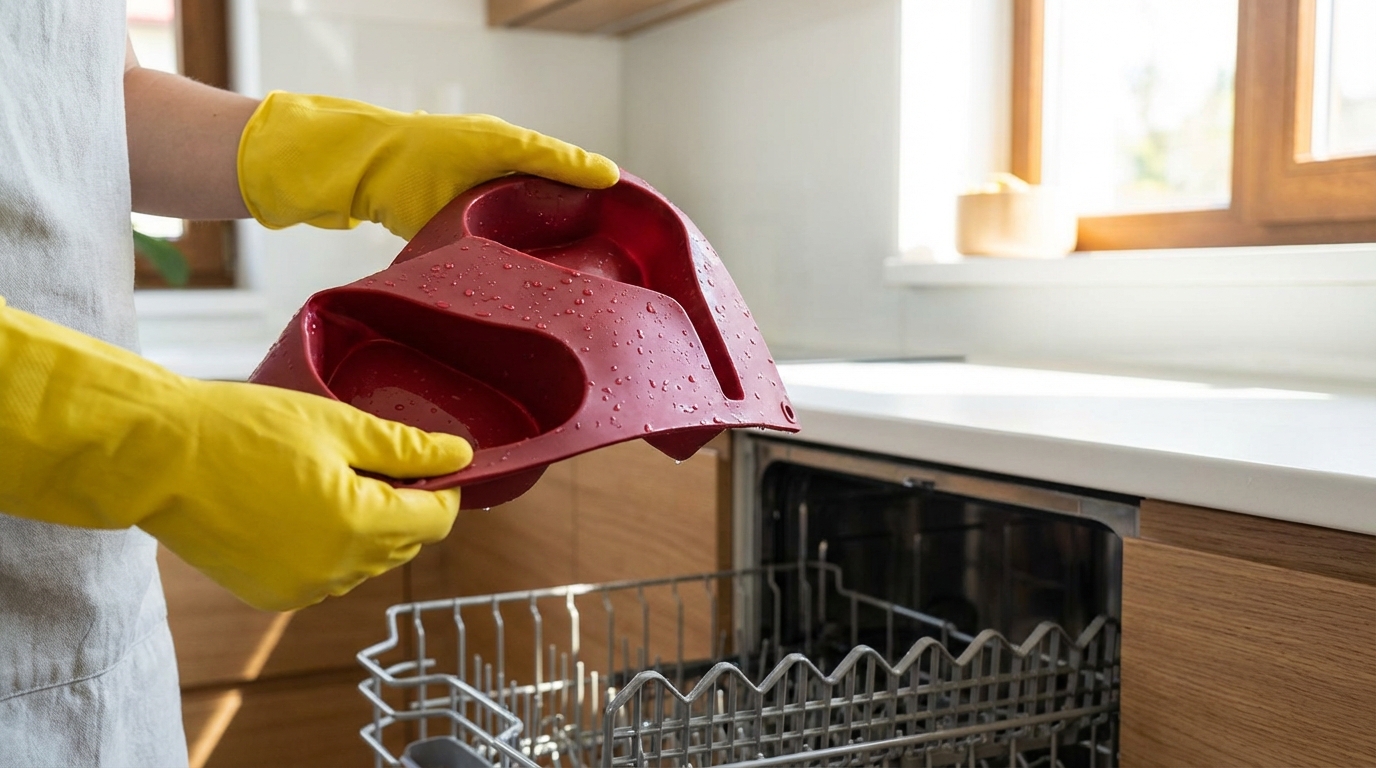
Why prioritize dishwasher-safe silicone for your brand?
In the B2B landscape, “dishwasher safe” is a critical certification that significantly increases the marketability of your product line. When buyers ask can silicone go in the dishwasher, they are looking for reassurance that the product will not be a liability in terms of maintenance.
How does washability drive B2B sales?
But wait, there’s more: retailers and distributors prioritize products that reduce consumer complaints and returns. A product that fails in the dishwasher is a major brand risk, which is why sourcing high-purity silicone is essential.
- Increases perceived value and quality.
- Simplifies user instructions and care guides.
- Meets the expectations of modern, busy consumers.
Washability is no longer a luxury feature; it is a fundamental requirement for modern kitchen and medical tools.
Can custom manufacturing ensure dishwasher safety?
Yes, by partnering with a specialized manufacturer like HuaLin, you can ensure your products are engineered for repeated machine washing from day one. Our DFM (Design for Manufacturing) services help you avoid water traps and optimize material thickness for maximum durability.
Key Takeaway: Investing in superior material grades and proper engineering is the only way to guarantee a truly dishwasher-safe product.
| Strategy | Action | Outcome |
|---|---|---|
| Material | Platinum-cured | No odors |
| Design | DFM Review | No water traps |
| Process | Precision Molding | Long life |
Choosing the right manufacturing partner is the final step in bringing a high-performance, easy-to-clean product to market.
*
Conclusion
Silicone’s remarkable ability to withstand the harsh environment of a dishwasher makes it a cornerstone material for modern product development. Its unique blend of thermal stability, chemical inertness, and physical durability ensures that your products remain safe, hygienic, and aesthetically pleasing for years to come. At HuaLin, we are dedicated to helping our B2B partners leverage these properties to create market-leading solutions that stand the test of time. Our vision is to empower global brands with the highest precision silicone components, backed by world-class manufacturing standards. If you are looking to enhance your product durability and market appeal, contact us today for a professional consultation and custom quote.
*
FAQ
Can I put silicone baking mats in the dishwasher?
Yes, they are 100% safe. Simply drape them over the tines of the rack to ensure both sides are cleaned by the spray arms.
What’s the best way to remove white spots on silicone?
A judgment of “simple maintenance” applies here. White spots are usually mineral deposits from hard water; soak the item in a 1:1 mixture of water and vinegar to dissolve them instantly.
Can I wash silicone phone cases in the machine?
Yes, as long as it is a pure silicone case. If the case has a rigid plastic frame or a fabric lining, you should stick to handwashing to avoid delamination.
Can I sanitize silicone baby toys in the dishwasher?
Yes, this is highly recommended for safety. Use the top rack and a mild detergent to ensure the toys are sterilized without being exposed to direct heat.
What happens if silicone falls onto the heating element?
It will remain solid. Unlike plastic, silicone will not melt into a puddle, though it may char if left for an extended period, so you should remove it as soon as the cycle ends.