
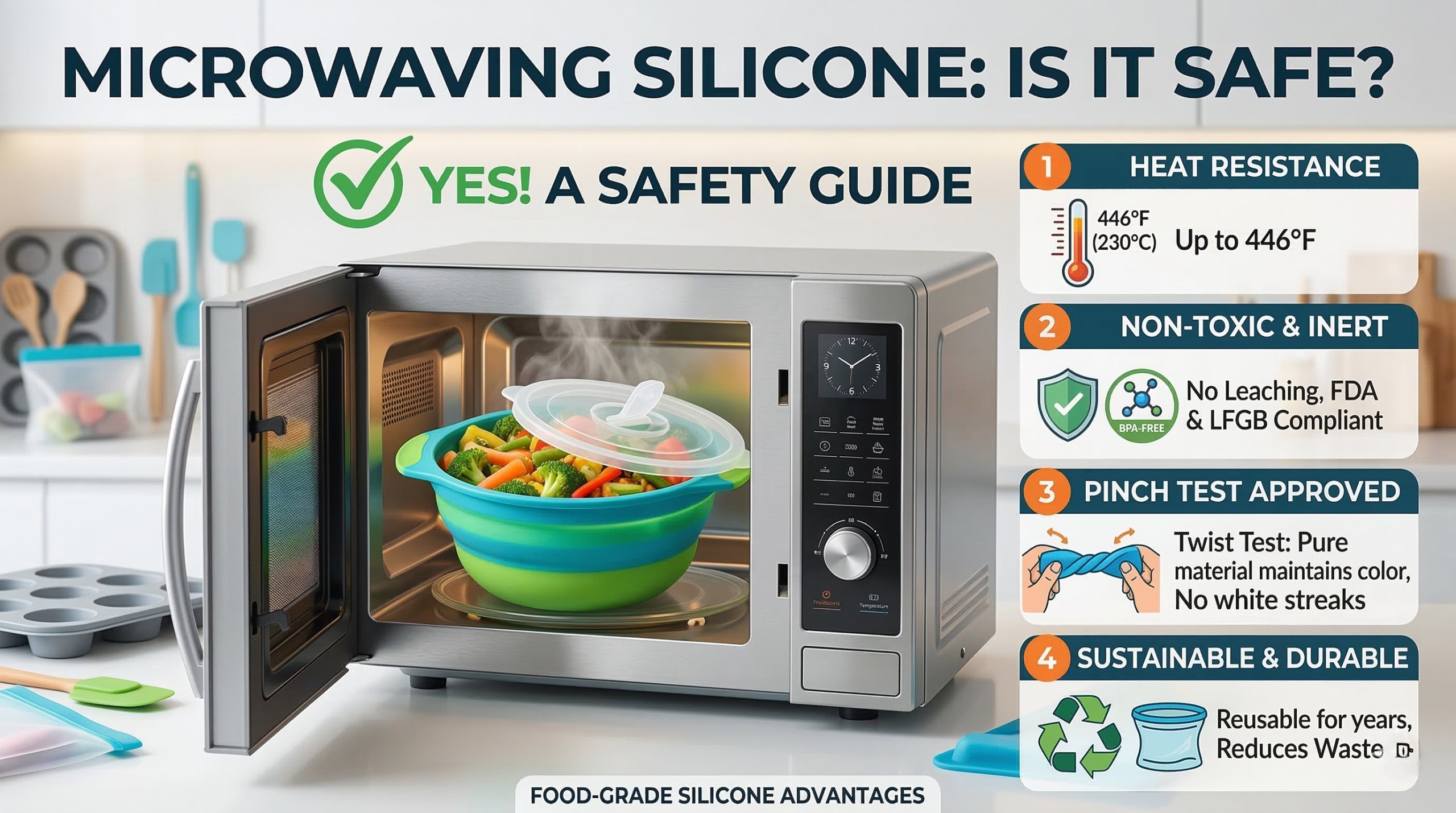
Yes, high-quality food-grade silicone is entirely safe to microwave because it is chemically stable and heat-resistant. Many professionals often wonder can you microwave silicone without risking chemical leaching or material degradation.
Traditional plastic containers frequently warp or release harmful endocrine disruptors like BPA when heated. This creates a significant health risk for your family and a logistics headache for your kitchen. By switching to premium silicone, you eliminate these toxic concerns while gaining a durable, multi-purpose tool that thrives under high heat.
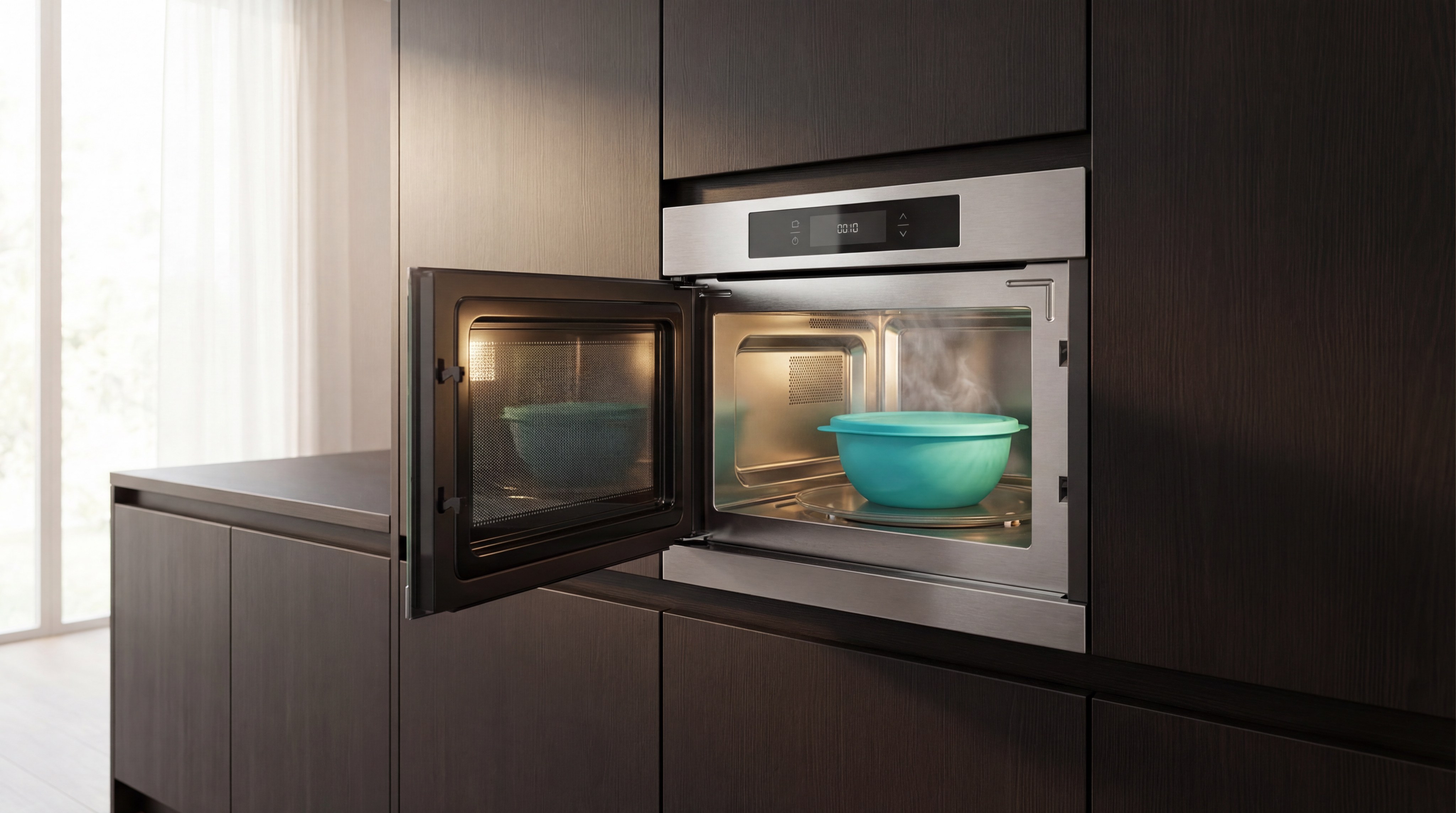
What makes silicone safer than plastic containers?
Silicone features a unique siloxane backbone that is far more stable than the carbon chains found in petroleum-based plastics. When discussing if can you microwave silicone, it is important to realize that this material does not require toxic plasticizers.
Is silicone a natural material?
While technically synthetic, silicone is derived from silica, which is found in common sand. This inorganic origin allows it to resist the chemical breakdown that plagues standard plastic products.
Here is the deal:
- It uses a silicon-oxygen backbone.
- It lacks harmful petroleum fillers.
- It remains flexible without added chemicals.
Key Takeaway: Choosing silicone ensures your containers are built from stable elements that won’t compromise food safety during high-temperature reheating.
| Feature | Plastic | Food-Grade Silicone |
|---|---|---|
| Primary Base | Petroleum/Carbon | Silica/Silicon |
| Toxicity | May contain BPA/Phthalates | Naturally BPA-free |
| Heat Resistance | Low (Warps easily) | High (Up to 446°F) |
This comparison highlights why silicone’s molecular structure is superior for thermal applications.
Can you microwave silicone without it melting?
Yes, food-grade silicone is engineered to withstand temperatures up to 446°F (230°C) without losing its structural integrity. You can easily determine that can you microwave silicone by checking the thermal rating on the bottom of the product.
Does silicone deform under high heat?
Silicone maintains its shape and flexibility even after hundreds of microwave cycles. Unlike plastic, it does not become brittle or “sticky” when exposed to localized hot spots.
Think about this:
- It handles temperatures from -40°F to 446°F.
- It does not absorb microwave radiation.
- It cools down faster than glass or ceramic.
Key Takeaway: The high thermal ceiling of silicone makes it one of the most reliable materials for rapid reheating and steam cooking.
| Property | Value |
|---|---|
| Max Temperature | 446°F (230°C) |
| Min Temperature | -40°F (-40°C) |
| Structural Status | Non-deforming |
Reliable thermal stability ensures your kitchenware remains safe and functional over years of heavy use.
Is food-grade silicone really non-toxic?
High-grade silicone is chemically inert, meaning it will not react with your food or release fumes when heated. Many users ask if can you microwave silicone because they fear the “plastic smell” often associated with cheap kitchenware.
Does silicone leach chemicals into food?
Pure silicone is non-porous and does not contain BPA, lead, or phthalates. This ensures that no matter how long you heat your meal, the chemical profile of your food remains unchanged.
But here’s the kicker:
- It is FDA and LFGB compliant.
- It is hypoallergenic and hygienic.
- It resists bacteria and mold growth.
Key Takeaway: The inert nature of silicone guarantees that your family’s health is protected from the invisible chemical migration common in other materials.
| Certification | Standard Requirement |
|---|---|
| FDA | Generally Recognized as Safe (GRAS) |
| LFGB | Strict European non-leaching test |
| Purity | No toxic fillers or heavy metals |
Material purity is the foundation of a safe, healthy, and high-performance modern kitchen.
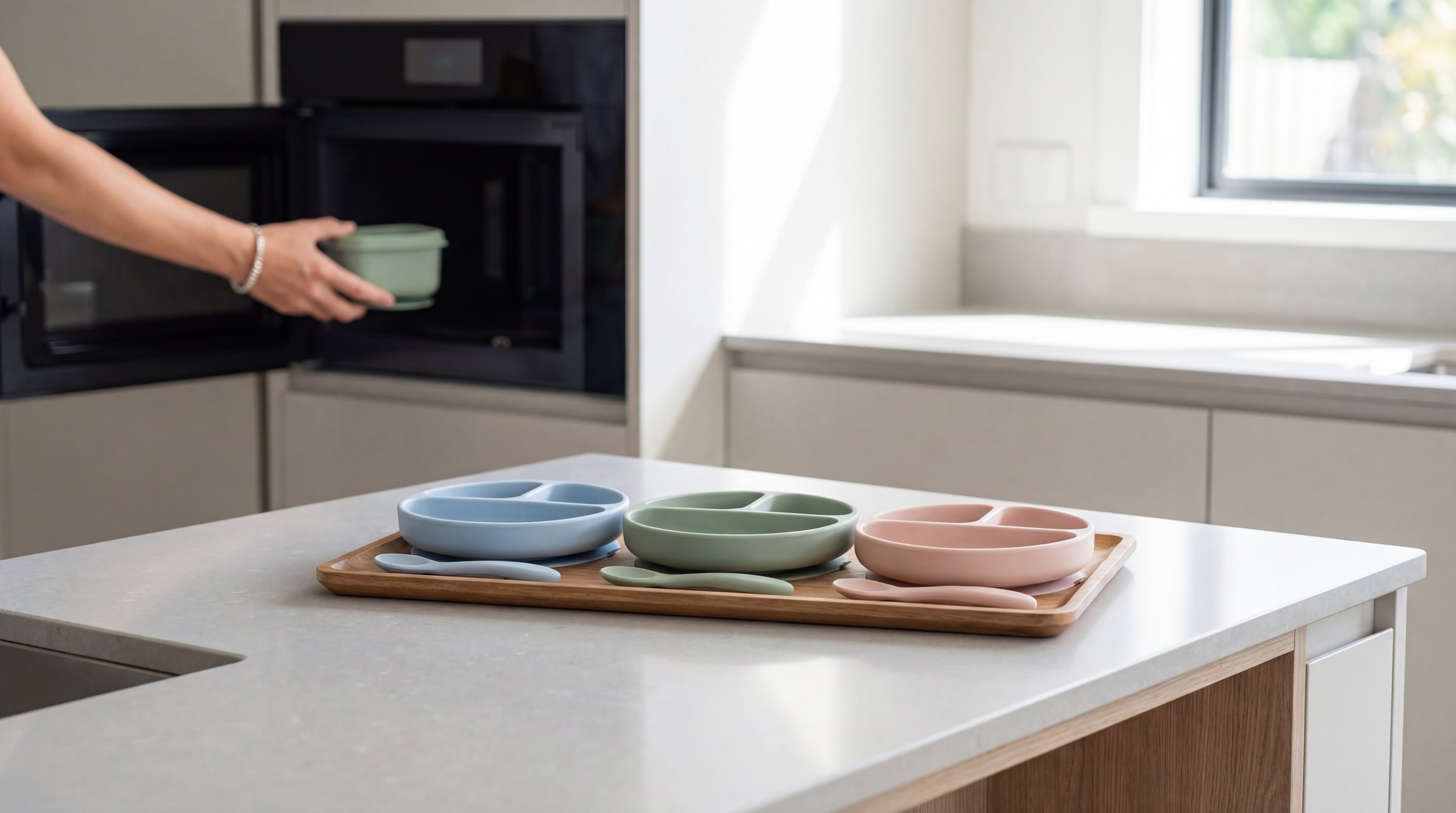
How do microwaves interact with silicone?
Microwave radiation passes directly through silicone without heating the material itself, focusing energy solely on the food. This transparency is a primary reason why can you microwave silicone effectively for even cooking.
Does the container get hot?
While the silicone doesn’t absorb radiation, it will become warm through heat conduction from the food inside. However, its low thermal conductivity makes it much safer to handle than scorching-hot glass or ceramic.
You might be wondering:
- Silicone is radiation-transparent.
- It encourages faster, more even heating.
- It provides a natural “cool-touch” edge.
Key Takeaway: Using radiation-transparent containers maximizes microwave efficiency and reduces the risk of accidental contact burns.
| Interaction | Result |
|---|---|
| Radiation Absorption | Zero to Minimal |
| Heating Method | Conduction from food |
| Safety Level | High handling safety |
Understanding the physics of microwave transparency helps you optimize your cooking times and safety protocols.
Which safety standards should you look for?
You should always look for “Food Grade” labels and certifications from the FDA or the more stringent European LFGB. When verifying if can you microwave silicone, these stamps of approval indicate the material has passed rigorous purity testing.
Is platinum-cured silicone better?
Platinum-cured silicone is the industry gold standard because it uses a noble metal catalyst rather than peroxides. This results in a finished product that is odorless, more durable, and completely free of volatile organic compounds.
The best part?
- Platinum curing leaves no chemical residue.
- It produces a clearer, more flexible part.
- It exceeds standard FDA safety requirements.
Key Takeaway: Investing in platinum-cured silicone ensures you are using the cleanest possible material for food contact and heating.
| Standard | Benefit |
|---|---|
| FDA | Basic US food safety compliance |
| LFGB | Higher purity (No odor/taste transfer) |
| Platinum-Cured | Highest durability and chemical purity |
High-end certifications provide the necessary peace of mind when sourcing silicone for sensitive applications like baby feeding.
Can you use silicone lids in the microwave?
Yes, silicone lids are excellent for preventing splashes, provided you allow a small gap for steam to escape. Many people find that they can you microwave silicone lids to create a perfect seal for steaming vegetables quickly.
How do you prevent pressure build-up?
If a lid is sealed completely, expanding steam can cause it to pop or create a dangerous vacuum. Always vent the lid or use a design with a built-in steam valve to ensure safety.
That’s not all:
- Lids prevent messy microwave splatters.
- They help retain moisture in dry foods.
- They replace wasteful single-use plastic wraps.
Key Takeaway: Silicone lids are a sustainable and effective way to steam-cook food while keeping your microwave interior clean.
| Lid Usage | Best Practice |
|---|---|
| Splatter Control | Cover completely but leave a vent |
| Steaming | Use a built-in valve for moisture retention |
| Storage | Create an airtight seal (cold only) |
Proper venting is the only requirement for turning a standard silicone lid into a powerful microwave tool.
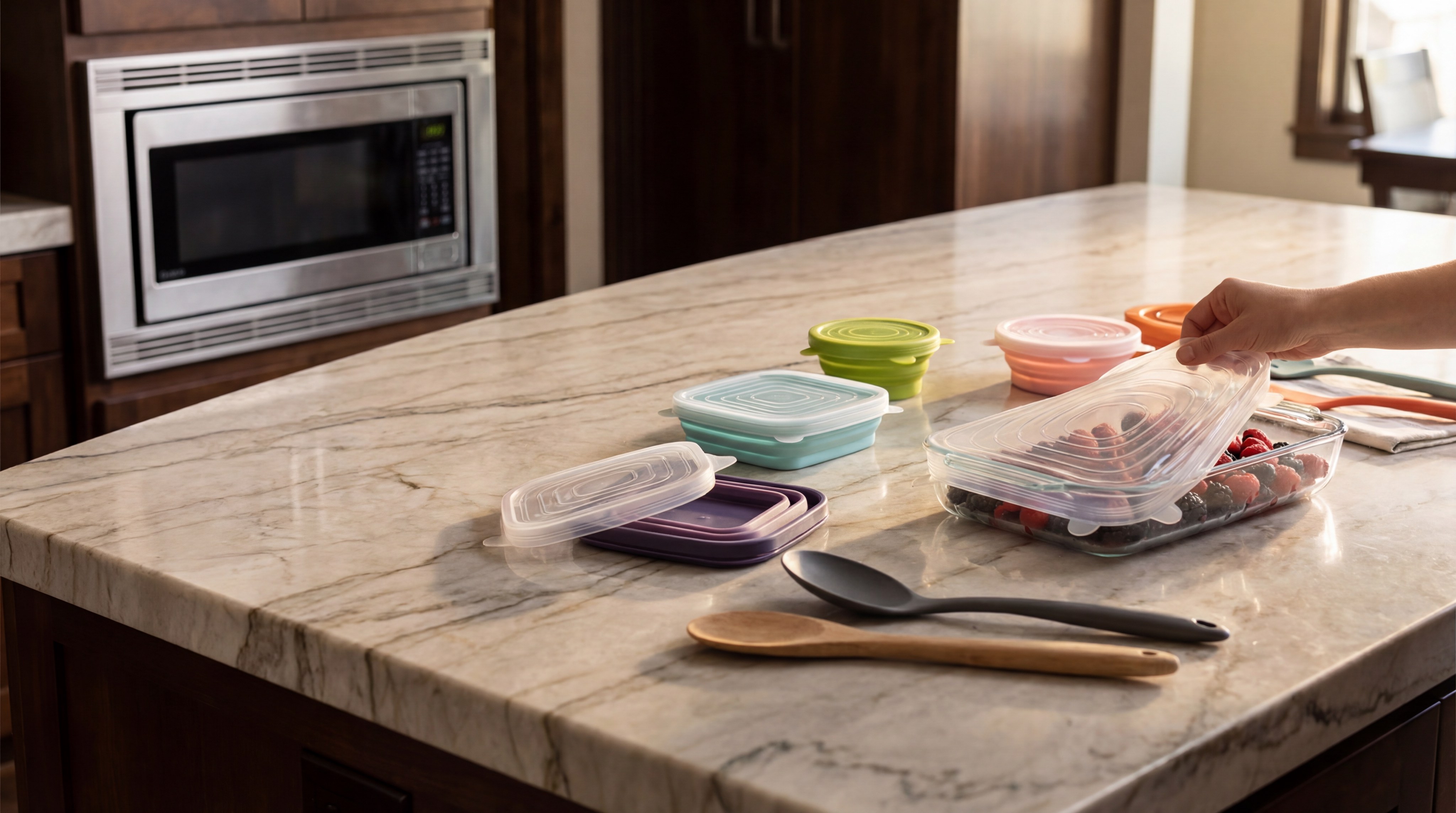
How can you identify harmful chemical fillers?
You can perform the “pinch test” by twisting a flat surface of the silicone to see if any white streaks appear. If you are unsure if can you microwave silicone from a cheap source, white streaks usually indicate the presence of low-quality plastic fillers.
Why are fillers dangerous?
Chemical fillers like calcium carbonate can degrade when heated, causing the container to crack or leach unknown substances. Pure silicone will maintain its solid color throughout the pinch and twist motion.
Here is the deal:
- Pure silicone does not change color when twisted.
- Fillers often cause a “chemical” smell when heated.
- Low-quality silicone is often stiff rather than supple.
Key Takeaway: Always use the pinch test to verify material purity before placing any new silicone product into your microwave.
| Test Type | Pure Silicone Result | Filler Silicone Result |
|---|---|---|
| Pinch/Twist Test | Uniform solid color | Visible white streaks |
| Heat Odor | Completely odorless | “Plastic” or “Burnt” smell |
| Flexibility | Very soft and elastic | Rigid or brittle texture |
Identifying fillers is the first step in eliminating hidden toxins from your kitchen environment.
Will silicone affect the flavor of your meals?
No, high-quality silicone is non-porous and odorless, ensuring it does not absorb or transfer flavors between different dishes. This is a significant advantage when you can you microwave silicone for pungent foods like garlic or curry.
Is silicone resistant to acidic foods?
Unlike aluminum or certain plastics, silicone does not react with acidic ingredients like tomatoes or citrus. You can reheat pasta sauce repeatedly without worrying about the container staining or affecting the sauce’s acidity.
Check this out:
- It does not stain from red sauces.
- It won’t retain the smell of fish or onions.
- It is safe for marinating and reheating.
Key Takeaway: The non-reactive surface of silicone keeps your food tasting exactly as intended, regardless of the ingredients used.
| Interaction | Performance |
|---|---|
| Flavor Transfer | Non-existent in high-grade silicone |
| Acid Resistance | Excellent (No pitting or corrosion) |
| Odor Retention | Extremely low / Easy to wash away |
Maintaining the sensory integrity of your meals is effortless when using high-performance silicone.
How should you care for silicone kitchenware?
Silicone is exceptionally easy to maintain as it is naturally non-stick and safe for the top or bottom rack of any dishwasher. While can you microwave silicone safely, proper cleaning ensures that no oil residue builds up over time.
How do you remove sticky residue?
Occasionally, fats from food can create a thin film on the surface. A simple paste of baking soda and water applied for 30 minutes will strip away the oils and restore the silicone’s original feel.
Believe it or not:
- Silicone is 100% dishwasher safe.
- It can be boiled for deep sanitization.
- It resists stains better than most plastics.
Key Takeaway: Regular dishwasher cycles and occasional baking soda deep-cleans will keep your silicone looking and feeling brand new.
| Maintenance | Frequency |
|---|---|
| Standard Washing | After every use (Dishwasher safe) |
| Deep Sanitizing | Monthly (Boiling water) |
| Oil Removal | As needed (Baking soda paste) |
Simple maintenance routines extend the life of your silicone tools while ensuring maximum hygiene.
Is silicone better for the environment?
Yes, silicone is a far more sustainable choice than single-use plastics because it is incredibly durable and lasts for years. By learning that you can you microwave silicone indefinitely, you reduce the demand for disposable containers that end up in landfills.
Is silicone recyclable?
While it is not typically accepted in curbside bins, silicone can be sent to specialized facilities to be ground down into playground mulch or industrial oils. This gives it a second life far beyond the capabilities of most plastic waste.
It gets better:
- One silicone bag replaces 5,000+ plastic bags.
- It is ocean-safe and won’t shed microplastics.
- It is highly durable and resists cracking.
Key Takeaway: Choosing silicone is a powerful step toward a zero-waste lifestyle, combining personal safety with environmental responsibility.
| Eco-Factor | Performance |
|---|---|
| Lifespan | 5-10+ years |
| Microplastics | Zero (Different chemical structure) |
| Waste Reduction | Replaces thousands of single-use items |
Transitioning to silicone products significantly lowers your household’s plastic footprint while improving meal prep safety.
Ensuring safety in the kitchen shouldn’t be a guessing game. By switching from traditional plastics to food-grade silicone, you eliminate the risks of chemical leaching, material warping, and environmental waste. At Hualin Silicone, we provide high-precision, ISO-certified manufacturing solutions to help you bring safe, durable, and non-toxic silicone products to market. We believe that quality starts at the molecular level, and we are committed to engineering products that protect both the user and the planet. To learn more about our custom manufacturing capabilities or to start your next project, contact us today.
Frequently Asked Questions
Can I put a silicone bag in the microwave?
Yes, it is perfectly safe as long as the bag is unsealed or vented. Leaving the bag sealed can cause pressure to build up from steam, potentially leading to a burst.
What’s the best way to tell if my silicone is microwave safe?
Check the bottom of the container for the microwave symbol (three wavy lines). You should also verify it is labeled “Food Grade” to ensure it contains no harmful fillers.
How do I know if my silicone is high quality?
Perform the pinch test by twisting the material; if white streaks appear, it likely contains chemical fillers. High-quality, pure silicone will maintain its solid color regardless of the stress applied.
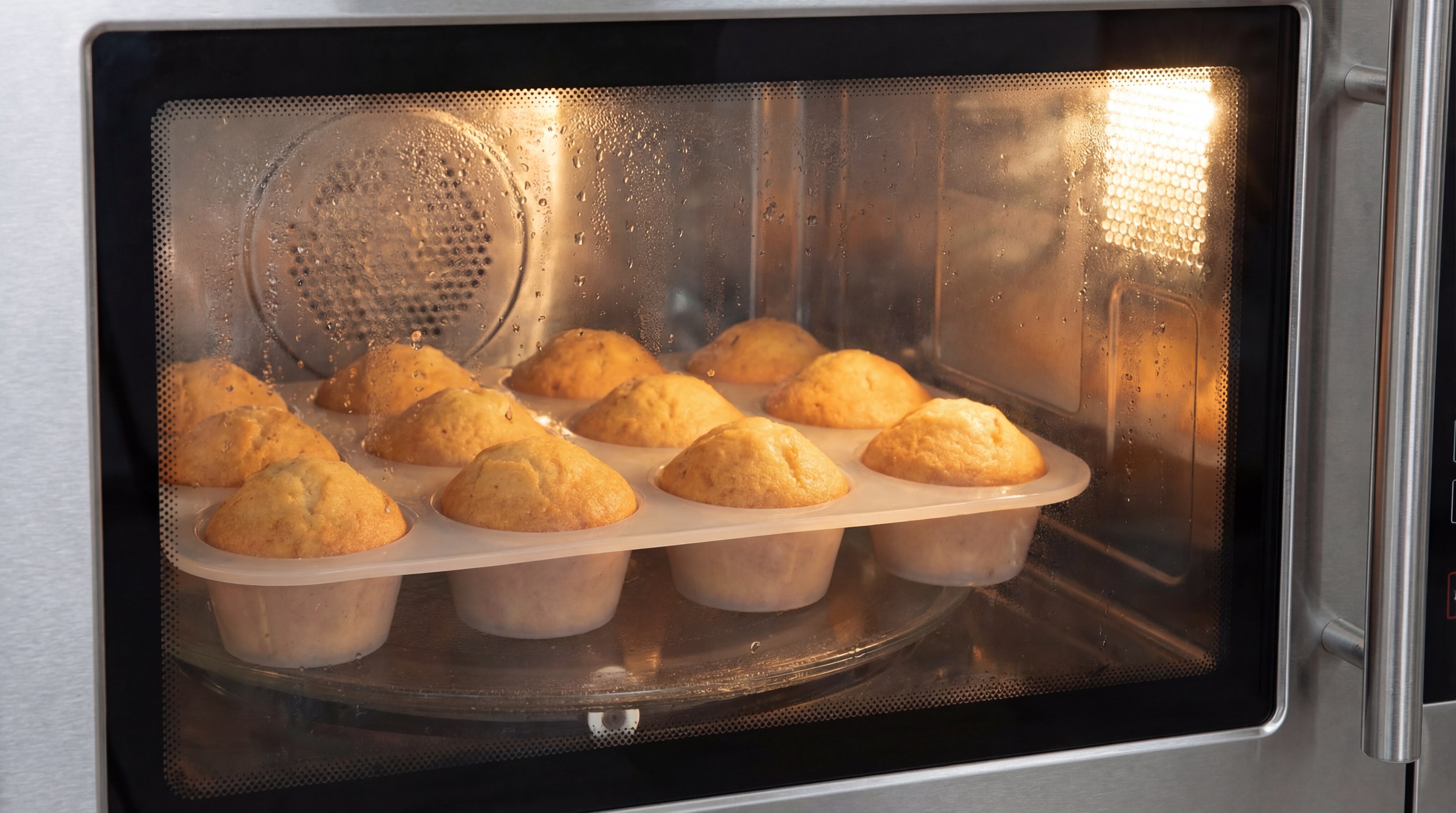
Can I use silicone bakeware in a convection microwave?
Yes, silicone is heat-resistant up to 446°F, making it suitable for both microwave and oven settings. Just ensure you do not use the “broil” function, which can exceed the material’s safety limit.
Can silicone melt if it touches the microwave walls?
No, silicone will not melt from simple contact with the interior walls. It only begins to degrade at temperatures far higher than a standard microwave can reach through air contact alone.