
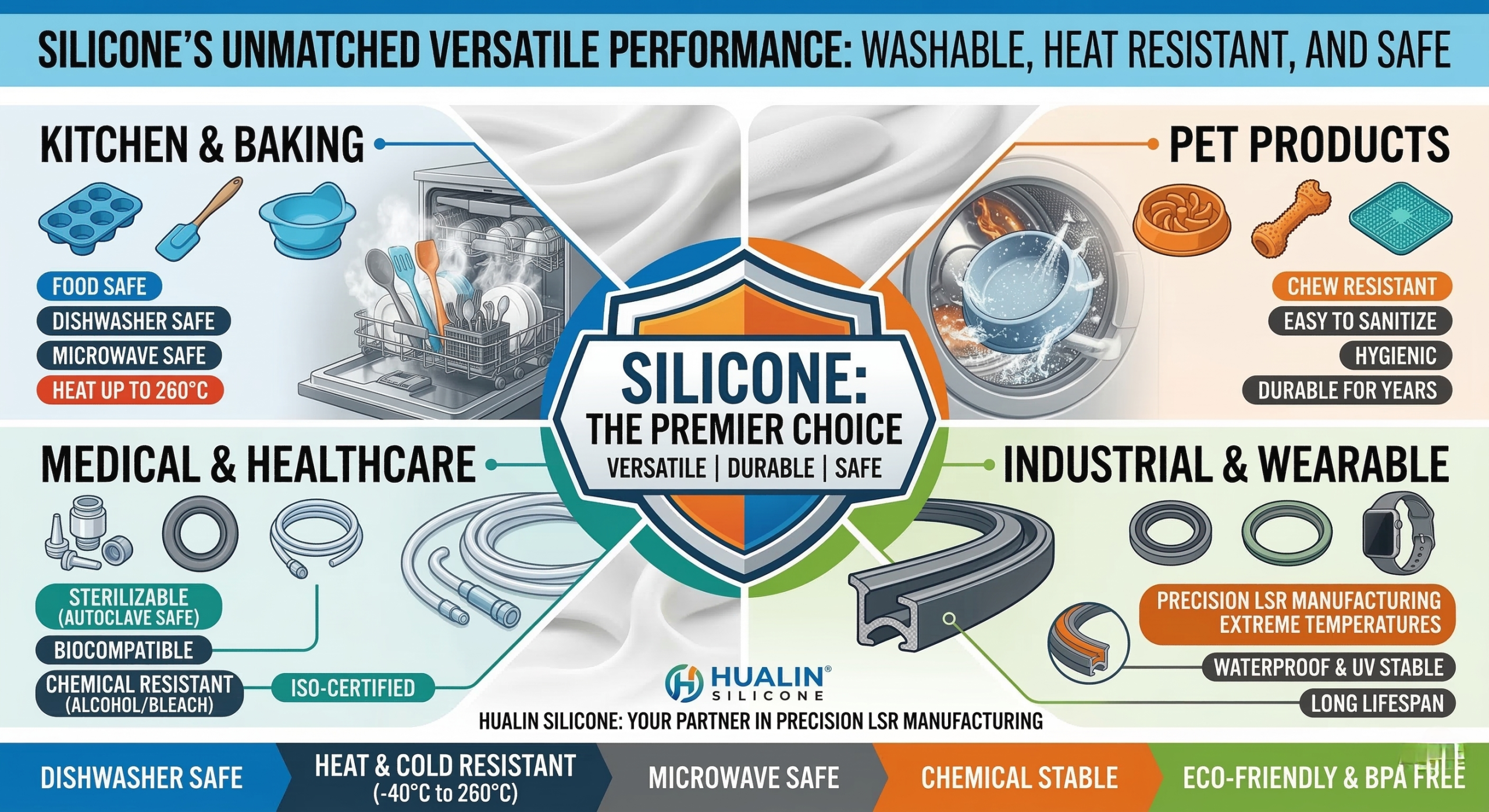
Yes, high-quality silicone products are 100% washable, dishwasher safe, and capable of resisting extreme temperatures ranging from -40°C to 260°C. Many businesses face the dilemma of choosing materials that can survive rigorous sterilization without warping or leaching harmful chemicals. If you rely on traditional plastics, high-heat environments often lead to brittle failures and costly inventory replacements. By switching to premium liquid silicone rubber, you ensure your products maintain structural integrity when you ask can silicone go in the dishwasher.
Can silicone go in the dishwasher every time?
Silicone is highly durable and can withstand the standard high-temperature steam and pressurized water cycles of a dishwasher without degrading. You do not have to worry about the material losing its non-stick properties or flexible texture even after hundreds of wash cycles. Whether you are cleaning consumer kitchenware or industrial components, the question of can silicone go in the dishwasher is met with a definitive yes.
What are the safety levels?
Here is the deal: standard silicone remains chemically inert during the washing process. Unlike plastics, it does not release BPA or phthalates when exposed to detergent.
- Non-porous surface resists bacteria.
- Withstands heavy-duty cycles.
- Remains stable in steam.
How does steam impact it?
But wait: high-temperature steam actually helps sanitize the surface further. The moisture does not penetrate the material, preventing the growth of mold or mildew.
| Feature | Performance |
|---|---|
| Water Resistance | 100% Waterproof |
| Detergent Stability | Highly Resistant |
| Cycle Longevity | 1000+ Cycles |
The structural density of silicone prevents water absorption during high-pressure sprays.
Key Takeaway: Using a dishwasher for silicone cleaning maximizes hygiene while saving labor costs without risking material deformation.
How much heat can silicone products withstand?
Premium silicone products are engineered to thrive in extreme heat, typically maintaining stability up to 260°C (500°F). Because the polymer backbone is composed of siloxane bonds, it possesses a thermal resistance far superior to organic rubbers. Every time you consider can silicone go in the dishwasher, remember that its heat threshold is much higher than any residential or commercial cleaning appliance.
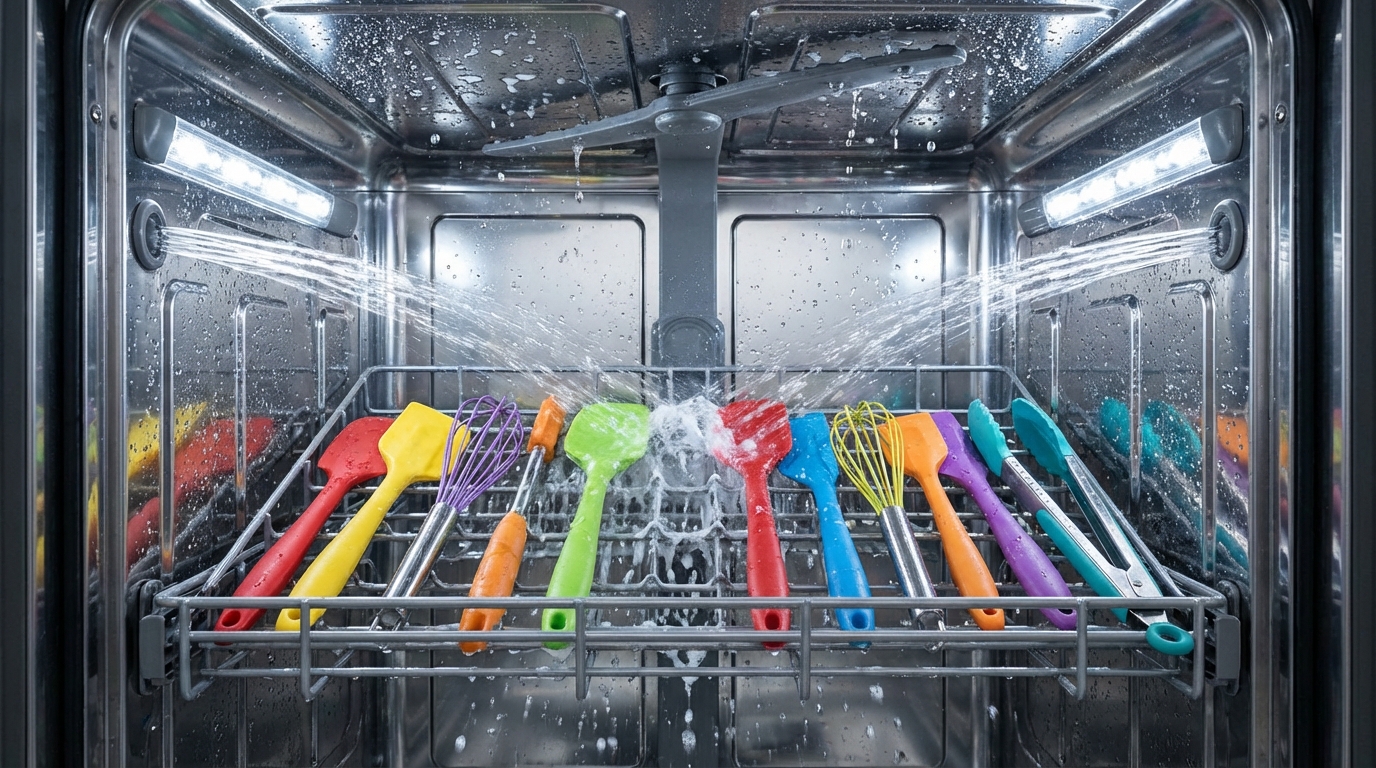
Is it safe for baking?
Look at it this way: silicone is the gold standard for modern bakeware. It distributes heat evenly across the surface to ensure consistent results.
- Safe up to 260°C.
- Even heat distribution.
- Rapid cooling after removal.
Can it handle direct fire?
But wait: while it resists high heat, you must never place silicone over an open flame. Direct fire exceeds the material’s thermal limits and will cause damage.
| Heat Type | Limit (°C) | Result |
|---|---|---|
| Radiant Heat | 260 | Stable |
| Convection Heat | 260 | Stable |
| Open Flame | N/A | Degradation |
Thermal stability allows for versatile applications in both commercial kitchens and high-heat industrial manufacturing environments.
Key Takeaway: High heat resistance makes silicone a safer, more reliable alternative to plastic for any thermal application.
Is silicone safe for use in the freezer?
Silicone maintains its incredible flexibility and strength even in sub-zero environments as low as -40°C. It does not become brittle or crack when frozen, making it ideal for food storage and medical transport. When analyzing can silicone go in the dishwasher and then the freezer, the material transition is seamless and safe.
Does it remain flexible?
The truth is: silicone’s molecular structure allows it to stay pliable regardless of the temperature drop. This prevents the “stress whitening” common in frozen plastic containers.
- Resists cracking.
- Easy contents release.
- No cold-induced odors.
Can it prevent material failure?
Look at it this way: choosing a material that survives the freeze-thaw cycle is critical for product longevity. Silicone provides a consistent performance that reduces waste.
| Temperature | State | Impact |
|---|---|---|
| 0°C | Flexible | None |
| -20°C | Flexible | None |
| -40°C | Flexible | Minimum Limit |
The low-temperature threshold ensures that seals and containers do not fail during critical storage phases.
Key Takeaway: Silicone’s sub-zero resilience ensures your products remain functional and durable in the most demanding cold-chain environments.
Can you put silicone in the microwave?
Silicone is completely microwave-safe because it does not absorb microwave radiation or reach dangerous temperatures on its own. It is an excellent choice for reheating food or sterilizing baby products quickly and efficiently. Even though you might wonder can silicone go in the dishwasher, its performance in the microwave is equally impressive.
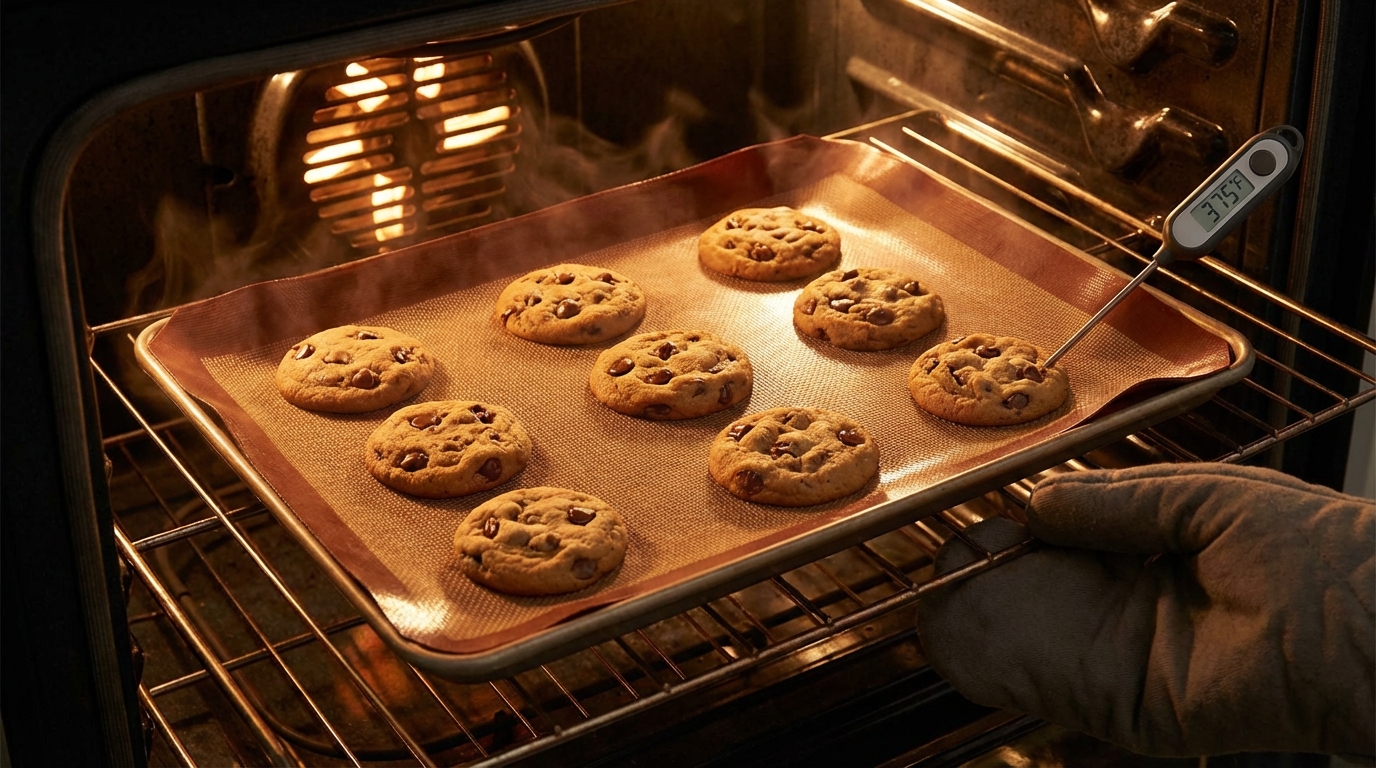
Is radiation a concern?
Here is the deal: silicone is transparent to microwave energy. This means only the food or liquid inside heats up, not the container itself.
- No chemical leaching.
- Stays cool to touch.
- BPA-free safety.
Is it safe for baby products?
But wait: the purity of the material is vital when heating items for infants. High-grade silicone ensures that no toxins migrate into milk or food.
| Standard | Microwave Safe | Food Grade |
|---|---|---|
| FDA | Yes | Yes |
| LFGB | Yes | Yes |
| REACH | Yes | Yes |
Compliance with international safety standards guarantees that microwave heating does not compromise the health of the end-user.
Key Takeaway: Microwave compatibility allows for fast, safe heating, making silicone the preferred material for modern, health-conscious consumer goods.
Are silicone pet products dishwasher safe?
Pet feeders and chew toys made of silicone are exceptionally easy to clean and fully compatible with dishwashers. This is vital for maintaining pet hygiene and removing saliva-borne bacteria or food residue effectively. When you ask can silicone go in the dishwasher, you are ensuring a germ-free environment for animals.
Can they handle heavy chewing?
Look at it this way: silicone is tough enough to survive both sharp teeth and the heavy-duty cycles of a cleaning machine. It retains its shape despite constant physical stress.
- High tear strength.
- Bite-resistant surface.
- Smooth finish for washing.
Are they easy to sanitize?
But wait: a quick rinse is often not enough to remove stubborn pet food oils. The dishwasher’s high heat ensures a deep clean that manual scrubbing misses.
| Product Type | Dishwasher Safe | Durability |
|---|---|---|
| Slow Feeders | Yes | 5+ Years |
| Chew Toys | Yes | High |
| Lick Mats | Yes | High |
The combination of bite resistance and washability makes silicone the superior choice for high-end pet product lines.
Key Takeaway: Dishwasher-safe pet products provide a significant selling point for owners who prioritize convenience and pet health.
Is medical silicone resistant to chemicals?
Medical-grade silicone is specifically formulated to resist harsh disinfectants like alcohol, bleach, and common cleaning chemicals. This resistance is crucial for devices that require frequent sterilization to meet strict healthcare hygiene standards. Even if you wonder can silicone go in the dishwasher, its ability to withstand chemical exposure is its true industrial strength.
Does it handle sterilization?
Here is the deal: silicone components can go through autoclave cycles or chemical baths without losing their tactile feedback or sealing properties.
- Alcohol resistant.
- Bleach compatible.
- Autoclave safe.
Is hygiene maintained?
But wait: the non-porous nature of silicone means that chemicals do not get trapped inside the material. This ensures that the device remains biocompatible and safe.
| Chemical Agent | Resistance Level | Integrity |
|---|---|---|
| Isopropyl Alcohol | Excellent | No Swelling |
| Sodium Hypochlorite | Excellent | No Fading |
| Hydrogen Peroxide | High | Stable |
Maintaining material integrity under chemical stress prevents premature failure of critical medical interfaces and seals.
Key Takeaway: Chemical resistance ensures that medical devices remain sterile and functional throughout their entire service life, reducing replacement costs.
Does washing affect wearable silicone parts?
Wearable silicone parts, such as watch bands and fitness tracker seals, are designed to remain unaffected by daily washing or exposure to sweat. The material is hypoallergenic and maintains its smooth texture even after repeated contact with soap and water. When you check if can silicone go in the dishwasher, you see how well it handles moisture.
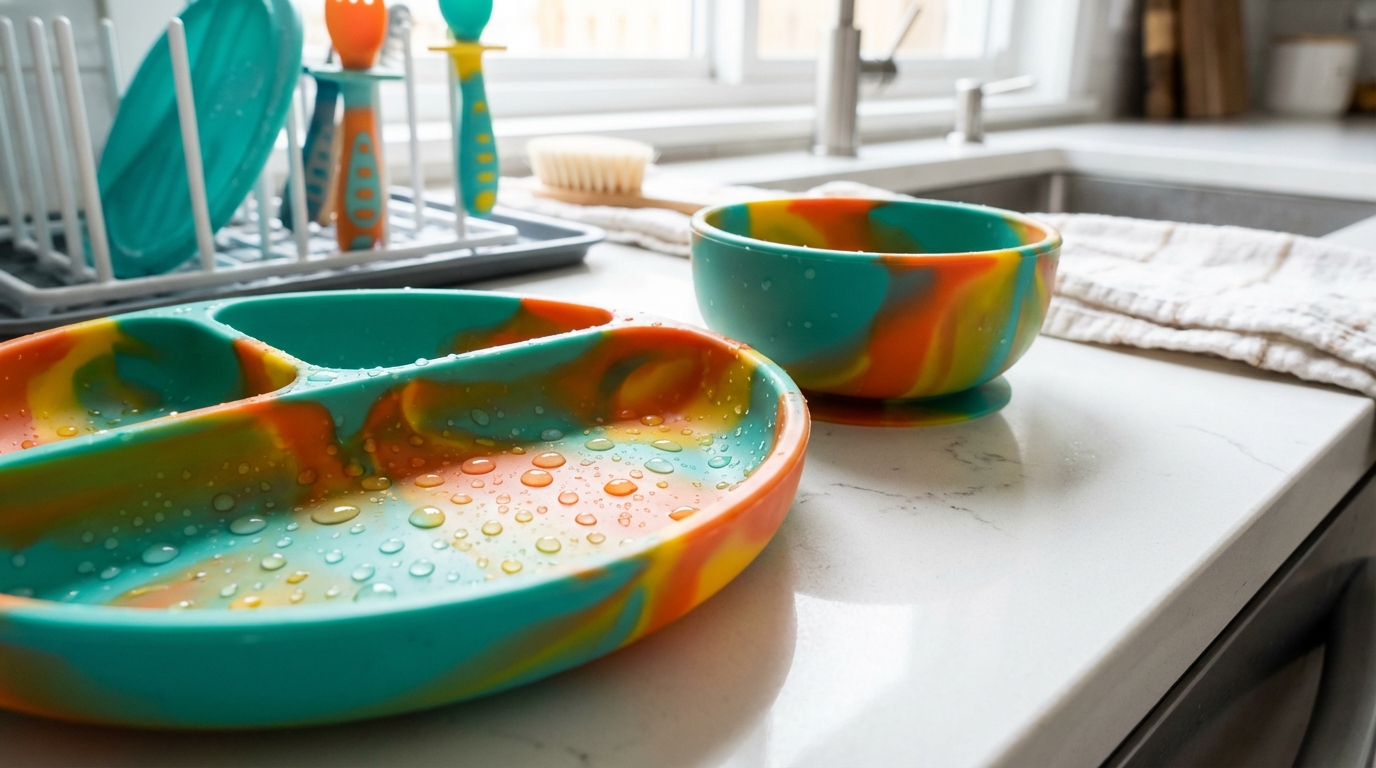
Are body oils a problem?
Look at it this way: silicone resists the corrosive effects of skin oils and perspiration. This prevents the material from becoming sticky or discolored over time.
- Sweat-resistant.
- Hypoallergenic.
- UV-stable colors.
Is the surface easy to maintain?
But wait: keeping wearables clean is essential for skin health. Silicone’s ease of washing ensures that no dirt or bacteria build up against the user’s skin.
| Usage Factor | Resistance | Skin Safety |
|---|---|---|
| Daily Wash | High | Safe |
| Salt Water | High | Safe |
| UV Exposure | High | Safe |
The resilience of wearable silicone ensures long-term comfort and aesthetic appeal for high-usage consumer electronics.
Key Takeaway: Easy maintenance and skin-safe properties make silicone the ideal material for products that require direct, prolonged body contact.
Why is silicone better than plastic?
Silicone is superior to plastic because it does not leach microplastics or toxins and offers a much longer lifespan under thermal stress. While plastic often cracks or warps when heated, silicone remains flexible and safe for food and medical contact. You might ask can silicone go in the dishwasher, but the real question is why you would ever use plastic again.
Does it leach microplastics?
The truth is: silicone is a large, stable molecule that does not shed particles into your food or the environment. It is an eco-friendly alternative to single-use plastics.
- No BPA or phthalates.
- No microplastic shedding.
- Environmentally inert.
What about long-term durability?
But wait: while plastic products often need replacing within a year, silicone items can last for five years or more. This creates better value for both manufacturers and consumers.
| Attribute | Silicone | Plastic |
|---|---|---|
| Heat Limit | 260°C | ~100°C |
| Lifespan | 5+ Years | 1 Year |
| Safety | High | Variable |
Choosing silicone over plastic reduces environmental impact while providing a more durable, premium feel for your product line.
Key Takeaway: Switching to silicone enhances your brand’s reputation for quality and safety while meeting modern sustainability goals.
How should you hand wash silicone items?
Hand washing silicone is simple and effective using standard dish soap and warm water to remove surface oils or residues. While most items are dishwasher safe, hand washing is sometimes preferred for delicate or oversized components. When you explore can silicone go in the dishwasher, you find that manual care is equally easy.
Is soap and water enough?
Here is the deal: because silicone is non-stick, most food and dirt slide right off with minimal scrubbing. You only need a soft sponge to keep it clean.
- Use mild detergent.
- Avoid abrasive pads.
- Rinse with warm water.
How to remove oil?
But wait: if you notice a greasy film, a soak in hot water with a bit of lemon juice or baking soda will strip away the residue.
| Method | Effort | Effectiveness |
|---|---|---|
| Basic Rinse | Low | High |
| Deep Soak | Medium | Excellent |
| Spot Cleaning | Low | High |
Proper manual cleaning ensures that your silicone products remain free of odors and stains throughout their life.
Key Takeaway: Simple cleaning requirements make silicone a user-friendly material that reduces maintenance time for the end consumer.
Can industrial silicone handle extreme heat?
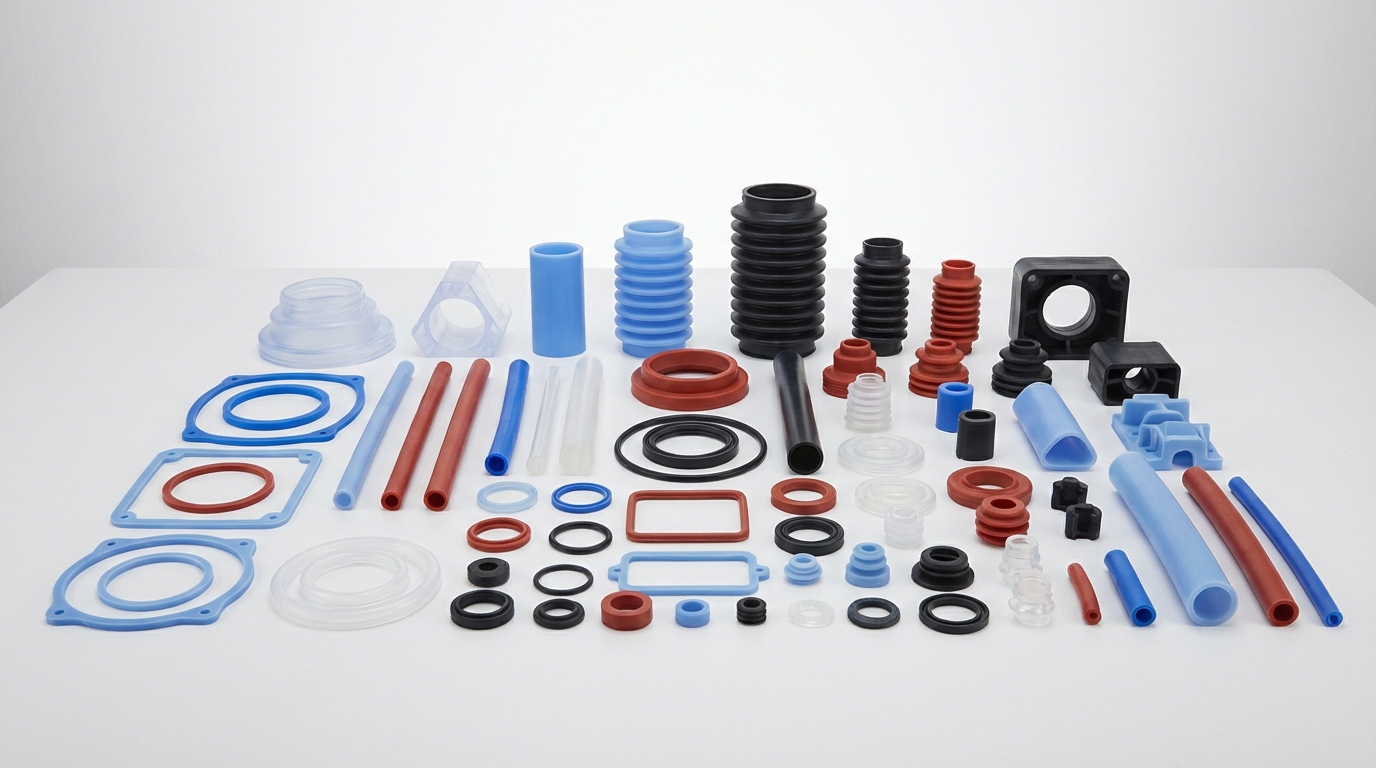
Industrial silicone seals and gaskets are specifically designed to handle extreme heat while maintaining a perfect air-tight or water-tight fit. In precision electronics and communication devices, silicone protects sensitive internal parts from thermal damage and environmental ingress. You know can silicone go in the dishwasher, but its industrial heat management is even more impressive.
Does it protect electronics?
The truth is: silicone provides a thermal buffer that shields delicate circuits from overheating. Its low compression set ensures that seals do not fail under pressure.
- IP68 waterproofing.
- Thermal insulation.
- Vibration damping.
Can it manage thermal stress?
But wait: precision is key in manufacturing. Silicone’s stable dimensions under heat mean that your gaskets will not expand or contract and cause leaks.
| Application | Heat Resistance | Precision |
|---|---|---|
| Telecom Seals | High | ±0.05mm |
| Engine Gaskets | Extreme | High |
| Vape Pods | High | ±0.01mm |
Industrial reliability is built on silicone’s ability to remain unchanged by the harsh environments it operates in.
Key Takeaway: High-precision silicone components are essential for protecting high-value industrial assets from heat and moisture damage.
Conclusion
Silicone’s unmatched versatility makes it the premier choice for products ranging from baby teethers to industrial communication seals. Its ability to thrive in the dishwasher and withstand temperatures up to 260°C ensures that your designs remain durable, safe, and hygienic. By moving away from brittle plastics and embracing high-grade liquid silicone rubber, you are investing in a future of reliability and consumer trust.
At HuaLin Silicone, we specialize in high-precision LSR manufacturing that meets the most rigorous global standards. Whether you need food-grade pet products or ISO-certified medical components, our team provides the engineering expertise to bring your vision to life. Please contact us today to start your DFM review and secure a manufacturing partner that prioritizes your product’s excellence.
FAQ
- Can I use abrasive cleaners on silicone?
No, you should avoid steel wool or abrasive pads as they can scratch the smooth surface of the silicone. Standard sponges and soft cloths are more than sufficient for cleaning. - What’s the best way to remove white spots after washing?
It depends on your water hardness; white spots are usually mineral deposits. A quick wipe with a diluted vinegar solution will dissolve these spots and restore the silicone’s original look. - How do I know if my silicone is dishwasher safe?
Yes, nearly all high-quality silicone is dishwasher safe by default. Check for a “dishwasher safe” symbol on the bottom of the product to be 100% certain. - Can I put silicone in an air fryer?
Yes, because air fryers generally operate well within the 230°C to 260°C limit of premium silicone. It is a common material for air fryer liners and accessories. - Can silicone melt if it touches the dishwasher heating element?
Yes, direct contact with the heating element can exceed 260°C and cause the silicone to melt or scorch. Always place silicone items on the top rack to avoid direct contact.