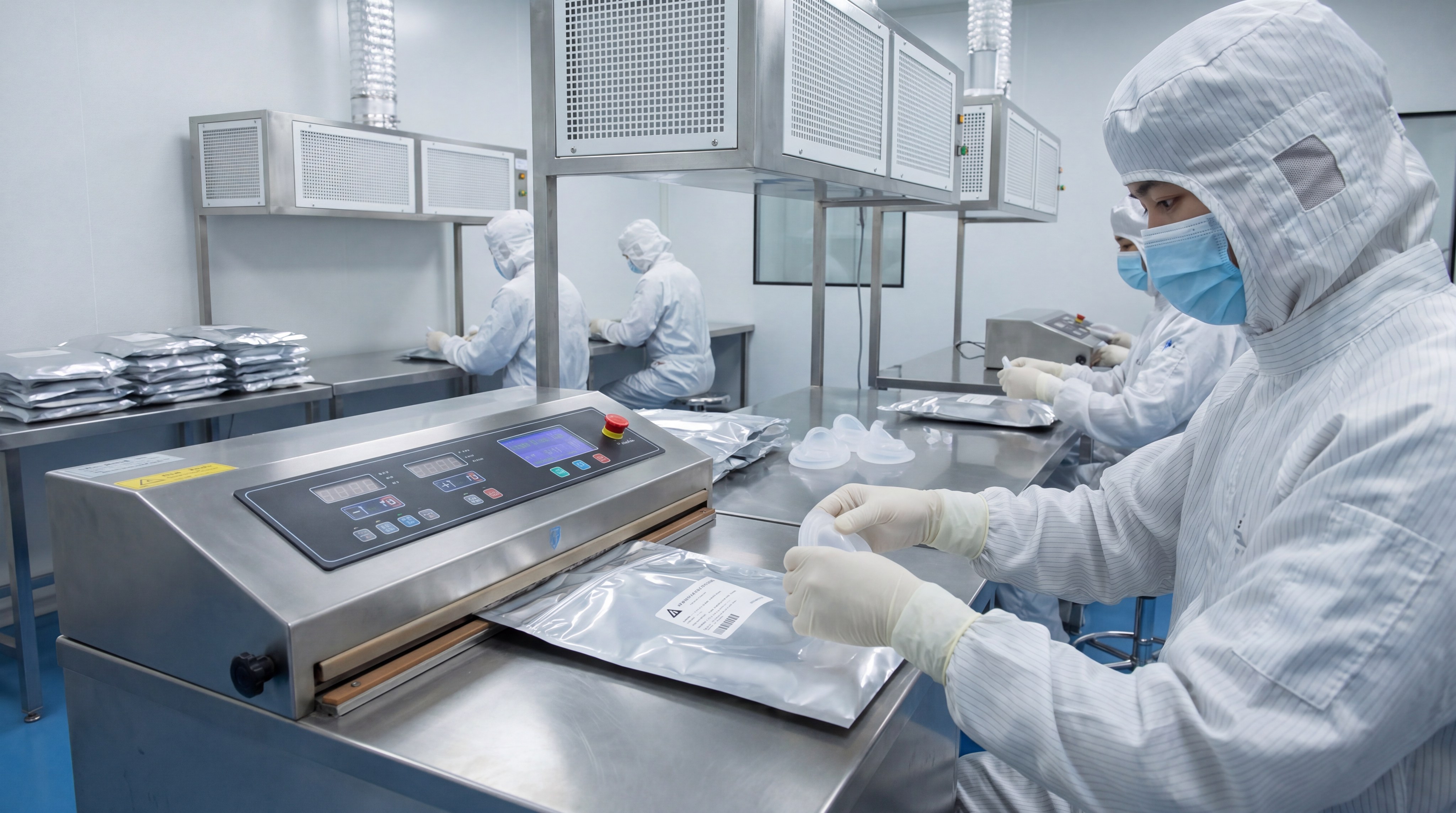
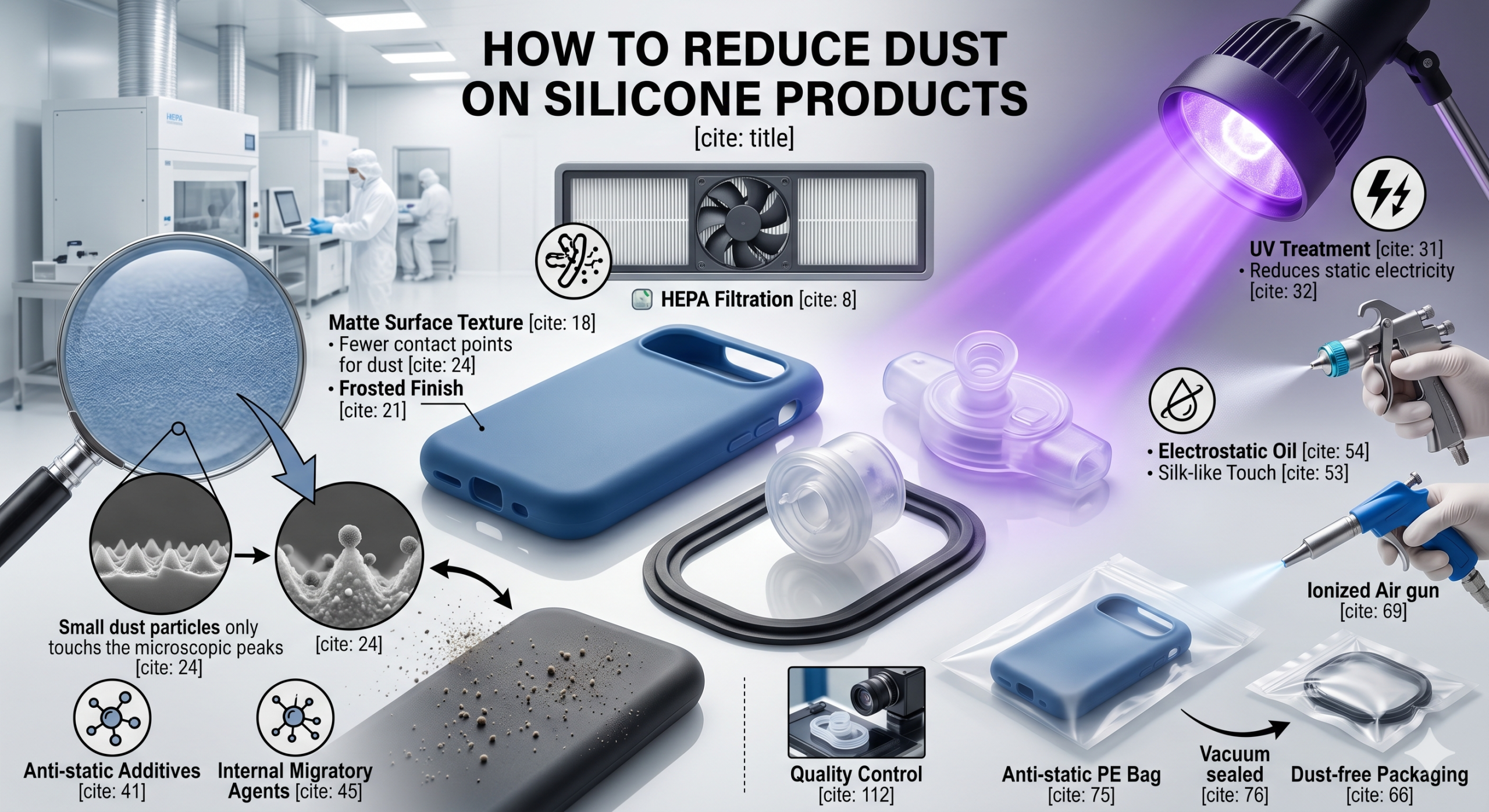
Reducing dust on Silicone Products requires a comprehensive strategy that combines environmental controls, surface texturing, and advanced material modifications. You often face a frustrating challenge where high-quality components emerge from production only to attract unsightly particles almost immediately due to their natural static charge. This contamination can lead to significant scrap rates, compromised medical sterility, and a perceived lack of quality in consumer electronics. By implementing integrated manufacturing protocols—ranging from cleanroom production to specialized anti-static coatings—you can ensure your parts remain pristine from the factory floor to the end user.
Why Use Dust-Free Workshops for Silicone Products?
Producing components in a dust-free workshop ensures that airborne contaminants cannot settle on the material during the sensitive curing phase. Every professional Silicone mold operation should ideally take place within a Class 100,000 cleanroom to maintain strict particle counts. These environments utilize HEPA filtration systems to strip the air of microscopic debris that would otherwise bond to the tacky surface of raw silicone.
Benefits of Controlled Environments
- HEPA Filtration: Eliminates 99.97% of particles as small as 0.3 microns.
- Humidity Control: Maintains optimal moisture levels to naturally reduce static electricity build-up.
- Personnel Protocols: Requires specialized garments to prevent human-derived lint and hair from entering the zone.
The Reality of Production
But that’s not all.
Without these environmental safeguards, even the most expensive raw materials will result in high rejection rates during final inspection.
Strategic Manufacturing Insights
Key Takeaway: High-precision manufacturing begins with environmental isolation to eliminate airborne particles during the curing process.
| Control Factor | Impact on Quality | Standard Requirement |
|---|---|---|
| Air Purity | Reduces surface contamination | ISO Class 8 (100,000) |
| Humidity | Lowers static attraction | 40% – 60% RH |
| Entry Protocols | Prevents cross-contamination | Air showers and lint-free suits |
The data suggests that cleanroom integration is the foundational step for any high-purity silicone project.

How Does Surface Texture Reduce Dust on Silicone Products?
Applying a frosted or matte surface texture reduces the physical surface area available for dust particles to adhere to. When you design a Silicone mold for silicone injection molding, specifying a textured finish can drastically lower the coefficient of friction. Glossy finishes are naturally “grabby” and act like a magnet for lint, whereas textured surfaces provide a smoother tactile experience with less tackiness.
Critical Texture Options
- Frosted Finish: Creates a microscopic “bumpy” surface that prevents dust from laying flat.
- Matte Texture: Reduces the “stickiness” of the part while improving grip for handheld devices.
- EDM Texturing: Uses electrical discharge machining to create precise, dust-resistant patterns on the tool.
Designing for Success
Here is why:
The microscopic peaks and valleys of a textured surface mean that a dust particle only touches a fraction of the material’s surface area.
Surface Engineering Analysis
Key Takeaway: Mold-level surface modifications provide a permanent, physical barrier against dust adhesion without requiring secondary chemical treatments.
| Surface Type | Adhesion Risk | Tactile Feel | Application |
|---|---|---|---|
| High Gloss | Extreme | Tacky/Sticky | Industrial Gaskets |
| Matte Finish | Low | Smooth/Satin | Consumer Wearables |
| Heavy Texture | Moderate | Rugged/Grip | Industrial Tools |
Engineers should prioritize matte finishes for any part that will be frequently handled by consumers.
Can UV Modification Prevent Dust on Silicone Products?
UV modification effectively reduces dust by altering the surface energy of the silicone at a molecular level. During this process, the Silicone mold produces a part that is then exposed to high-intensity ultraviolet light to “harden” the outer layer. This treatment significantly lowers the static electricity of the material, making it far less likely to attract environmental debris.
Science of UV Treatment
- Surface Tension Reduction: Lowers the material’s energy so particles do not “stick” upon contact.
- Dirt Resistance: Enhances the part’s ability to repel skin oils and atmospheric pollutants.
- Permanent Bonding: Unlike topical sprays, UV modification creates a lasting change that does not wear off.
A Modern Solution
Consider this:
Traditional methods often rely on temporary coatings, but UV modification integrates the protection directly into the surface.
UV Modification Metrics
Key Takeaway: UV surface treatment offers a long-term, non-toxic solution for reducing static electricity and improving overall dirt resistance.
| Parameter | Before UV Treatment | After UV Treatment |
|---|---|---|
| Static Charge | High | Negligible |
| Friction CoF | > 0.8 | < 0.3 |
| Durability | Base Material | Enhanced Surface |
This process is highly recommended for high-end consumer products where aesthetics and cleanliness are paramount.
Are Anti-Static Additives Effective for Silicone Products?
Anti-static additives are highly effective because they migrate to the surface to create a conductive pathway that dissipates electrical charges. When preparing the material for a Silicone mold used in liquid silicone rubber molding, you can incorporate these agents directly into the base compound. This internal solution ensures that even if the part is scratched or worn, the anti-static properties remain active throughout the product’s lifecycle.
Types of Anti-Static Agents
- Conductive Carbon Black: Excellent for industrial parts requiring maximum charge dissipation.
- Internal Migratory Agents: Specifically designed for clear or colored parts where appearance matters.
- Ionic Liquids: Provide a transparent anti-static effect without compromising the physical properties of the silicone.
Material Selection
But wait, there’s more.
Choosing the right grade of raw material at the beginning of the project can eliminate the need for costly secondary operations later.
Additive Performance Table
Key Takeaway: Incorporating anti-static agents into the raw material provides the most reliable and uniform protection against dust.
| Additive Type | Transparency | Conductivity | Best For |
|---|---|---|---|
| Carbon-Based | Opaque | Very High | ESD Protection |
| Chemical Agent | Semi-Clear | Moderate | General Consumer |
| Specialized Grades | Clear | High | Medical/Optical |
Selecting the appropriate additive balance is critical to maintaining the mechanical integrity of the finished component.
Should You Apply Anti-Static Oils to Silicone Products?
Applying anti-static “hand-feel” oils is an excellent secondary operation for parts that require a premium, silk-like touch. Once the part is removed from the Silicone mold, it is sprayed with a thin layer of electrostatic oil and then cured in an oven. This coating not only prevents dust but also provides a protective layer against scratches and fingerprints.
Advantages of Spray Coatings
- Improved Tactility: Gives the silicone a high-end, velvety feel that consumers prefer.
- Static Neutralization: Creates an insulating barrier that prevents charge buildup during handling.
- Color Protection: Helps maintain the vibrancy of the pigment by blocking UV rays and oxidation.
The Finishing Touch
Here is the breakdown:
While it adds a step to the manufacturing process, the increase in perceived value and cleanliness often outweighs the cost.
Coating Comparison
Key Takeaway: Hand-feel electrostatic oils are the industry standard for high-end wearables and electronic protective sleeves.
| Feature | Hand-Feel Oil | Talcum Powder | PU Coating |
|---|---|---|---|
| Longevity | Permanent | Temporary | Very Long |
| Dust Resistance | High | Moderate | High |
| Visual Impact | Enhances Color | Dulls Surface | Gloss/Matte |
The addition of a professional coating can turn a standard part into a premium market-ready product.
Why Is Dust-Free Packaging Crucial for Silicone Products?
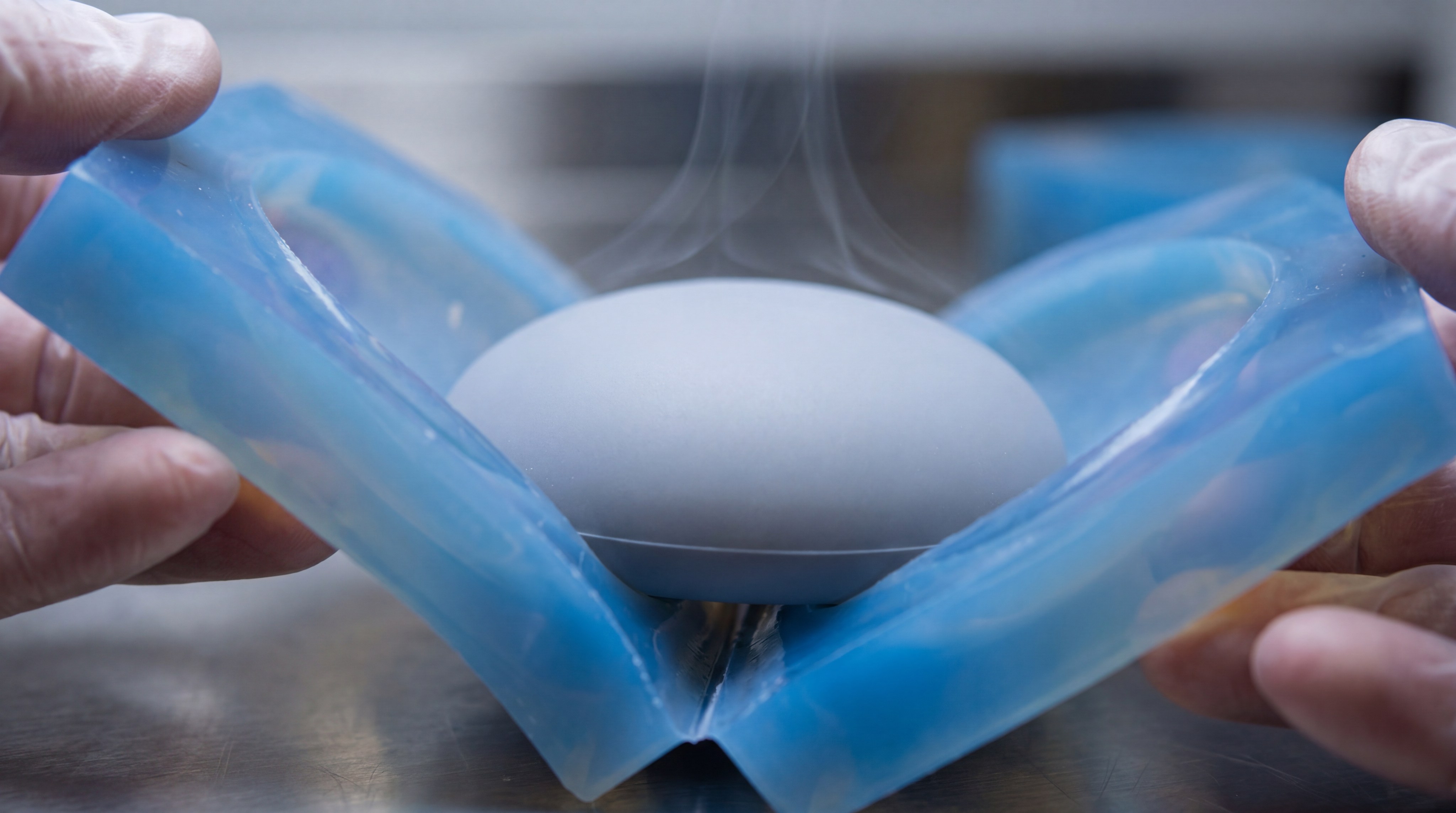
Dust-free packaging is the final line of defense to ensure the parts you’ve carefully manufactured remain clean until they reach the end user. At our facility, which you can learn more about in the about us section, we perform final cleanings immediately before sealing. If you use a high-quality Silicone mold but ignore the packaging environment, the parts will inevitably collect dust during transit and storage.
Essential Packaging Protocols
- Ionized Air Blowing: Removes any clinging particles just before the part enters the bag.
- Anti-Static PE Bags: Prevents the packaging itself from generating a charge that attracts dust.
- Double Bagging: Provides an extra layer of protection, especially for medical or cleanroom-ready components.
Secure Logistics
It gets better.
Using vacuum sealing or nitrogen flushing can further protect the material from oxidation and environmental contaminants during long-term storage.
Packaging Action Guidelines
Key Takeaway: Packaging must be treated as an extension of the cleanroom environment to maintain the integrity of the finished product.
| Protocol | Purpose | Tooling Required |
|---|---|---|
| Ionized Blow | Particle removal | Ionizing air gun |
| ESD Bagging | Charge prevention | Anti-static PE bags |
| Vacuum Seal | Contamination block | Industrial sealer |
Strict adherence to these packaging steps ensures that your quality control efforts are not wasted during shipping.
How Do Medical Grade Parts Maintain Sterility?
Medical grade components maintain sterility by combining biocompatible materials with highly regulated cleanroom production. During the Silicone mold process, the environment is monitored for both particle counts and microbial presence to meet ISO 13485 standards. This level of control is necessary for devices that will come into contact with human tissue or fluids.
Medical Manufacturing Standards
- Bio-Compatibility: Using materials that are naturally resistant to bacterial growth and chemical leaching.
- Validated Cleaning: Using ultrasonic aqueous systems to remove any microscopic residue from the molding process.
- Traceability: Maintaining detailed records of every batch to ensure consistency and safety.
Purity Excellence
Why does this matter?
In the medical field, a single dust particle is not just an aesthetic flaw—it is a potential biological hazard that could lead to infection.
Sterility Control Table
Key Takeaway: Medical-grade dust management requires a “zero-tolerance” approach and validated cleaning cycles for every production lot.
| Requirement | Standard | Methodology |
|---|---|---|
| Air Purity | ISO Class 7/8 | Constant monitoring |
| Biocompatibility | USP Class VI | FDA-grade materials |
| Post-Processing | Sterile | Gamma or Autoclave |
Purity in medical manufacturing is a result of rigorous process discipline rather than simple surface cleaning.
What Cleaning Protocols Work Best for Silicone Products?
The most effective cleaning protocol involves a three-step process: ionized air blowing, solvent wiping, and ultrasonic cleaning. If your Silicone mold produces parts with complex geometries, manual wiping might not be sufficient to reach every crevice. You must implement a systematic approach to ensure that even the most stubborn particles are dislodged without damaging the material.
Recommended Cleaning Sequence
- Step 1: Ionized Air Blast: Neutralizes the surface charge to release loose dust particles instantly.
- Step 2: IPA Wipe: Uses 70% Isopropyl Alcohol to dissolve oils and bond-on debris.
- Step 3: Ultrasonic Bath: Uses high-frequency sound waves in an aqueous solution to deep-clean intricate features.
Systematic Decontamination
Let’s look closer.
Using the wrong chemicals can cause the silicone to swell or degrade, so always verify solvent compatibility before mass cleaning.
Cleaning Protocol Effectiveness
Key Takeaway: Combining mechanical particle removal with chemical cleaning provides the highest level of surface purity.
| Method | Best For | Limitation |
|---|---|---|
| Ionized Air | Loose particles | No oily residue removal |
| IPA Wipe | Oily fingerprints | Hard to reach corners |
| Ultrasonic | Complex parts | Longer cycle times |
A tiered cleaning strategy allows you to adapt the intensity of the process based on the part’s final application.
Does LSR Molding Offer Better Dust Control?
Liquid Silicone Rubber (LSR) molding offers superior dust control because the raw material is kept in a completely closed-loop system. When the material enters the Silicone mold, it is never exposed to the open air of the factory floor, unlike traditional compression molding. This automated process significantly reduces human contact, which is one of the primary sources of contamination.
Advantages of LSR for Purity
- Closed Feed System: Material travels from sealed drums directly into the injection unit.
- Automated Ejection: Robotic arms remove parts, eliminating the need for manual handling by workers.
- Precision Tooling: High-pressure injection reduces “flash,” meaning there are fewer rough edges for dust to catch on.
The Production Edge
The result?
You get a faster production cycle with significantly lower contamination risks compared to manual molding methods.
LSR vs. Compression Analysis
Key Takeaway: LSR is the preferred choice for high-volume, high-purity components where human intervention must be minimized.
| Feature | LSR Injection | Compression Molding |
|---|---|---|
| Air Exposure | Zero | High |
| Human Contact | Minimal | Frequent |
| Consistency | Excellent | Variable |
Automated LSR systems are the gold standard for projects requiring the highest levels of cleanliness and precision.
How Can Quality Inspection Detect Dust on Silicone Products?
Advanced quality inspection uses automated CCD visual systems to detect dust particles that are invisible to the naked eye. As parts leave the Silicone mold, they pass under high-resolution cameras that compare every surface against a “perfect” master digital image. This ensures that only 100% compliant parts are shipped to your facility, protecting your brand reputation.
Inspection Technologies
- CCD Visual Inspection: Uses AI-powered software to spot defects and particles in milliseconds.
- Microscopic Analysis: Periodic sampling of parts to check for surface energy and adhesion levels.
- AQL Sampling: Strict statistical checks to ensure the entire batch meets your specific quality thresholds.
Precision Verification
Check this out:
Automated systems can process thousands of parts per hour with a level of accuracy that human inspectors simply cannot match.
Quality Control Standards
Key Takeaway: Integrating automated optical inspection is the only way to guarantee a truly dust-free shipment at scale.
| Inspection Type | Target | Reliability |
|---|---|---|
| Manual Check | Large debris | 75% – 85% |
| CCD Automated | Micro-particles | 99.9% |
| UV Light Test | Fluorescent fibers | High |
Utilizing technology-driven inspection protocols removes the variable of human fatigue from your quality assurance process.

FAQ
Can I use regular household detergents to clean silicone parts?
You should avoid harsh household soaps as they may contain fragrances or oils that leave a film; instead, use a mild, pH-neutral detergent or isopropyl alcohol for industrial cleanliness.
What’s the best way to store silicone products to avoid dust?
The best method is to store them in sealed, anti-static polyethylene bags within a temperature-controlled environment away from high-traffic areas.
How do I know if my silicone product needs UV modification?
If your product is a handheld consumer device or a medical component where “tackiness” and dust attraction are unacceptable, UV modification is likely necessary.
Can I apply anti-static coatings myself after production?
While topical sprays exist, they are rarely as durable or effective as factory-applied hand-feel oils which are heat-cured for permanent adhesion.
What’s the best material hardness to reduce dust attraction?
Higher durometer (harder) silicone typically has a less tacky surface than very soft silicone, naturally making it slightly more resistant to clinging particles.
Conclusion
Reducing dust on silicone components is not a single step but a rigorous, multi-layered manufacturing discipline. By integrating cleanroom environments, frosted surface designs, and advanced UV or oil treatments, you can overcome the inherent static challenges of the material. Our vision is to provide high-purity, precision-engineered solutions that eliminate quality risks and accelerate your time-to-market. Whether you are developing medical devices or premium consumer electronics, our integrated workflow ensures your parts arrive clean, functional, and aesthetically perfect. To start optimizing your next project for maximum purity, contact us today.