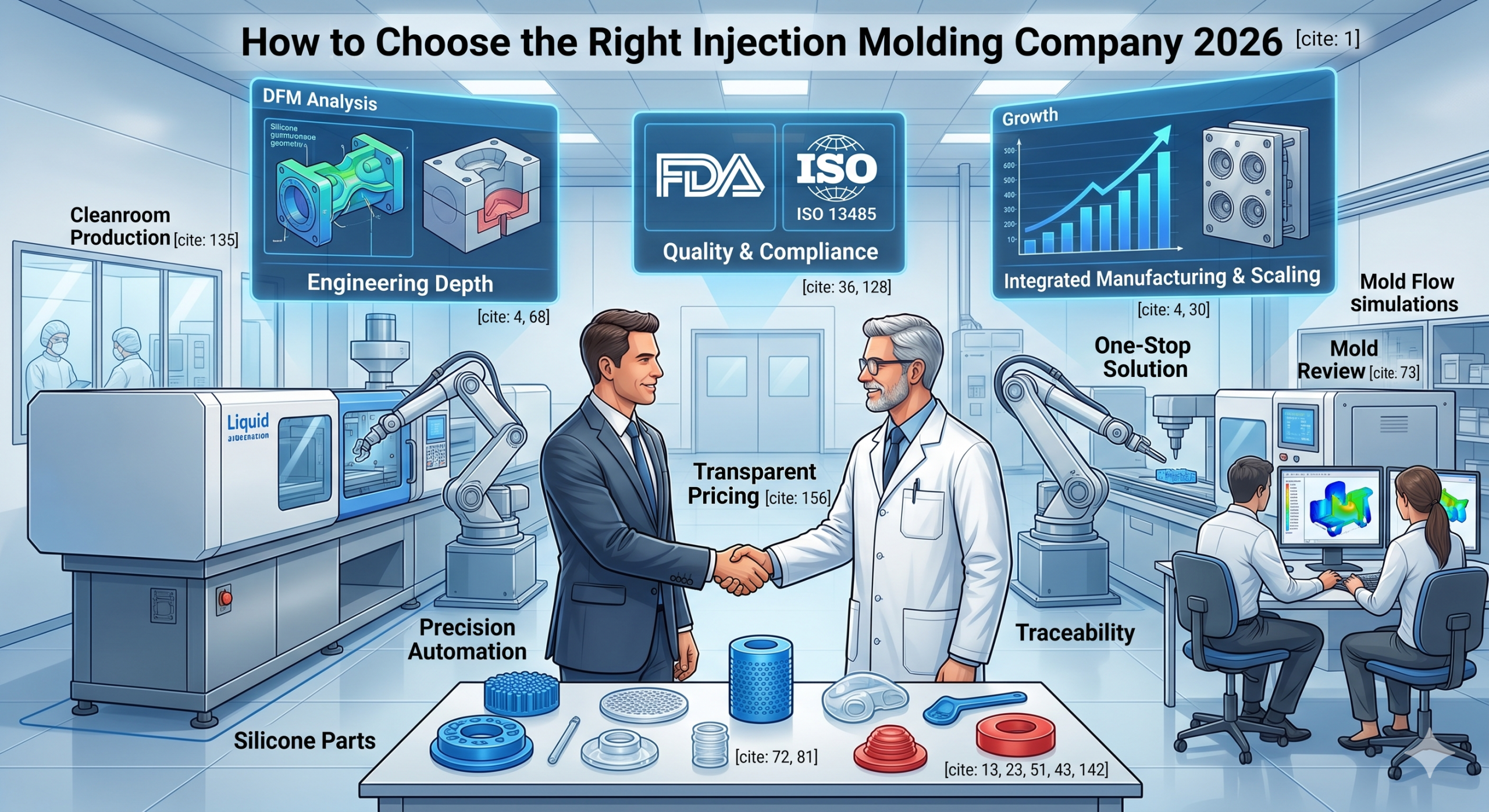
Choosing the right injection molding partner depends on aligning their technical capabilities with your specific project requirements to ensure long-term scalability. You face a market saturated with suppliers promising low costs but delivering inconsistent parts and delayed timelines. These failures agitate your production schedule, lead to wasted capital, and damage your brand’s reputation in a competitive global economy. The solution lies in a rigorous vetting process that prioritizes engineering depth and integrated manufacturing for your next Silicone mold.
Why is industry expertise vital for your silicone mold project?
Industry expertise ensures that your Silicone mold meets medical and industrial safety standards through precision engineering. When you partner with a veteran manufacturer, you gain access to decades of tribal knowledge regarding material shrinkage and thermal stability.
Evaluating deep technical know-how?
Technical know-how allows engineers to spot design flaws before they become expensive physical errors. You need a team that understands how complex geometries affect flow rates during the injection cycle.
Think about it:
- Expert design reviews prevent air traps.
- Proper gate placement reduces visible flash.
- Optimized cooling cycles improve part density.
The bottom line?
Experienced partners translate your CAD files into high-performance components without the guesswork.
Impact of specialized material knowledge?
Specialized material knowledge prevents you from selecting a compound that fails under environmental stress. You must ensure your partner can navigate the differences between high-consistency rubber and liquid silicone.
- Heat resistance varies by grade.
- Chemical compatibility is application-specific.
- Durometer affects final assembly fit.
And it gets better.
A knowledgeable supplier will recommend additives that enhance the longevity of your product in the field.
Key Takeaway: Deep technical expertise reduces development risks and ensures your product functions as intended in high-stakes environments.
| Expertise Factor | Impact on Quality | Risk Mitigation |
|---|---|---|
| Design Logic | High | Prevents structural failure |
| Material Choice | Critical | Ensures environmental compliance |
Selecting a partner with industry-specific experience guarantees that technical nuances are addressed before mass production begins.
How do you assess technical equipment and production scale?
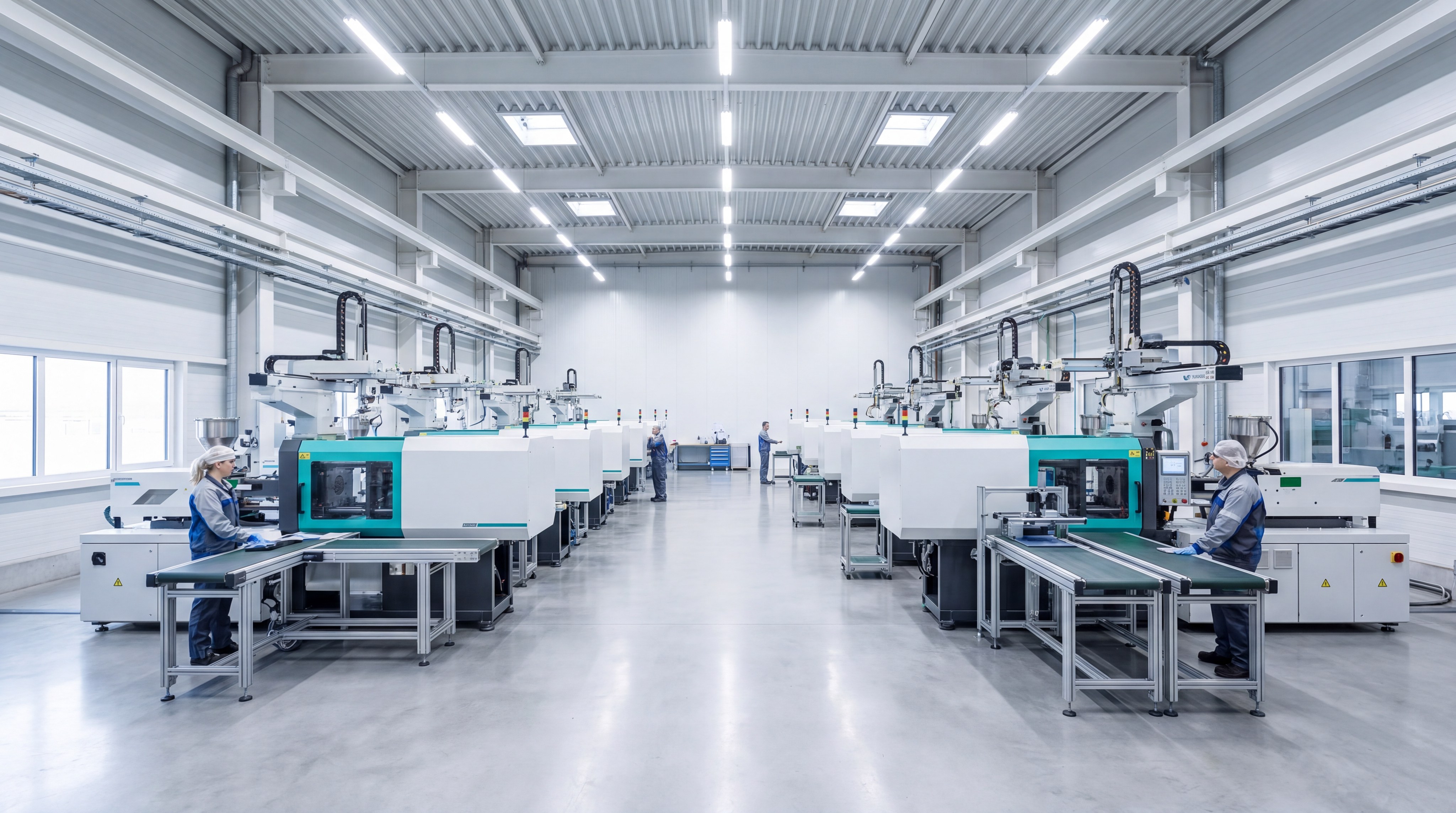
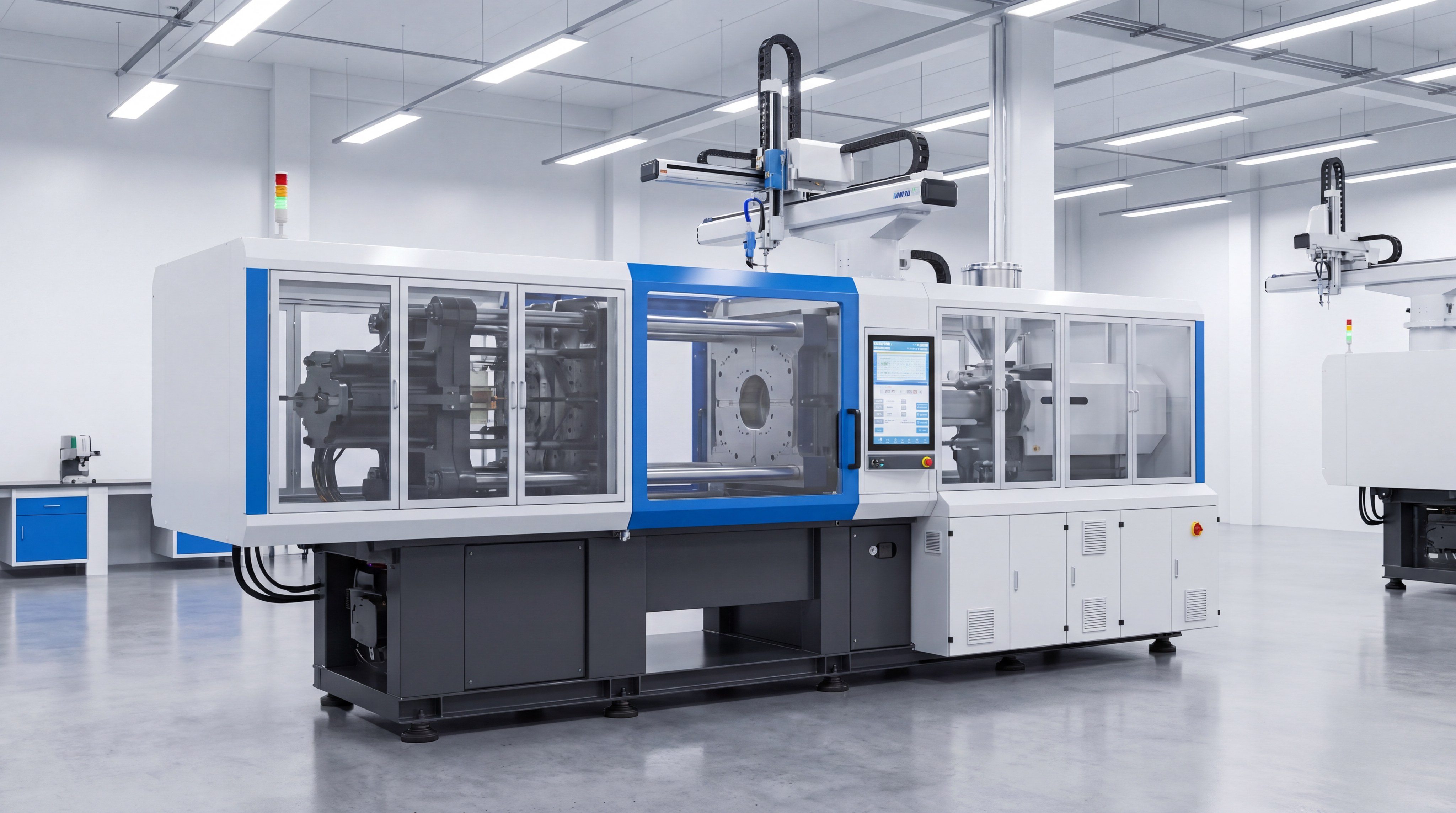
Assessing equipment involves verifying that the factory uses high-speed machines to produce your Silicone mold with repeatable accuracy. You should look for facilities that invest in electric injection molding machines for better precision and energy efficiency.
Precision machinery and automation standards?
Advanced automation reduces human error and keeps your unit costs down through faster cycle times. You benefit from robotic arms that handle delicate parts without causing cosmetic damage or contamination.
Let’s face it:
- Closed-loop control systems maintain pressure.
- Automated de-molding speeds up production.
- Real-time monitoring catches deviations early.
The result?
You receive batches that are virtually identical, regardless of whether you order one thousand or one million pieces.
Scaling from prototyping to mass production?
Your manufacturer must have the capacity to grow alongside your business as demand increases. You should check if they offer bridge tooling options to help you transition from low-volume testing to full-scale market launch.
- Prototype molds allow for rapid iterations.
- Multi-cavity tools increase output volume.
- Modular frames reduce future tooling costs.
Here is the deal.
Choosing a scalable partner means you won’t have to restart the vetting process when your sales take off.
Key Takeaway: High-end machinery and a clear roadmap for scaling are essential for maintaining quality during rapid growth phases.
| Scale Indicator | Capability | Business Value |
|---|---|---|
| Machine Tonnage | Wide range | Accommodates various part sizes |
| Automation Level | High | Lowers labor costs and errors |
The combination of precision hardware and scalable infrastructure protects your supply chain from production bottlenecks.
Which quality management certifications should you verify?
Verifying ISO 9001 and IATF 16949 is critical when sourcing a Silicone mold for regulated sectors like infant care or automotive. These certifications prove that the company follows a standardized system for continuous improvement and defect prevention.
ISO 9001 and industry-specific standards?
Certifications are more than just wall decorations; they represent a commitment to rigorous documentation and process control. You should verify that their quality manual is updated and strictly followed by the production staff.
Why does this matter?
- It guarantees standardized work instructions.
- It ensures regular equipment calibration.
- It provides a framework for corrective actions.
The kicker?
Standardized processes lead to predictable lead times and consistent part performance every single month.
Traceability and batch documentation?
Traceability allows you to track every component back to the specific batch of raw material used. You need this level of detail to manage recalls or quality audits efficiently within your own organization.
- Material certs confirm chemical purity.
- Batch logs record processing temperatures.
- Inspection reports detail dimensional variance.
Think about this.
Without proper documentation, you are flying blind if a product fails in the hands of a customer.
Key Takeaway: Validated certifications and robust traceability systems are the only way to guarantee consistent quality in a global B2B environment.
| Certification | Focus Area | Industry Relevance |
|---|---|---|
| ISO 9001 | General Quality | All industrial sectors |
| ISO 13485 | Medical Devices | Healthcare and Biotech |
Formal quality systems ensure that every part produced meets the exact specifications defined during the engineering phase.
How can you identify transparent pricing for a silicone mold?
Identifying transparent pricing requires a detailed quote that breaks down the per-unit cost of your Silicone mold alongside tooling fees. You should be wary of “all-in” quotes that lack a clear explanation of material waste or post-processing labor.
Detailed breakdown of tooling and part costs?
A transparent breakdown helps you understand where your money is going and where you can optimize. You should look for line items covering mold base materials, cavity steel grades, and estimated cycle times.
You might be wondering:
- Why is the steel grade important?
- How does cycle time affect price?
- What are the hidden shipping fees?
Here is the answer.
Transparent vendors will explain that high-quality steel costs more upfront but lasts for millions of cycles without repair.
Strategies for calculating volume discounts?
Volume discounts should be based on the amortization of tooling and the efficiency of longer production runs. You need to ask your partner at what quantity thresholds the price per part decreases significantly.
- Set-up fees are spread over more units.
- Material bulk purchasing lowers input costs.
- Continuous running reduces machine downtime.
The bottom line?
The right partner helps you plan your inventory to take full advantage of these economies of scale.
Key Takeaway: Transparent pricing models allow for better financial planning and prevent unexpected cost overruns during the production lifecycle.
| Cost Component | Transparency Level | Budget Impact |
|---|---|---|
| Tooling Fee | High | Major upfront investment |
| Cycle Time | Medium | Dictates ongoing unit cost |
A clear pricing structure reflects a manufacturer’s honesty and operational efficiency, allowing you to calculate your true ROI.
Why is engineering support critical for product success?
Engineering support is vital because it optimizes the design of your Silicone mold for better manufacturability and lower scrap rates. Professional engineers will challenge your assumptions to help you create a more robust and cost-effective product.
Design for Manufacturability (DFM) reviews?
A thorough DFM review identifies potential issues like thick sections that cause sink marks or sharp corners that impede flow. You should expect a detailed report recommending adjustments to wall thickness and draft angles.
What does this mean for you?
- It reduces the number of tool revisions.
- It ensures easier part ejection.
- It optimizes the structural integrity.
Believe it or not.
A few small design changes can often save you thousands of dollars in long-term production costs.

Advanced mold flow and filling simulations?
Mold flow simulations predict how the material will behave inside the cavity before any steel is cut. You can use these insights to optimize gate locations and prevent knit lines in critical aesthetic areas.
- Software predicts air trap locations.
- Simulations estimate cooling requirements.
- Pressure maps identify potential warpage.
The best part?
Digital testing saves you weeks of physical trial and error on the factory floor.
Key Takeaway: Proactive engineering support during the design phase is the most effective way to ensure a smooth transition to mass production.
| Engineering Tool | Primary Function | Resulting Benefit |
|---|---|---|
| DFM Report | Design optimization | Lower manufacturing cost |
| Flow Simulation | Process prediction | Zero-defect production |
Investing in engineering expertise early in the process eliminates the “fix-it-later” mentality that plagues many hardware startups.
What customization options are available for your silicone mold?
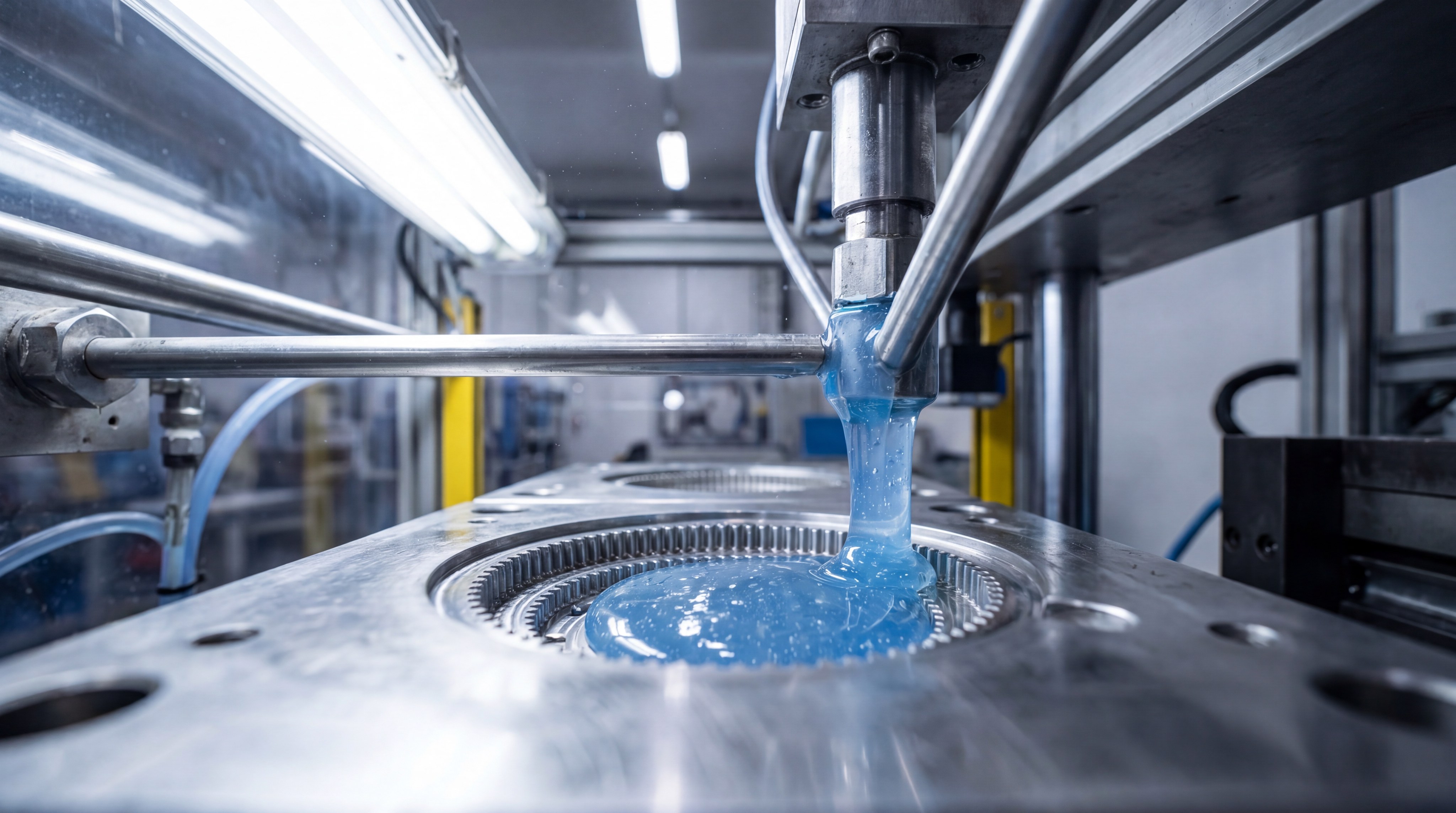
Customization options for your Silicone mold include varied durometer levels and specialized surface textures to meet functional needs. You should demand a partner who can match your specific brand colors and provide functional coatings.
Physical properties and durometer selection?
Selecting the right hardness is crucial for the tactile feel and functional performance of your part. You can choose from a range of Shore A values to find the perfect balance between flexibility and rigidity.
Think about it:
- Shore 30A feels like a rubber band.
- Shore 70A is as hard as a shoe heel.
- Custom blends offer oil resistance.
And it gets better.
Modern compounding allows you to add anti-microbial or UV-resistant properties directly into the material mix.
Advanced surface finishes and textures?
Surface finishes can range from high-gloss optical clarity to matte textures that hide fingerprints. You should ask for sample plaques to feel the difference between various laser-etched patterns and sandblasted finishes.
- Textures improve grip on hand-held items.
- Polished finishes are necessary for seals.
- Logos can be molded directly into the part.
The result?
Your product looks and feels like a premium item, which allows you to command a higher price in the market.
Key Takeaway: Customization is the key to product differentiation, allowing you to tailor both the performance and aesthetics to your target audience.
| Customization Type | Options | Application |
|---|---|---|
| Texture | VDI, MT, Polished | Aesthetics and Grip |
| Hardness | 10A to 80A | Flexibility and Fit |
A manufacturer with diverse customization capabilities acts as a creative partner rather than just a traditional service provider.
How do integrated processes reduce manufacturing risks?
Integrated processes reduce risks by keeping the entire production of your Silicone mold under one roof from tooling to assembly. This “one-stop” approach eliminates the communication gaps that occur when moving parts between multiple vendors.
Establishing a tooling to assembly workflow?
A seamless workflow ensures that the team making the mold understands the requirements of the final assembly line. You benefit from faster feedback loops when a technician can walk across the hall to talk to a toolmaker.
Let’s face it:
- Internal tooling shops fix issues faster.
- In-house assembly reduces transit damage.
- Centralized QC ensures end-to-end quality.
Why does this matter?
Speed to market is everything in 2026, and integrated factories are simply faster.
Minimizing risks from supplier handoffs?
Every time your product moves to a new supplier, you risk losing control over quality and timelines. You should choose a partner that handles secondary operations like pad printing, ultrasonic welding, and custom packaging.
- One point of contact simplifies management.
- One shipping bill reduces logistics costs.
- One quality standard applies to everything.
The kicker?
You have one neck to wring if something goes wrong, which forces the supplier to take full accountability.
Key Takeaway: Integrating all production steps within a single facility minimizes logistical complexity and significantly reduces the chance of quality drift.
| Workflow Step | Integrated Advantage | Risk Reduced |
|---|---|---|
| Tooling | Immediate modifications | Production delays |
| Assembly | Direct process control | Fitment issues |
Consolidating your manufacturing steps with one partner creates a more stable and responsive supply chain for your business.
Does the company offer reliable delivery and support?
Reliable companies offer transparent tracking for your Silicone mold production to ensure your supply chain remains uninterrupted. You need a partner who communicates proactively about shipping schedules and potential delays before they happen.
Tracking production timelines and milestones?
A professional manufacturer will provide you with a project timeline that includes key milestones like mold completion and first article inspection. You should expect regular updates and access to a project manager who understands your specific needs.
Think about this:
- Milestones keep everyone accountable.
- Proactive updates prevent nasty surprises.
- Real-time tracking improves your planning.
Here is the deal.
Reliability is measured by a supplier’s ability to hit the dates they committed to during the quoting phase.
Importance of post-production technical care?
Technical support shouldn’t end when the parts leave the factory floor. You need a partner who will help you troubleshoot assembly issues or manage urgent reorders when your sales suddenly spike.
- On-site support for complex assemblies.
- Spare parts availability for molds.
- Fast-track production for urgent needs.
What does this mean for you?
It means you have a partner who is invested in your long-term success, not just a one-time transaction.
Key Takeaway: Reliable delivery and robust post-production support are the foundations of a successful, long-term B2B partnership.
| Support Service | Frequency | Benefit to Buyer |
|---|---|---|
| Status Reports | Weekly | Project transparency |
| Technical Support | As needed | Faster problem solving |
Choosing a company that prioritizes customer service ensures that you have support during the inevitable challenges of manufacturing.
How do you verify material compliance for a silicone mold?
Verifying material compliance involves requesting FDA or LFGB certificates for the raw materials used in your Silicone mold production. You must ensure that the silicone is free from prohibited substances and safe for its intended use environment.
Verification of FDA and LFGB grade standards?
Food-grade and medical-grade materials require strict adherence to international safety standards. You should ask for third-party lab results that prove the material is non-toxic and stable under varying temperatures.
You might be wondering:
- Is FDA the same as LFGB?
- Can I trust the supplier’s word?
- What are the test parameters?
Here is the answer.
FDA is the US standard, while LFGB is the stricter European equivalent; you must always ask for the original test reports.
Biocompatibility testing for medical components?
For wearable or medical devices, the material must pass skin irritation and cytotoxicity tests. You should verify that your manufacturer operates a cleanroom environment if your project requires high levels of purity.
- ISO 10993 covers medical safety.
- Cleanroom production prevents dust.
- USP Class VI is the gold standard.
The bottom line?
Using unverified materials can lead to legal liabilities and health risks for your end-users.
Key Takeaway: Documented material compliance is non-negotiable for products that come into contact with food, skin, or medical patients.
| Compliance Type | Required Document | Target Market |
|---|---|---|
| Food Safety | FDA / LFGB Report | Kitchenware / Baby |
| Medical Grade | USP Class VI / ISO 10993 | Healthcare / Wearables |
Rigorous material verification protects your brand from the catastrophic consequences of using substandard or toxic compounds.
What are the benefits of choosing a one-stop factory?
Choosing a one-stop factory simplifies the logistics of your Silicone mold by managing everything from secondary operations to international shipping. You can focus on marketing and sales while your manufacturing partner handles the technical execution of the entire product.
Managing secondary operations and assembly?
Secondary operations like overmolding or laser marking add significant value to your final product. You benefit from a factory that can bond silicone to plastic components without using messy adhesives.
Think about it:
- Overmolding creates seamless grips.
- Laser marking adds permanent serials.
- Custom packaging saves time at 3PL.
And it gets better.
The factory can perform functional tests on the fully assembled product to ensure it works before it is shipped across the ocean.
Streamlining export and international logistics?
A partner with global shipping experience knows how to handle customs documentation and ocean freight booking. You should look for a company that offers DDP (Delivered Duty Paid) terms to make the process as easy as possible.
- Proper HS codes prevent customs delays.
- Palletization protects against damage.
- Tracking numbers keep you informed.
The result?
Your product arrives at your warehouse on time, cleared through customs, and ready for your customers.
Key Takeaway: A one-stop factory provides a comprehensive solution that reduces management overhead and accelerates your path to market.
| Service Category | Included Processes | Logistics Value |
|---|---|---|
| Production | Molding + Printing | Single source quality |
| Fulfillment | Packing + Shipping | Reduced lead times |
By consolidating the entire production and logistics chain, a one-stop factory maximizes efficiency and minimizes your operational risk.
Selecting the right injection molding partner is more than a procurement decision; it is a strategic investment in your product’s future. Our brand stance is built on the belief that precision engineering and transparent communication are the only paths to manufacturing excellence. We invite you to experience a partnership where your success is our primary metric.
Take the first step toward a more reliable supply chain and contact us today for a comprehensive DFM review of your project.
FAQ
How do I know if my design is ready for molding?
You should request a professional DFM (Design for Manufacturability) report from your supplier to check for wall thickness and draft angles.
Can I use the same mold for different colors?
Yes, molds can be cleaned between runs, allowing you to produce multiple color variations using the same set of tooling steel.
How do I verify the quality of a new supplier?
Request a sample of their previous work or ask for a “First Article Inspection” report to see if they can hit tight tolerances.
What is the typical lead time for a custom mold?
Most high-precision molds take between 3 to 6 weeks to fabricate, depending on the complexity of the part and the steel grade.
Can I switch manufacturers if I already have the mold?
In most cases, yes, as long as the mold base is compatible with the new manufacturer’s machines and you own the tooling.