
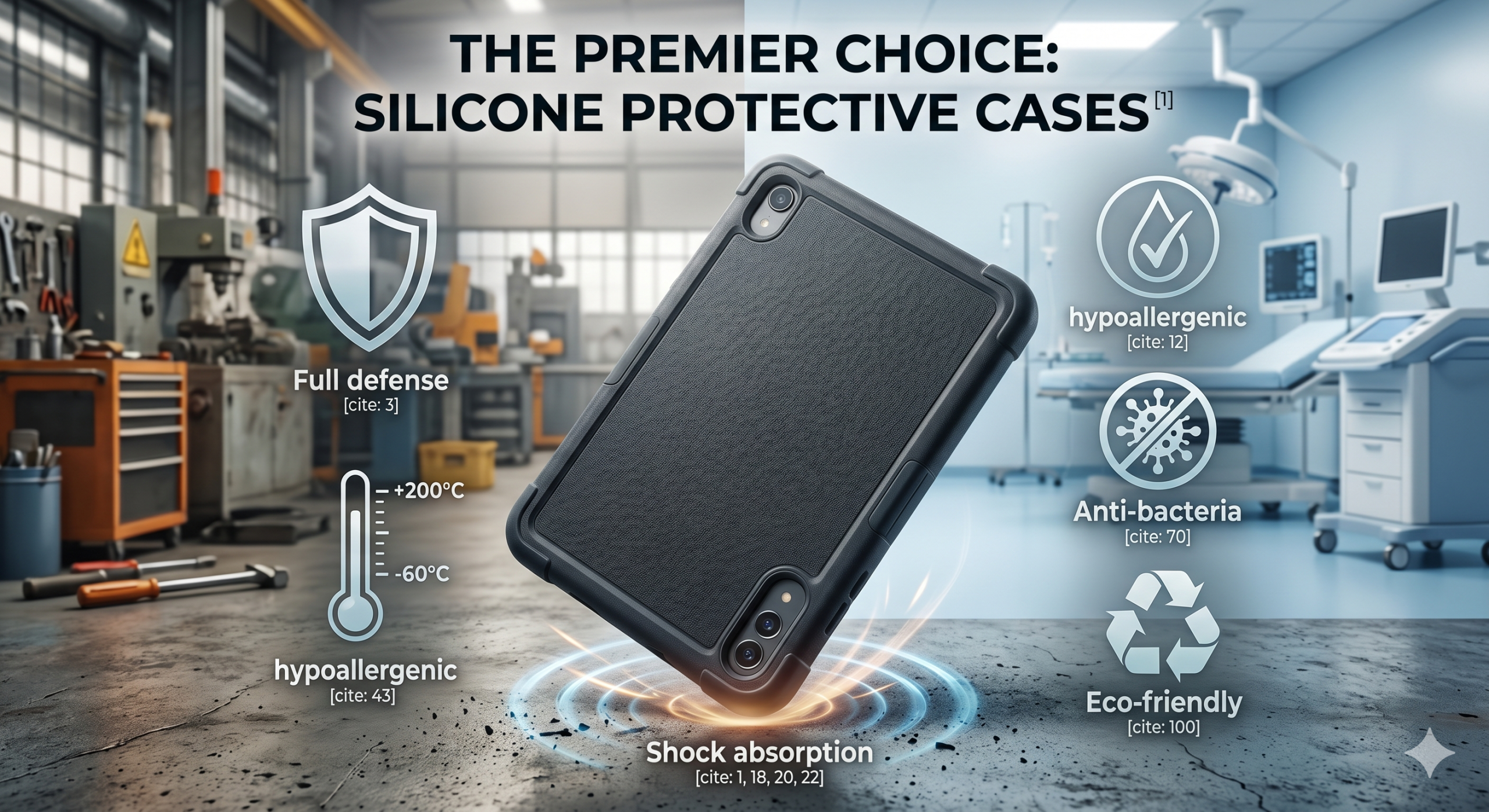
Silicone protective cases are the premier choice for your device because they offer a unique combination of high-impact shock absorption, thermal stability, and specialized material purity that rigid plastics cannot match. When your critical hardware is exposed to the hazards of daily professional use, a single impact can lead to catastrophic failure. High-quality Silicone Protective Cases provide a flexible defensive shield that ensures your technology survives the rigors of any environment.
What exactly is a silicone protective case?
A silicone protective case is a resilient, synthetic polymer enclosure designed to safeguard sensitive electronics from physical impact and environmental degradation. Professional-grade Silicone Protective Cases use advanced polymers that maintain their structural integrity far longer than traditional rubber. These materials are chemically engineered to resist aging, ensuring your hardware remains protected throughout its entire lifecycle.
Defining high-quality silicone materials
Think about it: not all polymers are created equal. High-quality silicone is defined by its thermal stability and inert nature, which prevents the material from becoming brittle.
- It maintains a smooth, premium texture.
- It resists yellowing from UV exposure.
- It offers consistent flexibility in various climates.
How silicone differs from standard rubber
The best part? Silicone is a superior elastomer because it does not contain the organic fillers that cause natural rubber to degrade over time.
- Silicone is non-reactive and hypoallergenic.
- It does not emit the strong odors associated with cheap rubber.
- It provides a much higher level of chemical resistance for professional use.
Key Takeaway: Choosing high-quality silicone ensures your device is encased in a material that offers long-term durability and skin-safe handling.
| Feature | Silicone | Natural Rubber |
|---|---|---|
| Durability | High | Medium |
| Texture | Smooth/Soft | Gritty/Sticky |
| Lifespan | Long-term | Moderate |
This data confirms that silicone’s chemical composition provides a significant lifespan advantage over standard rubber alternatives.
Why does silicone offer superior shock absorption?
Silicone provides superior shock absorption by acting as a kinetic energy dampener that compresses upon impact to protect fragile internal components. Because Silicone Protective Cases are inherently elastomeric, they function like a safety cushion for your hardware. This molecular flexibility allows the case to distribute the force of a fall across a wider surface area.
The science of impact energy dissipation
But consider this: when a device hits a hard surface, the energy must go somewhere. Silicone’s unique molecular structure allows it to rebound and dissipate vibrations before they reach the screen or motherboard.
- It effectively absorbs high-frequency vibrations.
- It prevents localized stress points on the device chassis.
Protecting internal device components
Here is the deal: external scratches are minor, but internal hardware displacement is often fatal for modern electronics.
- Silicone prevents internal connectors from shaking loose.
- It acts as a secondary layer of protection for delicate glass sensors.
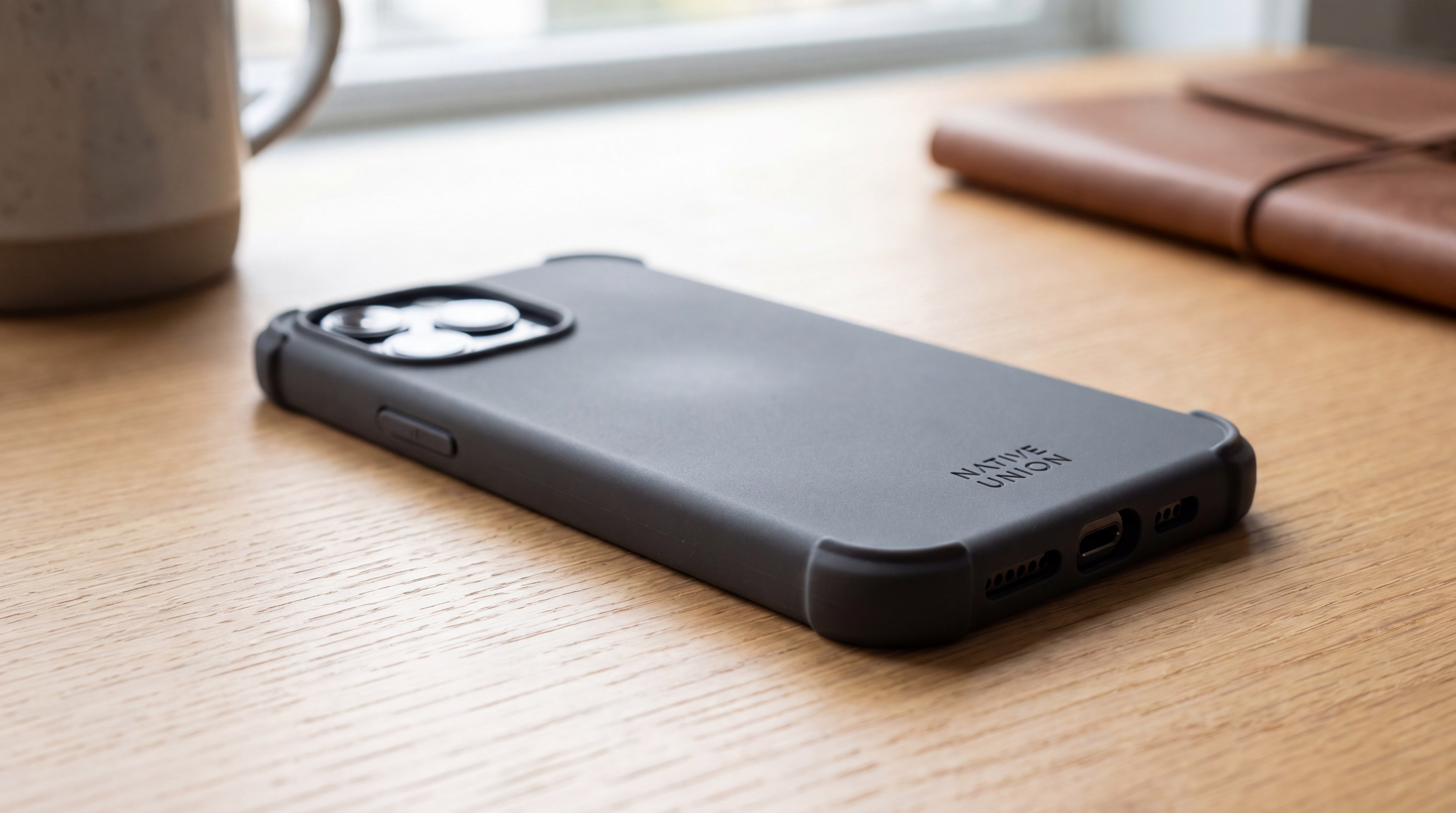
Key Takeaway: The vibration-dampening properties of silicone significantly reduce the risk of internal hardware failure after a drop.
| Protection Metric | Silicone Case | Hard Plastic Case |
|---|---|---|
| Impact Cushioning | Excellent | Poor |
| Vibration Dampening | High | Low |
| Shatter Resistance | Maximum | Minimum |
Silicone outperforms hard plastic in every critical category related to kinetic energy management and impact safety.
How does silicone compare to other case materials?
Silicone compares favorably to other materials by offering a higher degree of flexibility and a softer tactile feel than rigid plastic or TPU. While hard plastics may prevent scratches, Silicone Protective Cases provide the necessary compression to prevent structural damage. You can find a wide range of material solutions that highlight these performance differences for various industries.
Silicone vs. plastic and TPU performance
Think about it: TPU is often too firm to absorb significant shocks, while hard plastic tends to crack under pressure.
- Silicone offers a superior “soft-touch” feel.
- It does not lose its shape after repeated installations.
- It provides better insulation against electrostatic discharge.
Long-term material stability
But consider this: many plastics release harmful phthalates or degrade when exposed to sunlight.
- Silicone is inherently UV resistant.
- It does not leach chemicals over time.
- It maintains its color vibrancy much better than clear TPU.
Key Takeaway: Silicone provides the best balance of ergonomic comfort and rugged protection compared to any other synthetic material.
| Material | Grip | Shock Protection | Heat Resistance |
|---|---|---|---|
| Silicone | Excellent | Excellent | Up to 200°C |
| TPU | Good | Good | Up to 120°C |
| Plastic | Poor | Low | Up to 70°C |
The comparison clearly shows that silicone remains stable and protective at temperatures where other plastics would fail.
Can silicone withstand extreme temperatures?
Yes, silicone can withstand extreme temperatures ranging from -60°C to over 200°C without losing its protective qualities or shape. This makes Silicone Protective Cases an essential component for equipment used in industrial kitchens, outdoor research, or heavy manufacturing. Your devices will remain functional and protected even in environments that would cause other materials to melt or shatter.
Performance in high-heat industrial settings
Here is the deal: in a factory or commercial kitchen, ambient heat can quickly degrade standard equipment covers.
- Silicone remains stable near heavy machinery.
- It does not become sticky or soft in high humidity.
Maintaining flexibility in freezing conditions
The best part? Even in sub-zero temperatures, silicone maintains its elastic properties to keep your device safe.
- It won’t crack if dropped in a cold storage facility.
- It provides a reliable grip even when frost forms on the surface.
Key Takeaway: Silicone’s thermal resilience ensures consistent protection regardless of the environmental temperature fluctuations.
| Temperature Resilience | Silicone | Plastic |
|---|---|---|
| High Temp Stability | 200°C+ | <80°C |
| Low Temp Flexibility | -60°C | <0°C |
| Structural Integrity | Constant | Variable |
Silicone maintains its physical properties across a temperature spectrum that is nearly three times wider than standard plastic.
Does silicone provide a better anti-slip grip?
Silicone provides an exceptional anti-slip grip due to its high coefficient of friction, ensuring your device stays secure in your hand. Using Silicone Protective Cases reduces the likelihood of accidental drops caused by slippery surfaces or gloved handling. You can learn more about how custom molding processes optimize these ergonomic textures for professional applications.
Ergonomic benefits of soft-touch textures
Think about it: a device is only as safe as your ability to hold onto it during a busy shift.
- The matte finish prevents the device from sliding off slanted surfaces.
- It reduces hand fatigue during prolonged use.
Safety in demanding environments
But consider this: technicians often work with wet hands or heavy gloves that make handling smooth devices dangerous.
- Silicone provides a “tacky” grip that works even with moisture.
- It allows for precise control of handheld diagnostic tools.
Key Takeaway: The natural friction of silicone significantly lowers the risk of accidental drops by improving overall handling stability.
| Handling Feature | Silicone Surface | Polished Metal |
|---|---|---|
| Wet Grip | Excellent | Very Poor |
| Gloved Handling | High Friction | Low Friction |
| Surface Texture | Non-Slip | Slippery |
The high friction coefficient of silicone provides a measurable safety advantage for handheld devices used in active work zones.
Why is silicone essential for medical devices?
Silicone is essential for medical devices because it is biocompatible, non-toxic, and capable of withstanding the rigorous sterilization processes required in clinical settings. Hospitals rely on Silicone Protective Cases to maintain hygiene while protecting expensive tablets and monitors. These medical-grade silicone parts ensure that the equipment does not harbor bacteria or cause skin irritation.
Biocompatibility and hygiene standards
The best part? Silicone does not support the growth of mold or fungi, making it ideal for sterile environments.
- It is free from BPA and latex.
- It is safe for continuous contact with skin.
Resistance to harsh chemical cleaning
Here is the deal: medical equipment must be wiped down with aggressive disinfectants multiple times per day.
- Silicone does not discolor when exposed to isopropyl alcohol.
- It resists the corrosive effects of bleach-based cleaners.
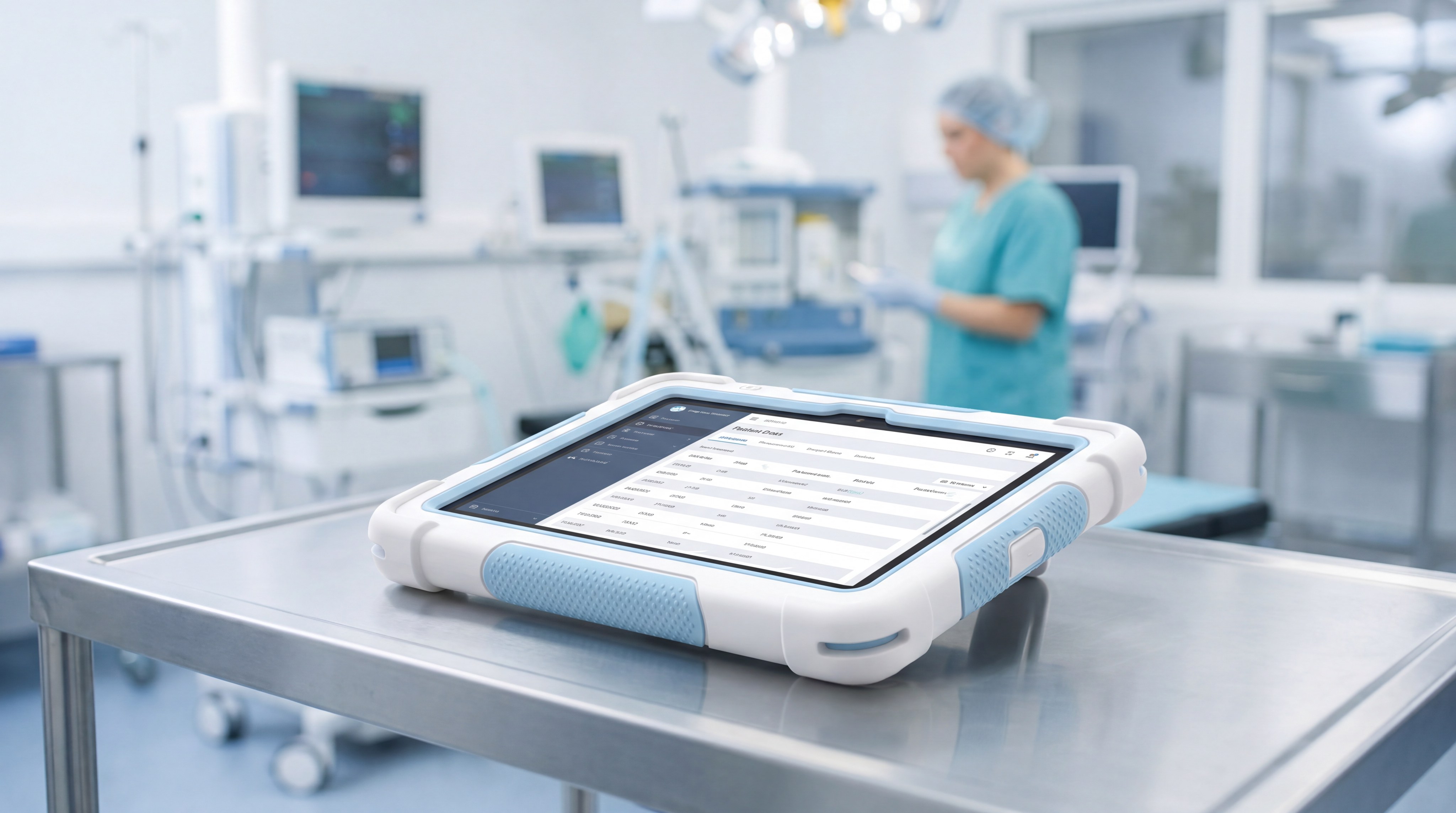
Key Takeaway: Medical-grade silicone provides a hygienic, chemical-resistant barrier that is vital for maintaining patient safety and equipment longevity.
| Medical Requirement | Silicone Compliance | Standard Plastic |
|---|---|---|
| Chemical Resistance | High | Low |
| Sterilization Safe | Yes | No |
| Biocompatible | Yes | Rarely |
Silicone is the only material in this category that meets all three critical requirements for high-standard medical device protection.
How does silicone protect industrial equipment?
Silicone protects industrial equipment by providing a rugged, dust-tight seal that shields sensitive components from debris, oil, and heavy impacts. High-performance Silicone Protective Cases are often utilized in manufacturing plants to extend the life of diagnostic tools. Advanced manufacturing techniques like LSR injection molding allow for the creation of precision-fit sleeves that block out harmful contaminants.
Rugged shielding for diagnostic tools
But consider this: dropping a specialized sensor on a concrete factory floor usually results in immediate replacement costs.
- Ruggedized silicone boots absorb high-impact energy.
- They protect the corners and edges where devices are most vulnerable.
Dust and debris prevention in factories
Think about it: metallic dust and oil splashes can easily infiltrate the ports of your hardware.
- Custom-fit silicone creates a tight seal around the device.
- It keeps internal cooling systems free from clogs.
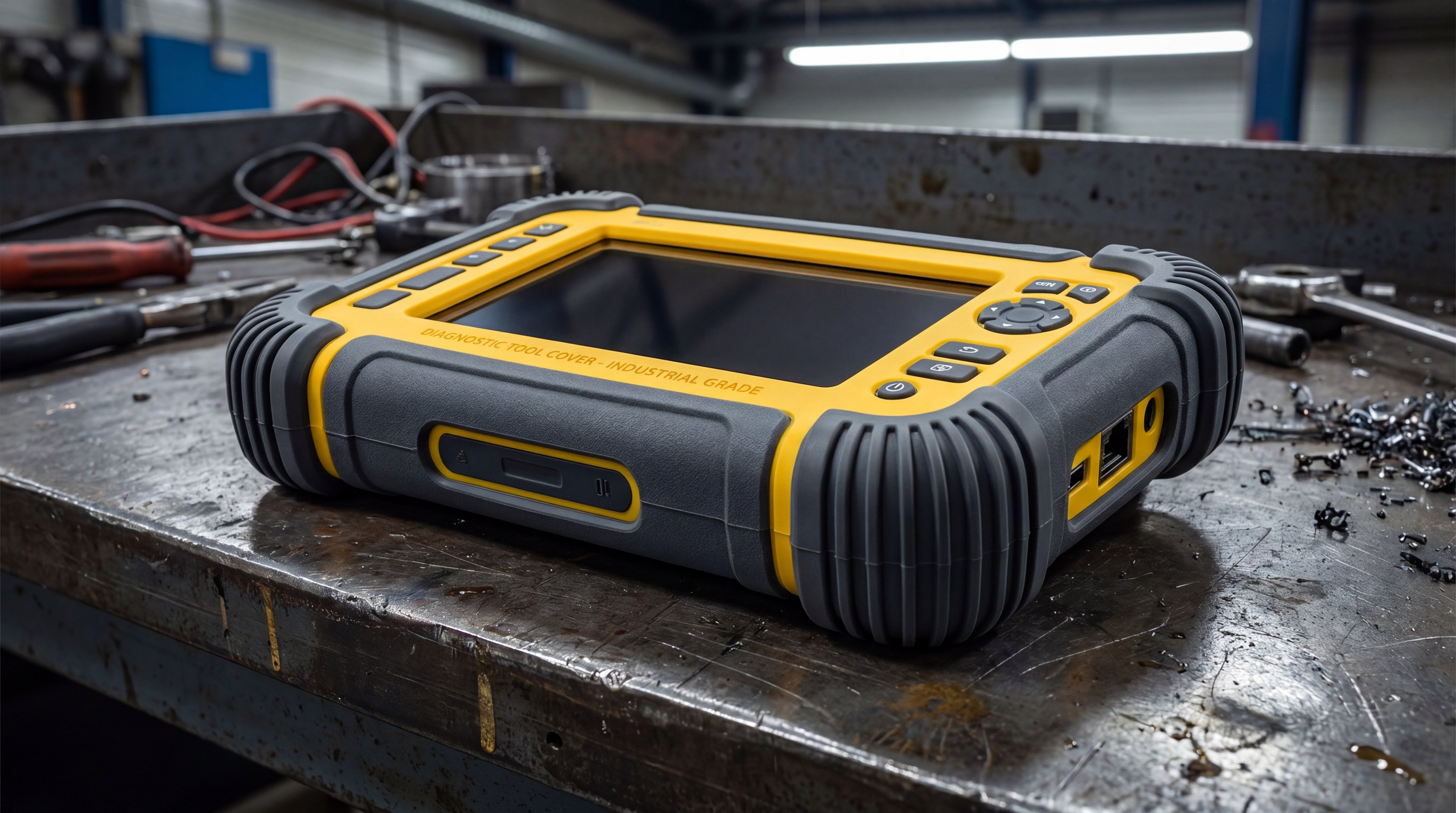
Key Takeaway: Industrial silicone shielding prevents hardware downtime by protecting against both physical impact and fine particulate contamination.
| Industrial Grade | Standard Protection | Silicone Shielding |
|---|---|---|
| Drop Rating | < 1 Meter | 3+ Meters |
| Seal Integrity | Open | Dust-Tight |
| Oil Resistance | Poor | Excellent |
Silicone provides a superior industrial seal and drop rating, making it the standard for protecting expensive factory-floor electronics.
Is silicone the best choice for audio gadgets?
Silicone is the best choice for audio gadgets because it provides a precise, “second-skin” fit while dampening unwanted vibrations that can interfere with sound quality. Small electronics like earbuds benefit greatly from the flexibility of Silicone Protective Cases, which allow for seamless hinge movement and port access. Many brands use custom silicone sleeves to enhance the user experience and protect the delicate charging cases.
Custom sleeves for earbuds and controllers
Here is the deal: audio accessories have complex shapes that are difficult to protect with rigid materials.
- Silicone molds perfectly to every curve.
- It provides a soft layer that prevents scratches in your pocket or bag.
Dampening vibrations for better performance
The best part? Silicone acts as an acoustic isolator, preventing external vibrations from affecting sensitive microphones.
- It reduces the “thumping” sound when handling handheld recorders.
- It creates a better seal for in-ear components.
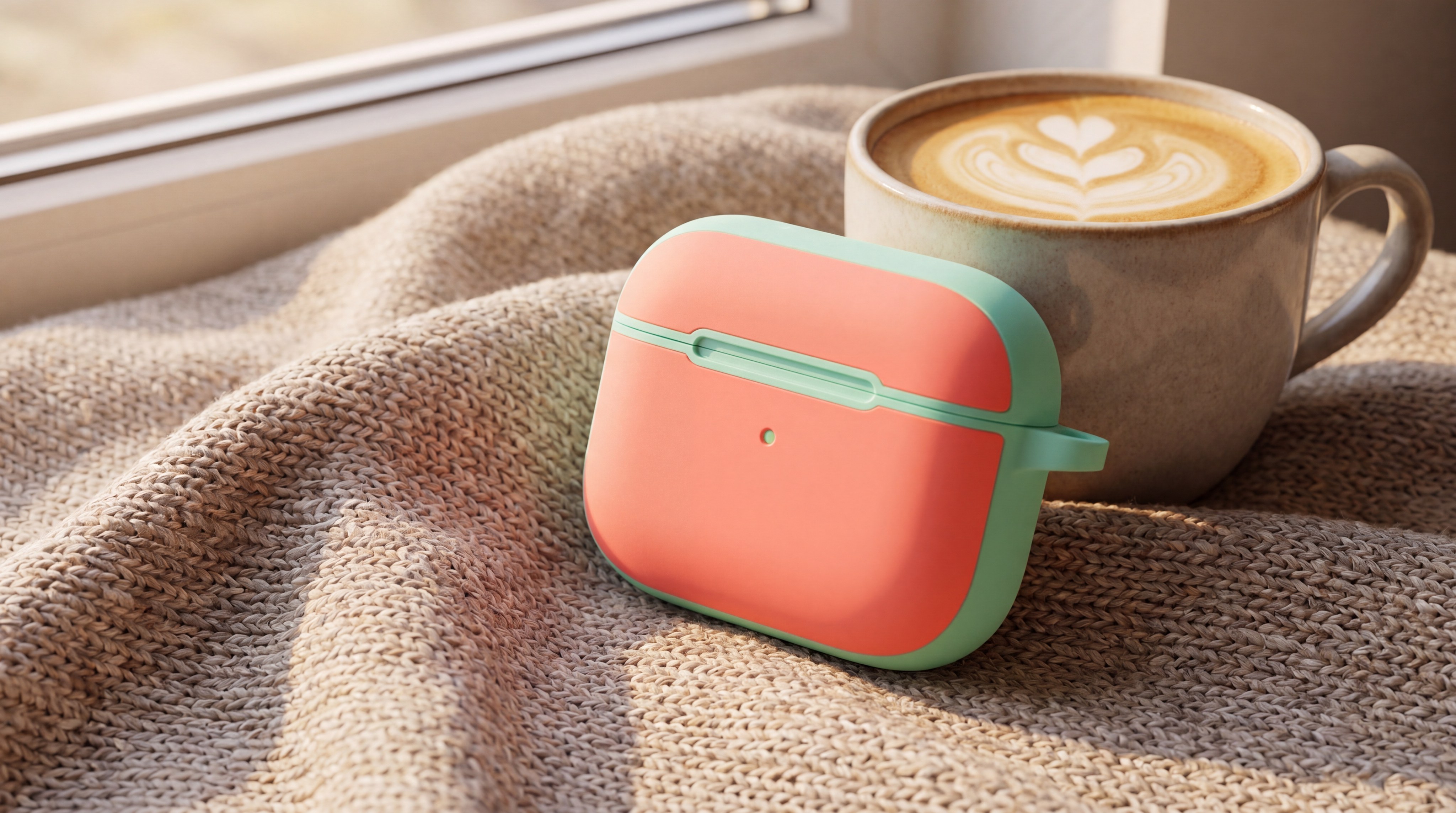
Key Takeaway: Silicone enhances the longevity and performance of audio gadgets by providing a custom, vibration-resistant fit.
| Audio Accessory | Protection Level | Aesthetic Value |
|---|---|---|
| Earbud Case | High | Maximum |
| Remote Cover | Full | High |
| Acoustic Seal | Precision | Functional |
The combination of precision molding and high protection makes silicone the ideal choice for high-end consumer audio devices.
Are silicone protective cases eco-friendly?
Silicone protective cases are more eco-friendly than plastic because they are highly durable, non-toxic, and do not break down into harmful microplastics. Investing in Silicone Protective Cases means you will replace your protection far less frequently, reducing the volume of waste sent to landfills. Furthermore, silicone is derived from silica (sand), making it a more sustainable alternative to petroleum-based plastics.
Long lifespan and durability benefits
But consider this: every time a cheap plastic case cracks and is thrown away, it contributes to the global waste crisis.
- Silicone cases often last for the entire life of the device.
- They do not degrade into brittle pieces that pollute the soil.
Recyclability and reduced plastic waste
Think about it: silicone can be safely incinerated or recycled at specialized facilities without releasing toxic fumes.
- It does not contain hazardous chemicals like lead or phthalates.
- It represents a move toward circular economy principles in tech accessories.
Key Takeaway: Silicone’s long-term durability and non-toxic composition make it the most sustainable choice for protective hardware.
| Sustainability | Silicone | Plastic |
|---|---|---|
| Degradation | Very Slow | Rapid (Microplastics) |
| Replacement Cycle | 3-5 Years | < 1 Year |
| Chemical Toxicity | Low | High |
This comparison highlights that silicone significantly reduces environmental impact through its extended replacement cycle and lower toxicity.
Can you customize cases for your brand?
Yes, you can customize silicone cases to match your brand’s visual identity through precision color matching, logo engraving, and bespoke structural designs. Silicone Protective Cases offer unparalleled design flexibility, allowing for complex geometries that cater to unique hardware requirements. This ensures that your professional equipment not only stays protected but also reflects your company’s aesthetic standards.
Color matching and logo integration
The best part? Silicone supports a wide range of Pantone colors that remain vibrant even after years of use.
- You can apply laser-engraved logos for a permanent brand presence.
- Silk-screen printing allows for high-contrast corporate messaging.
Tailored designs for unique hardware
Here is the deal: specialized scientific or industrial tools require custom enclosures that off-the-shelf products cannot provide.
- Silicone can be molded with varying thicknesses for targeted protection.
- It allows for the integration of custom buttons and port covers.
Key Takeaway: Custom silicone molding provides a professional, branded look while ensuring a perfect fit for proprietary hardware.
| Customization Option | Availability | Durability of Design |
|---|---|---|
| Laser Marking | Yes | Permanent |
| Custom Pantone | Yes | Fade-Resistant |
| Texture Variation | Yes | Integrated |
Silicone customization options allow for permanent branding and functional variations that are integrated directly into the material.
Choosing the right protective material is a strategic decision that impacts the reliability and hygiene of your professional equipment. Silicone solves the problem of fragile electronics by providing a durable, shock-absorbent, and chemical-resistant shield that outlasts all other alternatives. We can help you secure your hardware investments with high-precision, ISO-certified manufacturing. Our vision is to set the global standard for industrial and medical protection. Please contact us today to discuss your custom project and receive a professional quote.
Frequently Asked Questions (FAQ)
Can I use silicone cases for devices that generate heat?
Absolutely. Silicone remains stable at temperatures exceeding 200°C, meaning it will not melt or deform even when protecting high-performance hardware.
What’s the best way to clean my silicone case?
Absolutely. Silicone is water-resistant and chemically stable, so you can safely wash it with soap and water or use medical-grade disinfectants.
How do I know if my case is made of high-quality silicone?
Absolutely. Professional-grade silicone will have a smooth, non-sticky texture and will immediately return to its original shape after being stretched or bent.
Can I get a custom logo on my silicone case?
Absolutely. Silicone is highly compatible with laser engraving and silk-screen printing, allowing for permanent and detailed branding on any device.
What’s the best material for drop protection in a warehouse?
Absolutely. Silicone is the superior choice because its elastomeric properties allow it to absorb and dissipate the heavy impact energy of a fall onto concrete.