
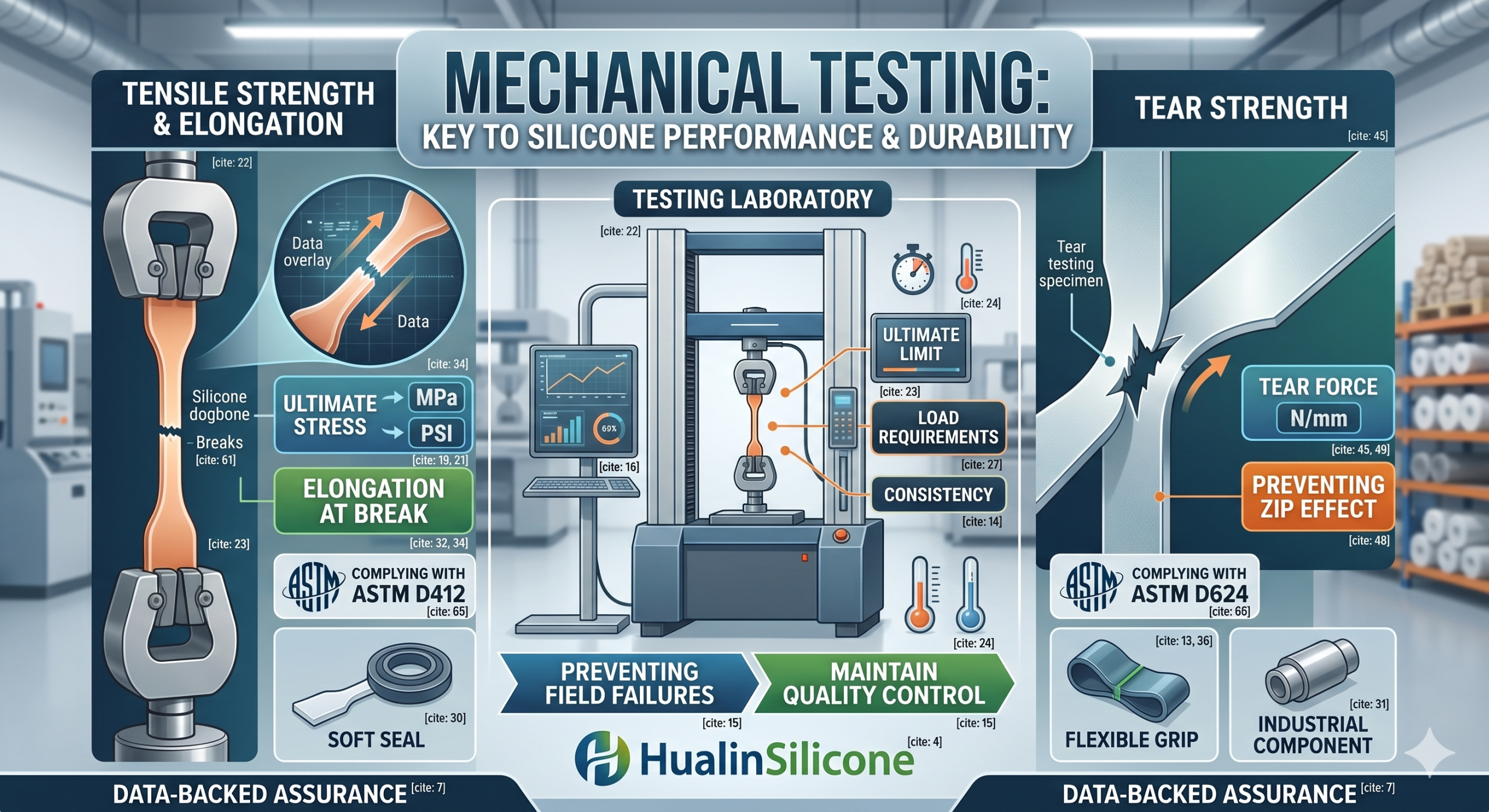
Mechanical testing of silicone products matters because it quantifies the material’s ability to resist breaking, stretching, and tearing under real-world stress. You spend months designing a perfect component, yet it fails during its first week in the field. This failure leads to costly product recalls and erodes your customer’s trust in your engineering capabilities. By prioritizing rigorous mechanical testing during silicone manufacture, you ensure every part is built to exceed performance expectations.
Why is mechanical testing vital for your silicone manufacture?
Testing is essential because it serves as a proxy for real-world performance, ensuring parts do not fail in critical applications. High-stakes industries require data-backed assurance that their components can withstand cyclic stress and environmental pressure. Within the scope of silicone manufacture, these tests provide the baseline for safety and longevity.
Protecting your brand reputation
Material failure is more than a technical glitch; it is a threat to your business integrity. When components snap or deform prematurely, the financial fallout from warranties and replacements can be staggering. Here is the deal: testing filters out weak batches before they reach your clients.
Enhancing user experience through data
Product comfort and reliability are directly linked to mechanical metrics like hardness and flexibility. If a seal is too stiff or a grip tears easily, the user perceives the entire product as low-quality.
- Prevents unexpected part rupture.
- Ensures consistency across high-volume runs.
- Validates material selection for specific environments.
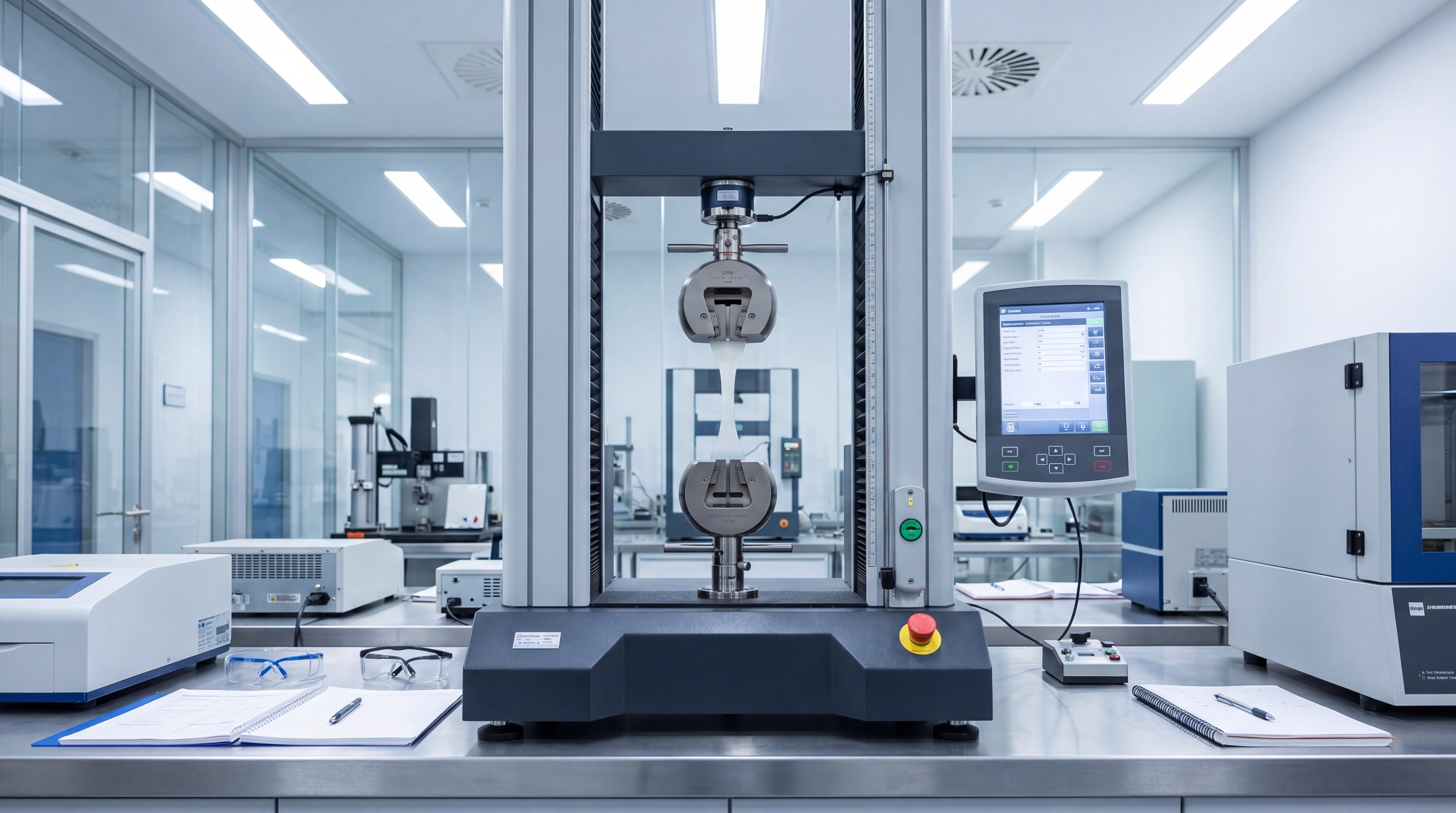
Key Takeaway: Mechanical testing acts as your primary insurance policy against field failures and helps maintain a high standard of quality control.
| Metric | Benefit | Business Value |
|---|---|---|
| Reliability | Fewer Recalls | Lower Costs |
| Performance | Higher Durability | Customer Loyalty |
Rigorous validation ensures that every component performs exactly as specified in the design phase.
What is tensile strength in silicone manufacture?
Tensile strength is the maximum amount of pulling stress a material can withstand before it physically ruptures. This metric is a primary indicator of the “toughness” of the raw material used in silicone manufacture. It is typically measured in MegaPascals (MPa) or Pounds per Square Inch (PSI).
Measuring ultimate stress
During a tensile test, a specimen is pulled from both ends until it snaps. The point at which the material breaks determines its ultimate tensile strength. But wait, there is more: the speed of the pull and the temperature of the room can shift these results significantly.
Benchmarking for high-performance parts
Industrial applications often require silicones with tensile strengths exceeding 7.0 MPa to handle high-pressure environments. You must ensure your supplier provides batch-specific data rather than generic material sheets.
- Identify the maximum load requirements.
- Select a durometer that supports the necessary tensile limit.
- Verify results against international benchmarks.
Key Takeaway: Tensile strength provides the ultimate limit of a material’s structural integrity under tension, making it vital for load-bearing parts.
| Shore A Hardness | Typical Tensile (MPa) | Common Use Case |
|---|---|---|
| 30A – 40A | 4.0 – 6.5 | Soft seals and gaskets |
| 50A – 70A | 7.0 – 10.5 | Industrial components |
High tensile strength is the foundation of a durable product that resists snapping under heavy use.
How does elongation impact flexible silicone manufacture?
Elongation at break determines how far a silicone part can stretch relative to its original length before it fails. In the context of silicone manufacture, high elongation is non-negotiable for parts that undergo constant deformation. It is expressed as a percentage, with some silicones reaching over 600% stretch.
Defining the “stretchy” factor
If a material has 400% elongation, it means it can be pulled to five times its original length before snapping. This property is essential for components like suction cups, expansion joints, and flexible sleeves. Here is the kicker: as you increase material hardness, elongation typically decreases.
Choosing the right flexibility
Selecting the wrong elongation range can lead to parts that are either too stiff to function or too stretchy to maintain their shape. You must balance this metric with the intended application’s mechanical requirements.
- High elongation is ideal for wearable tech.
- Low elongation is better for rigid structural seals.
- Medium ranges support general consumer goods.
Key Takeaway: Elongation at break is the critical metric for any part that must deform and rebound without permanent distortion.
| Application | Target Elongation (%) | Key Property |
|---|---|---|
| Suction Cups | 300% – 600% | High deformation |
| Static Seals | 100% – 250% | Shape retention |
Properly specified elongation ensures that your flexible parts function reliably over thousands of cycles.
Why is tear strength the ultimate durability metric?
Tear strength measures the force required to propagate a rip once a nick or cut has already been initiated in the material. This is perhaps the most overlooked factor in silicone manufacture, yet it often causes the most field failures. High tensile strength does not always guarantee high tear resistance.
Preventing the “zip” effect
Some silicones are strong under a straight pull but will “zip” apart the moment they sustain a tiny scratch. This property is measured in Newtons per millimeter (N/mm) using notched specimens. You better believe it: a small design flaw can turn a tiny nick into a total part failure.
Testing for real-world hazards
Parts used in medical or industrial settings are often exposed to sharp edges or rough handling. Specifying a “high-tear” grade of silicone can save a design that would otherwise be prone to ripping.
- Use Die B or Die C specimens for standard testing.
- Evaluate the “trouser tear” for thin-walled parts.
- Check for notch sensitivity in complex geometries.
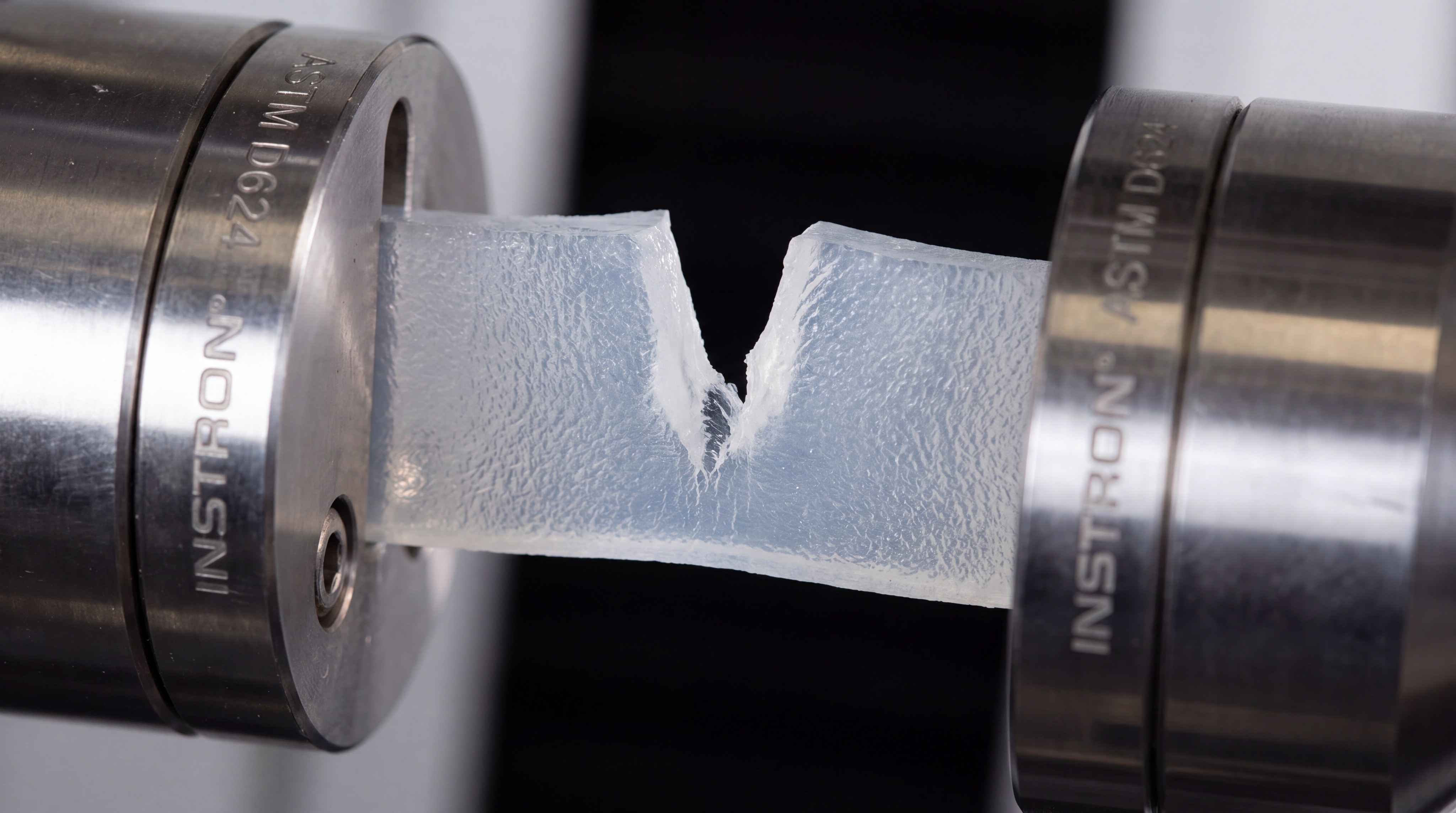
Key Takeaway: High tear strength prevents small surface damages from turning into catastrophic component failures.
| Grade Type | Tear Strength (N/mm) | Performance Level |
|---|---|---|
| General Purpose | 10 – 20 | Moderate |
| High Tear Grade | 30 – 50 | Superior |
Tear resistance is the primary barrier against the accidental destruction of silicone components in the field.
Which ASTM standards govern silicone manufacture testing?
ASTM standards provide the objective benchmarks necessary for global compliance and consistent quality across different suppliers. In silicone manufacture, adhering to ASTM D412 and D624 ensures that your data is comparable and accurate. Without these standards, material specifications are merely suggestions.
Understanding ASTM D412 for tensile
This standard covers the procedures used to evaluate the tensile properties of thermoplastic elastomers and vulcanized rubbers. It requires specific “dogbone” shaped specimens to ensure that the break occurs in a controlled area. The bottom line is: if it isn’t D412, the tensile data might be unreliable.
Applying ASTM D624 for tear
For tear resistance, ASTM D624 utilizes different die shapes to simulate various types of stress concentrations. You must know which “Die” was used because results from Die B and Die C are not directly interchangeable.
- ASTM D412: Tensile and Elongation.
- ASTM D624: Tear Resistance.
- ASTM D395: Compression Set (optional but useful).
Key Takeaway: Relying on recognized ASTM standards is the only way to ensure your material data is scientifically valid and globally accepted.
| Standard | Test Subject | Required Geometry |
|---|---|---|
| ASTM D412 | Ultimate Strength | Dogbone Specimen |
| ASTM D624 | Rip Resistance | Notched Specimen |
Standardized testing eliminates the ambiguity of material performance and builds professional trust between partners.
How do cure systems affect silicone mechanical properties?
The chemical process used to cross-link silicone chains—known as curing—drastically alters the final mechanical outcome. In the world of silicone manufacture, you must choose between platinum-cured and peroxide-cured systems. Each offers a different profile of strength, purity, and stretch.
Platinum-cured vs. Peroxide
Platinum systems generally produce silicones with higher tensile strength and better elongation at break. They are also cleaner, leaving no chemical byproducts that could compromise the material’s integrity over time. Make no mistake: platinum is the gold standard for high-performance applications.
Selecting for medical and consumer use
In regulated environments, the purity of platinum-cured silicone is mandatory to meet safety certifications. Peroxide systems are more cost-effective but often yield lower tear strength and a slight odor.
- Platinum: Best for high-stretch and high-purity.
- Peroxide: Best for low-cost, low-flex parts.
- Addition-cure: Provides the most consistent results.
Key Takeaway: The choice of cure system is a fundamental decision that dictates the material’s ultimate mechanical limits.
| Cure System | Strength | Purity |
|---|---|---|
| Platinum | High | Exceptional |
| Peroxide | Moderate | Average |
A superior cure system translates directly into a more reliable and higher-performing final silicone product.
Can part geometry influence silicone manufacture failure?
Even the best material will fail if the mechanical design concentrates stress at vulnerable points. During silicone manufacture, the physical shape of a part interacts with its material properties to determine durability. Sharp internal corners are the most frequent cause of premature tearing.
Managing stress concentration
Sharp 90-degree angles act as stress risers where a tear is likely to begin under minimal load. By adding small radii or fillets, you can distribute the force more evenly across the material. This sounds simple, but: it is the most effective way to “increase” strength without changing the material.
Scaling from lab to production
Lab tests are performed on flat, uniform specimens, but real products have complex wall thicknesses. You must validate the design through functional testing on the actual part geometry to ensure the data holds up.
- Avoid knife-edges in flexible parts.
- Use tapered transitions between thick and thin walls.
- Add ribs to support high-tension areas.
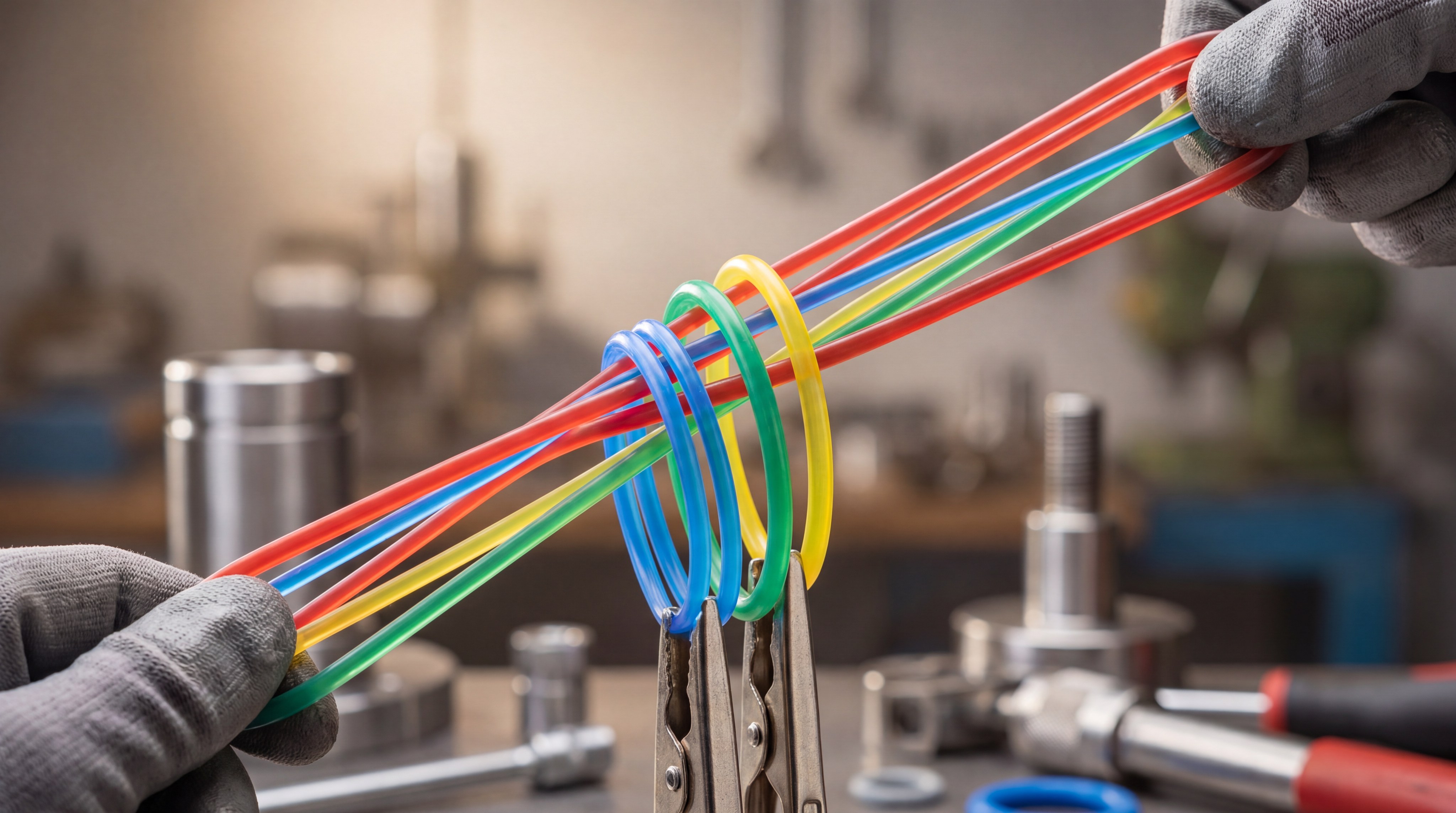
Key Takeaway: Intelligent geometry design is just as important as material selection in preventing mechanical part failure.
| Design Feature | Risk Level | Mitigation |
|---|---|---|
| Sharp Corners | High | Add 0.5mm Radii |
| Thin Walls | Medium | Use High-Tear Grade |
Proper geometry turns a good material into a great product by eliminating localized stress points.
How do fillers modify silicone manufacture performance?
Reinforcing fillers like fumed silica are added to silicone polymers to provide structural support and enhance mechanical properties. In silicone manufacture, the volume and type of filler used will determine how much the material can stretch and how hard it is. Pure silicone polymer is actually quite weak on its own.
Boosting tensile with silica
Adding fumed silica creates a network within the polymer that significantly increases both tensile and tear strength. However, there is a catch: too much filler can make the silicone brittle, reducing its elongation. You must find the optimal balance for your specific application.
Softening with silicone oil
When a very soft durometer is required, manufacturers may add silicone oil to the mix. While this makes the part more flexible, it almost always reduces the overall tear resistance and tensile strength.
- Silica: Increases strength and hardness.
- Oil: Increases softness but lowers durability.
- Colorants: Generally neutral impact on mechanics.
Key Takeaway: Filler loading is the primary tool manufacturers use to tune silicone properties to your exact specifications.
| Additive | Effect on Strength | Effect on Flexibility |
|---|---|---|
| Fumed Silica | Increase | Decrease |
| Silicone Oil | Decrease | Increase |
Balancing additives allows engineers to create silicones that are tailored for either extreme softness or industrial toughness.
How should you interpret silicone manufacture test data?
Reading a material data sheet requires an understanding of how different metrics interact to define the material’s behavior. In silicone manufacture, you should never look at tensile strength in isolation from elongation. These numbers tell a story about how the part will respond to force.
Analyzing the relationship of metrics
A material with high tensile strength but low elongation is stiff and potentially brittle. Conversely, a material with high elongation but low tensile strength is very stretchy but may lack the “snap-back” needed for seals. Trust me on this: the “sweet spot” depends entirely on your mechanical load.
Validating batch consistency
Always compare the test data from the raw material supplier with the results from the finished molded part. Heat and pressure during the molding process can sometimes degrade the mechanical properties of the original silicone.
- Check for ASTM compliance on the report.
- Verify that the durometer matches your design.
- Compare batch-to-batch variance over time.
Key Takeaway: Effective data interpretation involves looking at the holistic mechanical profile rather than individual “hero” numbers.
| Metric Combo | Material Behavior | Application |
|---|---|---|
| High Tensile / Low Elongation | Stiff & Strong | High-pressure seals |
| Low Tensile / High Elongation | Soft & Stretchy | Protective sleeves |
Interpreting data correctly ensures that you select a material that fits the functional reality of your product.
How do you verify quality in silicone manufacture?
Quality verification involves a multi-stage inspection process that confirms the finished parts meet the mechanical benchmarks set during design. In silicone manufacture, this starts with raw material testing and ends with final article inspection. You must ensure your partner uses calibrated equipment and standardized methods.
Implementing in-process checks
Don’t just wait for the final batch to test for strength. Periodic sampling during the production run helps identify issues with temperature or pressure that could be weakening the parts. It is a simple fact: catching errors early saves time and money.
Requesting formal lab reports
A reputable manufacturer will provide a Certificate of Analysis (COA) that lists the actual mechanical test results for your specific production batch. This document is your proof that the parts will perform as promised in the field.
- Verify calibration dates on test machinery.
- Use visual inspection for surface nicks.
- Perform functional “pull tests” on real parts.

Key Takeaway: Systematic verification is the final step in ensuring that mechanical testing data translates into real-world reliability.
| Inspection Level | Focus Area | Goal |
|---|---|---|
| Incoming | Raw Material | Baseline Quality |
| Outgoing | Finished Part | Specification Match |
Continuous verification builds a transparent supply chain where quality is proven by data, not just promised.
Conclusion
Mastering mechanical testing is the difference between a product that survives and one that thrives. By understanding how tensile strength, elongation, and tear resistance interact, you can design parts that are safer, more durable, and more comfortable for the end user. We specialize in solving complex material challenges through rigorous data and precision engineering. From rapid prototyping to high-volume production, our facility is equipped to handle the most demanding specifications in the industry. Our vision is to empower engineers with the highest-quality silicone components that push the boundaries of modern technology. Let us help you eliminate material failure from your supply chain once and for all. Contact us today to receive a comprehensive DFM review and a technical quote for your next project.
FAQ
Can I predict tear strength based on tensile strength?
No, because they measure different physical phenomena. A material can have very high tensile strength but be extremely notch-sensitive, meaning it will rip easily if it gets a small scratch.
What’s the best way to prevent silicone parts from snapping?
The best way is to choose a material with an elongation at break that is at least double the maximum stretch the part will experience in real-world use.
How do I know if my supplier is using ASTM standards?
You should request a formal test report or Certificate of Analysis that specifically cites ASTM D412 or D624 next to the reported data values.
What’s the best silicone for high-flex applications?
Generally, a platinum-cured Liquid Silicone Rubber (LSR) with high fumed silica content offers the best combination of high elongation and superior tear resistance for constant flexing.
Can I improve the strength of a part without changing the mold?
Yes, you can often switch to a higher-strength or high-tear grade of silicone material that fits within your existing tooling parameters.