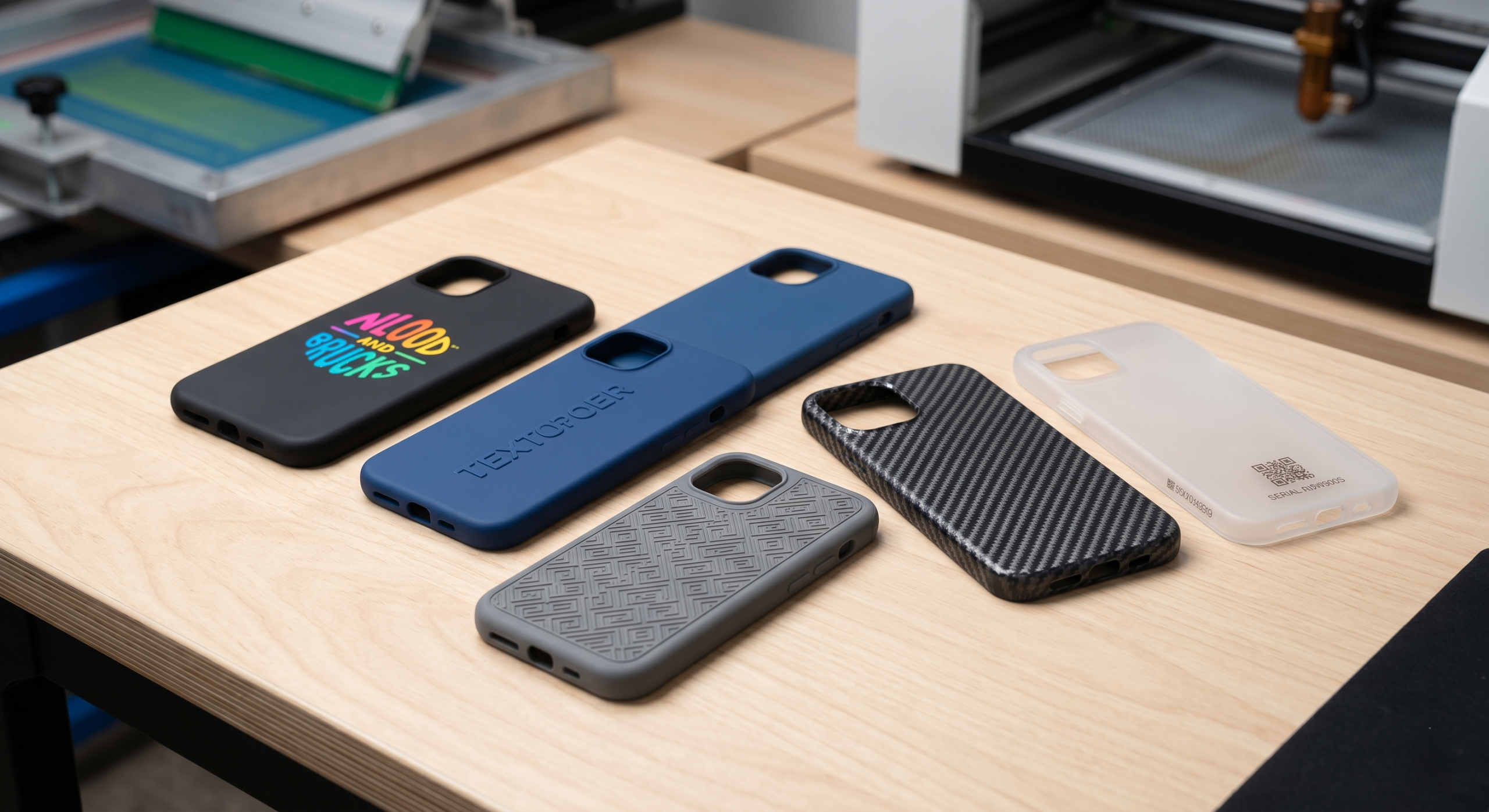
You can put logos or patterns on silicone cases using various professional methods including CNC mold milling, screen printing, heat transfer, and laser engraving. These techniques allow for permanent, high-resolution branding that elevates the perceived value of your hardware.
In today’s competitive electronics market, shipping generic, unbranded products is a recipe for invisibility. When you invest in high-quality hardware but fail to brand the exterior, you lose a critical opportunity to build long-term brand equity and customer loyalty. Even worse, poorly applied logos that smudge or peel can make your premium device look like a cheap imitation. By choosing advanced manufacturing for Silicone Cases, you ensure your brand identity is as durable and professional as the product itself.
Why Brand Your Silicone Cases?
Branding your silicone cases is the most effective way to transform a commodity protective shell into a powerful marketing tool for your business. It serves as the primary touchpoint for end-users, reflecting your company’s commitment to quality and attention to detail.
Silicone Cases provide a unique tactile surface that, when branded correctly, enhances the user experience and reinforces brand recognition every time the device is handled. Without professional markings, your product lacks the “finished” look required for high-end B2B and consumer sectors.
Enhancing Professional Brand Identity
- Consistency across your entire product ecosystem.
- Establishing a premium position in a crowded marketplace.
- Strengthening visual recall through high-resolution graphics.
Ensuring Product Authenticity
- Preventing counterfeiting with proprietary molded patterns.
- Integrating serial numbers directly into the material for tracking.
- Communicating technical compliance through permanent markings.
Key Takeaway: Professional branding is not just about aesthetics; it is a vital strategy for asset protection and market differentiation.
| Benefit | Strategic Value | Impact |
|---|---|---|
| Recognition | High | Increases repeat sales |
| Professionalism | Critical | Justifies premium pricing |
| Security | Medium | Prevents unauthorized copying |
This table illustrates how strategic branding directly correlates with market value and product security.
How Does CNC Milling Work for Logos?
CNC milling works by engraving your logo or pattern directly into the steel or aluminum mold used to produce the Silicone Cases. This method ensures the branding is a physical part of the product rather than a surface layer.
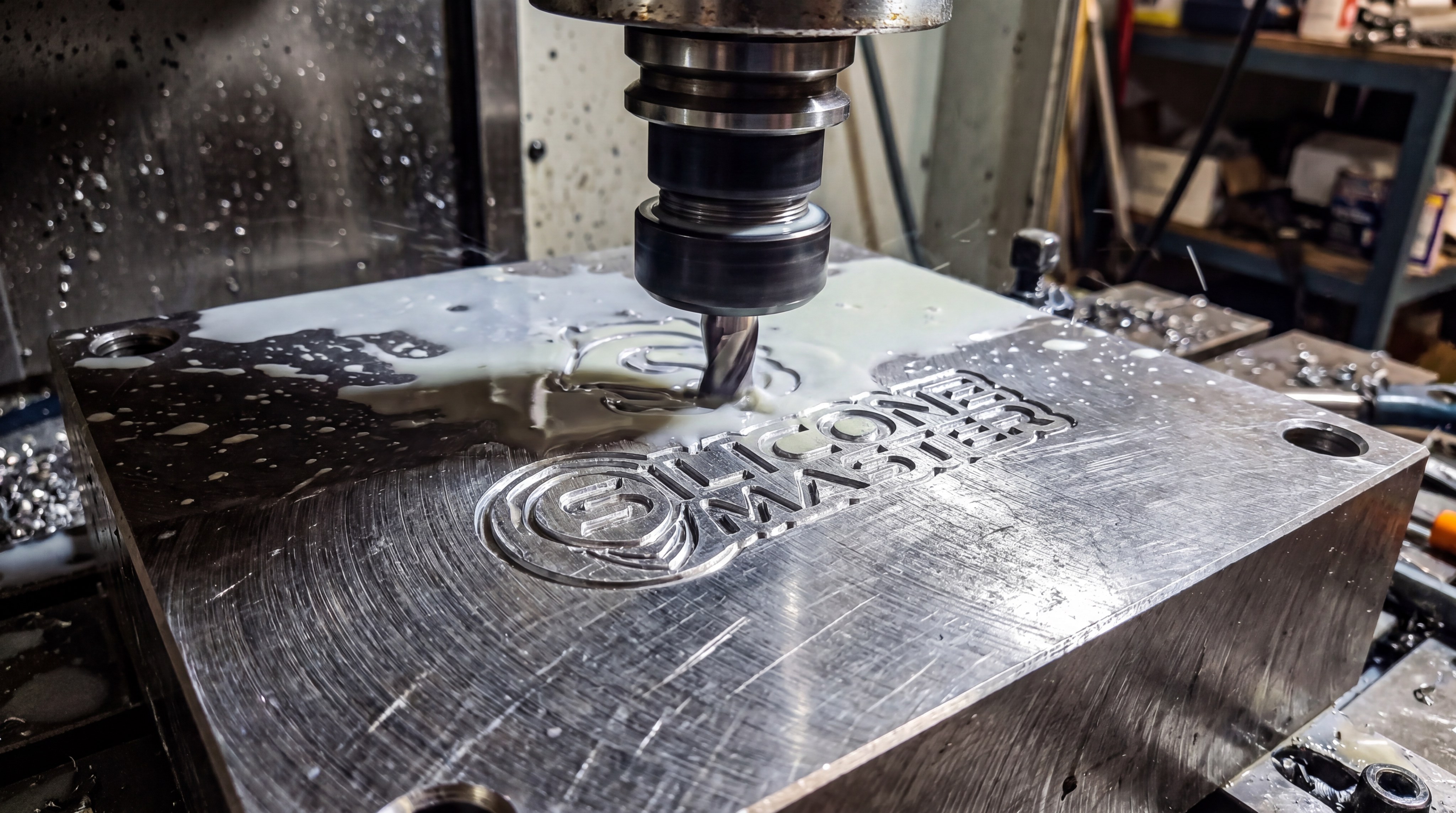
The process begins during the tooling phase where high-precision machines carve the design into the mold cavity. Because the logo is integrated into the mold, every unit produced will have the design perfectly replicated without any additional post-processing costs.
Integration into Mold Tooling
- Engraving designs directly into the metal mold surfaces.
- Achieving extreme precision for complex geometric logos.
- Reducing the per-unit cost over high-volume production runs.
Embossed vs. Debossed Effects
- Raised (embossed) designs for a distinct tactile feel.
- Recessed (debossed) designs for a sleek, flush appearance.
- Custom textures that can fill the interior of the logo.
Key Takeaway: Mold-integrated branding via CNC milling offers the highest possible durability for high-volume manufacturing projects.
| Feature | Embossed | Debossed |
|---|---|---|
| Feel | Tactile/3D | Subtle/Recessed |
| Wear | High resistance | Maximum protection |
| Cost | Standard tooling | Standard tooling |
Integrating logos into the mold provides a permanent solution that will never fade or wear off during the product’s lifespan.
Is Screen Printing Best for Silicone Cases?
Screen printing is the ideal choice for Silicone Cases that require simple, high-contrast logos with vibrant solid colors. It involves pressing specialized silicone-based ink through a mesh stencil directly onto the surface of the finished case.
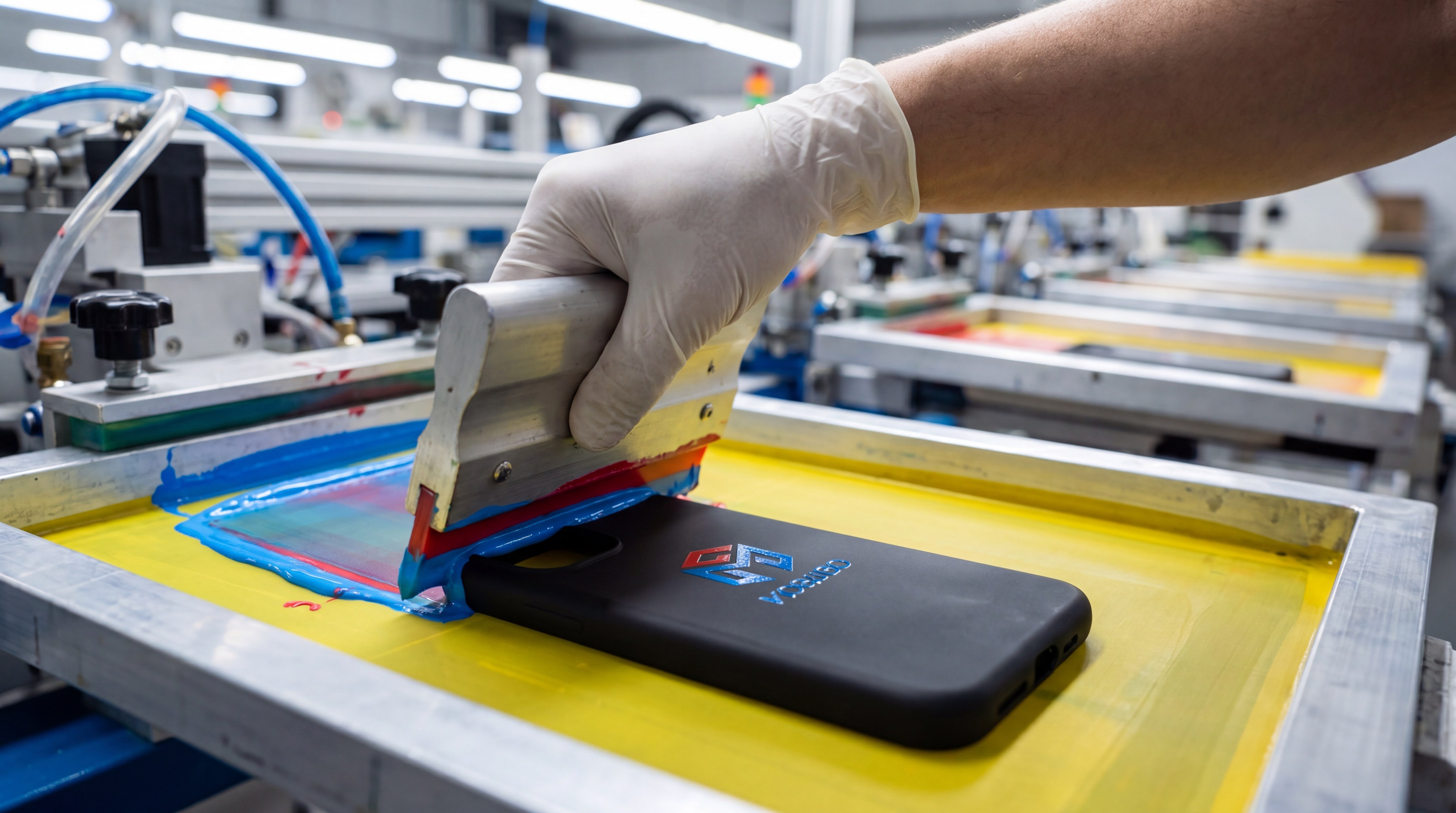
Here is the kicker: screen printing is remarkably cost-effective for large batches where color accuracy is paramount. While it doesn’t support complex gradients, it delivers a sharp, professional finish that stands out against the matte texture of the silicone.
High-Volume Cost Efficiency
- Low setup costs compared to creating new mold tooling.
- Rapid turnaround times for large industrial orders.
- Consistent color matching using the Pantone system.
Limitations of Solid Color Layers
- Best suited for logos with 1 to 3 solid colors.
- Not recommended for photographic or highly detailed patterns.
- Requires a flat or slightly curved surface for best results.
Key Takeaway: Screen printing remains the industry standard for cost-effective, high-visibility branding on flat silicone surfaces.
| Specification | Details |
|---|---|
| Ink Type | Vulcanizing silicone ink |
| Color Accuracy | 100% Pantone Match |
| Durability | High (with proper curing) |
Screen printing offers a balance of affordability and visual impact that is hard to beat for standard corporate branding.
When to Choose Heat Transfer Printing?
You should choose heat transfer printing when your Silicone Cases require complex, multi-color patterns like camouflage or carbon fiber. This process uses heat and pressure to bond a pre-printed film to the silicone substrate.
But wait, there is more. This method allows for photographic-quality resolution that traditional printing techniques simply cannot match. It creates a seamless look that wraps beautifully around the contours of your protective hardware.
Achieving Complex Multi-Color Patterns
- Support for gradients, wood grains, and intricate textures.
- High-resolution reproduction of digital artwork and photos.
- Unlimited color palette in a single application process.
Durability Against Environmental Stress
- Chemical bonding that resists water and heat.
- Fade-resistant pigments for long-term outdoor exposure.
- Smooth surface finish that is easy for users to clean.
Key Takeaway: Heat transfer printing is the premier solution for brands that refuse to compromise on aesthetic complexity and color depth.
| Metric | Performance |
|---|---|
| Visual Detail | Exceptional |
| Color Count | Unlimited |
| Setup Cost | Higher (film production) |
This method is the go-to choice for premium lifestyle accessories and high-end consumer electronics cases.
What is Water Transfer on Silicone Cases?
Water transfer printing, also known as hydro-dipping, is a specialized technique used to apply 360-degree patterns to Silicone Cases with complex 3D geometries. The design is printed on a water-soluble film that floats on a liquid surface before the part is submerged.
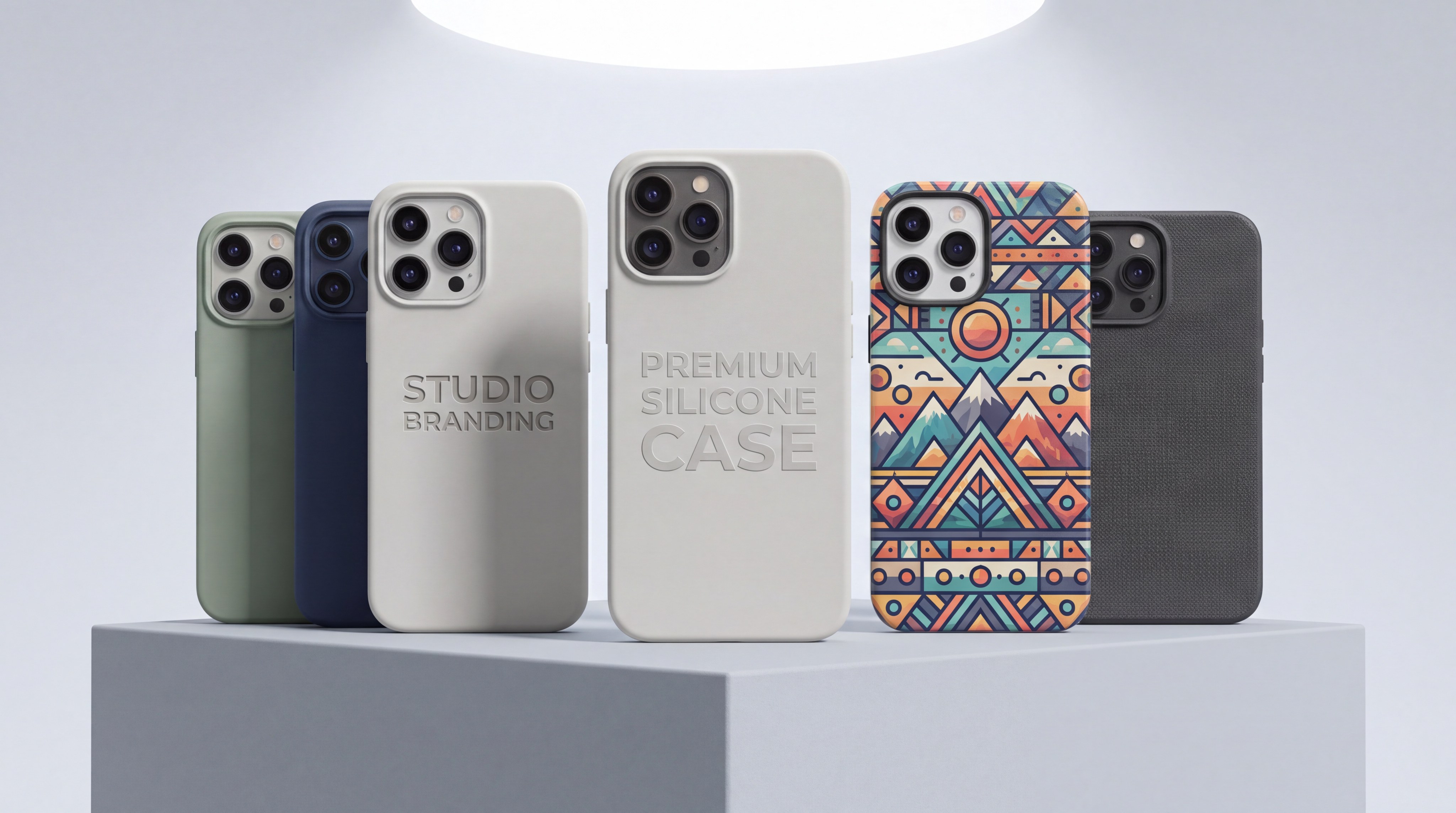
The best part? It allows you to cover every nook and cranny of an irregular shape without visible seams. This makes it perfect for rugged cases used in military or outdoor applications where full-surface camouflage is required.
Hydro-Dipping for 3D Geometry
- Seamless application on curved, recessed, or irregular parts.
- Uniform coverage that follows the physical contours of the case.
- Elimination of distortion often found in traditional flat printing.
Camouflage and Organic Textures
- Ideal for randomized patterns like marble or wood grain.
- Enhances the aesthetic value of industrial equipment.
- Provides a “premium” wrap feel to standard silicone parts.
Key Takeaway: Water transfer printing provides unparalleled coverage for complex shapes, making it the king of full-body decorative patterns.
| Surface Type | Suitability |
|---|---|
| Flat Surfaces | Excellent |
| Complex Curves | Outstanding |
| Sharp Angles | Moderate |
Hydro-dipping transforms standard silicone into a visually striking product with deep, immersive textures.
Why Use In-Mold Decoration for Cases?
In-Mold Decoration (IMD) is the best choice for Silicone Cases because it embeds the graphics into the material during the molding process. This ensures that the logo is protected by a layer of silicone, making it virtually impossible to scratch off.
Believe it or not, this technique combines decoration and molding into a single step, streamlining your production timeline. It is the gold standard for products used in harsh medical or industrial environments where sanitation and durability are non-negotiable.
Embedding Graphics During Molding
- The logo becomes an integral part of the product wall.
- Total elimination of surface wear or “peeling” issues.
- Smooth, flush finish that enhances the tactile experience.
Achieving Fade-Proof Visuals
- Graphics are shielded from UV light and chemicals.
- Ideal for food-grade or medical applications.
- Maintains a “brand new” look for years of heavy use.
Key Takeaway: IMD provides the most durable graphic solution for products exposed to extreme wear, chemicals, or frequent cleaning.
| Comparison | IMD | Traditional Print |
|---|---|---|
| Wear Resistance | Permanent | High |
| Process Steps | Single | Multiple |
| Long-term Cost | Lower | Moderate |
By integrating the design during production, you eliminate the risks associated with surface-level branding failure.
Does Laser Engraving Work on Silicone Cases?
Laser engraving is an exceptionally precise method for creating permanent, high-contrast markings on Silicone Cases without the use of inks. It uses a high-intensity beam to ablate the top layer of the material, leaving behind a clean and detailed mark.
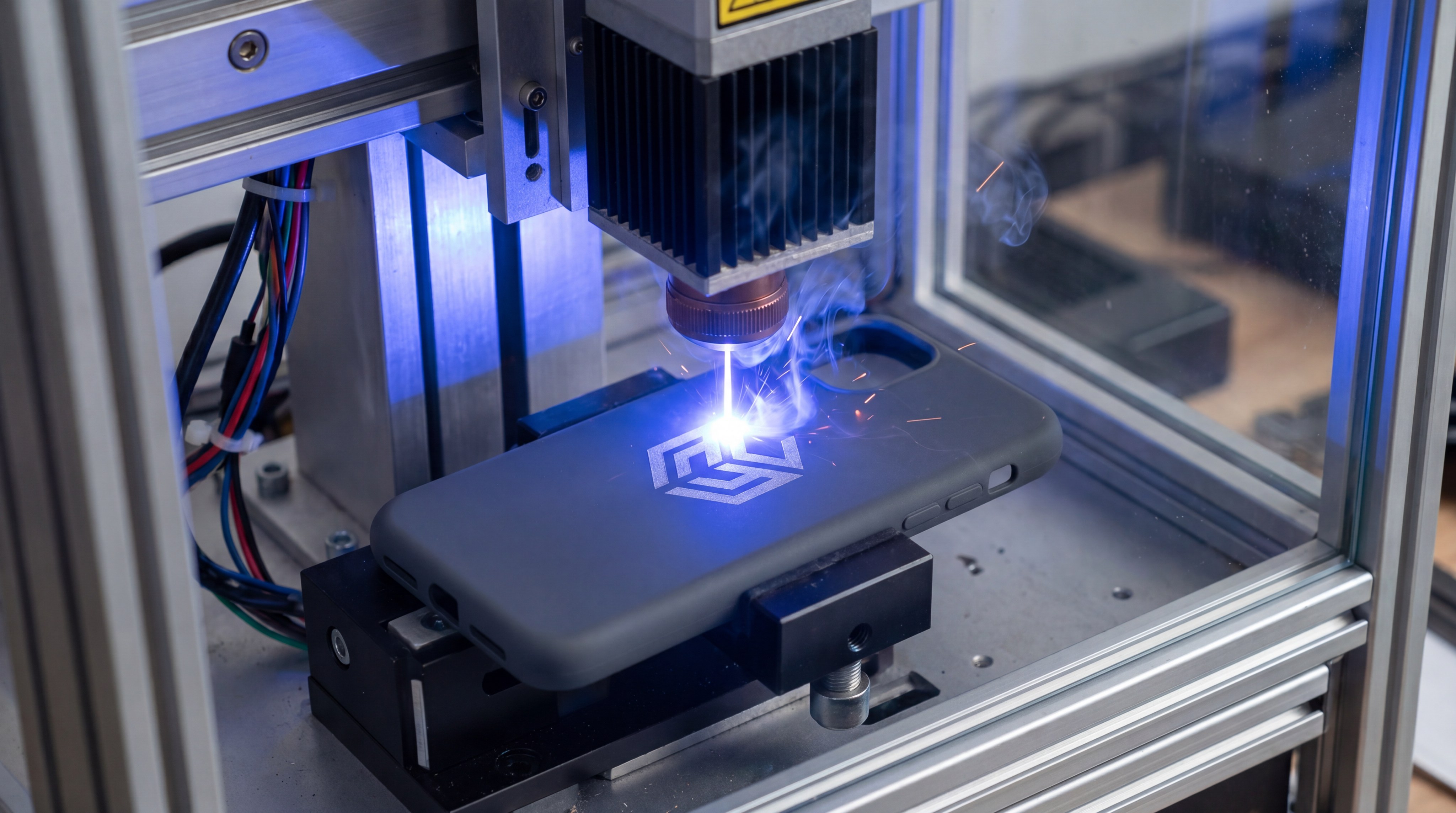
It gets better: laser engraving is perfect for adding unique identifiers like serial numbers or QR codes to individual units. Because it is a digital process, you can change the design for every single piece in the production run without extra tooling costs.
Precision Permanent Marking
- Capable of producing extremely fine lines and small fonts.
- No chemicals involved, making it a sustainable branding choice.
- The mark is etched into the material, ensuring it never fades.
Speed and Flexibility in Prototyping
- Immediate execution directly from digital vector files.
- No physical screens or molds required for the logo.
- Allows for late-stage customization of finished inventory.
Key Takeaway: Laser engraving is the most efficient and flexible method for technical markings, barcodes, and precision-driven branding.
| Attribute | Specification |
|---|---|
| Accuracy | +/- 0.05mm |
| Color Change | Substrate dependent |
| Durability | Lifetime |
Laser technology allows for a level of customization and detail that traditional mechanical methods cannot replicate.
How is Epoxy Dripping Applied to Designs?
Epoxy dripping involves filling recessed areas of a logo on your Silicone Cases with a colorful liquid resin that hardens into a 3D dome. This creates a high-gloss, tactile effect that immediately catches the light and the user’s eye.
That’s not all. This technique adds a luxurious “premium” feel to the product, distinguishing it from standard printed cases. It is often used for brand mascots or high-end corporate logos where a three-dimensional impact is desired.
Creating Raised Tactile Elements
- Adding depth and a glossy finish to the branding area.
- Providing a unique “grip” or texture to the logo.
- Making the brand identity pop against the matte silicone base.
Multi-Color Liquid Dispensing
- Precise application of different resin colors in specific zones.
- Automated dispensing for consistent quality across batches.
- Excellent bonding between the epoxy resin and the silicone.
Key Takeaway: Epoxy dripping is a high-end decorative technique that adds a distinctive luxury aesthetic and tactile depth to your branding.
| Component | Role |
|---|---|
| Resin | Decorative 3D filler |
| UV Light | Cures and hardens the dome |
| Silicone | The structural base |
This method is ideal for boutique electronics and high-value consumer goods looking for a unique shelf presence.
Can Pad Printing Handle Silicone Cases?
Pad Printing is the most versatile method for applying logos to the curved, recessed, or irregular edges of Silicone Cases. It uses a flexible silicone pad to pick up ink from a plate and “stamp” it onto the product, conforming to its shape perfectly.
The kicker is that pad printing reaches areas where flat screens simply cannot go. If your logo needs to wrap around a corner or sit inside a deep cavity, this is the solution you need for a consistent brand presence.
Branding Curved and Irregular Surfaces
- The soft pad conforms to the 3D geometry of the case.
- Allows for branding on side rails, buttons, and corners.
- Maintains consistent ink thickness even on complex slopes.
Precision Ink Transfer Mechanics
- High-speed production suitable for millions of units.
- Sharp registration for multi-color logos (up to 4 colors).
- Strong chemical adhesion through specialized silicone inks.
Key Takeaway: Pad printing is the essential tool for branding ergonomically shaped devices and cases with non-flat surfaces.
| Parameter | Capability |
|---|---|
| Surface Shape | Curvilinear/3D |
| Speed | Very High |
| Detail | Sharp/Fine |
Pad printing ensures that your brand is visible from every angle, regardless of how complex the case design is.
How to Solve Ink Adhesion Challenges?
Solving ink adhesion challenges on Silicone Cases requires surface activation techniques like plasma treatment and the use of specialized silicone-based inks. Because silicone is chemically inert, it naturally repels standard inks, leading to peeling and smudging if not treated correctly.
The secret lies in “opening” the surface energy of the material. By using a corona or plasma discharge, manufacturers can create microscopic anchors that allow the ink to vulcanize and bond permanently with the silicone substrate.
Understanding Low Surface Energy
- Silicone is non-porous, offering no mechanical bond for ink.
- Untreated surfaces cause ink to “bead up” like water on wax.
- Standard solvents cannot penetrate the silicone surface.
Surface Activation and Specialized Inks
- Plasma treatment chemically modifies the surface for 30 seconds.
- Silicone-based inks cross-link with the case during curing.
- High-temperature ovens ensure a permanent, scratch-proof bond.
Key Takeaway: Successful silicone branding is a matter of chemistry; without proper surface activation, no ink will survive daily use.
| Challenge | Solution |
|---|---|
| Peeling | Plasma surface activation |
| Smearing | High-temp oven curing |
| Fading | UV-stable silicone pigments |
Managing these technical parameters ensures that your logo remains vibrant and intact for the entire life of the product.
FAQ
- Can I use standard ink for printing on silicone? No, standard inks will not stick to the chemically inert surface of silicone; you must use specialized silicone inks and surface activation.
- What’s the best method for a multi-color gradient logo? Heat transfer or water transfer printing are the most effective techniques for achieving high-resolution gradients and complex patterns.
- Can I put a logo on a case that is already manufactured? Yes, methods like screen printing, pad printing, and laser engraving are performed on finished products post-molding.
- What’s the best way to ensure the logo never wears off? CNC milling (embossed/debossed) or In-Mold Decoration (IMD) provide the most permanent results because the branding is part of the material.
- Can I print on the inside of the silicone case? Yes, internal branding is common and is usually achieved through screen printing or pad printing for data or aesthetic lining.
Conclusion
Navigating the world of silicone customization doesn’t have to be a challenge for your procurement or engineering team. By selecting the right combination of CNC milling, advanced printing, or laser etching, you can solve the problem of generic, unbranded hardware once and for all. Our vision is to empower brands with protective solutions that are as iconic as the technology they house. To elevate your product line with permanent, professional branding, contact us today.