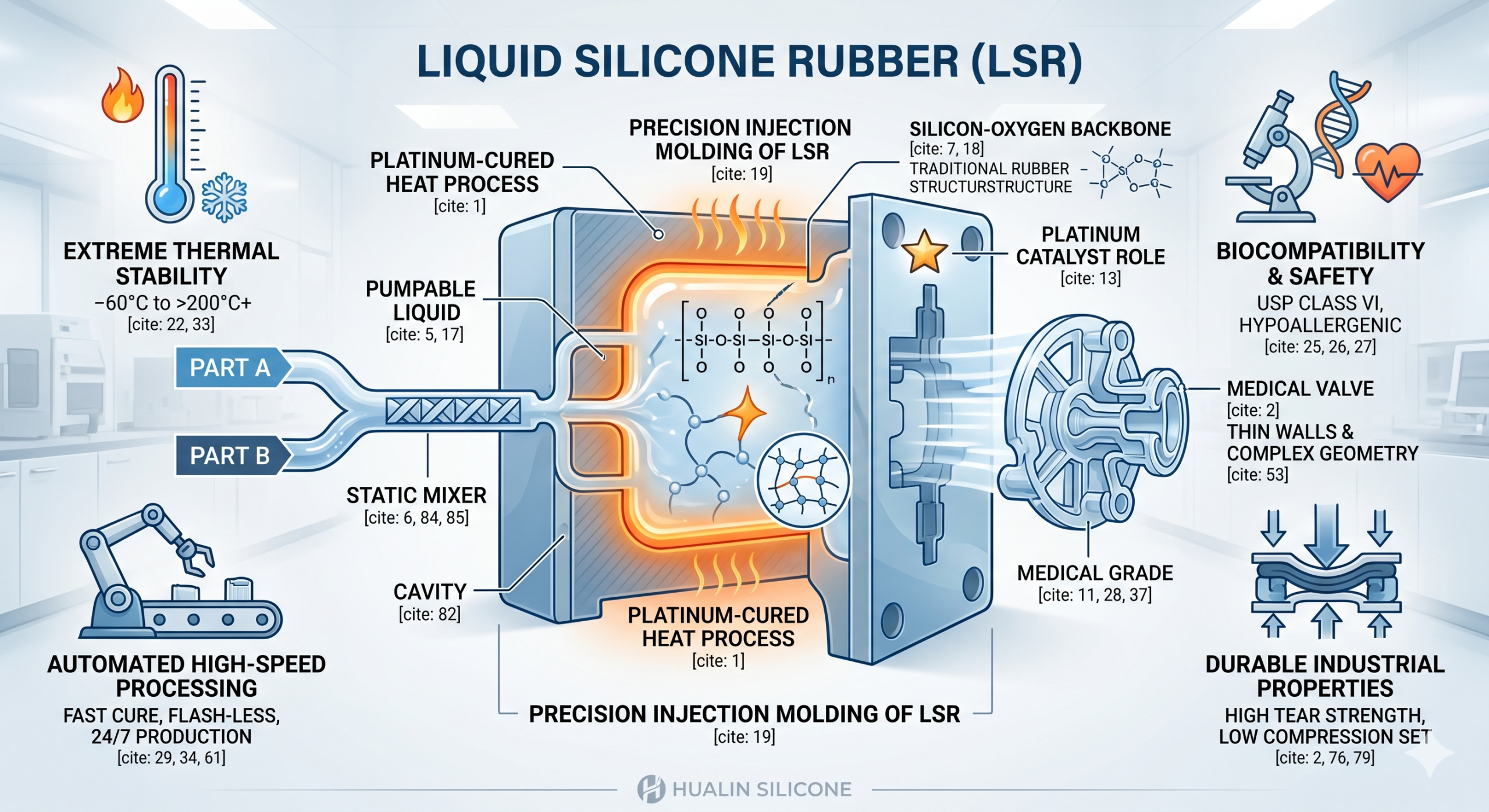
Liquid silicone rubber is a high-purity, two-component elastomer that transitions from a liquid state to a durable solid through a platinum-cured heat process. Imagine you are developing a high-precision medical valve that must withstand thousands of cycles without tearing or leaking. Standard elastomers often fail under these rigorous demands, leading to expensive product recalls and compromised safety. By integrating liquid silicone into your manufacturing workflow, you gain access to a material that combines extreme thermal stability with the speed of automated injection molding.
What exactly is liquid silicone rubber?
Liquid silicone rubber (LSR) is a pumpable, translucent material composed of a base polymer, a crosslinker, and a functional catalyst. This specialized form of liquid silicone arrives in two separate containers, typically labeled Part A and Part B, which remain stable until they are mixed together.
Main Chemical Components
The chemistry of this material relies on a backbone of silicon and oxygen atoms. Unlike traditional rubbers, it contains vinyl-functional polymers that allow for a clean, efficient curing process.
- Siloxane polymer base for flexibility.
- Silica reinforcement for mechanical strength.
- Crosslinking agents for structural integrity.
- Inhibitors to control the curing speed.
But wait, there is more: the lack of byproducts during the reaction makes it exceptionally pure. This purity is why it is the gold standard for sensitive applications.
Platinum Catalyst Role
The catalyst serves as the engine that drives the chemical reaction when the two parts meet. It ensures that the material cures quickly and completely without the need for high-pressure secondary processing.
Key Takeaway: Understanding the chemical makeup of LSR allows you to appreciate its inherent stability and cleanliness compared to organic rubbers.
| Feature | Description | Benefit |
|---|---|---|
| Material State | Two-part liquid | Easy automation |
| Cure System | Platinum-addition | No toxic byproducts |
| Structure | Si-O Backbone | High thermal stability |
The chemical composition directly dictates how the material will behave under extreme environmental stress.
Why is liquid silicone increasingly used?
It is used increasingly because it offers a unique combination of biological inertness, heat resistance, and high-speed processing efficiency. Manufacturers find that liquid silicone provides a level of consistency that traditional compression-molded rubbers simply cannot match in modern production lines.
Superior Thermal Resistance
The material maintains its physical properties across a staggering temperature range, from -60°C to over 200°C. This makes it indispensable for components that must endure both freezing environments and high-heat sterilization cycles.
Consider this: most plastics would melt or become brittle long before reaching these limits. LSR remains flexible and functional where others fail.
Biocompatibility and Safety
Safety is a primary driver for its adoption in sensitive markets. Because it is chemically inert and hypoallergenic, it does not react with human tissue or body fluids.
- USP Class VI compliance.
- BPA and phthalate-free.
- Odorless and tasteless.
- Resistance to bacteria growth.
Here is the deal: its safety profile is so high that it is frequently used for internal medical implants.
Automated Processing Benefits
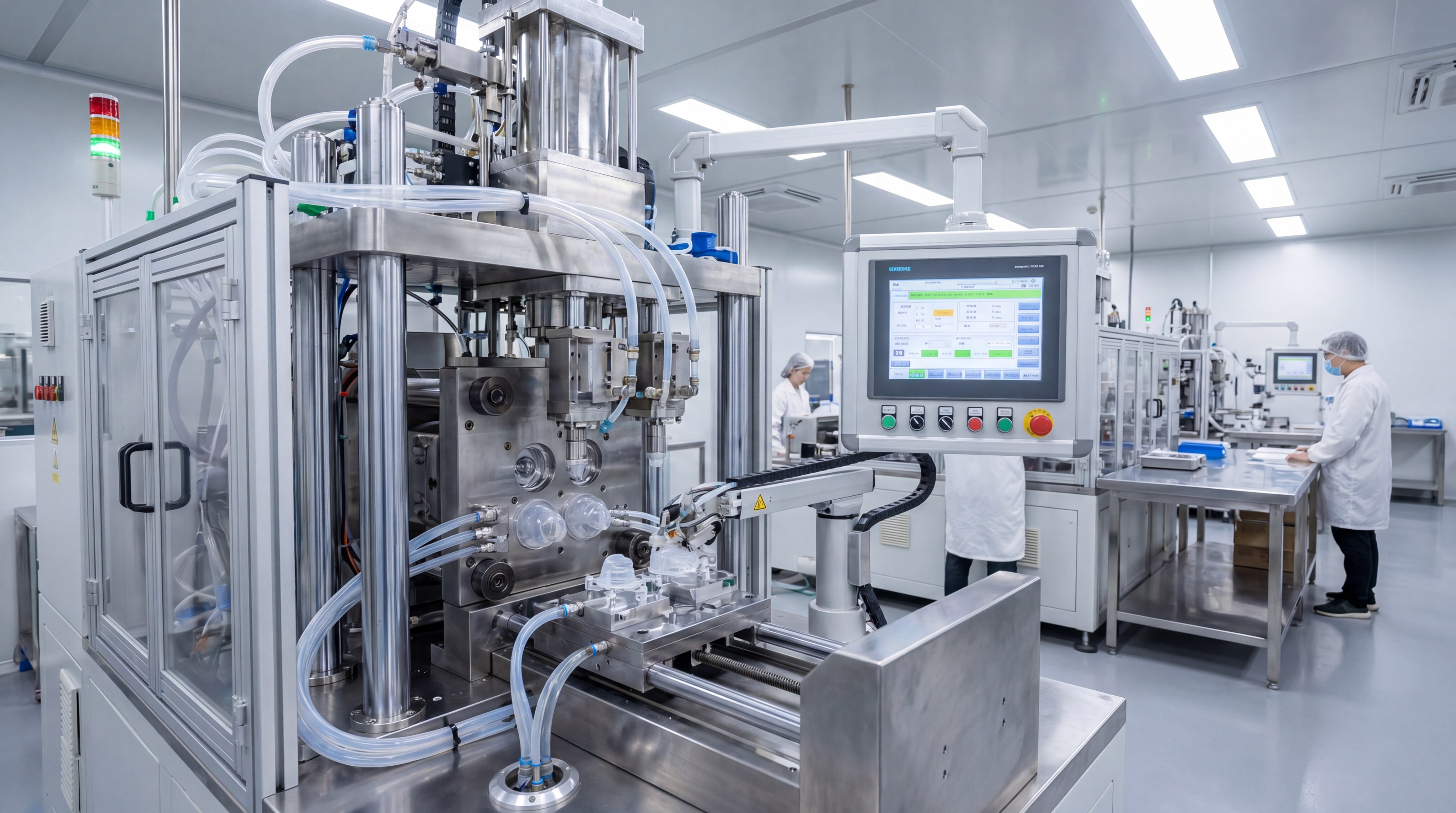
The liquid nature of the material allows for fully automated injection molding. This reduces the need for manual labor and significantly lowers the chance of human error during the production cycle.
Key Takeaway: The shift toward LSR is driven by the need for materials that can keep up with the demands of automated, high-safety manufacturing.
| Advantage | Practical Result | Impact |
|---|---|---|
| Temperature Range | -60°C to 200°C+ | Versatile application |
| Bio-Inertness | Non-reactive | Medical safe |
| Automation | 24/7 Production | Lower unit cost |
The transition to automated molding represents a significant leap in manufacturing throughput and consistency.
Who is most interested in liquid silicone rubber?
Original equipment manufacturers (OEMs) in the medical, automotive, and consumer goods sectors are the primary users of this technology. These industries rely on liquid silicone to produce intricate parts that require tight tolerances and long-term durability in harsh environments.
Medical Device Manufacturers
Medical companies use this material for everything from respiratory masks to surgical tools. Its ability to withstand repeated autoclaving without losing its seal is a critical requirement for hospital environments.
- Surgical catheters and tubing.
- Needleless valve seals.
- Prosthetic components.
- Drug delivery systems.
The bottom line? In the medical world, material failure is not an option, making LSR the preferred choice.
Automotive and Industrial Developers
Automotive engineers prioritize this elastomer for gaskets and seals that must survive under-the-hood heat. It provides a reliable barrier against oil and cooling fluids while maintaining a flexible seal against vibrations.
Think about it: as engines get hotter and smaller, the demand for high-performance seals only increases. It solves the problem of premature seal degradation.
Consumer Product Brands
From baby bottle nipples to kitchen tools, consumer brands value the material for its safety and tactile feel. It provides a soft-touch surface that is easy to clean and safe for direct food contact.
Key Takeaway: If your product requires a mix of safety, durability, and precision, you belong to the core group of LSR adopters.
| Sector | Primary Application | Key Requirement |
|---|---|---|
| Medical | Valves and Tubing | Biocompatibility |
| Automotive | Gaskets and Seals | Fluid Resistance |
| Consumer | Infant Care | Non-toxicity |
Targeting specific material grades ensures that industry-specific regulations are met without compromising performance.
When should liquid silicone rubber be prioritized?
You should prioritize it when your design features complex geometries, requires high-volume throughput, or must meet strict regulatory compliance standards. Choosing liquid silicone early in the design phase allows you to leverage its flow characteristics to create parts that are impossible to make with solid rubber.
Precision Molding Requirements
The low viscosity of the raw material allows it to flow into incredibly thin wall sections and complex undercuts. This precision is vital for micro-medical components or miniature electronic seals.
The result? You can design smaller, more efficient products without worrying about molding defects like air traps.
High Safety and Compliance Standards
When your product must pass FDA, LFGB, or ISO 10993 testing, this material is the safest bet. It provides a documented trail of purity that simplifies the certification process for new products.
- FDA food-grade compliance.
- Medical-grade certifications.
- Low volatile organic compounds (VOCs).
- Halogen-free compositions.
Why does this matter? It reduces the risk of regulatory hurdles that could delay your product launch for months.
Large Volume Production Expansion
If you are planning to scale from thousands to millions of units, the speed of LSR injection molding is unmatched. The fast cure times and flash-less tool designs mean you produce more parts in less time.
Key Takeaway: Prioritizing LSR is a strategic move for projects where quality cannot be sacrificed for speed.
| Scenario | Decision Factor | Recommendation |
|---|---|---|
| Complex Design | Thin walls | Use LSR |
| High Regulation | Bio-safety | Use LSR |
| Mass Market | High volume | Use LSR |
Evaluating production volume and design complexity helps determine if the initial tooling investment is justified.
Where is liquid silicone material preferred?
It is preferred in applications where waterproof sealing, infant safety, or industrial durability are the primary functional requirements. Using liquid silicone ensures that the product remains functional even when exposed to moisture, UV light, or extreme pressure.
Electronics and Waterproof Sealing
Smartphones, wearables, and outdoor sensors use this material to create “overmolded” seals that bond directly to plastic housings. This creates an airtight and watertight barrier that protects sensitive electronics.
Consider this: a single drop of water can ruin a device, but an LSR gasket provides a life-long insurance policy against leaks.
Infant and Maternal Care Products
For products like breast pump parts and pacifiers, no other material offers the same level of safety and comfort. It is soft on the skin and can be boiled repeatedly for disinfection without degrading.
- Pacifiers and teethers.
- Breast pump shields.
- Bottle nipples.
- Cleaning brushes.
It gets better: the material is naturally hypoallergenic, ensuring it is safe for even the most sensitive newborns.
Industrial Valve and Gasket Parts
In heavy industry, the material is used for diaphragms and seals that must handle fluctuating pressures. Its excellent compression set means it returns to its original shape even after being squeezed for long periods.
Key Takeaway: LSR is the “go-to” material wherever environmental protection and human safety intersect.
| Environment | Specific Product | Critical Property |
|---|---|---|
| Moist/Wet | Smartwatch Seals | Waterproofing |
| Domestic | Kitchenware | Heat Stability |
| Industrial | Diaphragms | Compression Set |
The choice of application area often depends on the specific environmental stressors the product will face.
How do you use liquid silicone rubber in production?
Production involves a cold-runner injection molding process where two components are mixed and then injected into a heated mold cavity. Unlike thermoplastics which melt with heat, liquid silicone cures and hardens when it touches the hot surface of the mold.
Mixing and Injection Stages
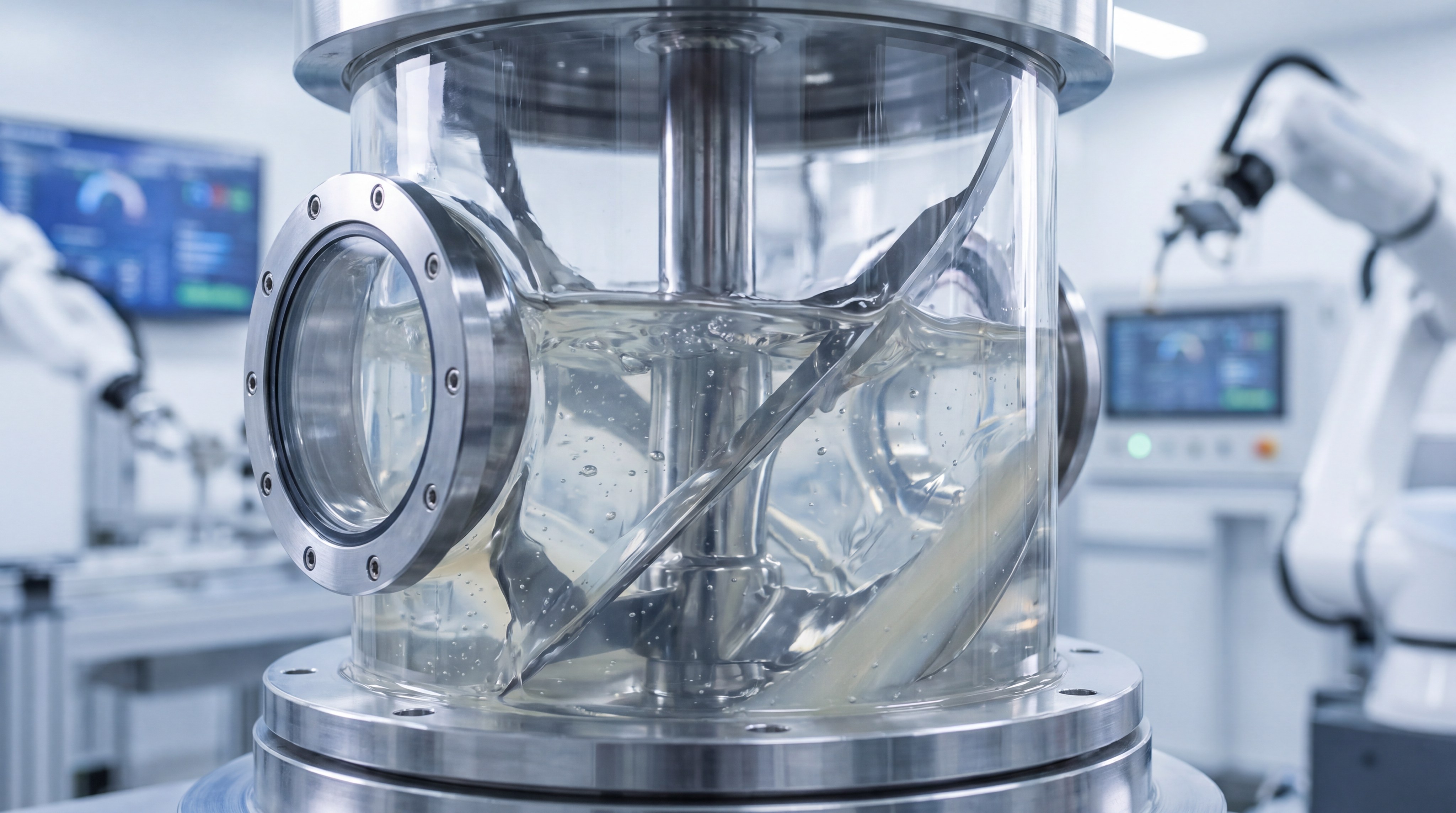
The process begins with a sophisticated dosing pump that pulls Part A and Part B in a precise 1:1 ratio. These parts travel through a static mixer before reaching the injection nozzle.
The reality is: if the ratio is off by even a small percentage, the material may never fully cure or could become too brittle.
Curing and Post-Processing Steps
Once the material is in the mold, it typically cures in seconds depending on the thickness of the part. Most parts are ready for use immediately, though some high-spec applications require a “post-cure” in an oven.
- Automatic de-molding by robots.
- Optional oven post-curing for volatiles.
- Visual inspection for flash.
- Packaging in cleanroom environments.
But wait, there is more: because LSR is flash-less, you often don’t need any secondary trimming, which saves significant time.
Key Takeaway: The LSR process is a high-tech “reverse” of plastic molding, using heat to solidify rather than melt the material.
| Process Step | Action | Critical Control |
|---|---|---|
| Dosing | 1:1 Mixing | Ratio accuracy |
| Injection | Low pressure flow | Air venting |
| Curing | Heated mold (170°C+) | Cycle time |
Mastering the temperature-to-time ratio is the secret to producing perfect parts every cycle.
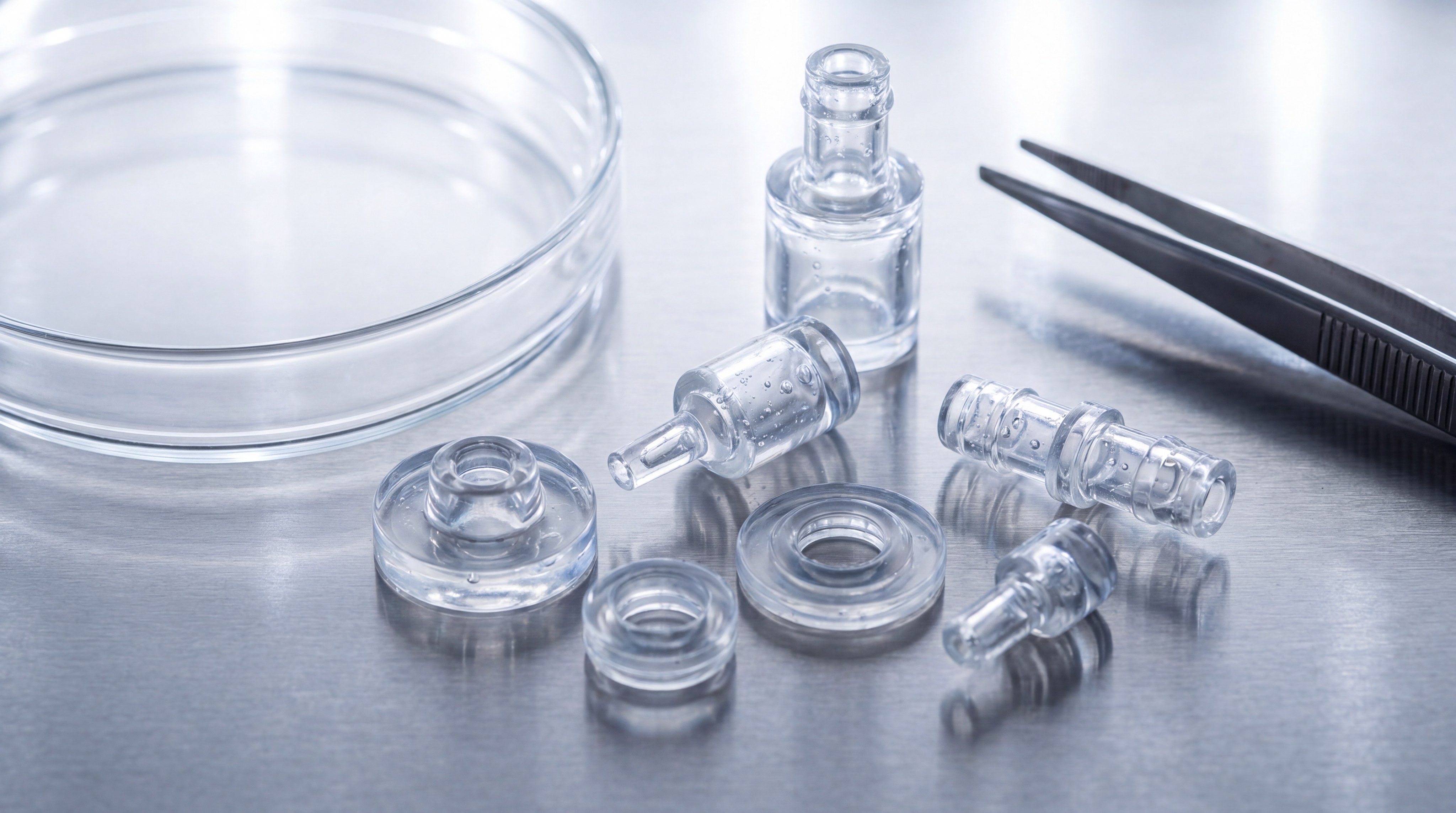
What are the primary costs of using LSR?
The primary costs involve a high initial investment in precision steel tooling and specialized injection machinery. However, using liquid silicone often results in a lower total cost of ownership due to reduced scrap rates and faster cycle times.
Raw Material and Waste Reduction
While the raw material is more expensive than standard rubber, the process is extremely efficient. Cold runner systems ensure that only the material in the part cavity is cured, leaving the rest of the supply fresh and ready for the next shot.
The bottom line: you pay more per pound for the material, but you waste almost none of it.
Mold Development and Tooling
LSR molds must be built to extremely tight tolerances because the liquid material can leak through a gap as small as 0.005mm. These molds are usually made from high-grade stainless steel to resist wear and corrosion.
- High-precision CNC machining.
- Sophisticated air venting.
- Integrated heating elements.
- Cold runner technology.
Think about it: a cheap mold will result in “flash” or leaks, which destroys your profit margins through manual trimming labor.
Equipment and Labor Investment
You need a dedicated LSR injection molding machine equipped with a dosing unit. While the equipment cost is high, the high degree of automation means one operator can manage multiple machines simultaneously.
Key Takeaway: LSR is an investment in front-end quality that pays off through long-term production efficiency and minimal waste.
| Cost Element | Investment Level | Long-term Impact |
|---|---|---|
| Tooling | High | Low maintenance |
| Material | Medium-High | Minimal waste |
| Labor | Low | High automation |
Strategic budgeting should focus on the cost-per-part over the entire life of the project rather than just initial setup.
How do you choose the right silicone grade?
You choose the right grade by matching the Shore A hardness, tensile strength, and regulatory requirements to your specific application. Different liquid silicone formulations are engineered to excel in specific environments, such as high-oil contact or high-transparency optics.
Mechanical and Physical Properties
Hardness, or durometer, is the most common selection criteria, typically ranging from 5 to 80 Shore A. You must also consider elongation; some grades can stretch up to 600% of their original length without breaking.
Here is the deal: choosing a durometer that is too high for a seal will prevent it from conforming to the mating surface.
Chemical and Media Resistance
Standard silicone is resistant to many chemicals, but specialized grades are needed for contact with fuels or harsh industrial solvents. Fluorosilicone versions of LSR are available for these extreme chemical environments.
- Oil resistance for automotive.
- Steam resistance for sterilization.
- UV resistance for outdoor use.
- Low-friction coatings for assembly.
Consider this: using the wrong grade in an oily environment will cause the silicone to swell and fail prematurely.
Compliance and Safety Certifications
If your product is for the European market, you might need LFGB certification instead of FDA. Always verify that the material supplier provides a Certificate of Analysis (COA) for every batch.
Key Takeaway: Selecting the right grade is a balancing act between physical performance, chemical survival, and legal compliance.
| Property | Range/Type | Common Use |
|---|---|---|
| Hardness | 10 – 80 Shore A | Sealing vs. Structure |
| Clarity | Opaque to Optical | Lenses vs. Gaskets |
| Specialty | Fluorosilicone | Fuel contact |
Technical data sheets should be your primary guide when comparing different material suppliers.
How is liquid silicone product quality controlled?
Quality is controlled through a rigorous combination of material batch testing, precision mold maintenance, and automated in-process inspections. Because liquid silicone reacts so quickly to temperature changes, consistent monitoring of the molding environment is essential to prevent defects.
Material and Supplier Management
Quality starts before the material even reaches the machine. Every shipment must be tested for viscosity and cure rate to ensure it matches the previous batch.
The reality is: even a small deviation in batch chemistry can lead to inconsistent part dimensions and project delays.
Mold Design and Maintenance
Since the mold is the “blueprint” for the part, it must be kept in pristine condition. Regular cleaning and inspection of the parting lines prevent the material from leaking out and creating unwanted flash.
- Daily surface cleaning.
- Weekly vent checks.
- Monthly seal inspections.
- Annual full-tool overhaul.
Why does this matter? A well-maintained tool ensures that the millionth part looks exactly like the first one.
In-Process Inspection Methods
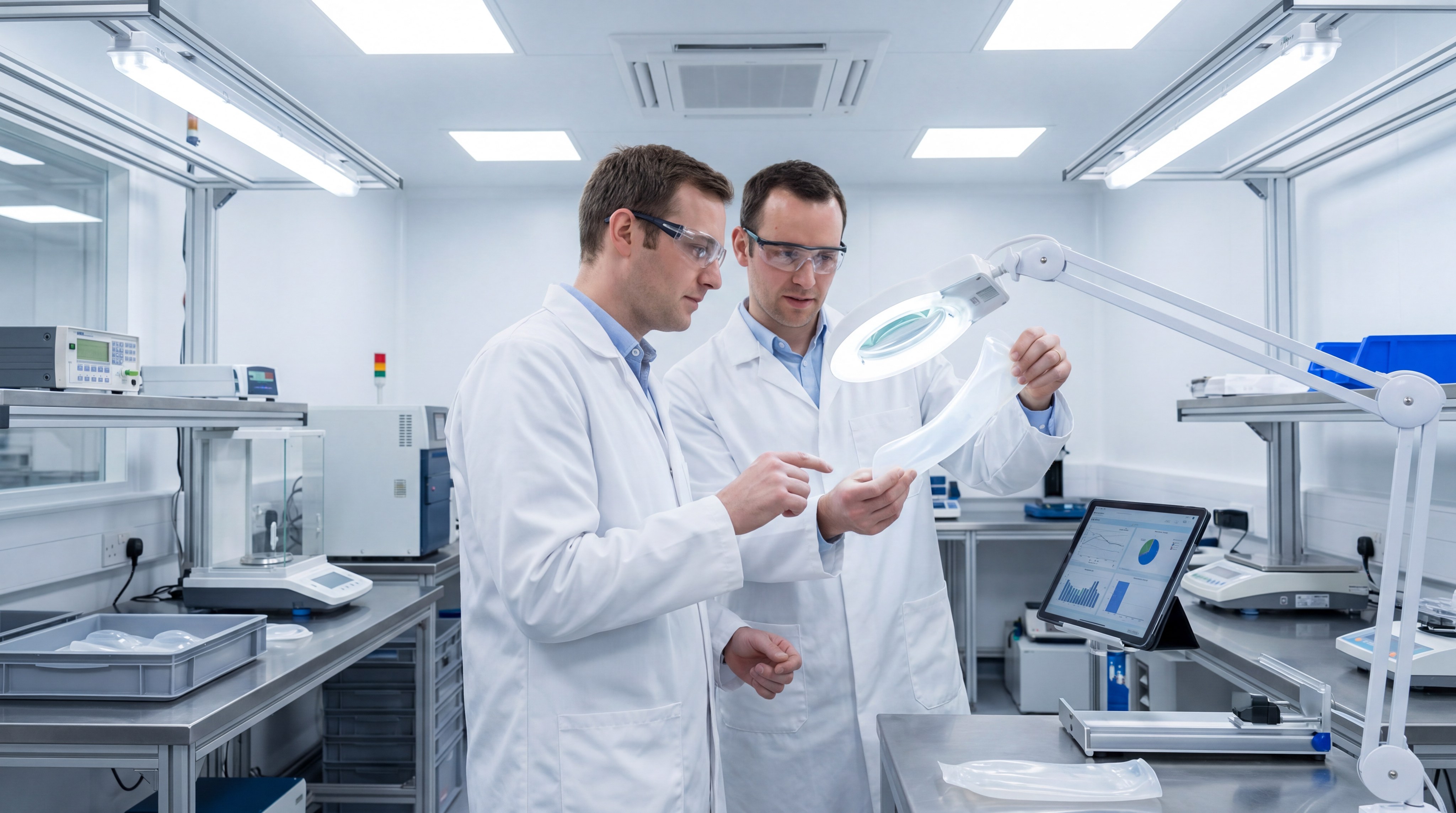
Modern factories use high-speed cameras and sensors to inspect parts as they are ejected from the mold. These systems can detect tiny tears or bubbles that the human eye might miss.
Key Takeaway: Quality control in LSR manufacturing is a proactive discipline that prevents defects rather than just catching them.
| QC Method | Purpose | Frequency |
|---|---|---|
| Rheology Test | Batch consistency | Every shipment |
| Visual AI | Surface defects | 100% of parts |
| Dimensional | Tolerance check | Every hour |
Consistent data logging allows you to identify trends and stop the machine before it produces a single bad part.
How do you clean and maintain silicone products?
You clean and maintain them by using mild detergents for surface dirt or high-heat sterilization for medical and food-grade items. Because the surface of liquid silicone is non-porous, it does not harbor bacteria, making it one of the easiest materials to keep hygienic.
Daily Washing and Stain Removal
For most consumer items, warm soapy water is all that is required. Avoid using abrasive pads or harsh chemicals like bleach, which can eventually degrade the surface finish.
But wait, there is more: many LSR products are dishwasher safe, allowing for effortless cleaning in home environments.
Deep Disinfection and Sterilization
In professional settings, these products can handle the most intense disinfection methods. They are stable during autoclaving, gamma radiation, and ethylene oxide (EtO) sterilization.
- Boiling water submersion.
- Steam autoclaving (121°C+).
- UV-C light exposure.
- Alcohol-based wipes.
Think about it: this resilience is why surgical tools and infant pacifiers are almost exclusively made from this material.
Proper Storage and Maintenance
Store finished products away from direct sunlight and sharp objects. While silicone is UV resistant, long-term exposure to intense sun can eventually cause slight color fading in pigmented parts.
Key Takeaway: The low-maintenance nature of silicone is a major selling point for end-users who value hygiene and longevity.
| Cleaning Type | Method | Best For |
|---|---|---|
| Standard | Soap & Water | Consumer goods |
| Deep Clean | Boiling/Steam | Baby products |
| Professional | Autoclave | Medical devices |
Proper care ensures that the physical properties of the elastomer remain intact for the entire life of the product.
Conclusion
Navigating the complexities of material selection, precision molding, and regulatory compliance can be a daunting challenge for any product developer. Whether you are struggling with failing seals, inconsistent part quality, or the need to scale production rapidly, liquid silicone rubber provides the technical answer to your most demanding manufacturing problems. At Hualin Silicone, we specialize in transforming your concepts into high-performance realities through expert liquid silicone injection molding, mold design, and rigorous quality assurance. Our vision is to empower global brands with the precision and reliability required to lead their industries. To start your journey toward superior product performance, contact us today.
Frequently Asked Questions
- Can I sterilize LSR products using boiling water?
Yes. Liquid silicone is extremely heat-stable and will not melt or release toxins when exposed to boiling water, making it ideal for infant and medical care. - What’s the best hardness for waterproof gaskets?
It depends. Typically, a Shore A hardness of 30 to 50 is best for gaskets as it provides enough flexibility to create a seal without being too soft to handle pressure. - How do I know if my LSR is medical-grade?
It depends. You must check the manufacturer’s certification; true medical-grade silicone will have documentation proving it passed USP Class VI or ISO 10993 biocompatibility testing. - Can I recycle liquid silicone after it is cured?
No. Once LSR is cured, it becomes a thermoset material that cannot be melted back down, though it can be ground up and used as a filler in other rubber products. - What’s the best way to remove grease from LSR?
It depends. For light grease, simple dish soap works well, but for heavy industrial oils, a mild isopropyl alcohol solution is often the most effective way to restore the surface grip.