
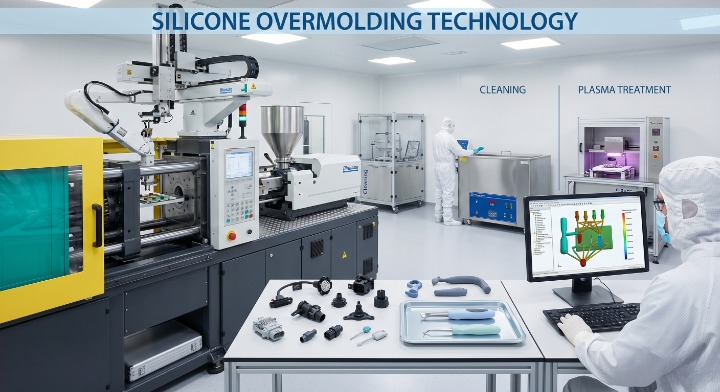
Silicone overmolding is a specialized injection molding process that permanently bonds liquid or solid silicone rubber to a rigid substrate like plastic, metal, or glass. Many manufacturers face the challenge of assembling multi-material parts that inevitably fail at the seams due to poor adhesive quality or mechanical stress. This lack of structural unity leads to fluid ingress, vibration damage, and a cheap tactile feel that can alienate your high-end B2B clients. Silicone Overmolding solves these vulnerabilities by creating a seamless, chemically bonded composite that enhances durability and performance in one integrated step.
What defines the silicone overmolding process?
Silicone overmolding is a secondary molding technique where a flexible silicone elastomer is molded directly over a pre-formed rigid component. This process ensures that Silicone Overmolding creates a singular, unified part that eliminates the need for manual assembly or external adhesives. By integrating materials at the molecular level, you can achieve superior structural integrity and aesthetic consistency.
How does material bonding occur?
The process relies on a combination of mechanical interlocking and chemical adhesion to secure the silicone to the substrate. You will find that heat-activated primers or self-bonding silicone grades are often employed to ensure the interface remains unbreakable even under extreme tension.
Consider this:
- Chemical bonding occurs during the vulcanization phase.
- Mechanical bonding uses undercuts or holes in the substrate.
- Primers increase surface energy for better wetting.
Bottom line? A well-executed bond prevents delamination throughout the product’s entire lifecycle.
Is this a primary or secondary process?
It is strictly a secondary process because the “insert” or substrate must be manufactured first via traditional injection molding or machining. You then place this substrate into a secondary mold where the silicone is injected to encapsulate specific features.
Key Takeaway:
- Overmolding combines disparate materials into a single composite structure.
- It leverages both chemical and mechanical forces for maximum adhesion.
| Feature | Description |
|---|---|
| Bond Type | Chemical and Mechanical |
| Stage | Secondary Molding Operation |
This integration results in a part that performs as a single unit rather than a loose assembly.
Which substrates work best for this tech?
Substrates must be able to withstand the high temperatures required for silicone vulcanization without warping or melting. When you select materials for Silicone Overmolding, you should prioritize high-performance engineering plastics like PA+GF (Nylon) or PC+GF. These materials provide the necessary “skeleton” to support the flexible silicone layer during high-pressure injection.
Why are glass-fiber plastics preferred?
Glass-fiber reinforcement increases the heat deflection temperature of the plastic substrate significantly. You need this thermal stability because silicone curing typically happens between 130°C and 200°C.
Here is why they work:
- Minimal thermal expansion prevents part shifting.
- Higher rigidity supports the silicone flow.
- Glass fibers provide microscopic “teeth” for mechanical grip.
Believe it or not, the choice of plastic is often more critical than the silicone grade itself.
Can you use metal or glass inserts?
Yes, metal alloys like aluminum or stainless steel are excellent candidates for overmolding due to their high melting points. You must ensure the metal surface is perfectly clean to allow the silicone to form a hermetic seal around the component.
Key Takeaway:
- Substrate thermal resistance is the primary limiting factor in material selection.
- Engineering plastics and metals offer the best bonding surfaces.
| Substrate | Thermal Resistance | Typical Application |
|---|---|---|
| PA+GF | Excellent | Automotive Sensors |
| Aluminum | Superior | Industrial Tool Handles |
Proper substrate selection ensures the final assembly remains dimensionally stable under heat.
Why is surface preparation so critical?
Surface preparation is the foundation of a successful overmolded bond because contaminants like oils or dust will cause immediate delamination. Implementing Silicone Overmolding requires a rigorous cleaning protocol to ensure the substrate surface is chemically active. Without these steps, you risk high scrap rates and premature field failures.
How do ultrasonic and plasma help?
Ultrasonic cleaning removes microscopic debris from complex substrate geometries that manual wiping cannot reach. Plasma treatment further enhances the process by increasing the surface energy of the material, making it easier for the silicone to “wet” and bond.
Look at the benefits:
- Ultrasonic waves (≥40 kHz) strip away processing oils.
- Plasma activation creates polar groups on the surface.
- Clean surfaces lead to a 3-5x increase in bond strength.
The truth is, cleanliness is the invisible variable in manufacturing success.
What role do silane primers play?
Silane-based primers act as a molecular bridge between the inorganic silicone and the organic or metallic substrate. You apply these thin coatings to create “anchor points” that facilitate the cross-linking of the silicone elastomer during the cure cycle.
Key Takeaway:
- Contamination is the leading cause of overmolding failure in production.
- Advanced cleaning methods ensure consistent, high-strength adhesion.
| Method | Function | Result |
|---|---|---|
| Ultrasonic | Physical Cleaning | Zero surface debris |
| Plasma | Surface Activation | High surface energy |
Investing in surface prep reduces long-term costs by virtually eliminating interface failures.
Should you choose LSR or Solid Silicone?
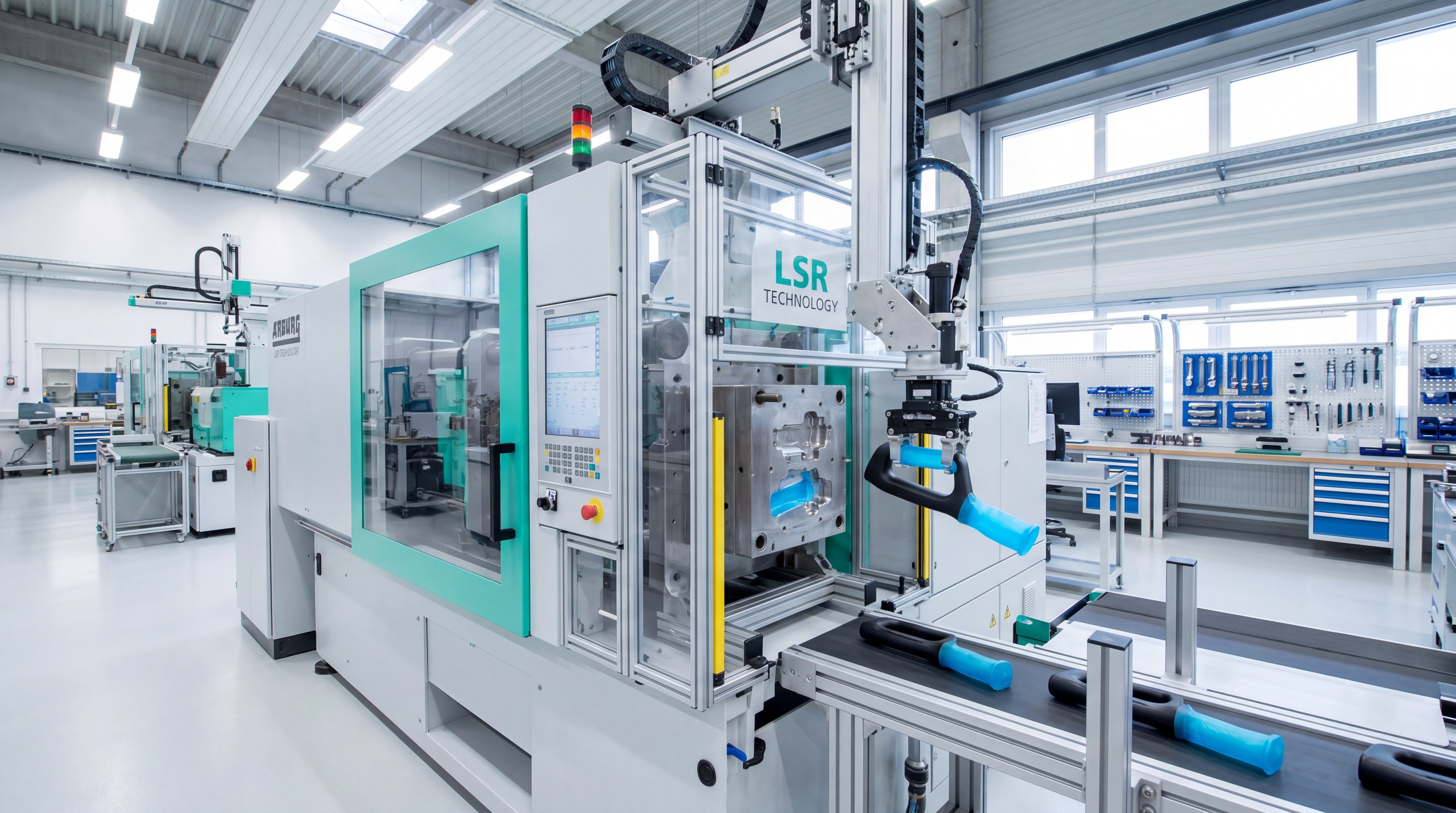
The choice between Liquid Silicone Rubber (LSR) and Solid Silicone depends on your precision requirements and production volume. LSR is generally preferred for high-precision Silicone Overmolding because it can be injected at lower pressures and temperatures. This makes it ideal for delicate electronic components or thin-walled plastic substrates that might otherwise deform.
When is LSR the superior choice?
LSR overmolding is the gold standard for high-volume automated production where cycle time is a critical KPI. You will find that LSR’s low viscosity allows it to flow into intricate mold details, ensuring a perfect finish on complex parts.
Consider the advantages:
- Faster cure times (30–120 seconds).
- High precision for small, detailed parts.
- Reduced energy consumption due to lower curing temps.
It gets better: LSR is highly compatible with cleanroom environments.
Is solid silicone better for layers?
Solid silicone, or High Consistency Rubber (HCR), is often used when you need to create thick, multi-layered designs or for lower-volume runs where tooling costs must be minimized. While it requires higher pressure, it offers excellent physical properties for rugged industrial applications.
Key Takeaway:
- LSR offers the highest precision and fastest production speeds.
- Solid silicone is a versatile alternative for specific industrial builds.
| Material | Viscosity | Best For |
|---|---|---|
| LSR | Low (Liquid) | Electronics / High Volume |
| Solid | High (Gum) | Heavy Duty / Low Volume |
Choosing the right material form factor is essential for balancing part quality with budget.
How to optimize mold design for precision?
Precision mold design must account for the divergent thermal expansion and shrinkage rates of the silicone and the rigid insert. When you engineer a mold for Silicone Overmolding, you must use advanced simulation tools to predict how the silicone will shrink (typically 2-4%) against the non-shrinking substrate. Failure to compensate for these variables will result in parts that do not fit into their intended assemblies.
How are multi-gate systems used?
Multi-gate systems are employed to ensure a balanced flow of silicone around the substrate, preventing air pockets or “voids.” By strategically placing gates, you can control the pressure distribution and ensure the substrate remains centered within the mold cavity.
Keep these in mind:
- Uniform pressure prevents substrate displacement.
- Multiple gates reduce flow marks and weld lines.
- Balanced cooling ensures consistent shrinkage across the part.
Simply put, flow control is the key to aesthetic and functional perfection.
What impact does shrinkage have?
Shrinkage is a non-linear challenge in overmolding because the silicone tries to contract while the substrate stays rigid. You must design the mold cavity slightly larger than the final part dimensions, specifically factoring in the material’s specific Shore hardness and curing temperature.
Key Takeaway:
- AI-driven shrinkage prediction is vital for achieving ±0.05% tolerances.
- Multi-gate systems ensure structural uniformity and prevent trapped air.
| Design Factor | Management Strategy | Goal |
|---|---|---|
| Shrinkage | Cavity Oversizing | Dimensional Accuracy |
| Flow | Multi-gate Layout | Defect-free Surface |
A precision-engineered mold is the only way to guarantee a repeatable mass-production process.
What functional benefits does silicone offer?
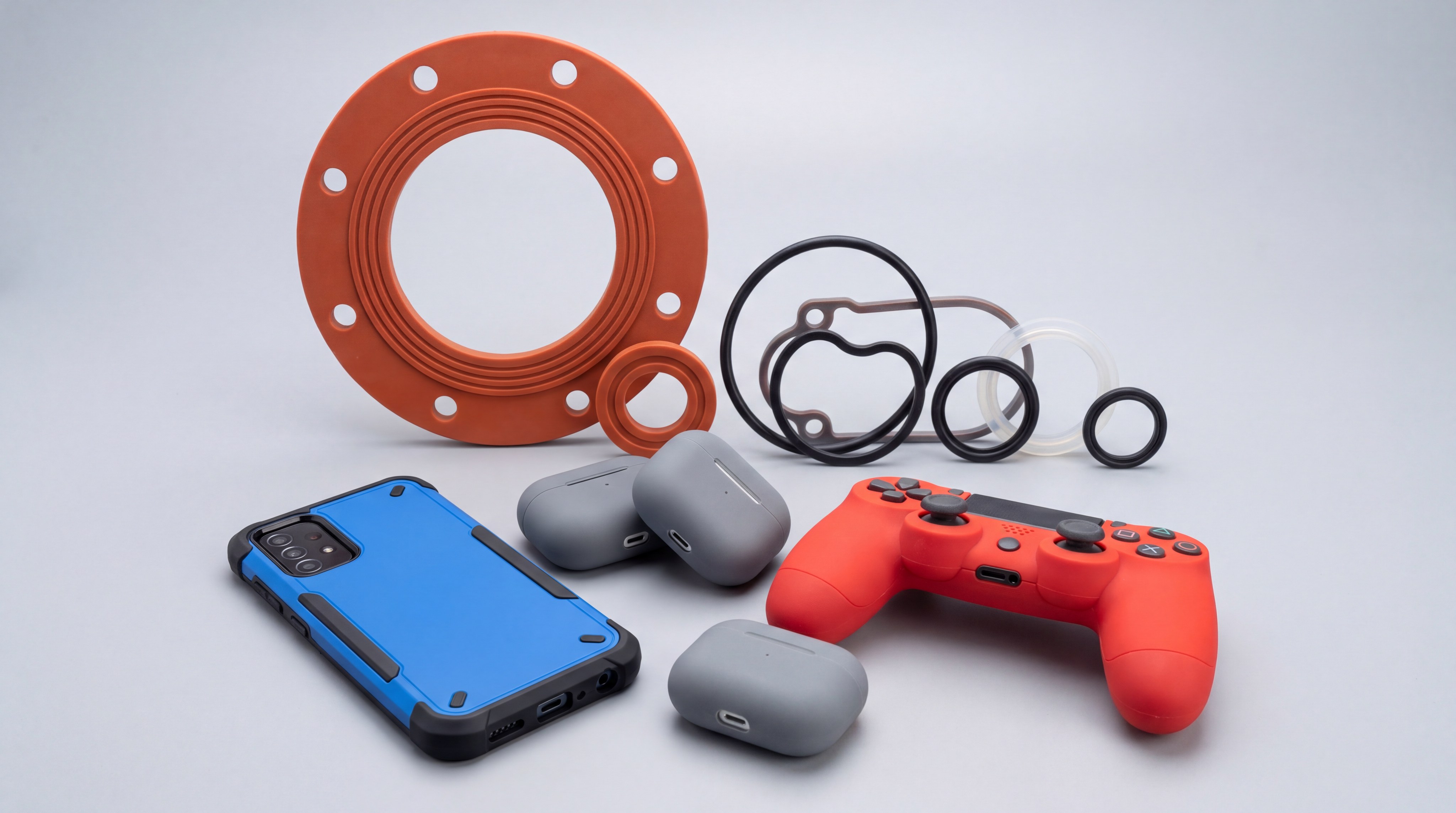
Silicone provides an array of functional advantages that traditional plastics or rubbers cannot match, specifically regarding environmental resistance. By utilizing Silicone Overmolding, you can give your products smart wearable qualities, such as sweat resistance and a soft-touch ergonomic grip. These features are not just aesthetic; they directly contribute to the longevity and usability of the device in professional settings.
Can it achieve IP68 waterproofing?
Yes, the seamless chemical bond created during overmolding is the most reliable way to achieve an IP68 or IPX8 rating for electronics. You eliminate the gaps where water or dust could penetrate, making it the preferred method for waterproof connectors and sensors.
Here is what you get:
- Permanent hermetic sealing of internal electronics.
- Resistance to high-pressure water jets.
- Protection against fine dust and particulate matter.
Think about it: no gaskets means no gasket failures.
How does it improve shock damping?
Silicone has a natural damping coefficient (0.15–0.25) that effectively absorbs vibrations and impact energy. When you overmold silicone onto a rigid tool or housing, you create a protective buffer that prevents internal components from being damaged during a drop.
Key Takeaway:
- Overmolding is the industry standard for high-level waterproofing.
- The material’s damping properties protect delicate internal sensors.
| Benefit | Performance | Application |
|---|---|---|
| Sealing | IP68 Rated | Smartphones / Wearables |
| Damping | High Impact Absorption | Robotic Grippers |
These functional upgrades make your product more competitive in demanding B2B markets.
Why is it vital for medical applications?
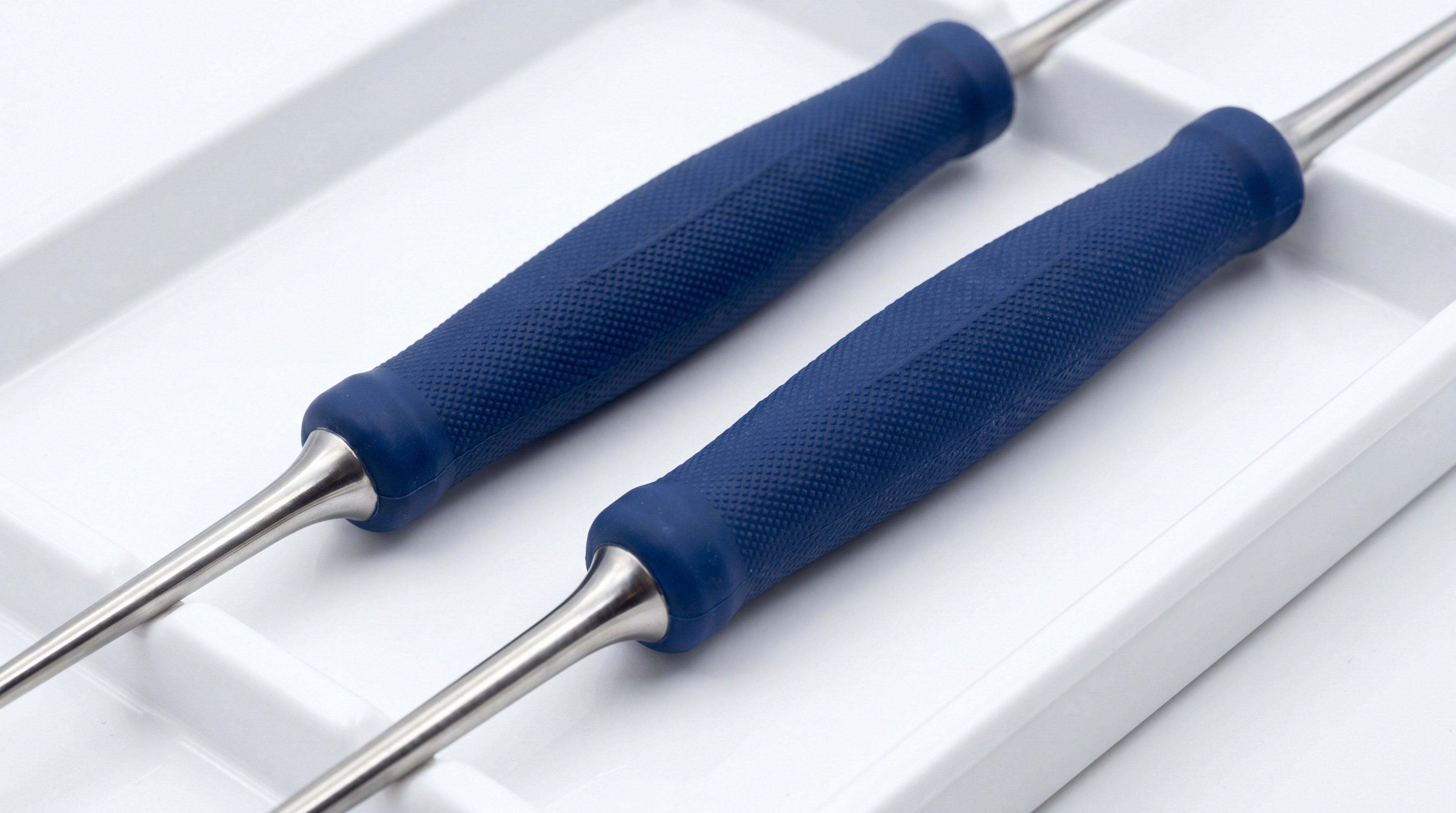
Medical devices require materials that are biocompatible, hypoallergenic, and capable of withstanding repeated sterilization cycles. Incorporating Silicone Overmolding into medical grade silicone parts ensures that the device is safe for patient contact and easy for clinical staff to clean. Because the silicone is bonded to the substrate, there are no “dead zones” or crevices where bacteria can colonize.
How does biocompatibility help?
Using ISO 10993 certified silicones ensures that your device will not cause adverse reactions when in contact with human skin or tissue. You can design products like ventilator masks or surgical handles that remain comfortable and safe even during prolonged use.
Look at the requirements:
- Latex-free and hypoallergenic materials.
- Resistance to skin oils and common disinfectants.
- Compliance with stringent global regulatory standards.
Make no mistake: in medical tech, material safety is non-negotiable.
Can parts survive the autoclave?
Silicone remains stable at temperatures up to 200°C, meaning it can easily survive the 121°C steam sterilization process used in hospitals. You will find that the overmolded bond does not weaken after hundreds of autoclave cycles, maintaining the device’s structural integrity.
Key Takeaway:
- Overmolding eliminates crevices where pathogens could grow.
- The tech is essential for durable, sterilizable medical instruments.
| Aspect | Medical Standard | Benefit |
|---|---|---|
| Hygiene | Zero-crevice design | Reduced Infection Risk |
| Durability | Autoclave resistant | Longer Device Life |
Medical-grade overmolding is a critical step toward ensuring patient safety and regulatory compliance.
How does it help automotive parts?
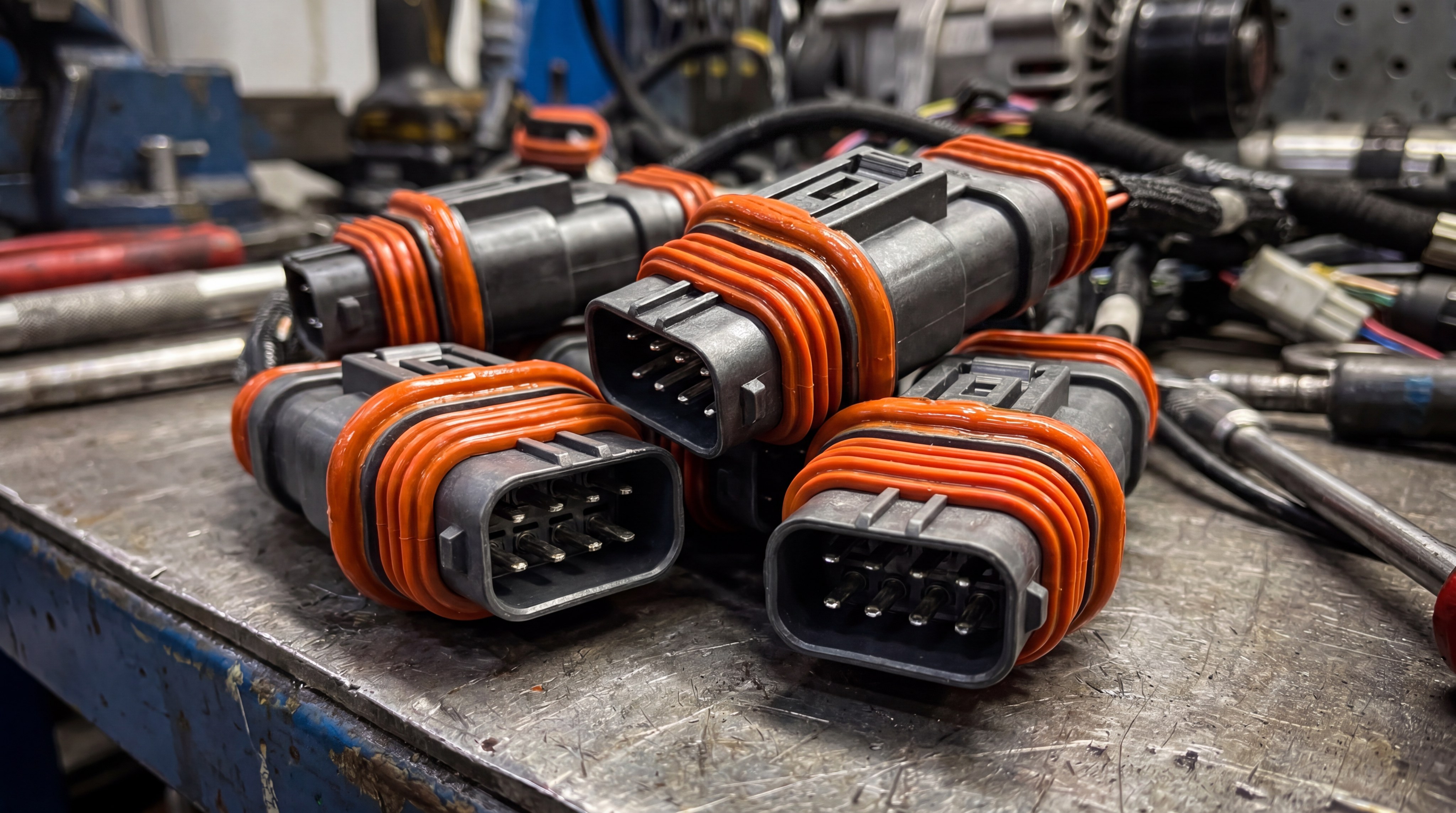
The automotive industry relies on overmolding to protect sensitive sensors and connectors from the harsh under-hood environment. By applying Silicone Overmolding, you can ensure your automotive components resist oil, heat, and constant vibration. This technology is particularly vital for electric vehicle (EV) battery modules, where insulation and leak prevention are critical safety requirements.
Is it resistant to extreme heat?
Automotive silicone grades are designed to operate continuously in temperatures ranging from -40°C to 150°C. You need this range because engine compartments and battery systems experience massive thermal fluctuations that would cause traditional rubbers to crack.
Why this matters:
- Prevents seal failure during cold starts.
- Maintains flexibility at high operating temperatures.
- Resists thermal aging over a 10-year lifespan.
The result? Fewer warranty claims and higher brand reliability.
How does oil resistance affect life?
Silicones engineered for automotive use follow ASTM D471 standards for fluid resistance, ensuring they do not swell or degrade when exposed to engine oils or coolants. You can trust that the overmolded seal will remain intact even in the presence of aggressive chemical contaminants.
Key Takeaway:
- Automotive overmolding provides a robust barrier against fluids and heat.
- The process is essential for the long-term reliability of EV sensors.
| Stressor | Silicone Response | Benefit |
|---|---|---|
| Fluids | Chemical Resistance | Leak Prevention |
| Heat | High Thermal Stability | Component Longevity |
Protecting electronic interfaces with silicone overmolding is standard practice for modern vehicle engineering.
What are the latest innovations in this field?
Recent advancements in material science have introduced nano-enhanced silicones and multifunctional composites that push the boundaries of what is possible. You can now implement Silicone Overmolding using conductive silicones that provide EMI shielding or integrate sensors directly into the overmolded layer. These innovations allow you to create “smarter” components that are both protective and functional.
How do nano-silicones improve strength?
The addition of SiO2 nanoparticles (20–50 nm) can increase the tensile strength of the silicone layer to 12 MPa. This improvement ensures that your overmolded parts can survive much higher levels of mechanical abuse without tearing or wearing down.
Check out these stats:
- 30% increase in tear resistance.
- Enhanced surface durability against scratches.
- Improved UV and ozone resistance for outdoor use.
You can’t ignore the fact that stronger materials lead to more durable products.
What are multifunctional composites?
Engineers are now overmolding conductive silicones onto rigid circuits to create flexible, waterproof interfaces. You can utilize these materials for smart wearables or industrial control panels where a combination of electrical conductivity and physical protection is required.
Key Takeaway:
- Nanotechnology is making overmolded layers significantly tougher.
- Conductive silicones allow for the integration of smart electronics.
| Innovation | Technical Impact | Use Case |
|---|---|---|
| Nano-filler | Increased Tensile Strength | Heavy Duty Tools |
| Conductive | Electrical Integration | Smart Watch Straps |
Keeping pace with these material innovations is necessary for staying ahead in the B2B tech landscape.
How to balance production volume and cost?
Balancing the upfront cost of LSR tooling against the lower per-unit cost of high-volume runs is a critical business decision. For your Silicone Overmolding projects, you must evaluate whether the precision and speed of LSR justify the initial investment, or if solid silicone molding is a better fit for specialized, low-volume batches. Understanding this ROI is key to maintaining a healthy margin on your custom silicone projects.
Why choose LSR for high volume?
LSR overmolding is most cost-effective when you are producing upwards of 50,000 units, as the high yield rates (≥99.5%) and automated cycles minimize labor costs. You will find that the reduction in secondary finishing steps quickly offsets the higher cost of the injection mold.
Focus on these factors:
- Minimal flash reduces manual trimming labor.
- High consistency lowers the cost of quality inspection.
- Faster cycles mean more parts per machine hour.
The bottom line is efficiency.
When is solid overmolding cheaper?
If you are prototyping or producing runs under 5,000 units, solid silicone overmolding using compression techniques is often the most logical choice. You can benefit from much lower tooling entries (starting around 5,000 RMB) while still achieving high-quality bonding for your industrial components.
Key Takeaway:
- Production volume is the primary driver of technology selection.
- High-volume LSR runs offer the lowest total cost of ownership.
| Volume | Recommended Method | ROI Drivers |
|---|---|---|
| High (>50k) | LSR Overmolding | Speed / Yield / Automation |
| Low (<5k) | Solid Compression | Low Tooling / Flexibility |
Choosing the right partner who offers both processes allows you to scale from prototype to mass production seamlessly.
*
Frequently Asked Questions
Can I overmold silicone onto any type of plastic?
No, you must use plastics with high thermal resistance and a “polar” surface, such as Nylon or Polycarbonate. Low-surface-energy plastics like Polypropylene are much more difficult to bond and usually require specialized plasma treatments.
What is the best way to test bond strength?
The most effective method is a 90-degree peel test, where the silicone is pulled away from the substrate at a constant speed. For a successful overmolding process, the silicone should fail (tear) before the bond interface releases.
Can I use overmolding to make parts for the food industry?
Yes, as long as you use FDA or LFGB compliant food-grade silicone and a food-safe substrate. This is a common method for making high-quality kitchen utensils with ergonomic handles.
What is the typical tolerance for overmolded parts?
With precision LSR tooling and proper shrinkage compensation, you can consistently achieve tolerances within ±0.05 mm. This level of accuracy is essential for parts that must fit into tight electronic assemblies.
Can I overmold conductive silicone?
Yes, specialty silicones loaded with carbon or metallic fillers can be overmolded to provide electrical paths or EMI shielding. This is frequently used in the telecommunications and wearable technology industries.
*
Conclusion
Silicone overmolding is more than just a bonding process; it is a strategic manufacturing solution for creating high-performance, multi-material products. By integrating flexible silicone with rigid substrates, you solve critical issues related to waterproofing, durability, and user ergonomics. Whether you are developing life-saving medical devices, rugged automotive sensors, or next-generation wearables, mastering this technology allows you to deliver superior value to your clients.
At HuaLin Silicone, we specialize in helping you navigate these technical complexities from initial DFM to mass production. Our contact us page is the first step toward optimizing your product design for the highest quality results. Let our engineering team help you reduce manufacturing risks and accelerate your time-to-market with precision silicone overmolding solutions.