
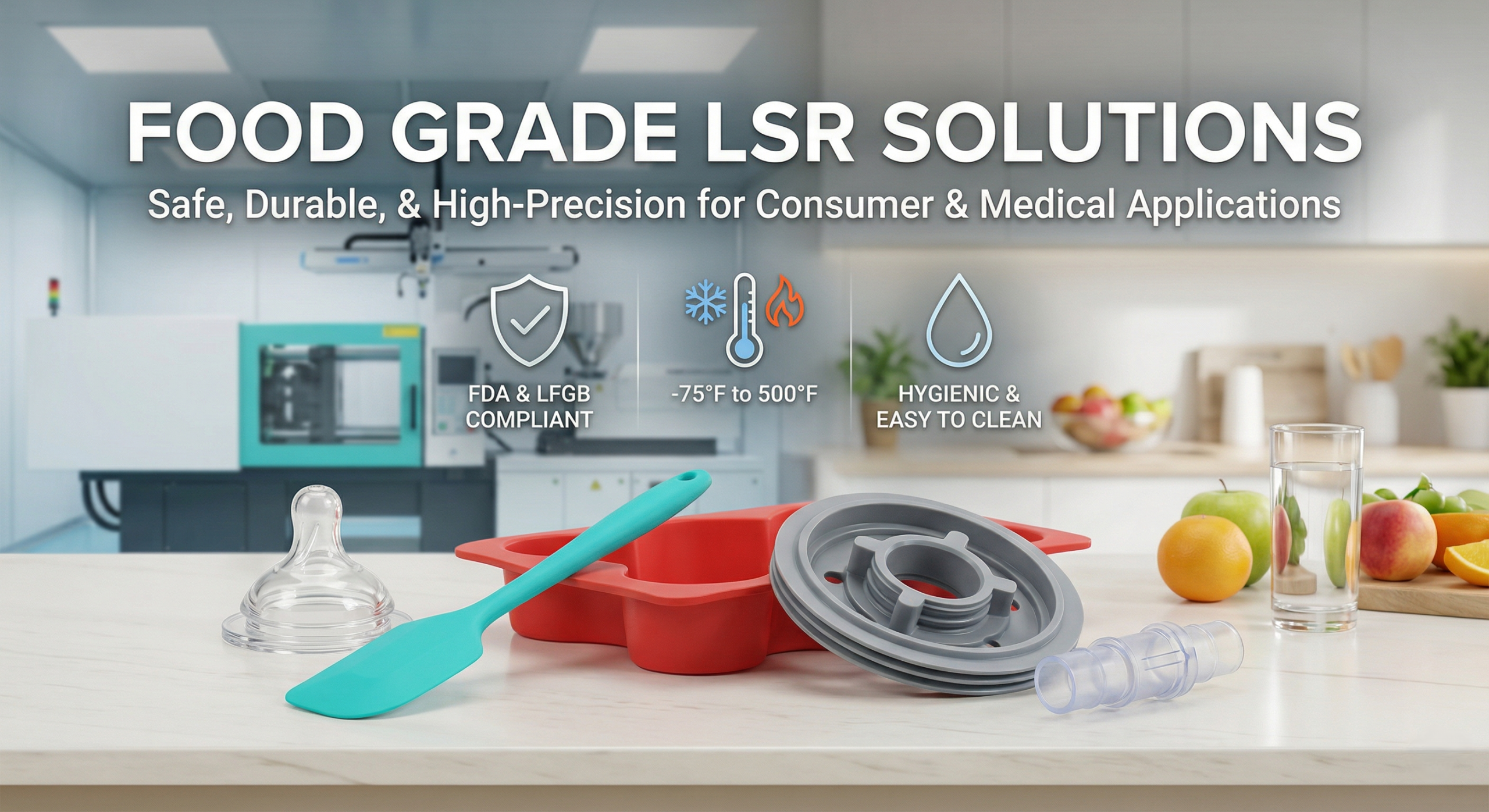
Food Grade LSR Solutions provide a non-toxic, odorless, and highly durable material pathway for producing safe consumer kitchenware and medical-grade food contact parts. You might worry about chemical leaching or material degradation when designing products for the kitchen or nursery. Traditional plastics often fail under heat, leaving your brand vulnerable to safety recalls and consumer distrust. By adopting advanced liquid silicone rubber, you eliminate these risks through a chemically inert and hypoallergenic material.
Why is food grade LSR the best choice today?
Food Grade LSR Solutions represent the pinnacle of safety and durability in modern silicone manufacturing . These elastomers are specifically formulated to resist bacteria growth and chemical reactions, ensuring they never taint the flavor or safety of food.
Does it offer long-term stability?
Here is the deal: liquid silicone rubber maintains its mechanical properties much longer than organic rubbers. It does not become brittle over time, even with repeated exposure to dishwashers and detergents.
- Resists oxidation and UV radiation.
- Maintains flexibility in freezing temperatures.
- Prevents mold and mildew buildup.
Why is purity a priority for your brand?
The best part? These materials are biocompatible and hypoallergenic, making them safe for the most sensitive users.
- Zero odorless or tasteless additives.
- BPA-free and phthalate-free composition.
- FDA and LFGB compliance for global markets.
Key Takeaway: Choosing high-purity LSR protects your reputation by ensuring products remain safe and functional for years.
| Feature | LSR Benefit | Impact on Product |
|---|---|---|
| Odor/Taste | Neutral | No food contamination |
| Durability | High | Longer product lifespan |
| Hygiene | Antimicrobial | Safe for repeated use |
This data confirms that the chemical neutrality of LSR is a critical baseline for consumer-facing food applications.
What products rely on food grade LSR solutions?
Many household and industrial goods depend on Food Grade LSR Solutions to function correctly in high-stress environments. From the smallest bottle nipple to large-scale dairy equipment, the versatility of this material is unmatched.
Are these used in baby care?
Believe it or not, almost all high-end baby bottles and pacifiers now use liquid silicone rubber.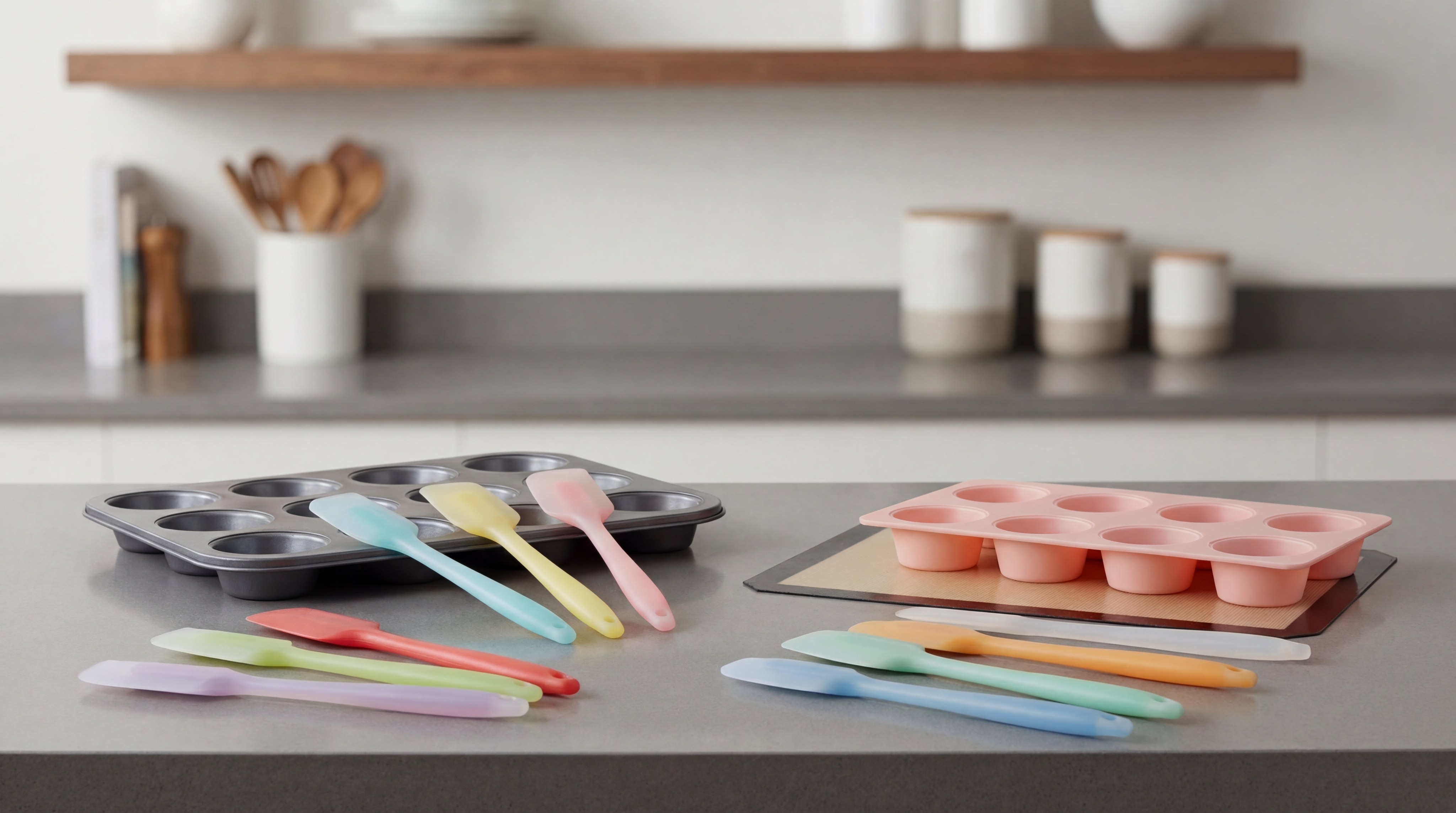
- Training cups and teething rings.
- Bottle valves that prevent air ingestion.
- Soft-touch spoons for infant feeding.
How does it serve the appliance industry?
But wait, there is more: your coffee makers and juicers rely on silicone seals to prevent leaks.
- Gaskets for high-pressure espresso machines.
- Dispensing valves for condiment bottles.
- Liners for agricultural milking equipment.
Key Takeaway: The wide range of applications proves that LSR is the industry standard for safe food contact.
| Industry | Application | Key Requirement |
|---|---|---|
| Nursery | Pacifiers | Biocompatibility |
| Appliances | Gaskets | Thermal Stability |
| Agriculture | Tubing | Chemical Resistance |
The sheer diversity of these applications highlights how LSR solves unique sealing and safety challenges across various sectors.
How does food grade LSR ensure user safety?
Food Grade LSR Solutions are engineered through a precise silicone manufacturing process that eliminates volatile organic compounds. This ensures that every part produced is safe for direct and prolonged contact with food items.
Is it resistant to bacteria?
Simply put, the hydrophobic nature of LSR makes it extremely difficult for bacteria or mold to take hold.
- Non-porous surface structure.
- Resistant to moisture absorption.
- Easy to sterilize via boiling or steam.
Does it comply with global standards?
Look no further for a material that meets both FDA and LFGB requirements simultaneously.
- Traceable raw material batches.
- Certified non-toxic catalysts used in curing.
- Strict limits on extractable substances.
Key Takeaway: Safety is built into the molecular structure of LSR, providing a fail-safe for health-conscious consumers.
| Standard | Region | Focus Area |
|---|---|---|
| FDA 21 CFR | USA | Material Safety |
| LFGB | Europe | Migration Limits |
| REACH | Global | Chemical Restriction |
The alignment with these international standards serves as a trust signal for brands operating in global regulated markets.
Can LSR handle extreme cooking temperatures?
Food Grade LSR Solutions are famous for their exceptional thermal stability, operating efficiently between -75°F and 500°F. This makes them ideal for both freezer storage and high-heat oven baking without any risk of melting or degassing.
Why is thermal range important?
Think about it: a single kitchen tool might go from the freezer to the oven in minutes.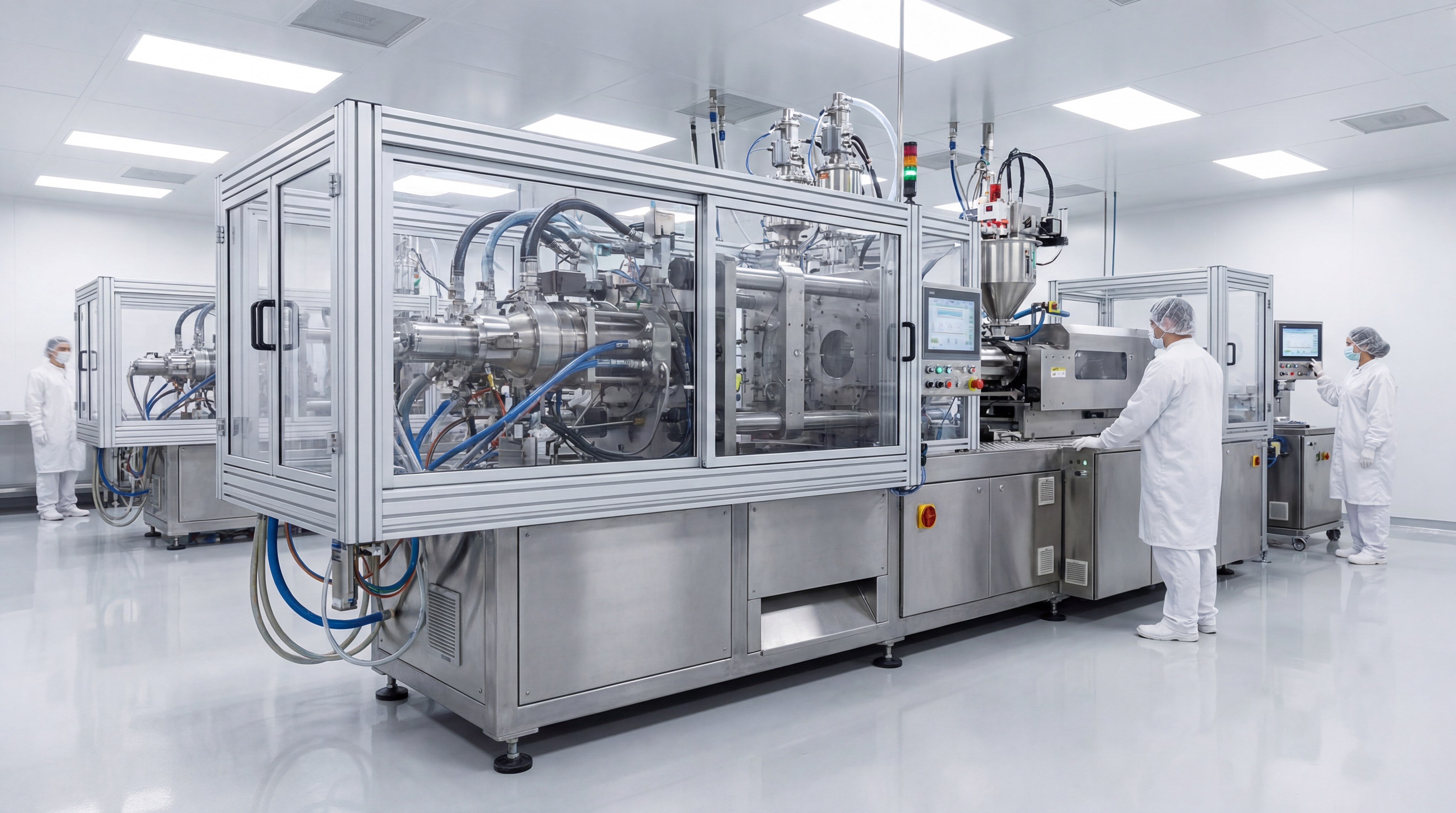
- No deformation in boiling water.
- Retains elasticity in sub-zero temperatures.
- Will not smoke or catch fire in standard ovens.
Does it have a low compression set?
The result? Seals and gaskets return to their original shape even after being compressed under heat.
- Maintains airtightness in pressure cookers.
- Prevents leakage in hot beverage dispensers.
- Durable through thousands of heating cycles.
Key Takeaway: Superior temperature resistance allows your products to thrive in environments where plastics would fail.
| Temperature Range | Effect on Material | Usage |
|---|---|---|
| -75°F | Remains flexible | Freezer Storage |
| Room Temp | Optimal elasticity | Seals & Valves |
| 500°F | No melting/degrading | Baking Molds |
This thermal profile ensures that LSR parts remain functional and safe regardless of the environmental stress applied.
Is LSR better than standard silicone rubber?
Food Grade LSR Solutions offer distinct advantages over traditional solid silicone manufacturing methods like compression molding. Because LSR is a liquid, it can be injected with higher precision, leading to cleaner parts with fewer defects.
Is the production faster?
Here is the deal: LSR injection molding features much shorter cycle times compared to other elastomers.
- Automated material mixing.
- Flashless molding capabilities.
- High-volume production efficiency.
Does it offer higher purity?
The best part? The closed-loop delivery system prevents environmental contaminants from entering the material.
- Zero exposure to dust during mixing.
- Consistent material ratios every time.
- Platinum-cured systems for maximum safety.
Key Takeaway: LSR outperforms standard silicone in both purity and production speed, making it the more cost-effective high-end choice.
| Process | Speed | Purity Level |
|---|---|---|
| Compression | Slow | Moderate |
| LSR Injection | Fast | High |
| Extrusion | Constant | Variable |
The technical superiority of the injection process translates directly into a more reliable and hygienic final product.
Why is design flexibility key for LSR parts?
Food Grade LSR Solutions allow engineers to create complex geometries that are impossible with other materials. Its low viscosity during injection means it can fill thin walls and intricate micro-features with ease.
Can you create complex shapes?
Simply put, the flow characteristics of liquid silicone let you design parts with deep undercuts and thin membranes.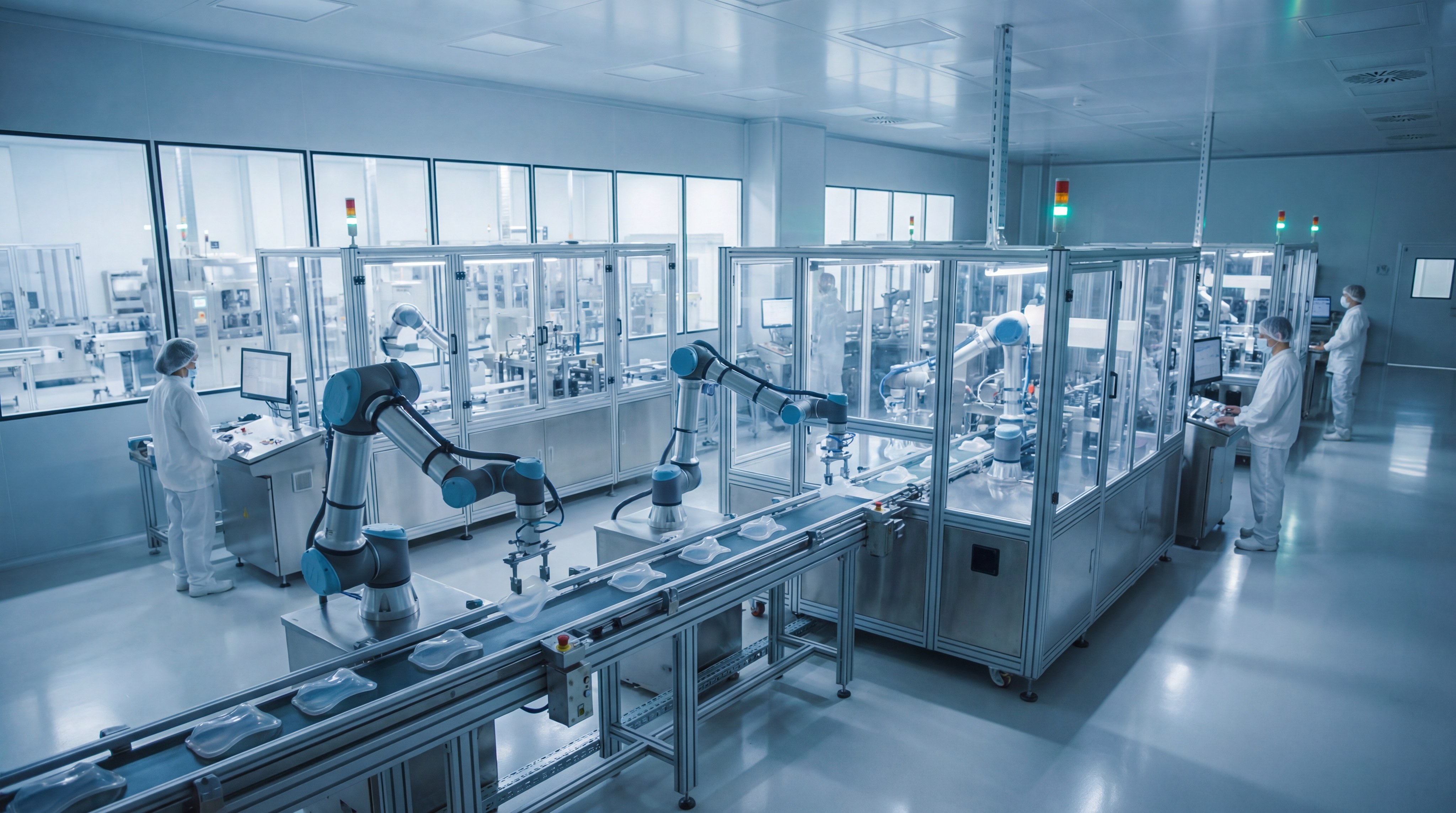
- Integrated sealing beads.
- Micro-valves for controlled flow.
- Overmolded components for better grip.
How does it reduce assembly costs?
But wait, there is more: you can combine multiple parts into a single molded component to simplify your supply chain.
- Eliminates secondary assembly steps.
- Reduces potential leak points.
- Allows for multi-color and multi-material designs.
Key Takeaway: Design freedom reduces total manufacturing costs by enabling consolidated, high-precision parts.
| Design Feature | LSR Capability | Benefit |
|---|---|---|
| Thin Walls | High | Lightweight parts |
| Undercuts | Excellent | Complex geometries |
| Overmolding | Seamless | Soft-touch surfaces |
Leveraging the unique flow properties of LSR during the design phase results in more innovative and functional consumer products.
How do you verify food grade quality standards?
Food Grade LSR Solutions must undergo rigorous testing within the silicone manufacturing workflow to ensure they meet health codes. Verification involves checking for extractables and ensuring the material remains inert under various conditions.
What tests are performed?
Look no further for quality assurance; manufacturers use advanced spectroscopy and migration tests.
- Tensile and tear strength verification.
- Post-cure volatiles assessment.
- Hardness testing (Shore A scale).
Is batch traceability important?
The result? Every component can be traced back to its raw material origin for total accountability.
- ISO 9001 certified documentation.
- Material Safety Data Sheets (MSDS).
- Certificate of Analysis (COA) for every shipment.
Key Takeaway: Strict verification protocols ensure that the “food grade” label is backed by scientific evidence and safety data.
| Test Type | Objective | Pass Criteria |
|---|---|---|
| Migration | Chemical safety | < 10mg/dm² |
| Hardness | Functional fit | +/- 5 Shore A |
| Elongation | Durability | > 400% |
These metrics provide a quantifiable bridge between material theory and real-world safety performance.
What are the benefits of 2-shot LSR molding?
Food Grade LSR Solutions truly shine when combined with rigid plastics in a 2-shot or overmolding process. This allows for the creation of handles, seals, and grips that are chemically bonded to the product’s body.
Can you bond silicone to plastic?
Think about it: you can create a waterproof seal directly onto a plastic housing without using glue.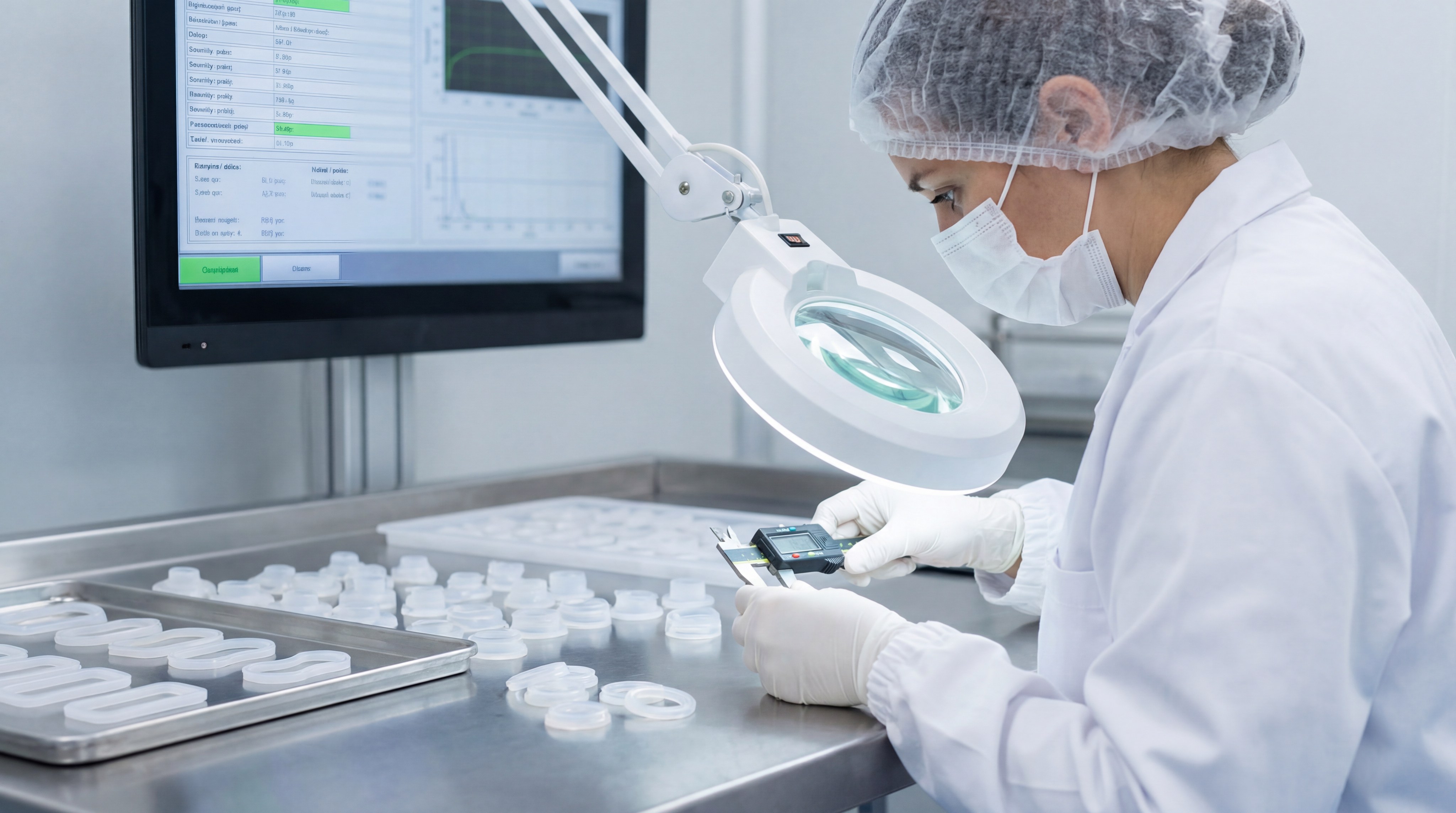
- Permanent chemical bond.
- Superior ergonomic feel.
- Enhanced aesthetic options.
Does it improve product hygiene?
Believe it or not, 2-shot molding eliminates gaps where bacteria could hide, making the part much easier to clean.
- Seamless material transitions.
- No adhesive residue.
- Improved structural integrity.
Key Takeaway: 2-shot molding enhances both the functionality and the hygiene of complex food-related assemblies.
| Method | Bonding | Benefit |
|---|---|---|
| Overmolding | Mechanical/Chemical | Improved Grip |
| 2-Shot | Molecular Bond | No Seams |
| Glue Bonding | Adhesive | High Failure Risk |
Integrating multiple materials in a single cycle ensures a robust product that withstands the rigors of daily kitchen use.
How do you avoid common LSR production defects?
Food Grade LSR Solutions require expert control during the silicone manufacturing process to avoid issues like flashing or air bubbles. Proper venting and mold maintenance are critical to achieving a perfect finish.
Why does flashing occur?
Here is the deal: incorrect clamping pressure or worn-out molds can cause material to leak at the parting line.
- Use precision-machined steel molds.
- Monitor injection pressure in real-time.
- Implement regular tool maintenance.
How do you prevent trapped air?
The best part? Vacuum-assisted molding can virtually eliminate the risk of air pockets in thick-walled parts.
- Proper gate placement.
- Optimized venting channels.
- Controlled injection speeds.
Key Takeaway: Partnering with an experienced manufacturer minimizes scrap rates and ensures consistent part quality.
| Defect | Root Cause | Solution |
|---|---|---|
| Flash | High Pressure | Tool Maintenance |
| Voids | Air Trapped | Vacuum Venting |
| Burn Marks | Overheating | Temp Control |
Proactive process monitoring is the only way to ensure that high-volume production remains within tight tolerances.
Why partner with Hualin for your LSR needs?
Food Grade LSR Solutions require a manufacturer with the right equipment and certifications to guarantee success. Hualin offers over 15 years of expertise in liquid silicone rubber, providing end-to-end support from DFM to mass production.
Do they offer design support?
But wait, there is more: Hualin provides 24-hour DFM feedback to help you optimize your parts for injection molding.
- In-house mold making facility.
- ISO 9001 and IATF 16949 certifications.
- Experience with 50+ global markets.
Can they handle high volumes?
Look no further for a partner that can scale your production from prototypes to millions of units.
- Advanced LSR injection machinery.
- Stable and traceable supply chain.
- 100% inspection available on request.
Key Takeaway: Hualin’s integrated manufacturing system eliminates quality drift and ensures your parts are market-ready faster.
| Service | Detail | Value to You |
|---|---|---|
| DFM Review | 24-hour turnaround | Faster launch |
| Tooling | In-house | Lower costs |
| Logistics | Global export | Seamless delivery |
Choosing a certified, expert manufacturer like Hualin ensures that your safety-critical food products meet every regulatory hurdle.
*
Choosing the right material for your next kitchenware or baby product doesn’t have to be a gamble. By utilizing food-grade LSR, you solve the problems of toxicity, thermal failure, and material degradation. Hualin stands ready to transform your designs into high-precision reality with our ISO-certified facilities and expert engineering team. We are committed to purity, safety, and your long-term success. Please contact us today to receive a custom quote and professional DFM suggestions for your project.
*
FAQ
Can I use LSR for baking molds at high temperatures?
Yes, you can. Food-grade LSR is designed to withstand temperatures up to 500°F (260°C) without losing its shape or releasing harmful chemicals, making it much safer than traditional plastic alternatives.
What’s the best way to verify if my silicone is truly food grade?
The best way is to request LFGB or FDA certification from your supplier. These tests verify that the material does not transfer harmful substances to food and meets international migration limit standards.
How do I know if my design is suitable for LSR injection molding?
You will know if you receive a professional DFM (Design for Manufacturing) review. Hualin offers 24-hour DFM feedback to ensure your wall thicknesses and geometries are optimized for the liquid injection process.
Can I get custom colors for my food-grade silicone parts?
Yes, you can. Silicone can be matched to any Pantone or RAL color using food-safe pigments that do not affect the material’s purity or compliance with health regulations.
What’s the best way to clean and maintain LSR kitchen products?
The best way is to use a standard dishwasher or mild soap and water. Because LSR is non-porous and hydrophobic, it resists stains and does not require harsh chemicals for sterilization.