
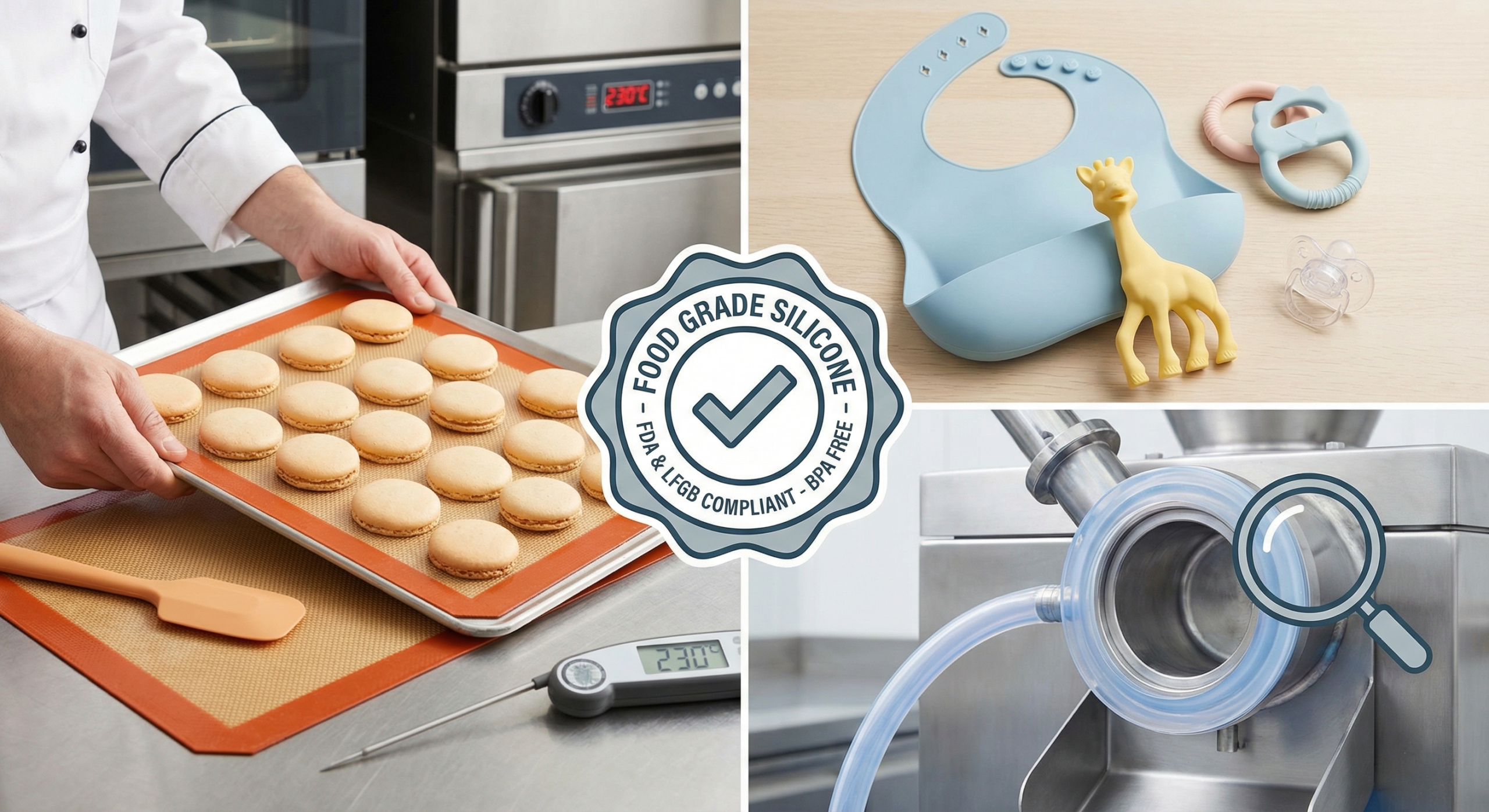
Food-grade silicone is a non-toxic, synthetic polymer specifically formulated to safely contact food without leaching harmful chemicals or altering flavors. In the competitive B2B landscape of consumer goods and industrial food processing, material failure is not just an engineering setback—it is a significant liability. Manufacturers often struggle with plastics that leach chemicals like BPA or low-quality rubbers that omit toxic fumes when exposed to high-heat environments. This guessing game regarding material purity has become a high-stakes risk that professional buyers and product designers can no longer afford to take. Food grade silicone from HuaLin Silicone emerges as the gold-standard solution, offering a chemically inert and thermally stable alternative that meets strict global regulatory requirements.
What is the definition of food grade silicone?
Food grade silicone is a high-purity elastomer primarily composed of silicon, oxygen, carbon, and hydrogen that has been tested for safety in food-contact applications. You can explore our custom manufacturing solutions to see how this material is used in high-purity environments. This specialized polymer is designed to remain stable under extreme conditions without releasing volatiles.
How is it different from industrial silicone?
Industrial silicone often contains recycled fillers and chemical additives that are unsuitable for consumption or medical use. You must prioritize material purity to ensure your final products do not fail safety audits or emit foul odors.
But that’s not all.
- Industrial grades may contain BPA, BPS, and Phthalates.
- Food-grade variants use 100% virgin polymers.
- The surface of food-grade material is non-porous and odorless.
Key Takeaway: Food grade silicone is a virgin polymer tested to ensure no harmful substances migrate into food during contact.
The following table compares the fundamental differences between industrial and food-grade silicone variants.
| Feature | Industrial Silicone | Food Grade Silicone |
|---|---|---|
| Purity | May contain recycled fillers | 100% virgin polymer |
| Toxicity | Potential for BPA/Phthalates | BPA, BPS, and Phthalate-free |
| Odor | Significant chemical smell | Odorless and tasteless |
How is food grade silicone manufactured?
Food grade silicone is manufactured through a controlled cross-linking process where silicone fluids are transformed into solid, flexible rubber. This process requires a high-precision cleanroom environment to prevent environmental contamination during the curing stages.
What is the role of platinum curing?
Platinum curing uses a precious metal catalyst to cross-link the polymer without creating toxic by-products or unpleasant smells. You will find that this method is superior to peroxide curing, which often leaves behind acidic residues.
Simply put.
- Platinum catalysis ensures the highest material purity.
- It creates a more transparent and durable final part.
- The process is faster and more consistent for mass production.
Why is post-curing essential for safety?
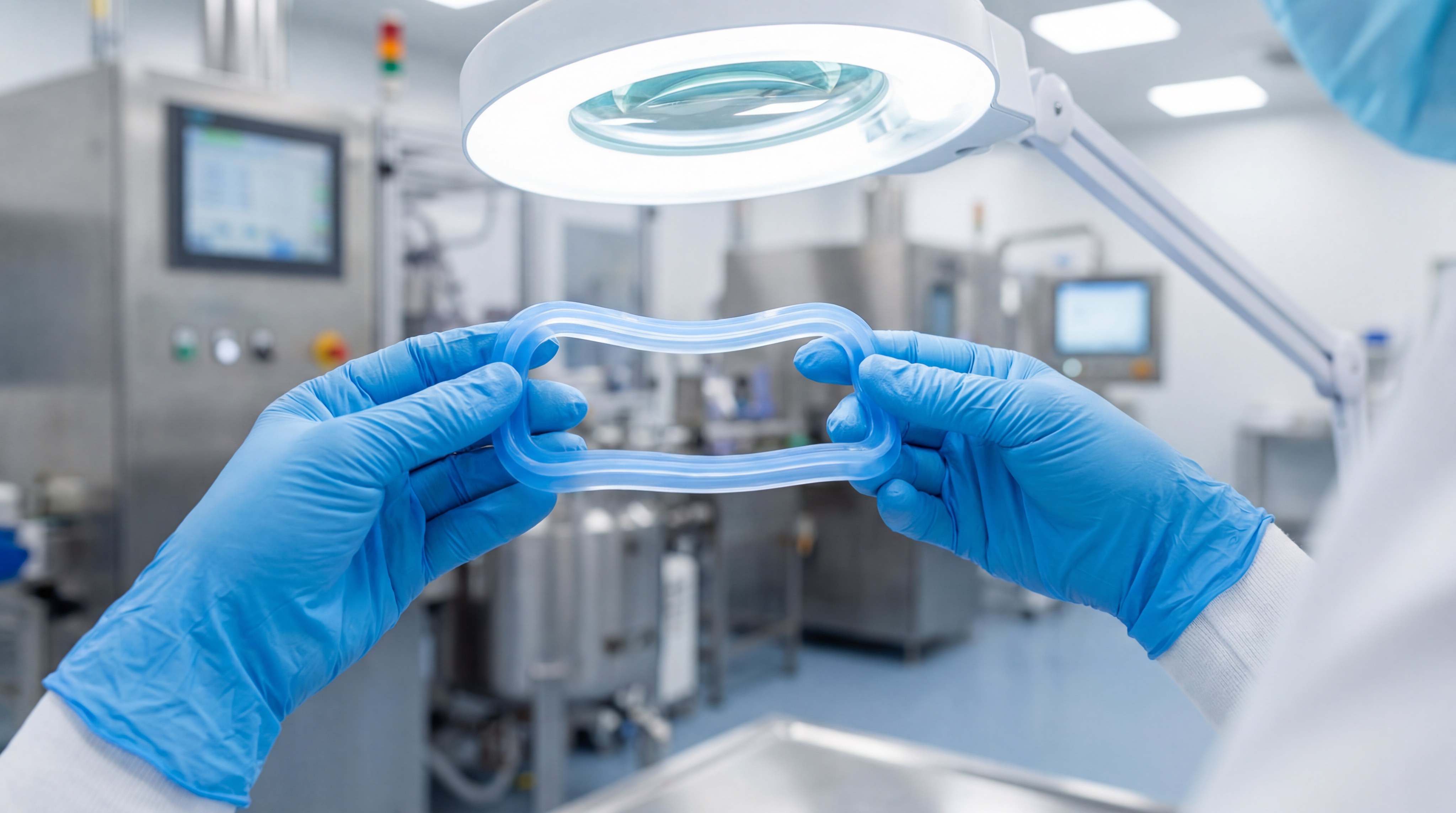
Post-curing involves placing the molded parts in a high-temperature oven for several hours to drive off any residual volatile organic compounds (VOCs). This step is non-negotiable for products that must meet the “low-extractable” requirements of global food agencies.
Here is the kicker.
- Post-curing stabilizes the material’s physical properties.
- It eliminates odors that could affect food taste.
- The process ensures compliance with intensive migration tests.
Key Takeaway: The manufacturing process, particularly platinum catalysis and post-curing, determines the ultimate safety and stability of the silicone part.
This summary table outlines the critical steps in the manufacturing workflow that ensure food-safe quality.
| Process Step | Action | Impact on Quality |
|---|---|---|
| Compounding | Mixing high-purity fumed silica | Enhances tear strength |
| Curing | Platinum-based cross-linking | Ensures no toxic by-products |
| Post-Curing | High-temp secondary heating | Eliminates residual volatiles |
What are the key properties of food grade silicone?
The key properties of food grade silicone include exceptional thermal stability, chemical inertness, and a naturally non-stick surface that facilitates easy cleaning. Our industrial silicone expertise ensures these properties are optimized for durability in harsh commercial environments.
How does it handle extreme temperatures?
Food grade silicone maintains its structural integrity across a massive temperature range, typically from -60°C to +230°C. You can transition these products from a deep freezer directly into a high-heat oven without fear of cracking or melting.
Think about this.
- The material does not become brittle at sub-zero temperatures.
- It resists warping even under prolonged heat exposure.
- Silicone does not conduct heat as rapidly as metal.
Why is chemical inertness important?
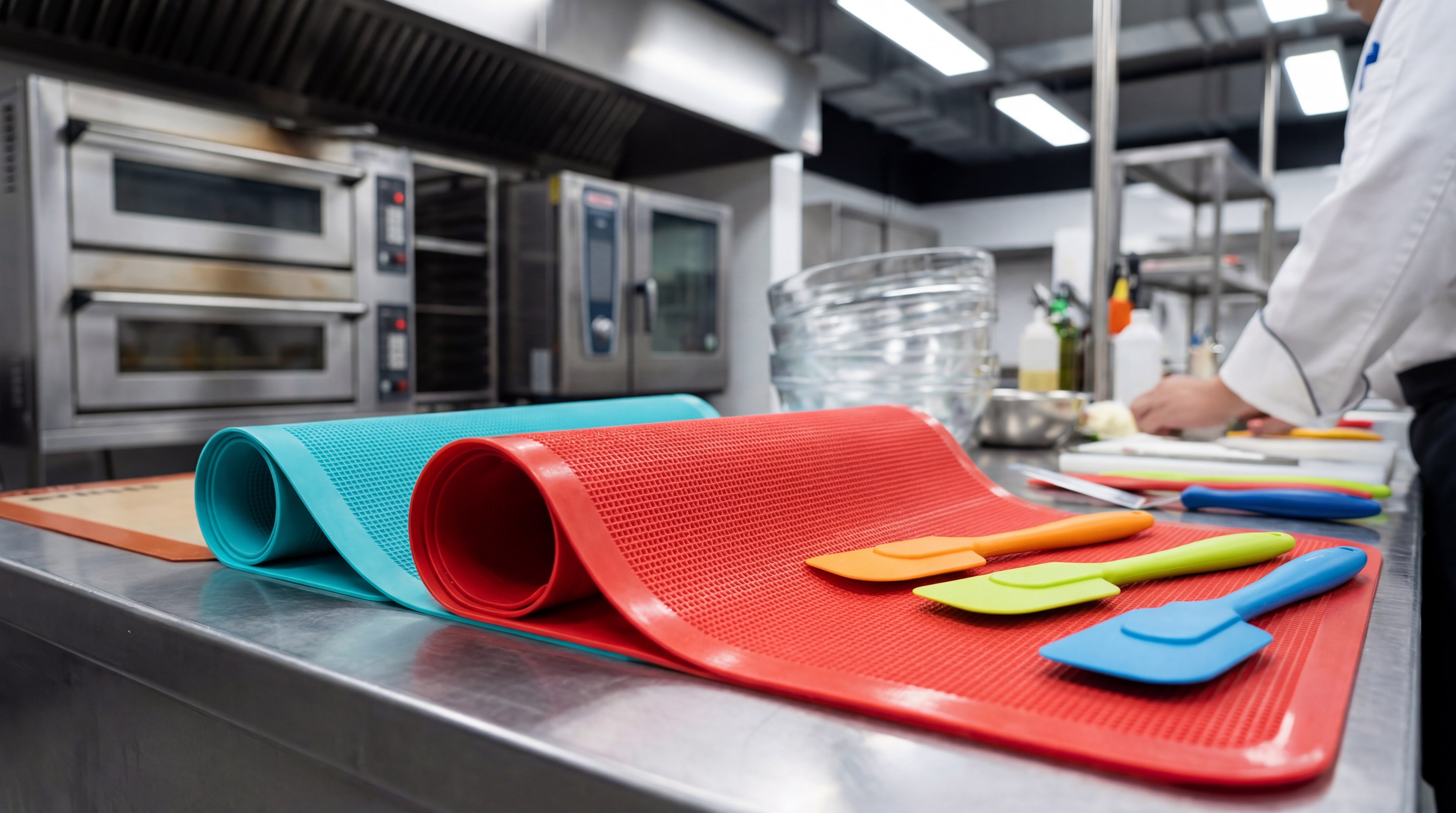
Chemical inertness prevents the silicone from reacting with fats, oils, or acidic ingredients found in many food types. You need this stability to ensure that your products do not absorb odors or leach synthetic tastes over time.
Here is why.
- Inertness extends the lifecycle of the product significantly.
- It prevents mold and bacterial growth on the surface.
- The material resists degradation from common cleaning agents.
Key Takeaway: The combination of thermal stability and chemical resistance makes food grade silicone more durable than most organic polymers.
The properties below highlight why this material is selected for high-performance B2B applications.
| Property | Value/Performance | B2B Benefit |
|---|---|---|
| Temp Range | -60°C to +230°C | Multi-environment utility |
| Reactivity | Chemically Inert | No flavor migration |
| Surface | Naturally Non-stick | Easy cleaning/Sanitization |
Which safety standards govern food grade silicone?
Safety standards for food grade silicone are governed primarily by the US FDA and the European LFGB, which mandate rigorous migration testing for food contact. These regulations ensure that the material is free from hazardous fillers and does not release toxins during use.
What is the difference between FDA and LFGB?
The FDA standard focuses on extractables in distilled water, while the German LFGB involves more intensive sensory and chemical migration tests. You should note that LFGB is often considered the stricter “premium” standard for the European market.
It gets better.
- FDA is the baseline requirement for the North American market.
- LFGB products are generally higher in purity and cost.
- Both standards prohibit the use of BPA and Lead.
Are there specific EU regulations to follow?
Regulation (EC) 1935/2004 provides the general framework for all materials intended to come into contact with food in the European Union. You must ensure your manufacturer provides a Declaration of Compliance (DoC) to prove these specific requirements have been met.
Simply put.
- Compliance is verified through third-party laboratory testing.
- Records must be kept for full batch traceability.
- Labeling must clearly state the product’s food-safe status.
Key Takeaway: Compliance is regional; while FDA is standard in the US, LFGB is often required for premium European markets due to stricter testing protocols.
The table below summarizes the primary global standards you need to recognize during procurement.
| Standard | Region | Primary Test Focus |
|---|---|---|
| FDA | USA | Extractables in distilled water/hexane |
| LFGB | Germany/EU | Sensory and intensive migration tests |
| GB 4806 | China | National safety standards for contact |
Where is food grade silicone used in kitchens?
In modern kitchens, food grade silicone is used for high-performance bakeware, non-scratch utensils, and flexible storage solutions that replace single-use plastics. Our capabilities in medical-grade silicone parts often translate to the high sanitation requirements needed for professional culinary tools.
Is it safe for professional bakeware?
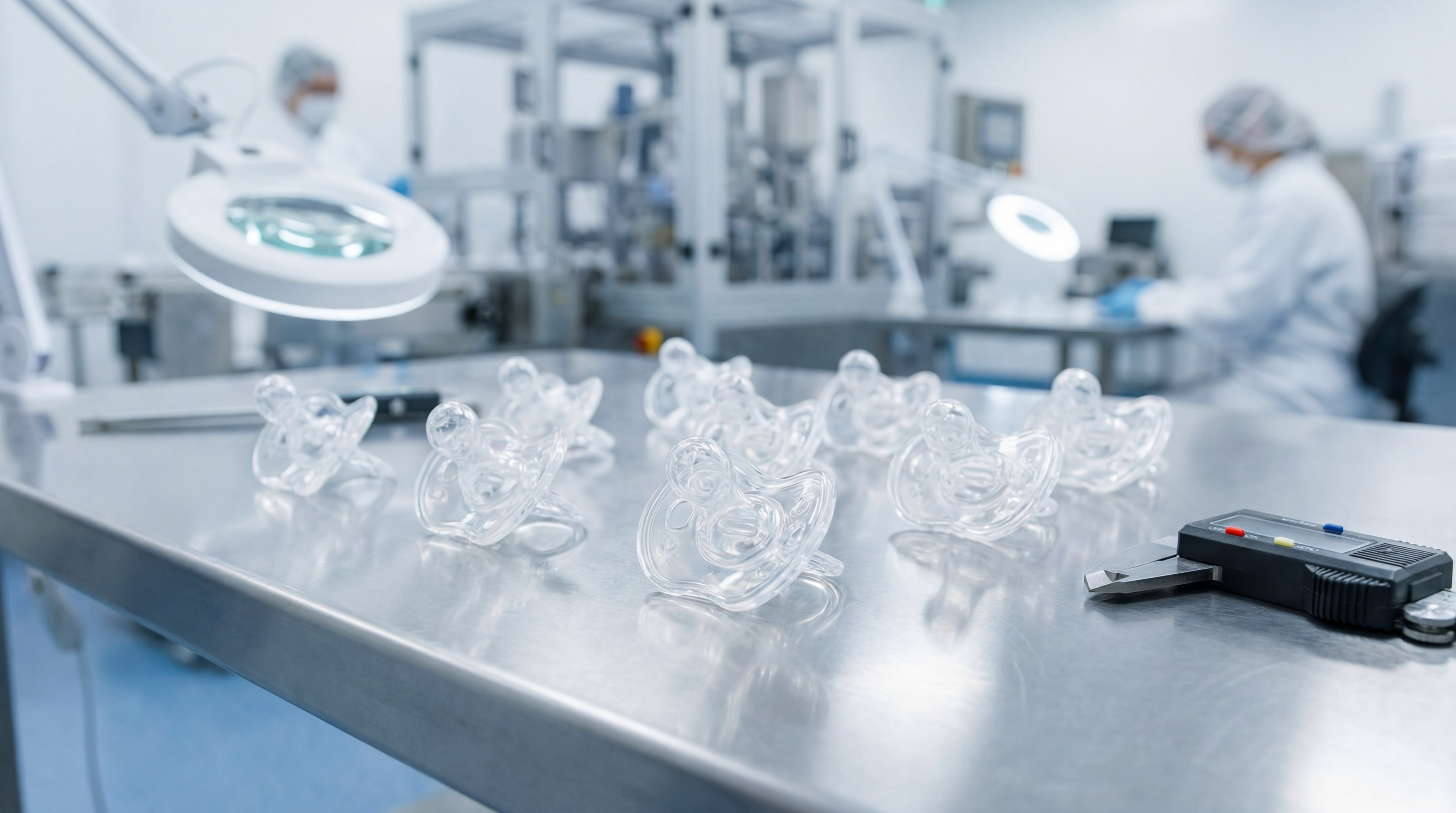
Silicone is highly safe for professional bakeware because it distributes heat evenly and features an inherent non-stick surface. You will save on labor costs and waste by eliminating the need for parchment paper or excessive greasing.
But that’s not all.
- Molds are flexible for easy removal of delicate pastries.
- The material is dishwasher safe for rapid turnover.
- Silicone mats provide a stable, reusable baking surface.
Can it be used for airtight food storage?
Silicone gaskets and reusable bags provide superior airtight seals compared to traditional rubber or plastic closures. You can rely on these seals to maintain food freshness and prevent cross-contamination in commercial refrigerators.
Here is why.
- The material maintains its seal even after hundreds of cycles.
- It does not absorb the smell of pungent foods like onions.
- Silicone bags can go from the freezer to boiling water.
Key Takeaway: In professional kitchens, silicone reduces waste and improves efficiency through its non-stick and reusable properties.
This table details the most common kitchen applications and the materials they typically replace.
| Application | Typical Use Case | Replacement Material |
|---|---|---|
| Bakeware | Muffin trays, baking mats | Aluminum / Parchment paper |
| Utensils | Spatulas, whisks | Plastic / Wood |
| Seals | Pressure cooker gaskets | Natural rubber |
Why use food grade silicone for baby products?
Food grade silicone is the preferred material for baby products because it is hypoallergenic, soft on sensitive gums, and entirely free of hormonal disruptors like BPA. This biocompatibility ensures that infants can safely use pacifiers and teethers daily without any chemical risk.
Is it hypoallergenic for infant use?
Silicone is naturally hypoallergenic because its non-porous surface does not harbor dust mites or common allergens. You can provide peace of mind to parents by offering products that are gentle on skin and oral tissues.
It gets better.
- The material is soft yet bite-resistant for teething.
- It does not contain latex, which causes many allergies.
- Silicone remains odorless to encourage infant feeding.
Does it resist bacterial growth?
The non-porous nature of high-quality silicone prevents bacteria, mold, and fungus from colonizing the material. You will find that these products are significantly easier to sterilize in boiling water or steam compared to porous plastics.
Think about this.
- The surface is naturally resistant to microbial accumulation.
- It does not degrade after repeated sterilization cycles.
- Silicone stays clear and clean-looking over time.
Key Takeaway: For infant care, the primary value proposition of food grade silicone is its chemical purity and soft, safe-to-touch texture.
The following table provides an analytical breakdown of why silicone is the gold standard for baby care.
| Product | Critical Requirement | Silicone Advantage |
|---|---|---|
| Pacifiers | Oral safety | BPA-free, soft texture |
| Teethers | Durability | Bite-resistant, non-toxic |
| Bottle Nipples | Sterilization | Withstands boiling water |
How does food grade silicone benefit pet care?
Food grade silicone benefits pet care by providing non-toxic, durable alternatives for chew toys and feeding accessories that resist heavy wear. You can explore our pet products manufacturing to see how we design for the unique needs of animal companions.
Is it durable enough for chew toys?
While soft to the touch, food grade silicone has high tear strength and elongation properties that withstand aggressive chewing. You must ensure your material choice avoids the brittle nature of cheap plastics that can shatter into dangerous shards.
But that’s not all.
- High-grade silicone can stretch without permanent deformation.
- The material is buoyant for water-based play.
- It is easy to sanitize after outdoor use.
Why is it safer than traditional plastics?
Traditional plastics often contain phthalates used as softeners, which can leach into a pet’s mouth during prolonged chewing. You will eliminate this risk by switching to silicone, which achieves flexibility through its molecular structure rather than chemical additives.
Simply put.
- Silicone is free from lead and heavy metals.
- It does not have a “plastic” taste that pets might dislike.
- The material is extremely difficult to bite into pieces.
Key Takeaway: Pet brands are pivoting to silicone to offer premium, “indestructible,” and non-toxic alternatives to traditional PVC toys.
Check the table below to see how silicone performance meets the high demands of the pet industry.
| Pet Product | Key User Need | Material Performance |
|---|---|---|
| Slow Feeders | Food safety | Non-reactive with wet food |
| Chew Toys | Resilience | High tear and bite resistance |
| Grooming Brushes | Softness | Gentle on skin, easy to clean |
What are the industrial food grade silicone uses?
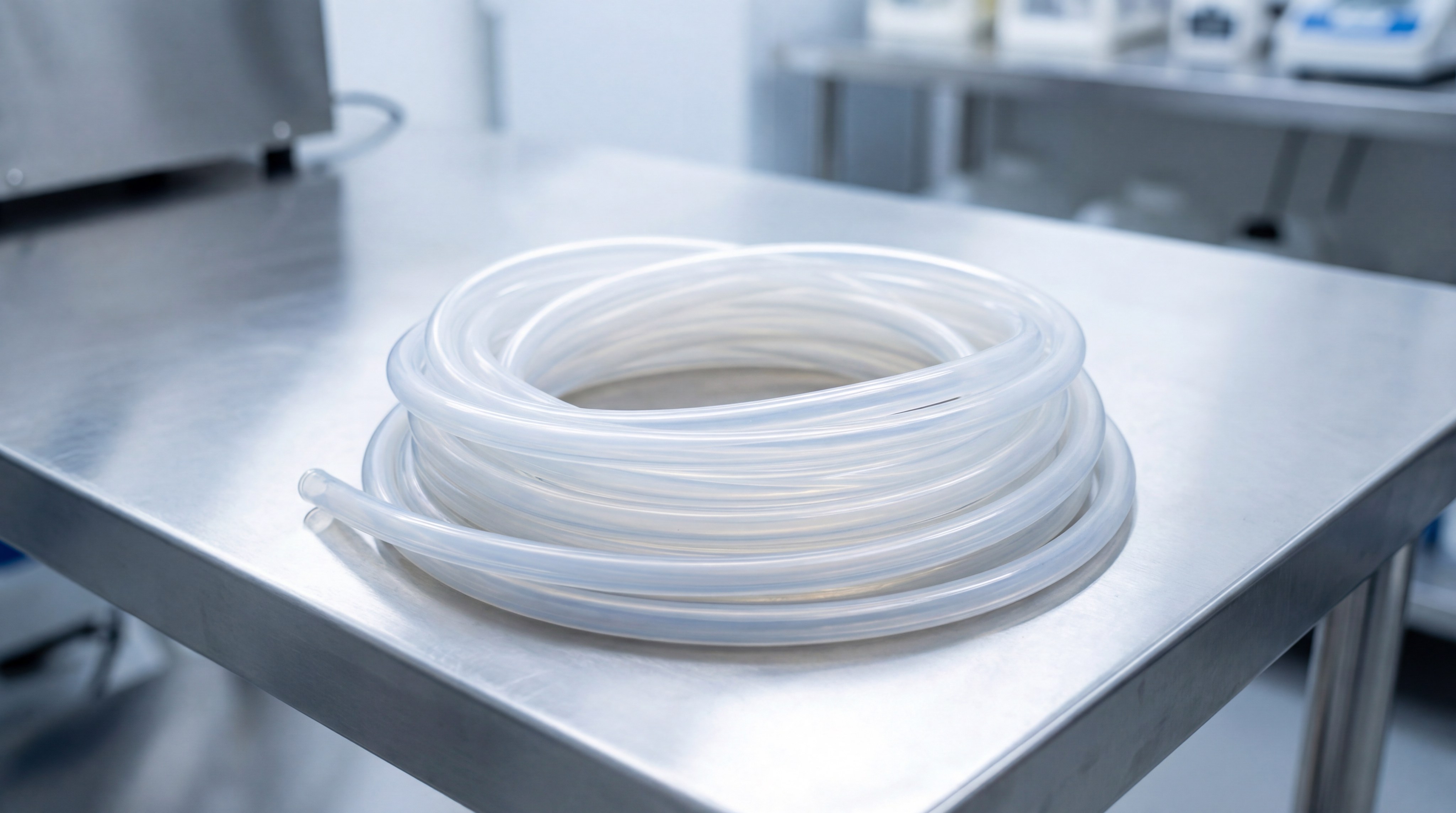
Industrial food grade silicone is utilized for high-temperature hoses, gaskets, and conveyor belts that must maintain hygiene in large-scale food processing plants. These components ensure that production lines remain free of contamination while operating under intense heat or pressure.
Can it be used in food processing machinery?
Silicone is ideal for food processing machinery because it resists the harsh cleaning chemicals used in “clean-in-place” (CIP) systems. You will benefit from reduced downtime since these parts do not require frequent replacement due to chemical degradation.
Here is why.
- The material is available in various durometers (hardness).
- It functions perfectly in high-vibration environments.
- Custom-molded seals prevent leaks in complex assemblies.
How do silicone seals prevent contamination?
High-purity silicone seals provide a sterile barrier that prevents the ingress of microbes or environmental pollutants into the food stream. You should prioritize these seals in pasteurization and sterilization equipment where temperature fluctuations are extreme.
Here is the kicker.
- The seals do not shed micro-particles into the product.
- They maintain a tight fit through thousands of cycles.
- Silicone resists the “compression set” that causes other rubbers to fail.
Key Takeaway: Beyond consumer goods, food grade silicone is vital for the integrity of industrial food supply chains and processing equipment.
This summary highlights the critical roles silicone plays in industrial food manufacturing.
| Industrial Part | Functional Need | Silicone Solution |
|---|---|---|
| Tubing | Fluid transport | Transparent, non-leaching |
| Conveyor Belts | High-heat transport | Heat stable, non-stick |
| Gaskets | System sealing | Compression set resistance |
Is food grade silicone environmentally friendly?
Food grade silicone is considered environmentally friendly because its extreme durability allows a single product to replace hundreds of single-use plastic alternatives over its lifetime. Our mother and baby care solutions emphasize this sustainability by creating products that last through multiple children.
Can these silicone products be recycled?
While not as common as plastic recycling, silicone can be recycled at specialized facilities where it is ground down and repurposed into secondary materials. You should encourage users to look for take-back programs to ensure these items do not end up in landfills.
Think about this.
- Recycled silicone is often used in playground surfaces.
- It can be turned into industrial lubricants or sealants.
- The material does not break down into microplastics.
How does durability reduce plastic waste?
A silicone baking mat can last for years, potentially replacing thousands of sheets of single-use parchment paper or aluminum foil. You are making a strategic investment in sustainability by choosing materials that do not need frequent disposal.
But that’s not all.
- Silicone does not degrade under UV light or ozone.
- It remains functional after thousands of dishwasher cycles.
- The long lifespan significantly lowers the carbon footprint per use.
Key Takeaway: While silicone recycling is specialized, its long lifespan significantly reduces the overall environmental footprint of food-contact products.
The table below contrasts the lifecycle benefits of silicone against common disposable plastics.
| Factor | Silicone | Single-Use Plastic |
|---|---|---|
| Lifespan | Years | Minutes/Hours |
| Degradation | Does not micro-fragment | Breaks into microplastics |
| Reusability | High (Dishwasher safe) | Low |
How to source quality food grade silicone?
To source quality food grade silicone, you must partner with an ISO-certified manufacturer that provides full material traceability and third-party lab reports for every batch. Sourcing is a critical step in maintaining your brand’s reputation for safety and reliability.
What should you look for in a manufacturer?
You should look for a manufacturer with in-house mold making, cleanroom production facilities, and a robust Quality Management System (QMS). A reliable partner will offer DFM (Design for Manufacturing) support to optimize your part for cost and performance.
It gets better.
- ISO 9001 certification proves process consistency.
- In-house testing equipment speeds up the audit process.
- Transparent communication is a sign of a professional partner.
How to verify material certifications?
You must request a Certificate of Analysis (COA) and verified test reports from labs like SGS or Intertek to confirm the material meets FDA or LFGB standards. Do not accept verbal assurances; insist on seeing the documented results for your specific material batch.
Here is why.
- Documentation is your legal protection in case of recalls.
- It ensures you are getting the grade of material you paid for.
- Certification is mandatory for export to most major markets.
Key Takeaway: Sourcing success depends on partnering with a manufacturer that provides transparent documentation and rigorous quality control.
The following table summarizes the essential criteria for auditing a potential silicone supplier.
| Audit Criteria | Importance | Verification Method |
|---|---|---|
| ISO 9001/13485 | High | Certificate validation |
| Material Origin | Critical | Batch traceability records |
| Testing | Mandatory | Third-party lab reports |
Conclusion
HuaLin Silicone is dedicated to bridging the gap between high-performance engineering and consumer safety. Based in Dongguan, our ISO-certified facility supports OEM/ODM buyers with in-house mold making and stable mass production. We believe that choosing the right material is the first step in building a trustworthy brand. Our vision is to provide a repeatable, controlled process so your parts are stable from prototype to global scale. Whether you need complex industrial seals or safe infant products, our team is ready to provide expert guidance and technical support. Contact us today to start your next project with a partner who understands the high stakes of food-grade manufacturing.
FAQ: Common Industry Questions
- Is food grade silicone safe for high-heat baking?
Yes, because it is typically rated for temperatures up to 230°C (446°F), making it far safer than plastics that might melt or off-gas. - Does food grade silicone contain BPA?
No, since high-quality silicone is naturally free of Bisphenol A (BPA), BPS, and phthalates by its molecular design. - How can I tell if silicone has cheap fillers?
Yes, you can use the “pinch test”—if the silicone turns white when twisted or pinched, it likely contains low-cost fillers instead of pure polymer. - Can food grade silicone be used in the microwave?
Yes, the material is microwave-safe and does not absorb microwave energy, ensuring the container remains stable while heating food. - What is the best way to clean silicone products?
Yes, because it is non-porous and heat-resistant, you can safely use warm soapy water or high-heat commercial dishwashers for sanitization.