
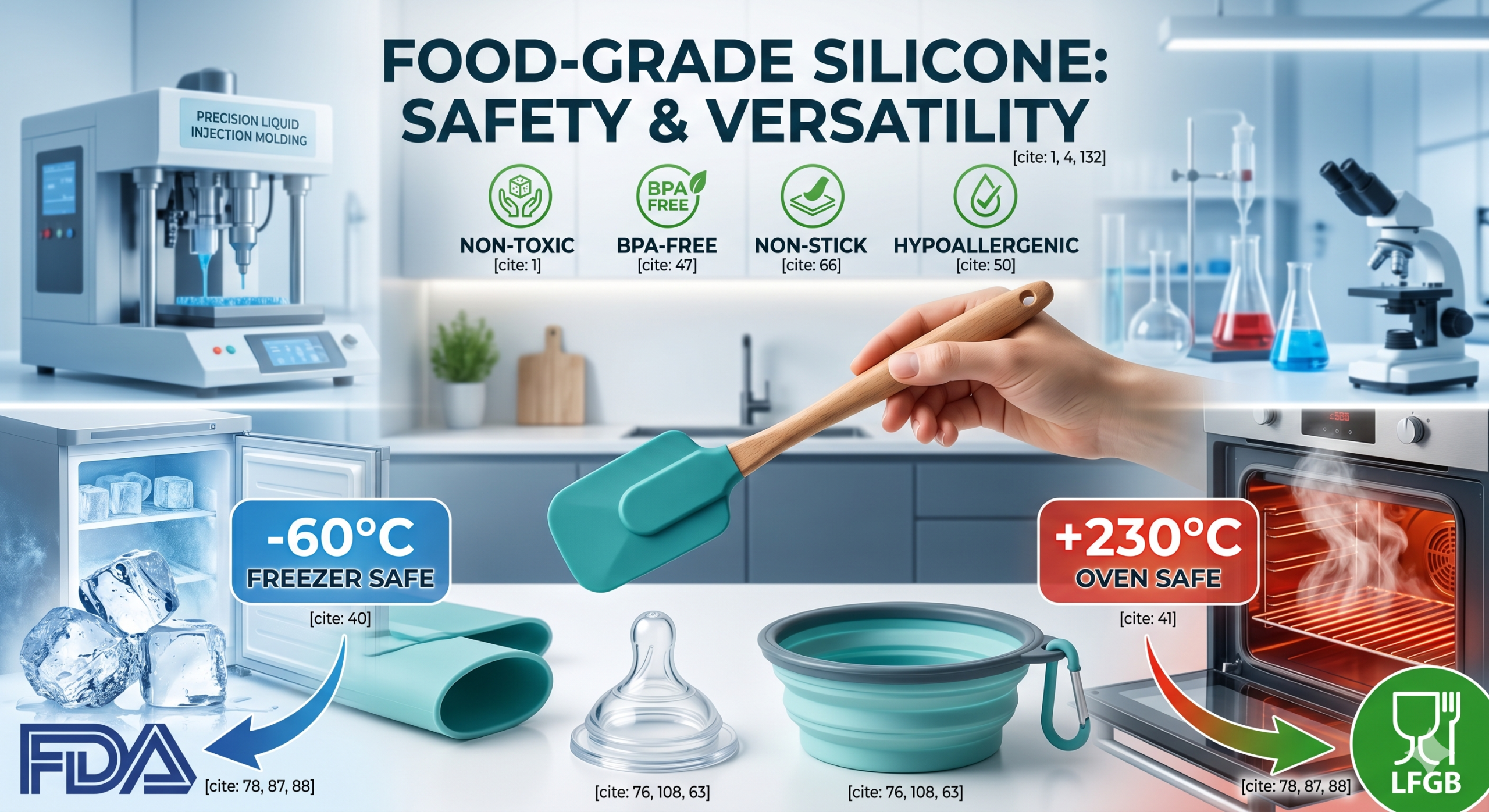
Food-Grade Silicone is a non-toxic, heat-resistant synthetic elastomer that is specifically formulated and tested to be safe for direct contact with food. As a B2B purchaser, you likely face the challenge of sourcing materials that do not leach harmful chemicals or warp under industrial cleaning cycles. Relying on low-quality plastics can agitate your supply chain with batch failures, toxic off-gassing, and regulatory non-compliance that damages your brand reputation. Transitioning to high-quality Food-Grade Silicone provides a stable, chemically inert solution that ensures safety from the freezer to the oven while meeting the strictest international standards.
What are the main components of food-grade silicone?
Food-grade silicone is primarily composed of a silicon-oxygen backbone, known as polydimethylsiloxane, which is enhanced with high-purity fumed silica fillers. This specific Food-Grade Silicone lacks the hazardous fillers, phthalates, and BPA typically found in industrial plastics or low-quality rubbers.
Does it contain natural or synthetic elements?
This material is a synthetic polymer that combines silicon—derived from silica sand—with oxygen, carbon, and hydrogen. While it originates from a natural mineral, the manufacturing process transforms it into a highly stable elastomer.
Think about it:
- Silicon provides the primary structural framework.
- Oxygen atoms alternate with silicon to create the backbone.
- Organic groups like methyl are attached to the silicon.
- Fumed silica is added to increase mechanical strength.
Key Takeaway: The purity of the base polymer determines the material’s safety and longevity in food contact environments.
| Component | Purpose | Safety Status |
|---|---|---|
| Polysiloxane | Core polymer structure | Non-toxic |
| Fumed Silica | Reinforcing filler | Inert |
| Organic Groups | Flexibility control | Stable |
The combination of these elements creates a material that is both physically robust and chemically safe for consumer use.
How is food-grade silicone manufactured?
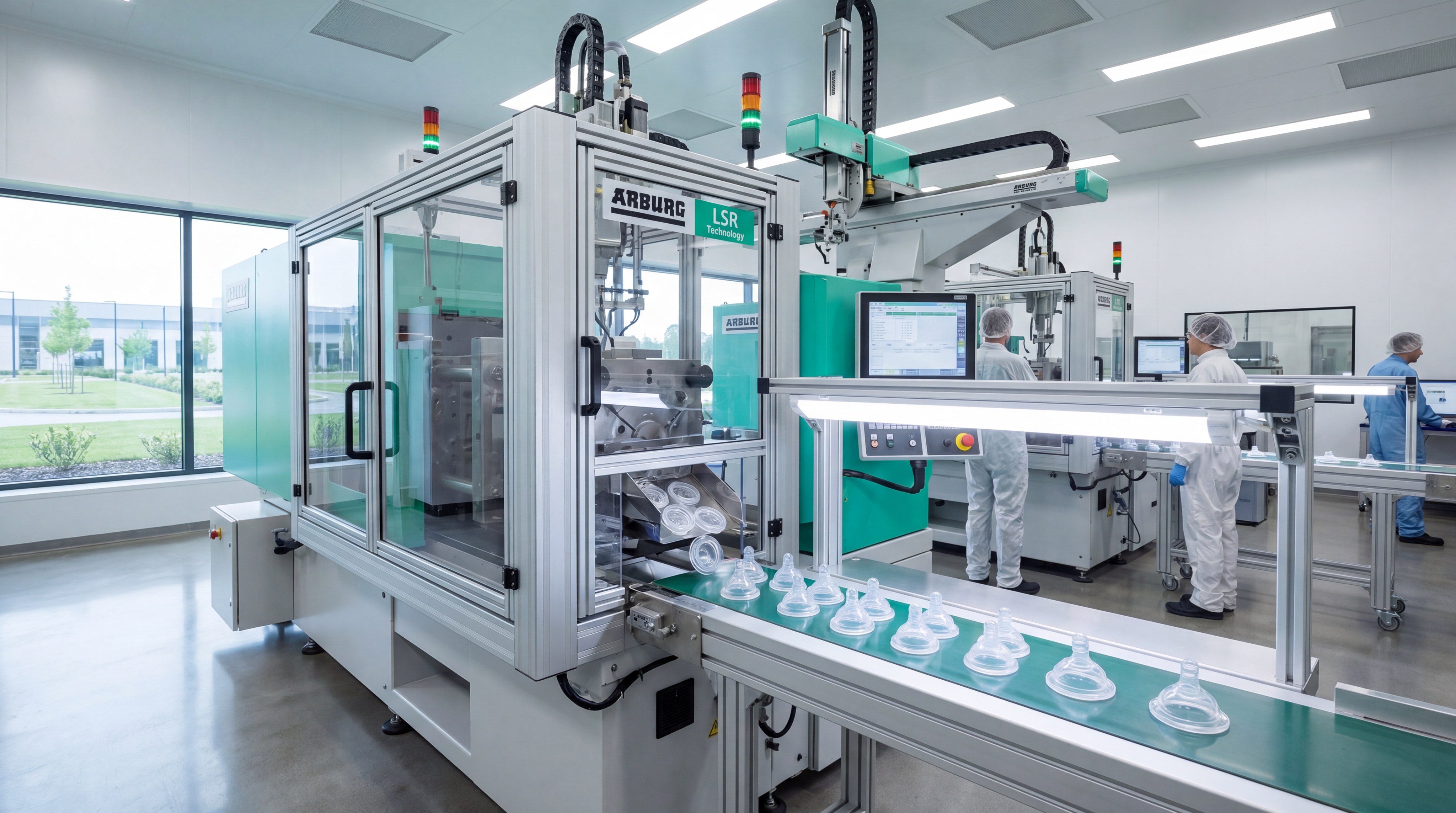
Manufacturing food-grade silicone involves a precision curing process where liquid silicone rubber is cross-linked using platinum or peroxide catalysts to form a solid, flexible part. The material is often processed through liquid injection molding or compression molding to achieve complex geometries with tight tolerances.
What molding techniques are used for production?
You will find that Liquid Silicone Rubber (LSR) molding is the preferred method for high-volume, precision components like baby bottle nipples. This automated process ensures consistency and reduces the risk of human error or contamination during the production cycle.
Here is the kicker:
- Injection molding allows for rapid cycle times.
- Compression molding is ideal for simpler, larger gaskets.
- Overmolding bonds silicone directly to plastic or metal.
- Secondary curing removes any remaining volatile compounds.
Key Takeaway: Using advanced LSR technology ensures that your high-volume orders remain dimensionally accurate and free of contaminants.
| Process | Best For | Benefit |
|---|---|---|
| LSR Injection | Complex parts | High precision |
| Compression | Large seals | Cost-effective |
| Overmolding | Multi-material | Improved grip |
Selecting the right molding route is critical for balancing your production costs with the required functional performance.
What are the thermal properties of this material?
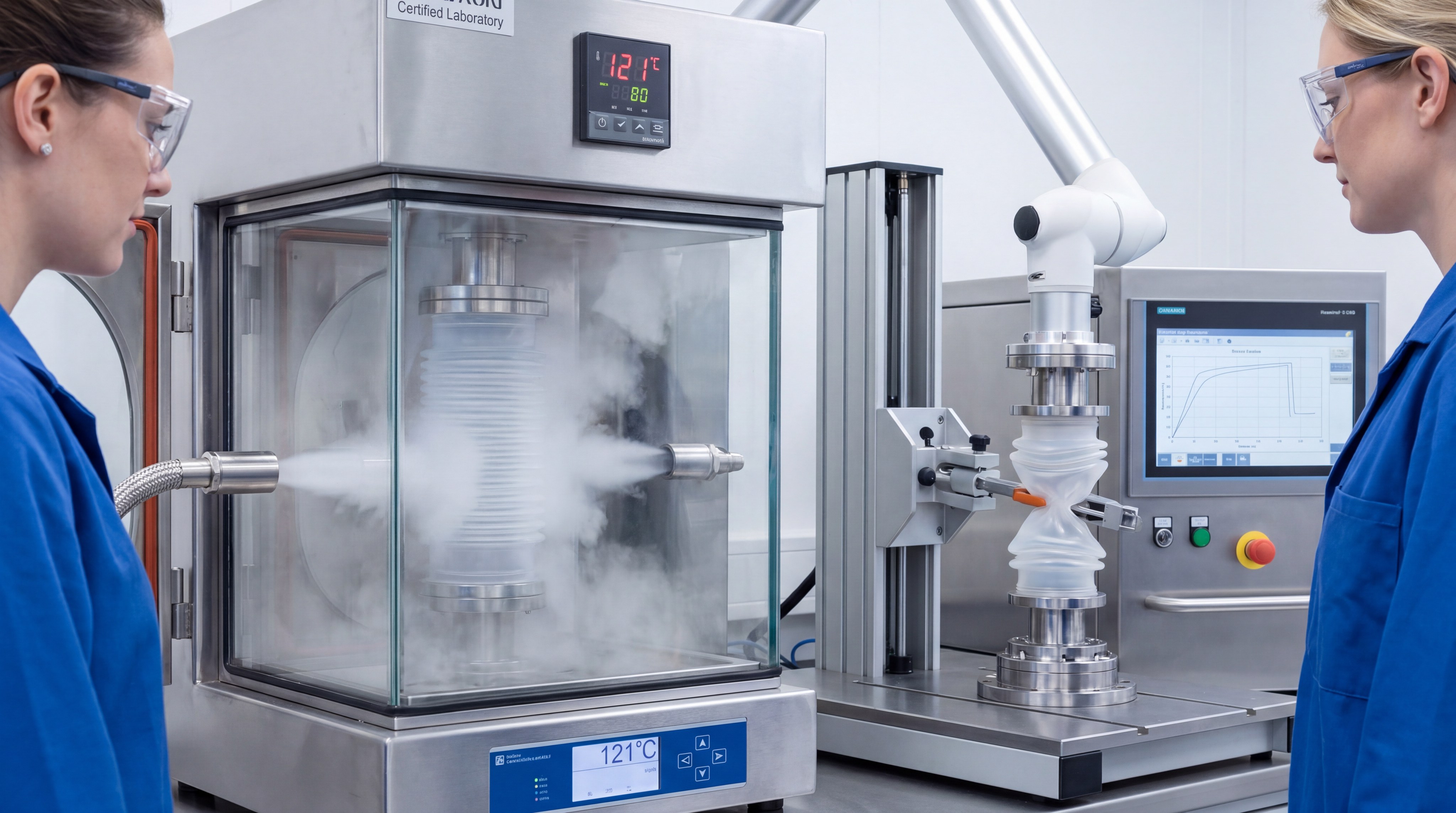
Food-grade silicone is characterized by its exceptional thermal stability, maintaining its physical properties across a wide temperature range from -60°C to +230°C. Utilizing high-quality Food-Grade Silicone ensures that your products can transition from extreme cold to high heat without cracking, melting, or releasing fumes.
Will it melt in a standard oven?
You can safely use silicone in ovens because its molecular structure does not break down at standard baking temperatures. Unlike many plastics that soften or deform, silicone remains elastic and structurally sound even under prolonged heat exposure.
But that’s not all:
- It resists thermal shock during rapid temperature changes.
- The material does not conduct heat as quickly as metal.
- It maintains flexibility even in deep-freeze environments.
- No toxic off-gassing occurs at rated high temperatures.
Key Takeaway: Thermal resistance makes silicone a superior choice for both industrial food processing and home kitchenware.
| Temperature | State | Common Use |
|---|---|---|
| -60°C | Flexible | Freezer storage |
| 100°C | Stable | Boiling/Sanitization |
| 230°C | Intact | Oven baking |
This wide operating window allows you to design versatile products that serve multiple functions in a single kitchen environment.
Is food-grade silicone safer than common plastics?
Yes, food-grade silicone is significantly safer than most plastics because it is chemically inert and does not contain endocrine-disrupting chemicals like BPA or phthalates. While plastics can degrade and leach microplastics into food when heated, silicone remains stable and does not react with acidic or fatty foods.
Why does it resist chemical leaching?
You benefit from silicone’s non-reactive nature, which prevents it from absorbing or imparting flavors and odors to the food it touches. This stability is due to the strong silicon-oxygen bonds that resist breakdown from common kitchen chemicals and detergents.
Think about this:
- Silicone is 100% free of BPA and BPS.
- It does not require plasticizers to remain flexible.
- The material is non-porous and resists bacterial growth.
- It is hypoallergenic and safe for sensitive skin contact.
Key Takeaway: Choosing silicone over plastic reduces chemical exposure risks for the end-consumer while improving product lifespan.
| Feature | Silicone | Plastic |
|---|---|---|
| BPA Content | 0% | Varies |
| Heat Stability | High | Low |
| Reusability | Excellent | Moderate |
The move toward silicone is a strategic decision for brands looking to align with health-conscious consumer trends.
Why use food-grade silicone for pet accessories?
Pet product manufacturers choose silicone because it is highly durable, chew-safe, and does not harbor bacteria in its non-porous surface. This Food-Grade Silicone provides the bite resistance and hygiene required for pet feeders, toys, and collapsible travel bowls.
Is the material safe for aggressive chewers?
You will find that the high tear strength of food-grade silicone makes it difficult for pets to break off and swallow small pieces. Even if a piece is ingested, the material is biologically inert and generally passes through the digestive system without causing toxic reactions.
But that’s not all:
- Non-porous surface prevents mold and mildew.
- Dishwasher-safe for easy sanitization after use.
- Flexible enough for collapsible travel designs.
- Resistant to degradation from pet saliva.
Key Takeaway: Safety and durability are the primary drivers for the adoption of silicone in the premium pet supply market.
| Pet Product | Silicone Benefit | Comparison |
|---|---|---|
| Lick Mats | High hygiene | Better than rubber |
| Travel Bowls | Foldability | Better than plastic |
| Chew Toys | Tear resistance | Safer than PVC |
By integrating silicone into your pet line, you provide owners with peace of mind regarding their pets’ long-term health.
Can food-grade silicone be used in professional bakeware?
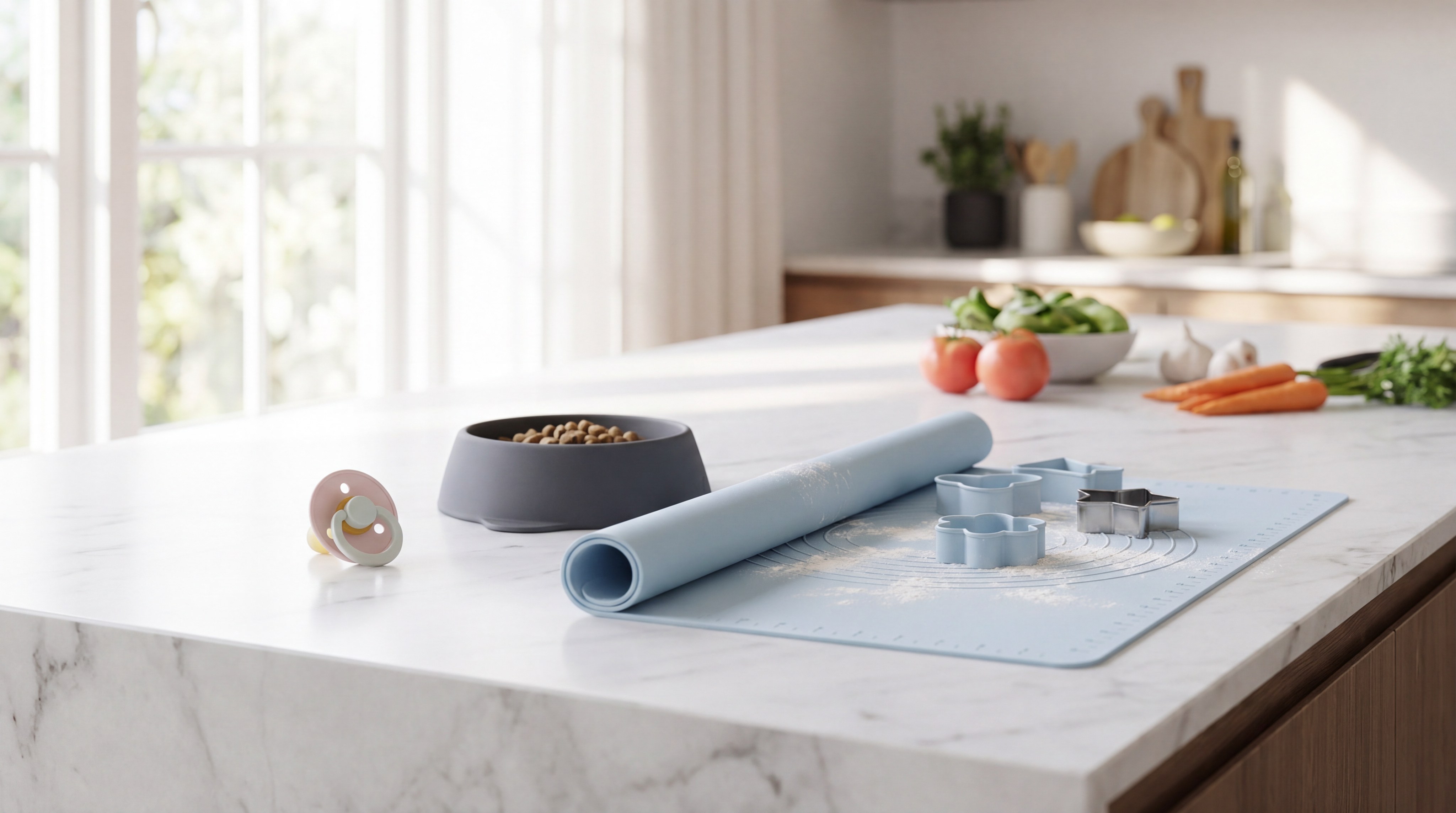
Food-grade silicone is a staple in professional kitchens because its natural non-stick properties and even heat distribution eliminate the need for heavy greasing. It allows chefs to pop delicate pastries out of molds without damage, significantly reducing waste and preparation time.
Does it affect the baking time of food?
You might notice slight differences in browning because silicone does not conduct heat as aggressively as dark metal pans. However, the even heat distribution often leads to more consistent results across large batches of baked goods.
Here is the kicker:
- Reusable mats replace single-use parchment paper.
- Non-stick surfaces reduce cleanup labor costs.
- Flexible molds allow for unique geometric shapes.
- The material won’t rust or corrode over time.
Key Takeaway: Silicone bakeware offers a combination of design flexibility and operational efficiency that metal cannot match.
| Kitchen Tool | Primary Advantage | Longevity |
|---|---|---|
| Baking Mats | Reusability | 3,000+ uses |
| Muffin Trays | Easy release | High |
| Spatulas | Heat resistance | High |
The efficiency gains from using silicone in high-volume bakeries often justify the initial investment in premium molds.
How do FDA and LFGB standards differ?
FDA and LFGB represent the two primary safety certifications for food-contact materials, with the German LFGB standard generally being more rigorous. Sourcing Food-Grade Silicone that meets both standards ensures your products are compliant for global export and meet the highest purity requirements.
Which certification is better for global markets?
You should aim for LFGB certification if you are selling in Europe, as it requires more intensive testing for migrating substances than the US FDA standard. While both are safe, LFGB-grade silicone often uses higher-quality raw materials to pass the stricter extraction tests.
Think about it:
- FDA (USA) focuses on basic extraction limits.
- LFGB (Europe) includes sensory tests for taste and odor.
- LFGB testing is more stringent for “platinum-cure” purity.
- Global brands often default to LFGB for universal compliance.
Key Takeaway: Understanding these standards helps you navigate international regulations and avoid costly customs delays.
| Standard | Region | Stringency |
|---|---|---|
| FDA | USA | Standard |
| LFGB | Germany/EU | High |
| GB | China | Variable |
Compliance with these standards is a mandatory prerequisite for any B2B partner in the food and beverage industry.
What are the best cleaning methods for silicone?
Maintaining food-grade silicone is straightforward because the material is dishwasher safe and can withstand high-temperature sterilization. Its non-porous surface ensures that food particles and oils do not penetrate the material, making it easy to wipe clean with mild soap and water.
Can you remove stubborn odors from silicone?
You can remove lingering smells by boiling the silicone part in water or baking it at a low temperature to drive off trapped organic molecules. This ability to be deep-cleaned makes it far more hygienic than wood or porous plastics over long-term use.
But that’s not all:
- Safe for use in top or bottom dishwasher racks.
- Resistant to common household cleaning chemicals.
- Can be steam-sterilized for medical or baby use.
- Does not stain easily from bright-colored foods.
Key Takeaway: Low maintenance requirements and high sanitization limits make silicone ideal for high-use environments.
| Cleaning Method | Effectiveness | Frequency |
|---|---|---|
| Dishwasher | High | Daily |
| Boiling Water | Superior | Weekly |
| Baking (120°C) | Odor removal | As needed |
Proper maintenance ensures that your silicone components remain functional and aesthetic for years of service.
Why is silicone preferred for infant care products?
Silicone is the gold standard for baby care because it is soft, hypoallergenic, and completely free of toxic chemicals that could interfere with development. Manufacturers using Food-Grade Silicone can provide parents with bottle nipples and teethers that mimic natural textures while remaining easy to sterilize.
Is the material safe for sensitive newborns?
You can trust silicone for neonatal care because it does not cause allergic reactions and is soft enough to prevent injury to developing gums. Its purity ensures that no harmful substances are ingested during the constant sucking and chewing associated with infancy.
Here is the kicker:
- Biocompatible material reduces irritation risks.
- Transparency allows for easy visual inspection.
- Soft texture mimics the feel of natural skin.
- Withstands repeated boiling and steam cycles.
Key Takeaway: The combination of safety, softness, and durability makes silicone irreplaceable in the maternal and infant care sector.
| Baby Product | Material Requirement | Silicone Performance |
|---|---|---|
| Bottle Nipple | High transparency | Excellent |
| Teething Ring | Bite resistance | High |
| Feeding Spoon | Soft edges | Perfect |
For B2B buyers in the baby industry, silicone is the only material that meets all safety and tactile requirements.
How to identify high-quality food-grade silicone?
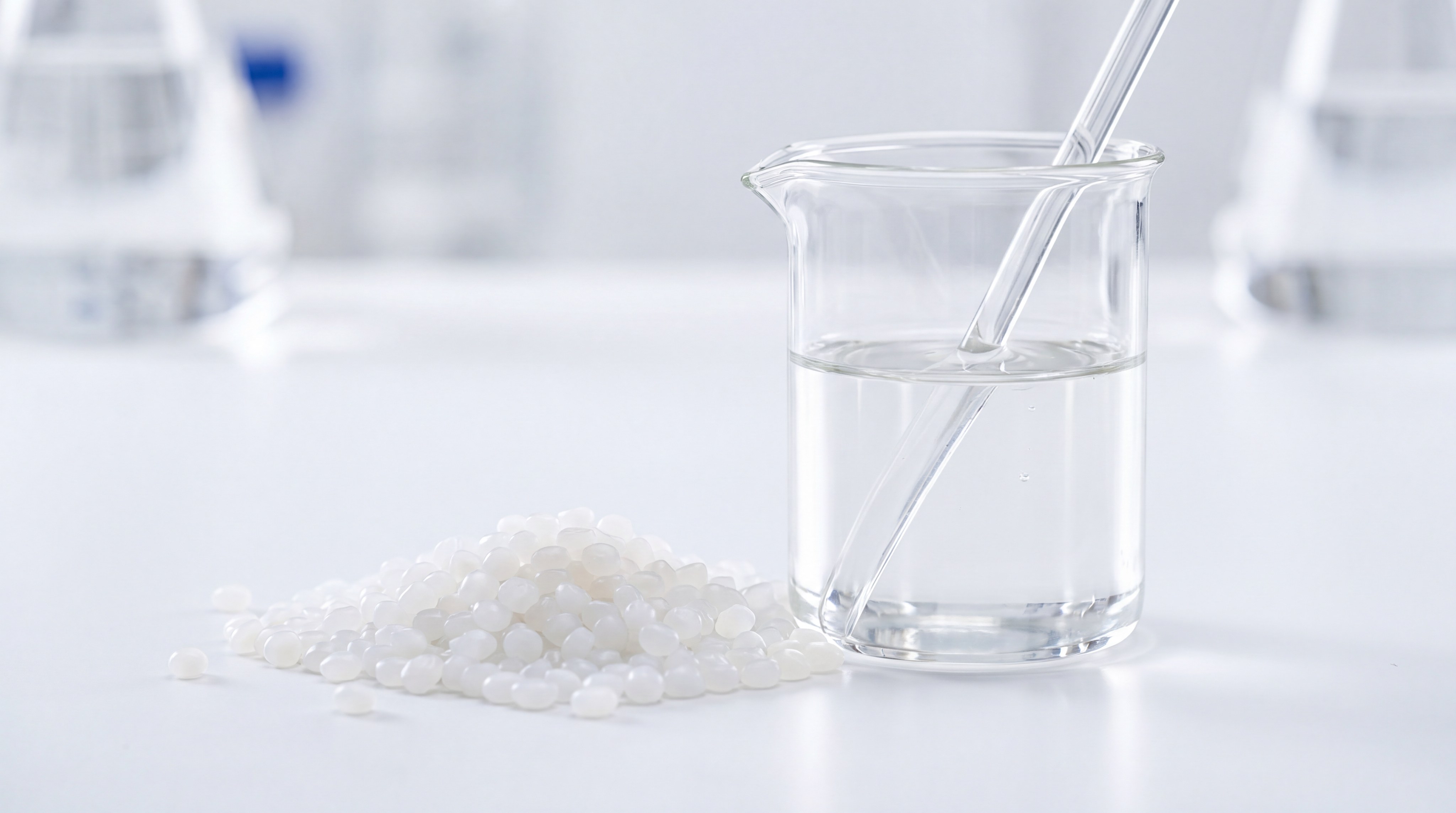
You can identify high-quality silicone by performing the “pinch test,” where you twist the material to see if it turns white, which indicates the presence of cheap fillers. Genuine, high-purity silicone will maintain its color when stretched, confirming it is a premium elastomer without hidden contaminants.
What role do certifications play in quality?
You should always request a material test report (MTR) from your supplier to verify that the batch complies with FDA or LFGB standards. A reputable manufacturer will provide full traceability for the raw silicone used in your production run.
Think about this:
- High-quality silicone has no chemical odor.
- Premium parts have smooth, flash-free edges.
- Authentic silicone feels “dry” and non-greasy.
- Platinum-cured variants offer the highest clarity.
Key Takeaway: Quality control at the manufacturing level is the only way to guarantee the safety of the final product.
| Test Method | Passing Result | Failing Result |
|---|---|---|
| Pinch Test | Uniform color | Turns white |
| Odor Test | Neutral scent | Chemical smell |
| MTR Review | Documented compliance | No records |
Ensuring quality at the source prevents costly product recalls and protects your brand’s integrity in the marketplace.
*
Frequently Asked Questions
- Can food-grade silicone go in the microwave? Yes, it is microwave-safe and does not absorb radiation or melt under standard heating conditions.
- What’s the best way to remove grease from silicone? A soak in warm, soapy water followed by a thorough rinse is usually sufficient for most oils.
- Can I use silicone on an open flame? No, direct contact with fire or heating elements will cause the material to burn and degrade.
- Can I cut food directly on a silicone mat? No, sharp blades can easily slice through the elastomer, damaging the non-stick surface.
- What’s the best way to tell if it contains BPA? Pure silicone is naturally BPA-free; if a product is certified food-grade, it cannot contain BPA.
*
Conclusion
Food-grade silicone has become an essential material for businesses that prioritize safety, durability, and high performance. Whether you are developing professional kitchenware, medical-safe baby products, or durable pet accessories, this inert elastomer provides a reliable alternative to traditional plastics. By choosing high-purity, certified silicone, you ensure that your products meet global regulatory standards while providing a superior experience for the end-user. If you are ready to elevate your product line with precision-molded components, contact us today to discuss your custom manufacturing requirements.