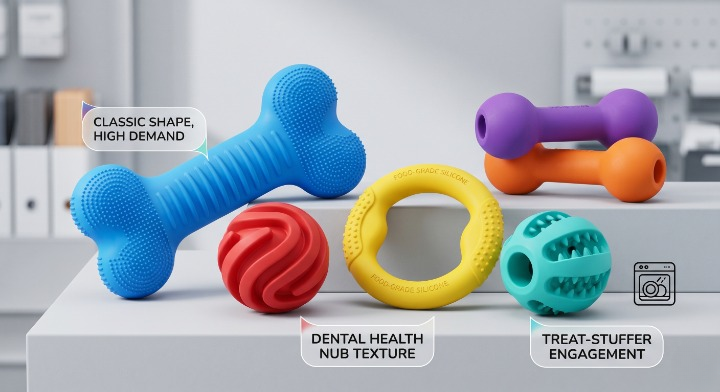
The shapes that sell best in the pet industry combine intuitive play with high-durability materials like a food-grade silicone Pet product. You likely face the challenge of sourcing toys that are tough enough for aggressive chewers but safe enough for sensitive gums. When retailers stock low-quality rubber or plastic toys, they risk high return rates and customer dissatisfaction due to chipping or chemical odors. By pivoting to premium silicone shapes, you provide a solution that is non-toxic, heat-resistant, and aesthetically superior, ensuring long-term shelf success.
1. What defines a high-quality silicone Pet product?
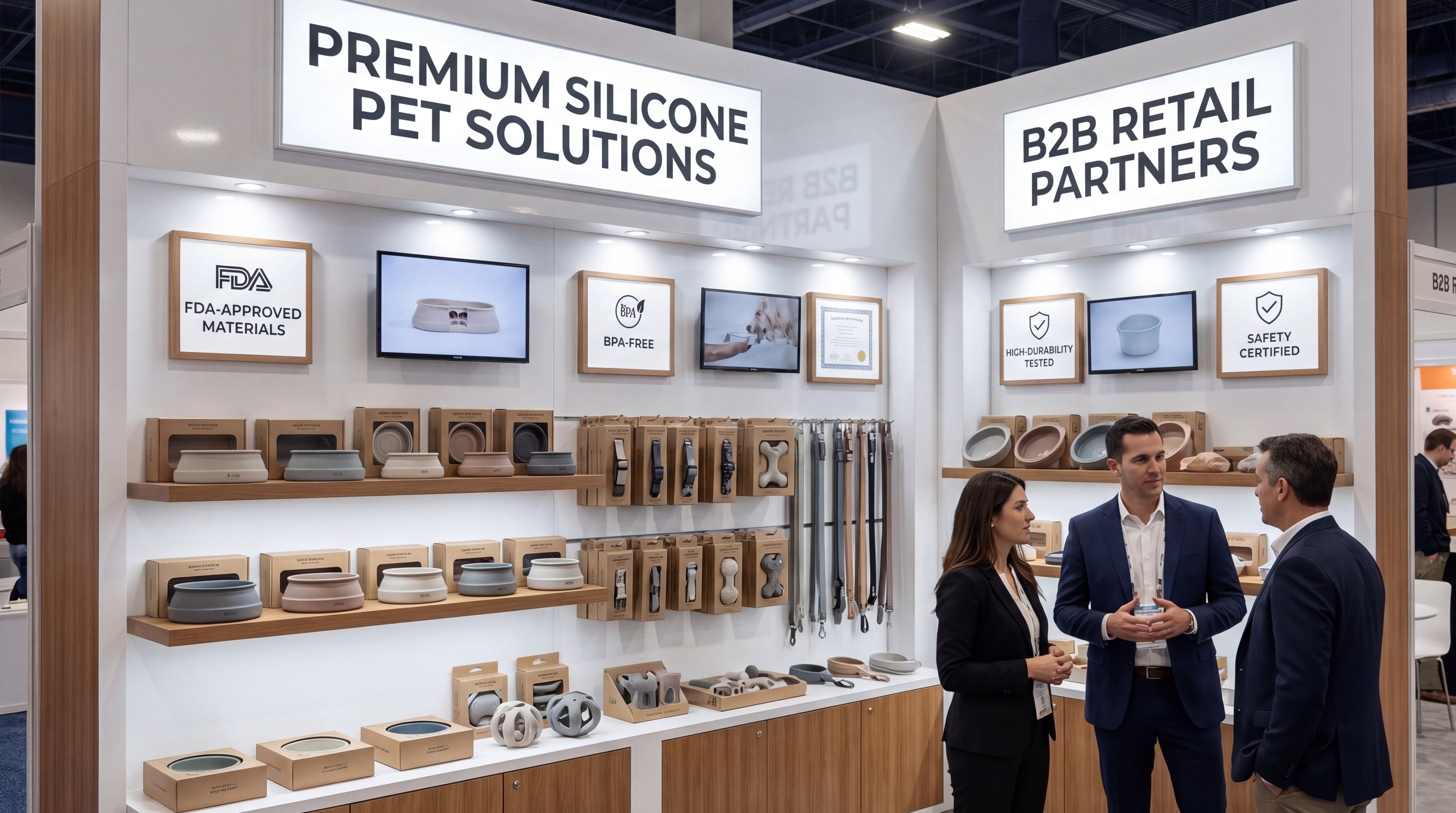
A high-quality silicone Pet product is defined by its chemical purity, durability, and resistance to environmental degradation. Unlike standard rubbers, this material is a non-toxic elastomer that contains no BPA, phthalates, or lead.
You will find that premium silicone maintains its elasticity over a wide temperature range, making it ideal for both freezing and dishwasher sterilization. This material is inherently non-porous, which prevents the buildup of harmful bacteria and mold.
Is food-grade certification necessary for pet toys?
Food-grade certification is absolutely essential because dogs spend hours with these products in their mouths.
Make no mistake:
- Ensures zero toxic leaching during heavy chewing.
- Complies with international FDA and LFGB standards.
- Provides peace of mind for health-conscious pet owners.
Key Takeaway: Certified food-grade silicone is the benchmark for safety, offering a hygienic alternative to porous natural rubber or PVC.
| Feature | Food-Grade Silicone | Standard Natural Rubber |
|---|---|---|
| Safety | BPA/Phthalate Free | May contain fillers |
| Hygiene | Non-porous surface | Porous (traps bacteria) |
| Durability | High tear resistance | Prone to dry-rotting |
The table above highlights why high-purity silicone is becoming the preferred material for premium pet brands.
2. How does manufacturing impact B2B product quality?
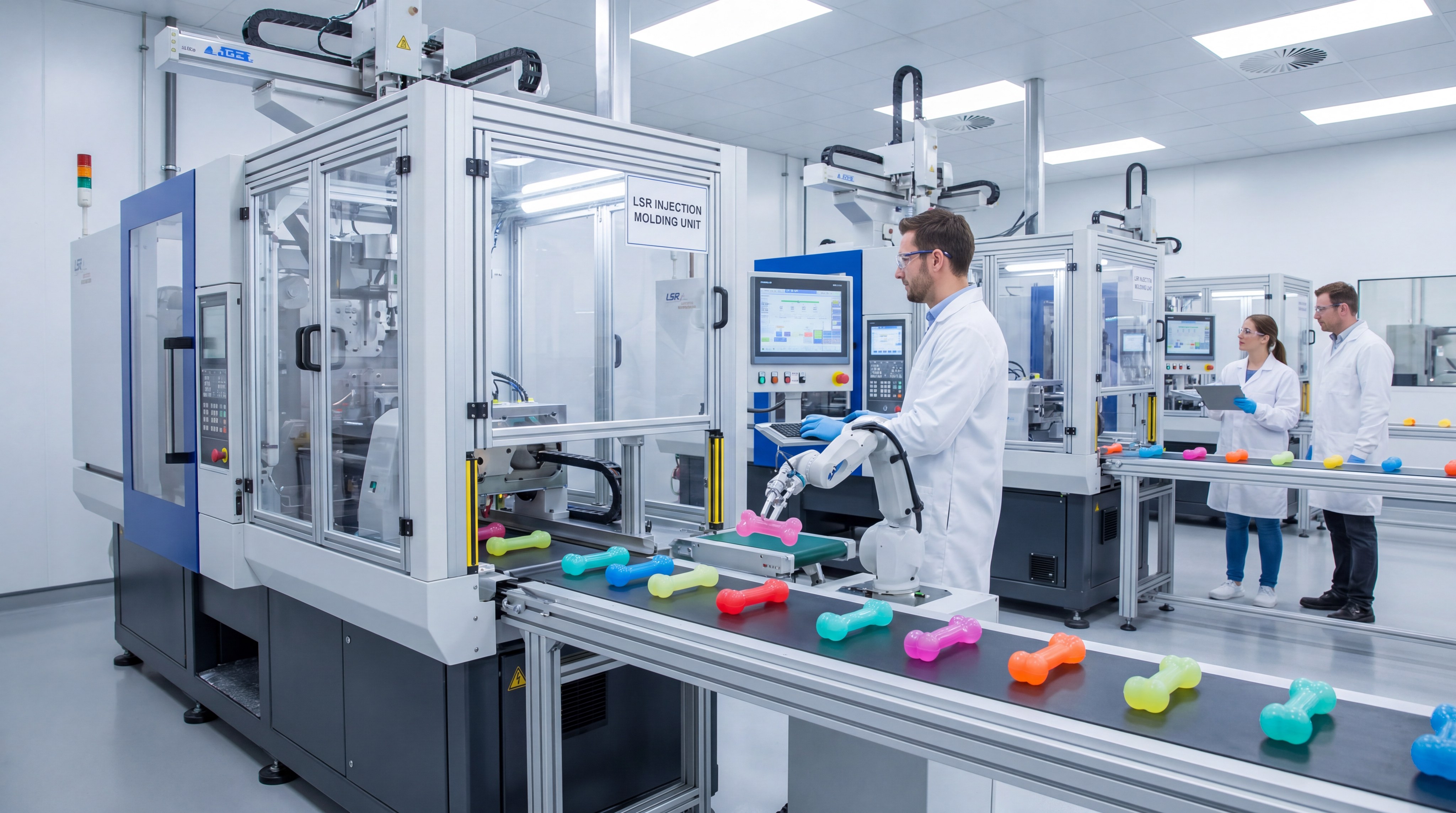
Manufacturing quality is driven by the precision of the molding process and the purity of the raw liquid silicone rubber (LSR). You need a partner that utilizes advanced in-house tooling to ensure every toy meets strict dimensional tolerances.
Consistency across batches is what separates a top-tier silicone Pet product from a generic competitor. Advanced injection molding prevents structural weak points that could lead to choking hazards.
What are the benefits of LSR injection molding?
LSR injection molding allows for complex geometries and intricate textures that are impossible with traditional compression molding.
But wait, there’s more:
- High production speed for large-scale B2B orders.
- Seamless finishes that reduce the risk of tearing.
- Exceptional thermal stability for consistent cooling.
Key Takeaway: Utilizing LSR injection molding ensures your products have the structural integrity required for long-term retail success.
| Process | Benefit for Pet Toys | Best Use Case |
|---|---|---|
| LSR Molding | Precision & Complexity | Dental toys with nubs |
| Compression | Cost-Efficiency | Solid balls or bones |
| Overmolding | Material Bonding | Multi-layered heavy chewers |
Sophisticated molding techniques allow for the creation of toys that are both functional and virtually indestructible.
3. Which classic toy shapes dominate the retail market?
The traditional bone and ball shapes dominate the market because they are intuitive for both dogs and buyers. Choosing a silicone Pet product in these shapes leverages consumer familiarity while providing a material upgrade.
Retailers prefer these shapes because they fit easily into standard packaging and display racks. You can revitalize these classics by adding unique textures or vibrant, food-safe colors.
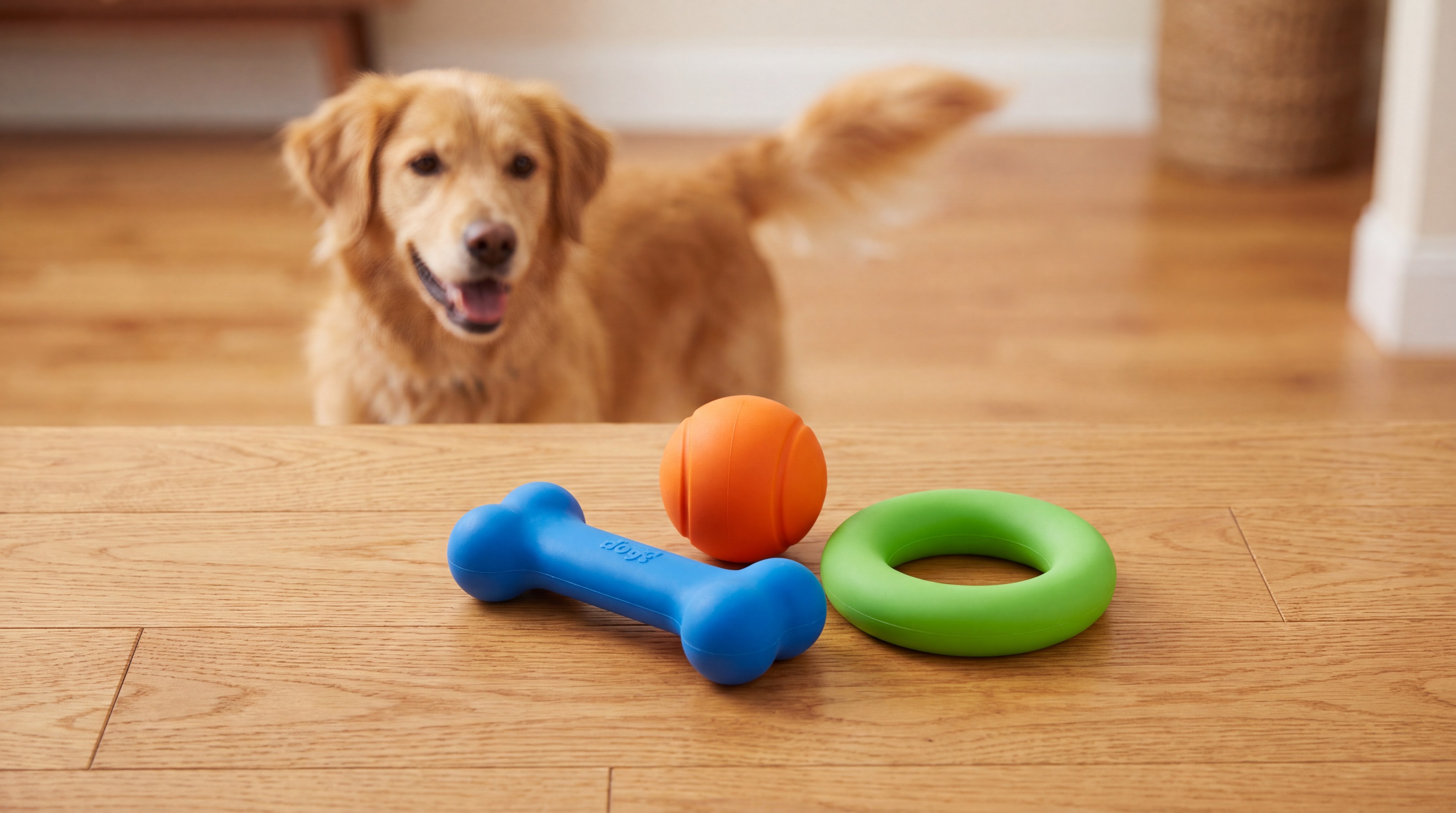
Why is the classic bone shape a top seller?
The bone shape is the most recognizable icon in the pet industry, signaling an immediate purpose to the shopper.
Here is the kicker:
- Ergonomic for dogs to hold between their paws.
- Provides multiple points for chewing and carrying.
- Universal appeal across all dog breeds and sizes.
Key Takeaway: Classic shapes like bones and rings provide a safe entry point for new brands looking to build a stable product line.
| Shape | Market Demand | Primary Function |
|---|---|---|
| Bone | Extremely High | Chewing & Carrying |
| Ball | High | Fetch & Exercise |
| Ring | Moderate | Tug-of-War |
Traditional shapes remain the volume leaders in the B2B pet supply chain due to their universal recognition.
4. Why is dental texture a must-have for chewers?
Dental textures are essential because they provide a functional health benefit beyond simple entertainment. High-grade pet care products often feature nubs and ridges that massage gums and scrap away plaque.
This functional design justifies a higher price point for the consumer. You can market these as “health-focused” toys, which appeals to the growing “pet humanization” trend.
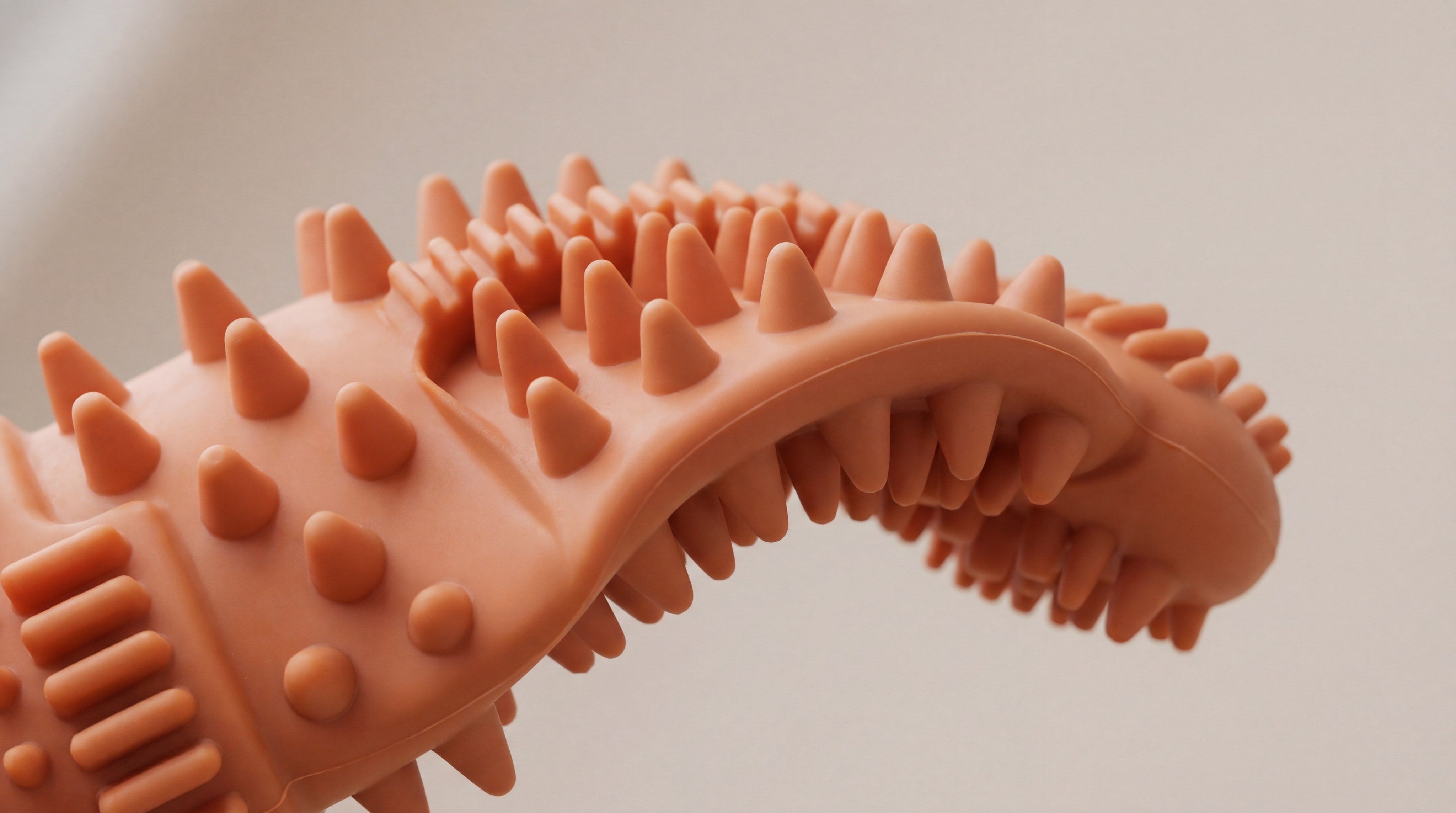
How do ridges improve canine oral hygiene?
Ridges and nubs act as a mechanical toothbrush, cleaning hard-to-reach areas as the dog chews.
Think about it:
- Stimulates blood flow in the gums for better health.
- Reduces bad breath by removing food particles.
- Engages the dog longer through varied tactile feedback.
Key Takeaway: Integrating dental textures into your designs transforms a simple toy into a valuable health-maintenance tool.
| Texture Type | Benefit | Target Breed |
|---|---|---|
| Fine Nubs | Plaque removal | Small/Medium dogs |
| Deep Ridges | Gum massage | Large/Aggressive chewers |
| Star Spikes | Multi-angle cleaning | All breeds |
Targeting oral health with textured silicone allows your brand to compete in the lucrative pet wellness niche.
5. What role do treat-stuffer shapes play in sales?
Treat-stuffer shapes are highly popular because they offer prolonged engagement and mental stimulation for pets. A silicone Pet product with a hollow center allows owners to hide kibble or peanut butter inside.
This shape encourages “slow feeding” and can help alleviate separation anxiety. You will find that these toys have a high repeat-purchase rate as owners see the direct cognitive benefits for their dogs.
Does mental stimulation increase product value?
Mental stimulation is a major selling point because it addresses common behavioral issues like boredom and destructive chewing.
But that’s not all:
- Extends the play period from minutes to hours.
- Combines feeding with physical activity.
- Ideal for high-intelligence breeds that need a “job.”
Key Takeaway: Treat-dispensing shapes provide the highest level of engagement, making them a premium addition to any product catalog.
| Design | Engagement Level | Difficulty |
|---|---|---|
| Hollow Egg | High | Easy to Moderate |
| Twisted Maze | Very High | Advanced |
| Open-Ended Tube | Moderate | Easy |
Interactive feeding toys are a cornerstone of modern pet care, driving significant growth in the specialty retail sector.
6. How does ergonomic design benefit pet owners?
Ergonomic design ensures that toys are easy for both dogs to grip and owners to handle during interactive play. You should look for shapes that feature contoured handles or balanced weight for easy tossing.
Toys that are “user-friendly” for the human half of the duo see higher engagement in parks and social settings. This visibility serves as organic marketing for your brand.
Why is throwing distance important for fetch toys?
Aerodynamic shapes allow owners to throw toys further with less effort, maximizing the dog’s exercise.
The bottom line is this:
- Symmetric designs provide a predictable flight path.
- Lightweight silicone cores prevent arm fatigue for owners.
- Easy-to-spot colors make recovery simple in tall grass.
Key Takeaway: Prioritizing ergonomics in your design process improves the user experience for both the pet and the owner.
| Ergonomic Feature | Owner Benefit | Dog Benefit |
|---|---|---|
| Hand Grips | No-slip handling | Secure carrying |
| Balanced Weight | Longer throws | Accurate catching |
| Tapered Ends | Easy pick-up | Reduced jaw strain |
Well-engineered ergonomics differentiate professional-grade toys from low-cost, poorly balanced alternatives.
7. Can custom shapes strengthen your brand identity?
Custom shapes are a powerful tool for brand differentiation in a crowded B2B marketplace. By ordering a custom silicone Pet product, you can incorporate your logo or a unique mascot into the design itself.
Working with a manufacturer that understands industry-specific requirements allows you to create patented shapes. This prevents competitors from easily copying your most successful products.
Is OEM manufacturing the right choice for you?
OEM manufacturing allows you to control the aesthetic and functional specifications of your entire toy line.
The real kicker:
- Unique geometry stands out on Amazon or retail shelves.
- Customized shore hardness (softness) for specific life stages.
- Proprietary colors that align with your brand guidelines.
Key Takeaway: Custom molding is the ultimate strategy for building a defensible brand with unique, high-performing products.
| Custom Option | Brand Impact | Cost Level |
|---|---|---|
| Logo Embossing | High Recognition | Low (One-time tool) |
| Unique Geometry | Market Leadership | Moderate to High |
| Bespoke Colors | Visual Consistency | Low |
Customized silicone solutions enable brands to move beyond generic offerings and establish a premium market presence.
8. Why is sterilization-readiness a key market trend?
Sterilization-readiness is a growing demand as pet owners become more concerned about household hygiene. Silicone’s ability to withstand extreme heat means it can be boiled or placed in the dishwasher without warping.
You can leverage this “easy-clean” feature as a primary marketing message. Toys that don’t hold onto saliva odors or dirt have a much longer “perceived” lifespan for the owner.
Can silicone toys be sterilized in boiling water?
Silicone is one of the few flexible materials that can be safely boiled to kill 99.9% of bacteria and viruses.
It gets better:
- Safe for top-rack and bottom-rack dishwasher cycles.
- Resistant to chemical cleaners and UV light.
- Quick-drying surface prevents the growth of black mold.
Key Takeaway: Market-leading brands highlight the hygienic advantages of silicone to appeal to clean-conscious households.
| Cleaning Method | Silicone Compatibility | PVC/Plastic Compatibility |
|---|---|---|
| Dishwasher | Fully Compatible | Often warps or melts |
| Boiling Water | Safe for sterilization | High risk of leaching |
| UV Sterilizer | No degradation | Becomes brittle |
The thermal resilience of silicone makes it the most hygienic material choice for modern, health-oriented pet products.
9. What makes silicone more sustainable than PVC?
Choosing a silicone Pet product is a step toward a more sustainable supply chain because the material is significantly more durable than PVC or vinyl. Silicone does not break down into microplastics as easily, reducing its environmental footprint.
Furthermore, silicone is chemically stable and does not release toxic fumes during the manufacturing process. You can position your brand as “eco-conscious” by opting for long-life materials that reduce the need for frequent replacements.
Why is product longevity part of sustainability?
Longevity is the core of sustainability; a toy that lasts three years is far better for the planet than six toys that last six months.
Consider these facts:
- Resists “cracking” caused by sun exposure and outdoor play.
- Maintains elasticity for years without the use of plasticizers.
- Reduces landfill waste through extreme durability.
Key Takeaway: Silicone’s long lifespan makes it a superior choice for brands aiming to meet the rising demand for sustainable products.
| Metric | Silicone Durability | Cheap Plastic |
|---|---|---|
| Lifespan | 3 – 5+ Years | 3 – 6 Months |
| Weathering | Excellent | Poor (Becomes brittle) |
| Toxic Residue | Zero | High (Microplastics) |
Investing in durable silicone supports a “quality over quantity” business model that resonates with today’s eco-aware consumers.
10. How can you optimize your supply chain for pet toys?
Optimizing your supply chain requires a manufacturer that can handle everything from DFM reviews to final export. You should seek partners that offer stable mass production with rigorous QC standards at every stage.
Reducing the number of vendors in your chain minimizes quality drift and communication errors. A one-stop factory ensures that your custom designs are protected and delivered on time.
What should you look for in a silicone factory?
A reliable factory should offer ISO-certified processes and transparent material traceability for all B2B orders.
Check these requirements:
- In-house mold design for faster prototyping iterations.
- Advanced QC equipment like CCD visual inspection.
- Experience with international export and logistics.
Key Takeaway: A vertically integrated manufacturing partner is the most effective way to ensure product consistency and supply chain reliability.
| Supply Chain Factor | Strategic Benefit | Business Goal |
|---|---|---|
| In-house Tooling | Faster speed to market | Competitiveness |
| Strict QC | Reduced batch rejection | Profitability |
| Global Export | Simplified logistics | Scalability |
Choosing a manufacturer with end-to-end capabilities is the most secure path to launching a successful line of pet toys.
*
Conclusion
The pet industry is shifting toward materials that prioritize safety, longevity, and functional design. By focusing on the top 10 shapes—ranging from classic bones to interactive treat-stuffers—your brand can capture a significant share of the premium market. Silicone remains the undisputed leader for high-performance pet accessories, providing the durability owners demand and the safety pets deserve. Our vision is to lead the industry through precision engineering and non-toxic material innovation. To start building your high-growth pet toy line, contact us today for a free DFM review and custom quotation.
*
Frequently Asked Questions
Can I customize the hardness of a silicone dog toy?
Yes, silicone can be formulated to various “Shore A” hardness levels, ranging from very soft for teething puppies to ultra-tough for aggressive adult chewers.
What’s the best way to verify if a toy is truly food-grade?
You should request official FDA or LFGB test reports from the manufacturer to ensure the silicone contains no hazardous fillers or toxic additives.
How do I know if a shape will be popular before manufacturing?
Conducting a DFM (Design for Manufacturing) review with an expert factory can help identify if a shape is both aesthetically pleasing and functional for a dog’s jaw.
Can I add my logo to existing silicone toy molds?
Many manufacturers offer “white label” options where your logo can be laser-engraved or embossed onto standard molds for a lower entry cost.
What is the minimum order quantity (MOQ) for custom pet toys?
MOQs vary by factory but generally start at 500 to 1,000 units for custom-molded silicone products to justify the tooling and setup costs.