
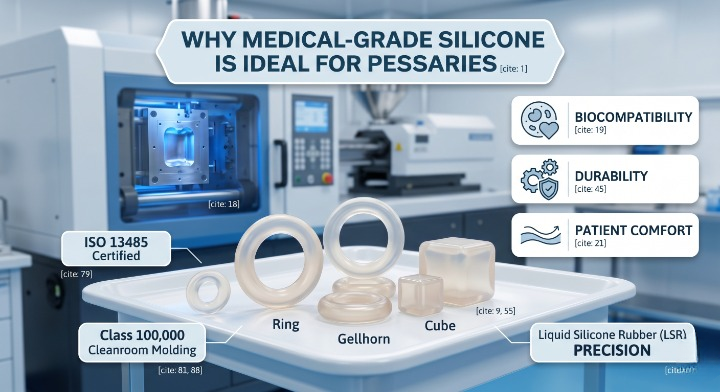
Medical-grade silicone is the ideal material for pessaries because it provides an unmatched combination of tissue compatibility, mechanical strength, and sterilization stability. Patients dealing with pelvic organ prolapse often struggle with physical discomfort and the psychological burden of a chronic condition that requires daily management. If your medical devices use materials that cause irritation or degrade quickly, you risk patient safety and your brand’s reputation in a highly sensitive healthcare market. By utilizing Medical-Grade Silicone, you provide a reliable, long-term solution that patients can trust for years of daily use.
What Defines High-Purity Medical-Grade Silicone?
High-purity medical-grade silicone is defined by its platinum-curing process, which ensures the material is free from toxic catalysts and residuals found in industrial-grade versions. This level of Medical-Grade Silicone is specifically engineered for long-term mucosal contact, meaning it will not leach harmful chemicals into the body.
LSR vs. HCR: Which Silicone Form is Best for Pessaries?
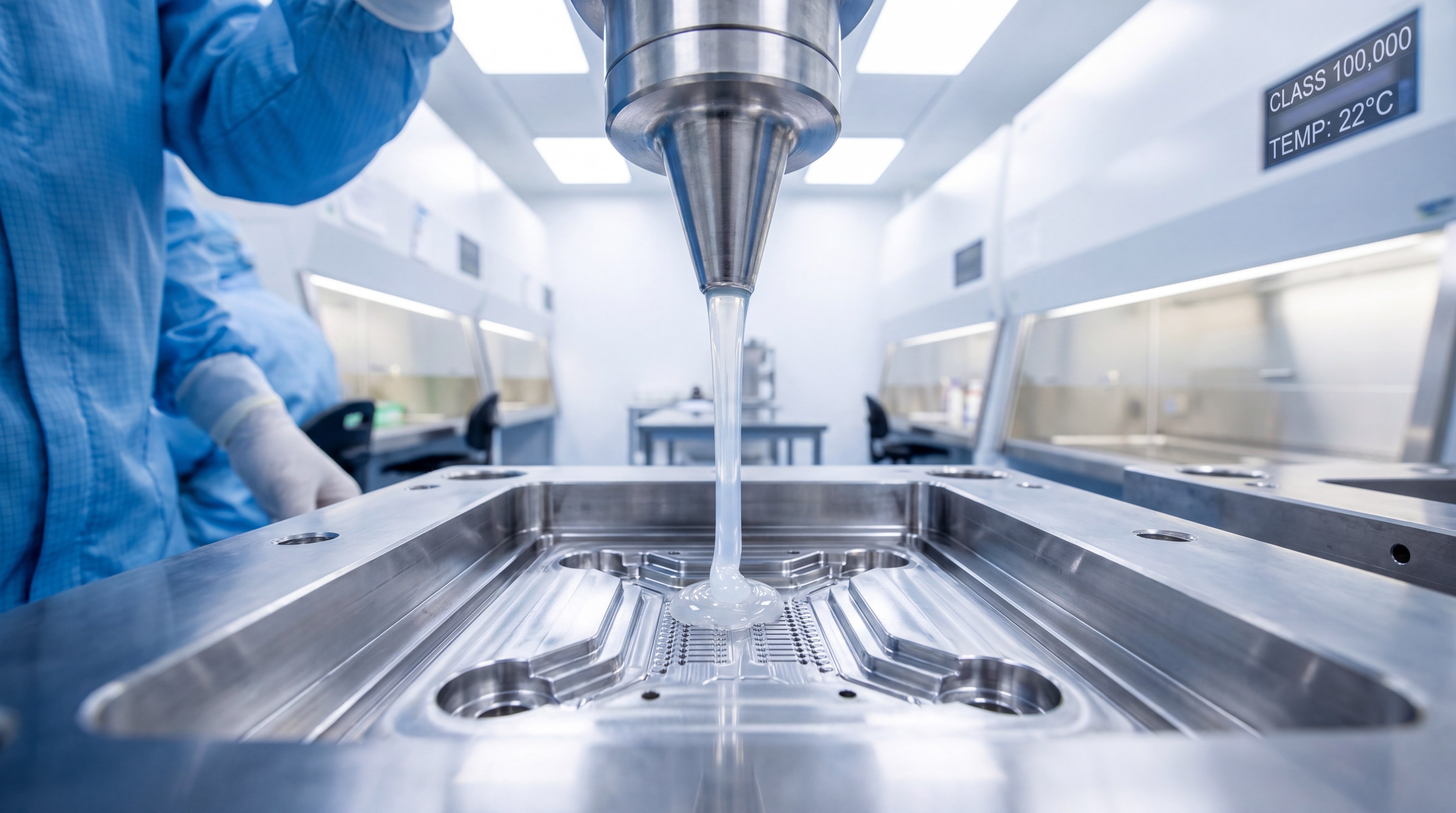
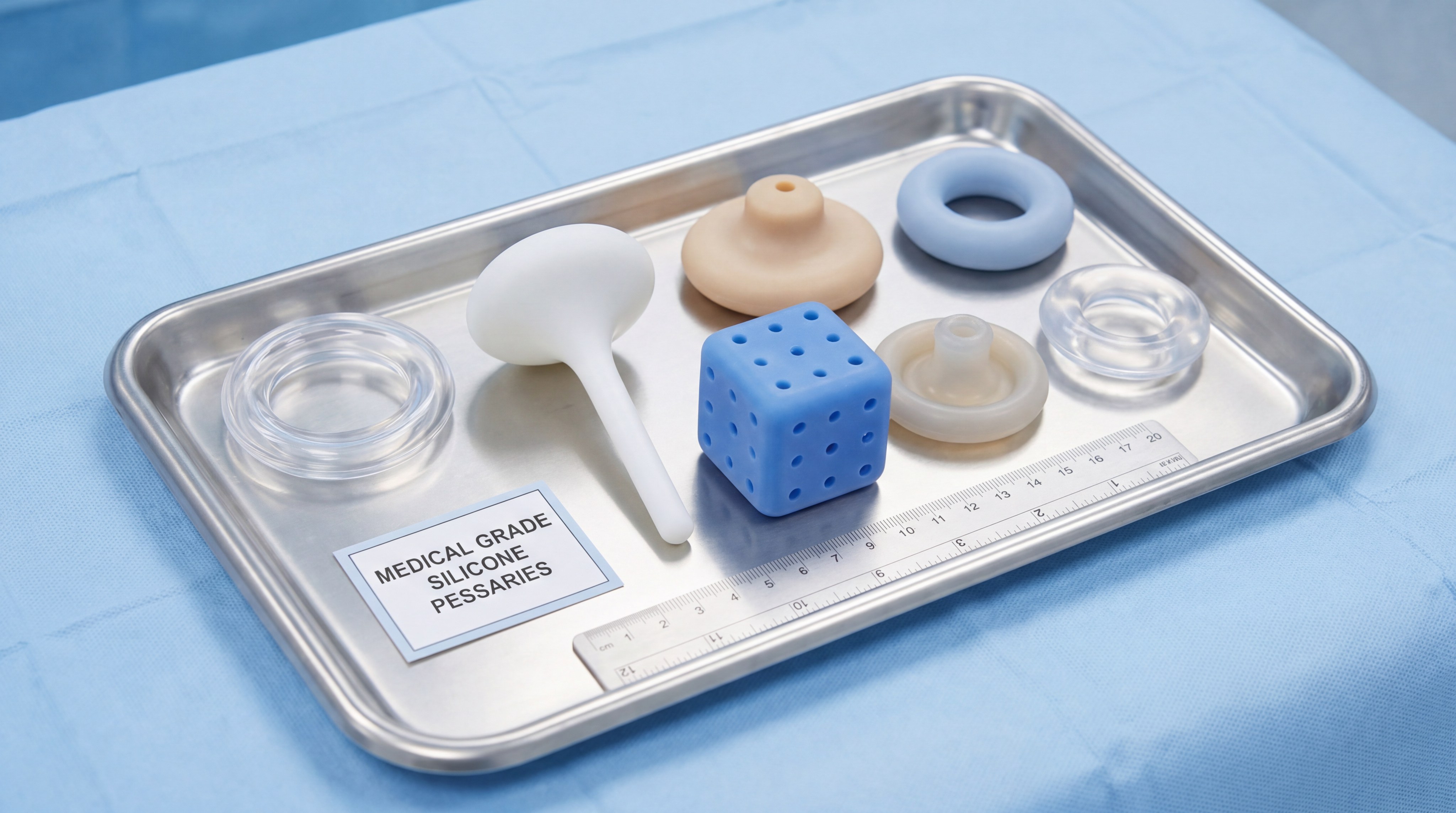
Liquid Silicone Rubber (LSR) is generally superior for pessary manufacturing due to its high precision and automated injection molding capabilities. This process allows for complex geometries like the Gellhorn or Cube shapes to be produced with perfect consistency.
Think about it:
- LSR offers high-clarity and odorless final products.
- The closed-loop system reduces the risk of environmental contamination.
- Automated molding ensures every unit meets identical structural specs.
The best part? Using LSR in a cleanroom environment minimizes human contact, further ensuring the purity of the device before it ever reaches the clinician.
Key Takeaway: High-purity silicone ensures your devices are chemically inert, drastically reducing the risk of inflammation or adverse reactions in patients.
| Feature | Medical-Grade Silicone | Industrial Silicone |
|---|---|---|
| Curing Agent | Platinum-Cured | Peroxide-Cured |
| Purity Level | USP Class VI / ISO 10993 | Variable |
| Extractables | Extremely Low | High Risk |
This table illustrates why high-purity standards are the foundation of medical device safety.
Why Are Biocompatibility and Material Inertness Vital?
Biocompatibility and material inertness are vital because they prevent adverse tissue reactions and inhibit the growth of harmful bacteria during prolonged internal use. Because Medical-Grade Silicone is non-porous, it does not absorb vaginal secretions or odors, maintaining a healthier environment for the wearer.
How Does Material Flexibility Enhance Patient Comfort?
The natural flexibility of silicone allows the pessary to move with the patient’s body rather than resisting it. This elasticity is critical for preventing pressure sores or vaginal wall erosion that rigid materials might cause.
Here is the bottom line:
- Soft Shore A hardness levels (20–50) mimic human tissue.
- Flexibility simplifies the insertion and removal process for the user.
- Materials that “give” slightly reduce the localized pressure on the bladder and rectum.
Key Takeaway: Material inertness protects the patient’s biological health while flexibility ensures the device remains a comfortable, unnoticeable part of their daily life.
| Factor | Silicone Performance | Patient Benefit |
|---|---|---|
| Inertness | Does not react with tissue | Zero irritation |
| Porosity | Non-porous surface | Odor and infection control |
| Flexibility | High elastic recoil | Comfortable movement |
Inert materials ensure that the delicate balance of the vaginal microbiome is not disrupted by the presence of a foreign object.
How Does Silicone Handle Intense Heat and Chemicals?
Silicone handles intense heat and chemicals through its unique chemical structure, which remains stable at temperatures high enough to kill all pathogens without warping or degrading. This thermal stability is a prerequisite for any multi-use medical device that requires frequent decontamination.
Is Medical Silicone Compatible with Steam Sterilization?
Medical-grade silicone is fully compatible with autoclave and steam sterilization, capable of withstanding temperatures exceeding 121°C. Unlike many plastics, silicone will not become brittle or melt during repeated heating cycles in a clinical setting.
But wait, there is more:
- Silicone maintains its physical properties after hundreds of autoclave cycles.
- It is resistant to the detergents and disinfectants commonly used in hospitals.
- The material does not oxidize or yellow over time when exposed to heat.
Key Takeaway: High thermal resistance allows clinicians to provide a sterile product every time, ensuring patient safety and device longevity.
| Sterilization Method | Compatibility | Material Impact |
|---|---|---|
| Autoclave (Steam) | Excellent | None (Maintains integrity) |
| Ethylene Oxide (EtO) | Excellent | No chemical retention |
| Chemical Soaks | High | Resistant to standard cleaners |
Choosing a material with high thermal stability simplifies the reprocessing workflow for healthcare providers.
How to Maintain Patient Comfort and Device Longevity?
You maintain patient comfort and device longevity by leveraging Medical-Grade Silicone and its variable Shore A hardness to match soft tissue density while utilizing its superior tear strength. This ensures the device is soft enough for comfort but tough enough to resist damage during removal and cleaning.
Can Medical Silicone Withstand Years of Repeated Use?
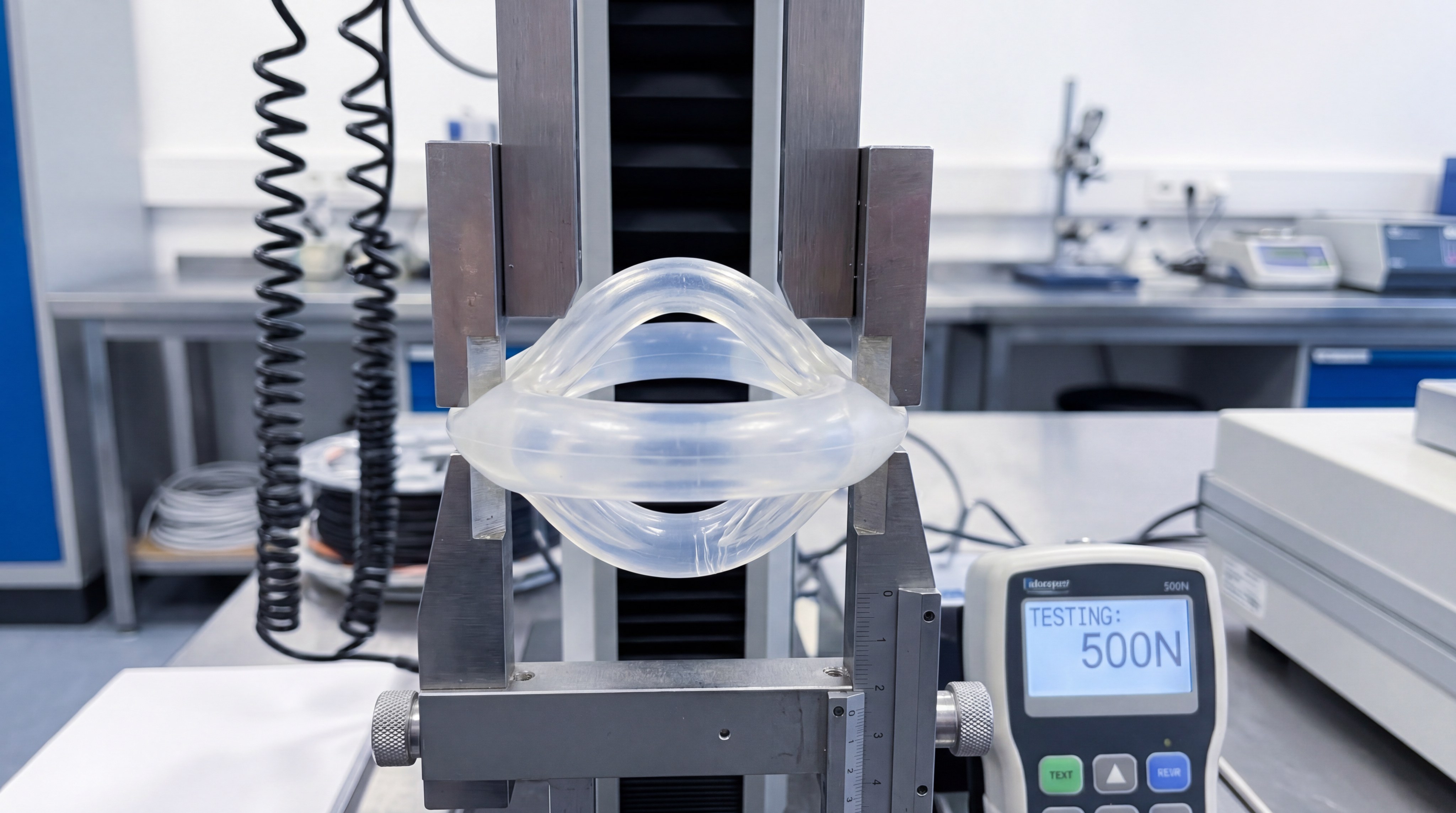
Medical silicone is exceptionally durable, often lasting several years with proper care compared to the months-long lifespan of other elastomers. This longevity is due to its high fatigue resistance, meaning the device can be compressed and released thousands of times without losing its original shape.
The result?
- Fewer replacements are needed, saving money for the patient.
- “Shape memory” ensures the pessary provides consistent support.
- Tear resistance prevents the development of jagged edges that could harm tissue.
Key Takeaway: Balancing softness with durability ensures that you deliver a product that is both gentle on the patient and a sound long-term investment.
| Metric | Goal | Silicone Achievement |
|---|---|---|
| Hardness | Shore 30A – 40A | Perfectly customizable |
| Lifespan | 2+ Years | Easily achieved with silicone |
| Shape Memory | 100% Recoil | No permanent deformation |
Durability testing proves that silicone remains the most reliable material for devices that undergo constant mechanical stress.
How Does Silicone Compare to Other Pessary Materials?
Silicone compares favorably to other materials by eliminating the allergy risks associated with latex and the potential toxic leaching of phthalate-heavy plastics like PVC. Historically, pessaries were made of rubber or hard plastics, but modern healthcare has pivoted almost exclusively to silicone for safety.
Why Has Silicone Replaced Traditional Latex Rubber?
Silicone has replaced latex because it is 100% hypoallergenic and does not degrade when exposed to body oils or lubricants. Latex often causes severe allergic reactions and breaks down into a sticky, unsafe residue over time.
Think about the advantages:
- Silicone is compatible with both water-based and silicone-based lubricants.
- It has no “rubber” smell, which many patients find offensive.
- It does not harbor bacteria in microscopic cracks like aging latex does.
Key Takeaway: Switching to silicone removes the liability of latex allergies and provides a much cleaner, more professional patient experience.
| Material | Allergy Risk | Chemical Leaching | Durability |
|---|---|---|---|
| Silicone | None | None | Very High |
| Latex | High | Low | Low |
| PVC | Low | High (Phthalates) | Moderate |
Comparing these materials highlights why silicone has become the industry gold standard for gynecological health.
What Regulatory Standards Govern Medical Silicone?
Regulatory standards such as ISO 10993 and USP Class VI govern medical silicone to ensure it is non-cytotoxic, non-irritating, and safe for internal clinical applications. These certifications are essential for manufacturers looking to obtain FDA 510(k) clearance or CE marking for their devices.
How Does Compliance Streamline Market Entry?
Using raw materials that are already USP Class VI certified drastically reduces the time and cost of final device testing. When your material supplier provides full documentation, you can move through the regulatory hurdles with much higher confidence.
The best part?
- Full traceability of raw material lots ensures quality control.
- Testing confirms the material won’t cause systemic toxicity.
- ISO 10993-5 specifically verifies the material is safe for living cells.
Key Takeaway: Rigorous regulatory compliance protects you from legal liability and ensures your product is ready for global distribution.
| Standard | Focus Area | Requirement |
|---|---|---|
| ISO 10993 | Biological Evaluation | Non-toxic to tissues |
| USP Class VI | Systemic Toxicity | Safe for human contact |
| REACH/RoHS | Chemical Safety | No restricted substances |
Adhering to these standards is not just a legal requirement; it is a promise of quality to the end-user.
Why Choose an ISO 13485 Certified Manufacturer?
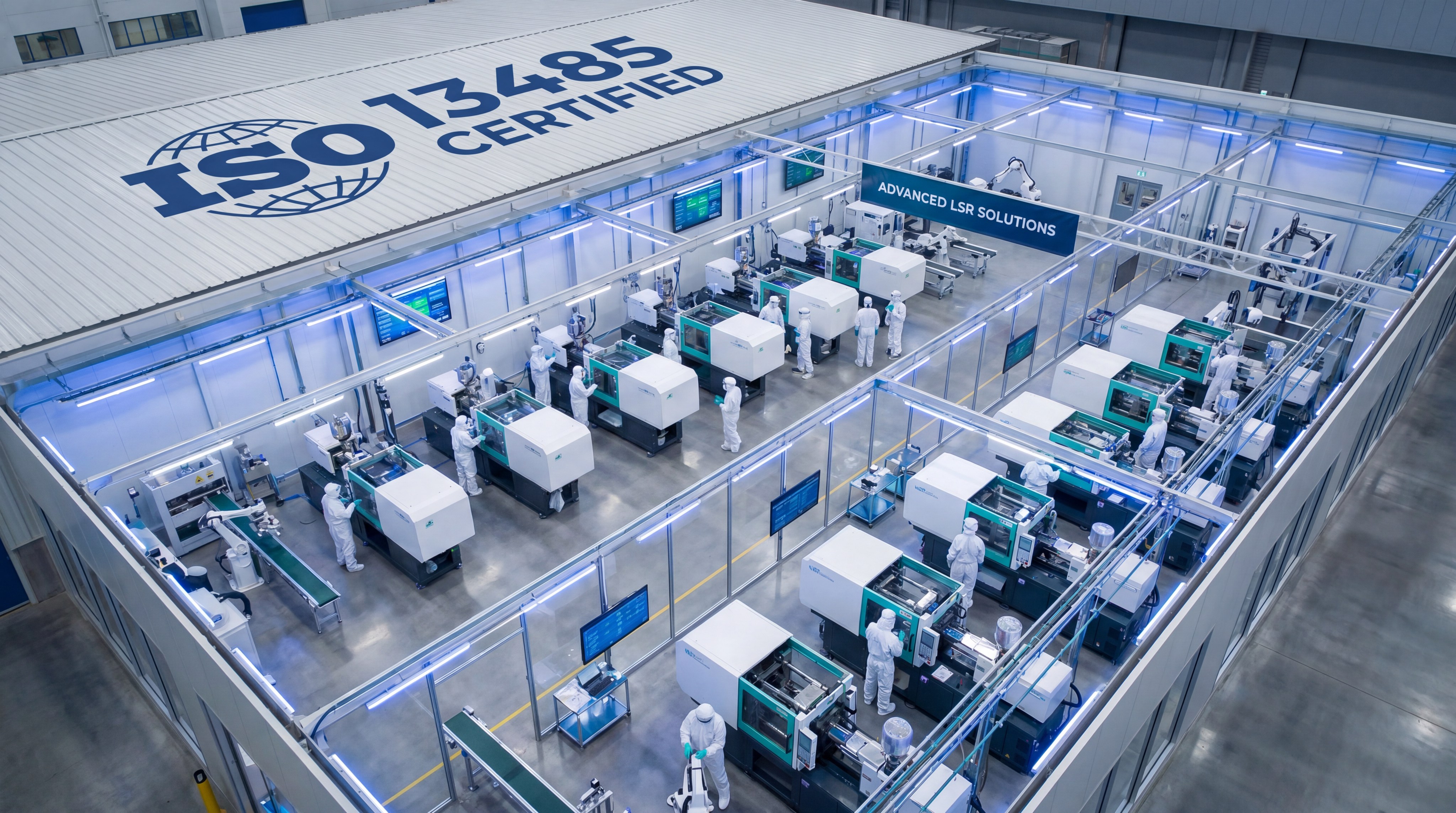
Choosing an ISO 13485 certified manufacturer provides you with the assurance that every Medical-Grade Silicone component is produced under strict quality controls and full batch traceability. This certification is the global standard for medical device quality management systems (QMS).
How Does a Cleanroom Environment Protect the Product?
Manufacturing in a Class 100,000 cleanroom ensures that the pessaries are free from dust, hair, and microbes during the molding and packaging stages. This controlled environment is critical for maintaining the high purity levels required for internal medical devices.
Here is the bottom line:
- Cleanrooms prevent particulate contamination that causes surface defects.
- Filtered air systems maintain a sterile-ready manufacturing floor.
- Strict PPE protocols for staff minimize human-related contamination.
Key Takeaway: Partnering with a certified manufacturer minimizes your risk of product recalls and ensures the highest possible standard of hygiene.
| Certification | Meaning | Benefit to You |
|---|---|---|
| ISO 13485 | Med-Device QMS | Total quality assurance |
| Class 100k | Cleanroom Standard | Particulate-free parts |
| Lot Traceability | Supply Chain Tracking | Rapid risk mitigation |
A certified facility acts as an extension of your own quality department, ensuring consistency across every production run.
Can Custom Silicone Designs Improve Patient Outcomes?
Custom silicone designs improve patient outcomes by allowing manufacturers to create complex, ergonomic shapes that provide better support while minimizing the risk of displacement. Every woman’s anatomy is different, and the ability to customize Shore hardness and geometry leads to higher adherence rates.
How Does Customization Impact Patient Adherence?
When a patient has a device that fits perfectly without causing discomfort, they are much more likely to continue their treatment plan. Customization allows for the development of “hybrid” designs that feature soft outer layers and firmer inner cores for better structural support.
But wait, there is more:
- Overmolding allows for the combination of different materials or colors.
- Variable thickness can be used to strengthen high-stress points.
- Anatomical tailoring reduces the incidence of the device falling out.
Key Takeaway: Custom designs transform a generic medical device into a personalized health solution, significantly improving the patient’s quality of life.
| Customization Option | Effect on Device | Outcome |
|---|---|---|
| Dual Hardness | Soft exterior / Firm core | Comfort + Support |
| Custom Colors | Patient preference | Discreet usage |
| Variable Geometry | Anatomical fit | Reduced displacement |
Innovative design leads to better clinical results and higher satisfaction for both the patient and the physician.
Are Silicone Pessaries Cost-Effective Long-Term?
Silicone pessaries are cost-effective long-term because their extreme durability allows for years of use, negating the high cumulative cost of frequent disposable replacements. While the initial manufacturing cost of medical silicone is higher than TPE or PVC, the total cost of ownership is significantly lower.
What is the ROI for Healthcare Providers?
Healthcare providers benefit from silicone’s durability because it reduces the frequency of patient visits for refitting or replacement. Furthermore, the ability to safely autoclave the devices means clinics can maintain a sterile inventory more efficiently.
Think about it:
- One silicone pessary can replace up to 10–12 lower-quality devices.
- Reduced material waste appeals to environmentally conscious clinics.
- Lower failure rates mean fewer unbilled “troubleshooting” appointments.
Key Takeaway: Investing in high-quality silicone pays for itself through reduced waste, improved patient satisfaction, and a longer product lifecycle.
| Metric | Silicone Pessary | PVC/TPE Pessary |
|---|---|---|
| Replacement Cycle | 2–5 Years | 6–12 Months |
| Sterilization Cost | Low (Reusable) | High (Often disposable) |
| Patient Satisfaction | High | Moderate/Low |
Long-term cost analysis shows that silicone is the most economical choice for value-based healthcare systems.
How to Ensure a Reliable Medical Silicone Supply?
You ensure a reliable medical silicone supply by vetting partners based on their in-house technical capabilities, cleanroom standards, and ability to scale production rapidly. In a global market, having a manufacturer that controls the entire process—from mold making to final inspection—is vital for avoiding quality drift.
Why Is In-House Tooling Critical for Pessary Production?
In-house tooling allows for rapid prototyping and fine-tuning of the mold to ensure perfectly smooth parting lines. In a pessary, even a tiny “flash” or seam from a poor mold can cause significant tissue irritation for the user.
The result?
- Faster lead times for new product launches.
- Seamless surfaces that are easier to clean and safer to wear.
- Immediate adjustments to the mold based on QC feedback.
Key Takeaway: A reliable supplier with integrated capabilities reduces your supply chain complexity and ensures a consistent, high-quality product for your end-users.
| Supplier Capability | Importance | Impact on Quality |
|---|---|---|
| In-House Tooling | Critical | Smooth surfaces/No flash |
| Cleanroom Molding | Essential | Zero contamination |
| Material Certs | Mandatory | Regulatory safety |
Choosing the right manufacturing partner is the final step in delivering a superior medical device to the market.
Conclusion
By choosing medical-grade silicone, you solve the critical problems of tissue irritation, material degradation, and regulatory non-compliance that plague lesser materials. At Hualin, we understand that your brand depends on the safety and comfort of the patients who use your devices. We can provide you with the ISO 13485 certified manufacturing, cleanroom precision, and technical expertise needed to bring world-class pessaries to life. Our stance is clear: we believe that every medical component should be a masterpiece of safety and engineering. If you are ready to elevate your product line with the industry’s highest standards, contact us today to discuss your next project.
FAQ
Can I use liquid silicone rubber for complex pessary shapes?
Yes, because LSR has low viscosity and high flow rates, making it perfect for filling intricate molds with high precision. This allows for the production of varied geometries like the Gellhorn or Cube without structural defects.
What is the best way to clean a medical silicone pessary?
Sterilization via autoclave is the best method because silicone can withstand high heat and steam without any physical degradation. For home use, mild soap and warm water are sufficient due to the material’s non-porous, bacteria-resistant surface.
Can medical silicone cause an allergic reaction?
No, because medical-grade silicone is inherently hypoallergenic and chemically inert. Unlike latex, it does not contain proteins or irritants that trigger immune responses in sensitive patients.
Is medical-grade silicone safer than PVC?
Yes, because medical silicone does not require the use of phthalates or plasticizers which can leach out of PVC and into the body. Silicone remains stable and safe for long-term mucosal contact throughout its entire lifespan.