
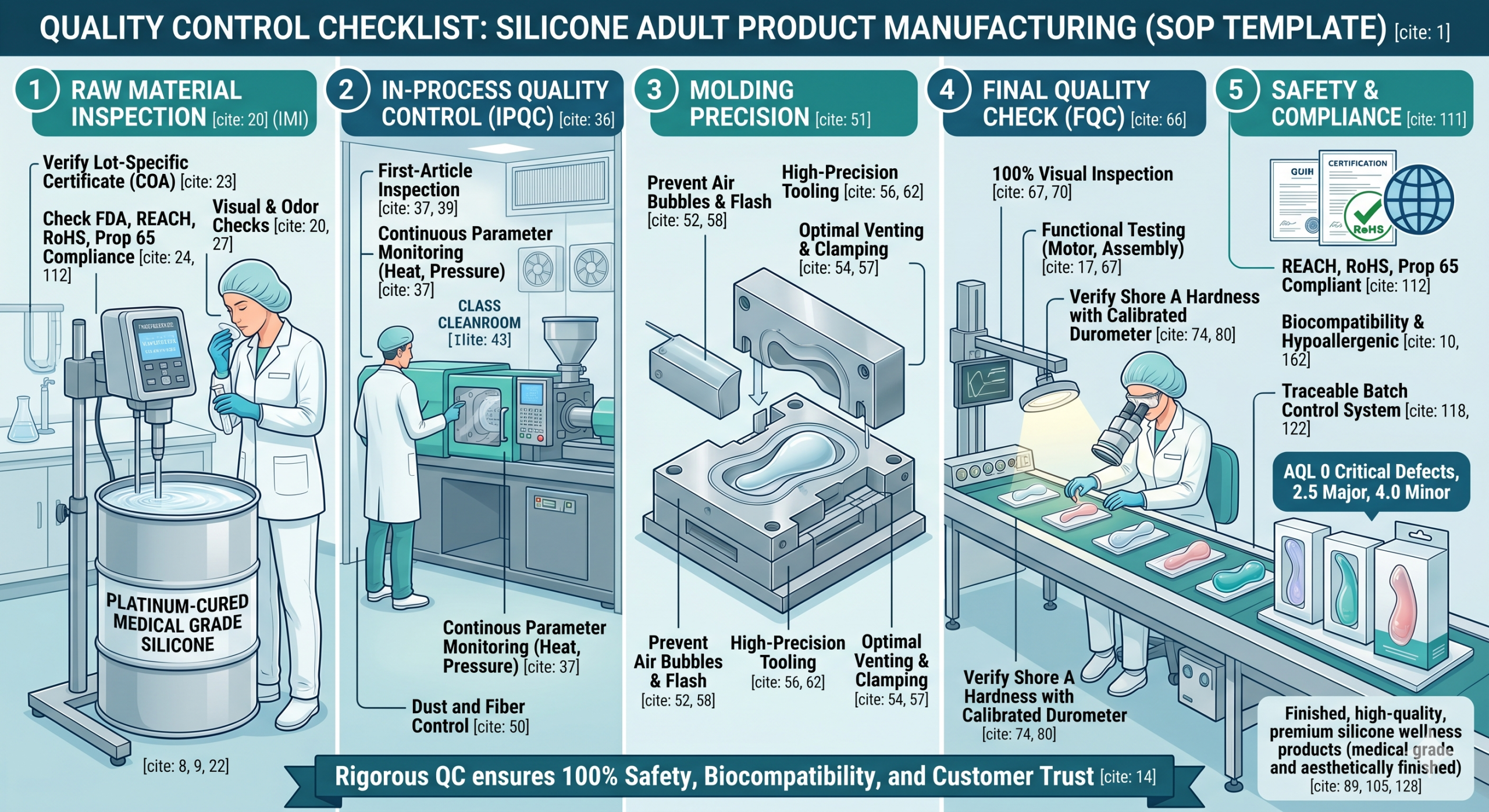
Quality control ensures adult toys are safe, biocompatible, and free from defects that could harm sensitive tissue. In the competitive intimate wellness market, a single batch of contaminated or poorly finished products can lead to devastating legal liabilities and a destroyed reputation. You face the constant pressure of maintaining high-purity standards while balancing production speed. Implementing a rigorous silicone product manufacturing framework solves these issues by creating a repeatable system for safety and excellence.
1. Why is QC vital in silicone product manufacturing for adult toys?
Safety is the primary reason for strict quality checks in intimate goods because these items have prolonged contact with sensitive body areas. In the realm of silicone product manufacturing, any chemical impurity or physical defect poses a direct risk to the end consumer.
Are your intimate products truly skin-safe?
You must realize that non-porous materials like platinum-cured silicone are the industry gold standard for a reason. Here is the kicker:
- Medical-grade silicone prevents bacterial growth.
- Platinum curing eliminates toxic peroxide by-products.
- Biocompatible materials reduce the risk of allergic reactions.
How does QC protect your brand reputation?
It is no secret that a single viral complaint about a “chemical smell” can sink your brand overnight. Think about it:
- Negative reviews often focus on surface tackiness or odors.
- Consistent texture builds long-term customer loyalty.
- Standardized SOPs prevent the nightmare of a product recall.
Key Takeaway: Rigorous QC is the only way to ensure 100% biocompatibility and long-term customer trust.
| QC Risk Factor | Impact Level | Mitigation Strategy |
|---|---|---|
| Toxic Residue | Critical | Platinum-cure material verification |
| Surface Flaws | Major | 100% Visual Inspection SOP |
| Functional Failure | Major | Systematic Motor/Assembly Testing |
This systematic approach to risk management forms the foundation of a successful intimate wellness brand.
2. How to inspect raw materials for silicone product manufacturing?
You must verify material certificates and perform visual tests on all incoming resin to ensure purity. The foundation of high-quality silicone product manufacturing starts with a strict Incoming Material Inspection (IMI) process for every batch.
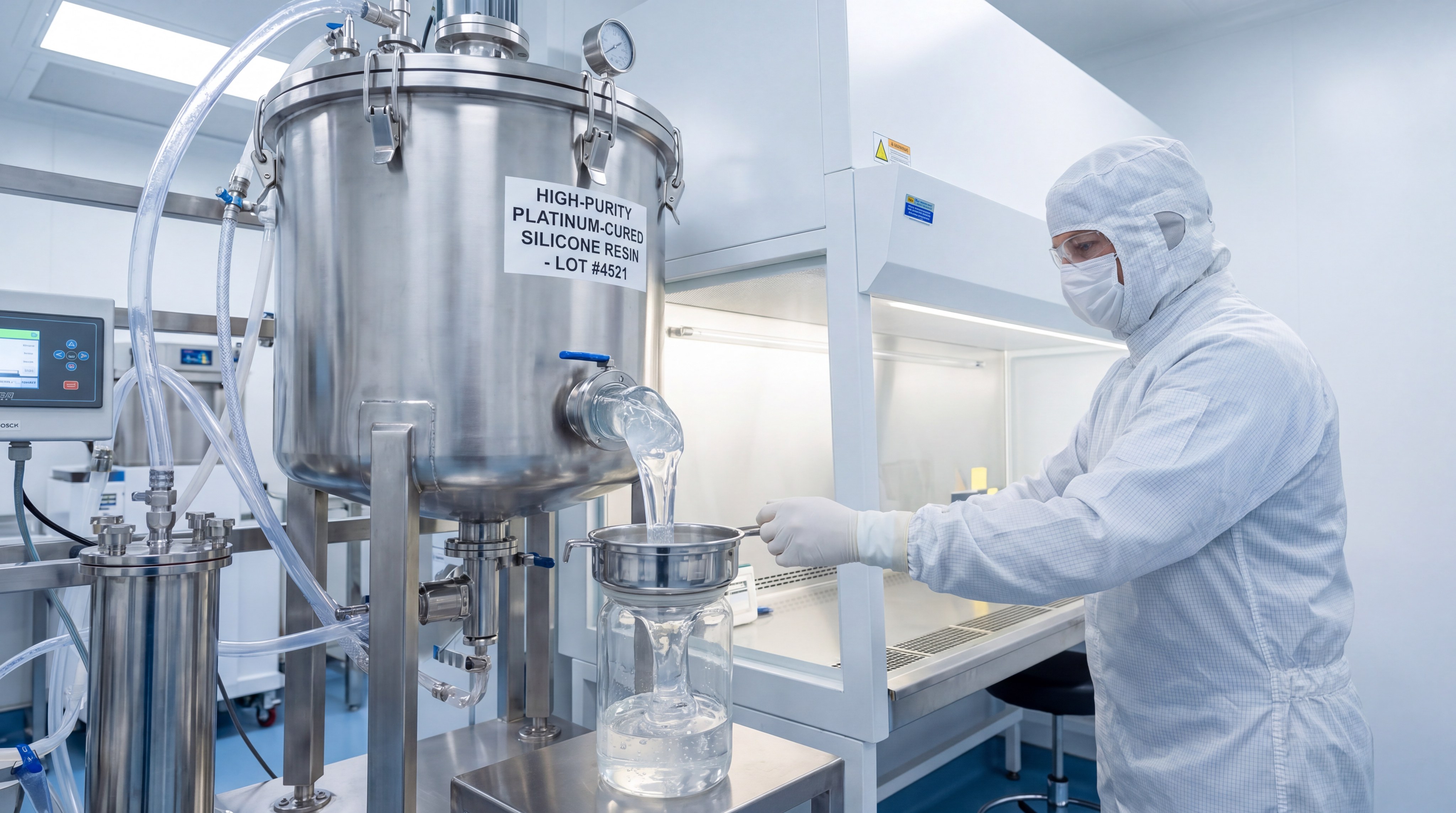
What should you look for in a material certificate?
You need to verify that every batch comes with a lot-specific Certificate of Analysis. The truth is:
- Check for FDA 21 CFR 177.2600 compliance.
- Verify the material is free from heavy metals and phthalates.
- Confirm the shelf life and storage conditions are met.
Why is the “sniff test” a mandatory material check?
You might find it surprising, but your nose is a powerful tool for detecting contamination. Consider this:
- Strong solvent smells indicate incomplete curing or additives.
- Neutral odors are the hallmark of high-purity medical silicone.
- Any “chemical” scent should trigger immediate lab re-testing.
Key Takeaway: Never start production without a verified lot-specific certificate and a physical inspection of raw resin.
| IMI Checkpoint | Tool/Method | Acceptance Criteria |
|---|---|---|
| Purity | GC-MS Testing | 0% Banned Phthalates |
| Texture | Viscometer | Within ±10% of specification |
| Odor | Human Olfactory | Neutral and Odorless |
Filtering out substandard materials at the gate prevents expensive production failures and safety hazards down the line.
3. What IPQC steps define success in silicone product manufacturing?
Success in IPQC relies on first-article inspections and continuous monitoring of machine parameters during silicone product manufacturing. This phase ensures that the high standards set at the beginning of the run are maintained until the very last unit is produced.
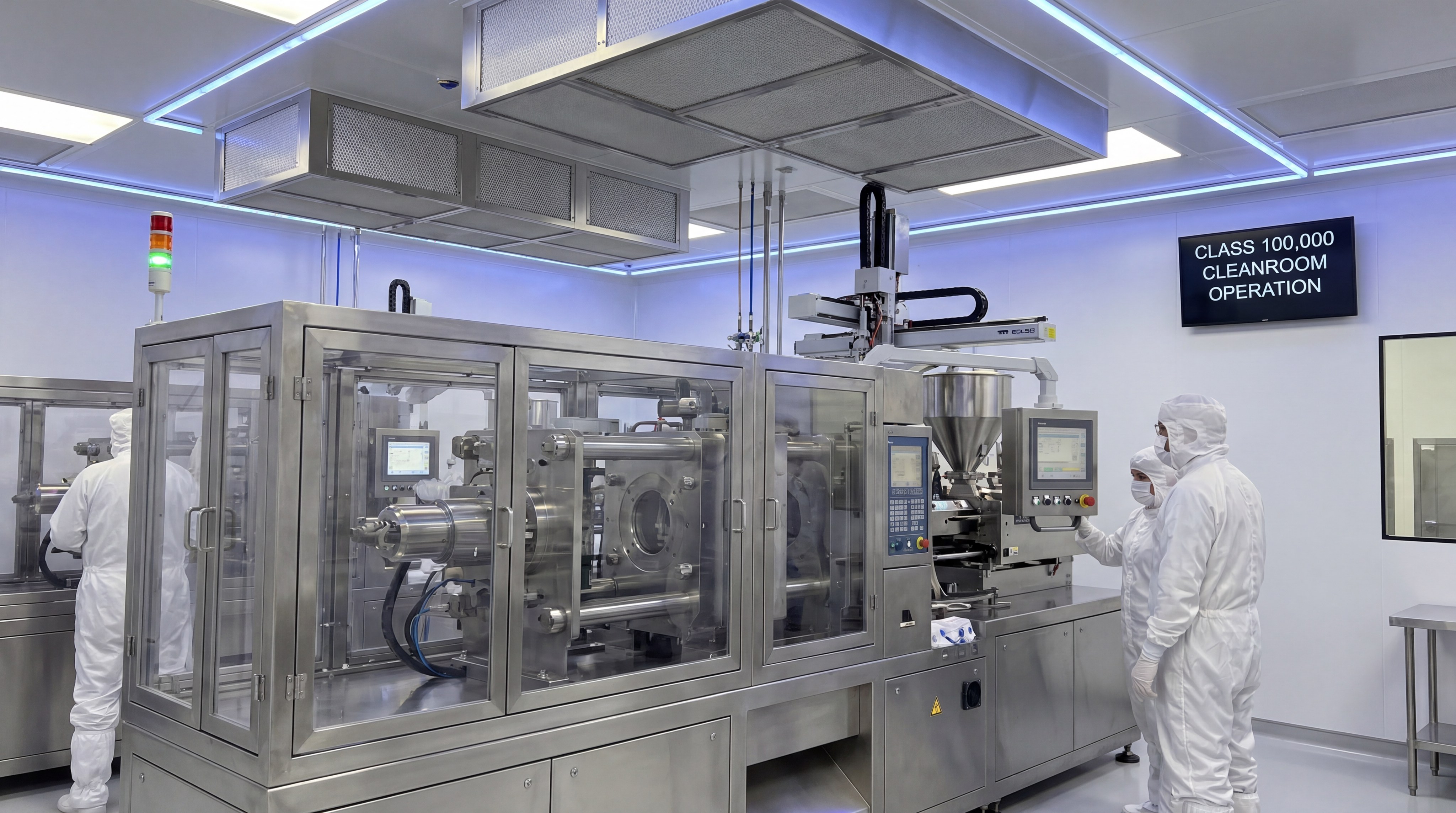
Why is the first-article inspection non-negotiable?
You cannot afford to produce a thousand units before realizing the mold is misaligned. Believe it or not:
- Operators must measure the first piece against technical drawings.
- Surface finish must match the approved aesthetic sample.
- Weight and dimensions must fall within strict tolerances.
What role does the cleanroom play in hygiene?
You need to maintain a Class 100,000 cleanroom environment to prevent microscopic contaminants from ruining your batch. Now:
- Controlled environments stop dust and hair from entering the mold.
- Hygiene protocols protect the medical-grade status of the resin.
- Filtered air systems reduce the risk of surface pitting.
Key Takeaway: Early detection through IPQC prevents the wasted cost of a rejected final lot.
| IPQC Activity | Frequency | Focus Area |
|---|---|---|
| Machine Calibration | Every Shift | Heat and Pressure Stability |
| Cavity Check | Hourly | Flash and Short-shot Prevention |
| Environment Scan | Continuous | Dust and Fiber Control |
Constant vigilance during the molding phase is the only way to achieve batch-to-batch consistency.
4. How does molding impact quality in silicone product manufacturing?
Precision molding prevents structural issues like air bubbles or excessive flash that ruin the user experience in silicone product manufacturing. The choice between LSR and compression molding will dictate the final durability and aesthetic of your product.
How to prevent unsightly seam lines and flash?
You must focus on mold maintenance and clamping force to ensure a seamless finish. The best part?
- Automated trimming reduces the risk of sharp edges.
- High-precision tooling minimizes the visibility of parting lines.
- Proper venting prevents “burn marks” on the silicone surface.
What are the dangers of internal air bubbles?
You should know that air pockets are more than just cosmetic flaws; they are structural weaknesses. Here is why:
- Voids can lead to “blowouts” when the user stretches the product.
- Trapped air can harbor bacteria in hollow designs.
- Structural integrity is compromised during deep cleaning.
Key Takeaway: High-precision tooling is the primary defense against cosmetic defects and structural failure.
| Molding Issue | Root Cause | Solution |
|---|---|---|
| Heavy Flash | Mold Wear | Tool Refurbishment |
| Surface Voids | Air Entrapment | Vacuum Venting Systems |
| Color Streaks | Poor Mixing | Automated Dosing Units |
Investing in superior molding technology pays for itself by drastically reducing your scrap rate.
5. What final checks are essential for silicone product manufacturing?
Essential final checks include 100% visual inspection and functional testing of every unit produced during silicone product manufacturing. This is the last filter before the product reaches the consumer, making it the most critical stage for brand protection.
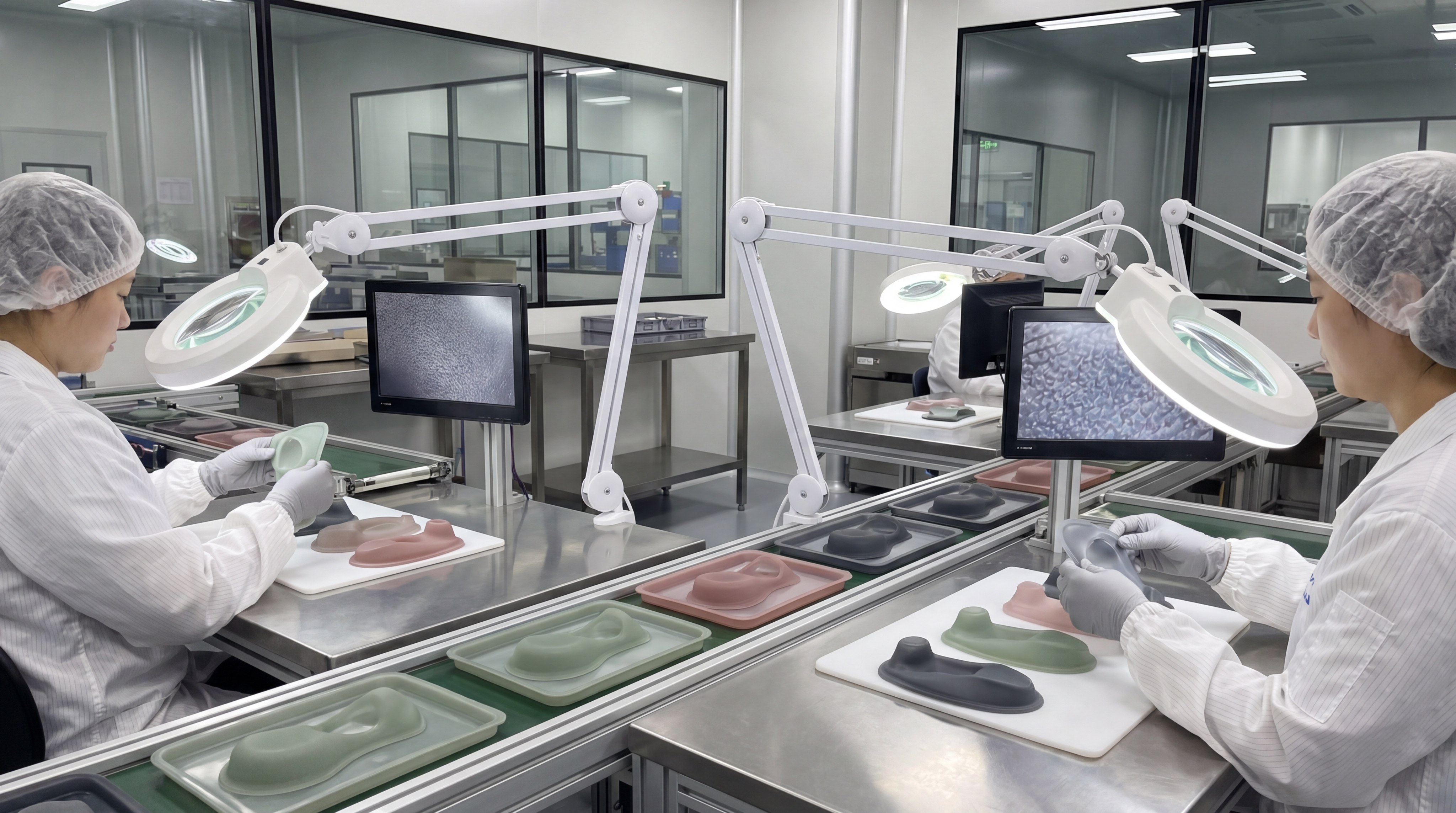
Is a 100% visual inspection worth the cost?
You need to inspect every single unit because intimate products leave zero room for error. Think about it:
- Manual inspection catches tiny pinholes that machines miss.
- High-intensity lamps reveal internal impurities or streaks.
- Touching each product ensures there is no sticky residue.
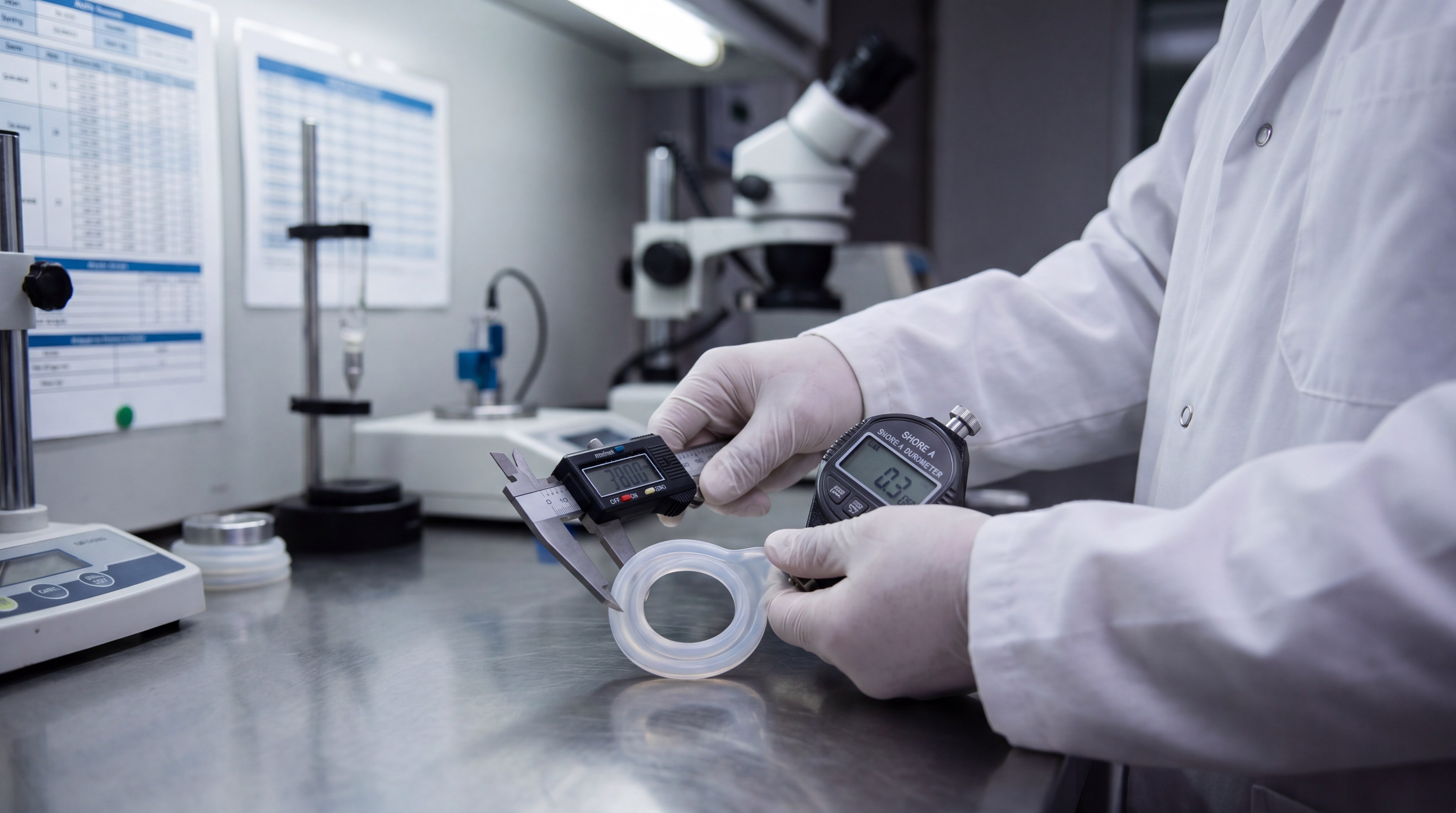
How to verify the correct Shore A hardness?
You must use a calibrated durometer to ensure the “squish” factor is exactly what your designer intended. Believe it or not:
- Consistent hardness is vital for user comfort and fit.
- Readings should be taken at multiple points on the product.
- Deviations indicate issues with the raw material mix.
Key Takeaway: FQC is the final filter that ensures the user experience matches your marketing promise.
| FQC Test | Equipment | Tolerance |
|---|---|---|
| Dimensions | Digital Calipers | ±0.5mm |
| Hardness | Shore A Durometer | ±2 Units |
| Function | Test Rig | 100% Pass Rate |
Ensuring that every unit operates perfectly is the ultimate way to eliminate customer returns.
6. How to classify defects in silicone product manufacturing?
Defects are classified into critical, major, and minor categories to allow for objective decision-making in silicone product manufacturing. Clear definitions help you communicate effectively with your factory partners and set realistic quality goals.
What constitutes a critical safety failure?
You must reject any lot that contains even a single critical defect. Here is why:
- Tears or holes in the silicone surface are safety hazards.
- Sharp fragments or embedded debris are unacceptable.
- Toxic odors indicate a fundamental material failure.
When does a flaw become a major defect?
You should classify issues that affect function or brand perception as major defects. Consider this:
- Deep flashing or prominent seam lines ruin the premium feel.
- Large air bubbles create unsightly surface bumps.
- Significant color mismatches deviate from your brand identity.
Key Takeaway: Standardized defect definitions eliminate ambiguity during the inspection process.
| Defect Class | Example | Disposition |
|---|---|---|
| Critical | Material Tear | 100% Scrap |
| Major | Large Surface Void | Rework or Reject |
| Minor | Slight Color Shift | Accept within AQL |
Establishing these categories early prevents disputes and ensures your quality standards are consistently met.
7. What AQL standards apply to silicone product manufacturing?
The industry standard for adult products is AQL 0 for critical defects, 2.5 for major, and 4.0 for minor during silicone product manufacturing. This statistical framework allows you to audit quality efficiently without inspecting every carton twice.
How do ISO 2859-1 tables guide your audit?
You can use these tables to determine exactly how many samples to pull based on your lot size. Now:
- Sampling levels determine the strictness of the inspection.
- Random selection ensures a fair representation of the batch.
- Pass/fail limits are clearly defined by the total sample size.
Can you tighten AQL levels for premium lines?
You might choose to demand an AQL of 1.0 for major defects if you are selling luxury boutique items. Think about it:
- Lower AQL numbers mean fewer allowed defects per batch.
- Premium pricing requires a near-flawless retail experience.
- Stricter standards reduce the risk of expensive high-end returns.
Key Takeaway: AQL settings must be explicitly agreed upon in your Purchase Order to prevent disputes.
| Defect Type | Industry Standard AQL | Premium AQL |
|---|---|---|
| Critical | 0 | 0 |
| Major | 2.5 | 1.0 |
| Minor | 4.0 | 2.5 |
Using these statistical tools provides you with the data needed to authorize or reject a shipment with confidence.
8. Which safety tests matter for silicone product manufacturing?
Compliance with REACH, RoHS, and Prop 65 are the most critical safety tests for silicone goods produced via silicone product manufacturing. Global market access depends on your ability to prove that your products are non-toxic and environmentally safe.
How to ensure California Prop 65 compliance?
You need third-party lab validation to ensure your silicone is free from listed carcinogens. Believe it or not:
- Lab tests detect trace amounts of banned substances.
- Certification allows you to skip mandatory warning labels.
- Regulatory peace of mind is worth the testing investment.
Is your material traceable to the raw lot?
You must implement a batch-control system that links every toy to its original material source. Here is the kicker:
- Traceability allows for targeted recalls if a material issue arises.
- Recording the production date helps monitor shelf stability.
- Operator logs help identify specific shifts with quality issues.
Key Takeaway: Third-party lab validation is the only way to legally claim non-toxic or hypoallergenic status.
| Regulation | Test Target | Documentation |
|---|---|---|
| REACH | SVHC Substances | REACH Declaration |
| RoHS | Heavy Metals | RoHS Lab Report |
| Prop 65 | Listed Chemicals | Lab Certification |
Meeting these global standards ensures your brand can expand into any international market without legal friction.
9. How to manage packaging in silicone product manufacturing?
Packaging management requires verifying regulatory labels and ensuring a contaminant-free environment during silicone product manufacturing. The final presentation of your product is just as important as the silicone shell itself.
How to prevent contamination during final bagging?
You must use anti-static air guns and lint-free gloves to keep your products pristine. Now:
- Dust trapped inside a bag is immediately visible on silicone.
- Static electricity attracts hair and fibers in the packing area.
- Clean workstations are essential for a professional finish.
Are your regulatory labels and warnings correct?
You need to verify that mandatory “Adult Use Only” warnings are clearly printed on the retail box. Consider this:
- CE and UKCA marks are required for European market entry.
- Manufacturer contact information must be easy to find.
- Barcodes must scan perfectly to prevent inventory errors.
Key Takeaway: Packaging is an extension of product quality; it must be as clean as the product inside.
| Packaging Check | Method | Goal |
|---|---|---|
| Label Accuracy | Barcode Scanner | 100% SKU Match |
| Hygiene | Visual Blow-off | Zero Dust Particles |
| Manual Presence | Checklist | User Guide Included |
A well-packaged product signals to the customer that you take their health and safety seriously.
10. Can third-party audits aid silicone product manufacturing?
Third-party audits act as an independent verification of your factory’s internal quality standards for silicone product manufacturing. Hiring an external inspector provides an unbiased view of the production lot before you release final payment.
What happens during a pre-shipment inspection?
You should expect an inspector to randomly select cartons and perform a “blind” audit. Believe it or not:
- Inspectors check that quantities match your purchase order.
- They re-verify critical dimensions and functional modes.
- Photos of the packaging and shipping marks are documented.
Why is quantity and assortment verification vital?
You cannot risk receiving the wrong color ratios or missing units in your shipment. The best part?
- Final audits confirm the correct SKUs are in each box.
- Carton weight checks ensure no units were forgotten.
- Verification prevents expensive international shipping errors.
Key Takeaway: Independent audits provide the objective data needed to release final payments with confidence.
| Audit Phase | Focus | Result |
|---|---|---|
| Random Sampling | Statistical Validity | Unbiased Data |
| Weight Check | Quantity Verification | Inventory Accuracy |
| Final Report | Accept/Reject Decision | Shipping Authorization |
By following this comprehensive SOP, you ensure your products meet the highest safety standards in the industry. For a custom manufacturing solution tailored to your brand, contact us today. Our commitment to precision and medical-grade purity helps you build an intimate wellness brand that consumers can trust for a lifetime.
*
FAQ
Can I customize the Shore A hardness for my specific design?
Yes, hardness can be precisely adjusted by selecting different resin grades or blending ratios, usually ranging from 0 to 40 Shore A for adult toys.
What’s the best way to avoid a chemical smell in silicone products?
Using high-purity platinum-cured silicone and implementing a post-curing process in a specialized oven will bake off volatile residues and eliminate odors.
How do I know if a factory is using medical-grade silicone?
Always request a lot-specific Certificate of Analysis and verify that the factory operates a Class 100,000 cleanroom to prevent contamination.
What’s the best material for hypoallergenic adult toys?
Platinum-cured Liquid Silicone Rubber (LSR) is the superior choice because it is inert, non-porous, and contains no toxic by-products.
Can I request a 100% manual inspection for luxury boutique items?
Absolutely, while AQL sampling is standard for high volumes, premium brands often pay for 100% visual checks to ensure a zero-defect retail experience.