To custom manufacture LSR parts, you must follow a specialized Liquid Injection Molding (LIM) workflow that includes Design for Manufacturability (DFM), high-precision steel tooling, and automated injection. Many engineers face the frustration of inconsistent part dimensions or sealing failures that delay product launches. These issues often stem from poor material selection or a lack of understanding regarding silicone’s unique flow characteristics during the molding cycle. By utilizing a factory-direct Custom Manufacture LSR approach, you can eliminate quality risks through integrated engineering and ISO-certified production standards.
What is the custom manufacture LSR process?
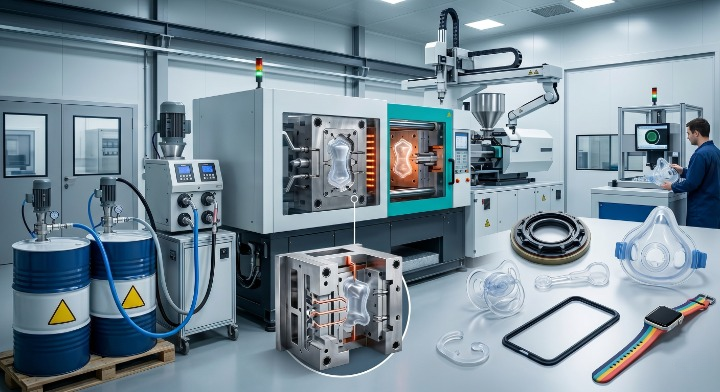
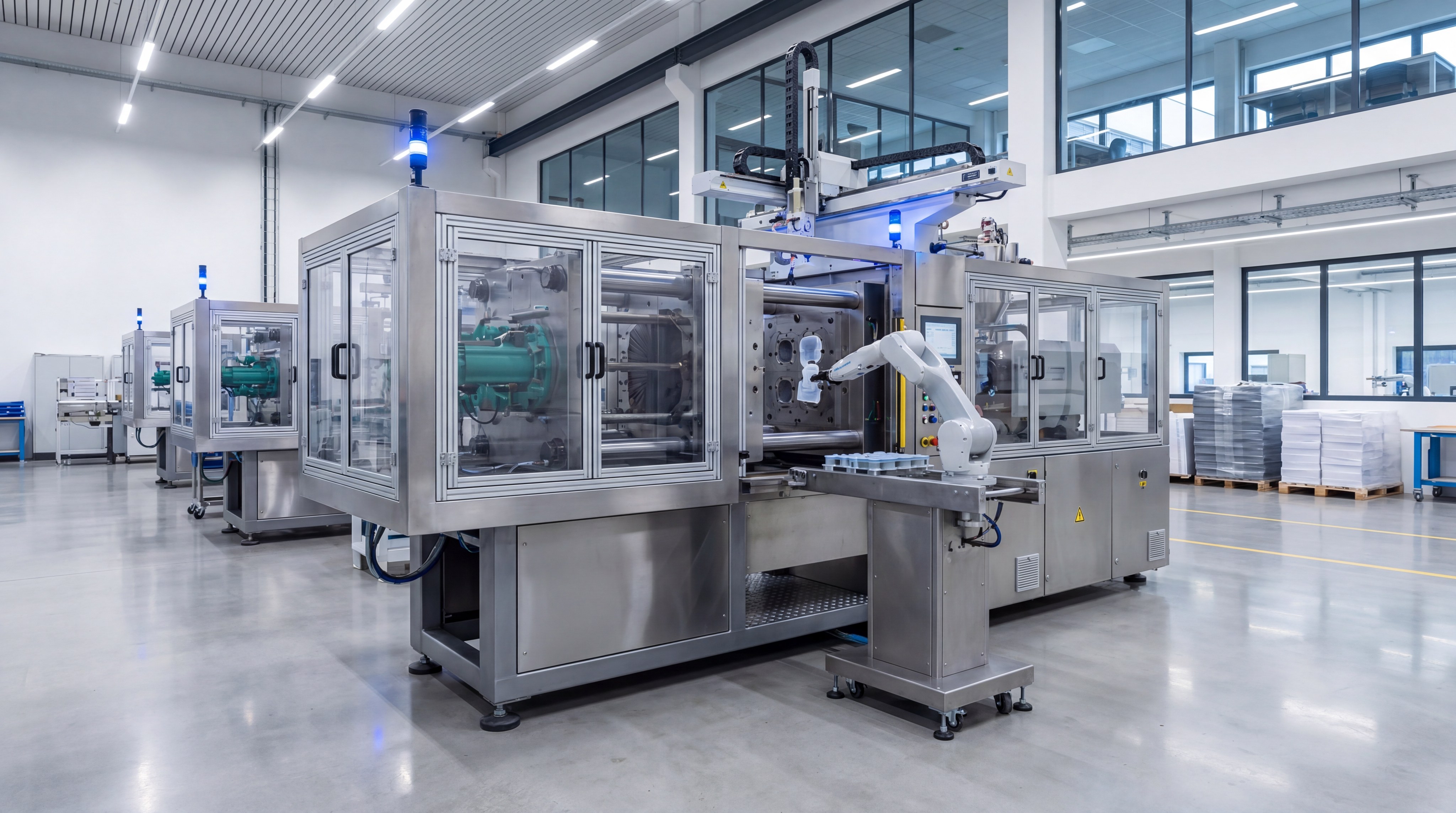
The process involves a closed-loop system where liquid silicone components are mixed at a 1:1 ratio and injected into a heated mold. To custom manufacture LSR successfully, manufacturers use precision dosing units to ensure material consistency before the curing stage begins.
How does Liquid Injection Molding work?
Look:
The process is almost entirely automated to prevent contamination and human error. Unlike traditional rubber molding, the liquid state of the material allows for faster cycle times and high-volume output.
- Component A and B are pumped from drums.
- A static mixer blends the two parts thoroughly.
- The material is injected into the heated mold cavities.
- Heat triggers a cross-linking reaction, solidifying the part.
Is the mixing ratio critical?
The best part?
Precision dosing equipment maintains a strict 1:1 ratio, which is vital for the physical properties of the finished component. Even a slight deviation can lead to sticky parts or reduced tensile strength.
- Prevents material waste.
- Ensures uniform curing across all cavities.
- Maintains Shore A hardness specifications.
Key Takeaway: The LSR process is a high-speed, automated system designed for extreme precision and material stability.
| Process Phase | Primary Action | Goal |
|---|---|---|
| Dosing | 1:1 Component Mixing | Material Consistency |
| Injection | Cavity Filling | Dimensional Accuracy |
| Curing | Thermal Cross-linking | Part Solidification |
Precision control at every phase of the injection cycle is what differentiates custom LSR from standard rubber parts.
How do you design custom manufacture LSR parts?
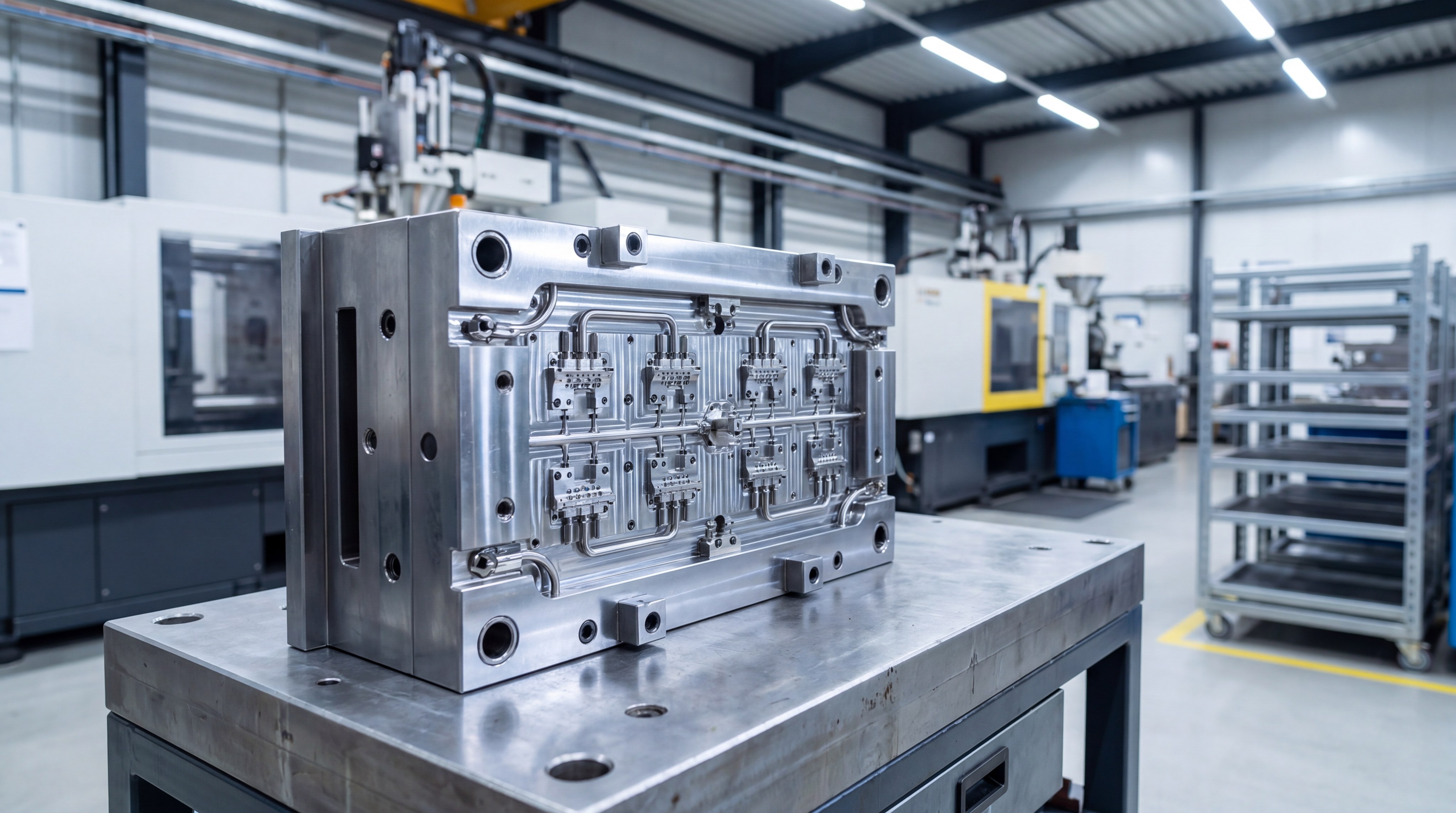
Designing for LSR requires a focus on uniform wall thickness and specific venting to accommodate the material’s low viscosity. When you Custom Manufacture LSR, you must consider how the material will flow into micro-structures without creating air traps.
What are the wall thickness rules?
Here is the deal:
LSR can achieve much thinner walls than thermoplastics, but keeping thickness uniform is the secret to avoiding shrinkage issues. You should aim for a range between 0.5 mm and 4 mm for most industrial applications.
- Avoid thick sections to prevent sink marks.
- Transitions between thicknesses should be gradual.
- Thin ribs can improve structural integrity without adding bulk.
How to manage complex geometry?
Check this out:
The flexibility of silicone allows for undercuts that would be impossible with plastic, simplifying your overall mold design. You can often demold complex shapes manually or with mechanical aids due to the material’s high elongation.
- Draft angles can be minimal (0 to 0.5 degrees).
- Undercuts are often easily “stripped” from the mold.
- Sealing edges require precise radii to ensure waterproof performance.
Key Takeaway: Design flexibility is a major advantage of LSR, but wall uniformity remains the primary driver of quality.
| Design Element | Recommended Specification | Benefit |
|---|---|---|
| Wall Thickness | 0.5 mm – 4.0 mm | Consistent Curing |
| Draft Angle | 0° – 0.5° | Easier Part Ejection |
| Radii | Minimum 0.1 mm | Reduced Stress Concentration |
Thoughtful design reduces the need for expensive mold modifications and speeds up the transition to mass production.
Why is prototyping critical for LSR manufacturing?
Prototyping serves as a vital validation step to check functional fit and material performance before investing in hardened steel production tools. Every custom manufacture LSR project benefits from early testing to catch design flaws that could cause leakage or assembly failures.
Which prototyping method is best?
Bottom line:
While 3D printing silicone is an option, using a “soft” prototype mold provides the most accurate representation of the final injection-molded part. This allows you to test the actual material properties in a real-world environment.
- CNC silicone machining for simple shapes.
- Soft-tool molding for functional testing.
- Validates Shore A hardness and chemical resistance.
Does prototyping save money?
The best part?
Catching a design error during the prototype phase costs a fraction of what it would cost to repair a 16-cavity production mold. You can iterate quickly and refine your DFM strategy without stopping the main production line.
- Reduces the risk of batch rejections.
- Allows for final assembly verification.
- Ensures secondary operations are feasible.
Key Takeaway: Prototyping is an insurance policy that protects your capital investment in production tooling.
| Prototyping Type | Lead Time | Accuracy |
|---|---|---|
| CNC Machining | 3-5 Days | Medium |
| Soft Tooling | 2-3 Weeks | High |
| 3D Printing | 1-2 Days | Low (Material Gaps) |
Early validation ensures that the physical part matches your digital twin in both form and function.
What goes into high-precision LSR mold design?
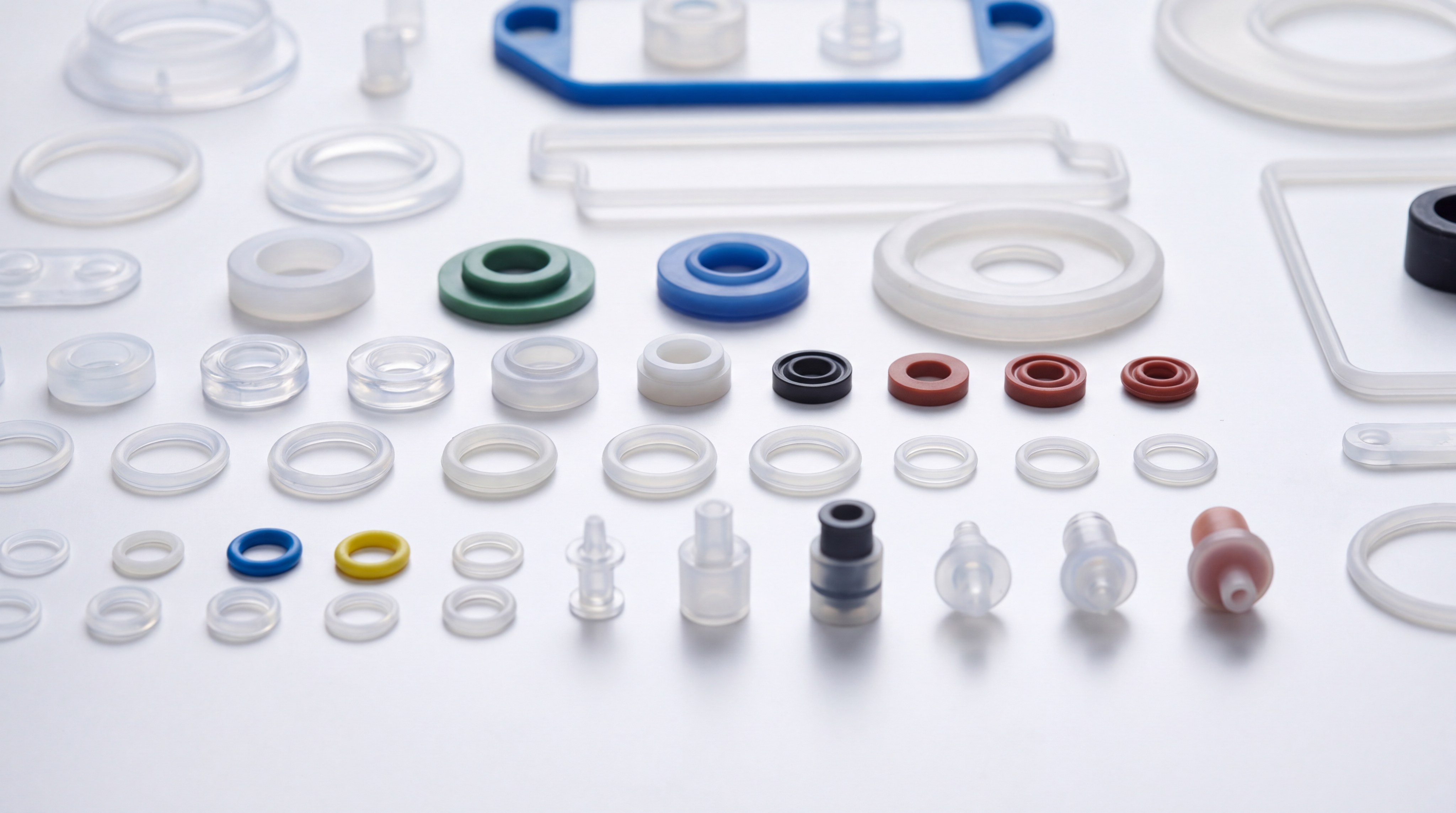
High-precision mold design involves creating stainless steel tools with integrated cold runner systems and optimized venting channels. For medical grade silicone parts, the mold must also be designed to operate within a cleanroom environment without oil or grease contamination.
Why use a cold runner system?
Look:
A cold runner system keeps the silicone liquid until it enters the heated cavity, which eliminates material waste and reduces cycle times. This is the most efficient way to manage high-volume production runs.
- Drastically reduces “flash” and scrap material.
- Enables automated, sprue-less molding.
- Maintains consistent temperature control.
How to ensure proper venting?
Here is the deal:
Since LSR is very low in viscosity, air must escape the cavity quickly to prevent “burn marks” or air bubbles. Precision-ground venting channels are strategically placed at the end of the flow path.
- Prevents air entrapment in complex geometries.
- Reduces the pressure required for injection.
- Ensures 100% cavity fill for every shot.
Key Takeaway: The quality of the mold determines the stability of the part; cold runners and venting are the two most critical features.
| Mold Component | Material | Function |
|---|---|---|
| Cavity | Hardened Steel | Shape Definition |
| Cold Runner | Stainless Steel | Material Feed Control |
| Ejection System | Mechanical/Air | Part Removal |
Investing in a high-quality mold upfront pays for itself through lower scrap rates and consistent dimensional accuracy.
How is the LSR injection process controlled?
Control is achieved through advanced molding machines that monitor injection pressure, barrel temperature, and shot volume in real-time. To custom manufacture LSR with high repeatability, manufacturers use sensors to detect even the slightest variation in the curing cycle.
How are temperature zones managed?
Check this out:
Unlike plastics, the barrel is kept cool while the mold is heated to nearly 200°C to trigger the curing reaction. Maintaining this thermal separation is critical for preventing the material from solidifying inside the injection unit.
- Cooled nozzle prevents “drooling” between shots.
- Mold heaters ensure uniform cross-linking.
- PID controllers maintain stability within ±1°C.
What about shot size accuracy?
Bottom line:
Precision screw-and-plunger systems allow for micro-shot accuracy, which is essential for tiny components like earbud tips or medical valves. This level of control ensures that every part in a multi-cavity mold is identical.
- Eliminates short shots and overfilling.
- Supports high-speed, 24/7 production.
- Reduces the need for manual inspection.
Key Takeaway: Automated process control eliminates human error and guarantees batch-to-batch consistency.
| Control Parameter | Target Range | Impact |
|---|---|---|
| Mold Temp | 150°C – 200°C | Curing Speed |
| Barrel Temp | 20°C – 30°C | Material Flow |
| Injection Pressure | Variable | Cavity Detail |
Strict process monitoring is the only way to meet the demanding tolerances required for high-tech silicone applications.
Are secondary operations needed for custom parts?
Secondary operations like deflashing, post-curing, and surface coating are often necessary to meet specific aesthetic or functional needs. For high-performance LSR communication parts, these extra steps ensure the components can withstand harsh outdoor environments.
Why is post-curing necessary?
Look:
Post-curing in an oven for several hours removes volatile organic compounds and stabilizes the physical properties of the silicone. It is often a requirement for parts used in medical or food-contact industries.
- Improves compression set resistance.
- Ensures material safety compliance.
- Removes any lingering manufacturing odors.
Can parts be customized with marking?
The best part?
Laser marking or pad printing can be used to add logos, batch numbers, or instructional icons directly onto the silicone surface. This integration allows for better traceability and branding without needing separate labels.
- High-contrast marking for legibility.
- Durable finish that won’t peel or fade.
- Automated assembly with other components.
Key Takeaway: Secondary operations transform a raw molded part into a finished, industry-compliant product.
| Operation | Purpose | Common Industry |
|---|---|---|
| Deflashing | Remove Excess Material | General Industrial |
| Post-Curing | Stabilize Properties | Medical / Food |
| Laser Marking | Traceability | Electronics |
By handling molding and secondary operations under one roof, you reduce the risk of logistics-related damage or delays.
What quality standards ensure part performance?
Quality is guaranteed through a three-stage inspection system that covers incoming materials, in-process molding, and final outgoing verification. Every custom manufacture LSR run should be backed by documentation like CoAs (Certificate of Analysis) and dimensional reports.
What is 100% visual inspection?
Here is the deal:
For critical applications, automated vision systems check every single part for surface defects, air bubbles, or flash. This ensures that no defective parts reach your assembly line, saving you from expensive field failures.
- CCD cameras detect micro-fissures.
- Automated sorting removes out-of-spec items.
- High-speed throughput maintains lead times.
How are material properties verified?
Check this out:
Standardized tests for hardness (Shore A), tensile strength, and elongation are performed on every batch of raw material. This ensures that the silicone performs exactly as specified in your engineering requirements.
- RoHS and REACH compliance checks.
- Hardness testing to ensure tactile feel.
- Aging tests for environmental resistance.
Key Takeaway: A robust QC system catches defects at the source, preventing costly delays and reworks.
| Inspection Type | Equipment Used | Metric Measured |
|---|---|---|
| Dimensional | CMM / OMM | Tolerance (±0.02mm) |
| Physical | Durometer | Shore A Hardness |
| Aesthetic | CCD Vision | Surface Finish |
Reliable quality control is the foundation of a long-term manufacturing partnership and brand reputation.
Where are custom manufacture LSR parts used?
LSR parts are found across diverse industries due to their biocompatibility, thermal stability, and excellent sealing capabilities. In the baby care sector, for example, LSR is the standard for non-toxic pacifiers and feeding bottle nipples.
Why is LSR used in medical devices?
Bottom line:
Its inert nature and ability to be sterilized make it perfect for human-contact applications like respirator masks and catheter valves. It does not support bacterial growth and is hypoallergenic.
- Biocompatible (USP Class VI).
- Can withstand repeated sterilization cycles.
- Soft texture for patient comfort.
How does LSR serve the electronics industry?
Look:
From waterproof gaskets in smartphones to wearable straps for smartwatches, LSR provides the perfect balance of durability and flexibility. It offers excellent electrical insulation and UV resistance for outdoor devices.
- High IP rating for waterproofing.
- Vibration dampening for internal components.
- Custom colors and textures for branding.
Key Takeaway: LSR is the “go-to” material for products requiring a mix of safety, durability, and soft-touch aesthetics.
| Industry | Primary Use Case | Key Property |
|---|---|---|
| Automotive | Engine Seals | Heat Resistance |
| Electronics | Waterproof Gaskets | Sealing Performance |
| Medical | Valve Components | Biocompatibility |
The versatility of LSR allows it to replace less durable materials in almost any demanding environment.
What are the key benefits of factory-direct LSR?
Factory-direct manufacturing ensures that there are no communication gaps between the design engineers and the production floor. By choosing to custom manufacture LSR directly with a facility in a hub like Dongguan, you gain access to faster DFM feedback and lower overall tooling costs.
How does in-house tooling help?
The best part?
When a factory manages its own mold shop, they can make immediate adjustments if a part isn’t molding correctly. This eliminates the “finger-pointing” that often happens when tools are outsourced to third parties.
- Faster iteration on mold modifications.
- Lower maintenance costs over time.
- Better control over tool quality and steel grade.
What are the logistics benefits?
Check this out:
Direct factories handle everything from raw material procurement to final export documentation, simplifying your supply chain. You get a single point of contact for the entire lifecycle of your product.
- One-stop service from design to delivery.
- Consolidated shipping for reduced costs.
- Transparent pricing without hidden markups.
Key Takeaway: Factory-direct access speeds up your time-to-market while ensuring tighter control over quality and cost.
| Benefit | Impact on Buyer | Outcome |
|---|---|---|
| No Middlemen | Lower Per-Part Cost | Increased Margin |
| Fast DFM | Reduced Design Risk | Quicker Launch |
| Direct QC | Verified Reliability | Fewer Field Failures |
Streamlining your supply chain through a direct manufacturer is the most effective way to scale production efficiently.

How to choose an LSR manufacturing partner?
Selecting the right partner requires auditing their technical capabilities, certification portfolio, and previous case studies. To Custom Manufacture LSR successfully, you need a factory that treats your project as a collaborative partnership rather than just a transaction.
Should you check for ISO certifications?
Here is the deal:
Certifications like ISO 9001 and IATF 16949 are non-negotiable for industries where safety and reliability are paramount. These standards prove that the factory has a repeatable, audited process for managing quality.
- Ensures traceability of raw materials.
- Confirms adherence to global quality protocols.
- Reduces the need for customer-led audits.
How to evaluate their technical support?
Bottom line:
A great partner will offer proactive DFM suggestions to improve your part’s manufacturability and reduce costs. If they only “take orders” without questioning the design, you may run into avoidable production issues later.
- 24-hour engineering support availability.
- Experience with multi-shot and overmolding.
- Ability to handle both low and high-volume runs.
Key Takeaway: The right partner adds value at every stage, from initial concept to final export shipment.
| Selection Criteria | What to Look For | Why it Matters |
|---|---|---|
| Expertise | 15+ Years in LSR | Technical Problem Solving |
| Facility | 10,000+ m² Space | Scaling Capability |
| Support | DFM Review within 24h | Speed to Market |
Choosing a partner with a deep understanding of silicone manufacturing ensures your project remains on schedule and within budget.
At HuaLin Silicone, we specialize in helping OEM/ODM buyers bridge the gap between complex engineering and stable mass production. Our goal is to provide you with a transparent, risk-free manufacturing experience that ensures your silicone components are delivered on time and to the highest standards. We believe that precision engineering shouldn’t be a bottleneck, but a catalyst for your brand’s growth. To see how our factory-direct process can optimize your next project, contact us today for a free design review and quotation.
Custom Manufacturing FAQ
Can I get a DFM review for my LSR part before ordering?
Yes, we provide professional Design for Manufacturability reviews during the quoting stage to identify potential molding issues early.
What is the best way to reduce the unit cost of custom silicone?
Increasing the number of mold cavities and utilizing a cold runner system are the most effective ways to lower the price per part in mass production.
What is the typical lead time for a custom LSR mold?
Depending on complexity, mold design and fabrication usually take between 3 to 5 weeks, followed by sample approval and mass production.
Can I customize the color and hardness of my LSR parts?
Absolutely. We can color-match to Pantone or RAL scales, and hardness typically ranges from Shore 10A to 80A depending on your application.
How do you ensure the silicone is safe for medical use?
We use traceable, FDA/LFGB compliant raw materials and conduct batch-specific testing in controlled environments to ensure biocompatibility.