
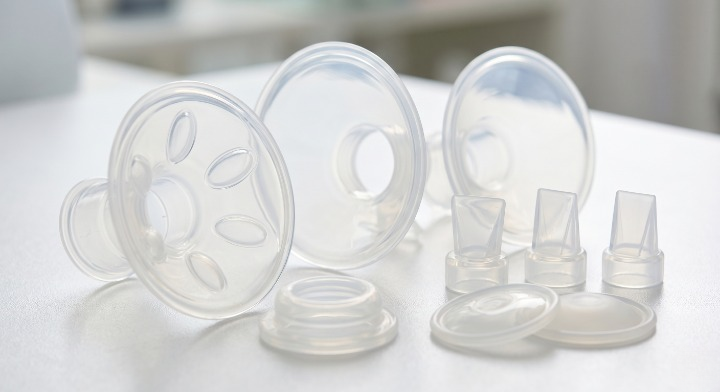
Breast pump silicone accessories are soft, flexible, and biocompatible components such as flanges, valves, and diaphragms that facilitate safe, efficient, and comfortable milk expression. Many mothers struggle with rigid pump parts that cause pain, skin irritation, and significant suction loss during use. This leads to decreased milk supply, physical discomfort, and a frustrating feeding experience that can cut the breastfeeding journey short. High-quality Silicone Accessories provide the perfect solution by offering a skin-friendly interface and airtight seals that optimize pump performance. You can explore a full range of these essential Silicone Accessories to enhance your product line and ensure maternal comfort.
Why Are Silicone Accessories Critical for Breast Pumps?
Silicone Accessories are critical because they serve as the primary contact points between the mechanical pump and the mother’s delicate skin. These parts ensure that the vacuum pressure remains consistent without causing tissue trauma.
Can they improve milk expression efficiency?
The primary role of these parts is to create a perfect airtight seal. Without a proper fit, the vacuum pressure escapes, making the pump work harder for less output.
- Better suction consistency
- Reduced pumping time
- Improved let-down reflex
- Minimized air leakage
The reason is simple. High-quality silicone adapts to the body’s contours better than any other material.
Do they protect the milk supply?
Silicone acts as a hygienic barrier in closed-system pumps. This prevents milk from entering the tubing and motor, which keeps the supply free from mold and bacteria.
- Prevents backflow contamination
- Maintains a hygienic milk path
- Easy to sterilize repeatedly
- Non-porous surface structure
But that’s not all. The material’s durability ensures that these barriers remain intact over hundreds of uses.
Key Takeaway: High-performance silicone components are the “engine” of comfort and hygiene in modern breast pumping systems.
| Factor | Impact on Pumping |
|---|---|
| Material Softness | High comfort, less skin irritation |
| Seal Integrity | Stronger, more consistent suction |
| Barrier Function | Prevents motor and milk contamination |
These critical metrics demonstrate why investing in premium materials is essential for long-term user satisfaction.
What Types of Silicone Accessories Are Commonly Used?
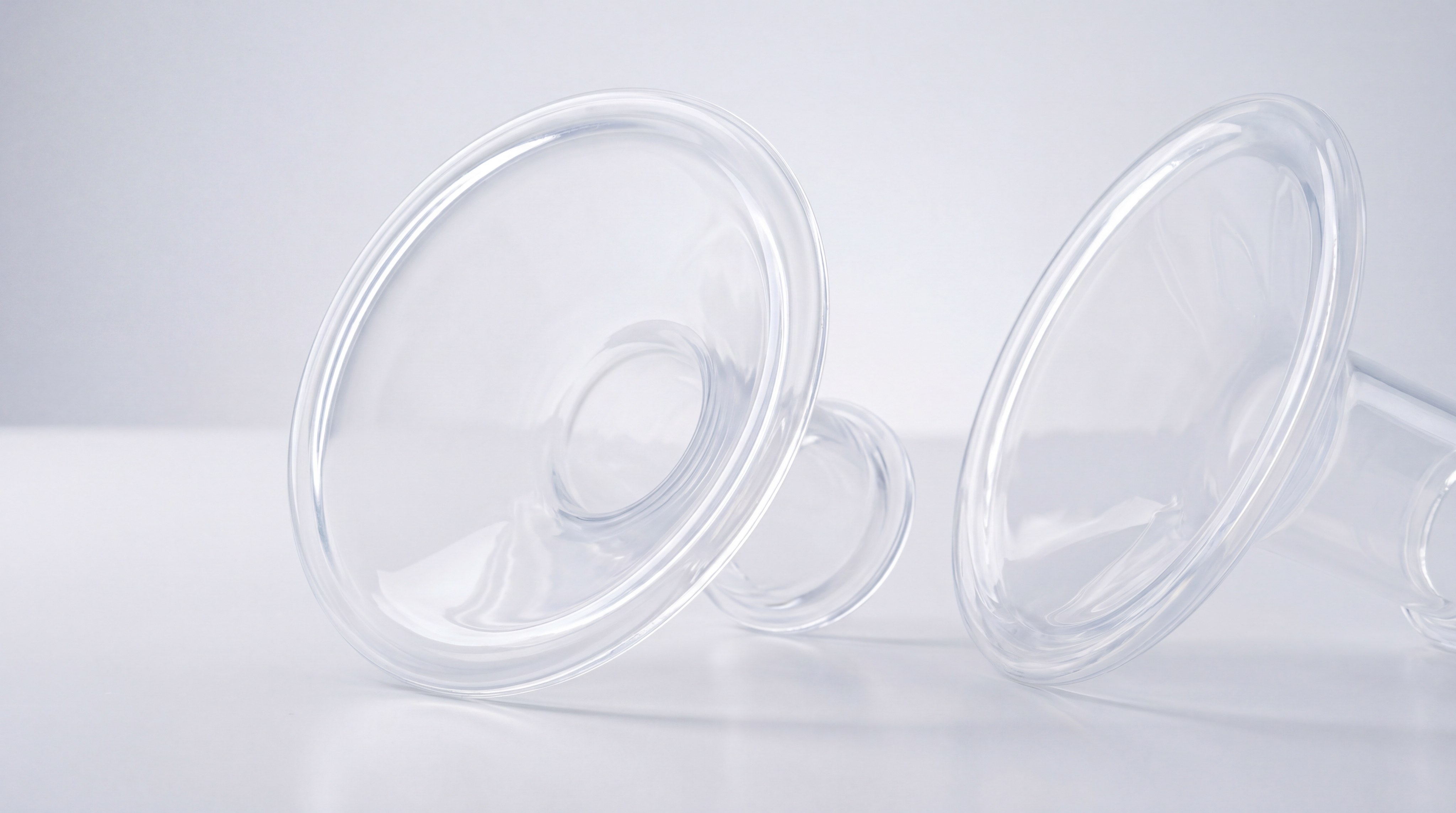
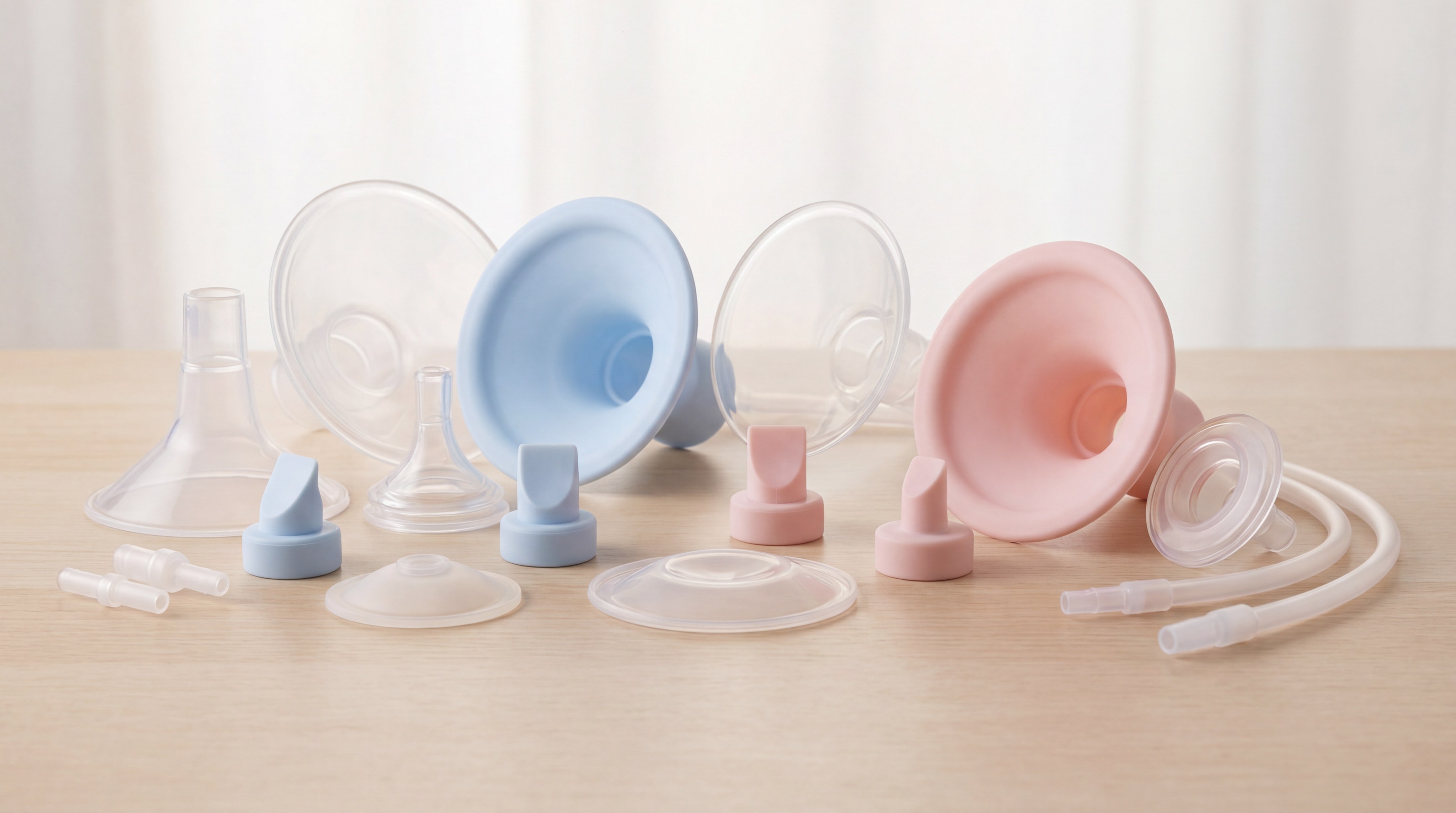
Common types of Silicone Accessories include breast shields, duckbill valves, diaphragms, and specialized tubing connectors. Our team at Silicone Accessories focuses on engineering these specific parts to meet the highest industry standards.
Are silicone breast shields better than plastic?
Silicone breast shields, or flanges, provide a cushioned fit that rigid plastic cannot match. This reduces the friction that often leads to nipple soreness and skin damage.
- Adaptive anatomical fit
- Soft-touch surface finish
- Available in various Shore A hardness
- Integrated massage petals
Think about it. A mother is more likely to continue pumping if the experience is painless and gentle.
How do duckbill valves work?
Duckbill valves are small, one-way components that open and close to manage milk flow. Their high elasticity allows them to react instantly to the pump’s vacuum cycles.
- Precision-engineered slit opening
- High-rebound material properties
- One-way flow prevention
- Easy-to-clean geometry
Wait, there’s more. These valves are often the first part to wear out, making them a high-demand replacement accessory.
Key Takeaway: A diverse range of specialized parts is necessary to maintain the functional integrity and hygiene of the pumping system.
| Accessory Type | Primary Function | Replacement Frequency |
|---|---|---|
| Flanges | Comfort and sealing | Every 6 months |
| Duckbill Valves | Milk flow and suction | Every 1-3 months |
| Diaphragms | Backflow protection | Every 3-6 months |
The selection of these parts directly influences the replacement cycle and the overall maintenance cost for the end user.
Why Is Medical-Grade Silicone the Preferred Material?
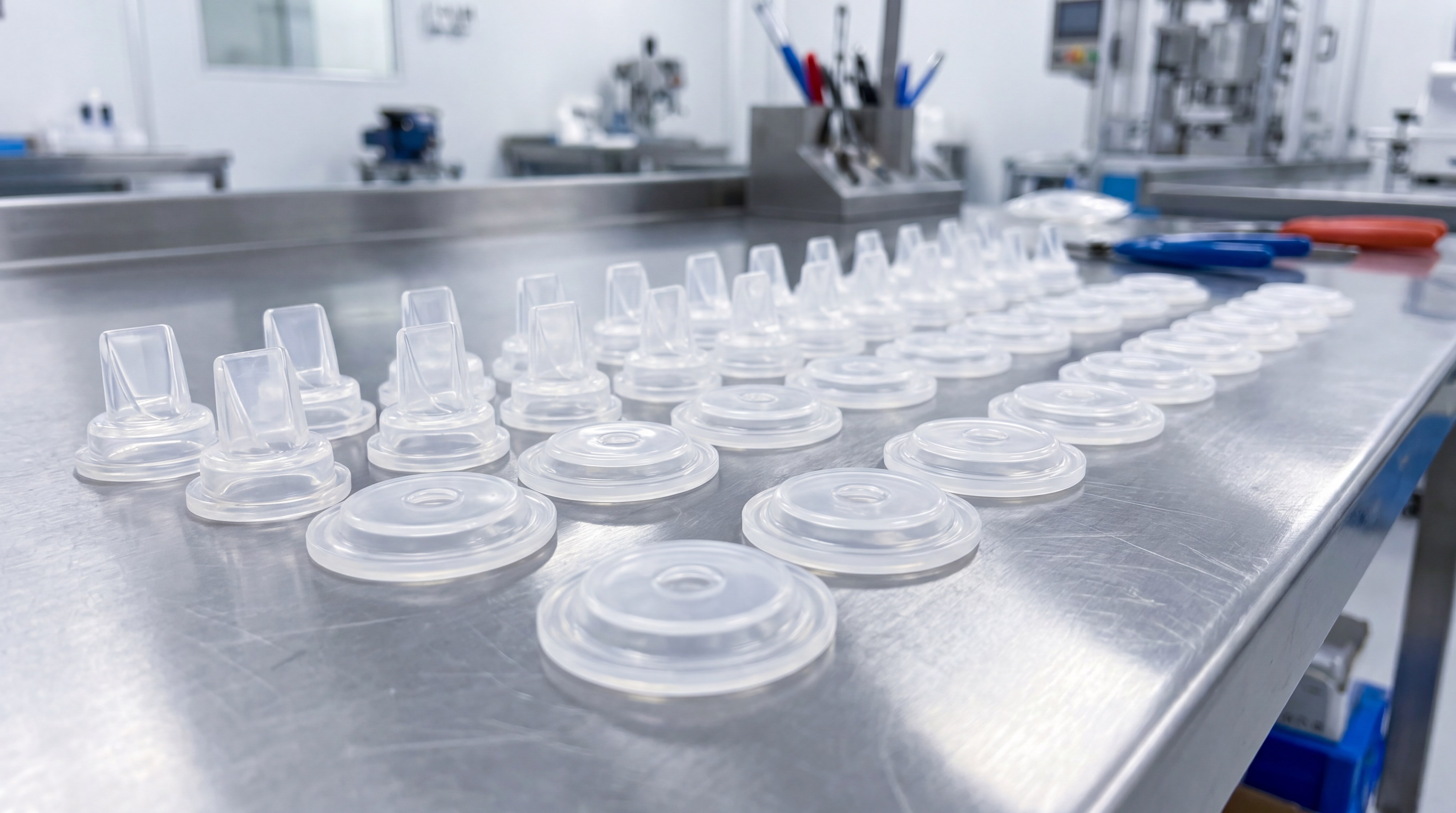
Medical-grade silicone is the preferred material for Silicone Accessories because it is chemically inert, BPA-free, and capable of withstanding rigorous sterilization. This ensures that no harmful chemicals leach into the expressed breast milk.
Is it safe for newborn health?
Since these parts touch the milk directly, safety is the top priority. Medical-grade silicone does not contain phthalates, latex, or other common allergens found in cheaper plastics.
- Hypoallergenic properties
- Non-toxic and odorless
- Phthalate-free composition
- High biocompatibility
The best part? It maintains these safety properties even after being boiled or steamed hundreds of times.
Can it survive extreme heat?
Breast pump parts must be sterilized daily to prevent bacterial growth. Silicone is uniquely suited for this because it retains its shape and elasticity at high temperatures.
- Heat resistant up to 200°C
- Steam and microwave safe
- Dishwasher compatible
- UV sterilization stable
In other words, you don’t have to worry about the parts melting or deforming during standard cleaning routines.
Key Takeaway: Medical-grade silicone provides a “safety first” foundation that protects both the infant’s health and the longevity of the accessory.
| Property | Medical-Grade Silicone | Standard Plastic |
|---|---|---|
| Toxicity | None (Inert) | Risk of BPA/Phthalates |
| Heat Resistance | Very High | Moderate to Low |
| Durability | High Flexibility | Risk of Cracking |
Understanding these material differences helps you communicate the value of high-quality components to your customers.
How Are These Silicone Accessories Manufactured Today?
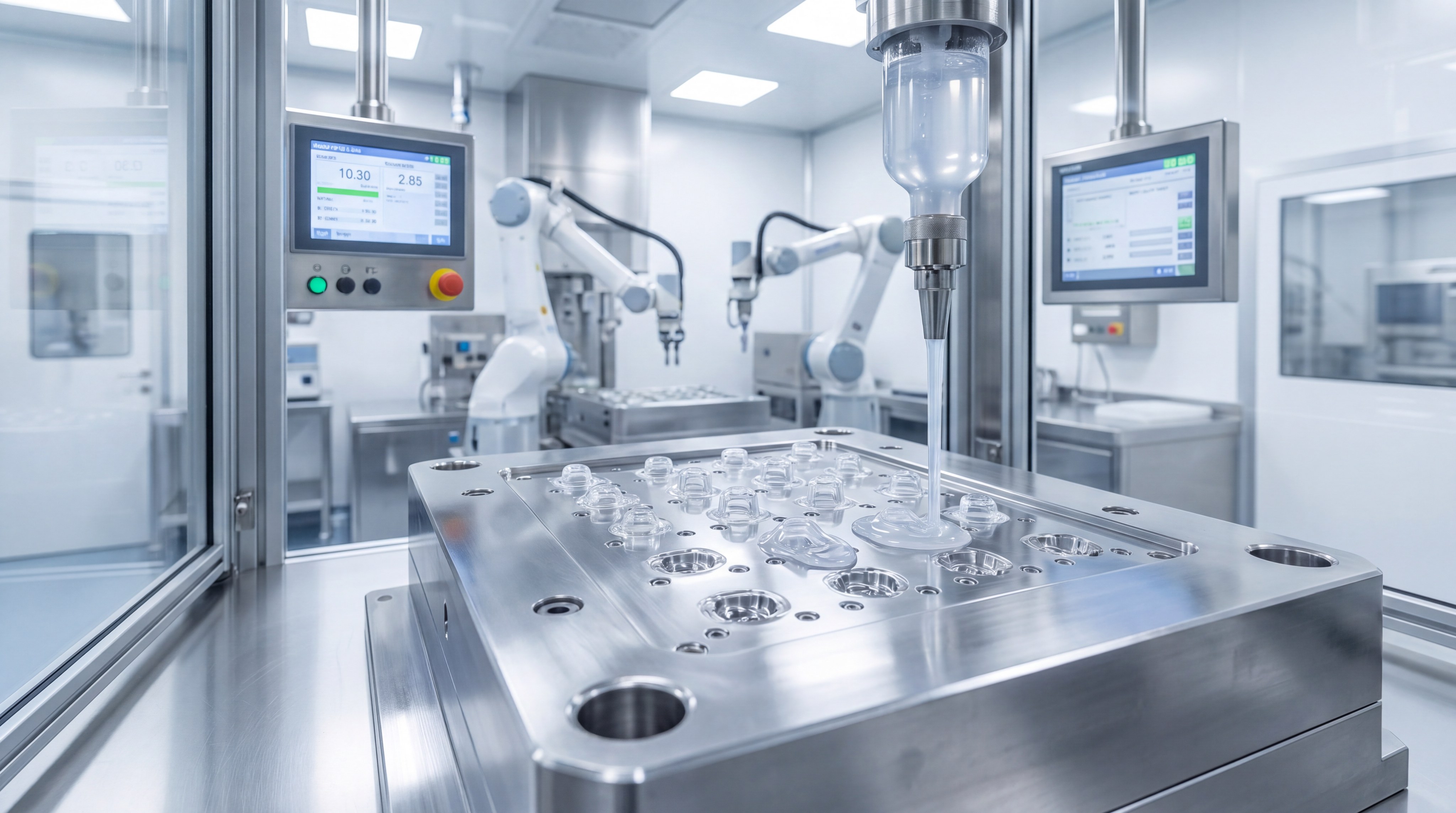
Modern Silicone Accessories are manufactured using high-precision Liquid Silicone Rubber (LSR) injection molding to ensure consistent quality and dimensional accuracy. We specialize in producing Silicone Accessories through advanced molding techniques that meet strict medical tolerances.
Why is LSR molding the standard?
LSR molding allows for the creation of complex, thin-walled parts like valves and diaphragms with zero variation. This automation reduces human error and ensures that every part in a batch is identical.
- High-volume production speed
- Flash-less molding technology
- Excellent dimensional stability
- Cleanroom compatibility
Here is the kicker: LSR parts are cured faster and with greater precision than traditional compression molding.
What happens during quality inspection?
Every part undergoes rigorous testing to ensure it meets the design specifications. This includes checking for surface defects, tears, and ensuring the dimensions are within the required tolerance.
- Visual inspection for bubbles
- Dimensional verification via CCD
- Tear strength validation
- Compliance documentation checks
Check this out. A single microscopic tear in a valve can cause the entire pump to lose suction.
Key Takeaway: Precision manufacturing via LSR injection molding is the only way to guarantee the reliability of thin-walled silicone pump components.
| Process Step | Importance | Quality Impact |
|---|---|---|
| DFM Analysis | Prevents design flaws | Reduced scrap rate |
| LSR Injection | Precise part geometry | Consistent performance |
| CCD Inspection | Detects surface defects | Zero-defect delivery |
This integrated manufacturing workflow ensures that your product launch proceeds without quality-related delays or recalls.
What Are the Main Design Factors for Custom Accessories?
The main design factors for custom Silicone Accessories include ergonomic fit, wall thickness control, and the ease of assembly for the end user. Customizing these elements allows brands to differentiate themselves in a crowded marketplace.
How does ergonomics affect comfort?
A well-designed flange must accommodate a wide range of breast shapes and sizes. Designers use 3D modeling to minimize pressure points that could block milk ducts.
- Contoured flange tunnels
- Variable Shore A hardness zones
- Soft-edge transitions
- Textured massage inserts
Make no mistake. A comfortable design is the most significant factor in customer brand loyalty.
Why is wall thickness so important?
In parts like diaphragms, the thickness of the silicone membrane determines how the part responds to vacuum pulses. If the wall is too thick, the pump feels sluggish; too thin, and it may tear.
- Precision tolerance management
- Consistent vacuum response
- Durable hinge points
- Optimized material distribution
It gets better. Strategic thickness variations can create “living hinges” that last for thousands of cycles.
Key Takeaway: Strategic design focuses on the intersection of human anatomy and mechanical performance to create a superior user experience.
| Design Element | Goal | User Benefit |
|---|---|---|
| Variable Hardness | Structural support + softness | Maximum comfort |
| Membrane Thinness | High responsiveness | Efficient expression |
| Smooth Geometry | Easy cleaning | Improved hygiene |
Focusing on these details during the design phase prevents common performance issues after the product reaches the market.
How Do Manufacturing Costs Vary for Silicone Accessories?
Manufacturing costs for Silicone Accessories vary based on the mold complexity, the grade of raw material, and the total production volume. By utilizing Silicone Accessories through a strategic partner, you can optimize your unit costs while maintaining premium quality.
How do mold costs impact the project?
High-precision LSR molds are a significant upfront investment, but they lower the per-unit cost over time. Multi-cavity molds allow you to produce dozens of parts in a single cycle.
- Number of mold cavities
- Cold runner system efficiency
- Mold material durability
- Complexity of the geometry
But that’s not all. A well-designed mold reduces waste and minimizes the need for secondary post-processing.
Does material choice affect the price?
Not all silicone is created equal. High-performance, platinum-cured medical-grade silicone costs more than industrial grades, but it is necessary for baby-safe products.
- Platinum vs. peroxide curing
- Specific gravity of material
- Compliance certification fees
- Additive and colorant costs
The reason is simple. Using cheaper materials often leads to compliance failures and product recalls that cost far more in the long run.
Key Takeaway: Balancing upfront tooling costs with high-grade material selection is the key to a profitable and safe product life cycle.
| Cost Driver | Influence | Optimization Strategy |
|---|---|---|
| Tooling | High upfront cost | Multi-cavity molds |
| Material | Recurring unit cost | Strategic sourcing |
| Labor | Low (Automated) | Full LSR automation |
Optimizing these three pillars allows you to maintain a competitive price point without sacrificing the safety of the infant.
Which Certifications Ensure Safety for Silicone Accessories?
Safety for Silicone Accessories is ensured through global certifications like FDA, LFGB, and ISO 13485. These standards verify that the factory and the materials meet the highest levels of safety for food-contact items.
What is the difference between FDA and LFGB?
The FDA is the standard for the US market, while LFGB is the more rigorous standard for Germany and the EU. Most premium brands aim for both to ensure global market access.
- Migration testing limits
- Volatile organic compound (VOC) checks
- Heavy metal screening
- Sensory (taste/odor) testing
Check this out. LFGB-compliant silicone is often considered the highest global safety standard for food-contact materials.
Does the factory need ISO 13485?
ISO 13485 is specific to medical device manufacturing. It ensures that the supplier follows strict quality management systems and maintains full traceability for every batch of parts.
- Full material traceability
- Risk management protocols
- Documented quality control
- Cleanroom production standards
In other words, this certification proves the manufacturer can handle the life-critical demands of the baby care industry.
Key Takeaway: Validated certifications are the only way to prove to your customers and regulators that your silicone parts are safe.
| Certification | Region | Focus Area |
|---|---|---|
| FDA | North America | Basic food safety |
| LFGB | Europe (EU) | Strict chemical migration |
| ISO 13485 | Global | Medical device quality |
Adhering to these standards builds trust with your distribution partners and protects your brand from legal liability.
How Can Customization Improve Silicone Accessories?
Customization allows you to improve Silicone Accessories by adding unique branding, specialized textures, or integrated assembly features. We offer various Silicone Accessories that can be tailored to your specific mechanical requirements.
Can you add logos to silicone?
Logos can be laser-etched into the mold or pad-printed onto the finished part. This helps with brand recognition and provides a professional look to your pump kit.
- Permanent mold engraving
- Food-safe silicone inks
- High-contrast markings
- Measurement scale integration
The best part? These markings won’t fade or peel off during high-heat sterilization cycles.
What is silicone overmolding?
Overmolding allows us to bond silicone directly to a rigid plastic part. This creates a seamless, one-piece component that eliminates gaps where bacteria could hide.
- Leak-proof chemical bonding
- Reduced assembly steps
- Enhanced structural rigidity
- Sleek, modern aesthetics
Wait, there’s more. Overmolding also prevents the silicone from slipping off the pump housing during use.
Key Takeaway: Advanced customization techniques like overmolding provide a competitive edge through improved hygiene and superior product design.
| Customization | Type | Brand Benefit |
|---|---|---|
| Color Matching | Pigment control | Consistent brand identity |
| Overmolding | Material bonding | Leak-proof durability |
| Surface Texture | Matte/Gloss/Soft | Premium user feel |
These upgrades transform a standard commodity part into a proprietary asset that defines your brand’s unique value proposition.
What Should You Look for in a Silicone Accessories Supplier?
When choosing a supplier for Silicone Accessories, you should look for in-house mold making, medical-grade cleanrooms, and robust engineering support. Partnering with an expert in Silicone Accessories ensures that your project moves from design to delivery without a hitch.
Why is in-house tooling important?
If the factory makes its own molds, they can quickly adjust the design if testing reveals a problem. This significantly speeds up the DFM (Design for Manufacturing) process.
- Faster prototyping cycles
- Immediate mold adjustments
- Lower overall tooling costs
- Better control over precision
Think about it. Why wait weeks for an external mold shop when the factory can do it in days?
Do they offer DFM support?
A good supplier doesn’t just “take an order”—they help you optimize your design for mass production. They will suggest changes to wall thickness or gate placement to improve part quality.
- Feasibility reviews
- Material selection guidance
- Tolerance planning
- Cost-reduction suggestions
Here is the kicker: Good DFM support can save you thousands of dollars in wasted materials and mold revisions.
Key Takeaway: The right manufacturing partner acts as an extension of your engineering team, ensuring quality at every step of the process.
| Supplier Capability | Benefit to You |
|---|---|
| Cleanroom Molding | Zero environmental contamination |
| In-House Tooling | Rapid iterations and lower costs |
| DFM Expertise | Reduced production risk |
A supplier who checks all these boxes is an asset that will help you scale your business globally.
How Do You Properly Maintain Your Silicone Accessories?
Proper maintenance of Silicone Accessories involves regular cleaning, gentle handling, and timely replacement of worn-out parts. Educating your customers on these steps will ensure their pump continues to perform at its peak.
Can I boil these parts?
Yes, silicone is heat-resistant and can be safely boiled for 3-5 minutes to ensure total sterilization. However, you should avoid letting the parts touch the bottom of the pot to prevent localized overheating.
- Safe for boiling water
- Steam sterilizer compatible
- Microwave bag safe
- UV light resistant
The reason is simple. High heat kills 99.9% of bacteria without damaging the medical-grade silicone structure.
How often should valves be replaced?
Duckbill valves are the most active part of the pump and should be replaced every 1 to 3 months depending on usage. If the valve looks “gapped” or doesn’t close tightly, the suction will drop significantly.
- Inspect for micro-tears
- Check for “stretched” openings
- Watch for milk residue buildup
- Monitor suction strength changes
Check this out. A tiny, invisible tear can reduce pump efficiency by over 50%.
Key Takeaway: Regular inspection and proactive replacement of silicone components are the only ways to maintain optimal pump performance.
| Symptom | Probable Cause | Action Required |
|---|---|---|
| Low Suction | Gapped/Torn valve | Replace valve |
| Air Leaking | Warped diaphragm | Replace diaphragm |
| Skin Irritation | Rough/Old flange | Replace flange |
Providing these maintenance guidelines to your users will reduce support tickets and increase overall satisfaction with your product.
*
Frequently Asked Questions
Can I use a brush to clean my silicone valves?
No, you should never use a small brush inside the duckbill valve opening because it can easily tear the delicate silicone membrane. Instead, use warm soapy water and your fingers to gently clean the area.
What’s the best way to dry silicone accessories after washing?
The best method is to air dry them on a clean, dedicated rack in a well-ventilated area. Avoid using cloth towels, as they can transfer lint or bacteria back onto the sterilized parts.
How do I know if my flange is the wrong size?
If you experience nipple pain, see your nipple rubbing against the sides of the flange tunnel, or notice a drop in milk output, your flange is likely the wrong size. A properly sized silicone flange should pull only the nipple into the tunnel comfortably.
Can I put silicone parts in the dishwasher?
Yes, high-quality silicone is dishwasher safe, but it is recommended to place small parts in a mesh basket on the top rack. However, hand washing is often gentler and helps the parts last longer.
How do I know if a part is real medical-grade silicone?
You can verify the material by checking for FDA or LFGB certification markings on the packaging or requesting a certificate of compliance from the manufacturer. Genuine medical-grade silicone is also completely odorless even when heated.
Conclusion
Breast pump silicone accessories are the bridge between mechanical hardware and human comfort, ensuring that mothers can provide for their infants safely and efficiently. By choosing medical-grade materials and precision LSR manufacturing, you can create products that lead the market in hygiene and performance. At HuaLin Silicone, our vision is to empower global health through precision silicone engineering and uncompromising quality standards. If you are ready to elevate your baby care product line with custom-engineered components, please contact us today to start your journey with a partner you can trust.