
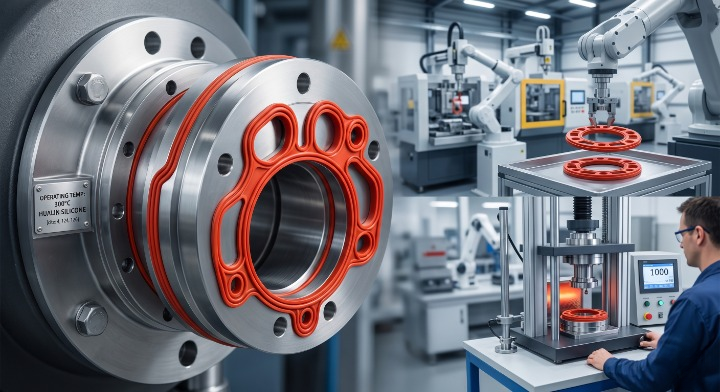
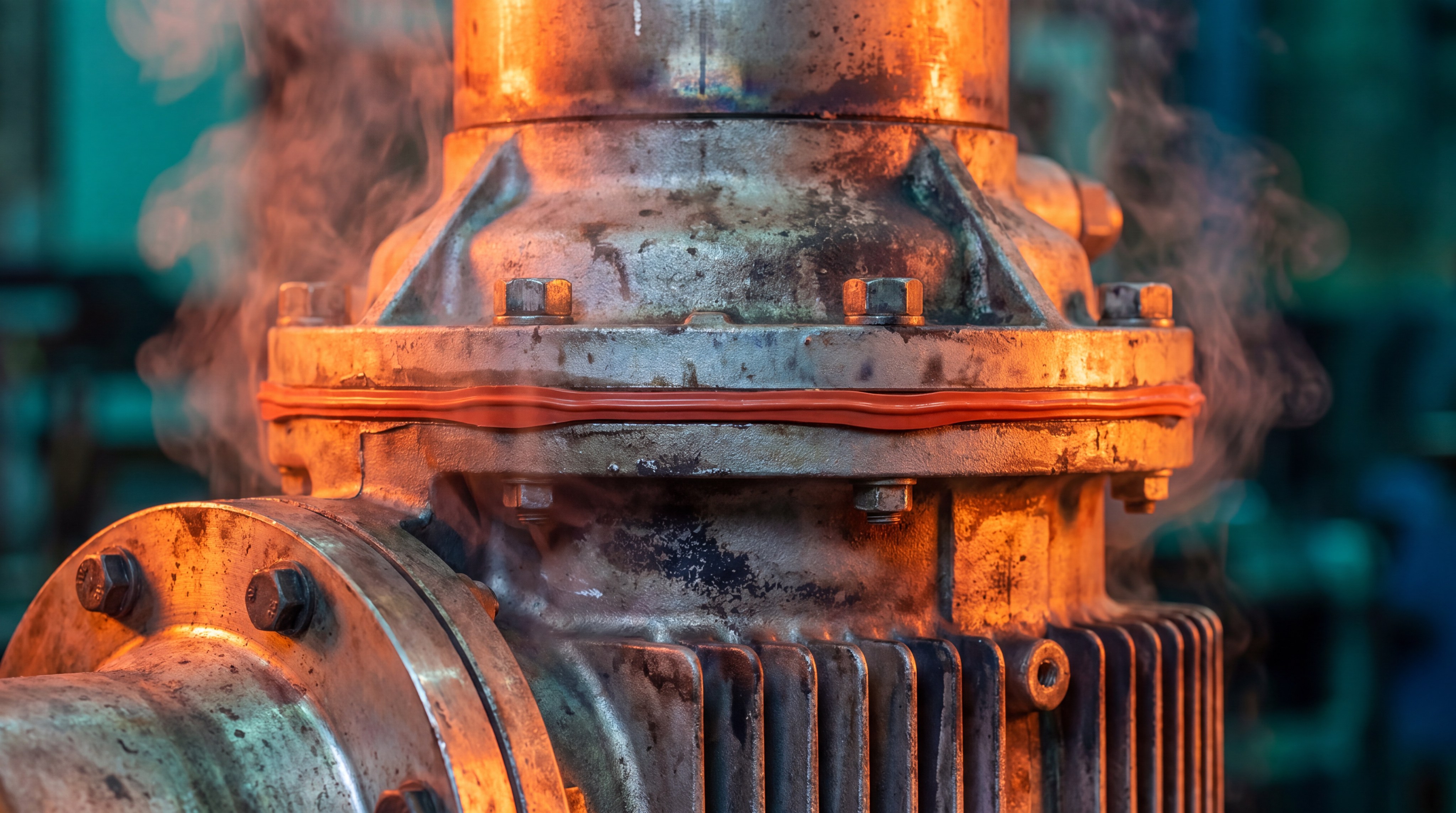
Silicone is the premier choice for high-temperature gaskets because its inorganic siloxane backbone maintains physical integrity when organic polymers melt or degrade. Imagine a high-pressure steam line in your facility where a standard rubber seal suddenly hardens and cracks under the intense heat. This catastrophic leak forces an immediate emergency shutdown, resulting in thousands of dollars in lost production time and potential safety hazards for your staff. High-performance silicone Manufacturing (hualinsili.com) provides the specialized thermal resilience required to stop these failures before they start.
Why are silicones preferred for high-heat seals?
Silicones are preferred because their unique chemical structure offers a thermal ceiling far beyond that of standard EPDM or Nitrile rubbers. Expert silicone Manufacturing (hualinsili.com) creates a material that stays flexible at 200°C while others become brittle.
What unique thermal properties do silicones possess?
Silicones feature a silicon-oxygen backbone that resists thermal oxidation much more effectively than carbon-based polymers. This atomic structure allows the material to retain its elastic memory even after thousands of hours of heat exposure.
- Inorganic Si-O-Si backbone for maximum stability.
- Low chemical reactivity with atmospheric oxygen.
- Resistance to UV radiation and ozone.
- Wide operating range from -60°C to 250°C.
Think about this:
Standard elastomers simply cannot compete with the atomic strength of the silicon-oxygen bond.
Key Takeaway:
The chemical stability of silicone ensures that gaskets remain functional in environments where organic rubbers would simply disintegrate.
| Property | Silicone Performance | Industrial Benefit |
|---|---|---|
| Thermal Limit | Up to 300°C | Prevents seal melting |
| Oxidation | Highly Resistant | Extends component life |
| Flexibility | High at all temps | Ensures tight fit |
The molecular architecture of silicone serves as the primary defense against thermal degradation in high-pressure industrial sealing applications.
What temperatures can silicone gaskets withstand?
Standard silicone gaskets typically withstand 200°C, while specialized formulations can reach 315°C for continuous operation. Proper silicone Manufacturing ensures these additives are evenly dispersed to prevent localized heat failure.
Are there limits to continuous heat exposure?
While silicones are resilient, exceeding their specific thermal rating for long periods will eventually cause the polymer to harden. You must match the material grade to your peak operating temperatures to avoid premature seal failure.
- Standard grades: -60°C to 230°C.
- High-temperature HTV: Up to 315°C.
- Intermittent spikes: Can survive brief 350°C exposure.
- Degradation: Slow hardening rather than sudden melting.
Here is the kicker:
The longevity of your seal depends entirely on matching the material grade to your specific heat profile.
Key Takeaway:
Precision in material selection during the design phase determines whether your seal lasts for months or years under heavy thermal load.
| Grade Type | Max Continuous Temp | Primary Application |
|---|---|---|
| General Purpose | 200°C | Consumer Electronics |
| High-Temp (HTV) | 315°C | Industrial Furnaces |
| Low Volatile | 250°C | Aerospace / Vacuum |
Understanding the distinction between continuous and peak temperature ratings is vital for preventing catastrophic gasket failure in high-heat systems.
How does manufacturing ensure seal longevity?
Precision silicone Manufacturing (hualinsili.com) ensures longevity by controlling cross-linking density and performing vital post-curing cycles. This process stabilizes the polymer network against thermal degradation.
How is compression set resistance achieved?
Resistance to permanent deformation is achieved through the use of high-quality platinum catalysts and extended baking cycles in the factory. This ensures the gasket “springs back” after being compressed between two metal flanges.
- Optimized peroxide or platinum curing agents.
- Extended post-cure baking to remove volatiles.
- Strict control over filler-to-polymer ratios.
- High-precision silicone compression molding for density.
But wait, there’s more:
A seal is only as good as its ability to return to its original shape after the pressure is removed.
Key Takeaway:
Advanced manufacturing techniques like post-curing are the only way to guarantee a gasket won’t flatten out and leak over time.
| Factory Process | Impact on Quality | Long-term Result |
|---|---|---|
| Post-Curing | Removes unreacted components | Higher seal stability |
| Catalyst Choice | Determines bond strength | Better durability |
| Density Control | Eliminates structural gaps | Zero-leak performance |
Rigid control over the vulcanization process is the most critical factor in preventing the “compression set” that leads to most industrial leaks.
Which specialized silicone compounds are available?
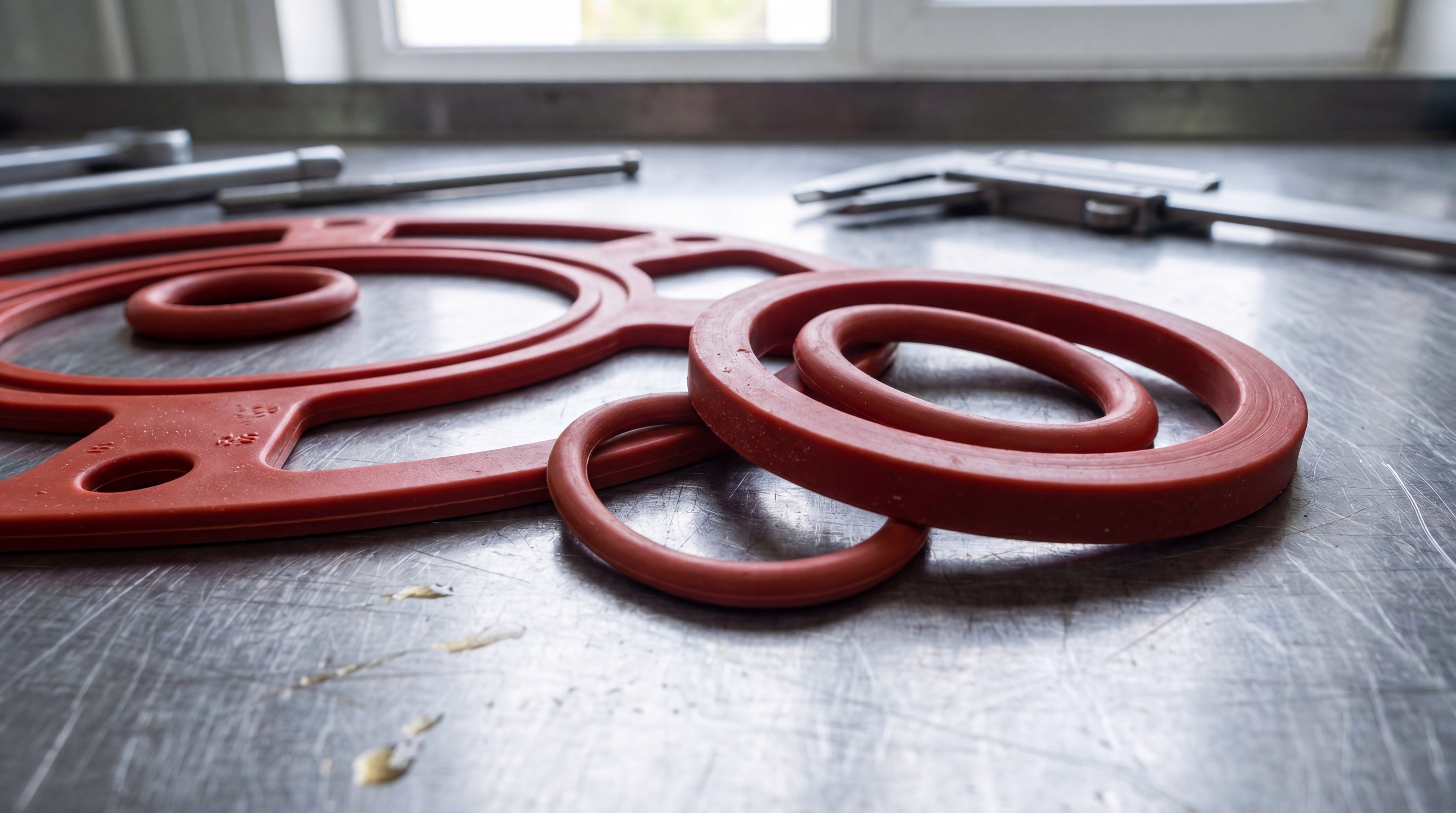
Specialized compounds include ceramic-filled, fiber-reinforced, and high-temperature vulcanizing (HTV) options for extreme environments. Advanced silicone Manufacturing allows these materials to be tailored for specific pressure or gas permeability needs.
What are fiber-reinforced and ceramic-filled options?
Fiber-reinforced silicones provide higher tensile strength for high-pressure gaskets, while ceramic-filled versions reduce the permeability of hot gases. These formulations are essential for vacuum systems and heavy-duty mechanical seals.
- Glass fiber reinforcement: Prevents tearing under pressure.
- Ceramic fillers: Blocks gas migration in furnace seals.
- Conductive fillers: Provides integrated EMI/RFI shielding.
- Pigment stability: Maintains color in extreme heat.
Does this matter to you?
Using the wrong compound can lead to mechanical failure even if the temperature resistance is technically sufficient.
Key Takeaway:
Custom fillers transform standard silicone into a specialized industrial tool capable of handling both mechanical stress and extreme heat.
| Compound Type | Key Additive | Main Advantage |
|---|---|---|
| Reinforced | Glass/Aramid Fiber | High tensile strength |
| Ceramic-Filled | Inorganic Powders | Low gas permeability |
| High-Tear | Vinyl Additives | Resistance to nicking |
Selecting a compound with the right mechanical additives ensures your gasket survives the physical stresses of installation and high-pressure operation.
Does manufacturing impact seal flexibility?
Yes, professional silicone Manufacturing (hualinsili.com) directly impacts flexibility by adjusting the material’s durometer to match specific thermal expansion requirements. This ensures the seal remains elastic throughout intense temperature cycles.
Why is flexibility vital for thermal expansion?
Flexibility is vital because industrial components expand as they heat up, and a rigid seal would likely crack or lose contact. Silicones maintain a “soft” interface that adjusts to shifting metal parts while keeping the internal environment protected.
- Absorbs mechanical and thermal vibrations.
- Compensates for surface irregularities in flanges.
- Maintains seal during extreme temperature cycling.
- Prevents stress transfer to delicate components.
The bottom line is this:
Without flexibility, a heat-resistant material is useless in a dynamic mechanical system.
Key Takeaway:
The ability of silicone to remain elastic across a 300-degree temperature swing is what makes it a superior gasket material for industry applications.
| Feature | Dynamic Benefit | Operational Outcome |
|---|---|---|
| Low Durometer | High compressibility | Tight seal on rough parts |
| Elastic Recovery | Returns to shape | Long-term reliability |
| Vibration Damping | Protects hardware | Reduced fatigue failure |
A seal’s effectiveness is directly proportional to its ability to conform to the sealing surface as parts expand and contract during operation.
What are common industrial uses for these seals?
These seals are essential in automotive engines, aerospace turbines, and industrial ovens where heat is constant. Dedicated silicone Manufacturing provides the safety margins required for these mission-critical applications.
Where are these seals used in aerospace and automotive?
In the aerospace sector, silicones seal engine compartments and lighting systems, while in automotive, they are used for turbocharger hoses and oil pan gaskets. These environments require materials that can handle heat spikes and exposure to oils or fuels simultaneously.
- Engine manifold and valve cover gaskets.
- Turbocharger and coolant system connectors.
- Industrial furnace door and window seals.
- Lighting gaskets for high-intensity discharge lamps.
Look at it this way:
If the seal fails in an aircraft engine, the consequences are far more than just a maintenance headache.
Key Takeaway:
Mission-critical industries rely on silicone because it is one of the few materials that offers a high safety margin at extreme temperatures.
| Industry Sector | Specific Application | Critical Need |
|---|---|---|
| Automotive | Turbocharger seals | Heat + Oil resistance |
| Aerospace | Engine housing seals | Thermal cycle stability |
| Manufacturing | Oven door gaskets | Constant heat exposure |
The reliability of silicone in high-stakes environments like aerospace proves its worth as a standard for all high-temperature industrial sealing needs.
Why is silicone better than organic rubber?
Silicone is superior because it does not contain the carbon-carbon bonds that oxidize and fail in high-heat environments. Standard silicone Manufacturing (hualinsili.com) yields a chemically inert product that outlasts organic elastomers by a significant margin.
How does oxidation resistance compare?
Silicones possess a much higher resistance to oxidation, meaning they do not react with the air to break down over time. Organic rubbers like Nitrile contain bonds that are easily attacked by heat and oxygen, leading to rapid surface cracking.
- Superior weather and ozone resistance.
- No carbon-black fillers required for strength.
- Chemically inert in most environments.
- Does not leach harmful chemicals at high heat.
Why does this matter?
Choosing rubber for high-heat applications is a short-term savings that leads to long-term expenses.
Key Takeaway:
Silicone’s chemical stability provides a much longer service life than organic elastomers in outdoor or high-heat environments.
| Material | Oxidation Resistance | UV/Ozone Stability |
|---|---|---|
| Silicone | Excellent | Superior |
| EPDM | Good | Moderate |
| Nitrile (NBR) | Poor | Low |
Investing in silicone over organic rubber drastically reduces the frequency of maintenance cycles and the risk of unexpected seal failure.
How are high-temp gaskets produced in a factory?
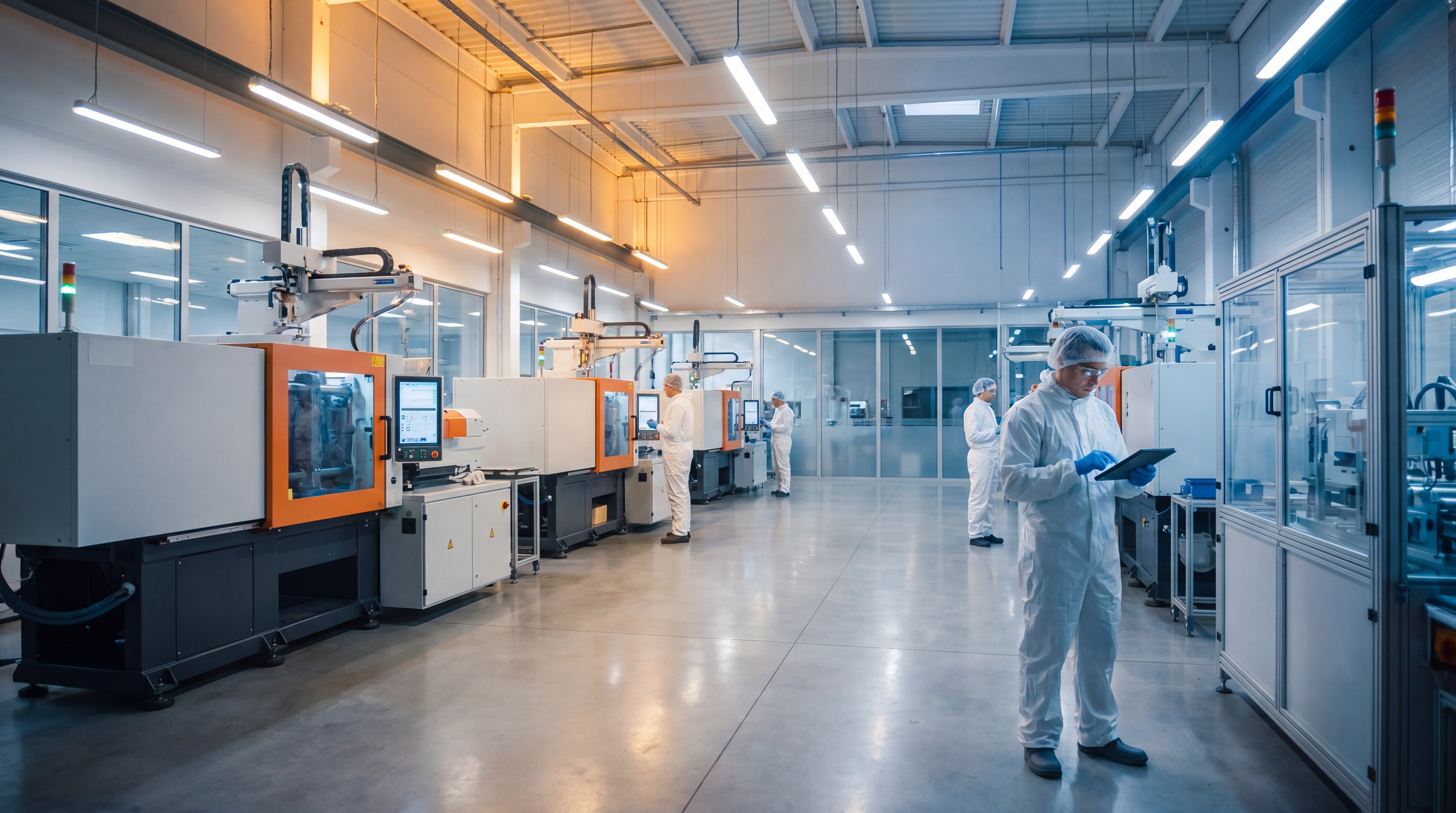
High-temp gaskets are produced via Liquid Silicone Rubber (LSR) injection or compression molding to achieve precise geometries. Modern silicone Manufacturing utilizes automated systems to ensure every part meets tight industrial tolerances.
What roles do HTV and LSR processes play?
High Temperature Vulcanizing (HTV) silicone is typically used for compression molding large gaskets, while Liquid Silicone Rubber (LSR) is ideal for complex, high-precision seals. Both processes allow for the integration of custom colors and specific hardness levels required by the client.
- LSR Molding: Rapid cycle times and high precision.
- Compression: Cost-effective for large, flat gaskets.
- Overmolding: Bonds silicone directly to metal inserts.
- Extrusion: Creates continuous lengths of sealing profiles.
The real secret:
The choice of molding process determines both the unit cost and the dimensional tolerance of your final gasket.
Key Takeaway:
Modern factory processes allow for the mass production of gaskets with tolerances as tight as +/- 0.05mm for high-precision systems.
| Process Type | Best For | Production Volume |
|---|---|---|
| LSR Injection | Complex, small parts | High Volume |
| Compression | Large, flat gaskets | Medium Volume |
| Extrusion | Seals and tubing | Continuous Runs |
Selecting the appropriate molding process is the primary way to optimize both the performance and the per-unit cost of your high-heat seals.
Can medical-grade requirements be supported?
Yes, specialized silicone Manufacturing (hualinsili.com) can produce medical-grade seals that are biocompatible and autoclave-stable. These parts are critical for surgical instruments that undergo repeated high-heat sterilization.
Are high-temp seals safe for sterilization?
Medical-grade silicone seals are specifically formulated to remain stable during steam autoclaving and chemical disinfection. They do not release toxins or change shape, ensuring the medical device remains sealed and sterile throughout its use.
- USP Class VI and ISO 10993 compliance.
- Resistant to multiple autoclave cycles.
- Latex-free and hypoallergenic properties.
- Cleanroom manufacturing to prevent contamination.
Don’t overlook this:
Safety in medical devices starts with the material’s ability to remain inert during the cleaning process.
Key Takeaway:
High-temperature medical grade silicone parts are the gold standard for healthcare applications due to their durability and safety.
| Certification | Requirement | Why it Matters |
|---|---|---|
| USP Class VI | Biocompatibility | Ensures patient safety |
| FDA Grade | Food/Drug Contact | Regulatory compliance |
| ISO 13485 | Quality Management | Medical system standards |
The ability to withstand extreme heat without leaching chemicals makes silicone the only viable choice for many life-critical medical sealing applications.
How do you choose the right manufacturer?
Choosing the right partner requires verifying their engineering support, material certifications, and in-house tooling capabilities. Reliable silicone Manufacturing depends on a partner who understands both the chemistry and the mechanical requirements of your seal.
What quality certifications should you look for?
Look for ISO 9001 and IATF 16949 certifications, which indicate a commitment to consistent quality and automotive-grade production standards. A reputable manufacturer should also provide material traceability and detailed inspection reports for every production batch.
- In-house mold design and manufacturing.
- Comprehensive material testing capabilities.
- Certifications like ISO 9001 and ISO 13485.
- Expertise in both LSR and compression molding.
Ready to take the next step?
Partnering with an expert ensures that your sealing challenges are solved before production even begins.
Key Takeaway:
A manufacturer’s technical support and certification level are just as important as the price of the final parts for ensuring reliability.
| Selection Criteria | What to Verify | Strategic Value |
|---|---|---|
| Engineering | DFM Support | Reduces tooling costs |
| Quality | Inspection Labs | Ensures part accuracy |
| Experience | Industry Cases | Proves technical capability |
The ideal manufacturing partner acts as a technical extension of your team, providing the engineering depth needed to solve complex sealing problems.
Conclusion
Silicones are the ultimate choice for high-temperature gaskets and seals, offering unmatched thermal stability, flexibility, and chemical resistance across the most demanding industries. By understanding the nuances of specialized compounds and the importance of precision manufacturing, businesses can significantly improve the reliability of their industrial systems. At HuaLin Silicone, we specialize in transforming your complex sealing requirements into high-performance realities. Our vision is to provide zero-defect silicone solutions that empower your equipment to perform under pressure. Discover what we can do for you and ensure your project meets the highest standards of quality—contact us today for expert guidance on your next custom silicone project.
FAQ
Can I use standard silicone for temperatures above 300°C?
No, standard silicone is not recommended for temperatures above 230°C for long periods; you should specify a high-temperature resistant grade (HTV) that is formulated with specific heat-stabilizing additives.
What’s the best way to prevent a silicone gasket from leaking?
The best way is to ensure proper compression set resistance through a high-quality manufacturing process and to match the gasket’s durometer to the surface roughness of your flanges.
How do I know if my silicone seal is failing due to heat?
You will know the seal is failing if it becomes hard, brittle, or shows signs of surface cracking, which indicates that the polymer chain is breaking down due to thermal overexposure.
Can I get custom colors for high-temperature gaskets?
Yes, silicone can be colored to any Pantone specification, and high-quality heat-stable pigments are used to ensure the color does not fade or leach at extreme temperatures.
What’s the best manufacturing process for a complex high-heat seal?
The best process is Liquid Silicone Rubber (LSR) injection molding, as it allows for extremely tight tolerances and the creation of complex geometries that are difficult to achieve with traditional compression molding.