
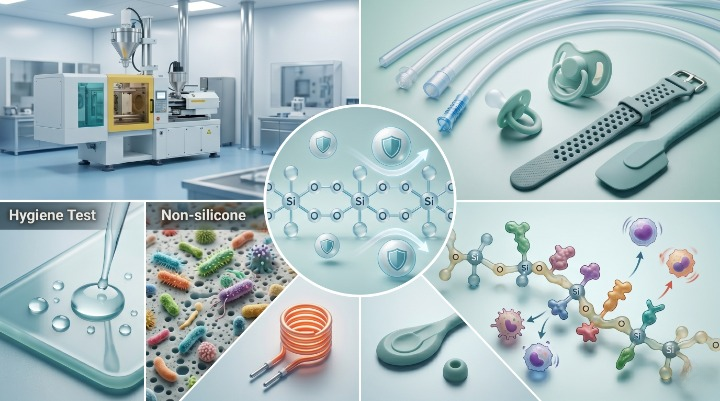
Yes, silicone is inherently hypoallergenic because it is a synthetic, chemically inert polymer that does not contain the organic proteins typically responsible for allergic reactions.
Finding a material that is truly safe for sensitive skin can feel like an endless search through misleading labels and chemical jargon. Many traditional materials used in consumer products contain hidden allergens like latex proteins or phthalates that trigger painful rashes and long-term dermatitis. This risk creates a massive barrier for industries where safety is non-negotiable, from infant care to surgical implants. The solution lies in high-purity silicone manufacturing, which provides a naturally biocompatible and rigorously tested material for your most sensitive applications. You can explore our expertise in silicone manufacturing to see how we prioritize safety in every part we produce.
What Does the Term Hypoallergenic Actually Mean?
Hypoallergenic signifies that a material is specifically formulated to minimize the likelihood of an allergic response by excluding known irritants. In the realm of silicone manufacturing, this means the polymer remains stable and non-reactive when it makes contact with human tissue or food. You can rely on these standards to ensure your products don’t cause adverse immune reactions in your end-users.
How does it differ from being irritation-free?
The difference lies in how your body reacts to the material versus physical factors. Allergic reactions are immune-driven responses to specific chemicals, while irritation often stems from friction or trapped moisture.
- Immune Response: Triggered by proteins or chemical additives.
- Physical Irritation: Caused by sweat, heat, or rough textures.
- Material Selection: Critical for distinguishing between a “bad reaction” and a “bad fit.”
But that’s not all. You must also consider that even the safest material can cause discomfort if it isn’t designed with ergonomics in mind.
Key Takeaway: Hypoallergenic status protects the immune system, but proper design is required to prevent physical skin irritation.
| Feature | Hypoallergenic | Irritation-Free |
|---|---|---|
| Primary Cause | Chemical/Protein sensitivity | Physical friction/Sweat |
| Bodily System | Immune system | Skin surface (epidermis) |
| Material Role | Essential purity | Surface texture/Design |
Understanding the distinction between an allergy and simple irritation helps you select the right grade for your specific product application.
Why Is Silicone Inherently Hypoallergenic?
Silicone is naturally hypoallergenic because its synthetic structure lacks the organic proteins found in materials like natural rubber latex. Modern silicone manufacturing ensures that the final product is inert and does not leach chemicals that could sensitize the skin. Since it doesn’t oxidize or react with skin oils, it remains safe for long-term wear.
Does silicone contain common allergens like latex?
No, silicone is entirely protein-free and does not share any chemical similarities with natural rubber. This makes it the ideal substitute for individuals who suffer from severe latex allergies.
- Protein-Free: No organic triggers present.
- Non-Reactive: Stable across massive temperature ranges.
- Chemical Stability: Does not break down into irritants over time.
You might be wondering: what about additives? High-quality manufacturing processes ensure that catalysts are fully cured so no residues remain.
Key Takeaway: Silicone’s synthetic nature provides a clean, protein-free alternative to organic rubbers for sensitive users.
| Property | Silicone | Natural Latex |
|---|---|---|
| Origin | Synthetic Polymer | Plant-based (Organic) |
| Allergy Risk | Extremely Low | High (Protein-based) |
| Leaching | None (if high purity) | Potential chemical runoff |
Silicone represents a chemically superior choice for safety-critical applications due to its predictable and non-reactive molecular structure.
How Does Silicone Prevent Bacterial Growth?
Silicone prevents bacterial growth through its non-porous surface, which offers no foothold for microbes to colonize. During silicone manufacturing, the material is processed to have a smooth finish that resists the accumulation of fungi, mold, and bacteria. This hygiene factor is a secondary defense against skin infections often mistaken for allergies.
Can fungi or mold thrive on silicone surfaces?
Fungi and mold struggle to survive on silicone because the material is hydrophobic and contains no organic fillers to serve as a food source. This means your products remain cleaner for longer periods between washes.
- Hydrophobic: Repels the moisture microbes need to grow.
- Inorganic: Contains no “food” for bacteria.
- Sterilization: Withstands boiling water or autoclaves for total disinfection.
It gets better: because it is so easy to sanitize, the risk of “contact dermatitis” from dirty surfaces is effectively eliminated.
Key Takeaway: A non-porous, inorganic surface makes silicone naturally resistant to the microbes that cause skin infections.
| Hygiene Factor | Benefit for Users |
|---|---|
| Non-Porous | No places for bacteria to hide |
| Hydrophobic | Dries quickly to prevent mold |
| Heat Resistance | Allows for high-temp sterilization |
Choosing a hygienic material ensures that the user experience remains safe and free from secondary skin complications.
Is Medical-Grade Silicone Safer for Skin Contact?
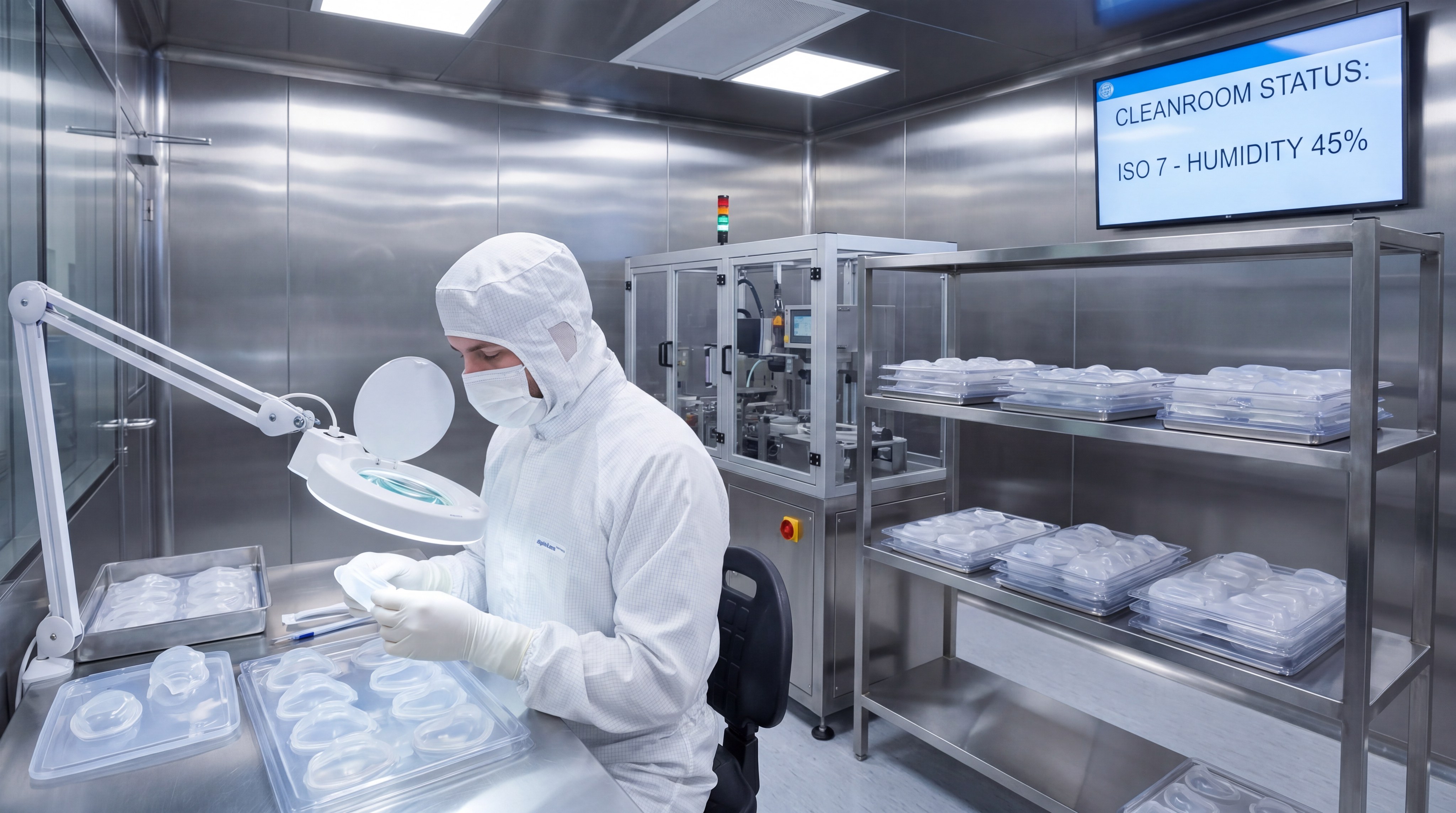
Yes, medical-grade silicone is the safest option because it undergoes extreme purification to meet rigorous biocompatibility standards. In our silicone manufacturing facility, we produce Medical-Grade Silicone Parts that meet USP Class VI requirements. This ensures the material is safe for both long-term skin contact and internal medical use.
What certifications ensure biocompatibility?
Biocompatibility is confirmed through standardized testing protocols that verify the material does not cause toxic or immune reactions. You can rest easy knowing that these materials have been vetted by global health authorities.
- USP Class VI: The gold standard for medical safety.
- ISO 10993: Global standards for biological evaluation.
- Low Extractables: Minimizes the risk of chemical migration.
Think of it this way: medical grade isn’t just a label; it is a documented guarantee of biological neutrality.
Key Takeaway: Medical-grade certification provides the highest level of assurance for products intended for direct body contact.
| Certification | Requirement | Industry Use |
|---|---|---|
| USP Class VI | Systemic toxicity testing | Medical/Surgical |
| ISO 10993 | Biocompatibility assessment | Implants/Skin contact |
| FDA/LFGB | Food safety standards | Kitchenware/Feeding |
Investing in certified medical-grade materials eliminates the guesswork regarding material safety and consumer protection.
Why is Silicone Best for Baby Care Products?
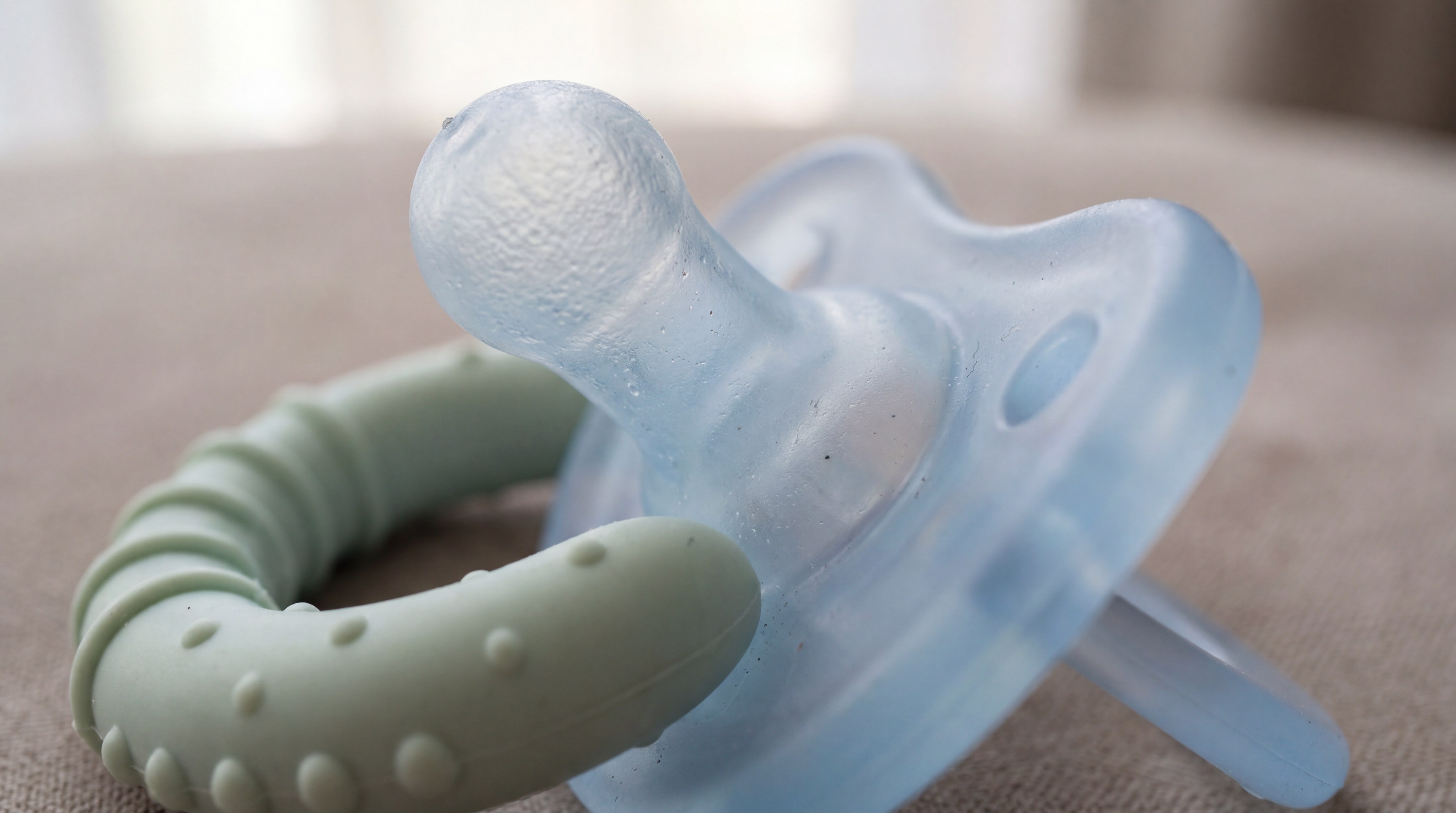
Silicone is the premier choice for infants because it is soft, tasteless, and completely free from endocrine disruptors like BPA. Expert silicone manufacturing allows for the creation of Baby Care items like pacifiers and teethers that won’t irritate a baby’s developing immune system. You can provide parents with peace of mind by offering materials that are as safe as they are durable.
Is food-grade silicone safe for teething?
Food-grade silicone is exceptionally safe for teething because it is odorless, tasteless, and resistant to degradation from saliva. It remains the top recommendation from pediatric experts worldwide.
- BPA-Free: Naturally lacks harmful plasticizers.
- Heat Stable: Can be boiled repeatedly for sanitization.
- Soft Texture: Gentle on sore, developing gums.
Here’s the kicker: unlike plastic, silicone won’t crack or develop sharp edges that could harm a child.
Key Takeaway: Silicone’s chemical purity and physical softness make it the safest material for the sensitive needs of infants.
| Material | Safety Level | Durability |
|---|---|---|
| Silicone | Very High | Excellent |
| Plastic | Moderate (Leaching risk) | Low (Can crack) |
| Latex | Low (Allergy risk) | Poor (Degrades) |
By choosing silicone for maternal and infant products, you are selecting a material that prioritizes the most vulnerable users.
Can Silicone Cause Skin Irritation from Friction?
While silicone itself won’t cause an allergy, its “grippy” surface can lead to physical irritation if a product is too tight or lacks breathability. Professional silicone manufacturing addresses this by customizing the surface texture or hardness to ensure it glides comfortably against the skin. You can prevent “rash” complaints by optimizing the finish for your specific wearable design.
How does surface finish affect skin comfort?
The finish of the silicone dictates how it interacts with sweat and movement on the skin surface. High-end wearables often utilize specific textures to reduce the surface area in contact with the body.
- Matte Coatings: Reduce the “stickiness” of the material.
- Vented Designs: Allow moisture and heat to escape.
- Hardness Control: Ensures a snug but comfortable fit.
Believe it or not, the way the silicone feels is just as engineered as its chemical safety profile.
Key Takeaway: Physical irritation is a design issue, not a material allergy, and can be solved with smart surface engineering.
| Surface Finish | Tactile Result | Best Use Case |
|---|---|---|
| Glossy | High grip / Suction | Gaskets / Seals |
| Matte | Smooth / Low friction | Watch bands / Straps |
| Textured | Breathable / Durable | Industrial grips |
Mastering the surface finish of your silicone parts ensures that your users stay comfortable during extended periods of wear.
How Does Liquid Silicone Rubber Enhance Safety?
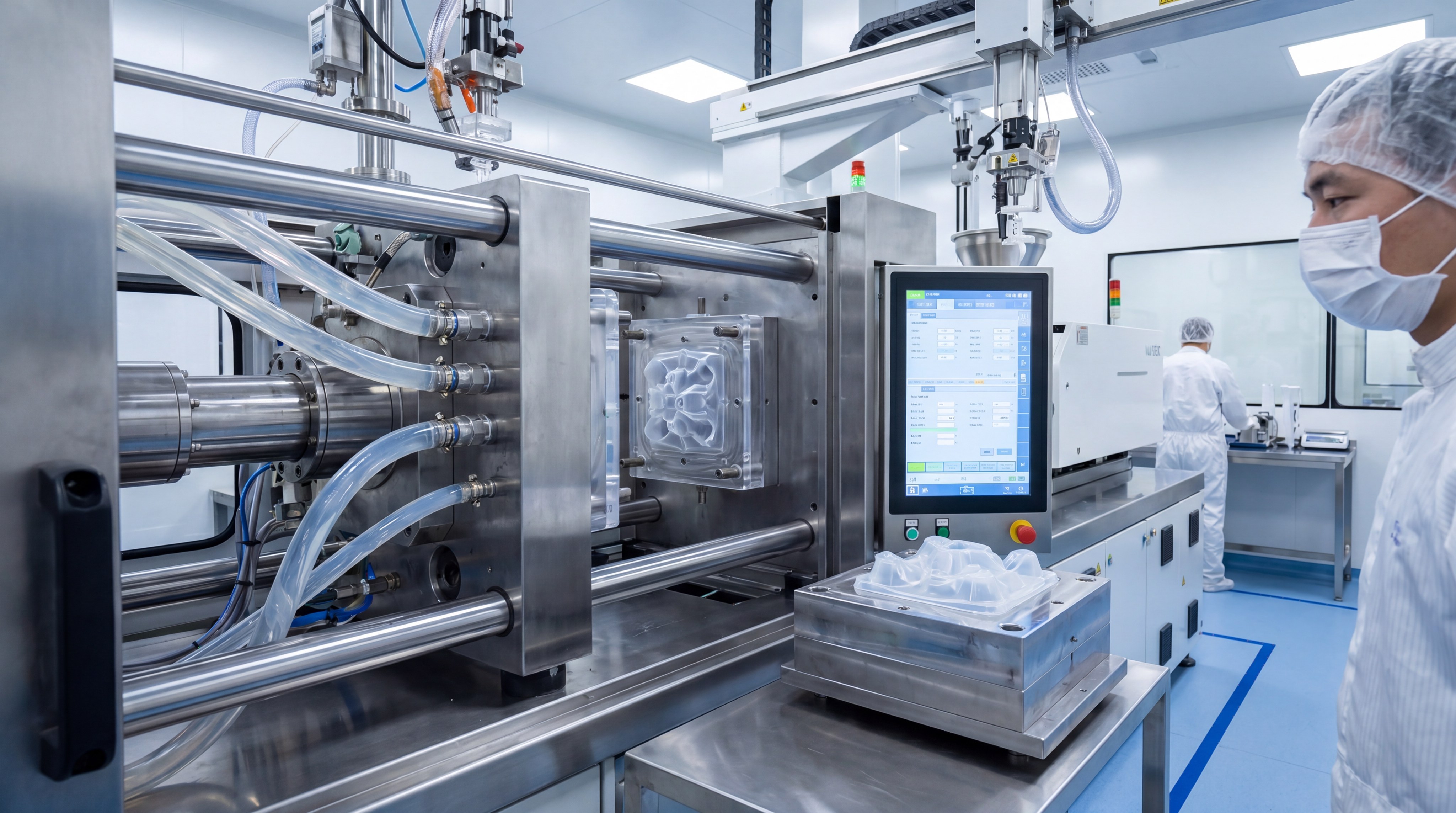
Liquid Silicone Rubber (LSR) enhances safety by utilizing a closed injection system that eliminates the risk of environmental contamination. Through advanced silicone manufacturing, LSR silicone manufacturing allows for high-precision parts with extreme consistency. This process ensures that every single part maintains the same hypoallergenic purity from the first shot to the millionth.
Why is LSR preferred for high-precision parts?
LSR is preferred because the liquid-to-solid transition happens within a sealed mold, preventing dust or pollutants from entering the material. You get a cleaner product with tighter tolerances than traditional compression molding.
- Closed System: Minimizes exposure to pollutants.
- Precision: Achieves complex geometries without flash.
- Consistency: Identical chemical properties across batches.
The result is a product that is as pure as the raw materials it started from.
Key Takeaway: LSR technology offers the highest level of material purity and manufacturing precision for hypoallergenic applications.
| Process | Purity Level | Precision |
|---|---|---|
| LSR Molding | Highest (Closed system) | Excellent |
| Compression | Moderate (Open air) | Good |
| Overmolding | High (Multi-material) | Excellent |
Utilizing LSR allows you to scale production for sensitive products without compromising on biological safety or dimensional accuracy.
What Industries Rely on Hypoallergenic Silicone?
Healthcare, electronics, and food sectors all rely on the hypoallergenic properties of silicone to protect their customers. Innovative silicone manufacturing allows these industries to create durable, skin-friendly components that last for years. You will find silicone in everything from high-end earbuds to aerospace seals because of its unparalleled reliability.
How is it used in wearables and electronics?
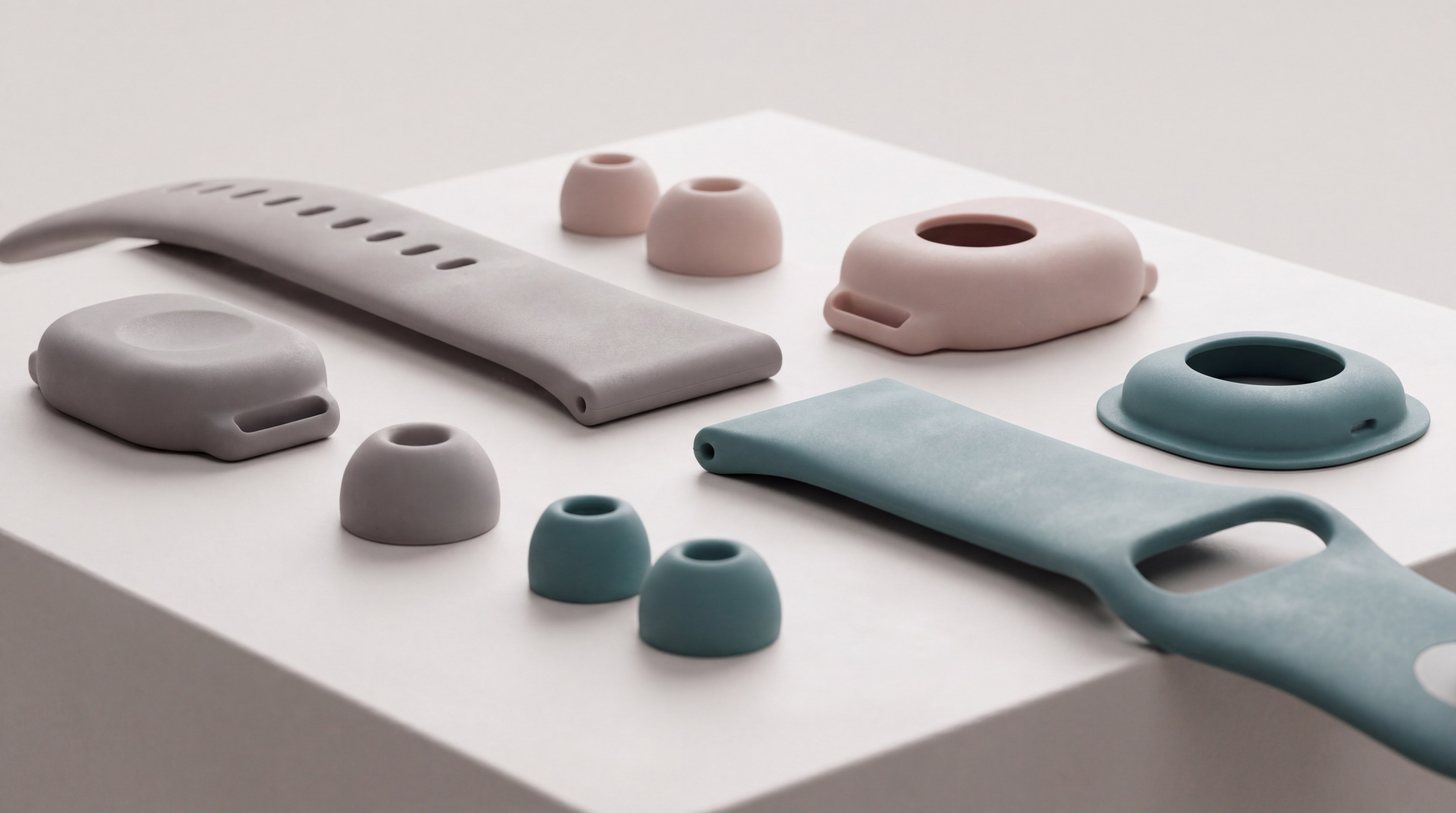
In the electronics sector, silicone is used for components that remain in constant contact with the skin, such as audio ear tips and smartwatch bands. You need a material that won’t cause reactions even after 24/7 exposure.
- Wearables: Straps that must be rash-free.
- Acoustics: Ear tips sitting in sensitive ear canals.
- Consumer Tech: High-touch surfaces that stay clean.
This is why your favorite smartwatch likely uses a silicone band—it’s the most skin-friendly option currently available on the market.
Key Takeaway: Multi-industry reliance on silicone proves its status as the “go-to” material for human-interface applications.
| Industry | Primary Use Case | Critical Requirement |
|---|---|---|
| Medical | Surgical tubing / Implants | Biocompatibility |
| Consumer Tech | Watch bands / Earbuds | Skin comfort |
| Kitchenware | Spatulas / Molds | Food safety |
By adopting silicone across diverse sectors, you leverage a proven material with a long track record of safety and durability.
Are There Different Hardness Levels for Comfort?
Silicone is highly customizable, with hardness levels ranging from gel-soft to plastic-rigid. Within our custom silicone manufacturing processes, we adjust the “Shore A” durometer to ensure parts provide support without creating painful pressure points. You can select the perfect softness for your application while maintaining full hypoallergenic benefits.
Can custom softness reduce pressure points?
Customizing the hardness of your silicone allows you to balance structural integrity with user comfort. This is essential for products like medical masks or prosthetic cushions that sit against the body.
- Soft (10A-30A): Ideal for delicate skin cushioning.
- Medium (40A-60A): Standard for wearables and tools.
- Hard (70A+): For structural parts that need some flex.
Here’s the kicker: you can maintain the same hypoallergenic purity regardless of how hard or soft the final part is.
Key Takeaway: Durometer customization allows you to engineer “physical comfort” without losing the material’s chemical safety.
| Durometer | Feel | Common Application |
|---|---|---|
| Shore 20A | Very Soft | Earplugs / Gels |
| Shore 50A | Rubbery | Pacifiers / Straps |
| Shore 80A | Firm | Gaskets / Cases |
Choosing the right hardness ensures that your product is not only safe for the immune system but also comfortable for daily physical use.
How Should You Clean Hypoallergenic Silicone?
Maintaining the hypoallergenic benefits of your products requires regular cleaning to remove external oils and debris. Because of the robust nature of silicone manufacturing, these items can typically withstand high heat and harsh soaps without degrading. You must educate your users on proper maintenance to keep the material surface as pure as the day it was molded.
Does heat sterilization affect its properties?
No, high-quality silicone is exceptionally heat-resistant and can be boiled or placed in a dishwasher without losing its shape or safety properties. This makes it much easier to keep hygienic compared to plastics.
- Dishwasher Safe: Withstands typical cleaning cycles.
- Soap and Water: Simple rinsing removes most oils.
- Chemical Resistance: Safe for use with disinfectants.
Just remember: while the silicone is hypoallergenic, the debris that builds up on a dirty surface might not be!
Key Takeaway: Silicone’s durability under heat and chemical cleaning makes it the most maintainable hypoallergenic material on the market.
| Cleaning Method | Effectiveness | Best For |
|---|---|---|
| Boiling | Sterilizing | Baby products |
| Dishwasher | Deep cleaning | Kitchenware |
| Wiping | Daily maintenance | Wearables |
Proper maintenance routines ensure that your silicone products remain safe and comfortable for their entire functional lifespan.
*
Frequently Asked Questions
- Can I still have a reaction to silicone?
Extremely rarely, a person may react to specific chemical catalysts used in low-grade silicone, but pure medical or food-grade silicone is almost never an allergen. - Is silicone safer for the environment than plastic?
Yes, silicone is derived from silica (sand) and is far more durable than plastic, meaning it doesn’t break down into harmful microplastics. - Does silicone contain BPA or Phthalates?
No, high-quality silicone is naturally free of BPA, Phthalates, and other common plasticizers that are known to be endocrine disruptors. - Why does my silicone watch band sometimes cause a rash?
It is usually “irritant contact dermatitis” caused by trapped sweat and bacteria against the skin, rather than an actual allergy to the silicone material. - What’s the best way to verify if a silicone product is high quality?
Check for a smooth, odorless surface and ensure the manufacturer has certifications such as FDA, LFGB, or ISO 13485 compliance.
*
Conclusion
Silicone has established itself as the premier hypoallergenic material for the modern world. Its unique chemical structure is naturally resistant to allergens, prevents bacterial growth, and withstands the most demanding sterilization processes. Whether you are developing life-saving medical devices, comforting baby products, or the next generation of wearable technology, choosing high-purity silicone is the most effective way to ensure user safety and comfort.
At HuaLin Silicone, we solve the complex material challenges that modern B2B buyers face every day. Our mission is to bridge the gap between design and high-volume reality through precision engineering and ISO-certified production. We are committed to a vision where every product is safe, durable, and manufactured to the highest global standards. If you are ready to bring your hypoallergenic product vision to life with a partner you can trust, please contact us today for a professional DFM review and custom quote.