
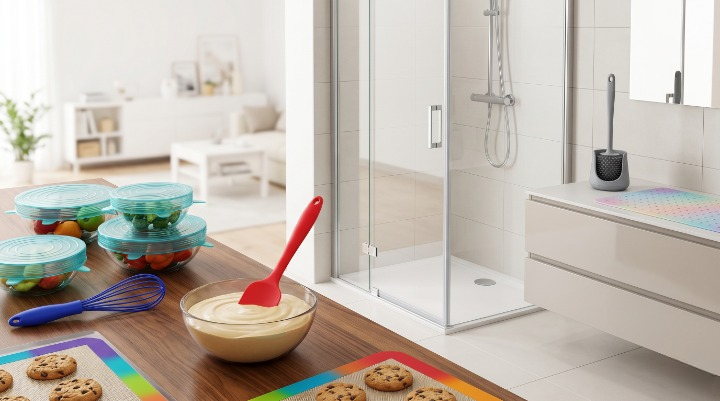
Silicone kitchen and bathroom products are household essentials made from food-grade or industrial-grade silicone materials designed to withstand heat, moisture, and heavy daily use.
In modern homes, traditional plastic and wooden tools often fail to meet the rigorous demands of durability and hygiene. Plastic spatulas melt against hot pans, while porous bathroom seals quickly harbor unsightly and dangerous mold in damp environments. These failures agitate your daily routine and increase long-term costs through constant replacements. Silicone Kitchen and Bathroom Products solve these issues by providing a non-toxic, temperature-stable, and antimicrobial alternative that transforms your home maintenance.
Why are silicone products so popular today?
The popularity of silicone stems from its unique combination of extreme temperature resistance, chemical stability, and eco-friendly durability. Silicone Kitchen and Bathroom Products are increasingly favored because they offer a safer, BPA-free alternative to traditional plastics.
Is silicone better than plastic?
Silicone is vastly superior to plastic in both safety and longevity for household applications. It does not leach chemicals into food and maintains its flexibility without cracking over years of use.
- BPA-free and non-toxic
- Handles extreme temperatures
- Will not crack or warp
- Odor and stain resistant
Believe it or not:
Silicone’s inorganic backbone makes it naturally resistant to the bacterial growth that ruins porous plastic or wood.
Summary Table: Popularity Drivers
| Feature | Silicone Benefit | Impact on User |
|---|---|---|
| Temperature Range | -40°C to 230°C | Oven, freezer, and dishwasher safe |
| Material Porosity | Non-porous surface | Resists bacteria and odors |
| Flexibility | High elasticity | Foldable, space-saving designs |
The table above illustrates how silicone’s physical properties directly translate into practical benefits for the modern homeowner.
Key Takeaway: Silicone’s rise in popularity is due to its superior durability and safety profile compared to conventional household materials.
Which silicone kitchen tools are essential?
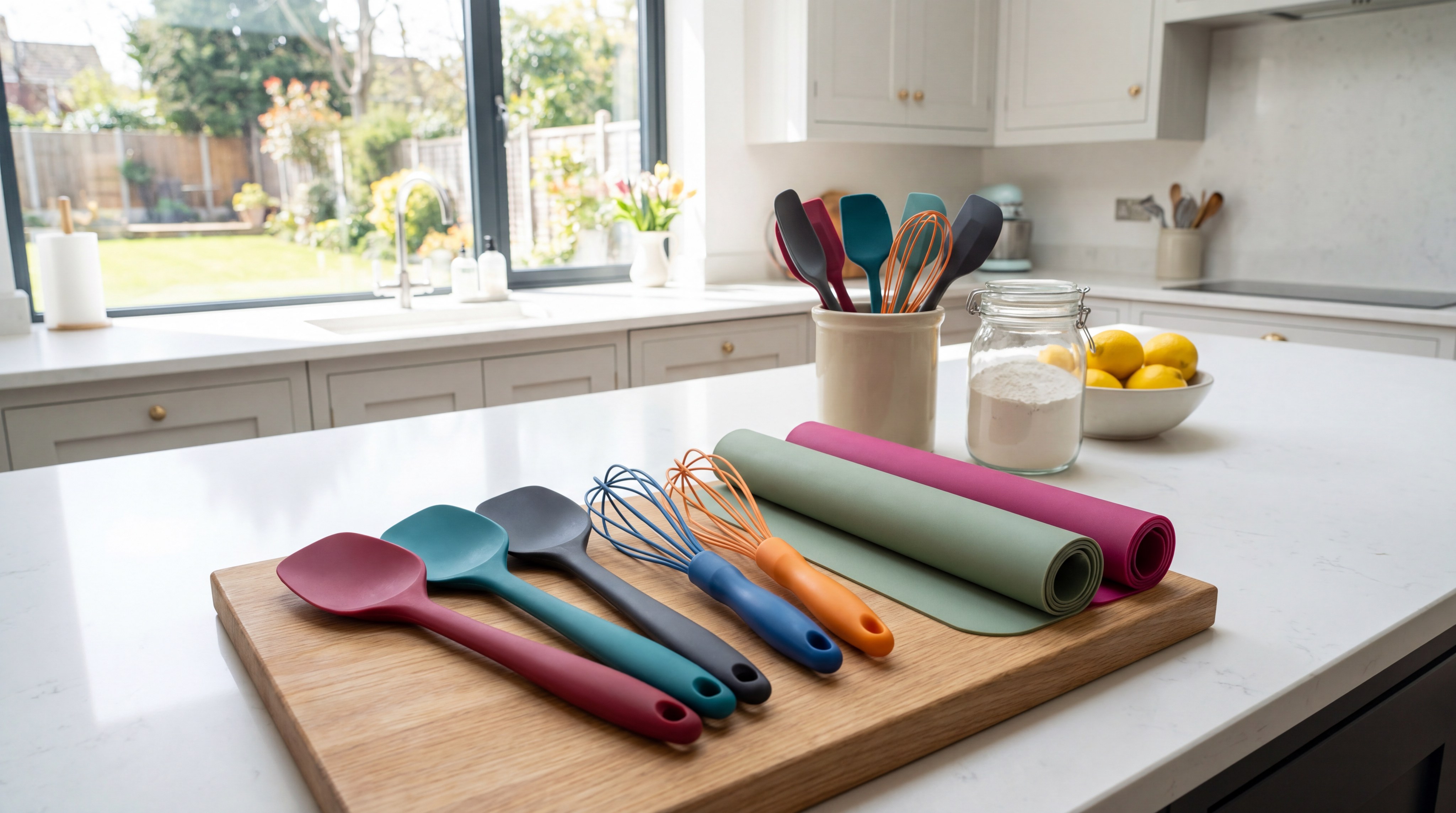
Essential kitchen tools include heat-resistant spatulas, flexible baking mats, and airtight stretch lids that streamline food preparation. Using high-quality Silicone Kitchen and Bathroom Products ensures that your cookware remains scratch-free while withstanding direct heat during intense frying or baking.
Why use silicone spatulas?
Silicone spatulas are indispensable because they combine a soft touch that protects non-stick pans with the strength to scrape every bit of batter. They are easy to clean and can handle high-heat stirring without melting or deforming.
- High heat resistance
- Safe for all cookware
- Seamless, easy-clean designs
- Ergonomic, non-slip handles
But here’s the best part:
The flexibility of these tools allows you to reach tight corners that rigid plastic or metal utensils simply cannot access.
Are silicone baking mats useful?
Baking mats eliminate the need for disposable parchment paper or greasing pans, making them a cornerstone of modern baking. These mats provide a consistent non-stick surface that ensures perfectly even heat distribution for cookies and pastries.
- Eco-friendly and reusable
- Perfectly non-stick surface
- Even heat distribution
- Easy to wash and store
Think about this:
One silicone mat can replace thousands of sheets of parchment paper over its multi-year lifespan.
Summary Table: Essential Kitchen Items
| Category | Product Examples | Primary Advantage |
|---|---|---|
| Prep Tools | Spatulas, Whisks | Scratch-free cooking |
| Bakeware | Muffin Tins, Mats | Effortless food release |
| Storage | Stretch Lids, Bags | Airtight, eco-friendly sealing |
This comparison demonstrates how specific silicone tools address common kitchen pain points like sticking and waste.
Key Takeaway: Essential silicone kitchenware focuses on heat resistance and non-stick performance to improve both efficiency and sustainability.
How does silicone improve bathroom hygiene?
Silicone improves bathroom hygiene by resisting mold growth and providing airtight, waterproof seals in moisture-rich environments. Silicone Kitchen and Bathroom Products are engineered to stay flexible and clear even when exposed to soap scum and constant humidity.
Why use silicone shower seals?
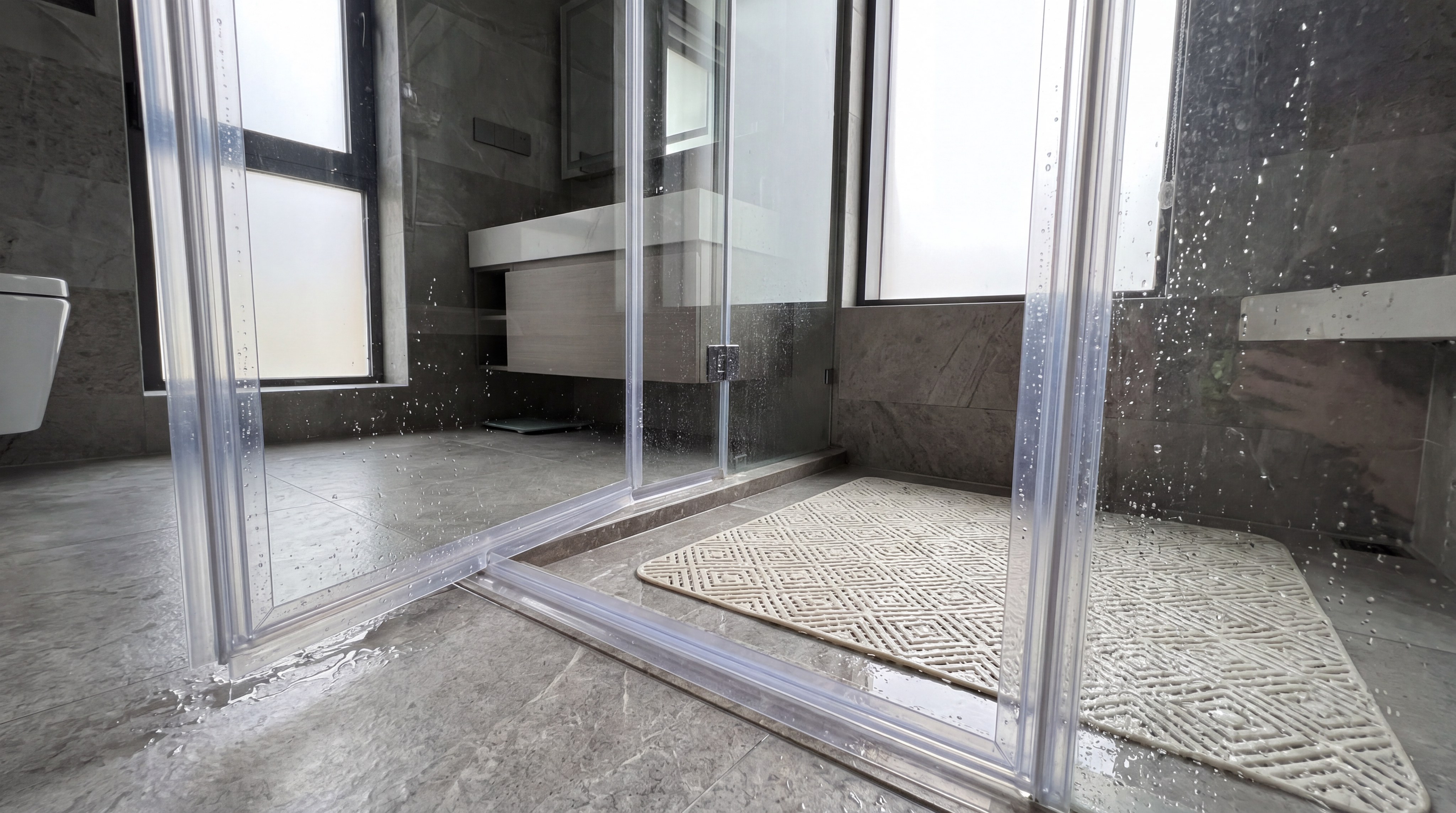
Shower seals are critical for preventing water leakage that leads to subfloor rot and mold accumulation behind walls. Because silicone is inorganic, it does not provide a food source for fungus, keeping your bathroom cleaner for longer.
- Prevents water damage
- Resists black mold growth
- Simple snap-on installation
- Stays clear and flexible
Look at it this way:
A simple silicone strip is the only thing standing between your dry floor and a very expensive plumbing repair.
Are silicone toilet brushes better?
Silicone toilet brushes are more hygienic than traditional fiber brushes because the non-porous bristles do not trap waste or bacteria. They dry significantly faster, which prevents the unpleasant odors associated with damp, dirty bristles in a holder.
- Anti-bacterial material
- Fast-drying bristles
- Scratch-free cleaning
- Long-lasting durability
The truth is:
Traditional fiber brushes start harboring colonies of bacteria the moment they are used, whereas silicone stays sanitary.
Summary Table: Bathroom Efficiency
| Item | Traditional Issue | Silicone Solution |
|---|---|---|
| Door Seal | Discolors and cracks | Remains clear and flexible |
| Toilet Brush | Traps bacteria/waste | Easy-clean, quick-dry bristles |
| Floor Mat | Grows mold underneath | Antimicrobial and easy to wash |
The table highlights how switching to silicone eliminates the most common hygiene risks found in the modern washroom.
Key Takeaway: Silicone’s antimicrobial properties and moisture resistance make it the ideal material for maintaining a sterile bathroom environment.
Is food-grade silicone safe for cooking?
Food-grade silicone is considered exceptionally safe as it is chemically inert and does not leach toxic chemicals into meals even at high temperatures. High-quality Silicone Kitchen and Bathroom Products must meet strict FDA or LFGB standards to ensure they are free from BPA, phthalates, and fillers.
What are safety certifications?
Certifications like FDA (USA) and LFGB (Germany) prove that the silicone has been tested for safety in contact with food. LFGB is often considered a higher standard as it involves more rigorous testing for leaching and volatile organic compounds.
- FDA for basic safety
- LFGB for premium purity
- BPA-free verification
- RoHS/REACH compliance
It’s worth noting:
Always look for the “fork and glass” symbol on your products to guarantee they meet international food safety requirements.
Summary Table: Safety Certifications
| Certification | Region | Standard Detail |
|---|---|---|
| FDA | USA | Basic food-safe testing |
| LFGB | Germany/EU | Stricter testing for leaching |
| BPA-Free | Global | Absence of Bisphenol A |
This data confirms that choosing certified products is the only way to ensure 100% safety during high-heat cooking.
Key Takeaway: Certified food-grade silicone provides a stable, non-leaching surface that is safer for your family than plastic or low-quality rubber.
Why is LSR molding used for these products?
LSR molding is used because it allows for the high-precision, automated production of complex and durable household designs. Silicone Kitchen and Bathroom Products manufactured this way feature superior finish quality and tighter tolerances compared to traditional compression molding.
What is the LSR process?
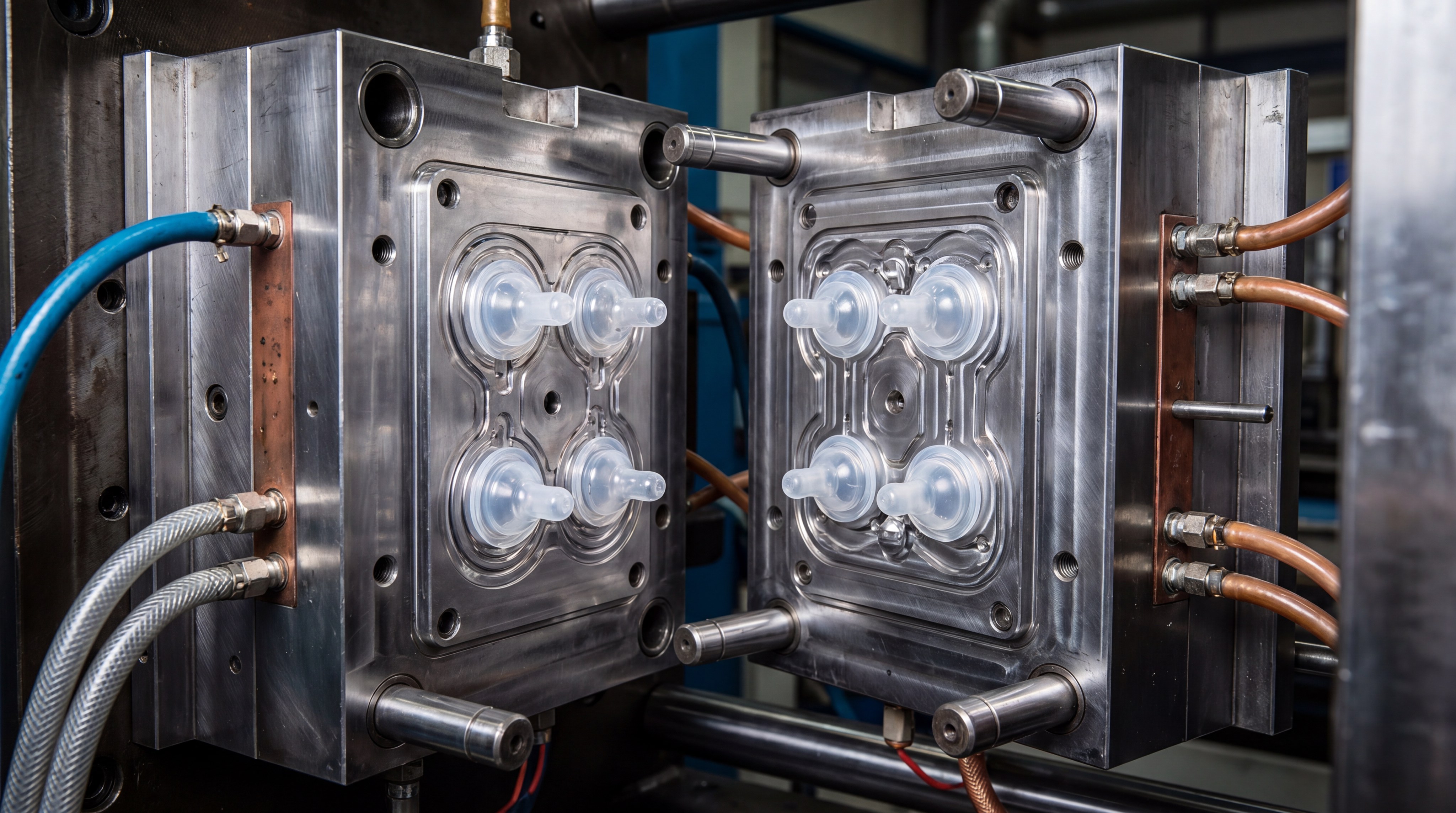
Liquid Silicone Rubber (LSR) injection molding involves mixing two components and injecting them into a heated mold to cure. This automated process is incredibly fast and produces parts with zero flash and high structural integrity.
- Automated high-volume output
- Extreme part precision
- Cleanroom production capable
- Consistent material quality
Here is the kicker:
LSR allows for “overmolding,” where silicone is bonded directly to plastic or metal handles for a seamless, ergonomic grip.
Summary Table: LSR vs. Compression Molding
| Feature | LSR Injection Molding | Compression Molding |
|---|---|---|
| Precision | Extremely High | Moderate |
| Production Speed | Fast (Automated) | Slower (Manual) |
| Complexity | Ideal for intricate parts | Best for simple shapes |
This table shows why LSR is the preferred manufacturing route for high-end consumer products requiring perfect consistency.
Key Takeaway: LSR injection molding is the gold standard for creating intricate, high-quality silicone products with unmatched durability.
Can silicone products be customized for brands?
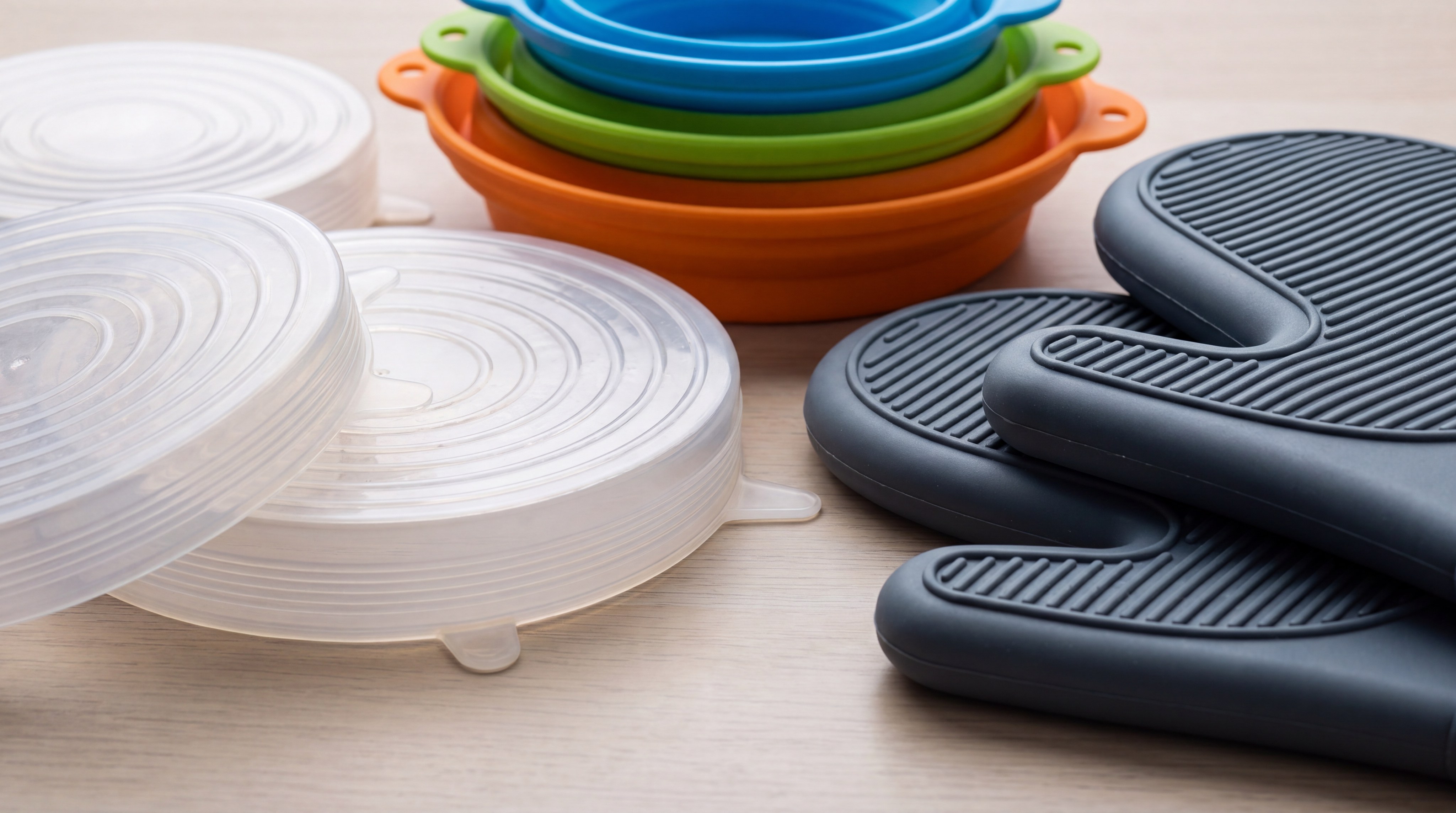
Brands can fully customize these products through OEM/ODM services, including specific colors, logos, and textures to match their identity. Custom Silicone Kitchen and Bathroom Products allow retailers to offer unique solutions that stand out in a competitive marketplace.
How is branding applied?
Logos can be permanently embossed, debossed, or laser-marked into the silicone during or after the molding process. This ensures that the brand remains visible even after years of use and cleaning.
- Embossed/Debossed molding
- Laser engraving
- Pad printing
- Custom Pantone colors
You might be surprised:
Modern multi-shot molding even allows for two different colors of silicone to be used in the same single part.
What are design options?
Design customization extends to the tactile feel of the product, with options for matte, glossy, or soft-touch finishes. Engineers can also adjust the “Shore A” hardness to make a product as soft as a nipple or as rigid as a spatula.
- Custom surface textures
- Variable hardness levels
- Ergonomic grip patterns
- Multi-functional shapes
Make no mistake:
A customized ergonomic design can be the primary reason a customer chooses your product over a generic competitor.
Summary Table: Customization Options
| Option | Method | Result |
|---|---|---|
| Color Matching | Pantone / RAL | Brand-specific aesthetics |
| Logo Branding | Laser / Embossing | Permanent brand visibility |
| Surface Finish | Matte / Soft-touch | Premium tactile feel |
The table details the diverse ways manufacturers can tailor silicone items to meet specific brand requirements.
Key Takeaway: Extensive customization options make silicone an ideal material for brands looking to create signature household product lines.
How do these products support sustainability?
These products support sustainability by replacing single-use plastics and disposables with long-lasting, reusable alternatives. Silicone Kitchen and Bathroom Products significantly reduce a household’s environmental footprint by eliminating the need for items like plastic wrap or paper liners.
Can silicone reduce waste?
By switching to silicone stretch lids and reusable food bags, you can prevent hundreds of pounds of plastic waste from entering landfills each year. Silicone is exceptionally durable, meaning one product can do the job of thousands of disposables.
- Replaces plastic wrap
- Replaces parchment paper
- Eliminates disposable bags
- Long-life durability
The reality is:
While silicone isn’t biodegradable, its longevity makes it a far more sustainable choice than the “buy-and-toss” plastic cycle.
Summary Table: Sustainability Impact
| Disposable Item | Silicone Replacement | Lifetime Benefit |
|---|---|---|
| Plastic Wrap | Silicone Stretch Lids | Reusable for years |
| Paper Cupcake Liners | Silicone Muffin Molds | Zero waste generated |
| Plastic Water Bottles | Silicone Collapsible Bottles | Reduced landfill waste |
This data highlights how small changes in household materials can lead to massive reductions in environmental waste.
Key Takeaway: Investing in silicone products is a proactive step toward a zero-waste lifestyle due to the material’s extreme longevity.
What are the best silicone safety features?
Key safety features include thermal insulation, non-slip textures, and hypoallergenic material properties that protect users during daily tasks. High-quality Silicone Kitchen and Bathroom Products provide a level of physical protection that cloth or rigid plastic simply cannot match.
Is heat protection reliable?
Silicone oven mitts and trivets offer superior heat protection because the material does not transfer heat as quickly as fabric. They are also waterproof, protecting your hands from steam burns and boiling water spills that would soak through cloth mitts.
- Steam-proof barrier
- Heat resistant to 446°F
- Excellent thermal grip
- Flexible finger movement
Think about this:
Silicone’s non-slip texture ensures you have a firm grip on heavy, hot pots, preventing dangerous kitchen spills.
Summary Table: Safety Features
| Safety Feature | Benefit | Typical Application |
|---|---|---|
| Non-Slip Grip | Prevents accidents | Tongs, handles, floor mats |
| Thermal Barrier | Blocks high heat | Oven mitts, trivets |
| Soft Edges | Prevents cuts/scrapes | Baby spoons, spatulas |
The table summarizes the physical safety advantages that make silicone a trusted material in both the kitchen and bathroom.
Key Takeaway: Silicone’s natural physical properties, such as grip and thermal insulation, provide enhanced safety for every family member.
How to distinguish different silicone grades?
Distinguishing grades requires checking for specific safety certifications and performing physical tests to identify the presence of chemical fillers. Silicone Kitchen and Bathroom Products should always be verified to ensure they match the intended application, especially for food contact.
What is the pinch test?
The “pinch test” is a simple way to check for purity: pinch and twist a flat surface of the silicone. If the material turns white at the stress point, it likely contains cheap chemical fillers rather than being 100% pure silicone.
- Pure silicone stays colored
- Filler silicone turns white
- Pure silicone is odorless
- Filler silicone smells like chemicals
The bottom line:
Buying 100% pure silicone ensures that no hidden fillers will degrade or leach chemicals when exposed to high heat.
Summary Table: Grade Comparisons
| Grade | Primary Use | Critical Requirement |
|---|---|---|
| Food-Grade | Utensils, Bakeware | Non-leaching, odor-free |
| Industrial-Grade | Seals, Gaskets | High tensile strength |
| Medical-Grade | Wearables, Baby Care | Biocompatibility |
This grade comparison serves as a guide for selecting the right material for safety-critical home applications.
Key Takeaway: Always verify silicone purity through certifications and physical testing to ensure the highest safety for your household.
Where can you source quality silicone parts?
Quality parts can be sourced from certified manufacturers who specialize in high-precision liquid silicone rubber molding and offer comprehensive engineering support. When selecting a partner for Silicone Kitchen and Bathroom Products, prioritize those with in-house mold making and ISO certifications.
How to vet a manufacturer?
A reliable manufacturer should provide DFM (Design for Manufacturing) suggestions to optimize your product for mass production. They must have established quality control systems (IQC, IPQC, FQC) to ensure consistency from the first unit to the last.
- ISO 9001 Certification
- In-house mold design
- FDA/LFGB material compliance
- Automated LSR capabilities
Don’t overlook this:
A manufacturer that offers one-stop service from design to assembly will save you time and prevent quality drift between vendors.
Summary Table: Manufacturer Vetting Checklist
| Checklist Item | Importance | What to Look For |
|---|---|---|
| Certifications | High | ISO 9001, FDA, REACH |
| Tooling | High | In-house mold making |
| Capacity | Medium | Scalability for mass production |
The checklist above provides a clear framework for identifying a manufacturing partner that can deliver professional-grade results.
Key Takeaway: Partnering with an expert LSR manufacturer is the most effective way to ensure your silicone products meet all global quality and safety standards.
*
Conclusion
Silicone kitchen and bathroom products are much more than just modern accessories; they are essential, high-performance solutions for the modern home. By replacing failing plastics and mold-prone rubber with durable, heat-resistant, and non-toxic silicone, you ensure a safer and more sustainable living environment. Whether you are looking for hygienic shower seals or flexible, non-stick bakeware, the versatility of liquid silicone rubber meets every household challenge.
At HuaLin Silicone, we specialize in helping brands and retailers develop custom, high-quality silicone solutions that solve everyday problems. From precision engineering to stable mass production, our team is dedicated to providing durable products that exceed international safety standards. If you are ready to elevate your product line with professional-grade silicone manufacturing, contact us today for expert guidance and a comprehensive quote.
FAQ: Common Questions About Silicone Home Products
Can I put silicone kitchen products in the dishwasher?
Yes, because silicone is highly resistant to the heat and chemicals found in dishwashers, making it exceptionally easy to sanitize.
What’s the best way to clean silicone bathroom seals?
Simply use mild soap and water, since the non-porous surface of silicone prevents stains and mold from penetrating the material.
Can I use silicone molds in a very hot oven?
Yes, provided they are rated for the temperature; most food-grade silicone safely handles heat up to 230°C (446°F).
Can I recycle silicone products when they wear out?
No, since silicone is not accepted in standard curbside bins, though specialized facilities can recycle it into industrial oils.
Can I use silicone spatulas on cast iron?
Yes, because they are durable enough for heavy scraping yet flexible enough to conform to the pan’s surface.