
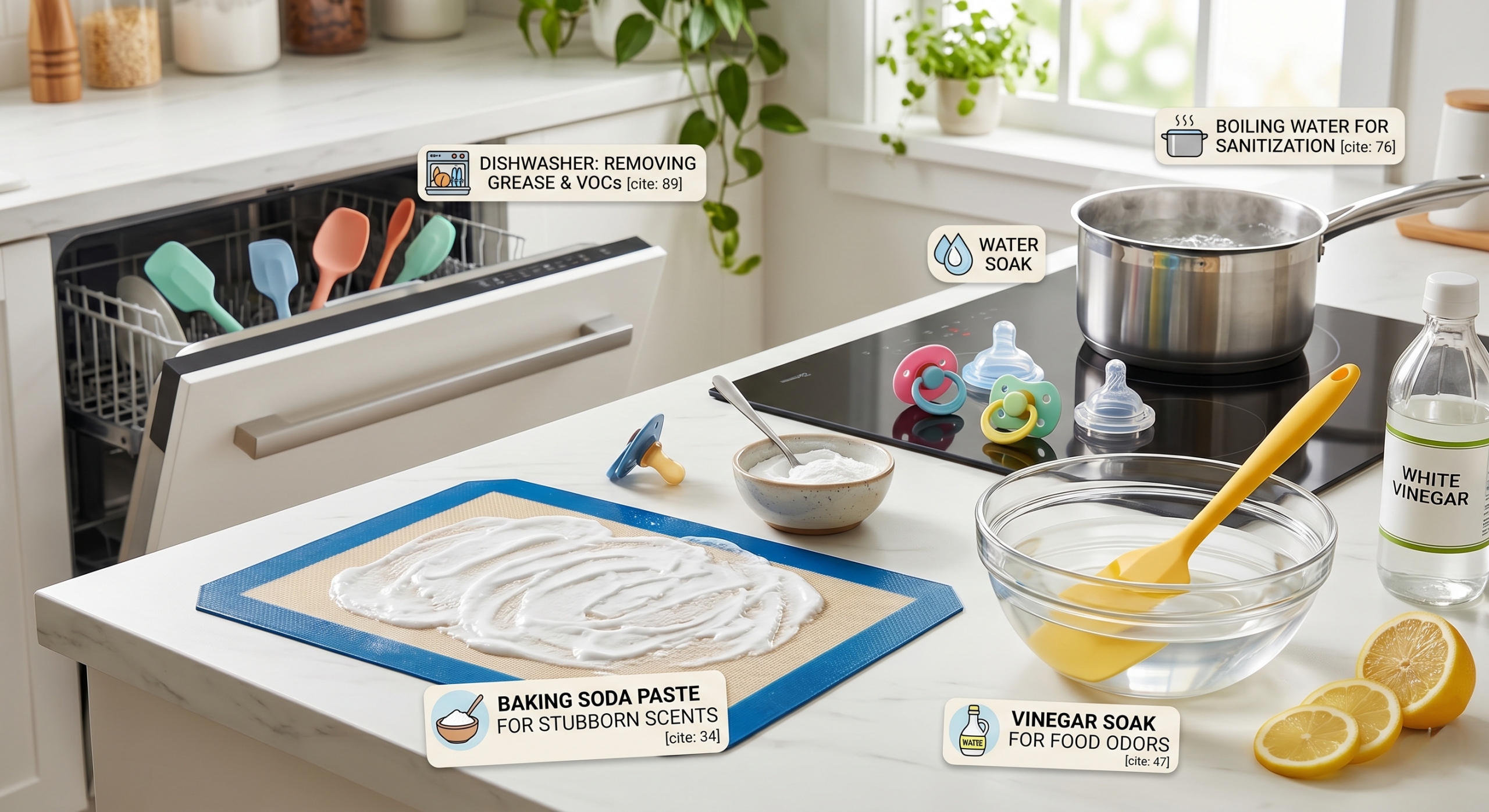
To get the smell out of silicone, you can use domestic cleaning agents like baking soda and vinegar, or utilize professional heat treatments to bake off volatile compounds. You purchase a high-quality kitchen tool or custom industrial part, only to be greeted by a persistent, rubbery chemical odor. Ignoring this scent is problematic because silicone products, especially those involving Silicone Overmolding, can transfer these unpleasant odors to food or sensitive skin. Fortunately, removing these scents is manageable through household science or by partnering with manufacturers who prioritize proper post-curing techniques.
Why does your silicone product smell like chemicals?
Chemical smells in new products are typically caused by volatile organic compounds (VOCs) and residual catalysts left over from the manufacturing stage. These byproducts occur during the curing process, particularly when Silicone Overmolding is performed using lower-grade materials or insufficient heat cycles.
What causes new silicone to smell?
Think about it: the “new car smell” of silicone is actually the result of chemical off-gassing. During production, molecules like siloxanes can remain trapped within the polymer matrix if the cooling process happens too quickly.
- Residual Catalysts: Peroxide-based curing often leaves behind benzoic acid residues.
- Volatile Organic Compounds: These are small molecules that evaporate at room temperature.
- Environmental Trapping: Silicone’s porous nature can absorb smells from the factory floor.
Is the odor from silicone safe for food use?
Here is the deal: while the smell is off-putting, it does not always indicate a health hazard. Most high-quality medical grade silicone parts are tested for biocompatibility to ensure no harmful substances migrate to the user.
| Factor | Description | Impact on Odor |
|---|---|---|
| VOCs | Volatile Organic Compounds | High initial scent |
| Porosity | Microscopic surface structure | Traps environmental smells |
| Material Grade | Food vs. Industrial grade | High grade has less odor |
The presence of VOCs is the primary driver of that “new product” scent, but material grade determines how long it lingers.
Key Takeaway: Understanding that silicone odor is often a result of the manufacturing post-cure state helps in choosing the right neutralization method for your specific product type.
Can a simple soapy water soak remove odors?
Yes, a prolonged soak in warm, grease-cutting soapy water can effectively break down surface oils and mild odors trapped on the material. This is the gentlest method for items produced via Silicone Overmolding that might have sensitive plastic substrates.
Which soap works best for deep cleaning?
The best part? You do not need industrial chemicals; a standard high-quality dish soap designed to cut through grease is perfect. These soaps are formulated to break the surface tension of oils that often harbor pungent scent molecules.
- Fill a basin with the warmest water the product can safely handle.
- Add a generous amount of concentrated degreasing soap.
- Let the item submerge fully to allow the solution to penetrate the surface.
How long should you soak silicone items?
In short: patience is the most important ingredient in this cleaning recipe. A quick rinse will only clean the surface, whereas a 2-to-4-hour soak allows the surfactants to reach deeper into the silicone texture.
| Method | Duration | Best Used For |
|---|---|---|
| Warm Soap Soak | 2–4 Hours | Light, everyday odors |
| Manual Scrubbing | 5–10 Minutes | Removing surface residues |
The soap soak provides a non-invasive way to clean complex geometries without risking structural damage.
Key Takeaway: For light surface odors, a prolonged soak in high-quality grease-cutting soap is the safest and most accessible first-line defense for any user.
How does baking soda neutralize stubborn scents?
Baking soda acts as a powerful pH neutralizer that draws acidic odor molecules out of the Silicone Overmolding matrix without damaging the material. This method is a staple in B2B environments where maintaining material integrity is as important as cleanliness.
How do you make an effective cleaning paste?
Wait, there is more: baking soda is not just for odors; its mild abrasive nature helps remove physical residues too. To make the paste, mix three parts sodium bicarbonate with one part water until it reaches a spreadable consistency.
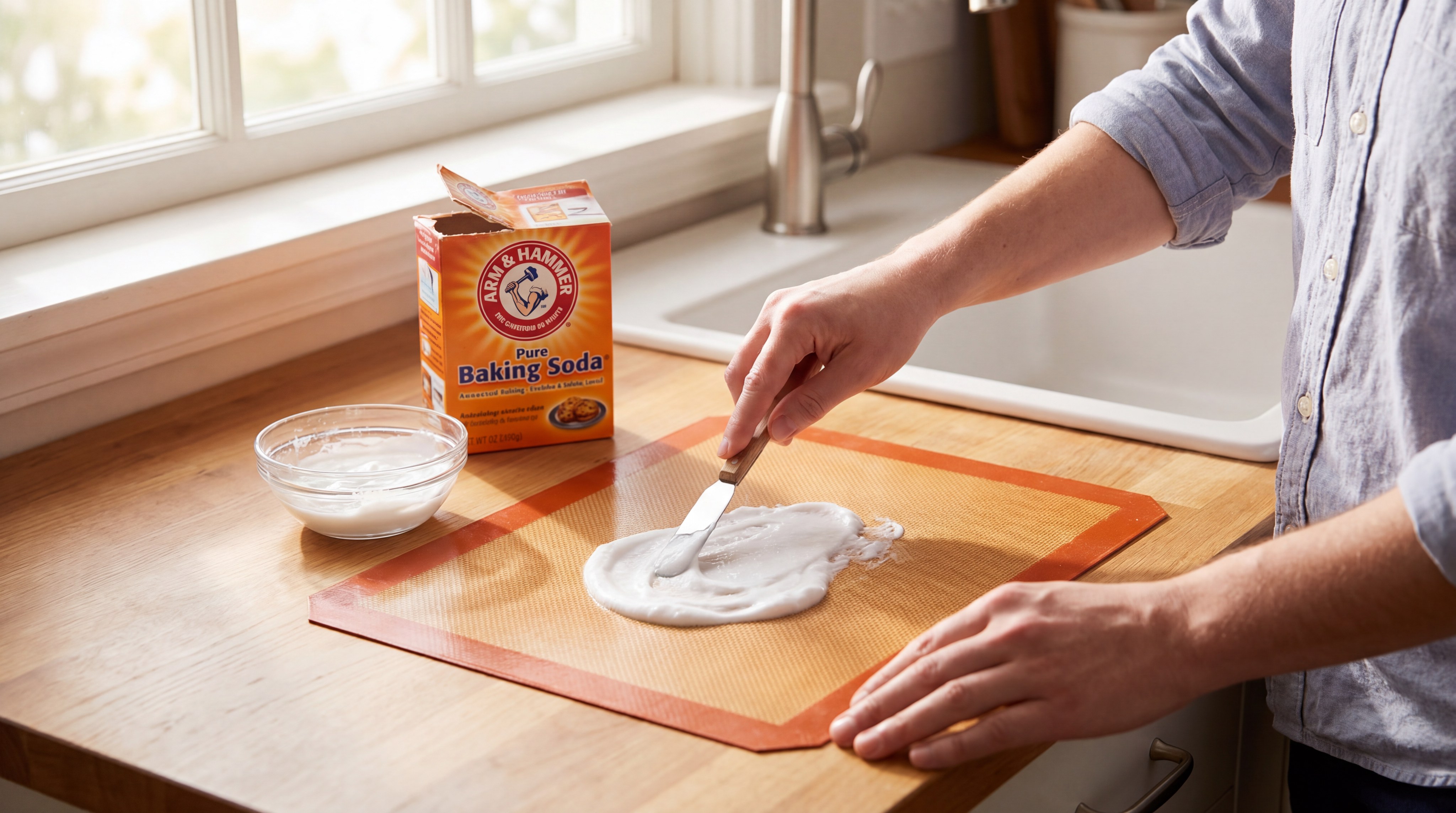
- Apply the paste thickly over the entire surface area.
- Focus on corners or bonded edges where odors tend to concentrate.
- Allow the paste to dry completely to maximize its absorption potential.
Why is baking soda safe for silicone surfaces?
Look: because baking soda is non-toxic and non-corrosive, it is ideal for mother & baby care products. It neutralizes odors by reacting with acidic compounds, effectively “canceling out” the scent rather than just masking it with perfume.
| Application | Wait Time | Effectiveness |
|---|---|---|
| Baking Soda Paste | 12–24 Hours | High (deep odors) |
| Dry Dusting | 48 Hours | Moderate (storage smells) |
Prolonged contact with the paste ensures that the chemical reaction has enough time to reach the deeper layers of the silicone.
Key Takeaway: Baking soda acts as a powerful pH neutralizer that draws odors out of the silicone matrix without damaging the material integrity or safety.
Does vinegar effectively eliminate lingering smells?
Vinegar provides an acidic counter-wash that is particularly effective at cutting through alkaline residues and pungent food-based odors. Many components made through Silicone Overmolding benefit from a vinegar soak after heavy use in kitchen or laboratory environments.
What is the ideal vinegar-to-water ratio?
What is the result? A balanced 1:1 ratio of white distilled vinegar and water provides enough acidity to kill bacteria without being too harsh. This solution is particularly adept at breaking down the sulfurous compounds found in garlic or onions.
- Use white vinegar specifically, as apple cider vinegar may leave its own scent.
- Submerge the part fully for at least 30 to 60 minutes.
- Ensure the water is warm to help the silicone “open up” its pores.
How do you remove the leftover vinegar scent?
Here is the kicker: vinegar evaporates completely, so the sharp smell will disappear as the product dries. If you are in a hurry, a final quick rinse with plain water and air-drying in a well-ventilated spot will finish the job.
| Solution | Ratio | Target Odors |
|---|---|---|
| Vinegar Soak | 1:1 Water/Vinegar | Pungent food odors |
| Quick Rinse | 1:4 Water/Vinegar | Mild refreshing |
The acidity of vinegar serves as a natural disinfectant while stripping away the molecular layers that hold onto bad smells.
Key Takeaway: Vinegar provides an acidic counter-wash that is particularly effective against stubborn food-based odors like garlic or onions that other soaps might miss.
Is fresh air the easiest way to deodorize silicone?
Simple atmospheric exposure allows volatile compounds to escape the Silicone Overmolding naturally over time through a process called off-gassing. This is often the preferred method for bulk industrial parts that just need a little time to stabilize after production.
Where is the best place to air out products?
Why does this matter? Airflow is the primary driver of odor removal in this passive method. Placing items in a shaded outdoor area or a room with high-volume ventilation ensures that the escaping VOCs are carried away rather than lingering.
- Avoid Direct Sunlight: UV rays can eventually degrade the polymer chains of some silicones.
- Elevate the Item: Use a drying rack to ensure air hits all surfaces of the component.
- Cross-Ventilation: A room with two open windows is better than a stagnant garage.
How long does the airing process take?
It gets better: while this requires the least effort, it does require the most time. For newly manufactured items, you should expect to wait several days for the initial chemical scent to reach an unnoticeable level.
| Environment | Optimal Time | Primary Benefit |
|---|---|---|
| Outdoor Shade | 24–48 Hours | High VOC removal |
| Well-Ventilated Room | 3–5 Days | Gentle off-gassing |
Natural air circulation is a zero-cost solution that works exceptionally well for bulk orders of consumer goods.
Key Takeaway: Simple atmospheric exposure allows volatile compounds to escape naturally, making it an ideal zero-effort secondary treatment for removing factory scents.
Will boiling water sanitize and refresh silicone?
Boiling is an aggressive but effective method that uses thermal expansion to “squeeze” odor-causing molecules out of the Silicone Overmolding. By raising the temperature, the microscopic pores of the silicone expand, allowing trapped gases to be released into the water.
Can boiling water damage thinner silicone parts?
Here is the deal: pure silicone is extremely heat resistant, but parts with internal plastic cores may have lower melting points. You must verify that the substrate used in your overmolded part can withstand 100°C before attempting this method.
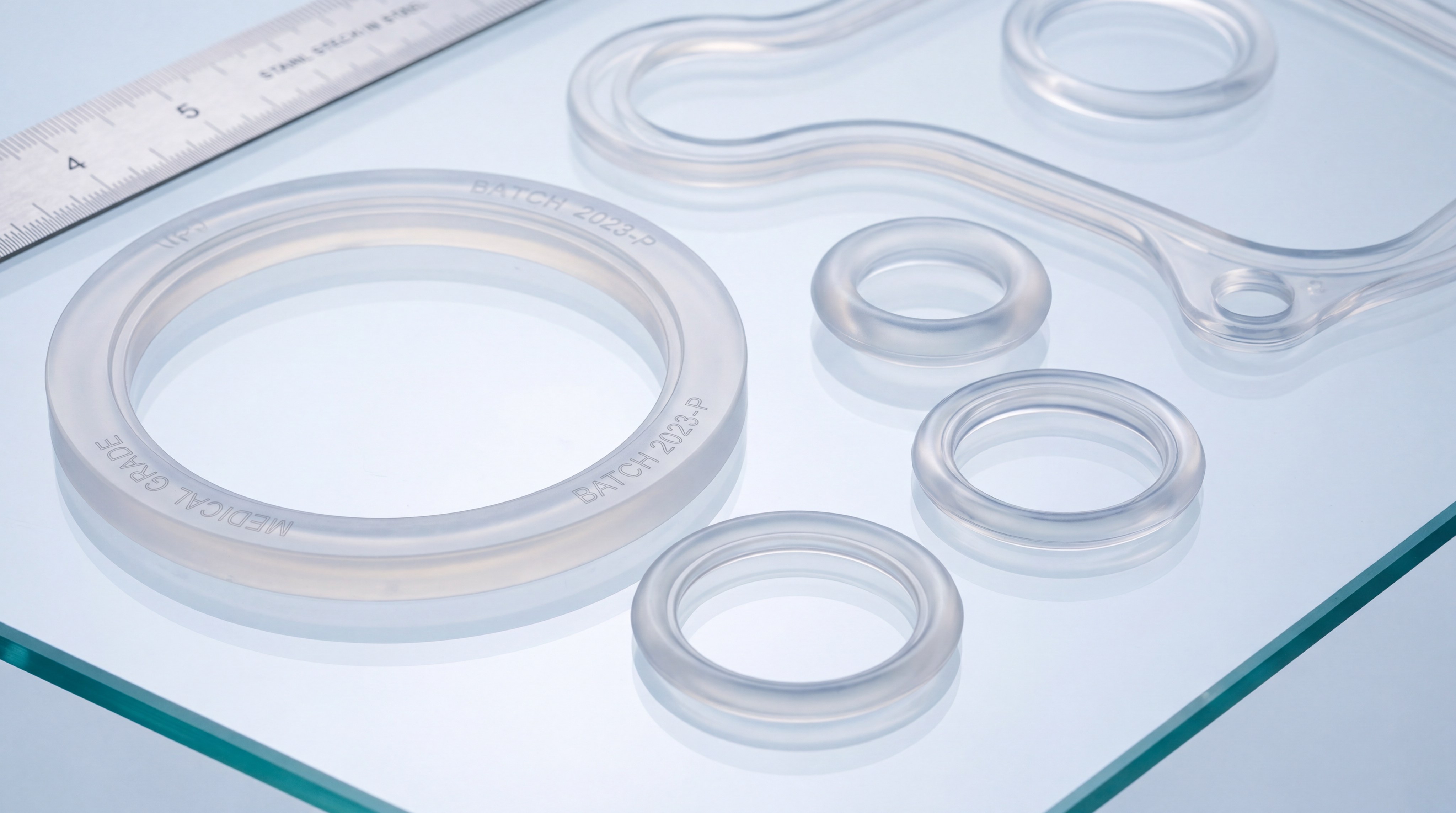
- Pure Silicone: Safe for extended boiling.
- Plastic Substrates: Check the resin type (e.g., PA66 or PC) for heat deflection.
- Metal Inserts: Perfectly safe, though they will retain heat for longer.
How many minutes should you boil silicone?
In short: a 5-to-10-minute boil is usually sufficient to refresh the material. This “heat shock” treatment is a common practice for sanitizing items used in the industry to ensure they are free of biological and chemical contaminants.
| Temperature | Time Limit | Risk Level |
|---|---|---|
| 100°C (Boiling) | 10 Minutes | Low for pure silicone |
| 100°C (Boiling) | 5 Minutes | Moderate for overmolds |
Boiling provides a deep-cleaning action that reaches deeper into the material than any surface-level scrubbing ever could.
Key Takeaway: Boiling is an aggressive but effective method that uses thermal expansion to “squeeze” odors out of the material while providing medical-grade sterilization.
Can your dishwasher help blast away food odors?
Modern dishwashers are excellent for odor removal because they combine high-pressure water jets, steam, and concentrated detergents to clean Silicone Overmolding. This automated approach is perfect for busy professional kitchens or high-volume household maintenance.
Which dishwasher rack is safest for silicone?
The best part? Silicone is generally “top-rack safe,” which places it further away from the heating element to prevent warping. However, for heavier industrial-grade silicone, the bottom rack is often acceptable due to the material’s high thermal stability.
- Secure smaller items in a mesh basket so they don’t fly around.
- Use a “Heavy Duty” cycle if the food odors are particularly greasy.
- Ensure the “Heated Dry” function is turned on for extra VOC removal.
Does the heat cycle help remove oils?
Look: the steam generated during the drying cycle mimics a professional post-curing environment. This heat helps any remaining volatile compounds evaporate, leaving the product smelling fresh and ready for its next use.
| Cycle Type | Steam Usage | Result |
|---|---|---|
| Heavy Duty | Yes | Maximum cleaning |
| Eco/Quick Wash | No | Surface refresh only |
High-pressure water effectively scours the surface while the steam penetrates the material to release trapped scents.
Key Takeaway: The combination of detergent, high-pressure water, and steam makes the dishwasher an excellent automated solution for consistent odor removal.
Does silicone overmolding affect product scent?
The interface between the substrate and the Silicone Overmolding layer can sometimes harbor moisture or bacteria, leading to a “musty” smell over time. Professional manufacturers focus on achieving a perfect chemical bond to eliminate these microscopic gaps where odors could hide.
Does the bonding process trap odors?
Think about it: if the bonding agent or the substrate material releases its own gases during the overmolding process, those scents can become trapped under the silicone layer. This is why material compatibility is the first step in high-quality engineering.
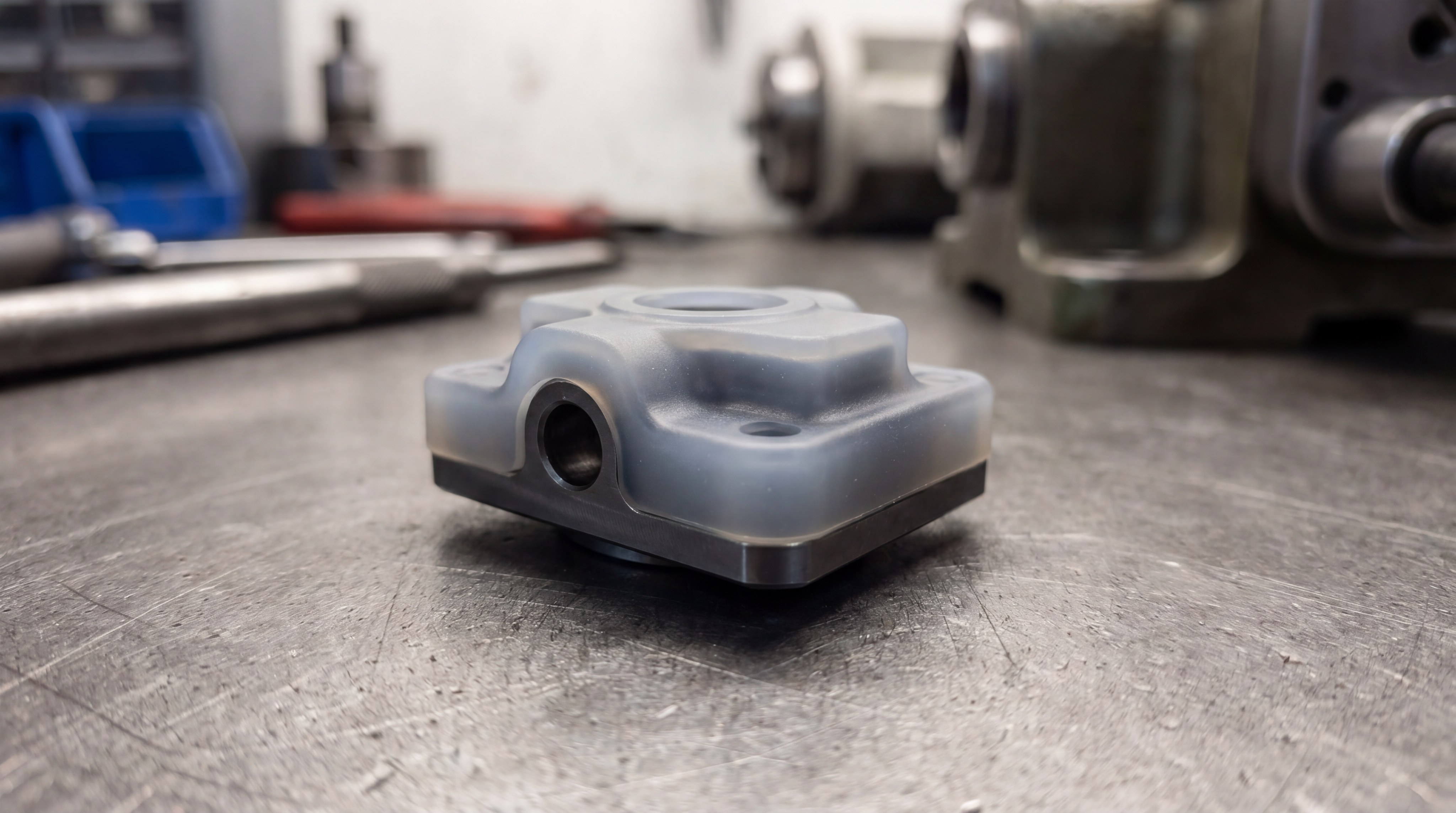
- Interfacial Gaps: Micro-gaps can trap cleaning fluids that later smell.
- Adhesive Off-gassing: Low-quality primers can leave a chemical scent.
- Substrate Choice: Plastics with high VOC profiles can migrate smells through the silicone.
Can post-curing reduce chemical smells?
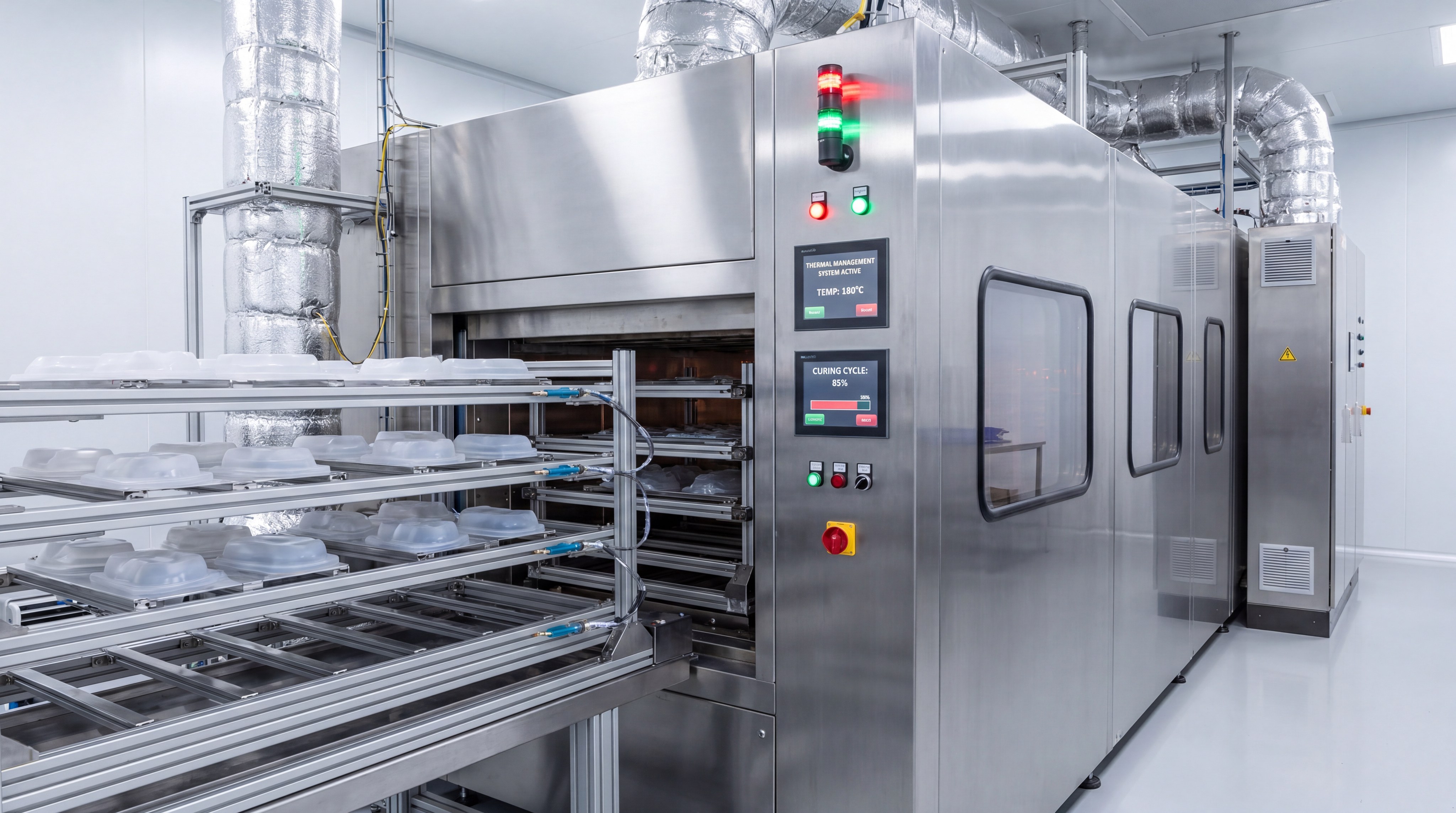
Wait, there is more: professional factories use secondary ovens to “bake” parts after they are molded. This post-curing step ensures that all cross-linking is complete and that any residual volatiles are safely removed before the product reaches the customer.
| Process Stage | Purpose | Odor Impact |
|---|---|---|
| Primary Injection | Material forming | High VOC presence |
| Post-Cure Bake | VOC removal | Significant reduction |
A controlled post-cure bake is the industry standard for producing high-end, odor-free silicone components.
Key Takeaway: Professional overmolding requires precise thermal management to ensure that neither the substrate nor the silicone retains unwanted chemical scents after production.
Why do high-quality materials resist odor absorption?
High-quality, platinum-cured materials used in Silicone Overmolding have a much denser polymer structure that resists trapping environmental odors. Investing in better materials at the start of your project can eliminate the need for frequent deep cleaning later on.
Is medical grade silicone less likely to smell?
In short: yes, because platinum-cured silicone does not produce the same chemical byproducts as cheaper peroxide-cured versions. This results in a much purer material that is naturally more resistant to absorbing external scents from the environment.
- Platinum-Cured: No byproducts, very low odor, high purity.
- Peroxide-Cured: Benchmarks higher for benzoic acid odors.
- LSR (Liquid Silicone Rubber): Highly consistent and typically low-scent.
How do additives influence material porosity?
Here is the deal: fillers and pigments can change how the surface of the silicone interacts with its environment. Higher concentrations of low-quality fillers can increase porosity, making the product much more likely to “soak up” food smells or industrial chemicals.
| Material Grade | Curing Agent | Odor Propensity |
|---|---|---|
| Industrial | Peroxide | Higher |
| Medical/Food | Platinum | Very Low |
The choice of curing agent and filler quality is the single biggest factor in long-term odor resistance.
Key Takeaway: Investing in platinum-cured, high-purity silicone significantly reduces the likelihood of long-term odor retention and the need for aggressive cleaning.
How should you maintain silicone for long-term use?
Maintaining silicone involves regular cleaning, proper storage in ventilated areas, and knowing when the material has reached the end of its useful life. For complex Silicone Overmolding parts, consistent maintenance prevents the buildup of “interfacial odors” that are hard to remove.
When is it time to replace your silicone?
Look: if an odor persists despite trying all six methods, the polymer structure may have begun to degrade. A “tacky” or sticky surface is a clear sign that the silicone is breaking down and should be replaced immediately.
- Permanent Discoloration: Often happens alongside permanent odor.
- Loss of Elasticity: The material becomes brittle or cracks.
- Tackiness: Indicates a chemical breakdown of the silicone chains.
How can you prevent future odor buildup?
What is the result? Always rinse your silicone products immediately after contact with pungent substances and never store them in airtight containers while they are still damp. This simple routine prevents the microscopic pores from trapping moisture and bacteria.
| Maintenance Task | Frequency | Goal |
|---|---|---|
| Immediate Rinse | After every use | Prevent surface trapping |
| Deep Soap Soak | Monthly | Remove deep-seated oils |
Consistent hygiene is much easier than trying to rescue a product that has been neglected for months.
Key Takeaway: Regular cleaning and avoiding high-heat contact with pungent oils will significantly extend the odor-free lifespan of any high-quality silicone product.
Odors in silicone can range from temporary manufacturing scents to persistent food smells, but they are rarely a permanent problem if handled with the right techniques. Whether you are using simple household vinegar or professional post-curing heat, restoring your components to a fresh state is achievable. At Dongguan HuaLin Silicone, we believe that quality starts at the source. Our 13,000 m² ISO 9001 certified facility uses advanced about tooling and platinum-curing processes to ensure your custom parts are stable, safe, and odor-free from day one. If you are struggling with component quality or need expert DFM support for your next project, contact us today to see how our engineering-first approach can elevate your supply chain.
*
FAQ: Common Questions About Silicone Odor
Can I use bleach to remove smells from silicone?
No, because bleach is an extremely harsh chemical that can cause the silicone to become brittle and degrade the polymer structure over time. Stick to safer alternatives like vinegar or baking soda.
What’s the best way to clean a smelly silicone phone case?
The baking soda paste method is best, as it safely draws out oils and odors from the textured surface without damaging the delicate fit or finish of the case.
Can I bake my silicone products in a home oven to remove smells?
Yes, but only if you are certain the product is 100% pure silicone; you should bake it at a low temperature (around 120°C) for 20 minutes to off-gas VOCs safely.
Can I use essential oils to mask the smell of silicone?
No, because silicone is porous and will likely absorb the oils, potentially leading to a “rancid” scent later as the oils break down within the material.
What’s the best method for removing the smell of garlic from a baking mat?
A concentrated vinegar soak followed by a pass through the dishwasher is the most effective combination for neutralizing the sulfur compounds found in garlic.