
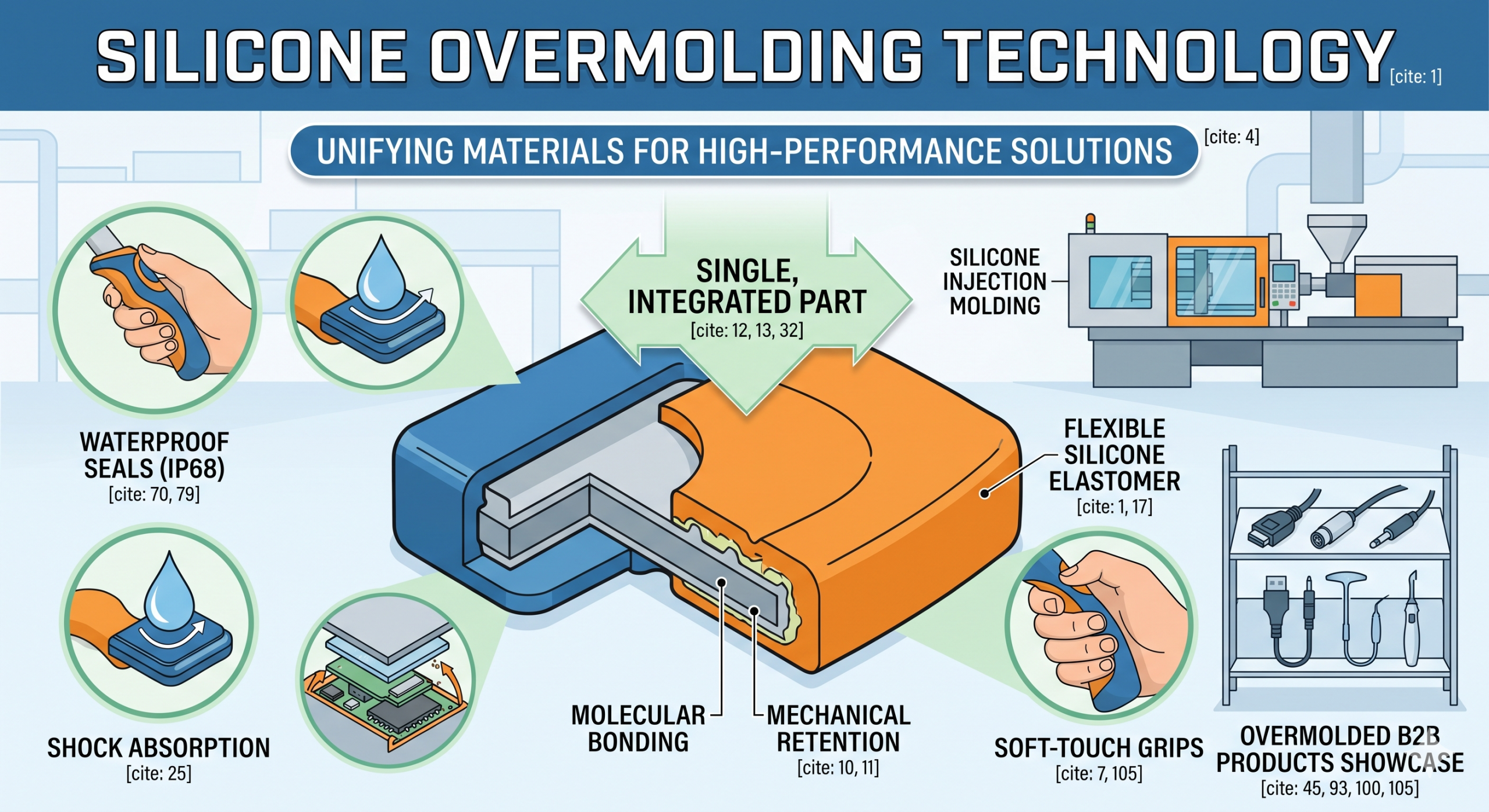
Silicone overmolding is a precision manufacturing process where a layer of flexible silicone rubber is molded directly onto a rigid substrate to create a single, integrated part. Engineers often face the frustration of designing multi-component assemblies that suffer from seal leakage, mechanical failure, or excessive labor costs. This inefficiency agitates production timelines and increases the risk of product returns in demanding B2B environments. By utilizing a professional Silicone Overmolding service, you can unify diverse materials into a robust, high-performance solution that enhances both functionality and longevity.
What exactly is Silicone Overmolding technology?
Silicone overmolding is an advanced secondary molding technique that fuses liquid silicone rubber or solid silicone onto a pre-existing part, known as the substrate. This process relies on Silicone Overmolding to create a permanent bond without the need for adhesives or mechanical fasteners. It is widely used to add soft-touch grips, waterproof seals, or protective layers to rigid components.
Understanding the core mechanism
The process begins by placing a substrate—typically plastic, metal, or glass—into a custom mold. Silicone is then injected or compressed around it, vulcanizing under heat to form a cohesive unit.
- Molecular Bonding: Chemical primers often create a cross-linked bridge between materials.
- Mechanical Retention: Designing undercuts or holes allows the silicone to “lock” onto the substrate.
- Integrated Design: The final part acts as a single piece, reducing stress points.
Think about it: why assemble two parts when you can mold them as one? This integration streamlines your supply chain and improves part reliability in the field.
Key Takeaway: Technology that merges flexible and rigid materials through molding provides superior structural integrity compared to manual assembly.
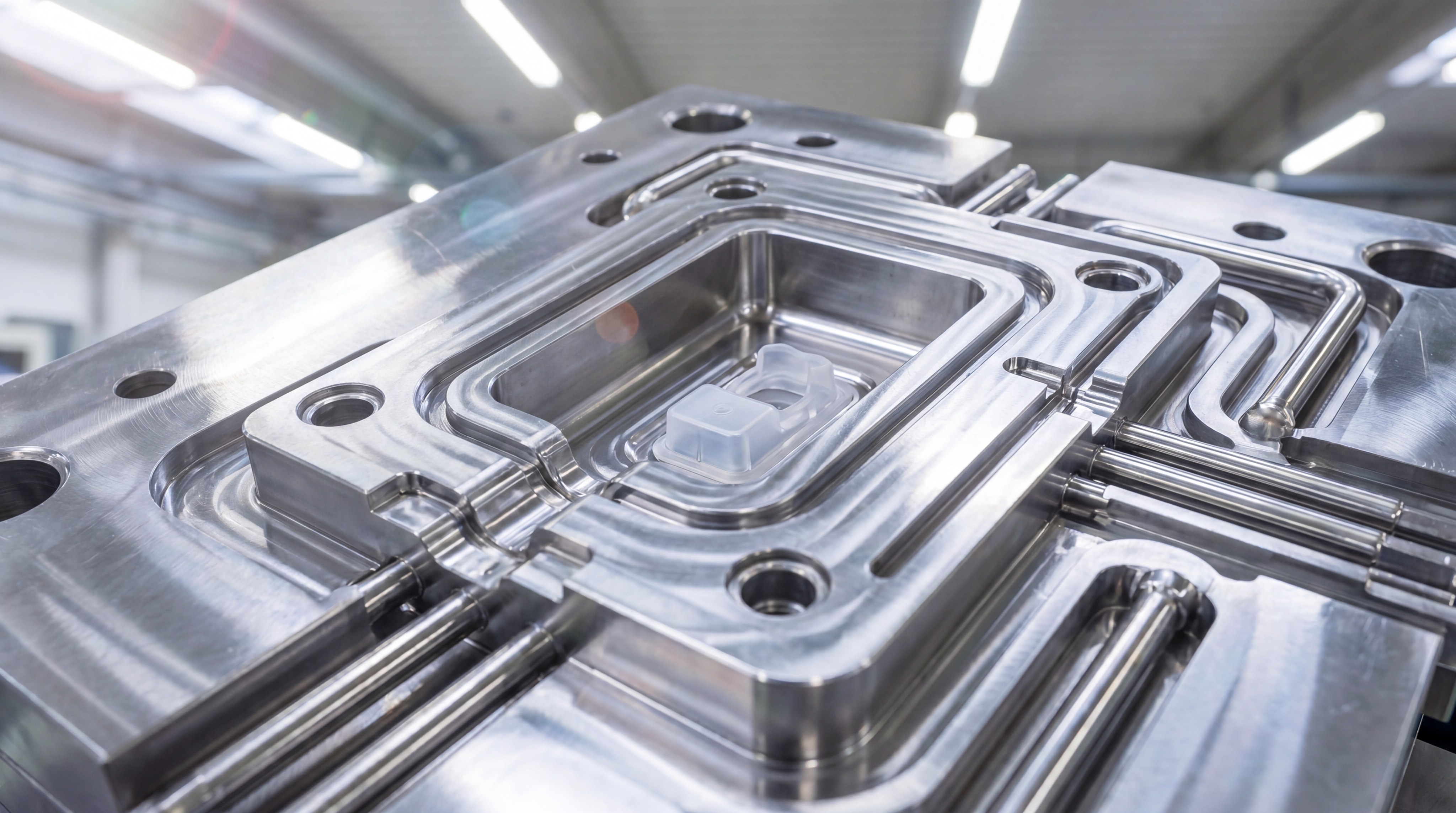
| Element | Description | Benefit |
|---|---|---|
| Substrate | Rigid core (Metal/Plastic) | Provides structural strength |
| Elastomer | Silicone layer | Adds protection and sealing |
| Interface | Chemical/Mechanical bond | Ensures zero separation |
Analysis Guide: Evaluate your current assembly steps to identify where overmolding can consolidate parts and reduce points of failure.
Why choose overmolding over traditional assembly?
Choosing overmolding allows you to eliminate secondary assembly steps, which directly reduces labor costs and minimizes human error. Silicone overmolding provides a seamless finish that is impossible to achieve with glues or screws. This leads to a cleaner aesthetic and a more durable product.
Economic and functional advantages
The best part? You save money while actually increasing the quality of your products.
- Zero Leak Paths: Integrated seals prevent moisture ingress better than traditional gaskets.
- Shock Absorption: The silicone layer protects internal electronics from vibration.
- Lower Total Cost: High-volume production benefits from reduced manual labor requirements.
Here is the kicker: traditional assembly often requires expensive adhesives that degrade over time. Overmolding creates a bond that lasts the entire lifespan of the product.
Key Takeaway: Overmolding is a strategic investment that lowers long-term operational costs by enhancing product durability.
| Assembly Factor | Traditional Method | Overmolding Method |
|---|---|---|
| Labor Intensity | High (Manual) | Low (Automated) |
| Seal Reliability | Variable | Superior |
| Part Count | Multiple pieces | Single piece |
Analysis Guide: Compare the cost of manual assembly labor against the initial tooling investment to determine your return on investment.
Which materials work best as substrates for silicone?
The most effective substrates for Silicone Overmolding are materials that can withstand the high vulcanization temperatures of the curing process. Metals like aluminum and stainless steel are frequent choices for industrial tools. High-performance plastics such as Polycarbonate (PC) and glass-filled Nylon (PA+GF) are also excellent candidates.
Criteria for substrate selection
You must ensure your chosen material has a heat deflection temperature higher than the silicone curing point.
- Thermal Stability: The substrate must not warp at 150°C to 200°C.
- Surface Energy: Highly polar materials naturally bond better with silicone.
- Structural Rigidity: The core must resist the high injection pressures of the mold.
But wait, there is more. Even difficult materials can be used if they are properly primed or designed with mechanical interlocks.
Key Takeaway: Successful material pairing is the foundation of a durable overmolded part that survives extreme environments.
| Substrate Material | Heat Resistance | Bonding Ease |
|---|---|---|
| Stainless Steel | Excellent | Requires Primer |
| Nylon (PA+GF) | Good | Excellent |
| Polycarbonate | Moderate | High |
Analysis Guide: Verify the melting point of your plastic substrates early in the design phase to avoid component deformation.
How does the overmolding process actually work?
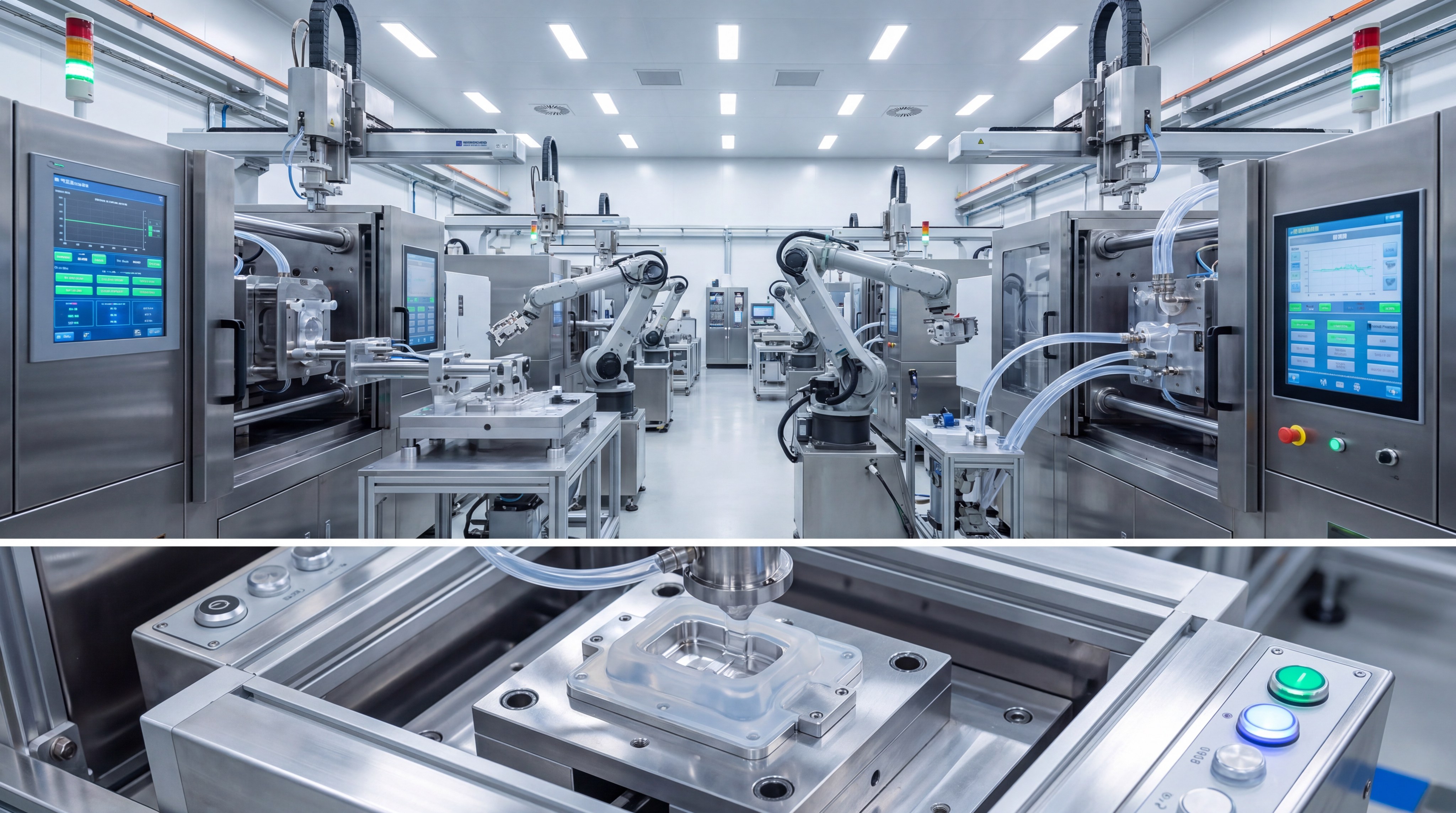
The overmolding process works by injecting liquid silicone rubber molding compounds into a mold cavity that already contains a pre-positioned substrate. Silicone overmolding requires precise temperature control to ensure the elastomer cures without damaging the rigid core. The mold is designed to seal tightly against the substrate to prevent “flash” or leakage.
The sequence of production
Look: the process is highly repeatable, making it perfect for high-volume B2B orders.
- Pre-treatment: Substrates are cleaned and often coated with a chemical primer.
- Positioning: The substrate is loaded into the mold manually or by a robot.
- Injection: Silicone is pumped into the cavity under high pressure.
- Curing: The part remains in the heated mold until cross-linking is complete.
The results speak for themselves. You get a finished part that feels like it was grown as a single organism rather than assembled.
Key Takeaway: Precision in timing and temperature control is what separates a high-quality overmolded part from a defective one.
| Process Stage | Key Variable | Quality Impact |
|---|---|---|
| Primer Coating | Application Thickness | Bond Strength |
| Injection | Cavity Pressure | Surface Finish |
| Vulcanization | Cycle Time | Shore Hardness |
Analysis Guide: Monitor the “dwell time” during curing to ensure the silicone achieves its target physical properties without overheating the substrate.
What are the primary benefits of LSR overmolding?
Liquid Silicone Rubber (LSR) overmolding offers superior precision and faster cycle times compared to solid silicone methods. Using Silicone Overmolding with LSR allows for the creation of intricate geometries and very thin wall sections. This technology is the gold standard for medical and high-tech electronic applications.
Technical superiority of LSR
The kicker is the automation potential.
- Closed-Loop Systems: LSR is pumped directly from drums, reducing contamination risk.
- Flashless Tooling: High-precision molds minimize the need for post-process trimming.
- Rapid Curing: Platinum-cure LSRs cross-link much faster than peroxide-cured solids.
Believe it or not, LSR can flow into gaps as small as 0.005mm, allowing for incredible detail.
Key Takeaway: LSR is the preferred choice for high-volume, high-precision projects where consistency and speed are paramount.
| Feature | Solid Silicone | LSR Overmolding |
|---|---|---|
| Cycle Speed | Moderate | Fast |
| Precision | Good | Exceptional |
| Waste Material | Higher | Minimal |
Analysis Guide: Assess the complexity of your part’s geometry; if it includes micro-features, LSR is likely your only viable option.
Can silicone overmolding achieve IP68 waterproofing?
Silicone overmolding is the most effective way to reach IP68 or IP69K ratings because it creates a continuous, gap-free barrier. By integrating the seal directly onto the housing, Silicone Overmolding eliminates the possibility of gasket misalignment. This is critical for outdoor electronics and underwater equipment.
Achieving environmental protection
Think about it: a separate O-ring is a point of failure, but a molded seal is part of the structure.
- Compression Seals: The silicone acts as a built-in gasket when the part is closed.
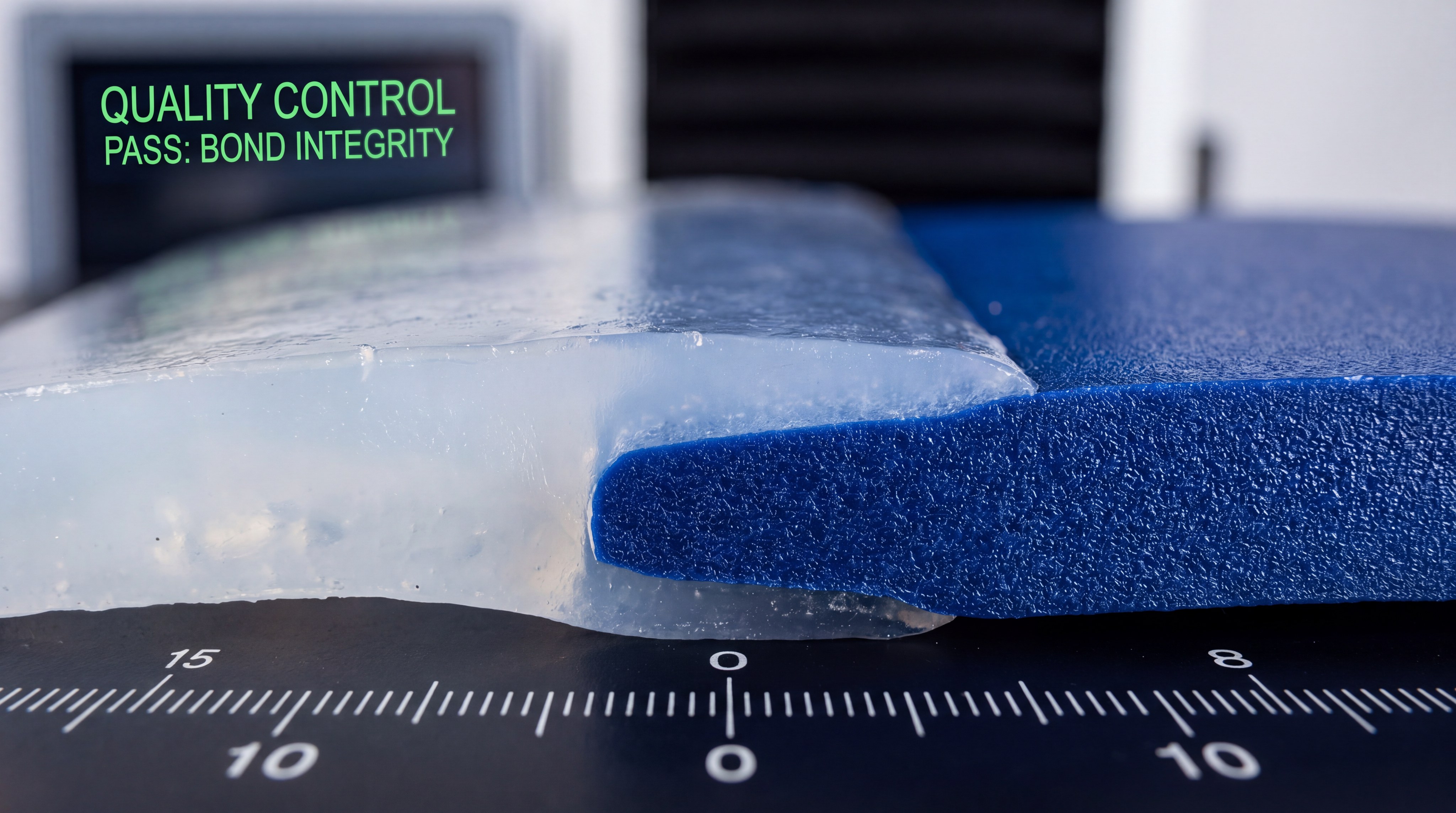
- Hermetic Bonding: Prevents water from seeping between the substrate and the skin.
- UV and Ozone Resistance: Silicone maintains its seal even under direct sunlight.
The truth is, mechanical seals often fail under pressure, while overmolded bonds actually grow stronger under compression.
Key Takeaway: Integrated sealing through overmolding is the most reliable method for protecting sensitive electronics from water and dust.
| Rating | Environment | Overmolding Benefit |
|---|---|---|
| IP67 | Temporary Immersion | No loose gaskets |
| IP68 | Continuous Immersion | Zero leak-path bond |
| IP69K | High-Pressure Steam | Thermal bond stability |
Analysis Guide: Test the bond integrity under pressurized water to ensure your chemical primer is providing a hermetic seal.
What are the common challenges in silicone bonding?
The primary challenge in Silicone Overmolding is ensuring that the elastomer does not delaminate from the substrate under stress. Factors like surface contamination or improper thermal expansion matching can cause the bond to fail. You must also account for the shrinkage rate of silicone as it cools.
Overcoming adhesion barriers
Look: if your substrate has oils or release agents on it, the silicone won’t stick.
- Surface Preparation: Plasma or corona treatment can increase surface energy.
- Flash Control: High injection pressure can force silicone into parting lines.
- Deformation: Thin-walled plastic substrates may collapse under molding pressure.
Here is the secret: using a “two-shot” molding process can often solve these issues by molding both materials in one cycle.
Key Takeaway: Solving bonding challenges requires a deep understanding of the chemical and physical properties of both materials.
| Challenge | Cause | Solution |
|---|---|---|
| Delamination | Low Surface Energy | Chemical Primer |
| Parting Line Flash | Poor Tool Fit | CNC Tooling |
| Substrate Warping | Excessive Heat | Lower Temp Curing |
Analysis Guide: Conduct peel tests on prototypes to validate that your bonding strategy meets industrial strength requirements.
Where is overmolding used in the automotive industry?
In the automotive sector, overmolding is used for cable connectors, vibration dampers, and integrated engine seals. Silicone Overmolding is prized for its ability to resist oils, fuels, and extreme engine temperatures. Modern electric vehicles also use it to insulate high-voltage battery components.
Applications under the hood
The best part? Silicone remains flexible in sub-zero winters and scorching summers.
- Wire Harnesses: Overmolded boots provide strain relief and waterproofing.
- Pedal Pads: Adds a durable, non-slip surface to metal pedal assemblies.
- Sensor Housings: Protects delicate electronics from thermal shock.
Here is the kicker: as vehicles become more electronic-heavy, the demand for overmolded protection only grows.
Key Takeaway: The automotive industry relies on the extreme temperature tolerance of silicone to ensure vehicle safety and longevity.
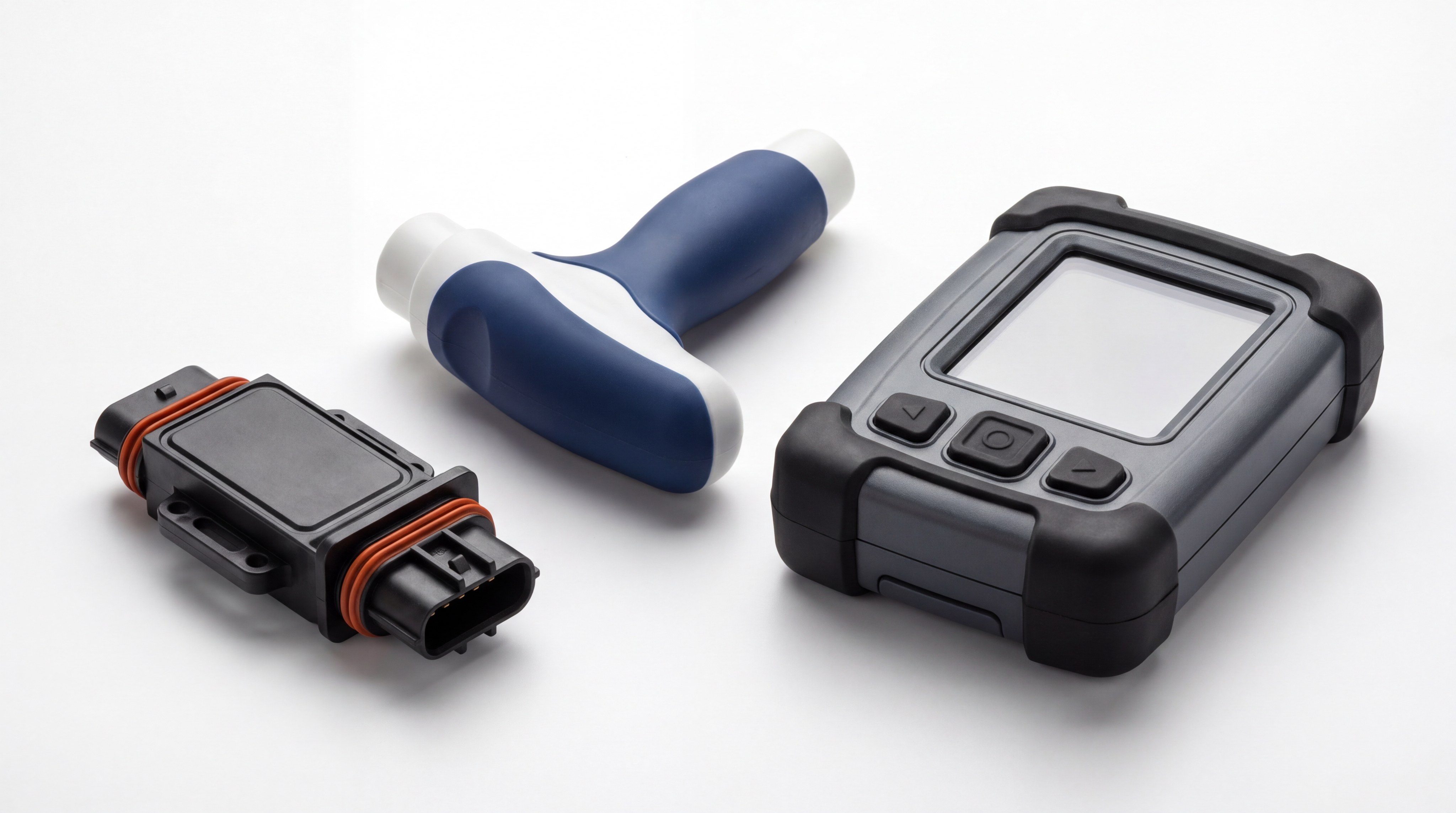
| Automotive Part | Stress Factor | Silicone Advantage |
|---|---|---|
| Spark Plug Boot | 250°C+ Heat | High Dielectric Strength |
| Door Gasket | UV Exposure | Non-Degrading |
| Sensor Seal | Vibration | Damping Properties |
Analysis Guide: Identify components exposed to both high heat and mechanical vibration where overmolding can prevent fatigue failure.
How does medical grade silicone benefit overmolding?
Medical grade silicone is used in overmolding to create biocompatible, sterilizable, and ergonomic surgical instruments. By utilizing Silicone Overmolding, manufacturers can add soft grips to stainless steel tools, improving a surgeon’s control. These materials are tested to meet strict USP Class VI and ISO 10993 standards.
Safety and ergonomics in healthcare
Believe it or not, the “feel” of a tool is just as important as its sharpness in the OR.
- Biocompatibility: The material won’t cause adverse reactions with human tissue.
- Sterilization: Can withstand repeated autoclave cycles without cracking.
- Color Coding: Different colored silicones can be overmolded to identify tool types.
The truth is, medical professionals demand tools that are both indestructible and comfortable to hold for hours.
Key Takeaway: Overmolding medical-grade silicone onto rigid cores combines structural strength with patient-safe surfaces.
| Medical Metric | Standard | Silicone Performance |
|---|---|---|
| Biocompatibility | ISO 10993 | Pass |
| Sterilizability | Autoclave | Stable |
| Texture | Ergonomic | Non-Slip |
Analysis Guide: Ensure your material supplier provides full traceability and certification for medical-grade silicone used in overmolding.
How do you design parts for successful overmolding?
Successful design starts with ensuring the substrate has enough “real estate” for the silicone to grip and bond. When you use silicone compression molding or injection methods, you must include drafts and radii to allow for easy part ejection. Proper gate placement is also vital to avoid air traps.
DFM rules for overmolding
Look: if you design sharp corners, the silicone might tear during the curing process.
- Wall Thickness: Aim for a uniform thickness to prevent uneven shrinkage.
- Shut-off Surfaces: Design flat areas where the mold can seal against the substrate.
- Mechanical Keys: Use dovetails or holes to increase the physical bond strength.
Think about it: a well-designed part reduces cycle time and scrap rates significantly.
Key Takeaway: Designing with manufacturing in mind (DFM) is the most effective way to lower your per-unit cost.
| Design Feature | Recommendation | Benefit |
|---|---|---|
| Corner Radius | Minimum 0.5mm | Prevents Tearing |
| Gate Location | Thickest Section | Better Flow |
| Undercuts | Include as “locks” | Mechanical Security |
Analysis Guide: Review your 3D models specifically for mold “shut-off” areas to ensure no silicone leaks onto unwanted substrate surfaces.
Conclusion
Silicone overmolding is a transformative technology that bridges the gap between rigid durability and flexible functionality. Whether you are looking to achieve IP68 waterproofing, enhance ergonomics, or simplify your assembly line, this process offers a reliable, high-performance solution. At our facility, we specialize in high-precision molding that meets the rigorous standards of the medical, automotive, and industrial sectors. To see how we can optimize your next project, contact us today to discuss your specific requirements. We are committed to delivering engineering excellence that drives your business forward.
Silicone Overmolding FAQ
Can I overmold silicone onto any type of plastic substrate?
No, you must choose a plastic with a high enough melting point to withstand the silicone’s vulcanization temperature. High-temperature resins like PC, PBT, and glass-filled Nylon are the most common choices for successful bonding.
What’s the best way to ensure the silicone doesn’t peel off?
The most effective approach is a combination of chemical priming and mechanical interlocks. Primers create a molecular bond, while designing dovetails or through-holes allows the silicone to physically wrap around the substrate.
Can I achieve different colors on the same overmolded part?
Yes, you can use multi-shot molding or secondary overmolding steps to add different colored silicone sections. This is frequently used in consumer electronics and medical tools for branding or functional identification.
How does overmolding affect the final dimensions of my part?
Silicone typically shrinks by 2% to 3% after it cools, so your mold designer must compensate for this in the cavity dimensions. We use advanced simulation software to predict this shrinkage and ensure your final parts meet tolerance requirements.
What is the minimum wall thickness I can achieve with overmolding?
With Liquid Silicone Rubber (LSR), you can achieve wall thicknesses as thin as 0.3mm to 0.5mm depending on the part size. For compression molding, we generally recommend a minimum of 0.8mm to ensure consistent material flow.