
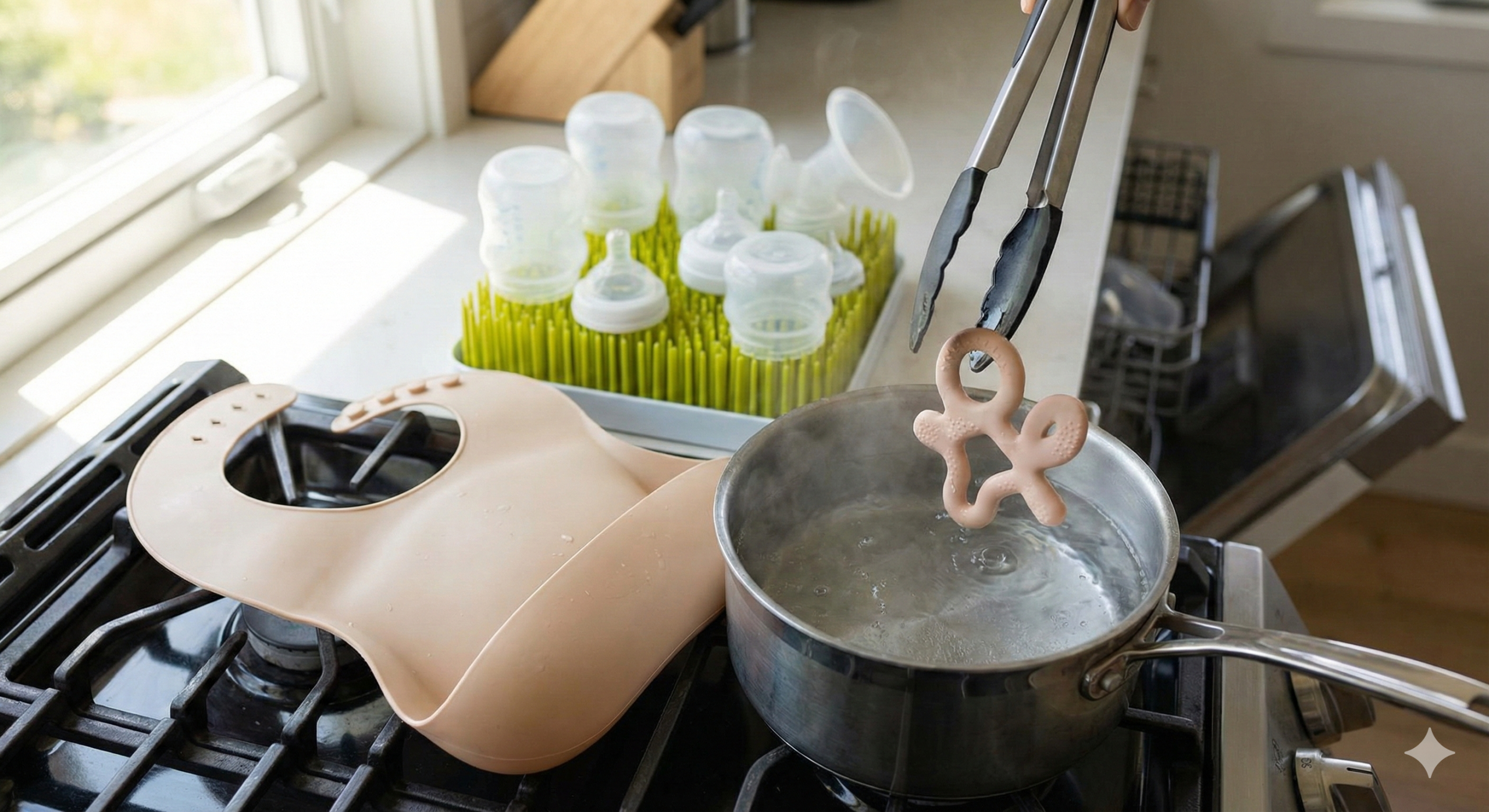
Yes, you can sterilize silicone products using several high-heat methods including boiling, steaming, and high-temperature dishwashing. While silicone is naturally resistant to bacteria, knowing how to clean silicone properly is essential for safety. Many users struggle with stubborn residues or films that a simple rinse cannot remove.
Agitating the issue further, using non-sterilized silicone in medical or baby-care settings can lead to the growth of invisible pathogens. These contaminants thrive in the microscopic textures of the material if not addressed. Hualin Silicone recommends high-heat sterilization as the definitive solution to ensure your products remain 99.9% germ-free and durable.
Can you safely sterilize silicone products at home?
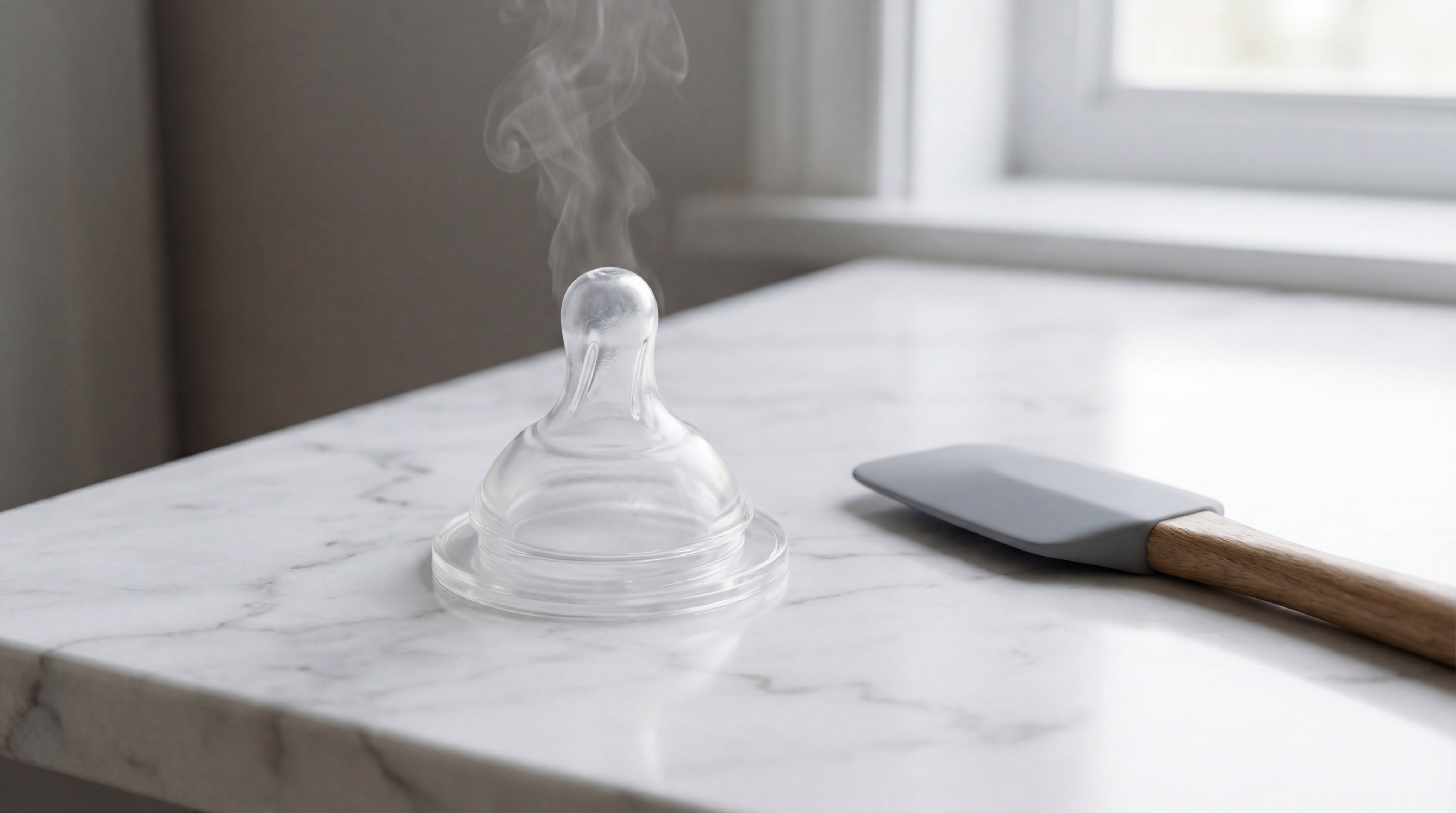
Yes, sterilization is a safe and highly effective way to ensure your silicone items remain completely hygienic for daily use. High-quality material from Hualin Silicone is designed to withstand extreme temperatures without leaching chemicals or losing its shape. Learning the basics of how to clean silicone via heat ensures your household items stay safe for the long term.
Why is silicone hygiene so important?
Here’s the deal: Silicone is often used in sensitive environments like nurseries and kitchens where bacteria can easily spread. Because it does not support mold growth, it is safer than plastic, but external dust still requires deep cleaning.
- Silicone surfaces attract lint and microscopic particles.
- Kitchen humidity can encourage biofilm development.
- Medical-grade components require zero-tolerance for germs.
Key Takeaway: Sterilization is not just an extra step; it is the gold standard for maintaining the integrity and safety of high-grade silicone.
| Sterilization Aspect | Home Safety Level | Reliability |
|---|---|---|
| Heat Resistance | Very High | Excellent |
| Chemical Safety | BPA-Free | Guaranteed |
| Material Integrity | Durable | Long-lasting |
Hualin Silicone ensures that all products are manufactured to meet these high standards of home sterilization safety.
Is boiling water effective for silicone sterilization?
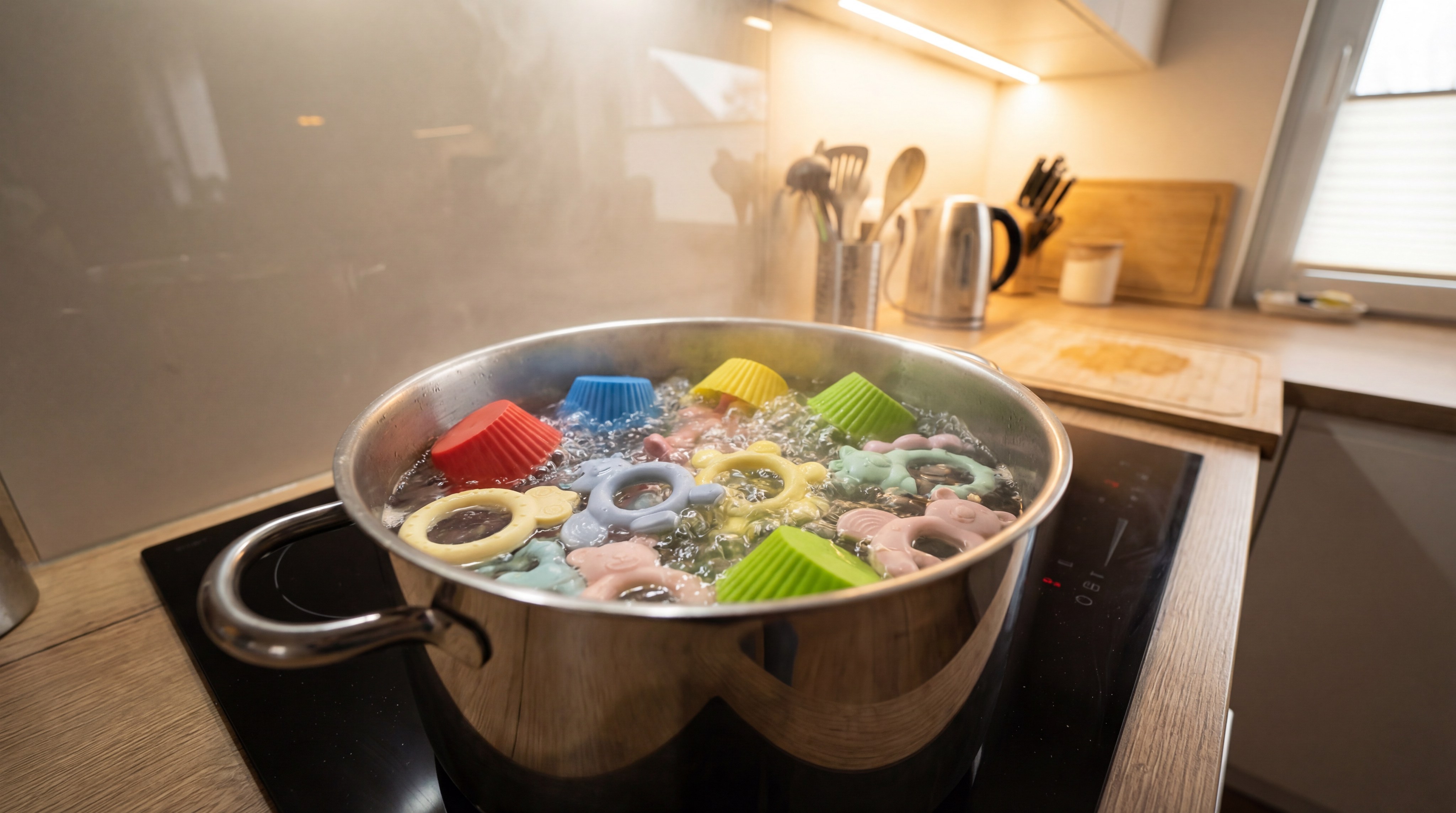
Boiling water is the most accessible and effective method for most households due to silicone’s thermal stability. Since food-grade silicone can handle temperatures up to 200°C, a 100°C boil is perfectly safe for deep cleaning. Understanding how to clean silicone through boiling allows you to eliminate germs without expensive equipment.
How long should you boil silicone?
Why does this matter? Proper timing ensures that all pathogens are neutralized while protecting the product’s structure. For standard household items, a short duration is usually sufficient to achieve total sanitization.
- Submerge items in a rolling boil for 3 to 5 minutes.
- Medical-grade items may require up to 10 minutes.
- Always ensure the items are fully covered by water.
Is boiling safe for all silicone grades?
The best part? Pure silicone is extremely stable, but you must check for hybrid components like metal or plastic inserts. These materials may have lower melting points than the surrounding silicone.
Key Takeaway: Boiling is a cost-effective and powerful way to sanitize silicone, provided you verify the material composition of hybrid items.
| Method | Temperature | Duration | Effectiveness |
|---|---|---|---|
| Standard Boil | 100°C | 5 Minutes | 99% Sanitization |
| Deep Boil | 100°C | 10 Minutes | Clinical Grade |
Boiling remains the preferred method for many because it penetrates every crevice of the silicone surface instantly.
Can you use a dishwasher to sanitize silicone?
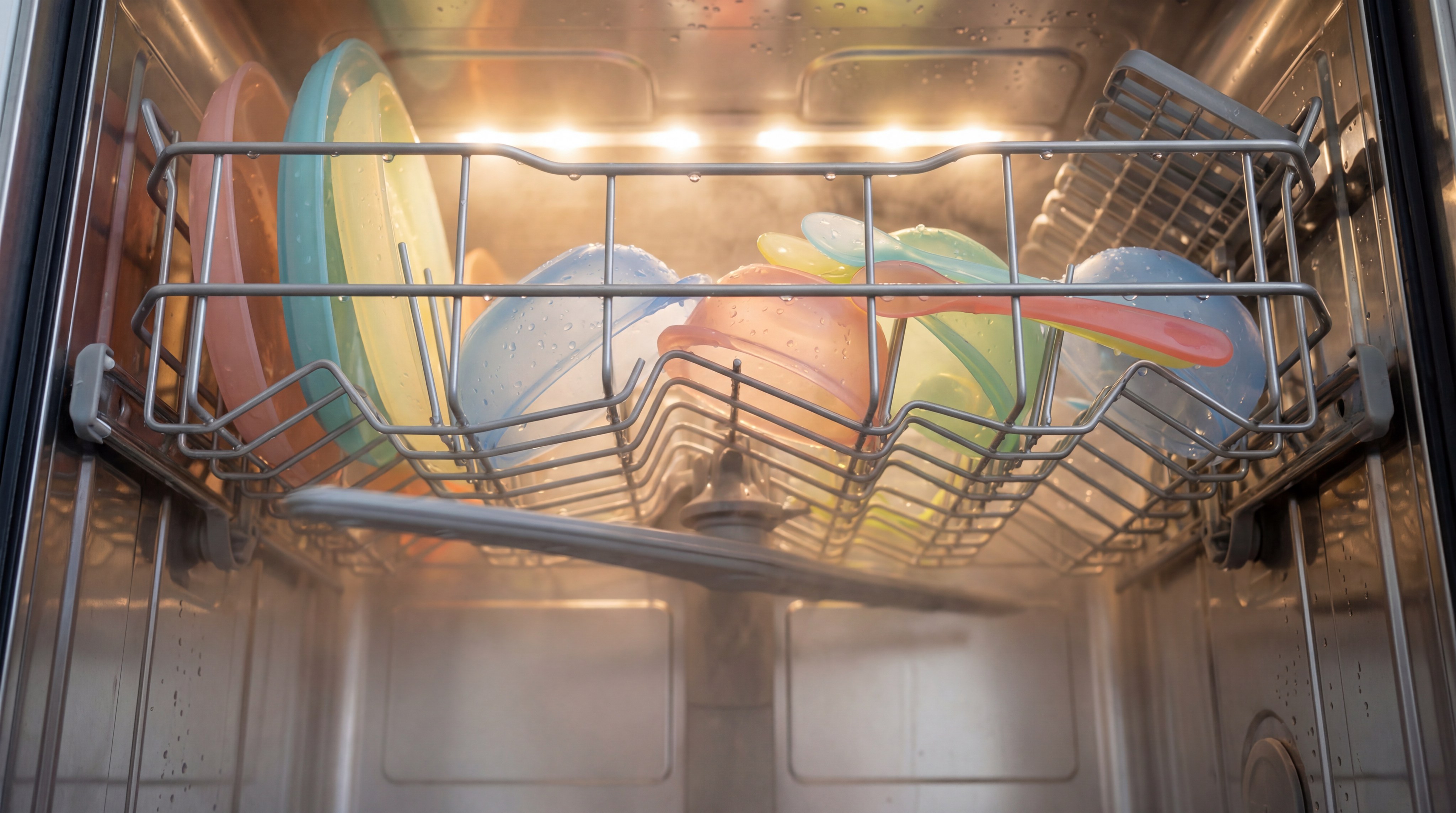
If you are short on time, using a dishwasher is a convenient and effective way to sanitize most silicone products. Modern appliances offer high-heat cycles that effectively kill bacteria and remove stubborn oils. Learning how to clean silicone using your dishwasher’s sanitize setting can save hours of manual labor.
What temperature setting is best?
Look: To achieve true sterilization, you must use the “Sanitize” or highest heat setting available. This cycle uses sustained high temperatures and steam to ensure a clinical level of cleanliness.
- Select the “High Heat” or “Sanitize” wash cycle.
- Enable the heated drying option for better results.
- Ensure the dishwasher detergent is mild and non-abrasive.
Does the rack placement matter?
Why is this important? While silicone won’t melt like plastic, placing small items in the top rack prevents them from falling onto the heating element. This protects your items from localized scorching and physical damage.
Key Takeaway: The dishwasher is an excellent automation tool for silicone hygiene, as long as you use the heat-intensive sanitize cycle.
| Wash Cycle | Peak Temp | Dry Method | Best For |
|---|---|---|---|
| Standard | 50-60°C | Air Dry | Daily Cleaning |
| Sanitize | 70°C+ | Heated Dry | Sterilization |
Using the dishwasher allows for consistent cleaning across large batches of silicone kitchenware and baby accessories.
Is microwave sterilization safe for all silicone?
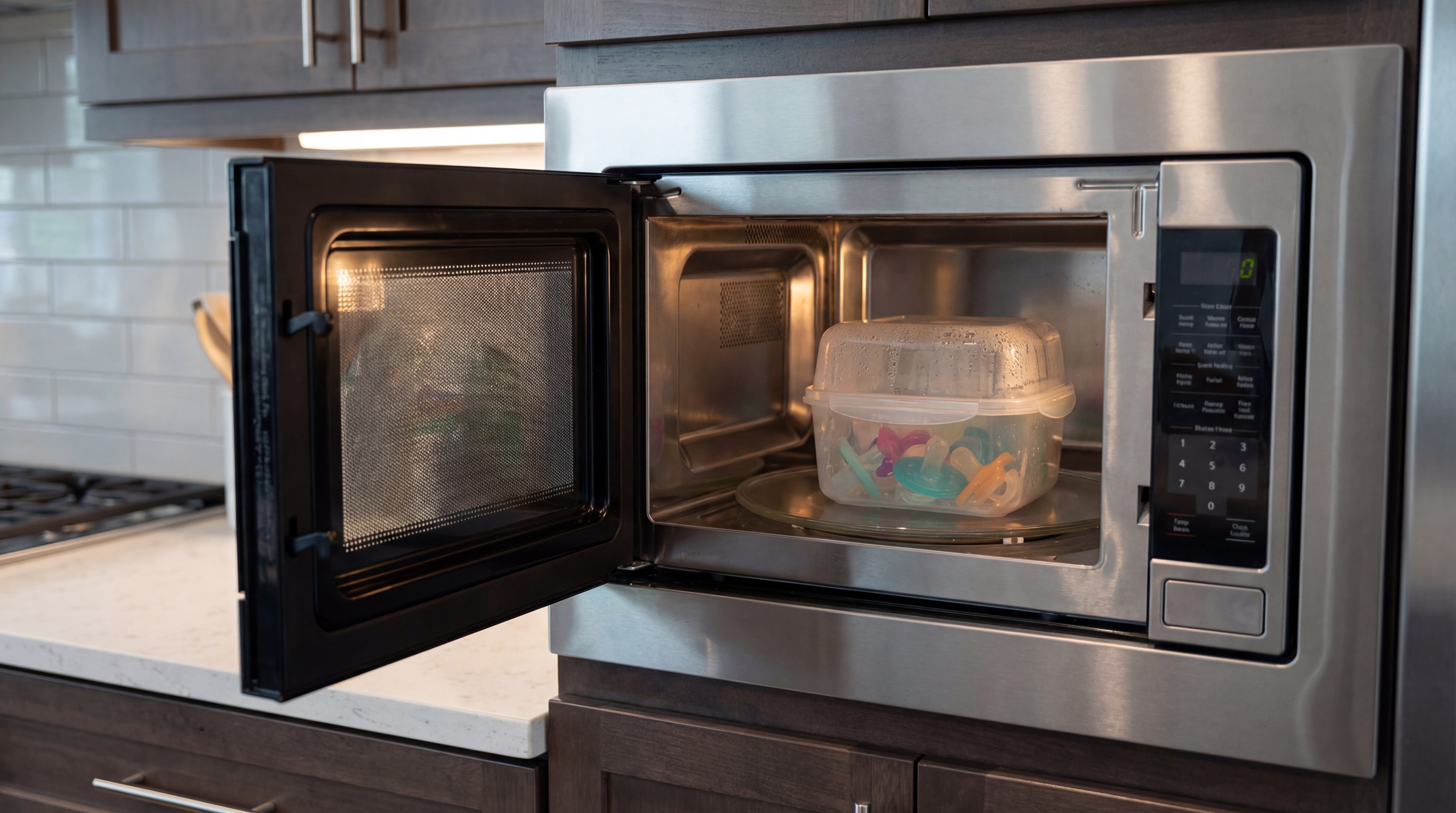
Microwave sterilization is a safe and rapid option for small silicone items like pacifiers, teethers, or menstrual cups. This process relies on steam generated within a specialized container rather than heating the silicone directly. Mastering how to clean silicone with a microwave saves significant time during a busy schedule.
How to use microwave steam bags?
Here’s the deal: Steam bags are highly efficient because they create a pressurized environment that kills germs in minutes. It is a compact solution that works perfectly for travel or quick nursery refreshes.
- Fill the bag with the required amount of water.
- Seal the silicone item inside the container.
- Microwave for 2-3 minutes depending on wattage.
Are there risks of melting or warping?
But wait, there’s more: Silicone itself does not absorb microwaves, meaning it doesn’t heat up like ceramic or metal. The heat comes purely from the steam, which is well within silicone’s tolerance levels.
Key Takeaway: Microwave steam sterilization is one of the fastest methods for cleaning small silicone items without risk of damage.
| Tool | Water Required | Time | Safety |
|---|---|---|---|
| Steam Bag | 60ml | 3 Mins | High |
| Steam Box | 100ml | 5 Mins | Very High |
Microwave steam methods are ideal for parents and professionals who need rapid results without the setup of a boiling pot.
Should you use alcohol or bleach on silicone?
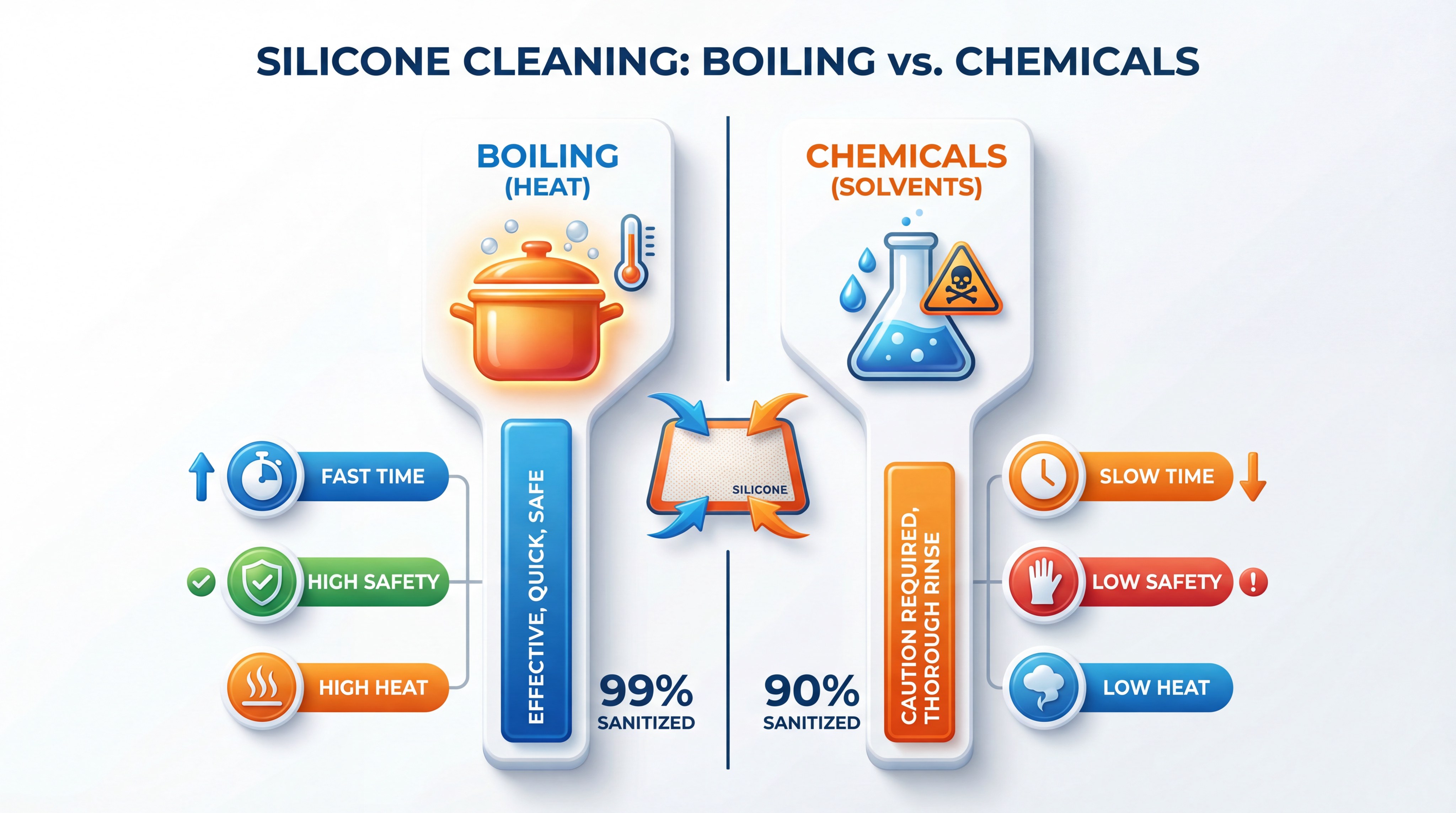
No, you should generally avoid using harsh chemicals like bleach or high-concentration alcohol to sterilize your silicone products. While these chemicals kill bacteria, they can degrade the surface of the material over time, making it tacky or brittle. Knowing how to clean silicone correctly involves prioritizing heat over harsh solvents for material longevity.
Why does alcohol affect silicone?
Look: Frequent use of isopropyl alcohol can strip the protective surface finish of certain silicone grades. This leads to a “sticky” feeling that attracts even more dust and contaminants than before.
- Alcohol can cause micro-cracking in medical-grade parts.
- Bleach may leave toxic residues in porous-like textures.
- Chemicals can discolor vibrant silicone pigments.
Are there safer chemical alternatives?
The best part? If heat isn’t an option, mild dish soap and warm water are often enough to remove surface debris. For deeper sanitization without heat, specialized medical-grade cleaners are the only safe alternative.
Key Takeaway: Avoid household bleach and alcohol; heat-based sterilization is far safer for the material and the user.
| Solvent | Impact | Recommendation |
|---|---|---|
| Alcohol | Surface Degradation | Avoid Frequent Use |
| Bleach | Toxic Residue | Not Recommended |
| Mild Soap | Safe Cleaning | Recommended |
Choosing the right cleaning agent is critical to maintaining the high-quality feel of Hualin Silicone products.
How to sterilize silicone products for babies?
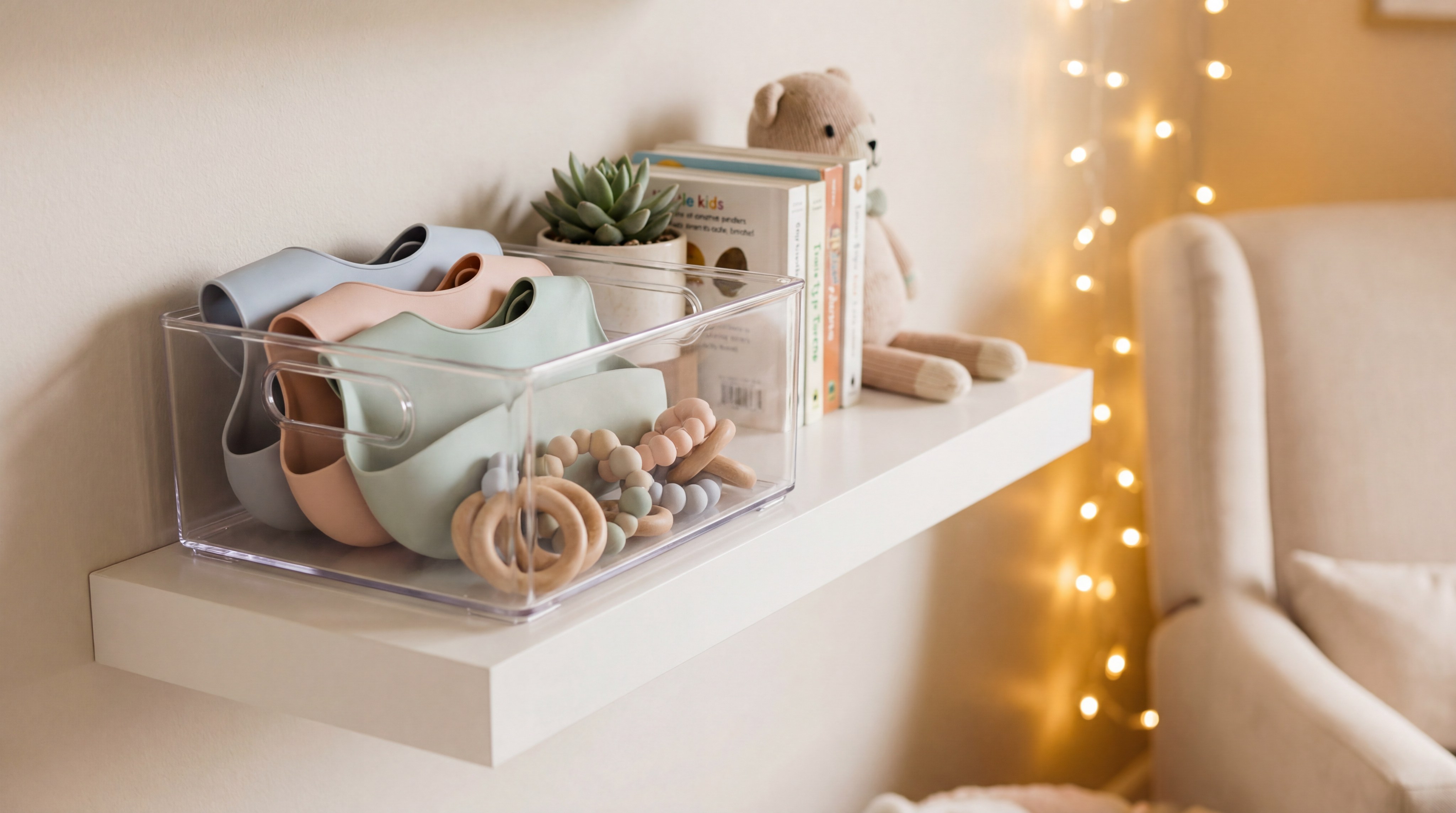
Baby products require the most frequent and rigorous sterilization to protect developing immune systems. From bibs to teethers, high-heat methods are the safest way to ensure no harmful bacteria remain. Consistently practicing how to clean silicone for infants prevents cross-contamination and ensures a safe feeding environment.
Can you freeze silicone teethers?
Why does this matter? While silicone can handle freezing temperatures down to -40°C, most experts recommend refrigerating teethers instead of freezing them. Extreme cold can cause “frostbite” on a baby’s sensitive gums.
- Refrigerate teethers for a soothing cooling effect.
- Ensure teethers are sterilized before cooling.
- Check for damage after thermal changes.
How often should baby items be sterilized?
Here’s the deal: New items should always be sterilized before the first use. For newborns, daily sterilization is recommended, while older infants can move to a weekly schedule as their immune systems strengthen.
Key Takeaway: Prioritize heat sterilization for baby items to ensure a chemical-free, germ-free experience for your little ones.
| Baby Item | Recommended Method | Frequency |
|---|---|---|
| Pacifiers | Steam / Boil | Daily |
| Feeding Bibs | Dishwasher | After Each Use |
| Teethers | Boil | Weekly |
Consistent hygiene practices help maintain the safety of high-quality silicone products available at hualinsili.com/product.
How does industrial LSR sterilization work?
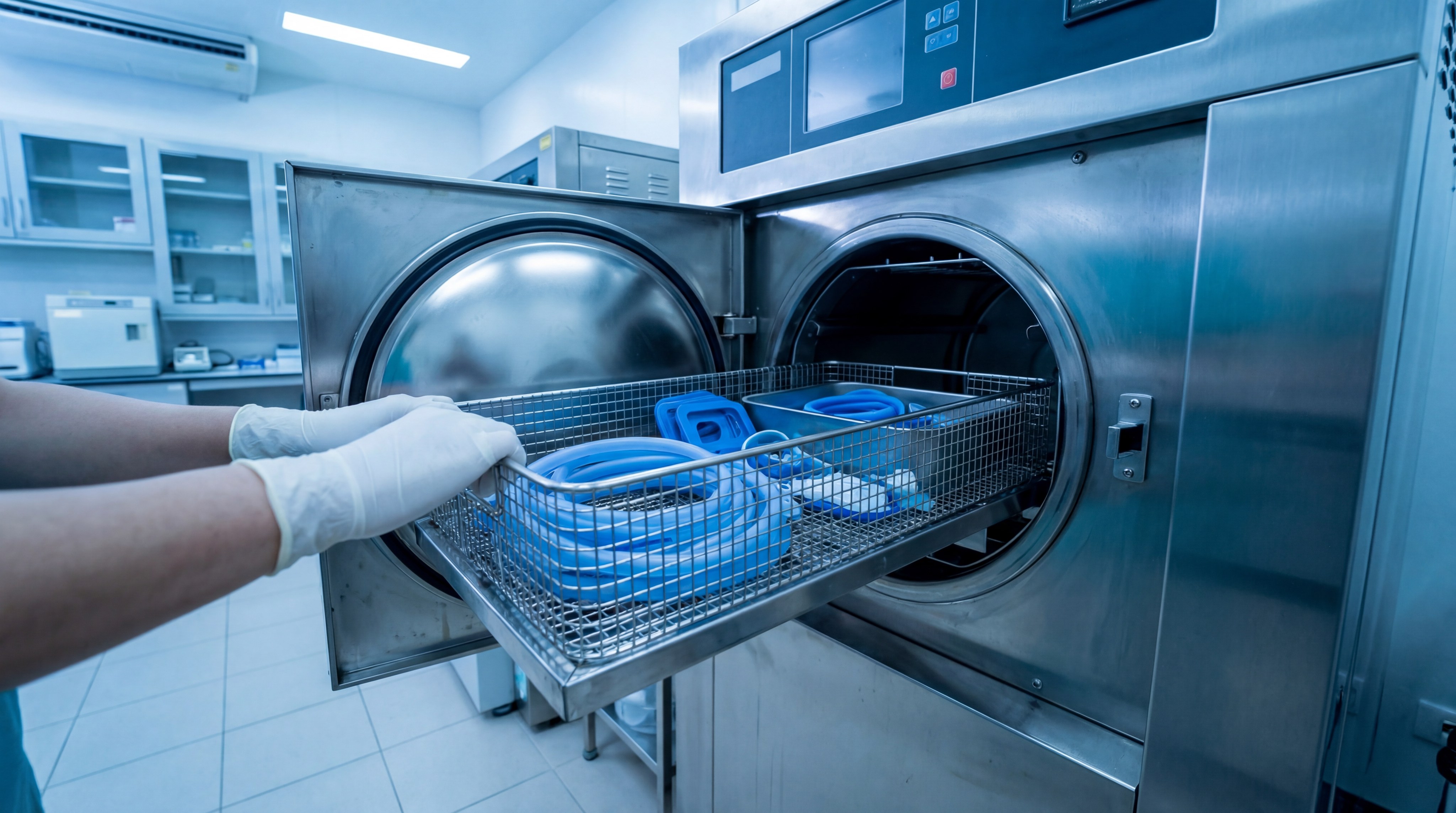
In industrial settings, Liquid Silicone Rubber (LSR) components undergo advanced sterilization processes like autoclaving or Gamma radiation. These professional methods ensure that medical-grade parts meet the highest safety standards required for clinical use. Understanding how to clean silicone at this level highlights the extreme durability of Hualin Silicone’s materials.
What is autoclave sterilization?
Look: Autoclaves use pressurized steam to reach temperatures far above boiling, typically 121°C or 134°C. This ensures that even the most resistant spores are eliminated from the silicone’s surface.
- High pressure forces steam into complex geometries.
- Sustained heat ensures total pathogen neutralization.
- Ideal for medical implants and surgical tools.
Can you use UV-C light on silicone?
But wait, there’s more: While UV-C is effective for surface bacteria, prolonged exposure can eventually weaken the molecular bonds in silicone. This may lead to discoloration or a slight loss of elasticity over many years.
Key Takeaway: Professional autoclave sterilization is the ultimate method for silicone components in high-stakes medical and industrial applications.
| Industry Method | Temperature/Force | Main Benefit |
|---|---|---|
| Autoclave | 121°C + Pressure | Deep Sterilization |
| Gamma Ray | Radiation | Cold Sterilization |
| UV-C Light | Light Waves | Surface Sanitization |
Learn more about industrial-grade manufacturing and sterilization standards at hualinsili.com/industry.
What are common mistakes when cleaning silicone?
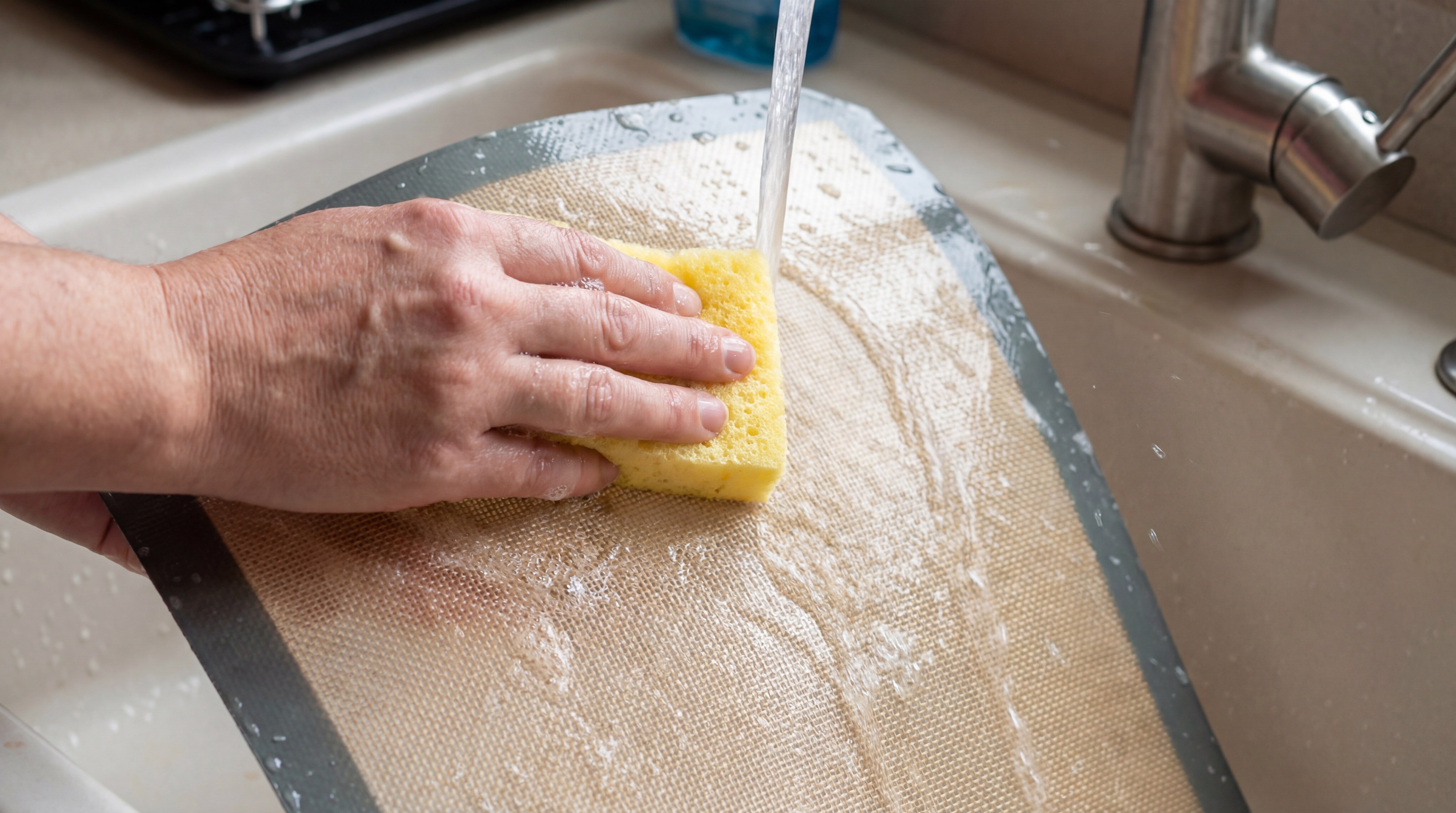
One of the most common mistakes is using abrasive tools that create microscopic scratches on the silicone’s surface. These scratches become breeding grounds for bacteria, making future sterilization much more difficult. Mastering how to clean silicone requires a gentle touch to preserve the material’s smooth, non-porous finish.
Do abrasive sponges damage the surface?
Yes, they do. Using steel wool or heavy-duty scouring pads can ruin the silicone’s “non-stick” properties and trap residues that lead to unpleasant odors.
- Always use soft sponges or microfiber cloths.
- Avoid scraping silicone with metal utensils.
- Rinse thoroughly to prevent soap film buildup.
Can hard water leave spots?
The best part? You can easily prevent cloudy white spots caused by calcium and magnesium. Simply adding a splash of white vinegar to your boiling water will keep your silicone looking crystal clear and new.
Key Takeaway: Avoiding abrasives and managing hard water minerals are the two easiest ways to extend the life of your silicone products.
| Cleaning Mistake | Consequence | Easy Fix |
|---|---|---|
| Steel Wool | Micro-scratches | Use Soft Sponge |
| Harsh Bleach | Material Fatigue | Use Heat/Steam |
| Hard Water | Cloudy Spots | Add Vinegar to Boil |
Proper maintenance ensures that Hualin Silicone products remain hygienic and visually appealing for their entire lifespan.
Does frequent sterilization damage silicone?
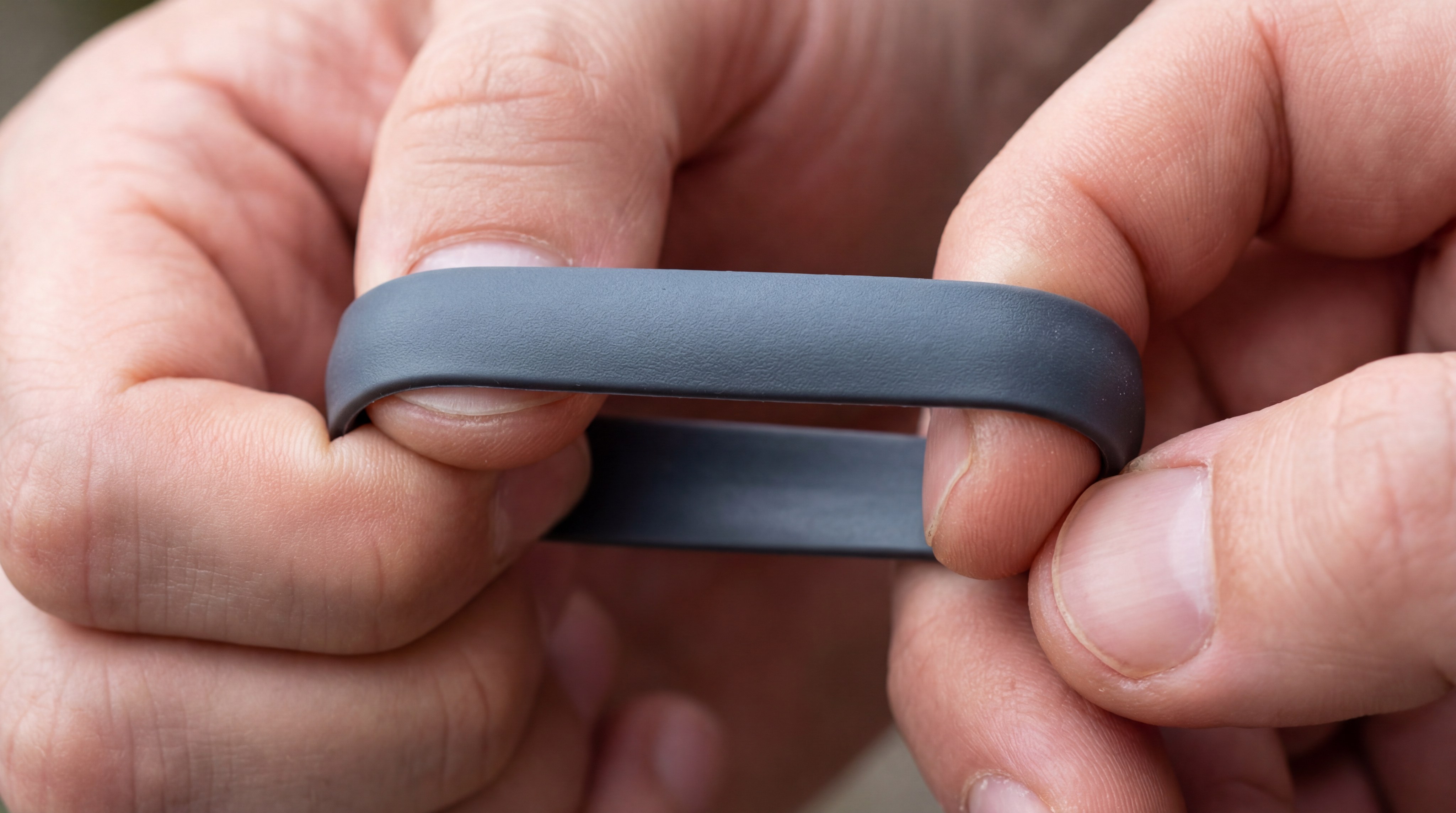
No, frequent sterilization using recommended heat methods will not damage high-quality silicone products. Because the material is engineered for thermal stability, it can handle thousands of boiling or steaming cycles without degradation. When you know how to clean silicone properly, you are actually extending the product’s useful life by removing damaging residues.
What is the heat limit for silicone?
Why does this matter? Most food-grade silicone is rated for continuous use at 200°C and can withstand spikes up to 230°C. Standard sterilization methods rarely exceed 100°C, leaving a massive safety margin.
- Boiling water (100°C) is well within limits.
- Steam sterilization (100-120°C) is perfectly safe.
- Oven-baking for odor removal is also acceptable.
How to tell if silicone is deteriorating?
Look: Silicone is incredibly durable, but it isn’t immortal. If the material feels sticky after washing or starts to crumble, it is time to replace the item.
Key Takeaway: High-quality silicone is designed for repeated high-heat exposure; it will not melt or warp during standard sterilization.
| Grade | Heat Limit | Durability |
|---|---|---|
| Food Grade | 200°C | Very High |
| Medical LSR | 230°C | Exceptional |
Hualin Silicone utilizes premium raw materials to ensure every product maintains its integrity through years of sterilization.
How should you store silicone after sterilization?
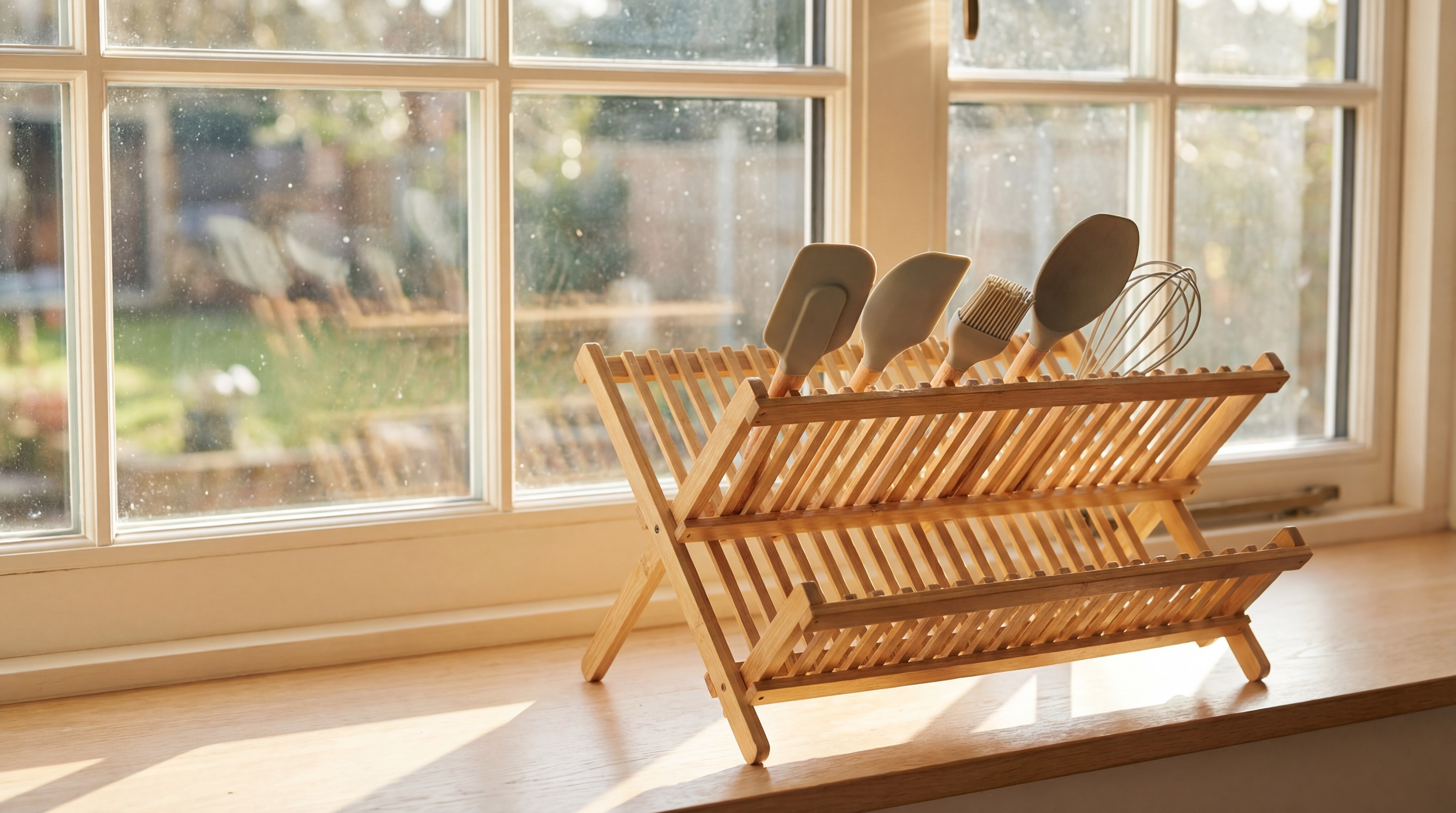
Proper storage is the final, crucial step to prevent re-contamination after you have successfully sterilized your silicone items. Once the material is clean, it must be dried and stored in a dust-free environment to maintain its hygienic state. Perfecting how to clean silicone involves a seamless transition from the heat cycle to a clean storage container.
Why is air drying better than towel drying?
Here’s the deal: Even clean-looking towels can harbor lint, dust, and microscopic bacteria. Allowing your silicone to air dry on a ventilated rack is the most hygienic way to finish the process.
- Use a clean, open rack for maximum airflow.
- Ensure items are completely dry before storage.
- Avoid stacking wet silicone to prevent moisture traps.
How to prevent dust buildup?
The best part? Silicone’s natural “grippy” surface attracts dust like a magnet. Storing items in a sealed, BPA-free container or a dedicated clean drawer will keep them ready for immediate use.
Key Takeaway: Air drying and sealed storage are essential to preserving the results of your sterilization efforts.
| Storage Step | Purpose | Pro Tip |
|---|---|---|
| Air Drying | Prevent Bacteria | Use a Bamboo Rack |
| Sealed Box | Dust Protection | Use Clear Containers |
| Cool/Dry Place | Longevity | Avoid Direct Sunlight |
Effective storage ensures that the effort you put into sterilization provides the safest possible experience for your family.
*
At Hualin Silicone, we are committed to providing the highest quality Liquid Silicone Rubber (LSR) solutions for global industries. Our mission is to combine innovative manufacturing with extreme safety standards to create products that enhance lives. For custom silicone manufacturing or more expert guidance on material care, contact us today to speak with our technical team.
FAQ
Can I sterilize silicone in an air fryer?
No. Air fryers use dry, circulating heat that can create uneven hot spots, potentially exceeding the material’s temperature rating unlike the stable environment of boiling water.
What’s the best way to remove soap smells from silicone?
Yes, you can bake the silicone in an oven at 120°C (250°F) for 20 minutes. This process helps “off-gas” any trapped scents or soapy residues safely.
Can I use a UV-C sterilizer for my silicone phone case?
Yes, UV-C is safe for occasional surface sanitization. However, it only kills bacteria where the light touches and may cause slight discoloration with prolonged use over years.
What happens if I boil silicone for too long?
No, boiling for 20-30 minutes will not melt the silicone. However, it is unnecessary and may lead to a faster buildup of hard water scale on the product’s surface.
Can I use essential oils to sanitize silicone?
No. Many essential oils act as solvents that can degrade silicone material over time or leave a permanent, oily residue that is difficult to remove.