
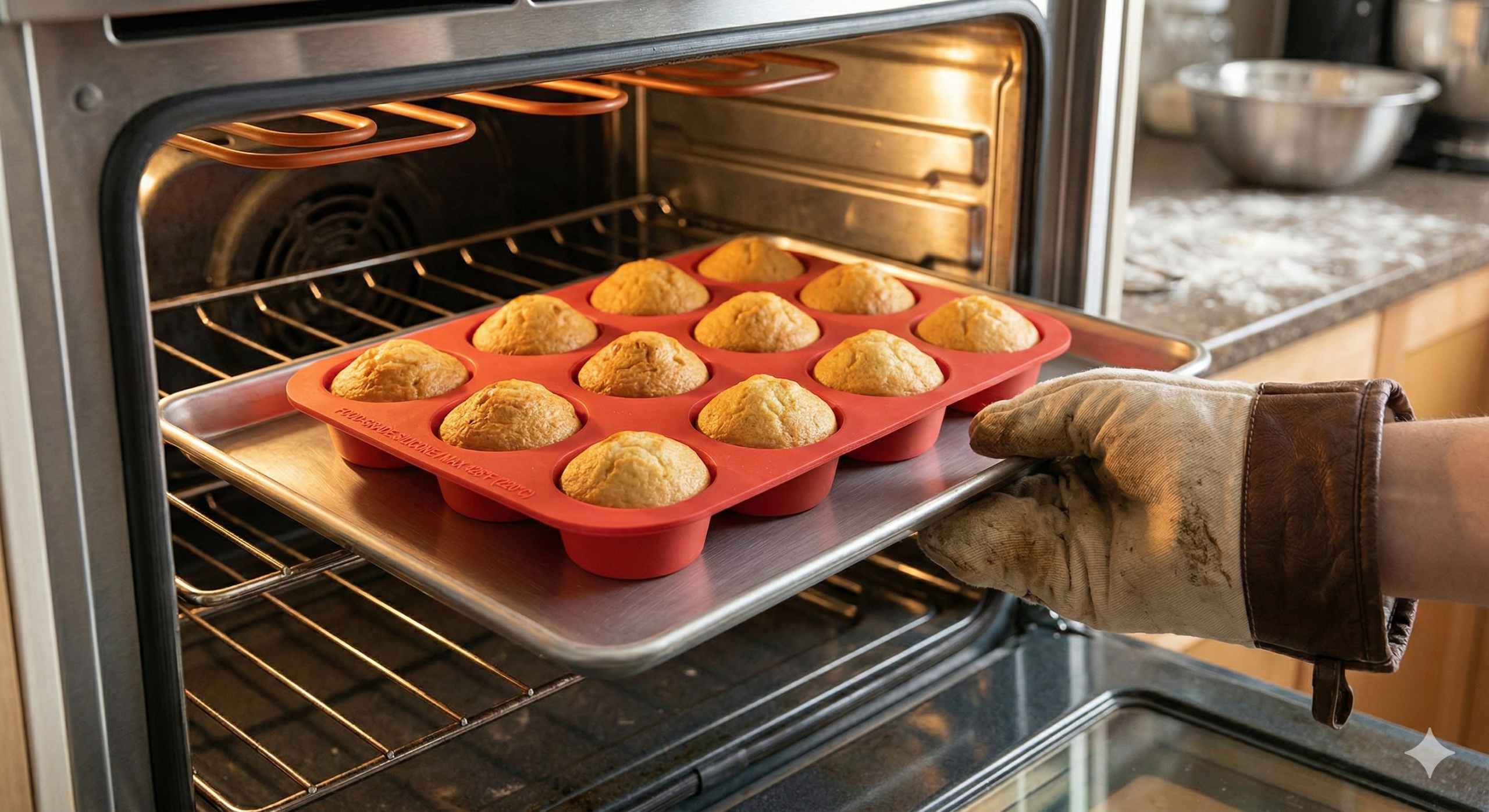
Yes, silicone is completely oven-safe and can typically withstand temperatures up to 428°F (220°C). Traditional metal pans are often heavy, prone to sticking, and difficult to store in compact kitchens. You might find yourself struggling with scrubbing burnt edges off steel trays, wondering if there is a more flexible solution. The worry that does silicone melt in the oven often stops professional bakers and home cooks alike from making the switch to more efficient tools. This fear of a chemical mess or ruined appliance is understandable, but modern material science has solved it. By using high-quality, food-grade silicone kitchenware, you gain a non-stick, durable, and heat-resistant partner for all your baking needs.
Is Silicone Really Safe for High-Heat Baking?
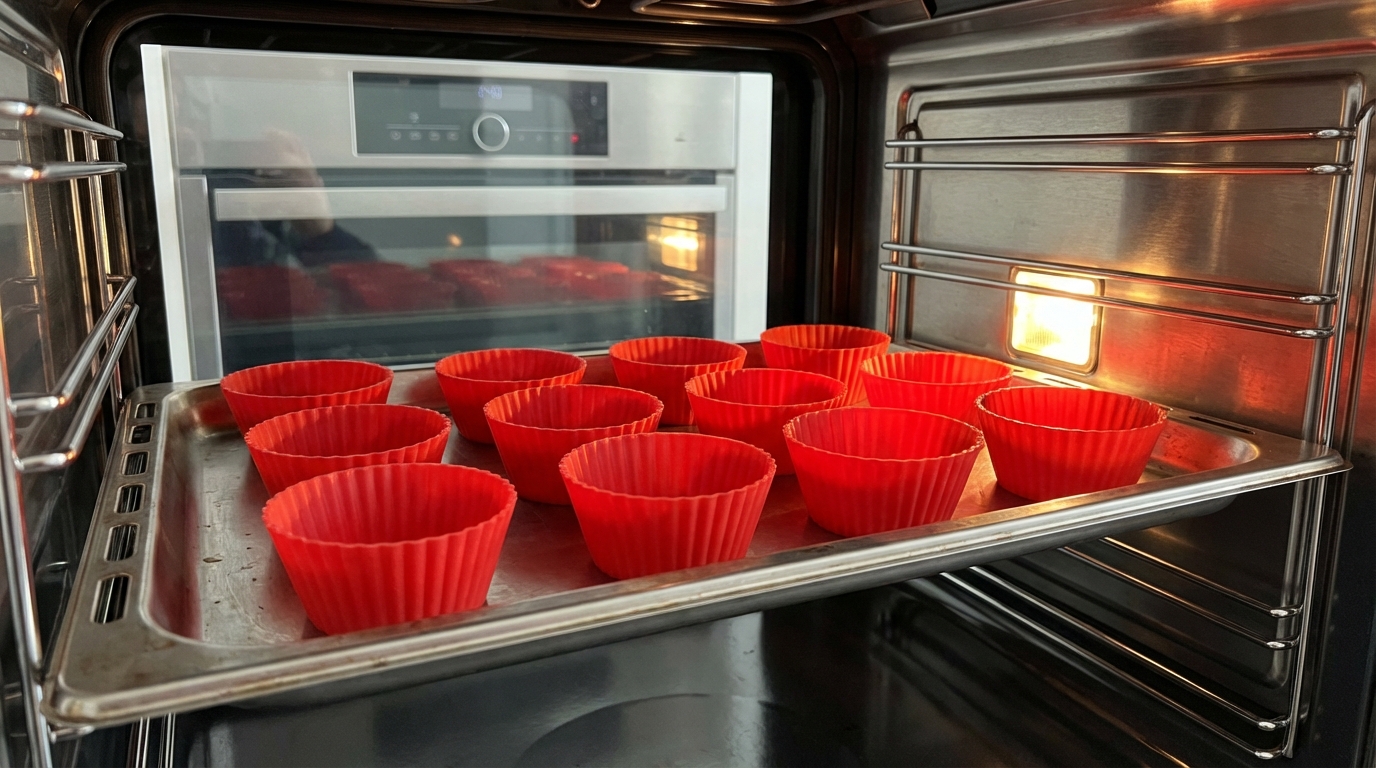
No, silicone does not melt in the oven when used within its specified temperature range because it is a stable polymer, not a plastic.
The Science of Heat Resistance
Think about it. Silicone is made from silicon, oxygen, carbon, and hydrogen, creating a backbone that remains stable even when the heat turns up. Unlike plastic, which softens and liquefies, silicone maintains its structural integrity.
- It resists oxidation and aging over time.
- The material does not off-gas toxic fumes at standard baking temps.
- Flexibility remains constant from the freezer to the oven.
Understanding Polymer Stability
Here is the deal: the molecular structure of silicone allows it to absorb thermal energy without breaking its chemical bonds. This makes it an ideal candidate for industrial-grade kitchen environments where reliability is paramount.
Key Takeaway: High-quality silicone is an inert material designed to handle extreme temperature fluctuations without degrading or releasing chemicals.
| Material Property | Silicone Performance |
|---|---|
| Melting Point | None (Degrades > 500°F) |
| Chemical Reactivity | Low / Inert |
| Thermal Stability | High |
This data confirms that silicone is a superior choice for high-heat applications compared to many organic rubbers or plastics.
How Does Silicone Compare to Plastic or Metal?
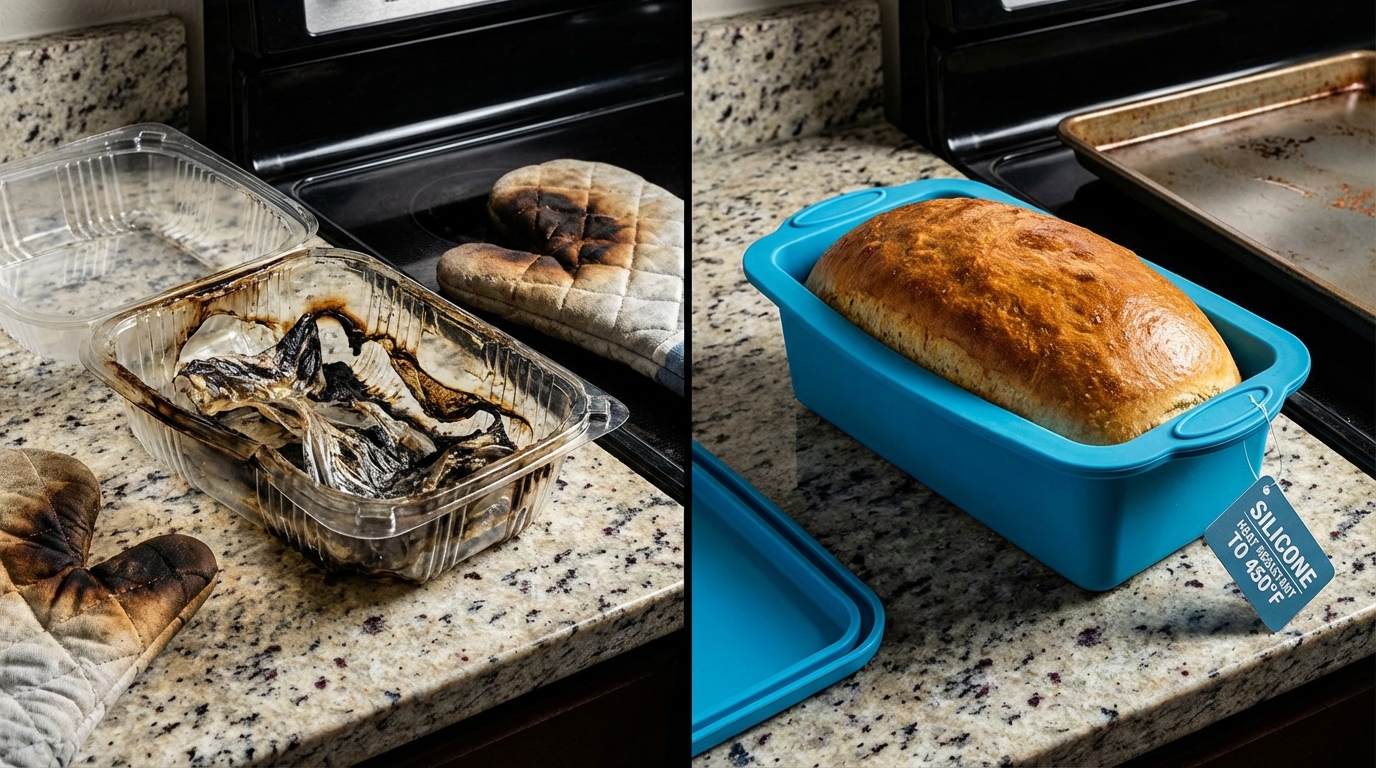
When people ask does silicone melt in the oven, they are often confusing this heat-resistant rubber with low-melting-point plastics.
Silicone vs. Metal Performance
Let’s be honest. Metal is a great conductor, but it creates “hot spots” that can lead to uneven browning. Silicone acts as an insulator, ensuring a more gentle and even heat distribution across your baked goods.
- Non-stick properties are permanent in silicone.
- Metal pans require greasing or parchment paper.
- Silicone won’t rust or dent like aluminum or steel.
Why Plastic is Never an Option
Believe it or not, many people still try to use TPE or other plastics in the oven with disastrous results. Plastics have a true melting point where they become liquid, whereas silicone is a thermoset material that simply stays solid.
Key Takeaway: Choosing silicone over metal or plastic provides a permanent non-stick surface and safer thermal management.
| Feature | Silicone | Metal | Plastic (TPE) |
|---|---|---|---|
| Oven Safe | Yes (to 428°F) | Yes (to 500°F+) | No |
| Non-Stick | Natural | Requires coating | N/A |
| Durability | Flexible/No Rust | Rigid/Corrosive | Melts |
Silicone fills the gap between the heat resistance of metal and the non-stick convenience of plastics.
What Are the Specific Temperature Limits for Silicone?
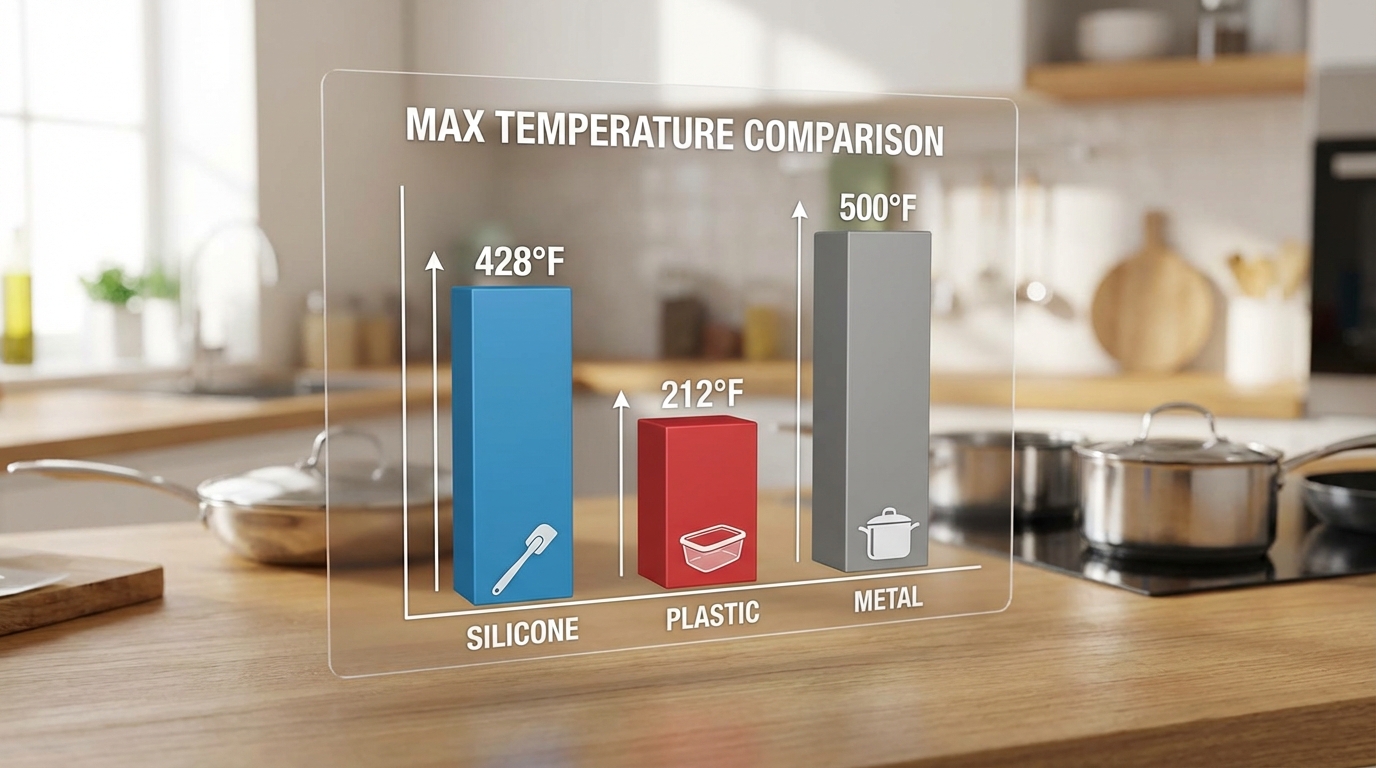
You should check the manufacturer stamp to see if your product supports 428°F, as you might still wonder does silicone melt in the oven at higher temps.
Standard Operating Ranges
You see, most kitchen-grade silicone is rated for -40°F to 428°F. This massive range allows you to take a mold directly from the deep freezer and place it into a preheated oven without the material cracking.
- Safe for microwave use.
- Dishwasher safe for high-temp sanitization.
- Capable of handled boiling water.
Avoiding the Danger Zone
Wait, there’s more. While silicone is tough, it is not invincible. If you expose it to a broiler or an open flame, it will undergo “thermal degradation,” turning into a brittle white ash rather than a puddle.
Key Takeaway: Always verify the maximum temperature rating on the bottom of your mold to ensure it matches your recipe’s requirements.
| Cooking Method | Safe for Silicone? | Temperature Note |
|---|---|---|
| Standard Baking | Yes | Up to 428°F |
| Air Fryer | Yes | Avoid heating elements |
| Broiling | No | Exceeds 500°F |
Staying within the verified temperature limits ensures the longevity and safety of your silicone tools.
Where Should You Place Silicone Inside the Oven?
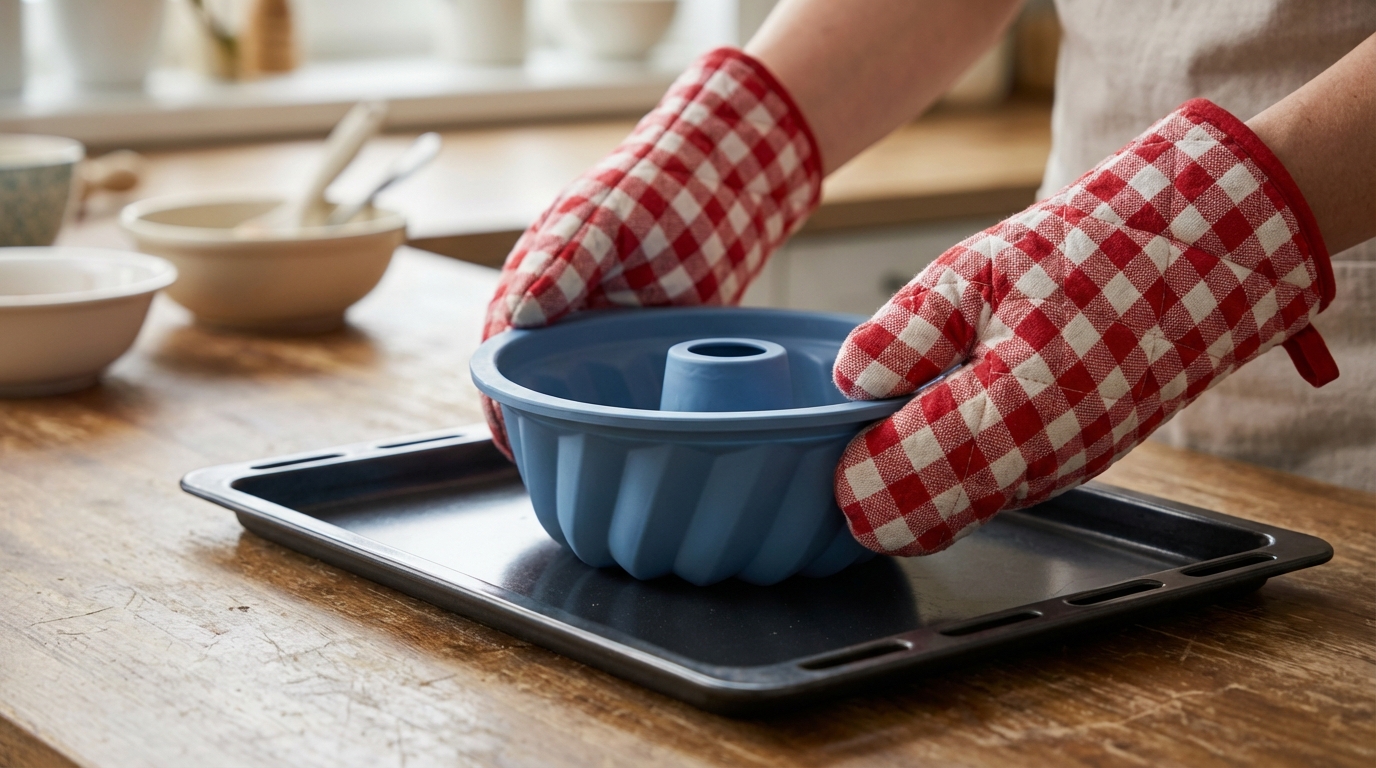
Even if does silicone melt in the oven is no longer a worry, placing the mold directly on the rack is a mistake for stability.
The Importance of Support
Here is the kicker: silicone is flexible. If you fill a muffin tin with liquid batter and try to slide it onto a wire rack, the mold may sag between the bars, leading to a massive spill.
- Use a metal baking sheet for support.
- Ensure the sheet is flat and level.
- Handle with oven mitts, as the mold stays flexible when hot.
Airflow and Positioning
Look, you want to keep the silicone away from the direct heating elements. Placing it too close to the bottom or top of the oven can cause localized overheating that exceeds the material’s safety rating.
Key Takeaway: Always use a rigid baking tray underneath silicone molds to ensure safety and prevent spills during transport.
| Placement Strategy | Benefit |
|---|---|
| On Metal Tray | Stability and even support |
| Center Rack | Optimal airflow |
| Away from Walls | Prevents scorching |
Proper positioning is the secret to getting professional results without the mess of a collapsed mold.
Does Silicone Cool Down Quickly After Baking?
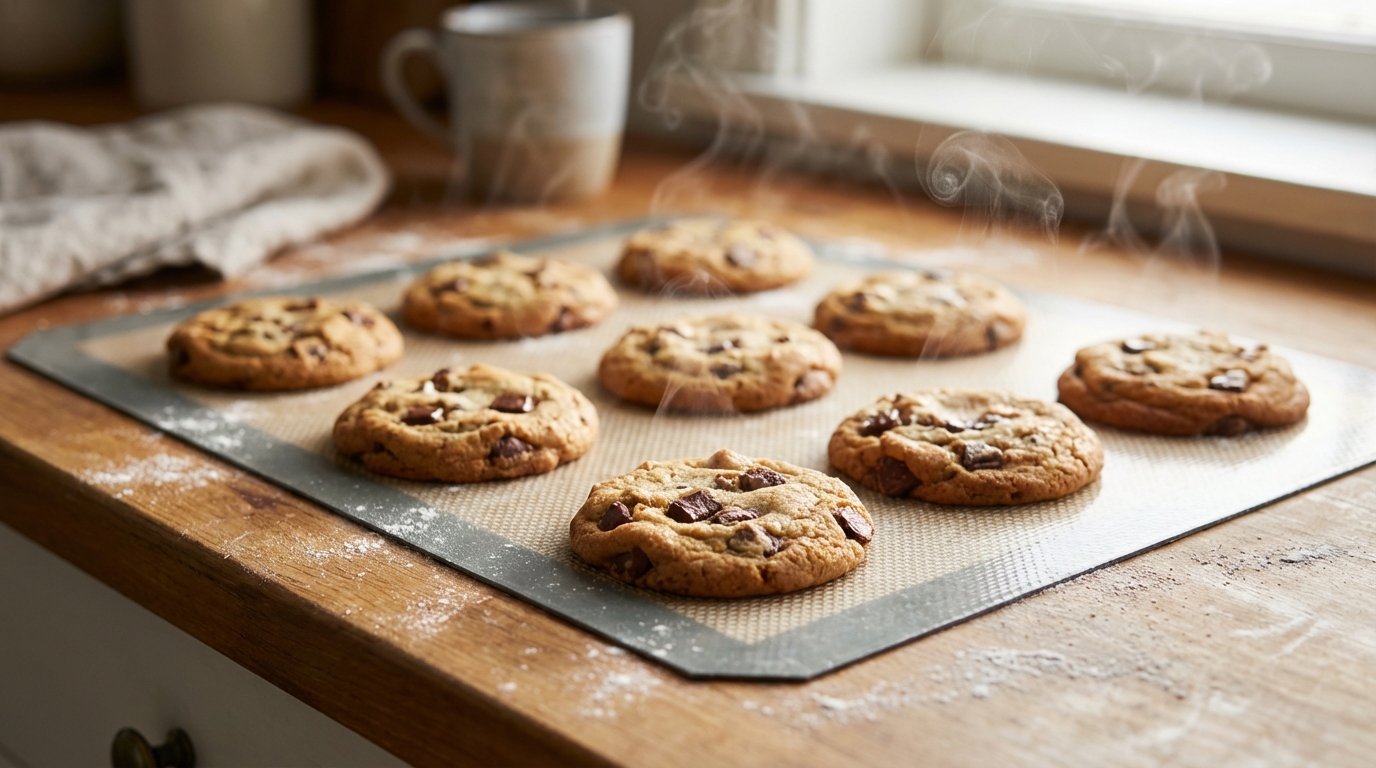
One of the best benefits is that does silicone melt in the oven is a non-issue, and the material dissipates heat rapidly once removed.
Rapid Cooling Advantage
Think about it. Metal pans hold onto heat for a long time, often continuing to cook your food even after they are out of the oven. Silicone loses its heat much faster, which stops the cooking process immediately.
- Faster turnaround for batch baking.
- Safer for handling within minutes.
- Prevents over-baking of delicate cookies.
Releasing Your Baked Goods
Best of all, you don’t have to wait for the pan to be cold to release your food. Because silicone doesn’t expand and contract like metal, the food releases cleanly even when slightly warm.
Key Takeaway: Silicone’s low thermal mass means it cools quickly, making it safer to handle and better for high-volume baking.
| Cooling Speed | Silicone | Metal |
|---|---|---|
| To Room Temp | ~5-10 Minutes | ~20-30 Minutes |
| Risk of Burns | Low (after short wait) | High |
This rapid cooling cycle allows for faster packaging and cleaning in professional kitchen environments.
What Happens to Silicone at a Molecular Level?
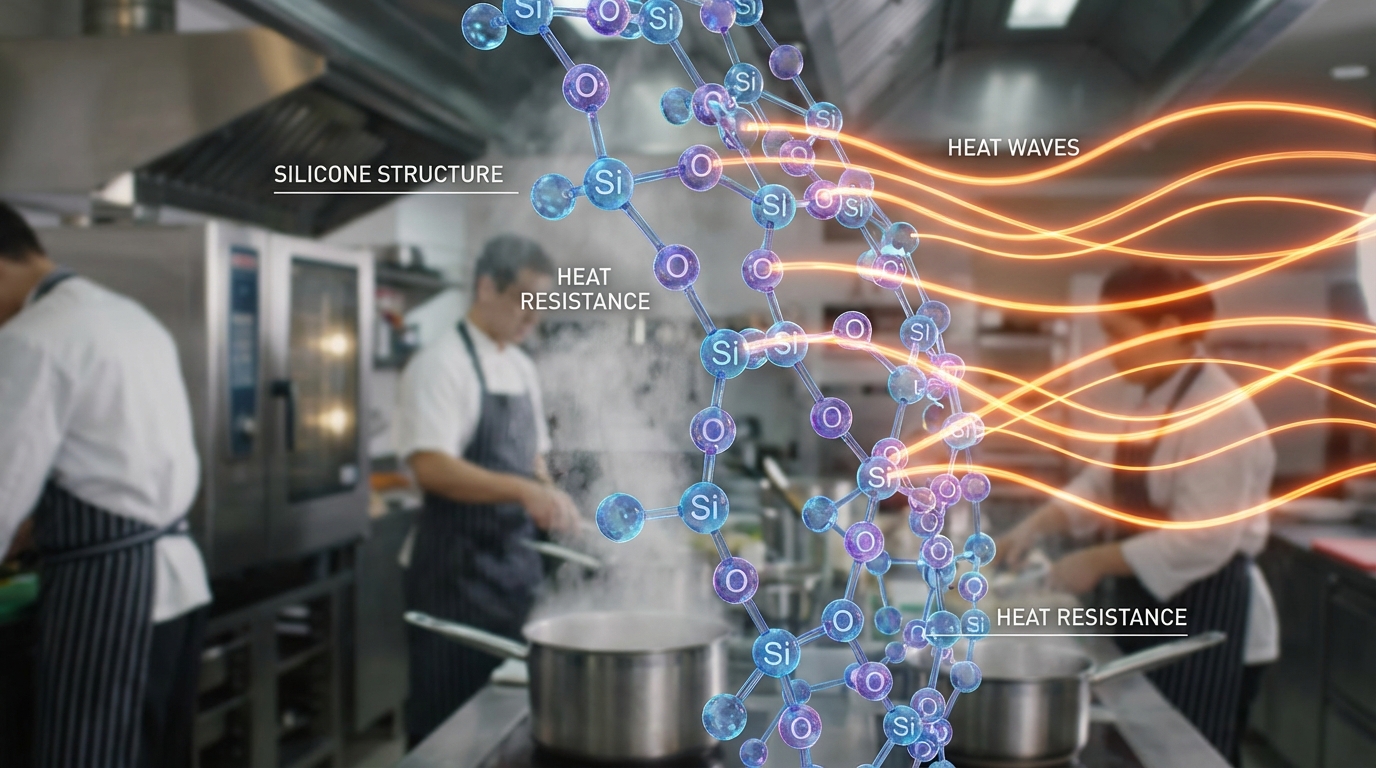
Understanding that does silicone melt in the oven is impossible requires looking at the strong silicon-oxygen bonds that resist thermal breakdown.
The Siloxane Backbone
You might be wondering why this material is so different from rubber. It’s all about the “siloxane” bond. These bonds are significantly stronger than the carbon-carbon bonds found in organic materials.
- Resists UV and ozone degradation.
- Maintains elasticity at -40°F.
- High vibrational resistance.
Thermal Conductivity Secrets
Here is the deal: silicone is a poor conductor of heat. While that sounds bad for cooking, it’s actually great for baking because it prevents the edges of your cakes from burning before the center is done.
Key Takeaway: The unique chemical structure of silicone makes it one of the most stable elastomers available for high-temperature use.
| Chemical Bond | Strength | Heat Resistance |
|---|---|---|
| Si-O (Silicone) | Very High | Excellent |
| C-C (Plastic) | Moderate | Poor |
The molecular stability of silicone is what provides its “oven-safe” certification and peace of mind for the baker.
Is Baked Food Safer in Silicone Than Metal?

Families often worry about chemical leaching, asking does silicone melt in the oven and release toxins into their homemade treats.
Food-Grade Certification
Think about it. When you use 100% food-grade silicone, you are using an inert material. It does not react with acidic foods or oils, meaning no metallic taste and no leaching of chemicals like BPA.
- FDA and LFGB approved.
- Free of lead and phthalates.
- Hypoallergenic material.
Avoiding Non-Stick Coatings
Wait, there’s more. Traditional non-stick metal pans often use coatings that can peel or flake off into your food as they age. Silicone is non-stick all the way through, so there is no coating to fail.
Key Takeaway: Silicone is a biocompatible material that offers a healthier alternative to pans with degrading chemical coatings.
| Safety Factor | Silicone | Coated Metal |
|---|---|---|
| Leaching Risk | Zero (if 100% pure) | Possible if scratched |
| Toxicity | Non-toxic | Potential PFOA/PFAS |
Choosing pure silicone ensures that the only thing in your food is the ingredients you put there.
How Can You Tell if Your Silicone is High Quality?

If you are concerned that does silicone melt in the oven, the “pinch test” can reveal if dangerous plastic fillers are present.
Performing the Pinch Test
Here is the deal: 100% pure silicone will stay the same color when you twist or pinch it. If you see white streaks appearing in the material, that indicates the presence of cheap plastic fillers.
- Fillers reduce heat resistance.
- Low-quality molds may smell like plastic.
- Pure silicone is odorless even at 400°F.
B2B Quality Standards
Believe it or not, the difference in price usually reflects the purity of the material. For industrial or high-volume use, opting for platinum-cured silicone ensures the highest possible safety and performance levels.
Key Takeaway: High-quality silicone never turns white when pinched, ensuring it is free of low-grade fillers that could melt.
| Test Result | Pure Silicone | Silicone with Fillers |
|---|---|---|
| Pinch Test | Color stays uniform | Turns white |
| Odor at 400°F | None | Chemical/Plastic smell |
Investing in high-quality silicone prevents the safety risks associated with cheap manufacturing shortcuts.
Is Cleaning Silicone Easier Than Traditional Pans?
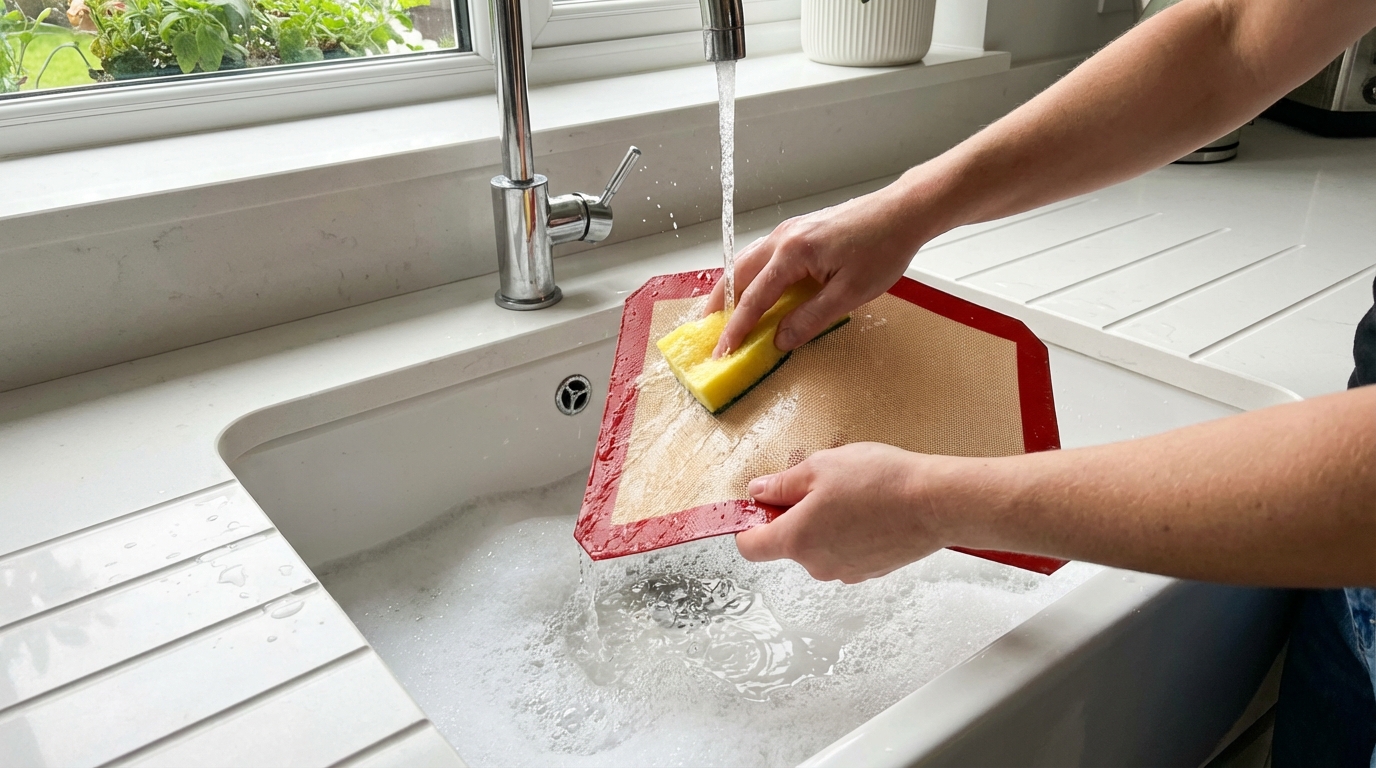
Since does silicone melt in the oven isn’t a concern, you can focus on how its non-stick surface makes post-bake cleanup a breeze.
The Non-Stick Advantage
Look, even the stickiest brownie residue can’t bond to the surface of silicone. You can simply “pop” the food out and rinse the mold with warm soapy water.
- No heavy scrubbing required.
- Safe for the top rack of the dishwasher.
- Resists staining and odors.
Dealing with Grease Buildup
Wait, there’s more. Sometimes silicone can feel a bit “sticky” if oils from the food aren’t fully washed away. A quick soak in hot water with a grease-cutting soap returns it to its original state.
Key Takeaway: The time saved in cleaning silicone bakeware makes it a favorite for high-efficiency commercial kitchens and busy homes.
| Cleaning Method | Effectiveness | Effort |
|---|---|---|
| Hand Wash | High | Very Low |
| Dishwasher | Excellent | None |
| Scouring Pads | Avoid | Could tear material |
Silicone’s easy-clean nature extends its lifespan and ensures a hygienic cooking environment every time.
How is Industrial Silicone Different for Production?
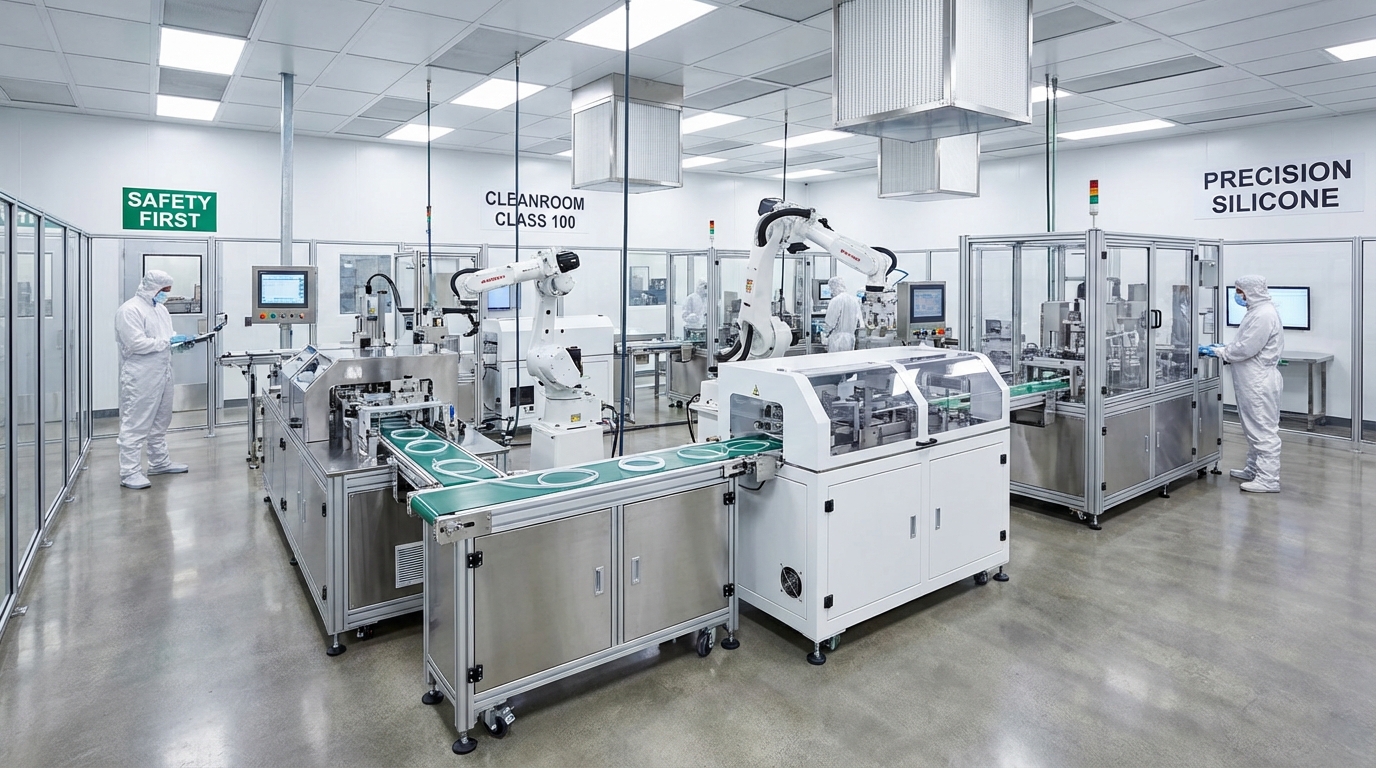
In a B2B context, knowing that does silicone melt in the oven is rarely an issue allows for mass production of complex, heat-stable parts.
Precision Manufacturing
Think about it. When you are manufacturing for the medical or telecom industries, tolerances are tight. Silicone can be molded into incredibly complex shapes that maintain their dimensions under heat.
- Liquid Silicone Rubber (LSR) molding.
- Overmolding with metal or plastic.
- Custom hardness (Durometer) levels.
Scalability and Durability
Best of all, silicone molds used in manufacturing can last for thousands of cycles. This durability reduces waste and ensures that every part produced meets strict quality control standards.
Key Takeaway: Industrial-grade silicone manufacturing leverages the material’s heat stability to create precision components for global markets.
| Manufacturing Metric | Silicone Advantage |
|---|---|
| Cycle Life | Thousands of repetitions |
| Precision | High (LSR molding) |
| Multi-Material | Bonds well to substrates |
Understanding industrial capabilities helps businesses choose the right silicone grade for their specific application.
*
Conclusion
Silicone has fundamentally changed how we approach high-temperature tasks, from the kitchen to the factory floor. By solving the core problem of sticking and heavy maintenance without the risk of melting, it has become an indispensable tool. At HuaLin Silicone, we pride ourselves on delivering ISO-certified, high-purity silicone solutions that meet the most demanding global standards. Whether you are looking for custom-engineered parts or premium kitchenware, our stance remains clear: quality materials lead to quality results. If you are ready to upgrade your production or product line with heat-stable silicone, contact us today for expert guidance and a free quote.
FAQ
Can I use silicone molds in a toaster oven?
Yes, as long as the mold does not touch the heating elements or the walls of the small oven, which can get much hotter than the set temperature.
What’s the best way to remove the “white film” from silicone?
Soak the item in a mixture of white vinegar and water for 30 minutes to dissolve mineral deposits from hard water.
Can I cut directly inside a silicone pan?
No, you should never use sharp knives or metal tools inside silicone, as they can easily puncture or tear the soft material.
Can I use silicone on the stovetop?
No, silicone should never be used on a direct heat source like a gas or electric burner, as the concentrated heat will cause it to burn.
Can I put silicone in the dishwasher?
Yes, silicone is completely dishwasher safe, and using the top rack is usually recommended to keep it away from the lower heating element.